Have you ever wondered why some cats seem utterly thrown off when you feed them five minutes late, while others barely blink when their entire world changes? It’s like two completely different species living under the same furry umbrella. Your feline friend’s relationship with routine might be more complex than you realize, and understanding where they fall on this spectrum can mean the difference between a happy cat and one that’s silently plotting your demise every time you rearrange the furniture.
Let’s be honest, most people assume all cats are rigid creatures of habit. Sure, that’s partially true. Cats are creatures of habit, and establishing a consistent routine can significantly impact their behavior and well-being. But here’s where it gets interesting. Some breeds and individual cats take this to an extreme level, while others seem to have missed that particular memo entirely. They’re out there living their best chaotic lives, thriving on spontaneity and new experiences.
The secret lies in understanding your cat’s personality type and breed tendencies. So let’s dive in.
1. Persian Cats: The Ultimate Predictability Lovers
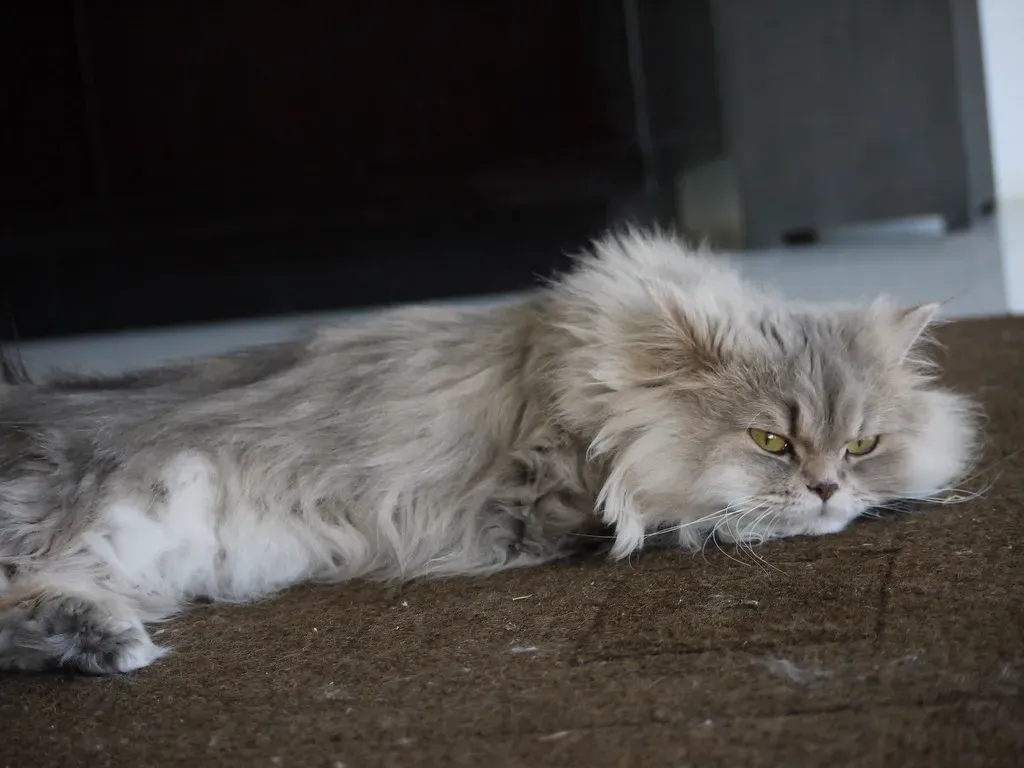
Persian cats don’t just prefer routine – they practically demand it with those soulful eyes and fluffy faces. These gorgeous longhaired felines thrive when their day follows the same pattern, day after day. Feeding times, play sessions, even your evening relaxation schedule all matter to them.
What makes Persians particularly attached to routine is their generally calm and gentle temperament. They’re not adventurous explorers by nature. Instead, they prefer to know exactly what’s happening and when. Any disruption to their carefully ordered world can cause visible stress. If you’ve got a Persian, you’ve probably noticed they give you that look when you’re late with dinner – and they remember it tomorrow too.
2. Russian Blue: Sensitive Souls Who Need Structure
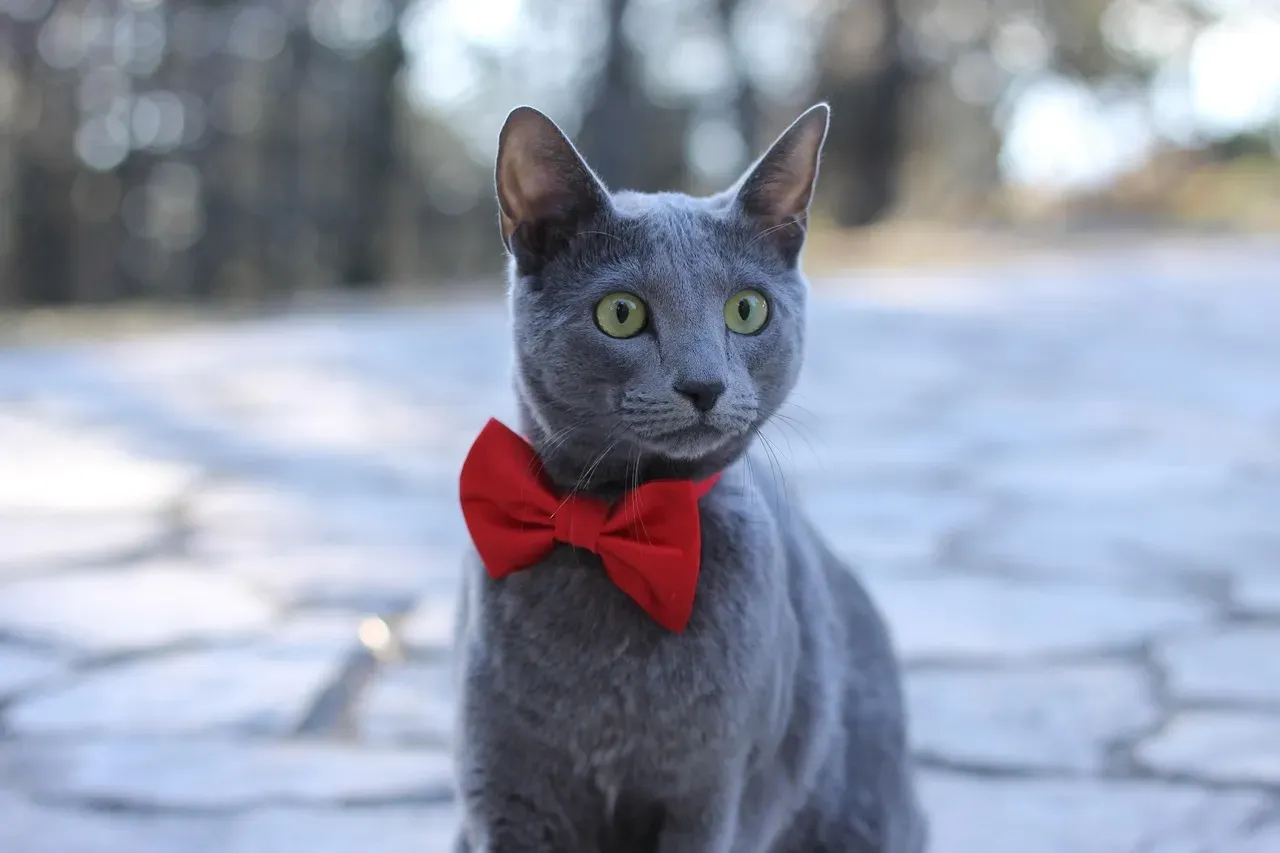
Russian Blues are stunning cats with shimmering blue coats, but beneath that beauty lies a surprisingly sensitive personality. These cats form deep bonds with their families, yet they remain cautious around strangers and changes in their environment.
They are normally reserved around strangers, unless they are brought up in an active household. The Russian Blue’s need for routine stems from their preference for predictability over chaos. They want to know when you’ll be home, when meals happen, and where their favorite napping spots remain undisturbed. Honestly, they’re the type to get stressed if you suddenly decide to work from home when you usually leave for the office.
3. British Shorthair: Steady as They Come
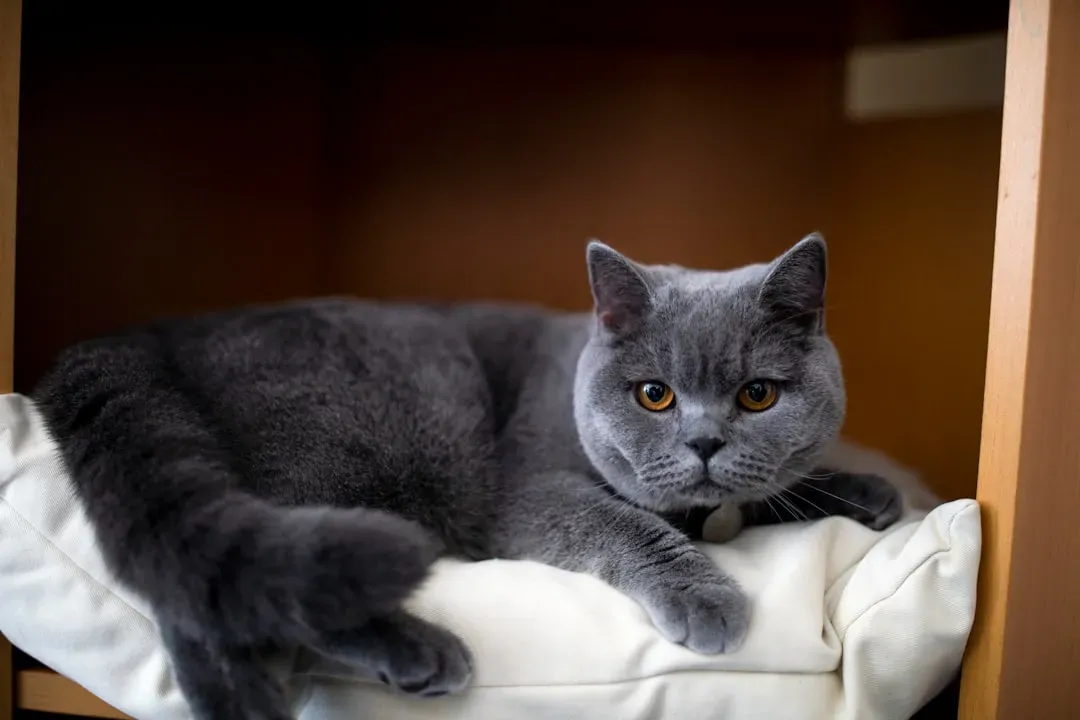
British Shorthairs epitomize the phrase “if it ain’t broke, don’t fix it.” These chunky, adorable cats with round faces appreciate consistency in every aspect of their lives. They’re not particularly playful or demanding, but they notice when things change.
Their laid-back nature shouldn’t fool you into thinking they’re flexible. British Shorthairs like their schedule and will gently remind you if you stray from it. Meal times at the same hour, play sessions that follow familiar patterns, and bedtime routines are all sacred to them. They’re the cats that will wait at the food bowl at exactly 6:00 AM, whether it’s a Tuesday or Saturday.
4. Ragdoll: Gentle Giants Who Love Consistency
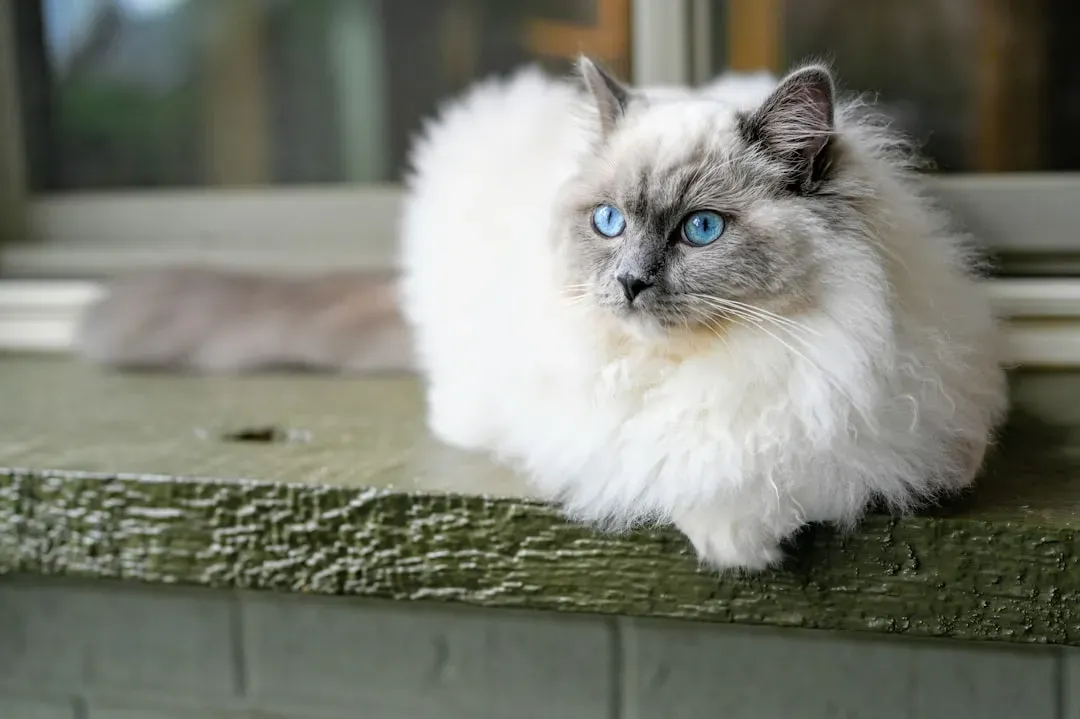
For individuals who travel often, the Ragdoll’s easygoing nature is a major advantage. While deeply affectionate, these cats aren’t overly clingy and can handle short periods alone without becoming stressed or destructive. That said, they still prefer knowing what to expect from their daily lives.
Ragdolls are docile and sweet-natured, following their humans around like puppy-dogs. Their attachment to routine comes from their desire for emotional security. They want predictable interaction times with you, consistent meal schedules, and familiar sleeping arrangements. When life gets unpredictable, you’ll notice your Ragdoll becoming quieter or seeking more reassurance than usual.
5. Scottish Fold: Quiet Routine Enthusiasts
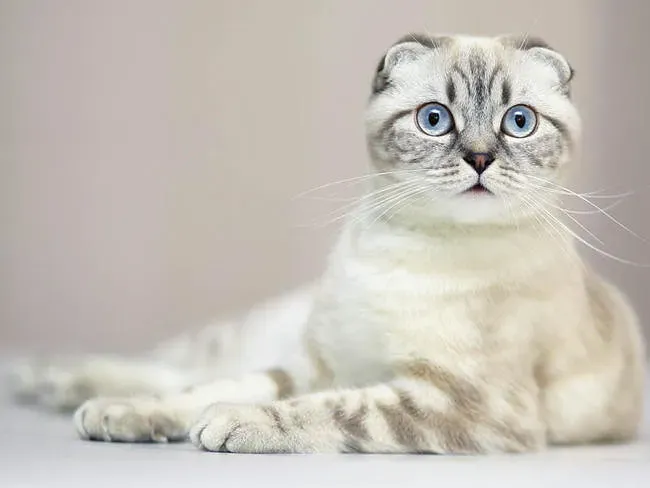
With their distinctive folded ears and round faces, Scottish Folds are undeniably charming. They’re also surprisingly attached to their daily routines. These cats are typically quiet, preferring a peaceful household where things happen on schedule.
Scottish Folds don’t handle change particularly well. They like knowing where their litter box is, when playtime happens, and that their favorite blanket remains in the same spot. Introduce a new pet or move furniture around, and you might find your Scottish Fold hiding or showing signs of stress. They’re homebodies in the truest sense.
6. Maine Coon: Structured Playfulness
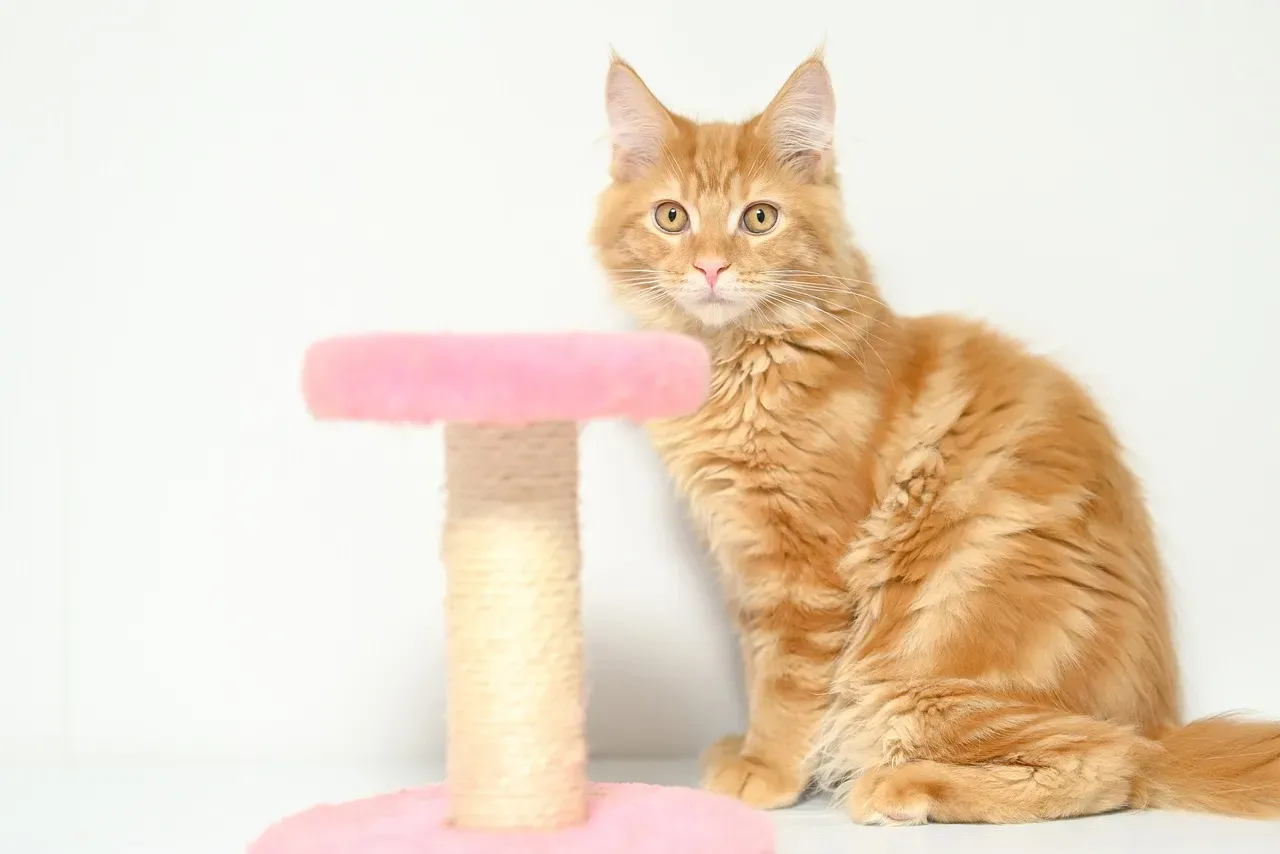
Maine Coons are fascinating because they combine playfulness with a surprising appreciation for routine. Maine Coons are especially quick to recognize routines thanks to their sharp minds and eager-to-please nature. They respond well to consistency, praise, and treats, making them receptive to learning daily schedules, feeding times, and interactive habits with ease.
These gentle giants enjoy their regular playtimes and appreciate knowing when dinner arrives. Their intelligence means they quickly learn your patterns and expect you to stick to them. They’re adaptable enough to handle some variation, but they genuinely prefer when life follows a predictable rhythm. Think of them as the friend who enjoys spontaneity occasionally but mostly wants to know the plan.
7. Siamese: Vocal Schedule Keepers
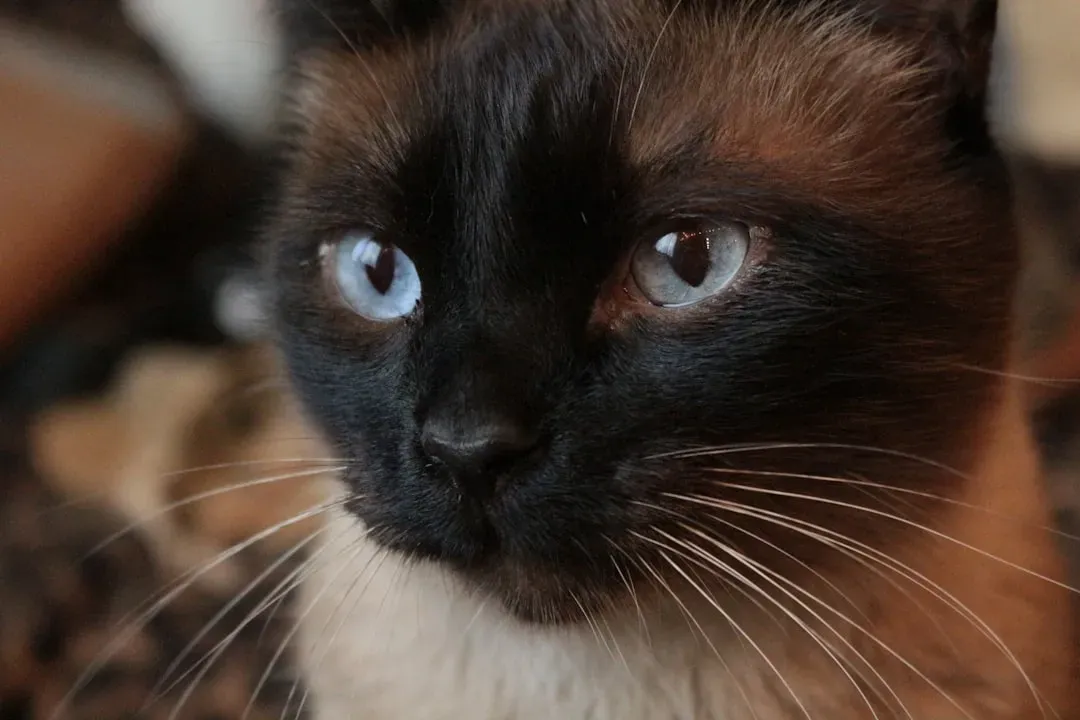
If you’ve ever owned a Siamese, you know they’re not shy about expressing their opinions. Siamese cats excel at learning routines because they crave involvement. These highly social cats become deeply attached to their families and their daily schedules.
Siamese cats will literally tell you when you’ve messed up the routine. Late with breakfast? They’ll let you know, loudly. Forgot the pre-bedtime play session? Prepare for a vocal reminder. Their attachment to routine stems from their need for structure and interaction. They’re not just observing the schedule – they’re actively participating in maintaining it.
8. American Shorthair: Classic Routine Lovers
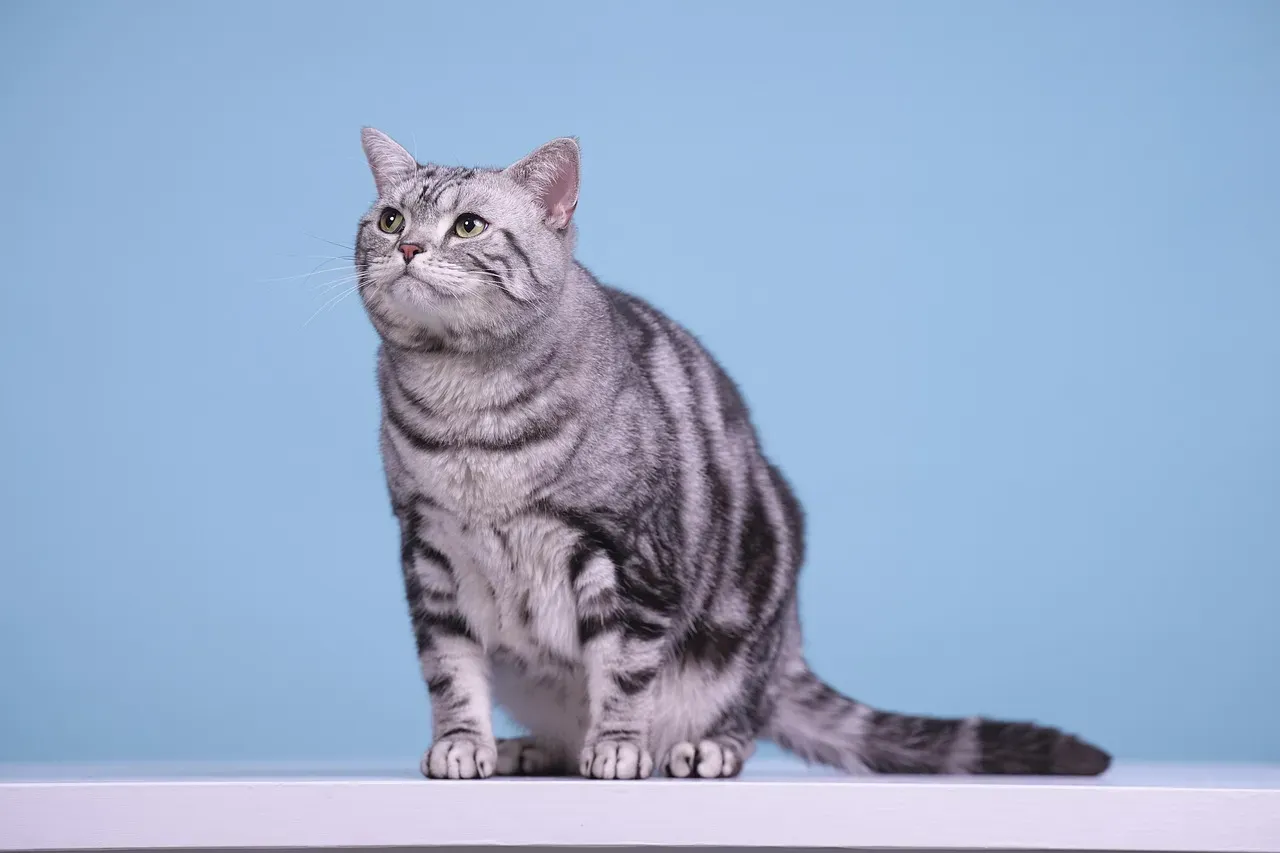
American Shorthairs are the quintessential house cats – friendly, adaptable to a point, but definitely happiest when life follows a pattern. These cats have balanced temperaments that appreciate stability without being overly anxious about it.
They’re not going to fall apart if dinner is ten minutes late, but they definitely prefer when it isn’t. American Shorthairs like their quiet time, their play time, and their cuddle time to happen when expected. It’s this easygoing yet routine-oriented nature that makes them such popular family pets across the country.
9. Abyssinian: The Adventurous Spirit
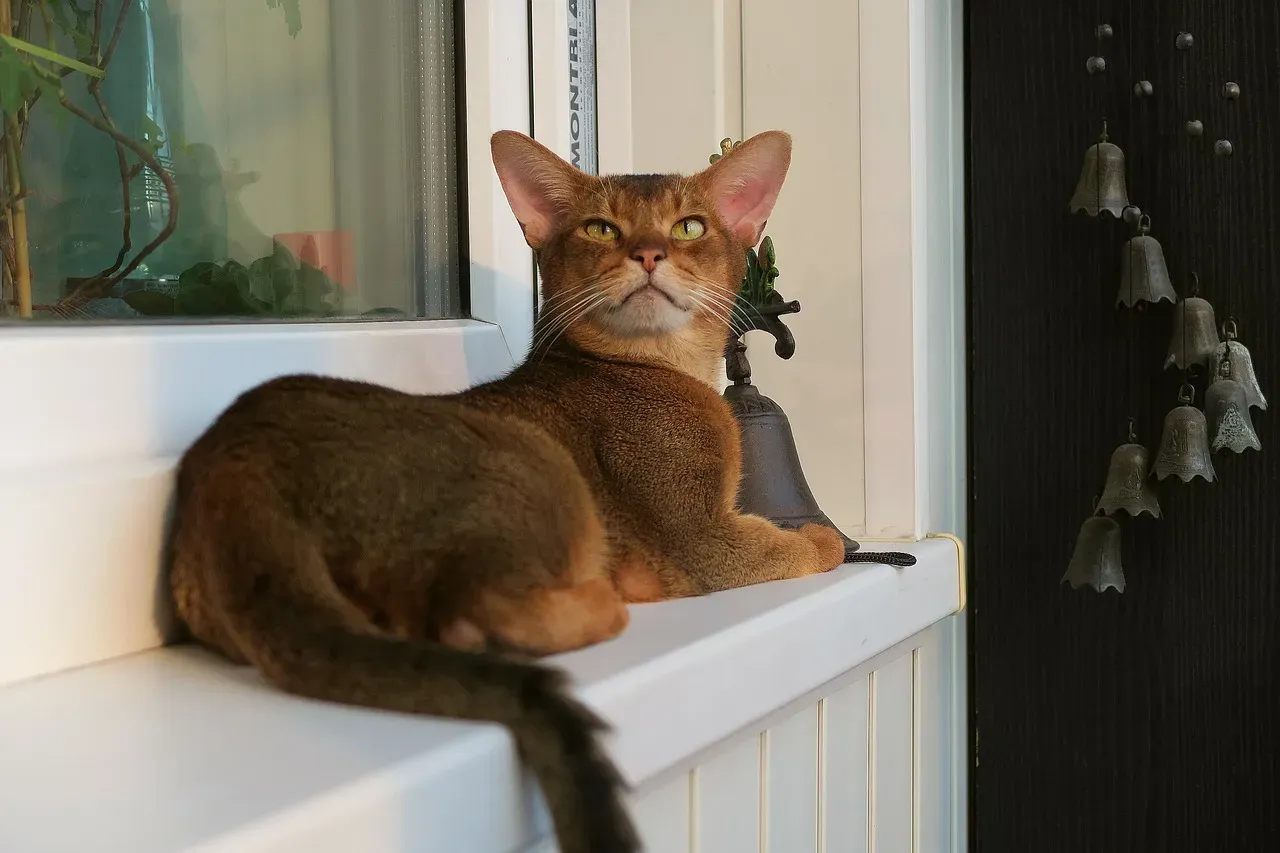
Now we shift gears entirely. For individuals who travel often, Abyssinians adapt well thanks to their curiosity and confidence. They’re naturally interested in new environments and tend to explore unfamiliar spaces without becoming overly anxious, which helps when routines change or temporary caregivers step in.
Abyssinians are the energizer bunnies of the cat world. They want new toys, new games, new smells, and new adventures. While they can learn routines quickly thanks to their intelligence, they don’t need them the way routine-oriented cats do. In fact, variety keeps them mentally stimulated and happy. A predictable, unchanging environment might actually bore an Abyssinian into destructive behavior.
10. Bengal: Wild at Heart
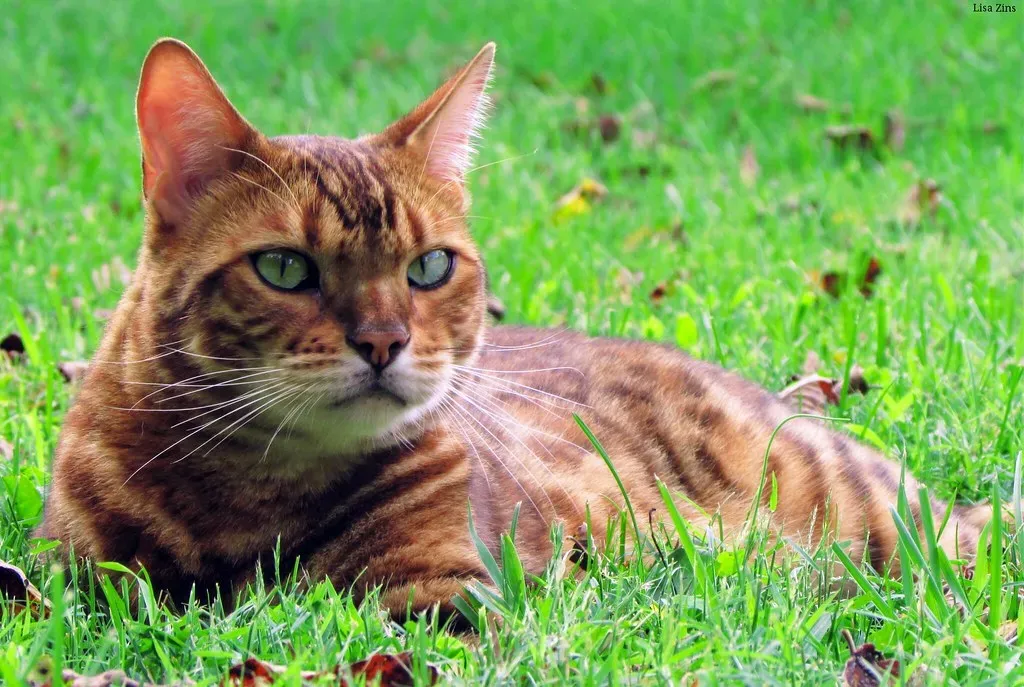
Bengals are partially descended from wild Asian Leopard Cats, and it shows in their personality. These striking spotted cats crave stimulation, change, and excitement. Routine? That’s for ordinary house cats.
Bengals need new challenges, rotating toys, changing environments, and plenty of interactive play that doesn’t follow the same pattern every day. They’re the cats that will get into everything, explore every corner, and demand that life stay interesting. If you’re the type who rearranges furniture regularly or brings home new cat furniture and toys, a Bengal will be your enthusiastic partner in crime.
11. Turkish Angora: Independent Explorers
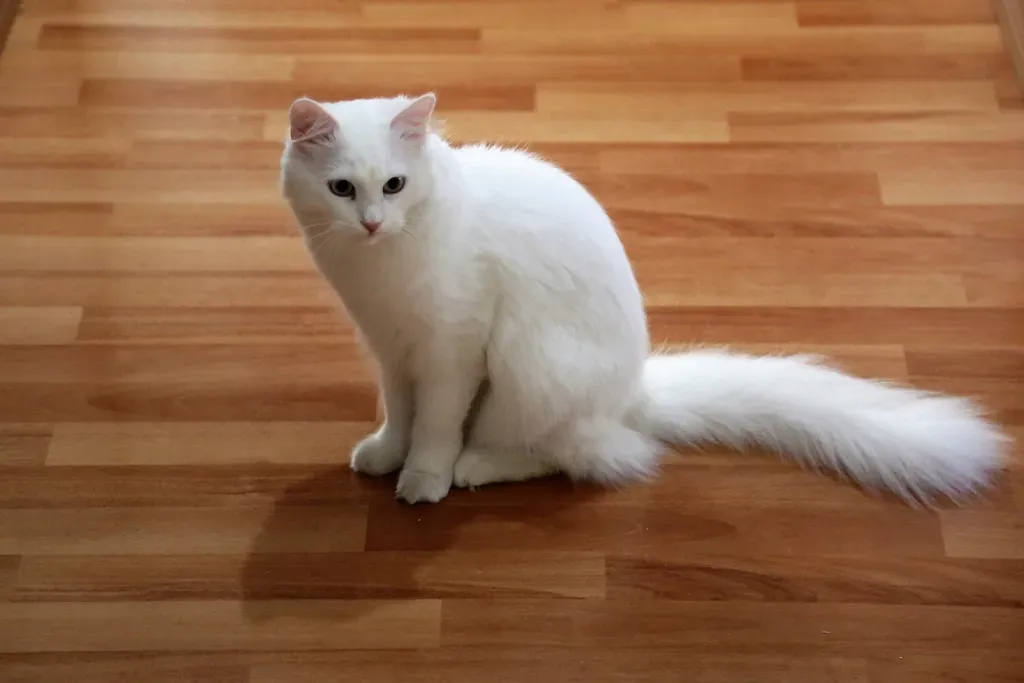
Turkish Angoras are elegant, intelligent, and notably independent. These cats don’t particularly care if you feed them at exactly the same time every day. They’re more interested in what’s happening around them and exploring their territory.
Their adaptability comes from confidence rather than anxiety. Turkish Angoras can handle changes in schedule, new visitors, or rearranged living spaces without much stress. They’re social when they want to be but equally comfortable entertaining themselves. It’s this balanced independence that makes them thrive on variety rather than rigid routine.
12. Burmese: Social Butterflies
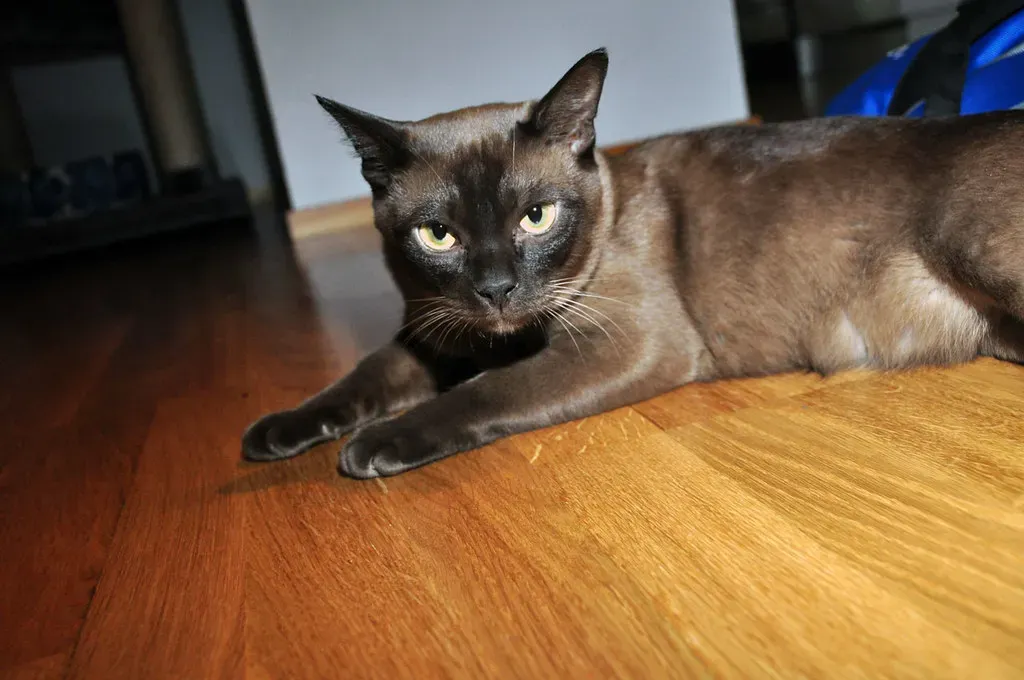
Burmese cats are incredibly social and people-oriented, but unlike Siamese cats, they’re less rigid about schedules. What matters most to them is interaction and attention, not necessarily when that attention happens.
People-focused by nature, this breed tends to anchor itself to human presence. When routines change, attention stays on familiar faces rather than surroundings. That social focus helps reduce stress. Burmese cats are flexible as long as they’re getting quality time with their humans. Change the schedule, move to a new house, or introduce new people – they’ll adapt as long as the affection keeps flowing.
13. Sphynx: Warmth-Seeking Adaptors
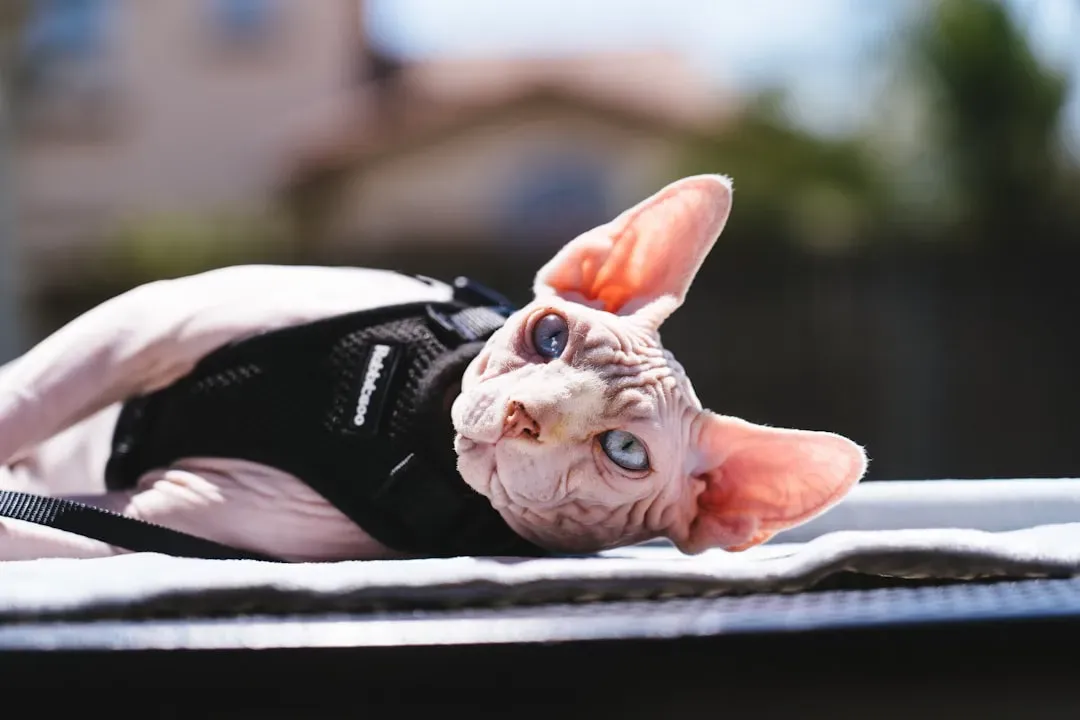
Sphynx cats are famously social, affectionate, and adaptable. These hairless wonders are more concerned with staying warm and close to their humans than maintaining any particular routine. They’re velcro cats who’ll follow you anywhere, regardless of schedule.
Their flexibility makes them surprisingly good for people with changing lifestyles. Work different shifts? No problem. Travel occasionally? They’ll adjust. What Sphynx cats need is warmth, affection, and stimulation – not predictability. They’re the friends who are always up for whatever adventure you’re planning.
Conclusion
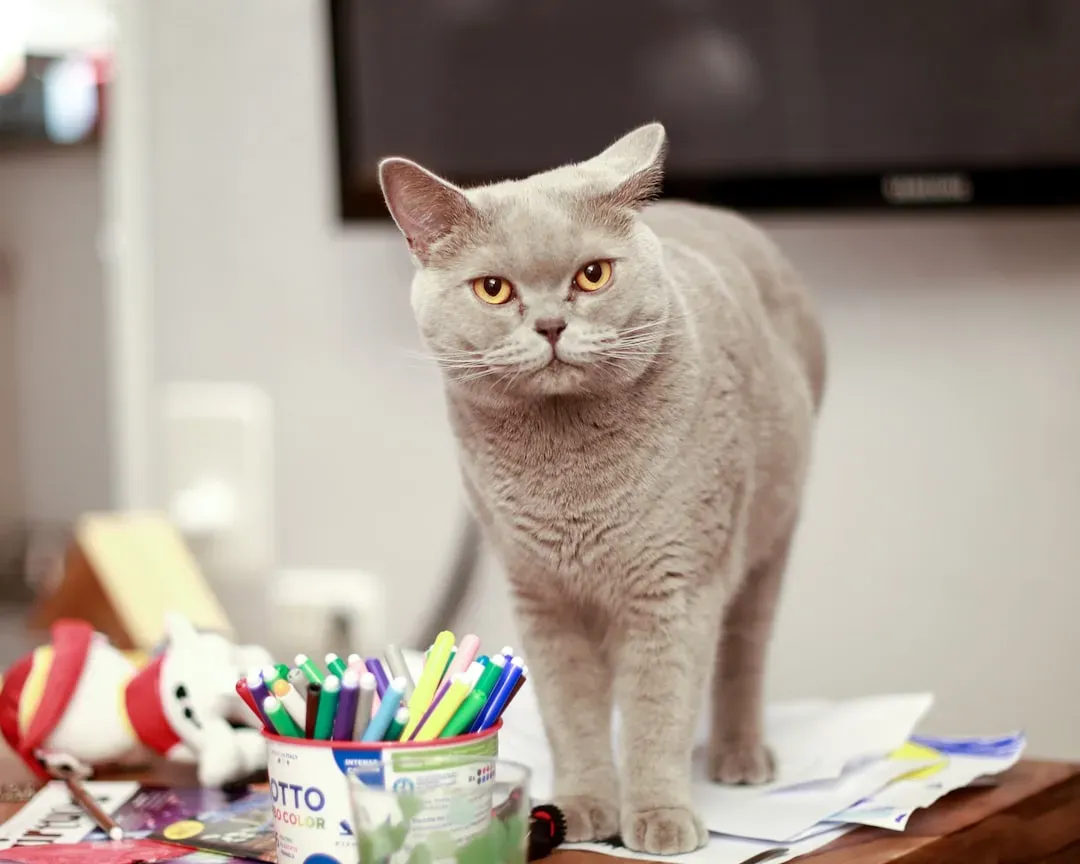
Understanding whether your cat thrives on routine or variety isn’t just about satisfying curiosity. It’s about creating the right environment for your specific feline companion to flourish. The routine-loving cats need consistency to feel secure and happy, while the variety-seekers need mental stimulation and change to avoid boredom and destructive behavior.
Here’s the thing though – every cat is an individual. Even within breeds known for routine preference, you might find the occasional rebel who loves spontaneity. Pay attention to your cat’s signals. Do they seem stressed when things change, or excited? Do they wait expectantly at the same spots at the same times, or do they seem bored by predictability? Your cat is already telling you what they need.
What type of cat do you have? Does your feline friend keep you on a strict schedule, or are they your partner in spontaneous adventures?