Most people assume cats are self-sufficient creatures who would rather nap than play. Honestly, that reputation has done a lot of damage. Your cat is not a decorative throw pillow. Beneath that aloof exterior lives a tiny predator with a sharp, curious mind that craves challenge, movement, and connection.
In the wild, cats rely on their brains as much as their bodies, with every single day presenting problems that need solving: where to find food, how to stay safe, and how to navigate their territory. Your indoor cat still carries all of that wiring. Ignoring it comes with real consequences. Indoor cats may not face the same challenges as outdoor ones, but their brains are still hardwired for exploration and problem-solving, and without stimulation, boredom can lead to stress, destructive behaviors, and even depression. The good news? You do not need fancy equipment or hours of free time. You just need to know what games actually work. Let’s dive in.
The Feather Wand: Your Cat’s Favorite Theater Performance
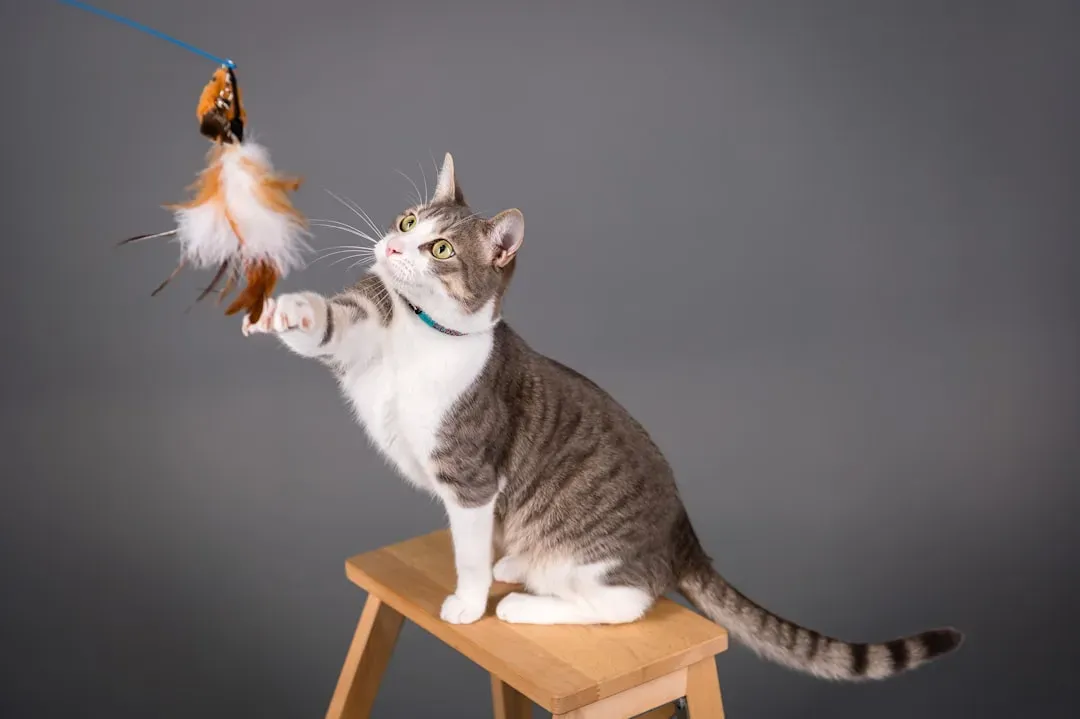
There is something almost magical about watching a cat lock eyes on a feather wand. Their pupils blow wide, their whole body goes low, and in that moment you are no longer their couch companion. You are a stranger in the jungle. The feather wand is a firm favorite among cats, stimulating their hunting instincts through unpredictable movements that mimic prey, encouraging your cat to leap and pounce while engaging their physical capabilities and satisfying their natural predatory instincts.
Playing with a feather wand not only satisfies your cat’s chase drive but also builds trust and connection between you and your feline friend, and varying the speed and direction keeps the game exciting while giving your cat a healthy way to expend energy. Try sweeping it under a blanket, pausing unexpectedly, or making it dart behind furniture. The mystery is half the fun. Always be sure to let your cat catch the end of the wand for a fair and satisfying game. That “catch” moment matters more than you might think.
The Laser Pointer: Tiny Red Dot, Massive Brain Workout
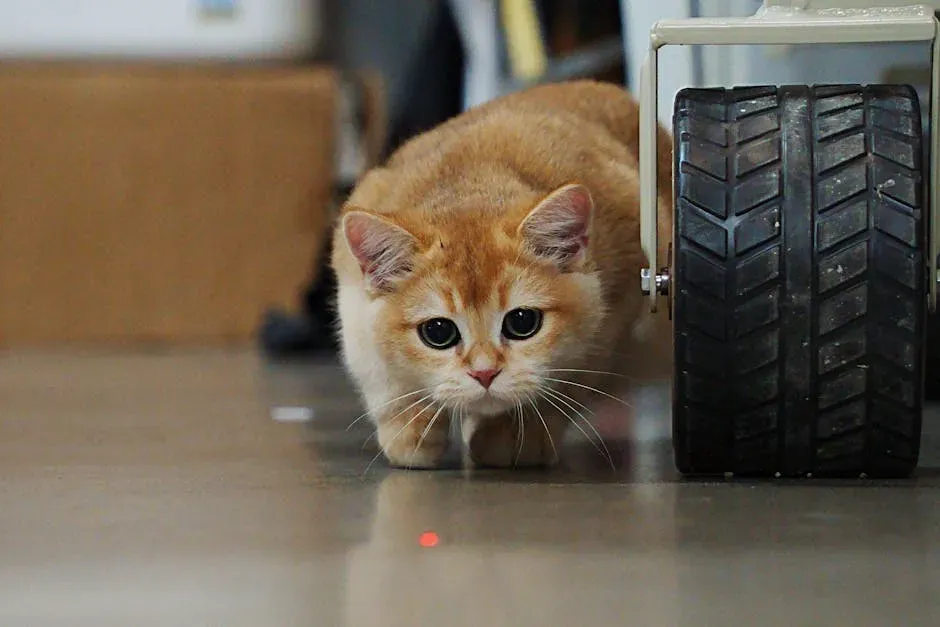
Few things in the cat universe create as much raw chaos as a laser pointer. I think most cat owners have laughed so hard watching their cats chase that little red dot that tears run down their face. A laser pointer is an irresistible toy that tantalizizes your curious cat with its unpredictable movement, igniting their natural instincts to chase, pounce, and swipe. The key is making the movement genuinely unpredictable. Move the laser in unexpected patterns or hide it behind furniture to keep your cat guessing.
Here is the thing though. You need to end the game properly or you will leave your cat feeling frustrated with nothing to show for all that effort. Think of it like chasing a bus that never actually stops. Remember to end every laser game with a toy or treat capture, so your cat feels the reward of a successful hunt. That final “catch” moment satisfies the predatory sequence in their brain and keeps the game healthy. Always avoid shining the laser directly into your cat’s eyes to protect their vision.
Puzzle Feeders: Turning Dinner Into a Brain Game
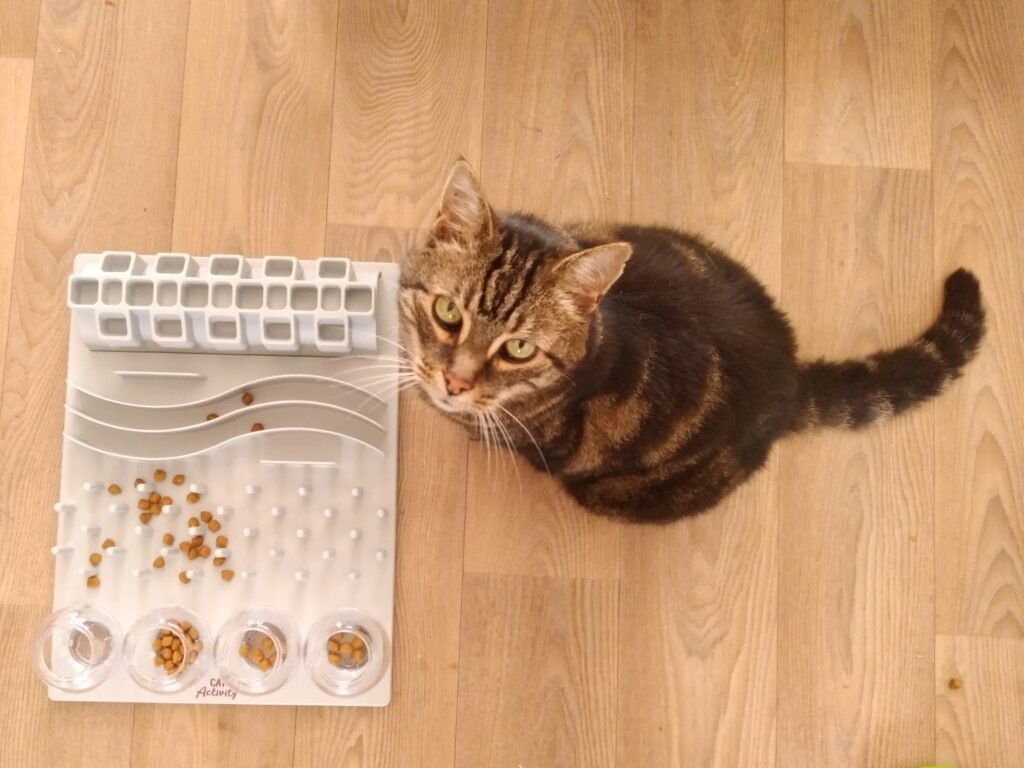
Puzzle feeders are excellent tools for providing mental challenges to your cat during mealtimes, requiring your cat to solve small puzzles to access their food and encouraging problem-solving skills while reducing boredom. Think of it like swapping a microwave dinner for a full cooking challenge. The outcome is the same. The journey is completely different. The added advantage is that puzzle feeders help in controlling food intake, which is beneficial for maintaining a healthy weight, so selecting feeders appropriate for your cat’s size and skill level will maximize their engagement.
DIY or store-bought, treat puzzle boxes challenge your cat to paw and shuffle open compartments to reveal what’s inside, like kitty escape rooms. You can use cardboard boxes or invest in toys from brands designed for feline problem-solving. You do not need to spend a lot of money here. A toilet paper roll with the ends folded over and a few treats tucked inside works wonderfully as a starter puzzle. Toys that challenge cats to think, such as treat-dispensing puzzles, stimulate their minds and keep their cognitive abilities sharp, and this daily mental exercise is vital for preventing cognitive decline and keeping cats mentally fit.
Hide and Seek: A Timeless Game That Actually Works on Cats
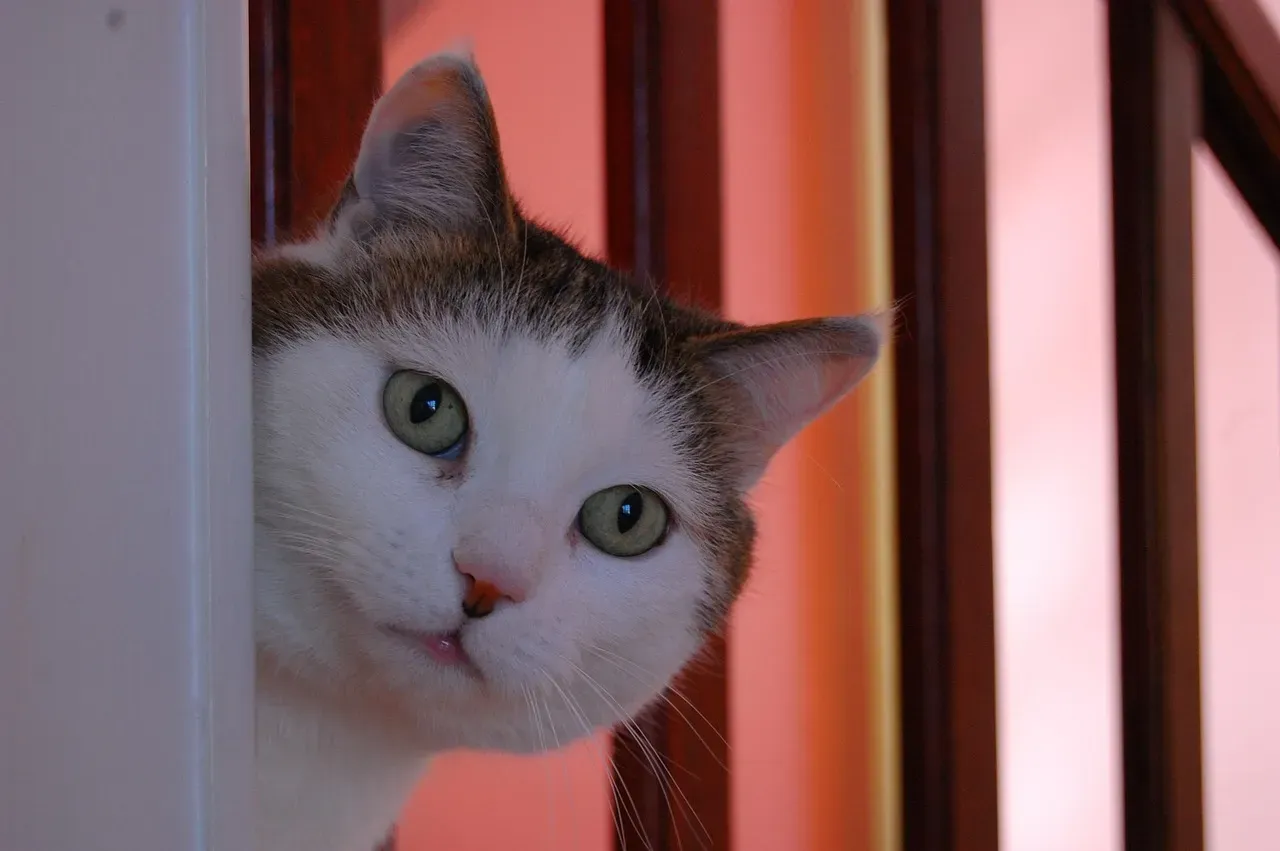
Hide and seek is not just a game for children at family reunions. It works brilliantly with cats, and honestly, it is a little ego-boosting for you when they actually come to find you. Playing hide and seek is not just for kids because cats love it too. You can initiate a game by hiding behind furniture and calling your cat to find you, or by hiding toys and treats around the house, tapping into their natural curiosity and hunting instincts.
This activity also strengthens your cat’s sense of smell and hearing as they track hidden treasures throughout your home, so be sure to create a safe environment free of hazards where their exploration will not lead to mischief. Start simple by hiding behind a door and calling their name. Reward them enthusiastically when they find you. If you have a social breed like a Bengal, this will likely be no problem, but if your cat is unsure of what to do, you can shake a bag of treats while you call them as an incentive to get them to come. Most cats pick this up faster than you’d expect.
The Treasure Hunt: Scattering Meals for Maximum Adventure
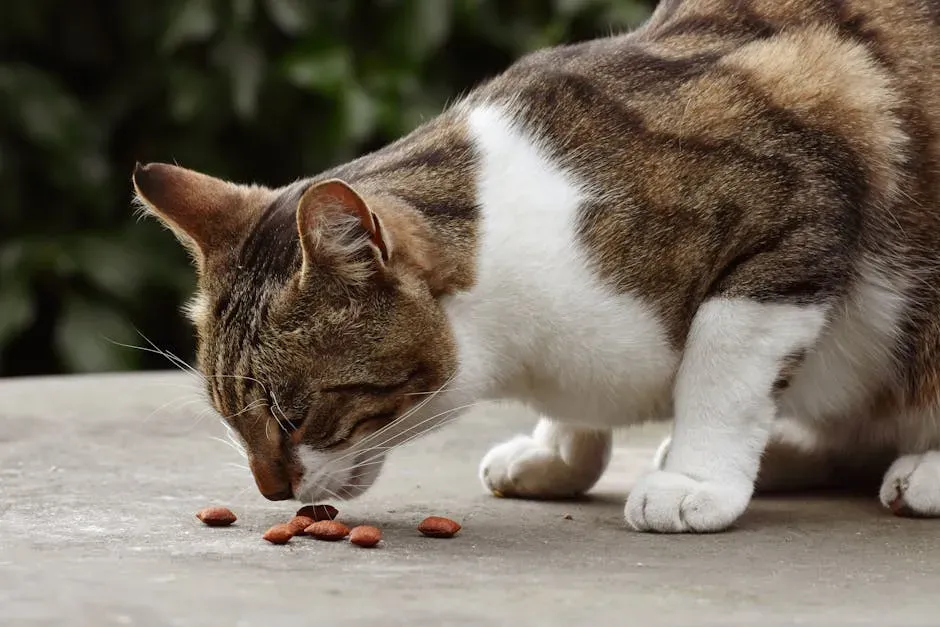
Here is a ridiculously simple game that completely transforms your cat’s relationship with food. Instead of dropping their meal in a bowl in the same corner every single day, you scatter it. Hiding their food in different places around your home allows cats to use their natural hunting instincts to track food down, forcing them to use their brain and giving them a stimulating challenge. It is the difference between handing someone a gift and sending them on a treasure map to find it.
You can engage your cat’s natural hunting abilities by playing hide-and-seek games, hiding small treats or toys around the house and encouraging your cat to search and discover them, or even scattering their meals into smaller amounts around the house. This activity taps into their instinctual curiosity and provides a rewarding and interactive experience. Start with easy hiding spots so your cat builds confidence. Then gradually make the hiding spots trickier. It also makes for great enrichment while you are at work or when you need to be gone for extended periods of time.
Clicker Training: Yes, You Really Can Train Your Cat
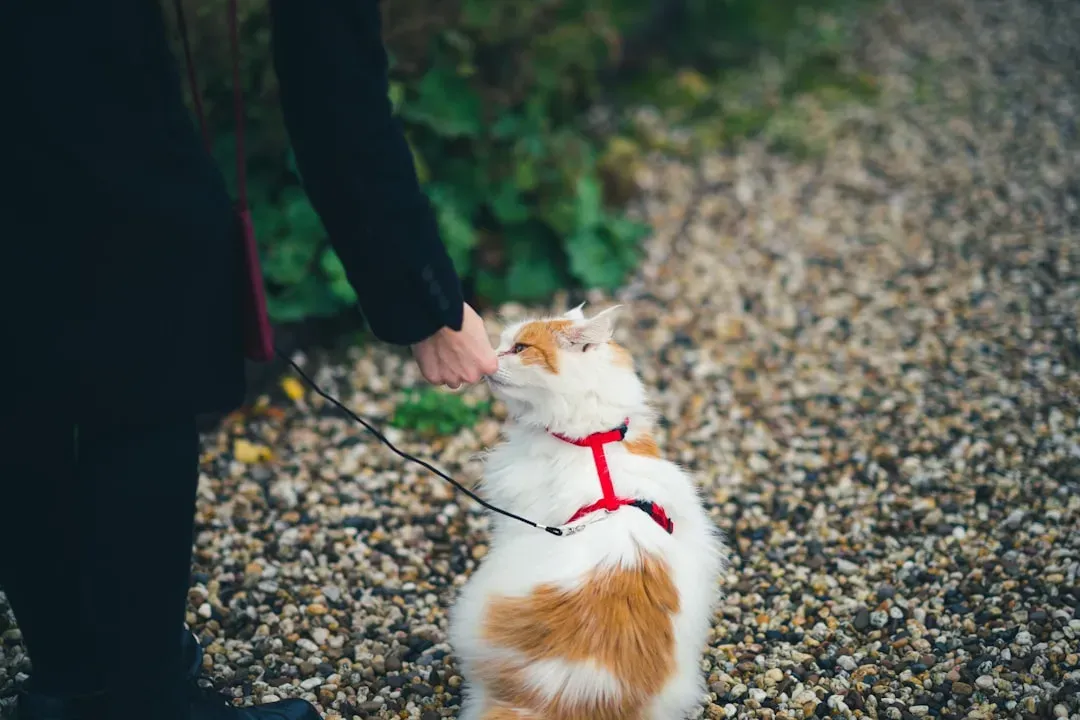
Let’s be real. Most people assume training is for dogs. That belief is holding your cat back from one of the richest mental experiences they can have at home. With a little patience and a lot of treats, you can train your cat to sit, high-five, or even come when called, and clicker training boosts their confidence, challenges their brain, and deepens the bond you share. It is cat brain training that doubles as quality time, full stop.
Teaching your cat to “high five” is a great starting point. Use a piece of chicken or another high-value reward and, using their natural paw action, get your cat to reach up for the treat. When they reach for the food, label the action “five” and then reward them, and if you practice this daily, they will soon be able to high five on command. The clicker creates a clear, consistent signal that bridges the gap between the behavior and the reward. Short sessions of two to three minutes work better than long, exhausting ones. Keep it fun and always end on a success.
The DIY Obstacle Course: Bigger Thinking for Bigger Thrills
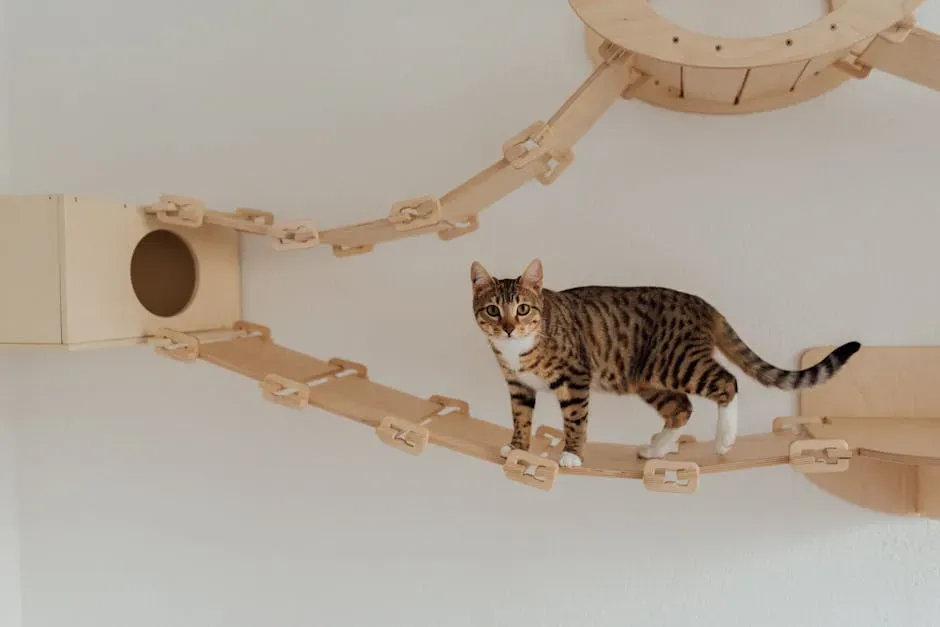
You do not have to spend a fortune on expensive cat toys to set up a fun and engaging obstacle course because you can simply use things from around your home. Introduce each individual trick on its own and start off easy, for example chasing a toy under and up on top of a stool. Think of it like building a tiny ninja warrior course right in your living room. The messier, the better. Your cat will absolutely love it.
You could train your cat to jump through a hoop which you can raise higher each time they succeed, and once you have introduced enough different elements, you can bring them all together into a full course that includes the sofa, some chairs as a tunnel, and their cat tree. You can even include yourself in the obstacle course, as there are cats who have been taught to weave through their owners’ legs, jump up onto their shoulder, and balance along their owners’ arms. It is hard to say for sure how far your individual cat will take this, but it is worth finding out.
Cardboard Box Exploration: The Free Toy That Never Gets Old
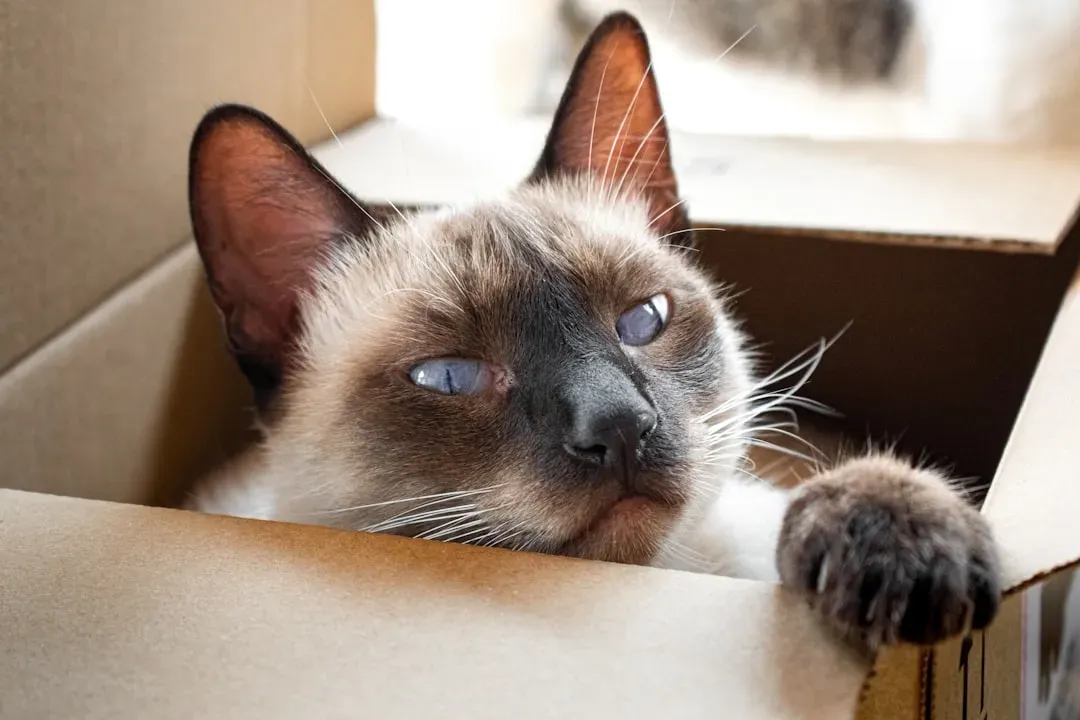
I know it sounds almost too simple, but the humble cardboard box remains one of the most powerfully stimulating things you can offer a cat. There is a reason your cat ignores the expensive toy and climbs straight into the packaging it came in. Simple yet effective, cardboard boxes offer endless entertainment for cats. They love jumping in and out, hiding, and even using them as scratching surfaces, providing both mental and physical exercise, and transforming into makeshift forts or tunnels, these boxes cater to their curiosity and territorial instincts. You can add variety by cutting holes or attaching strings to invite an element of mystery and surprise.
You can set your cat’s imagination and curiosity free with a thrilling box fort adventure by using a few boxes of various sizes, a pair of scissors, and a sprinkle of creativity. Cut holes and stack the boxes to create a cozy hideaway, hiding toys and treats inside to tempt your feline friend’s exploration, and watch as they discover, play, and find their way through tunnels and ramps in this one-of-a-kind interactive experience. Cardboard boxes, tunnels, climbing spaces, and even a window perch with a view can provide hours of mental stimulation as your cat observes and investigates. Truly, the cheapest enrichment tools are often the best ones.
Conclusion: Play Is Not Optional, It Is Love in Action
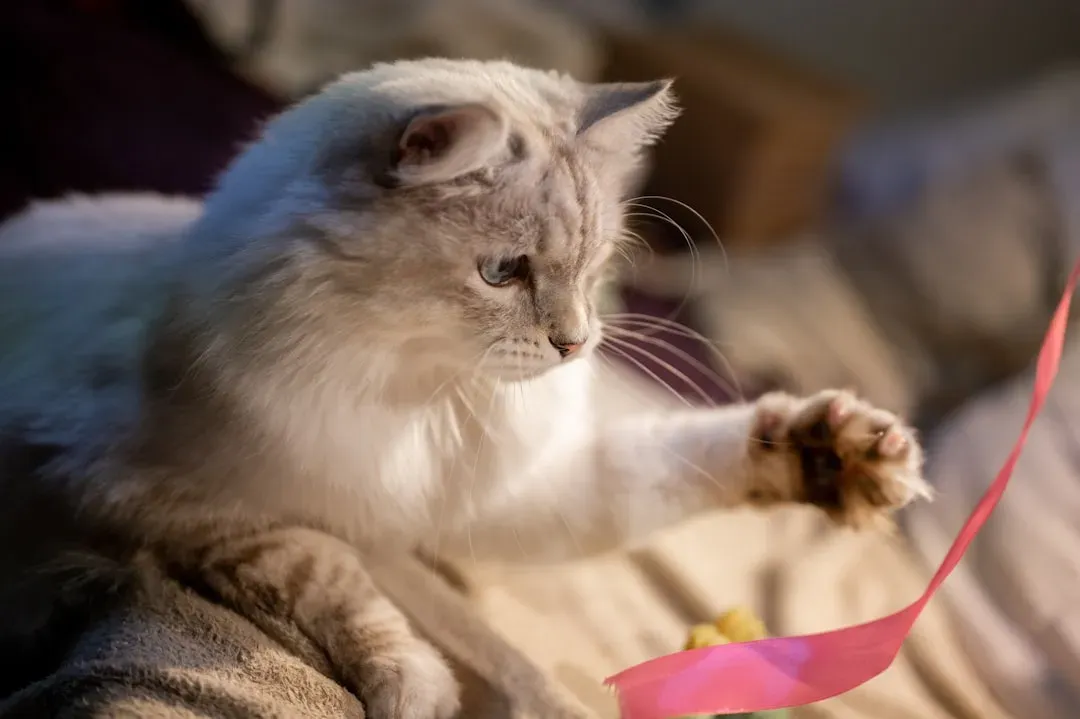
Your cat does not need a gym membership or a PhD-level puzzle. What they need is you, showing up with a feather wand, a crinkled paper ball, or even just a cardboard box and fifteen minutes of focused attention. Just like us, cats thrive when they are mentally stimulated, and regular brain games help reduce stress, boost confidence, and prevent boredom-related behaviors like scratching furniture or overgrooming, while also being a lovely way for you and your cat to connect.
Mental stimulation includes any activity that enriches the cat’s mind, and it can help your cat be more content and reduce unwanted behaviors, while also helping to tire them out, which is especially great for young, active indoor cats. Mental stimulation will keep cats alert and happy while improving their health both physically and mentally. The most important thing is that you actually start. Pick one game from this list today, the simplest one on the list, and try it. You might just discover that your so-called “low-maintenance” cat has been waiting their whole life for you to show up and play. What would you have guessed?