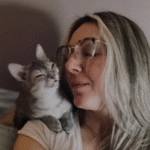
You’ve probably caught yourself late for work because your cat gave you that look. The one that somehow convinced you to refill their food bowl, even though you fed them twenty minutes ago. Here’s the thing: you weren’t imagining it. Your cat really did manipulate you.
Felines have been living alongside humans for thousands of years, quietly perfecting their techniques. They’ve observed our actions and developed habits that get them exactly what they want. These aren’t evil schemes or cold calculations, though the results might make you wonder. It’s simply how cats have learned to communicate with the peculiar two-legged creatures who control the treat jar. Let’s dive into their surprisingly clever playbook.
The Solicitation Purr: A Cry Hidden in Comfort
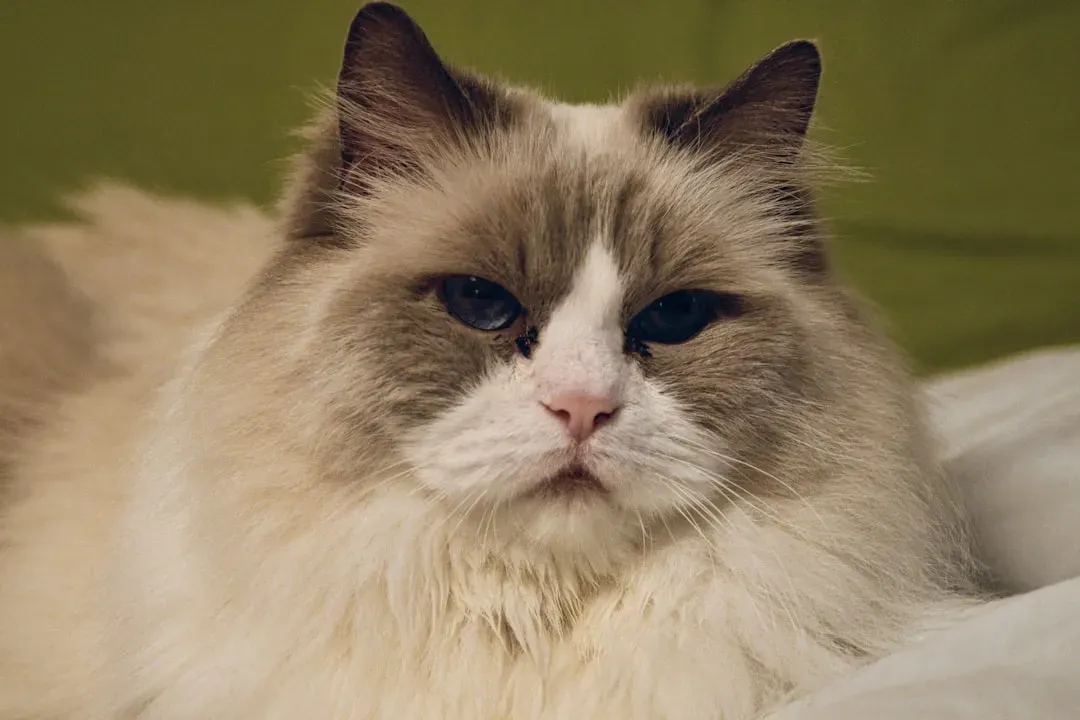
Some cats manipulate their owners into feeding them with a unique meow embedded within a purr that takes advantage of humans’ sensitivity to cries they associate with nurturing offspring. This isn’t your average contented rumble. Humans, even if they’ve never owned a cat, judge purrs with an embedded high-pitched cry as more urgent and less pleasant than those made in other contexts. Essentially, your cat has figured out how to make a sound that hits you right in the parental instincts.
The genius part? Cats learn to dramatically exaggerate this cry when it proves effective in generating a response from humans. They’re not born knowing this trick works. They experiment, observe your reactions, and then fine-tune their approach. This form of purring most often develops in cats that have a one-on-one relationship with their owners rather than those living in large households where their purrs might be overlooked. Your cat has literally customized their communication style just for you.
Strategic Meowing: A Language Created for You
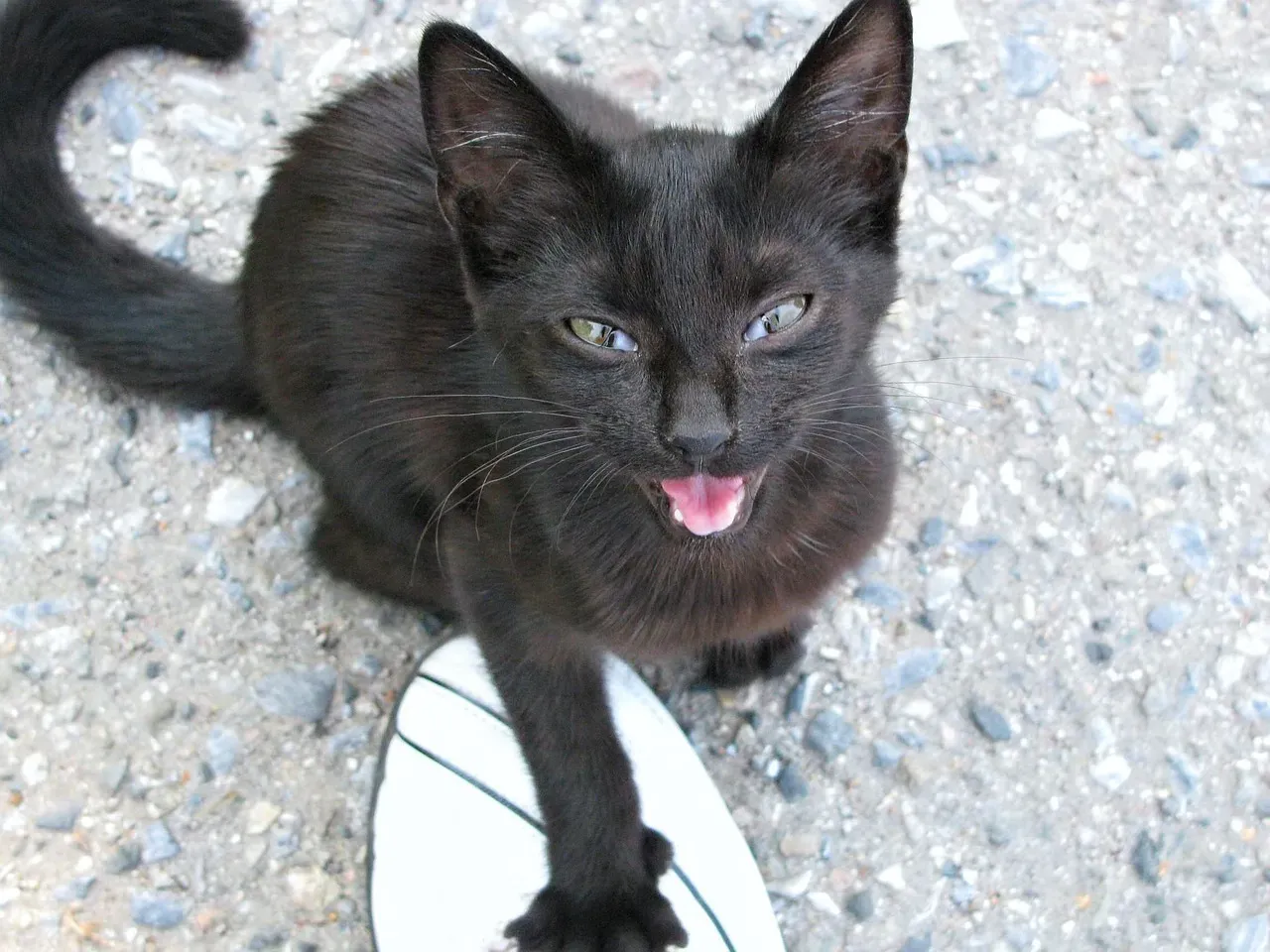
Meowing is a learned, human-directed behavior, with many cats focusing on the person who consistently responds to them. Wild cats rarely meow at each other as adults. That means your cat developed this entire vocal repertoire specifically to talk to humans. Think about that for a second.
Cats adjust their meows depending on context and how their owners respond, with some calls growing sharper when a cat wants food while softer meows appear during friendly moments. Your cat has basically learned which sounds make you do what they want. They’re conducting little behavioral experiments on you every single day. The payoff? You jumping up to serve them dinner at precisely the moment they demand it.
The Slow Blink: Emotional Manipulation at Its Finest
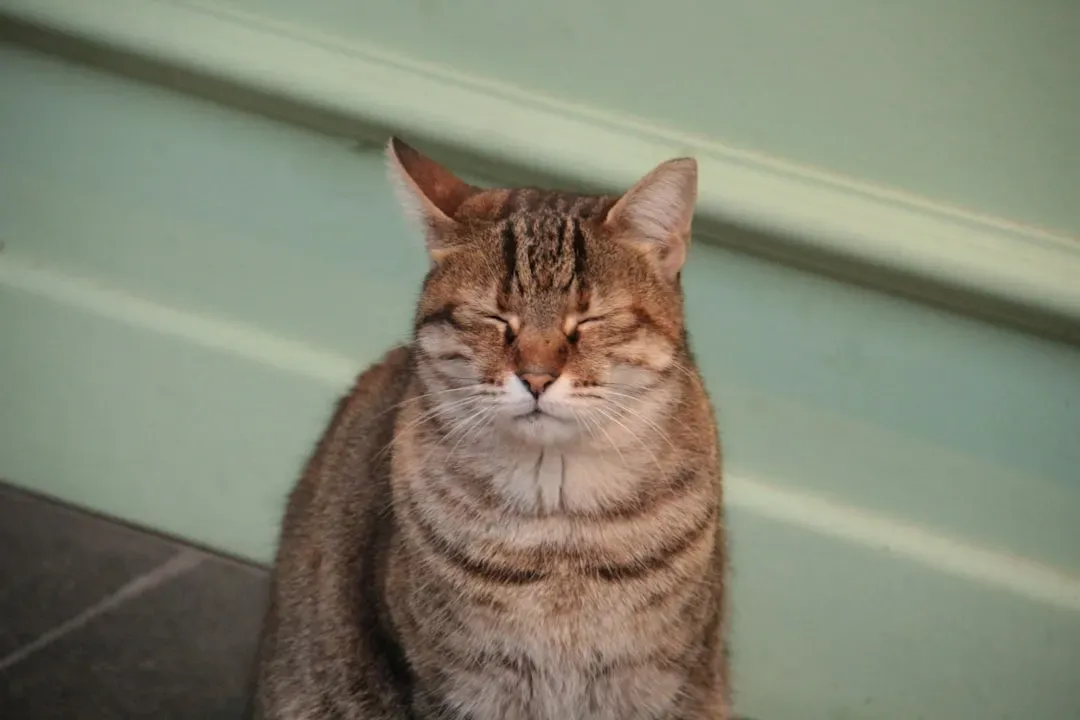
Researchers studying feline eye movements found that a half-closed, lingering blink encourages people to lean in and offer affection, with the relaxed expression conveying warmth. It’s been called the “cat kiss,” and honestly, it works every time. You see those dreamy eyes slowly closing and suddenly you’re reaching out to pet them, completely under their spell.
Cats know exactly what they’re doing with this move. The slow blink signals trust and safety, which triggers our nurturing response. You feel special, chosen even, when your cat gives you that look. Meanwhile, they’re securing more cuddle time, treats, or whatever else they had in mind. Clever? Absolutely. Can you resist it? Probably not.
Head Bunting and Scent Marking: Claiming You as Property
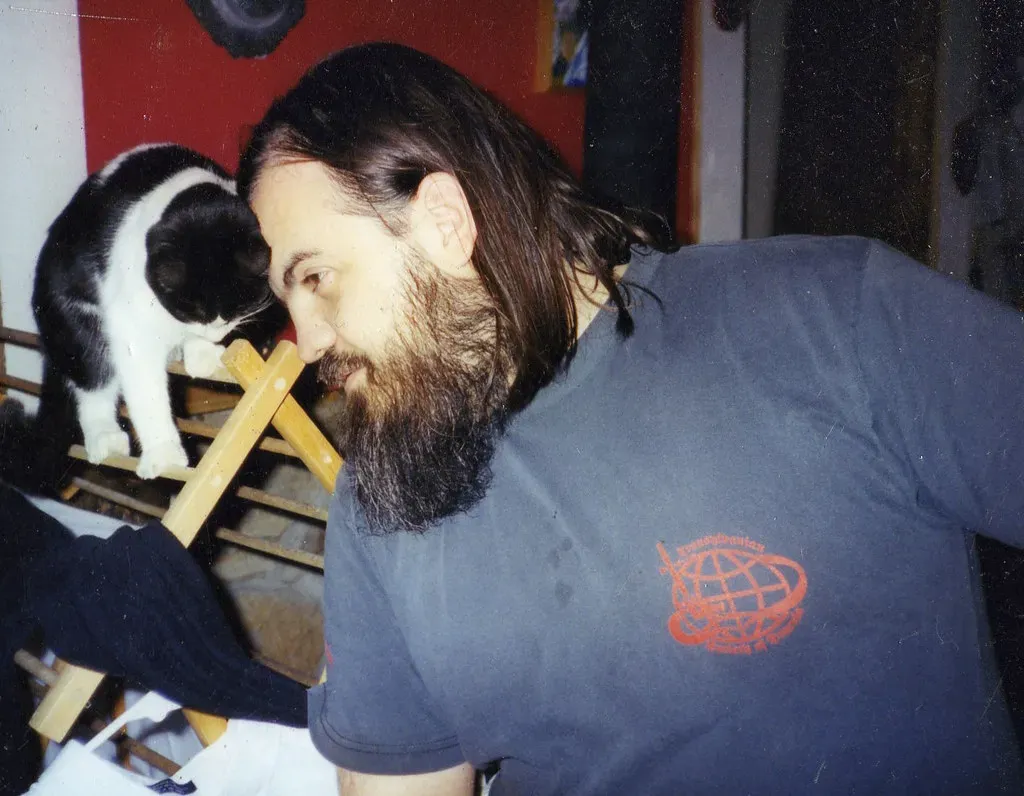
A soft nudge to the face or chin feels affectionate, but behavioral studies show it also leaves scent markers, with people usually responding by petting or staying nearby. Your cat isn’t just being sweet when they bump their head against you. They’re literally marking you as their territory and simultaneously training you to give them attention.
This behavior creates a loop that benefits your cat tremendously. You interpret the head bump as affection, so you reward it with pets or food. Your cat registers this cause and effect, then repeats the behavior whenever they want something. It’s a win-win scenario, except you’re the one being trained while thinking you’re bonding with your pet.
Keyboard Sitting: Hijacking Your Attention
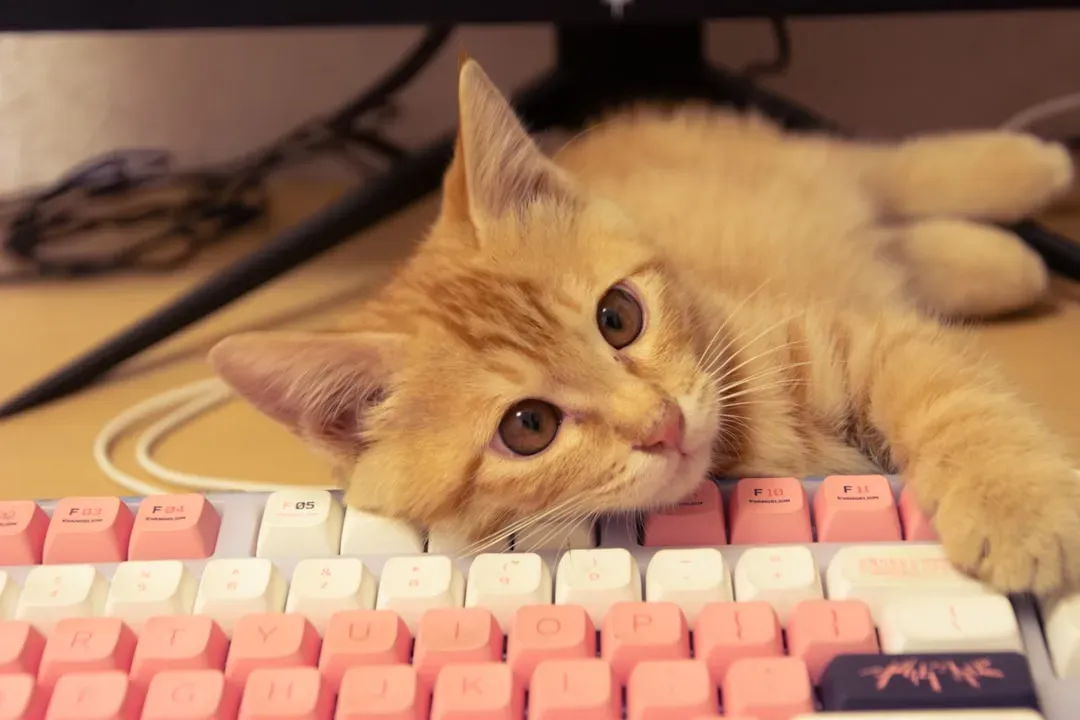
When a cat strolls across a keyboard or settles on a book, it’s usually because they’ve noticed how intensely their human focuses on the object, and the device becomes a high-value spot simply due to your attention. Your laptop isn’t warm enough to justify the behavior. Your cat has simply figured out that sitting on what you’re looking at forces you to look at them instead.
This is actually brilliant problem-solving. Your cat wants attention. You’re giving attention to something else. Solution: become the thing getting attention. They’ve identified the competition and eliminated it by literally placing themselves between you and your work. You might find it annoying, but you have to admit it’s effective.
Kneading: The Comfort Weapon
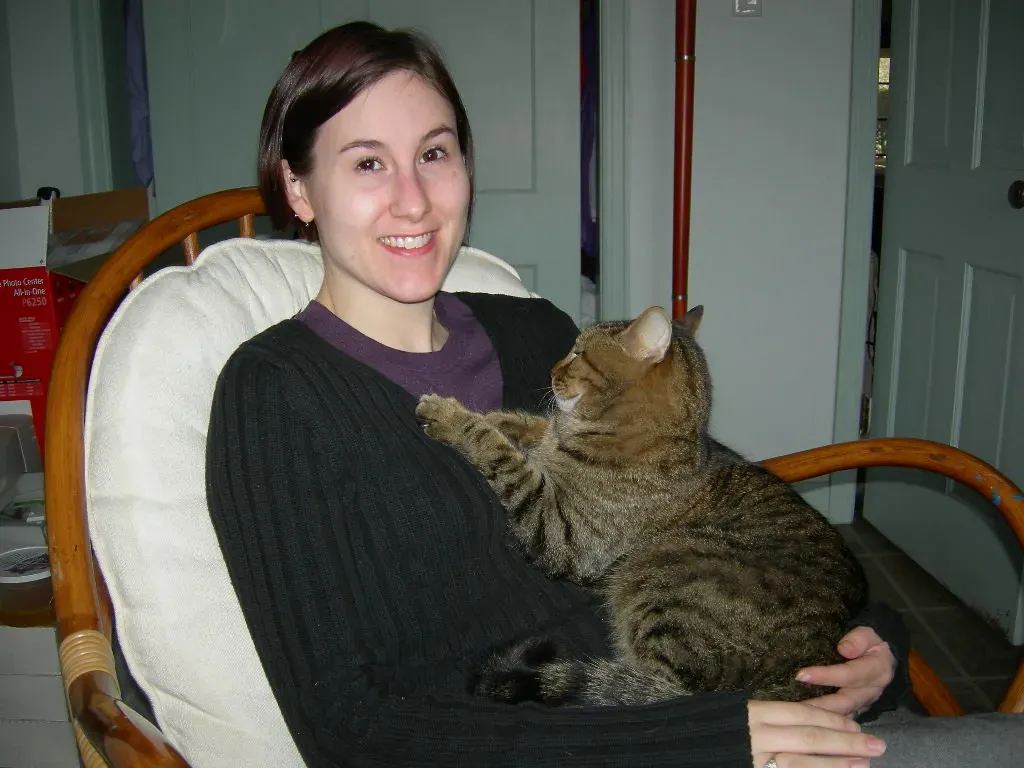
When a cat settles in and starts kneading, the whole mood usually softens, with people instinctively relaxing and remaining still while the slow movement signals comfort. This behavior harks back to kittenhood when they kneaded their mother’s belly to stimulate milk flow. Your cat is basically using nostalgia as a manipulation tactic.
The rhythmic pressing of paws against you triggers something deep in the human brain. We interpret it as trust and affection, which makes us less likely to disturb them. Your cat has essentially locked you in place using an ancient instinct. You can’t move without feeling guilty, so you stay put while they get exactly what they wanted: a warm, immobile human bed.
Tail Signals: Silent Commands You Obey
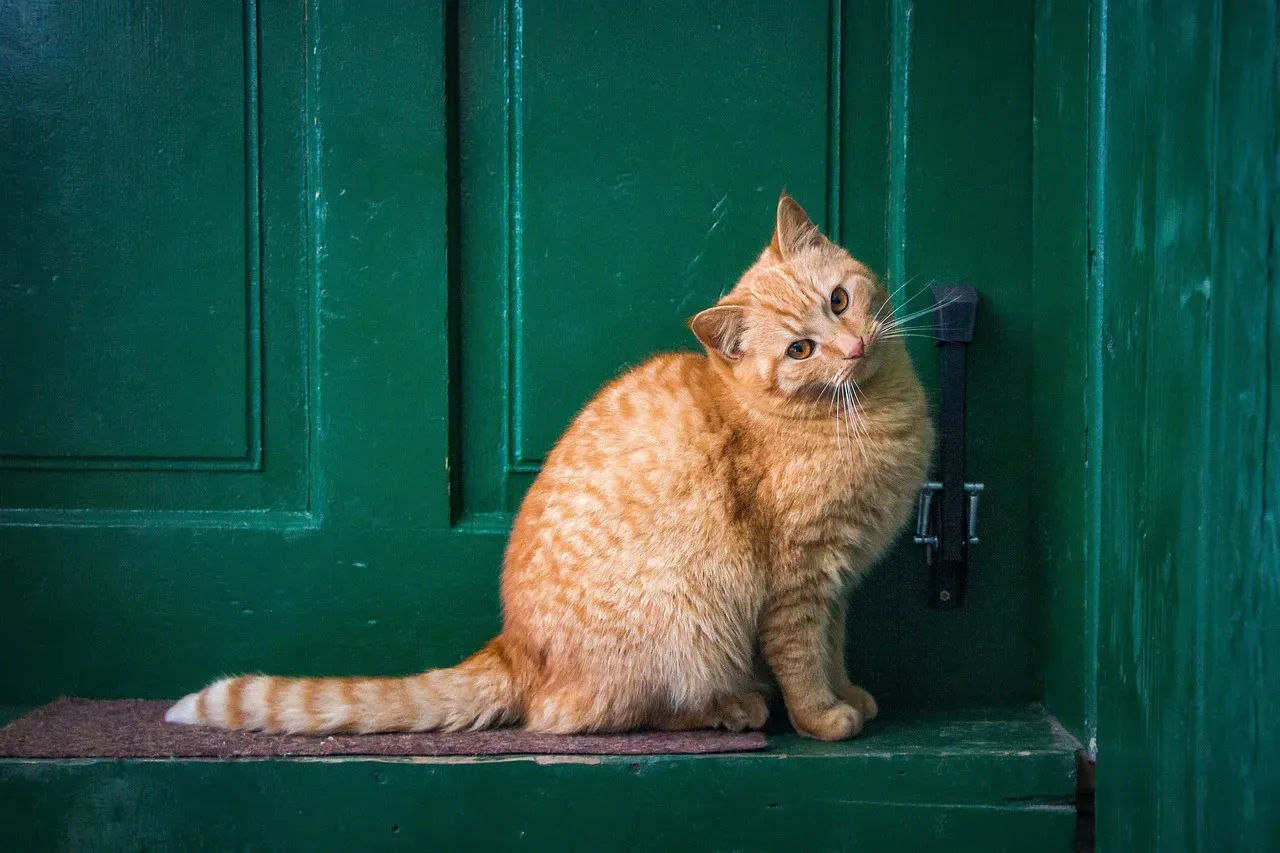
A cat’s tail carries significant meaning, with an upright tail with a slight hook often signaling friendliness while a swishing tail can reflect excitement or irritation, and humans tend to respond to these subtle cues without overthinking them. Your cat’s tail is basically a mood ring that tells you how to behave around them, and you probably follow these instructions without even realizing it.
When your cat approaches with that question mark tail, you automatically respond with friendliness. When the tail starts thrashing, you instinctively back off. Your cat has trained you to read their body language and adjust your behavior accordingly. They don’t need words when they’ve got a built-in communication device that you’ve learned to interpret automatically.
Strategic Vulnerability: The Belly Display
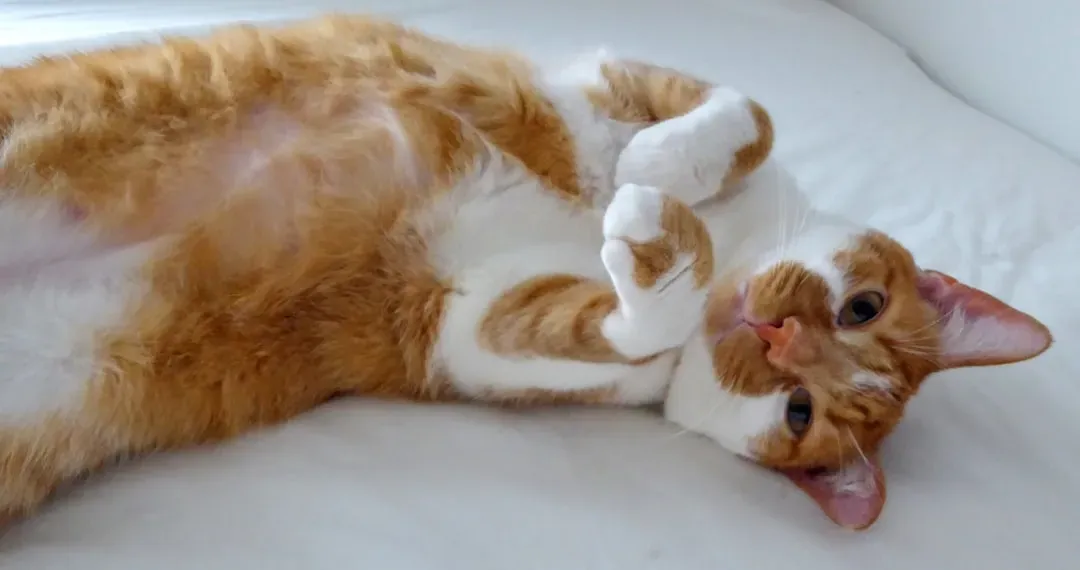
A cat stretching out on their side or back usually expresses that it feels relaxed and safe, with many people responding by offering gentle words or a quick stroke, and the behavior often encouraging calm interaction simply because it signals trust. Your cat rolls over, exposes their belly, and you melt. That’s the plan, anyway.
This display of vulnerability is calculated. Cats know that showing their most defenseless area makes humans feel honored and trusted. We interpret it as a sign of deep affection, which makes us more likely to provide treats, attention, or whatever else they’re angling for. The irony? Most cats don’t actually want you to touch that belly. They just want you to feel special enough to give them what they want. It’s manipulation wrapped in fluff.
Conclusion: The Masters of Subtle Persuasion
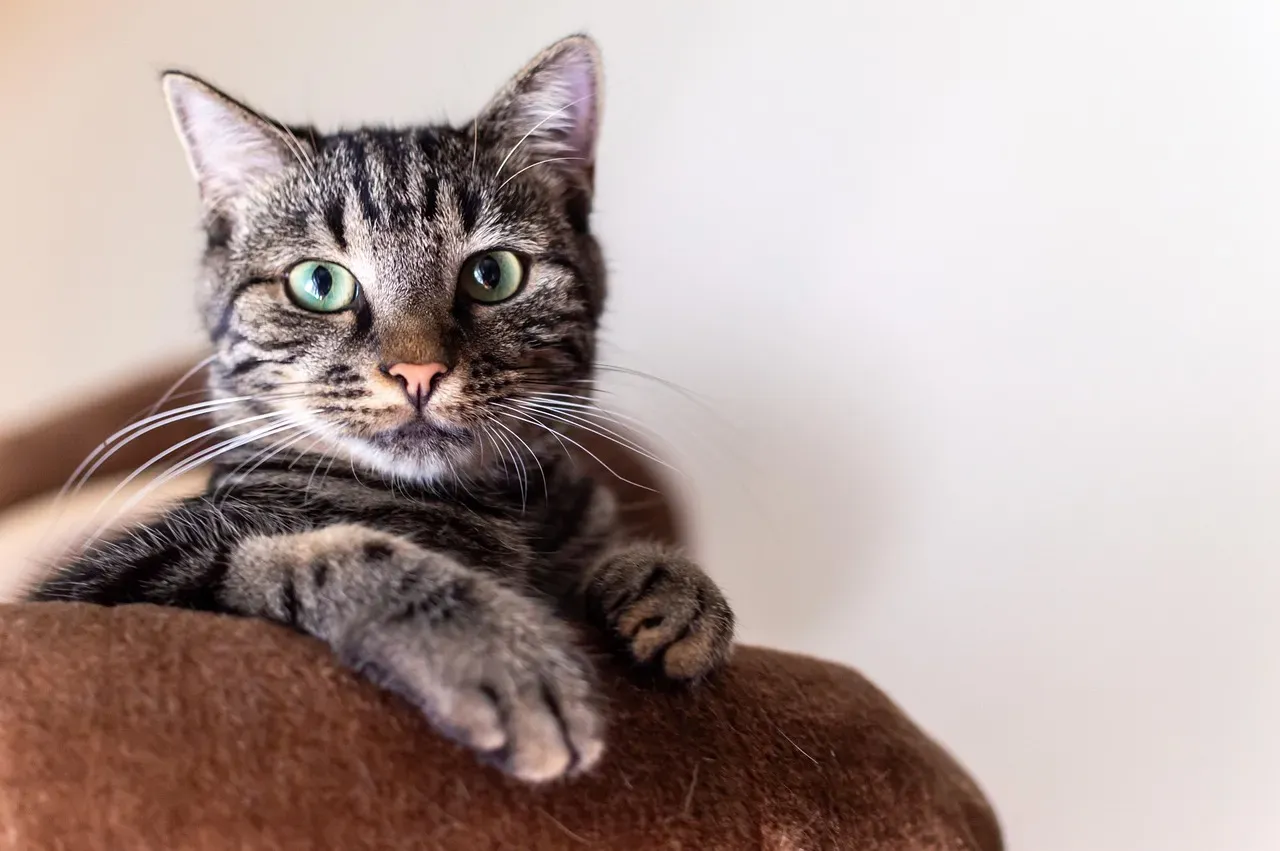
Scientists believe that manipulative behavior is how cats interact with humans, and it’s deeply ingrained in how cats form relationships with people. These techniques aren’t signs that your cat is using you in a cold, calculating way. They’re simply how felines have learned to communicate with a species that doesn’t speak their language.
Cats prefer spending time with their owners and can choose human communication over food and toys. So while they might be manipulating you for treats and attention, there’s genuine affection behind it. Your cat has spent years perfecting these techniques specifically for you, which is oddly flattering when you think about it.
What do you think? Have you caught your cat using any of these tactics on you? Tell us in the comments which manipulation technique works best on you.