You share your home, your sofa, your warmest blanket, and sometimes even your dinner plate with a creature that weighs roughly the same as a large bag of potatoes. Yet somehow, you’re the one who gets up at 5 AM to open a can of food. Sound familiar? If you’ve ever had the sneaking suspicion that you’re not actually in charge of your own household, science has some news for you.
Cats are arguably the most charming little manipulators on the planet, and the remarkable part is that they’ve been perfecting this for thousands of years. Unlike dogs, who were selectively bred for cooperation, cats essentially domesticated themselves. Over time, they learned that certain behaviors trigger human responses and they’ve been refining their techniques ever since. So buckle up, because what you’re about to read will make you look at your fluffy overlord in a whole new light. Let’s dive in.
The Sneaky Art of the Solicitation Purr
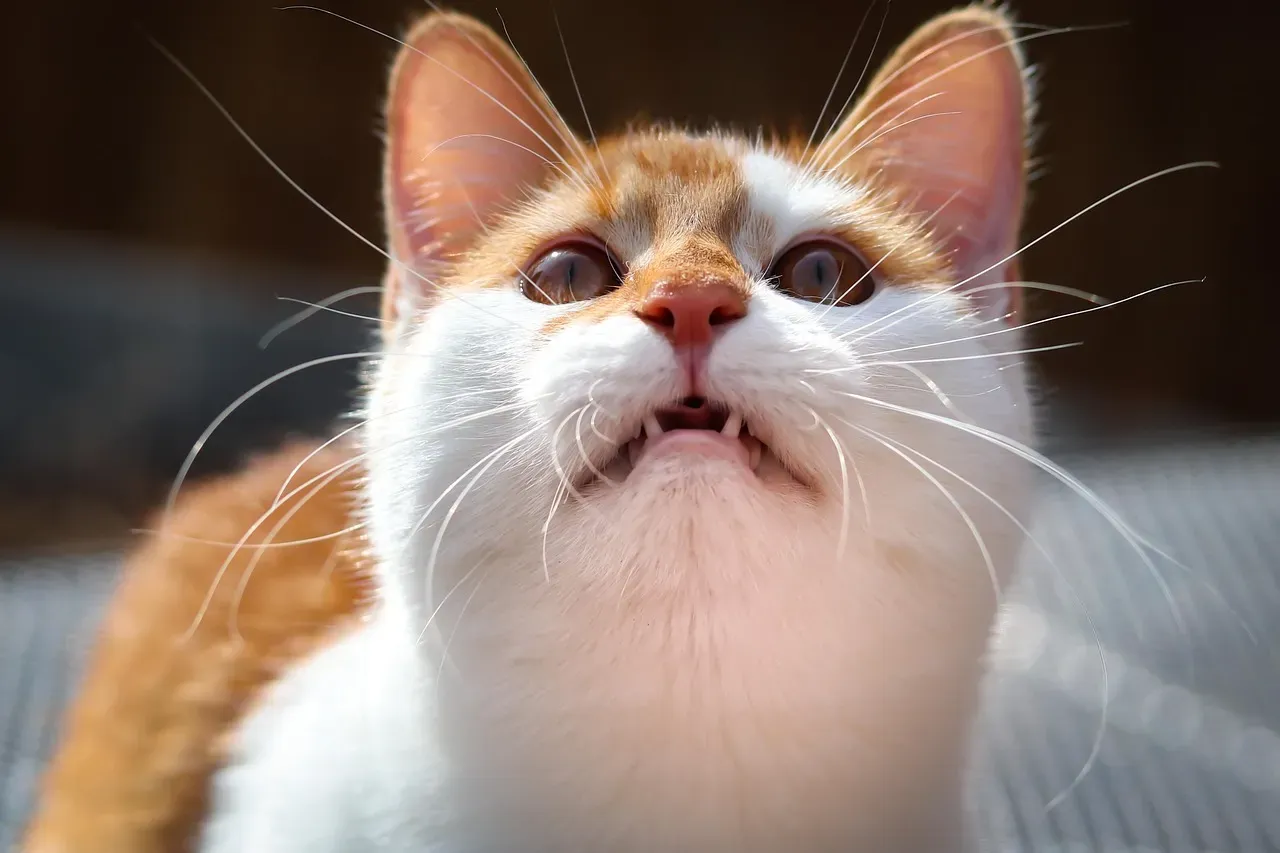
Here’s the thing most cat owners don’t know: not all purrs are created equal. You might think your cat is purring because they’re content, sprawled out in a sunbeam, utterly at peace with the world. Sometimes, though, that purr is a carefully engineered manipulation device.
When your cat wants food, they’ll often purr in a strangely plaintive way that you find difficult to ignore. Researchers at the University of Sussex analyzed the structure of these calls and found that the “solicitation purrs” are based on the same low-pitched sounds a content cat makes, but embedded within them is a high-pitched signal that sounds like a cry or a meow.
The frequency of this hidden cry is actually very similar to that of a crying infant, which is why it tugs at your heartstrings so effectively. Think of it like a wolf in sheep’s clothing, except this wolf has whiskers and wants you to open the good wet food. Cat owners find this solicitation purr irresistible because the high-frequency element embedded within it subtly triggers a sense of urgency, essentially exploiting the innate human tendency to nurture offspring.
The Meow That Was Designed Just for You
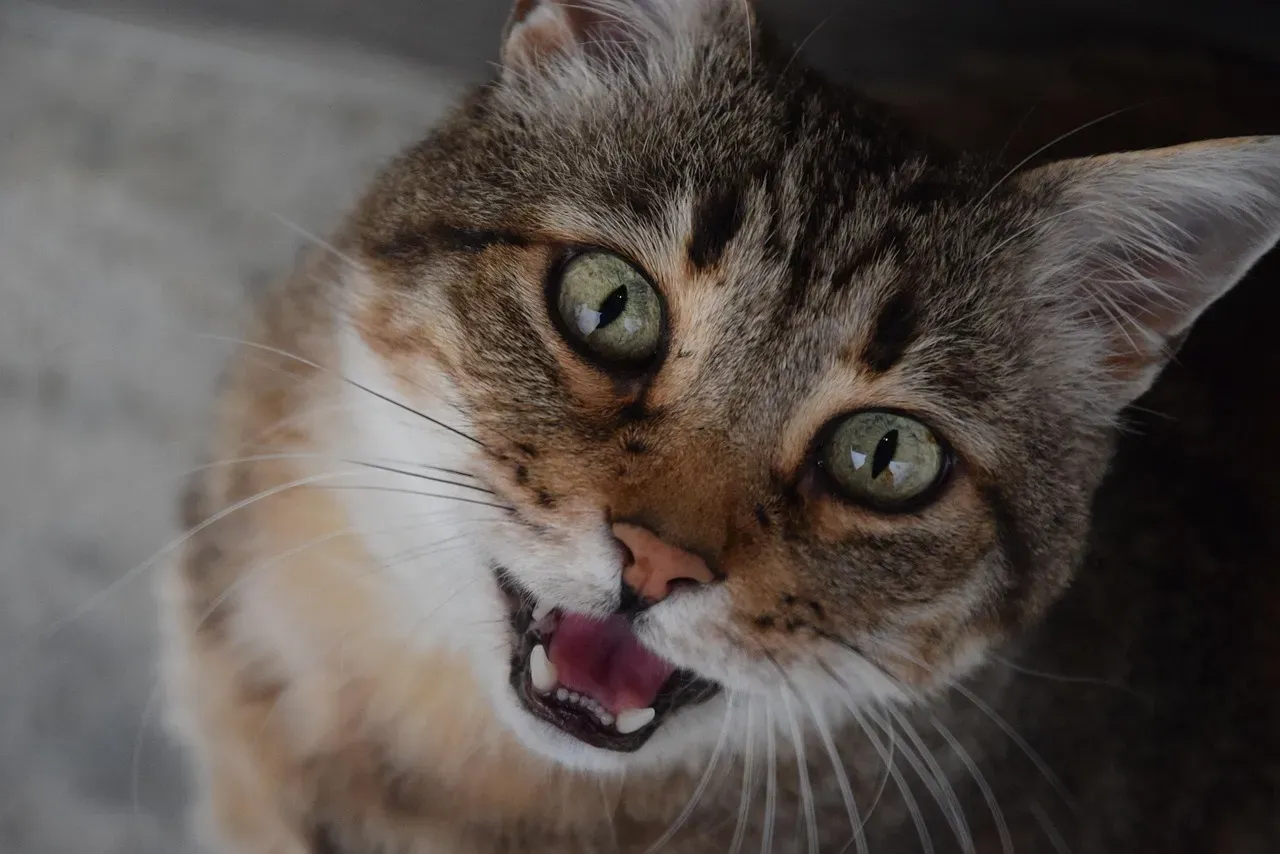
Here’s something genuinely wild to consider. Wild cats, living out in nature, don’t really meow at each other. Not the way your cat meows at you at 6 AM when their bowl still has food in it from the night before. A study from Nature found that cats developed unique vocalizations specifically to communicate with humans, while wild cats rarely meow at each other at all.
The sound of domestic cat meows evolved during domestication to communicate more effectively with you. Listeners rate the wildcat’s call as more urgent and demanding, compared to the domestic cat’s more pleasing sound. Scientists suggest these shorter, higher-pitched sounds are more pleasing to your auditory system, perhaps because young humans have high-pitched voices, and cats evolved accordingly to win your favor.
Honestly, it’s a masterclass in targeted communication. Your cat has different meows for different situations, and research shows they modify their vocalizations based on your responses, essentially training you to react in specific ways. You’re not teaching the cat. The cat is teaching you. There is a difference, and it matters enormously.
The Slow Blink That Makes You Melt
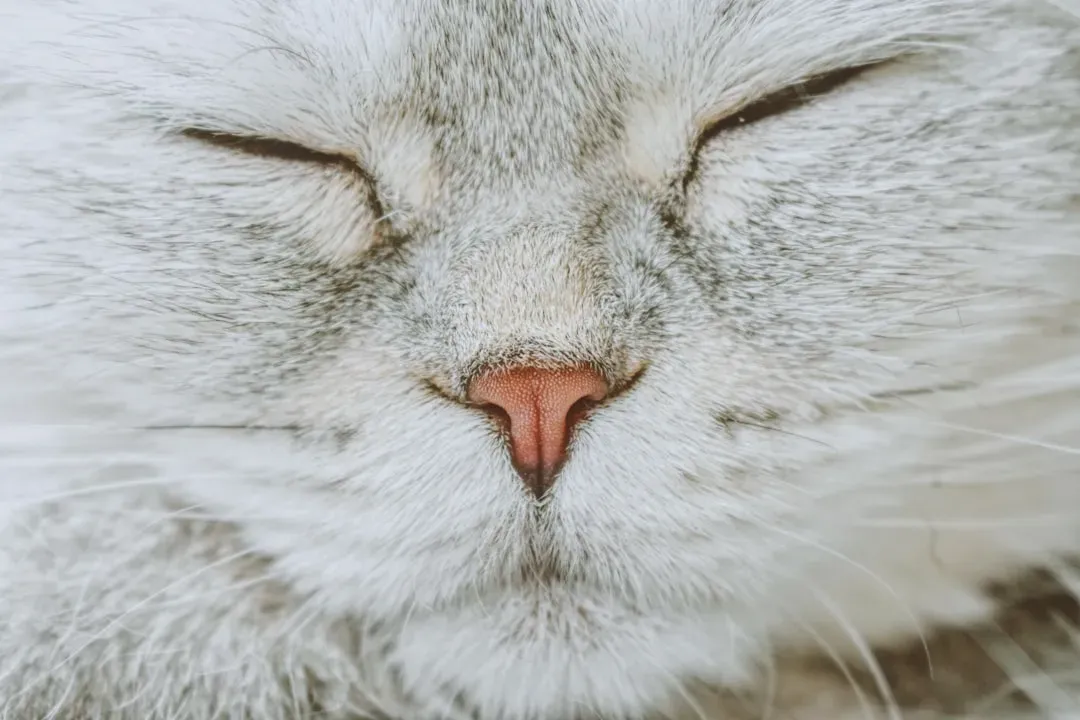
If your cat has ever gazed at you softly, then lazily half-closed their eyes in a slow, deliberate blink, you’ve almost certainly melted on the spot. It feels like pure love. A cross-species moment of connection. Maybe it is. It’s also, just a little bit, manipulation at its finest.
If your cat has ever given you a slow blink, congratulations, you’ve just been manipulated into feeling loved. Studies show that cats use slow blinking as a way to bond with humans, signaling trust and affection while also ensuring more attention and care. Think of it like your cat deploying a perfectly timed smile right when you were about to stop paying attention to them.
Research suggests that slow blink sequences may function as a form of positive emotional communication between cats and humans. The genius part? Cat half-blinks and eye narrowing occurred more frequently in response to owners’ slow blinks toward their cats. In a second experiment, cats had a higher propensity to approach an experimenter after a slow blink interaction than when a neutral expression was used. In other words, your cat draws you in closer, every single time.
The Head Bunt: Affection With a Hidden Agenda
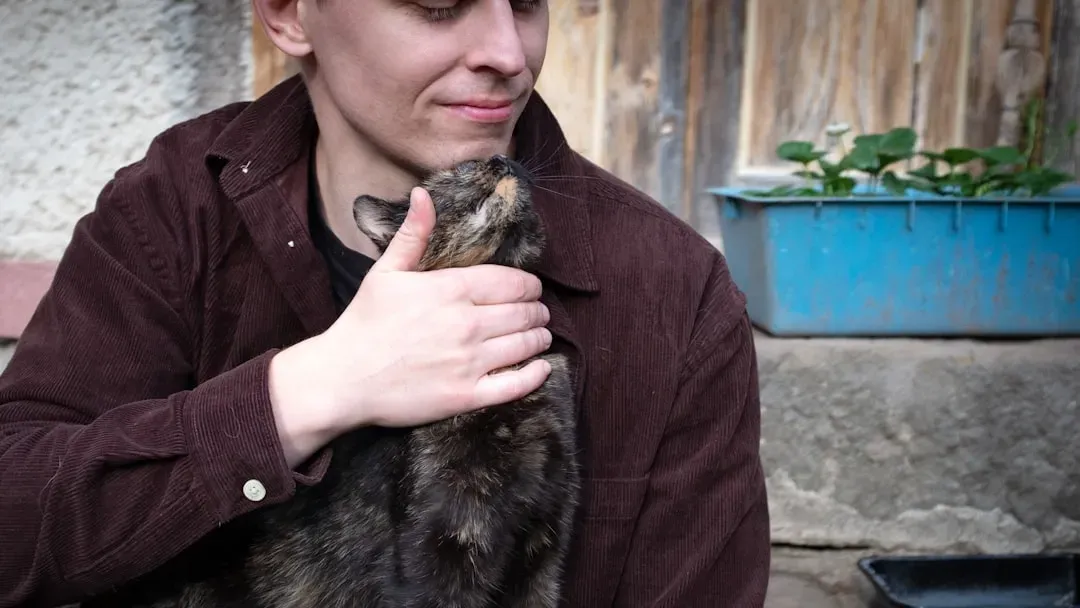
There is nothing quite like the feeling of a cat pressing their tiny forehead into your cheek. It feels like being chosen. Adored, even. You are absolutely being chosen, though perhaps not entirely for the reasons you imagine.
Cats have scent glands located on their cheeks, forehead, and chin. When they bunt, they release pheromones that mark their territory. This behavior communicates ownership and familiarity, signaling to other animals that the area or person has been claimed. So when your cat gently nuzzles your face, they are also, in the most literal sense possible, marking you as their property.
Headbutting is typically a way for cats to mark you with pheromones and bond with you. However, sometimes headbutting can also be a way for cats to seek attention. If a cat is consistently rewarded with attention after headbutting, this encourages more headbutting, and the more you bond through it, the more headbutting your cat will do, creating a feel-good cycle. You are, essentially, being trained. Gently, adorably, but trained nonetheless.
The “Making Biscuits” Move That Keeps You Still
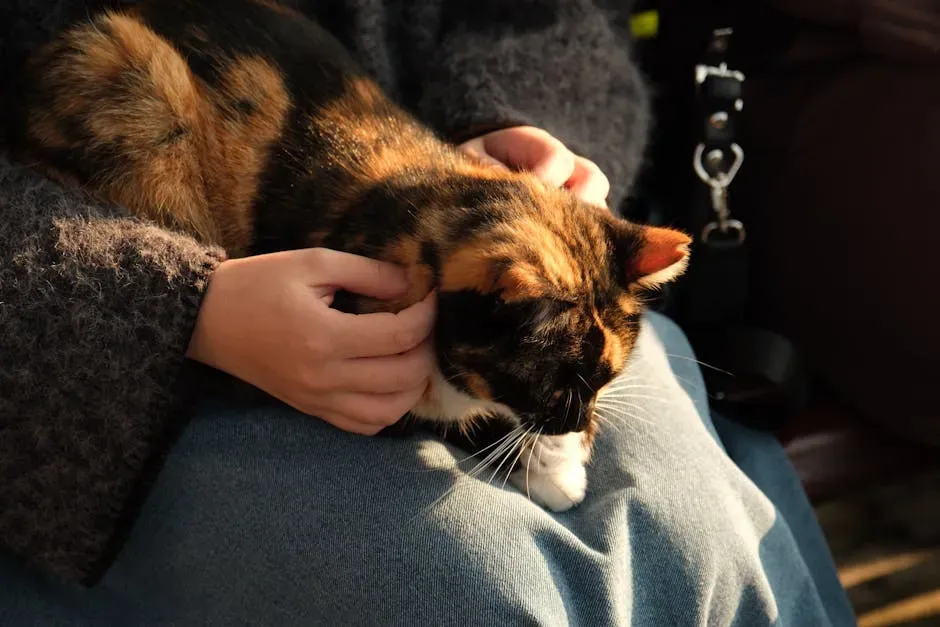
There is a specific kind of paralysis that every cat owner knows well. Your cat climbs onto your lap, starts kneading rhythmically, lets out a deep, contented purr, and suddenly you physically cannot move. You need to get up and do something important. You will not be getting up. Not for a while.
Kneading originates from kittenhood, when kittens press their paws against their mother’s belly to stimulate milk flow. This comforting behavior often persists into adulthood, associated with feelings of security and contentment. When your cat kneads on you, they’re essentially treating you like their mother. I know it sounds crazy, but that’s probably one of the highest compliments a cat can pay you.
When a cat settles in and starts kneading, the whole mood usually softens. You instinctively relax, remain still, or gently stroke the cat. The slow movement signals comfort, and your response reinforces that calm exchange. Cats may also knead to relax, bond affectionately with people, or mark territory through the scent glands in their feet. So yes, they are marking you and keeping you captive, all at the same time. Efficient creatures, really.
Hijacking Your Laptop to Steal Your Attention
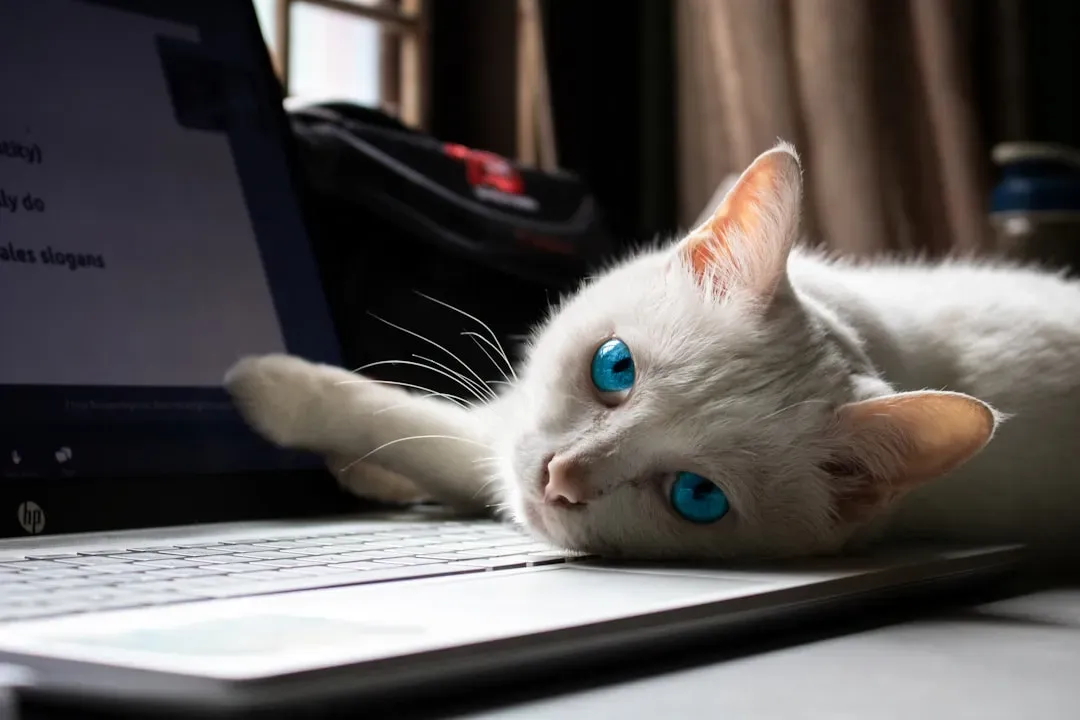
You sit down to work. Within four minutes, there is a cat on your keyboard. Your screen is half-blocked. A random string of letters has just appeared in your important email. This is not coincidence. This is strategy.
One of the most likely reasons your cat is drawn to your laptop is a simple desire for attention. Cats, although often considered independent, are social creatures who form strong bonds with their human companions. They seek your presence, affection, and interaction, and what better way to get it than by sitting right on top of the device you’re most focused on?
Cats are highly intuitive animals, and they learn quickly how to grab your attention. They recognize that when they sit on your laptop or keyboard, you will likely respond. Whether it’s a quick pet, a verbal command to get off, or even just a look of surprise, your cat gets the response they are seeking. Before computers were common in homes, cats pulled the same trick with newspapers or homework or books, sitting squarely on the open page. The medium has changed, but the motive remains the same.
Knocking Things Over as a Power Move
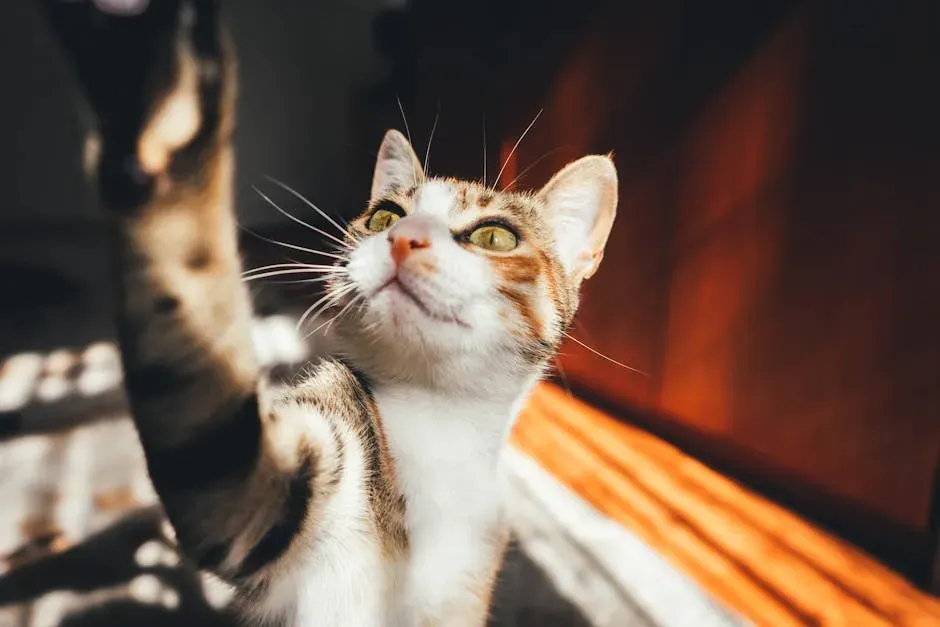
Let’s be real. You’ve watched your cat sit at the edge of a table, make direct eye contact with you, and then calmly nudge something off the edge. Not accidentally. Not curiously. With cold, calculated, deliberate intent. It’s almost impressive.
Some cats will deliberately knock items off tables or counters to gain your attention. It’s a bit like a toddler throwing a tantrum, except with considerably more dignity and far less crying. Attention-seeking behaviors like this can develop because you unintentionally reinforce them through your reactions. If your cat learns that knocking an item off a shelf gets a swift response from you, they’ll quickly learn that activity paid dividends. Even an adverse reaction from you is a positive result for the cat.
The strategic brilliance here is almost worth admiring. Your cat has essentially figured out that any response, even a frustrated “stop that!” is a win for them. It’s the feline equivalent of “there’s no such thing as bad publicity.” Cats have evolved around humans, allowing them to observe your actions closely. They use these observations to develop habits that get them the results they want. You are the experiment. They are the scientist.
Using Social Referencing to Read and Influence You
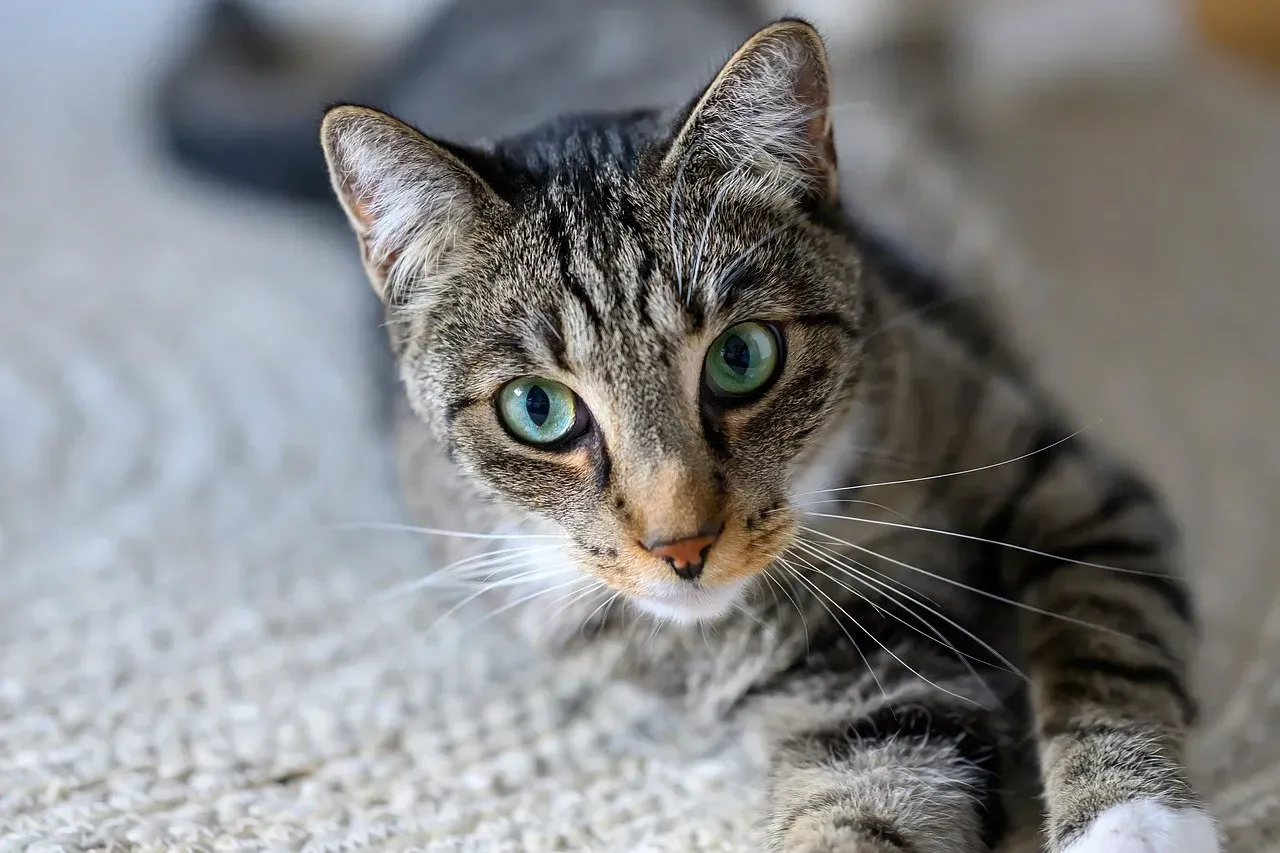
This one is perhaps the most underappreciated of all. Cats don’t just react to you. They watch you. They study you. They catalog your behavior patterns with a patience that would make any scientist envious.
Scientists don’t know everything about feline cognition, but what they do know is that cats can observe your behavior in a process called “social referencing.” This is something that children learn and use right into adulthood. Social referencing is an intricate process, so pets showing it have high intelligence. Because they are clever enough to put your behavior in context, they can train themselves to behave in ways that trigger those behaviors.
Cats don’t randomly choose who to communicate with. Since meowing is a learned, human-directed behavior, many cats focus on the person who consistently responds to them. Some owners become the preferred listener simply because they’ve proven to be the most reliable at acknowledging the sound. Over time, the cat builds a pattern of seeking out the human who delivers the best results. You thought you chose your cat. Your cat chose you because you were the most responsive test subject.
Conclusion: Happily Outsmarted
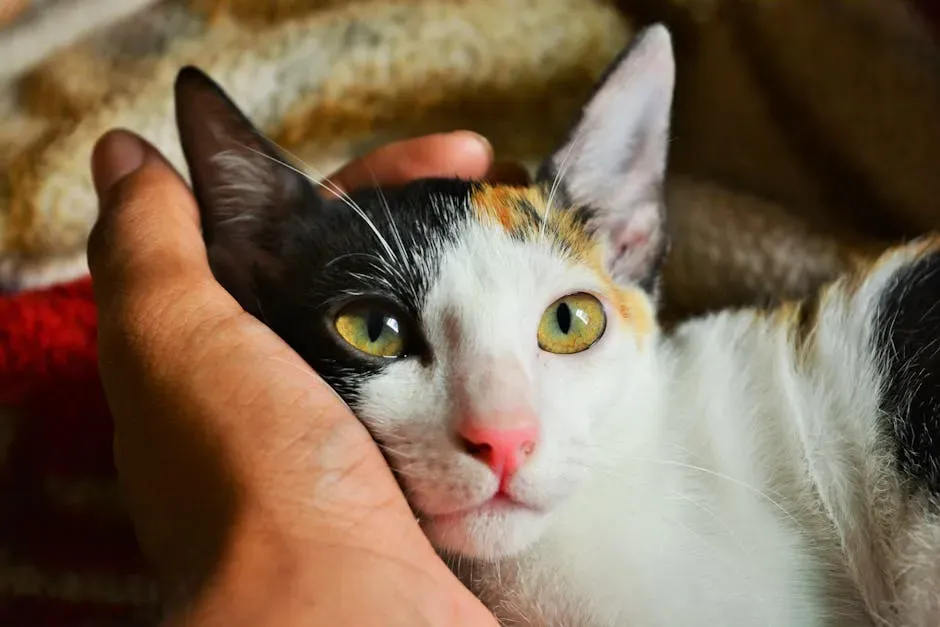
Here’s the beautiful thing about all of this. Knowing you’re being manipulated doesn’t actually make you love your cat any less. If anything, it makes you respect them more. These are clever, emotionally intelligent animals who figured out how to live alongside humans so successfully that we genuinely cannot imagine life without them.
Scientists believe that this manipulative behavior is simply how cats interact with humans, and it’s deeply ingrained in how cats form relationships with people and how people form relationships with them. It’s working out fine for you too: you love your cats, you want to take care of them, and this communication is easy for you to understand. Any communication across species that helps you understand your cat and figure out what they want is, honestly, a biological miracle.
So the next time your cat deploys the slow blink, the solicitation purr, or the strategic laptop-sit, you can smile with full knowledge of what’s happening. You’re not a pushover. You’re a willing participant in one of the most entertaining inter-species relationships on earth. Now go fill their bowl. They’ve earned it.
Which of these clever moves does your cat pull on you most often? Tell us in the comments!