You think you’re in charge. You set the feeding schedule, you decide when snack time happens, and you hold the treat bag. Cute story. The truth is, your cat has been running a quiet, brilliantly choreographed campaign against your willpower since the day you brought them home. And honestly? They’re winning.
Cats have spent thousands of years perfecting the art of human manipulation. Not out of malice, but out of something far more impressive: pure adaptive intelligence. If you’ve ever found yourself tossing a treat across the floor for no clear reason, you’ve already been outplayed. Let’s dive in and unpack exactly how they do it.
The Solicitation Purr That Sounds Like a Crying Baby
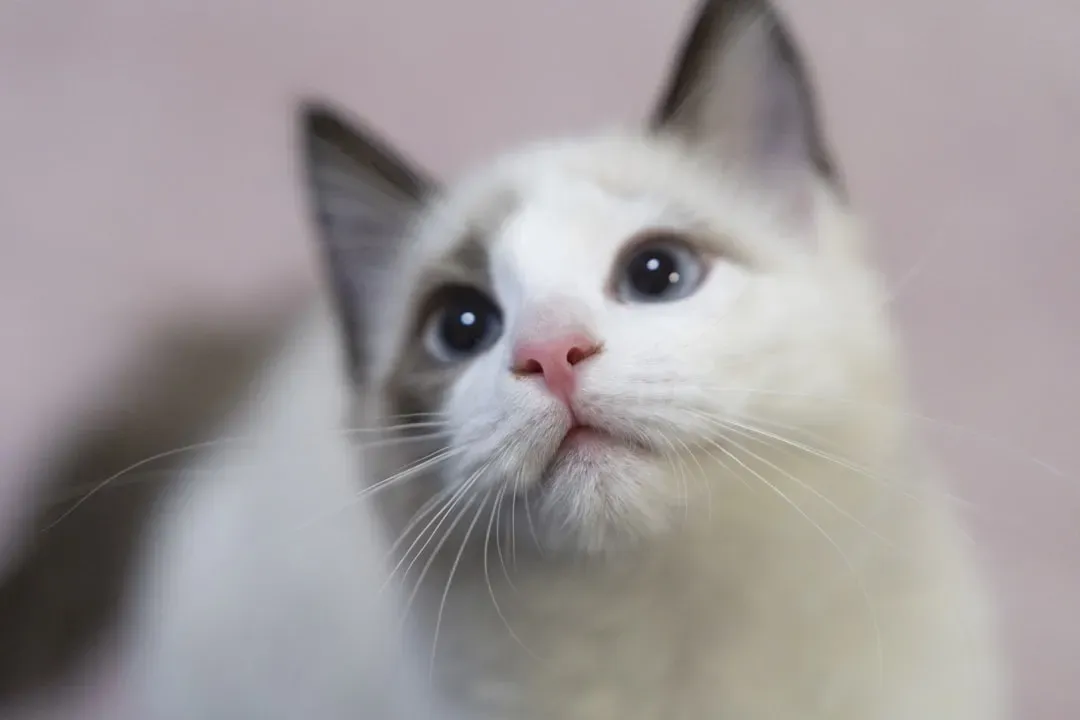
Here’s the thing that’ll genuinely surprise you. Your cat’s purr, that comforting, rumbly sound you adore, is not always what it seems. That sound is actually a purr mixed with a high-pitched cry, and while people usually think of cat purring as a sign of happiness, some cats make this purr-cry sound specifically when they want to be fed.
On the surface, these “solicitation purrs” are based on the same low-pitched sounds that contented cats make, but embedded within them is a high-pitched signal that sounds like a cry or a meow. It is this hidden signal that makes the purr of a hungry cat so irresistible to humans.
Research from the University of Sussex discovered that cats insert a high-pitched cry into their purring, mimicking the sound of a human baby to get attention from their owners. Think about that for a second. Your cat has essentially reverse-engineered the sound most likely to trigger a parental response in you. It is not accidental. Cats who spend a lot of time around humans appear to have learned that exaggerating this voiced peak is a good way of manipulating their owners’ sensory sensitivities.
The Slow Blink That Makes You Feel Deeply Loved
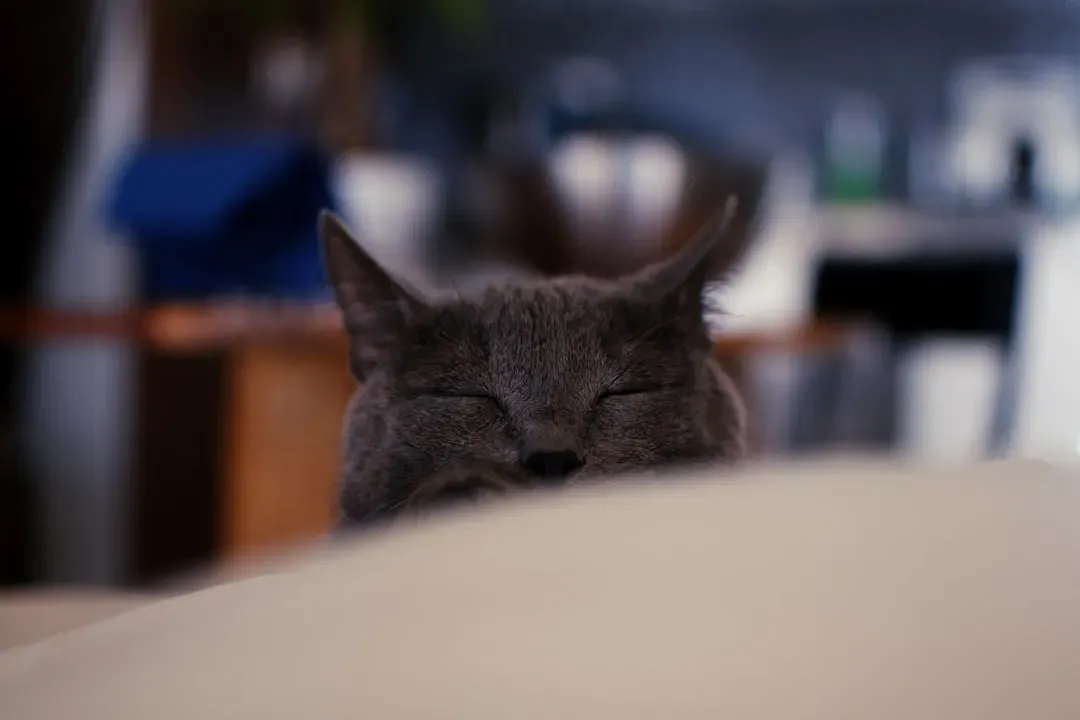
Few things feel as warm and tender as a cat staring softly at you and slowly closing their eyes. It genuinely melts your heart. You feel chosen. Special. But here is what is actually happening beneath all that emotional warmth. If your cat has ever given you a slow blink, congratulations, you have just been manipulated into feeling loved. Studies show that cats use slow blinking as a way to bond with humans, signaling trust and affection while also ensuring more attention and care.
A study published in 2020 confirmed that slow blinking plays a key role in feline communication. The results showed that cats are more likely to slow-blink at their humans after their humans have slow-blinked at them, compared to a no-interaction condition. So you return the blink, your heart swells, and before you know it you are reaching for the treat bag. You did not decide that. Your cat did.
Researchers suggest that cats may have developed the slow-blink behaviors because humans perceived slow blinking as positive. Cats may have learned that humans reward them for responding to slow blinking. In other words, the behavior was refined over time specifically because it works on you. Consistently. Every single time.
Meowing That Is Perfectly Tuned to Your Response
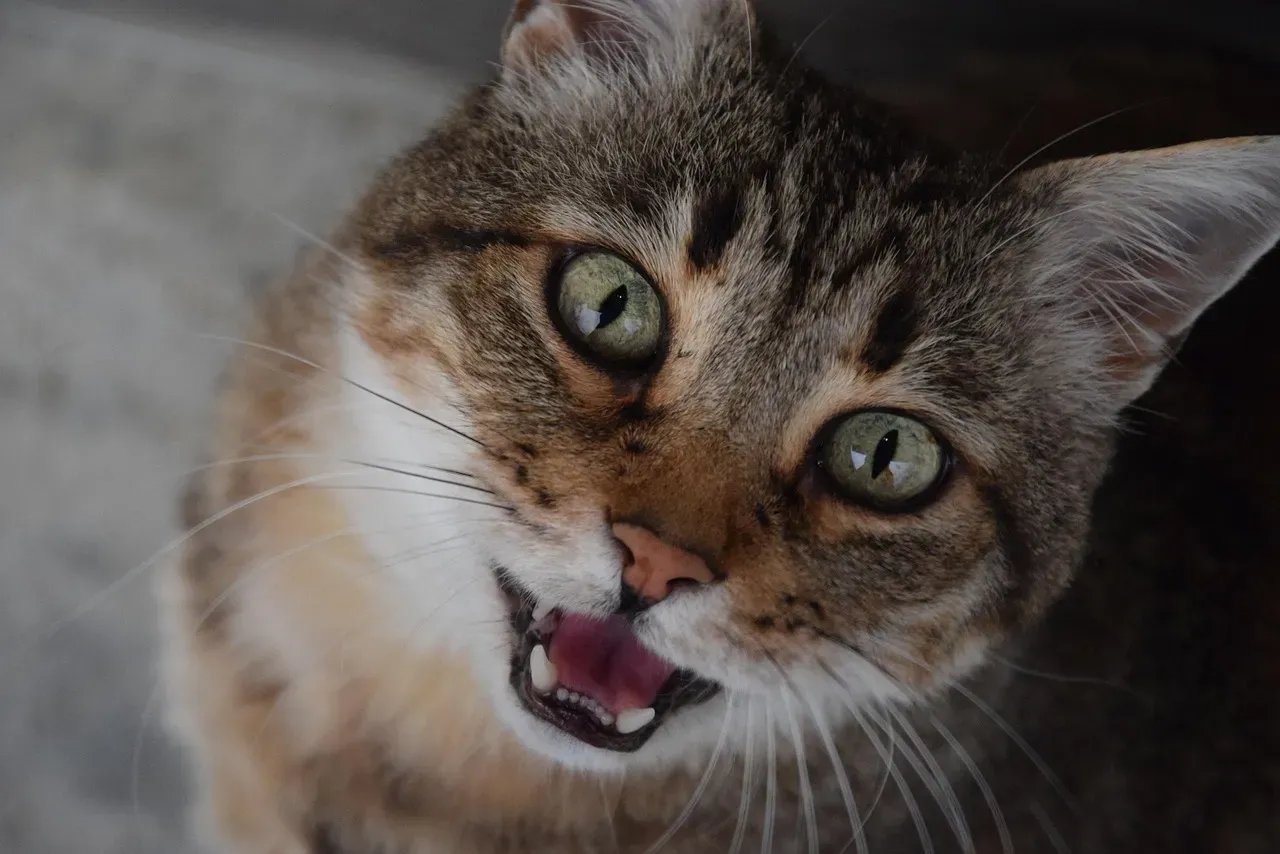
You might have noticed that your cat’s meow sounds different depending on the situation. That is not your imagination at work. Research shows that cats modify their vocalizations based on their owners’ responses, meaning they actually train humans to respond in specific ways. You trained your cat? Nope. Your cat trained you, and you did not even see it coming.
Unlike dogs, who have been selectively bred for cooperation, cats domesticated themselves thousands of years ago. Over time, they learned that certain behaviors trigger human responses, and they have been perfecting their techniques ever since. Think of it like a musician learning which chord makes the crowd go wild. Your cat learned which meow makes you dash to the treat jar.
Once cats get a taste for the good stuff, they may start begging for another treat or getting excited at the time of day when you usually feed them their treat. They lock onto patterns you did not even realize you created. Your cat notices the clock better than you do. That persistent, escalating meow at 7pm is not random. It is strategy.
The Dramatic Stare That Wears Down Your Resistance
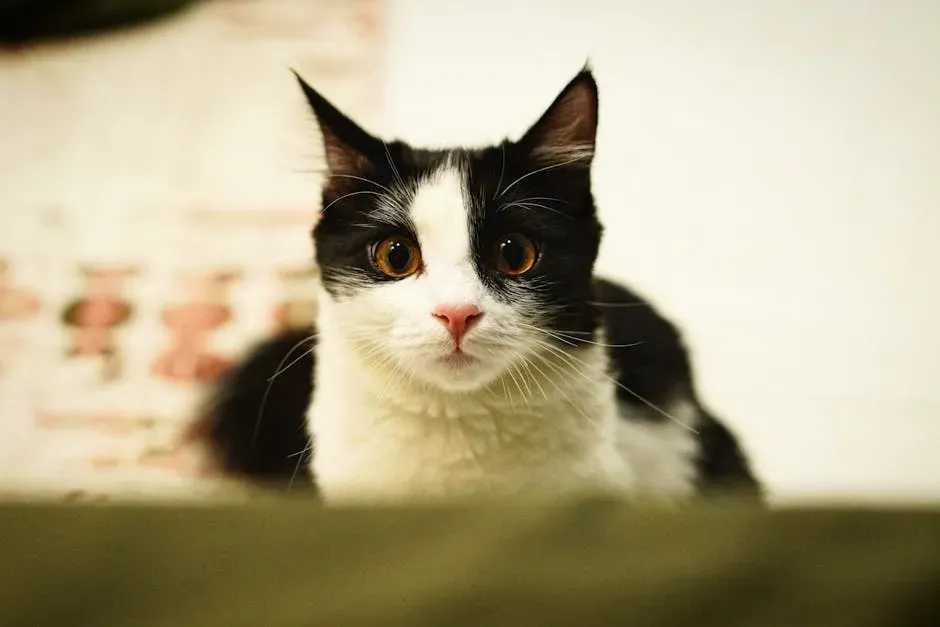
Let’s be real. Few things in life are more psychologically exhausting than a cat staring at you in silence. Unblinking. Patient. Almost unsettling. Some cats go to their treat spot in the kitchen, sit there, and stare at you like they are trying to use Jedi mind power on you. I know it sounds crazy, but it works. Because it does work. On virtually everyone.
Some cats will sit on the floor and just stare, not get on the bed, just stare, stare, STARE until they get what they want. There is a quiet but immense pressure in being watched that intensely. Humans are wired to respond to sustained eye contact as a social signal. Your cat knows this intuitively, even if they could not describe the psychology behind it.
The longer they stare, the more uncomfortable you become, and the more your brain starts generating justifications for giving them a treat. “Maybe they’re hungry.” “Maybe they just want one.” “It’s just one treat.” Sound familiar? That inner monologue is not your idea. That is your cat’s doing.
Knocking Things Over as a Treat-Summoning Device
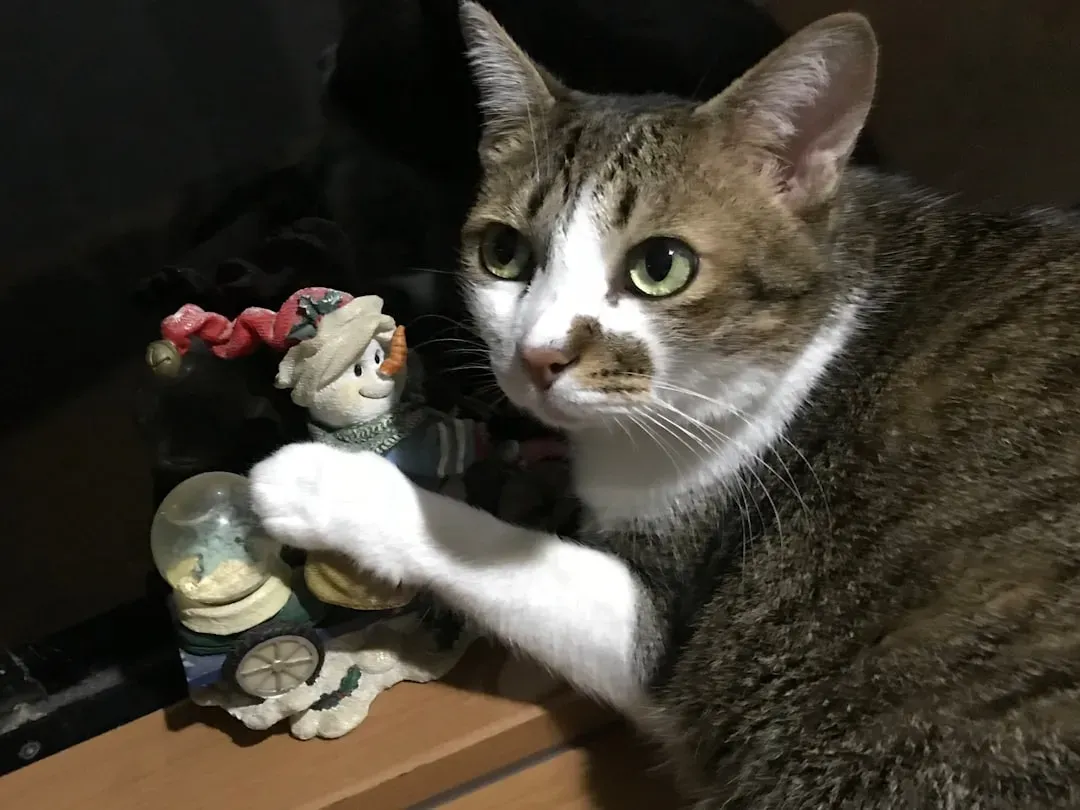
Your cat sits on the counter. Looks you dead in the eyes. Then slowly, deliberately, nudges your pen off the edge. This is not chaos. This is a calculated tactic. Cats are remarkably intelligent when it comes to understanding cause and effect, particularly regarding human behavior. If knocking something off a table consistently gets you to jump up, make noise, or rush over to them, your cat has learned a valuable lesson: this behavior works.
Another reason behind this behavior is that they might be trying to get your attention. When you react to that tipped-over glass of water or pill bottle knocked off a shelf by running over and talking to them in a loud, excited voice, your cat learns that this is an easy way to get you to give them attention. And once you have rushed over, frazzled and reactive, you are far more likely to reach for a treat just to redirect them.
A cat that makes eye contact before, during, or after knocking an object is likely performing learned attention-seeking behavior reinforced through operant conditioning. Every owner response, whether scolding, laughing, picking up the object, or even glancing at the cat, reinforces the behavior. Yes. Even laughing at them is a reward in their book.
The Leg Rub Timed Perfectly for Maximum Effect
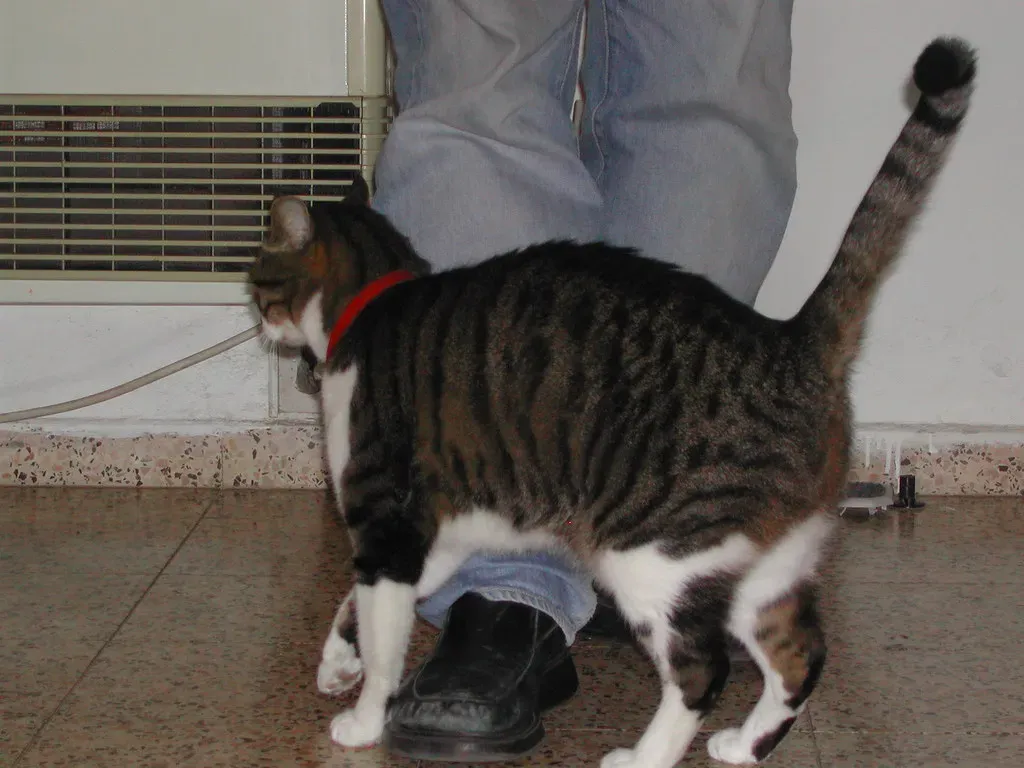
You walk into the kitchen. Your cat, who has been asleep for three hours and has shown zero interest in you, suddenly appears and begins weaving figure eights around your ankles. Purring loudly. Looking adorable. Cats manipulate people with their purrs. When they want something, picture a cat rubbing against your legs in the kitchen while you open a can of wet food, they purr extra loudly.
The kitchen leg rub is a masterpiece of timing. They know from repeated observation that the kitchen is where treats originate. Wild cats don’t need to be manipulative, but housecats have learned to prey on our emotions. That affectionate nuzzle around your legs is genuinely charming, but it also conveniently positions your cat exactly where it needs to be the moment you are most likely to open a cupboard.
The rubbing itself is also a marking behavior, which means your cat is simultaneously claiming you as their territory while charming a treat out of your hand. Efficient and a little audacious, if you think about it.
Playing the Pathetic Hungry Act on a Full Stomach
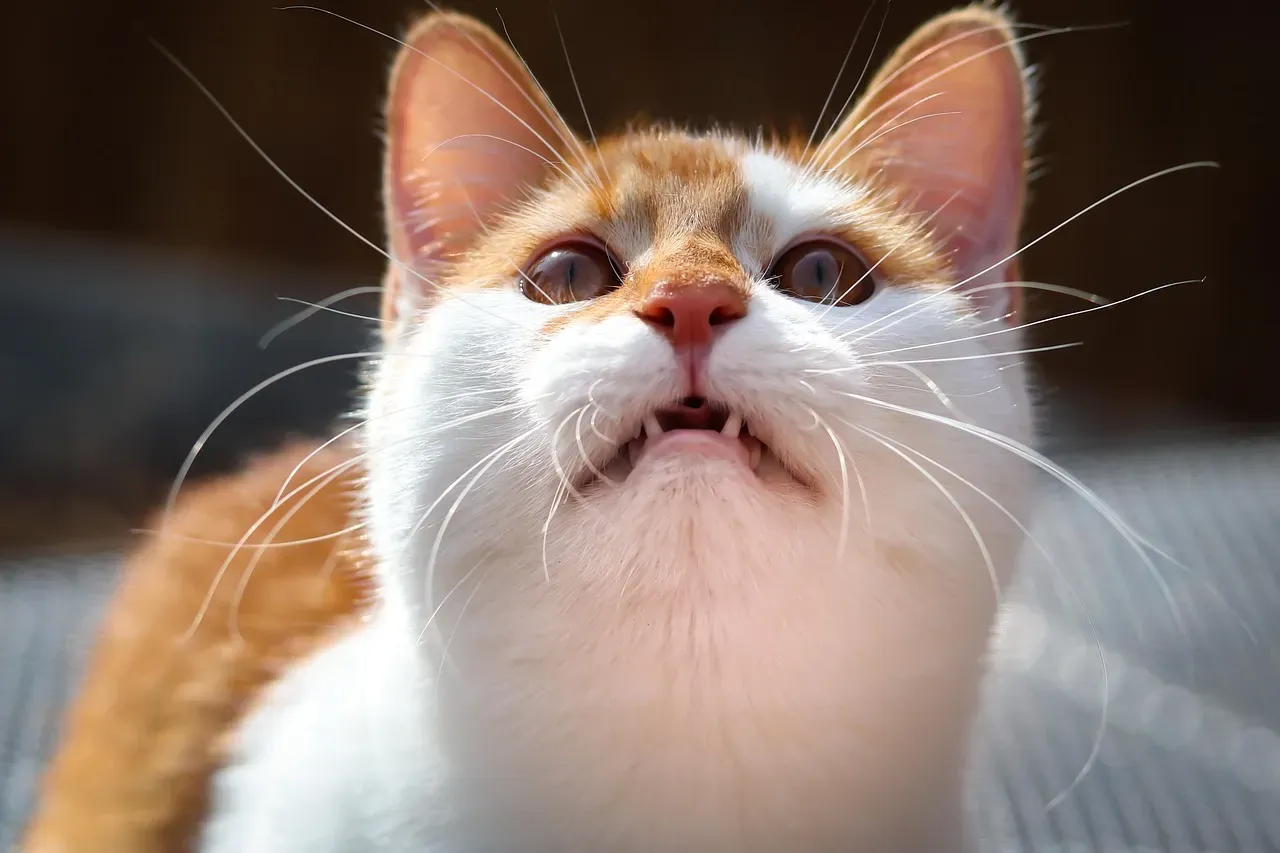
Few performances in nature are as convincing as a cat doing “the starving face.” Wide eyes. Slightly tilted head. A soft, pitiful little meow. It is practically theatrical. Most pet cats, even the affectionate ones, are somewhat manipulative. Their instincts influence their behavior, but their intelligence helps them discover new ways to engage their owners.
A cat who is meal fed will start to hunt for its food before it is actually hungry, just like in the wild. Unlike in the wild, cats learn that the best way to hunt for that meal is by screaming at you every time you walk in the kitchen, or waking you up in the wee hours of the morning. Your cat is not actually starving. They are performing hunger, and they have been rehearsing the role their entire life.
Not only are you reinforcing bad behavior by rewarding them for begging or pestering, but you could also be damaging their health. It is hard to say for sure where the line between genuine appetite and performance lies, but seasoned cat owners will confirm: when in doubt, your cat is almost certainly putting on a show.
The Head Boop and Touch That Disarms Your Defenses
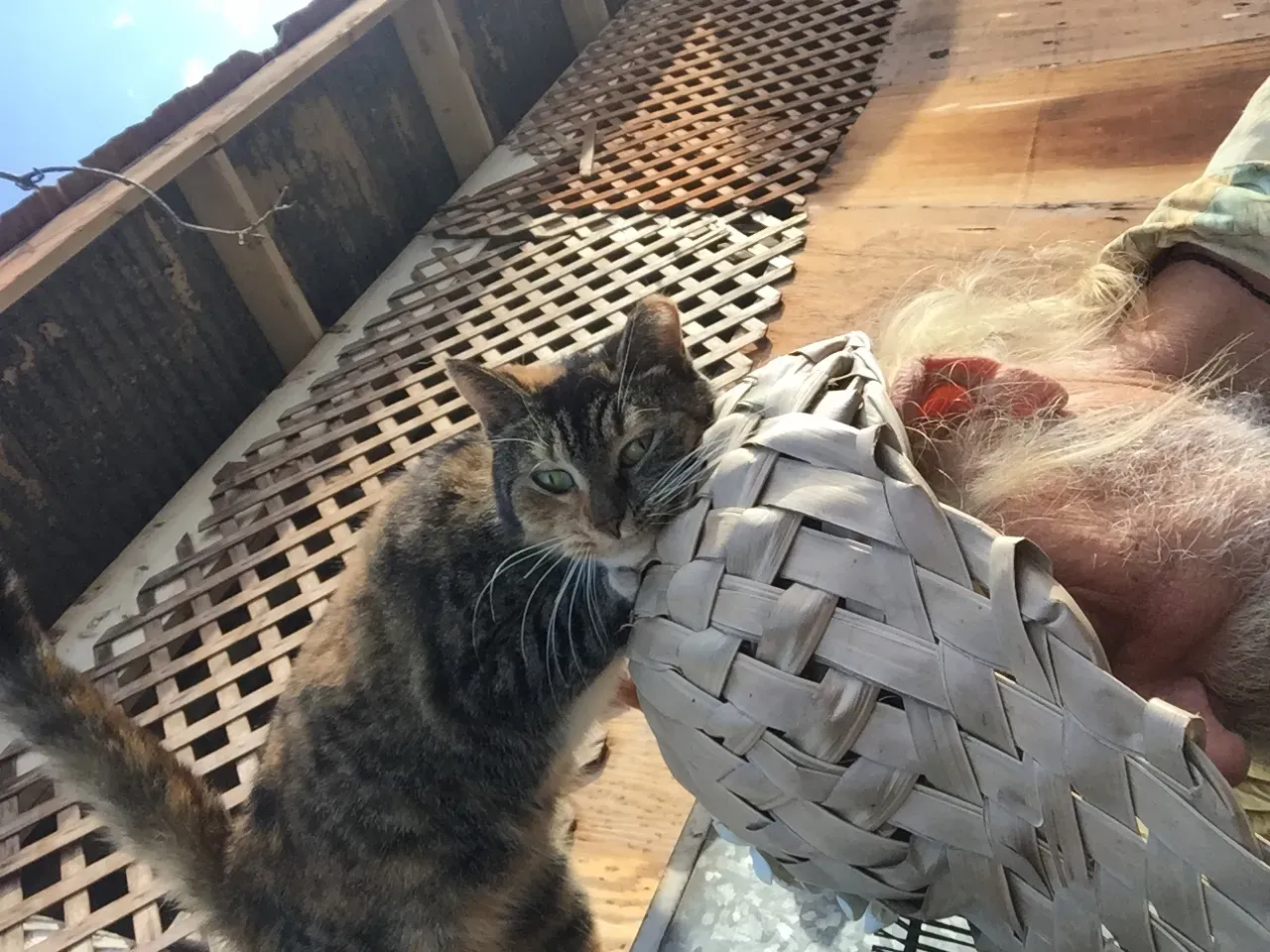
There is something genuinely disarming about a cat walking up to you, bumping their head softly against your hand, and gazing up with those eyes. It feels like trust. Like love. And on some level, it genuinely is. But it is also, without question, one of the most effective treat-extracting techniques in the feline playbook.
Head boops are a sign of affection, but they are also a way for cats to mark you as theirs. Head bunting is when your cat rubs and bonks their head on you, marking you as theirs, since cats have scent glands on their foreheads and cheeks. So that sweet little forehead press is simultaneously an “I love you” and a property claim. Your cat is branding you. Adorably.
The thing is, when something that physically sweet happens, the human brain releases a rush of feel-good chemicals. You soften. Your resistance evaporates. And your hand drifts toward the treat bag almost automatically, as if your arm operates independently of your brain. Cats have mastered the art of getting what they want, whether it is food, attention, or a prime spot on your bed. The head boop is perhaps their most elegant weapon in that arsenal.
Conclusion
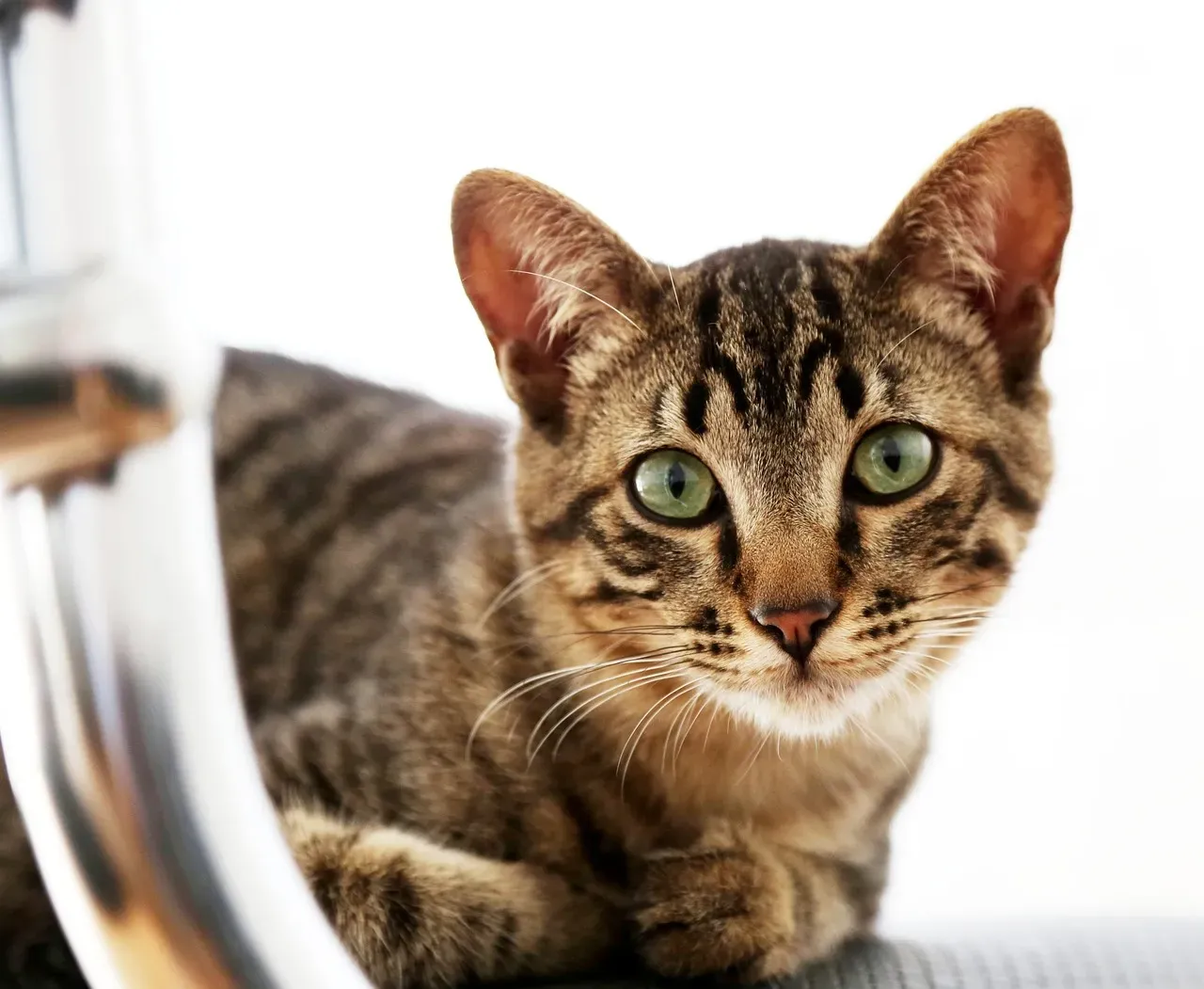
Here is the honest truth: your cat is genuinely clever, and none of these tricks are malicious. They are the result of thousands of years of co-evolution between a highly adaptable predator and an emotionally responsive human. Over time, cats learned that certain behaviors trigger human responses, and they have been perfecting their techniques ever since. You are not a pushover. You are simply up against a creature that has made studying you its full-time occupation.
The next time your cat hits you with the slow blink, the pathetic meow, or the perfectly timed leg rub, take a breath and appreciate the masterclass you are witnessing. You can still choose not to give that treat. Whether you actually manage to, though, says more about you than it does about your cat.
So, which of these tricks does your cat use most on you? Tell us in the comments!