You’ve probably spent time staring at your cat wondering what on earth is going on in that furry little head. Your cat stares back at you, flicks a tail, blinks slowly, and then casually walks away as if nothing happened. You’re left feeling like you just missed the point of an entire conversation.
Here’s what most cat owners don’t realize: cat non-verbal communication encompasses all the ways cats express their emotions, needs, and intentions without making vocal sounds, and unlike humans, who rely heavily on words, cats communicate primarily through body language, facial expressions, tail movements, ear positions, and even scent marking. The meow, honestly, is almost an afterthought. So let’s dive in and decode the rich, silent language your cat has been speaking to you all along.
1. The Tail: Your Cat’s Living Mood Ring
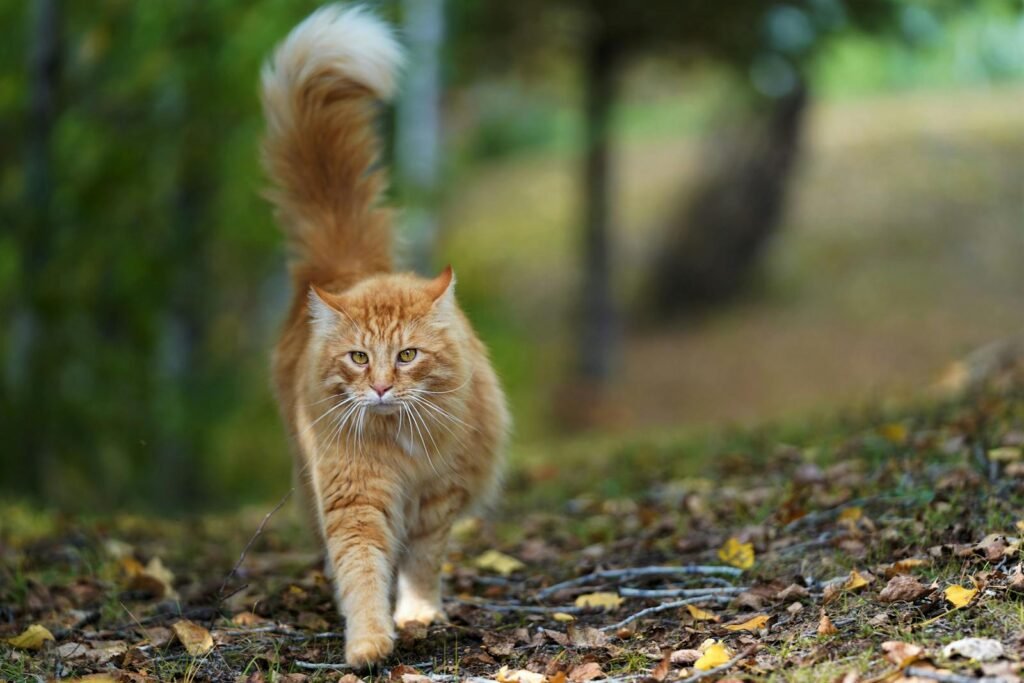
Think of your cat’s tail like a mood barometer. It is always moving, always signaling something, and once you learn to read it, you’ll realize your cat has been broadcasting its feelings in plain sight the whole time. The tail position is a well-known way that cats communicate visually, and generally, the “tail up” position signals friendly intent when a cat approaches another cat, animal, or person.
The signals get more nuanced from there. When greeting their owners, cats often hold their tails straight up with a quivering motion that indicates extreme happiness. On the flip side, when your cat thrashes their tail or is thumping it on the ground, they are irritated, annoyed, or angry, and this tells you that something is bothering your cat. It’s basically the feline version of an eye-roll, so pay attention before things escalate.
2. The Slow Blink: A Cat Kiss You Can Return
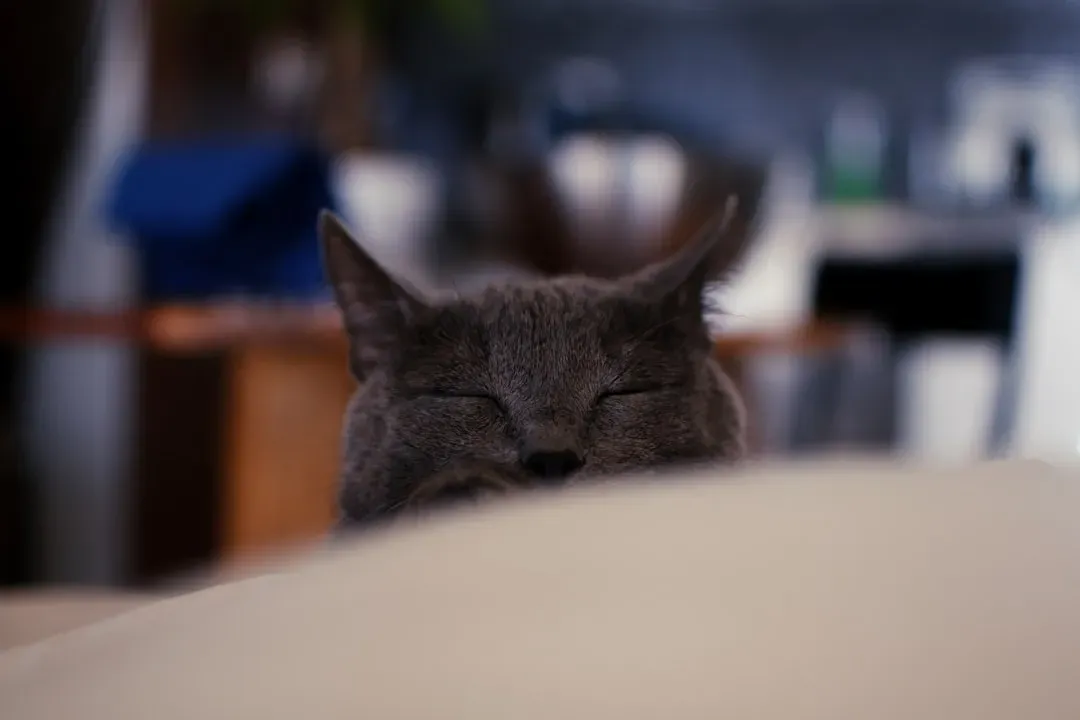
If you’ve never slow-blinked back at your cat, you’ve been missing out on one of the most meaningful interactions you can share with them. This quiet gesture carries enormous emotional weight in the feline world. A slow blink, where a cat deliberately narrows and then opens its eyes, is scientifically recognized as a signal of contentment and trust, often used to initiate a non-threatening social interaction.
The science behind it is surprisingly solid. Scientific research confirms that slow blinking functions as positive emotional communication, and cats are more likely to approach humans who slow blink at them. So the next time your cat gives you that heavy-lidded, dreamy look, try returning it slowly. This behavior is often referred to as a “cat kiss” and is a sign that your cat feels comfortable and safe with you. You can reciprocate by slow blinking back, reinforcing your bond with your cat.
3. The Headbutt: Being Claimed as Family

Let’s be real, nothing quite prepares you for a cat aggressively pressing its forehead into your face at six in the morning. But this behavior, known as bunting, is one of the most profound forms of trust a cat can show you. Cat headbutting, also called bunting, is usually a friendly behavior where cats mark you with their scent to show bonding, comfort, and familiarity.
There is actually a social layer to this that goes beyond simple affection. A more dominant cat with a higher social rank will be the one to initiate head bunting, and it is the job of the dominant, confident cat to spread the family scent and groom the other cats and sometimes humans, which not only serves as a sign of trust and inclusion but is a bonding activity. When your cat headbutts you, they are literally welcoming you into their inner circle. I think that’s one of the most touching things an animal can do.
4. Kneading: Making Biscuits and Saying “I Love You”
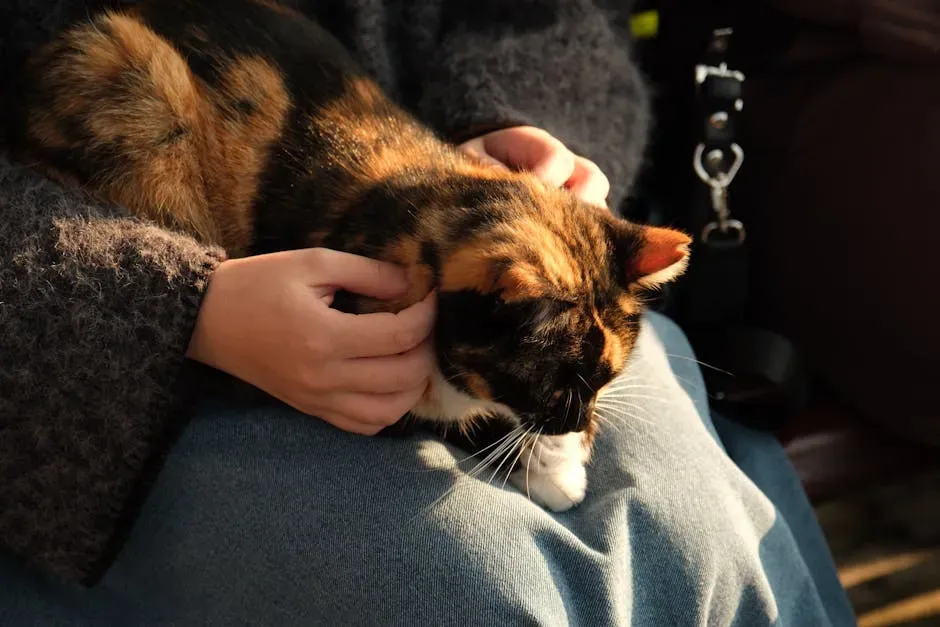
That rhythmic pressing of paws into your lap, your blanket, or frankly anything soft, is one of the most endearing things cats do. It looks absurd. It feels like a tiny massage. It is actually something much deeper. Kneading is a kitten nursing behavior retained into adulthood through neoteny, the persistence of juvenile traits in mature animals. Kittens knead their mother’s mammary glands to stimulate milk flow, and the behavior becomes associated with comfort and security.
The really fascinating part is what’s happening on a biological level. Researchers believe kneading releases dopamine and may stimulate oxytocin, reinforcing kneading as a self-soothing mechanism. There’s also a territorial element you might not have considered. Cats may also deposit scent from paw pad glands while kneading, adding territorial marking to the comfort behavior. So your cat is basically saying, “This spot is mine, and I feel completely safe here.”
5. Ear Positions: The Satellite Dishes of Emotion
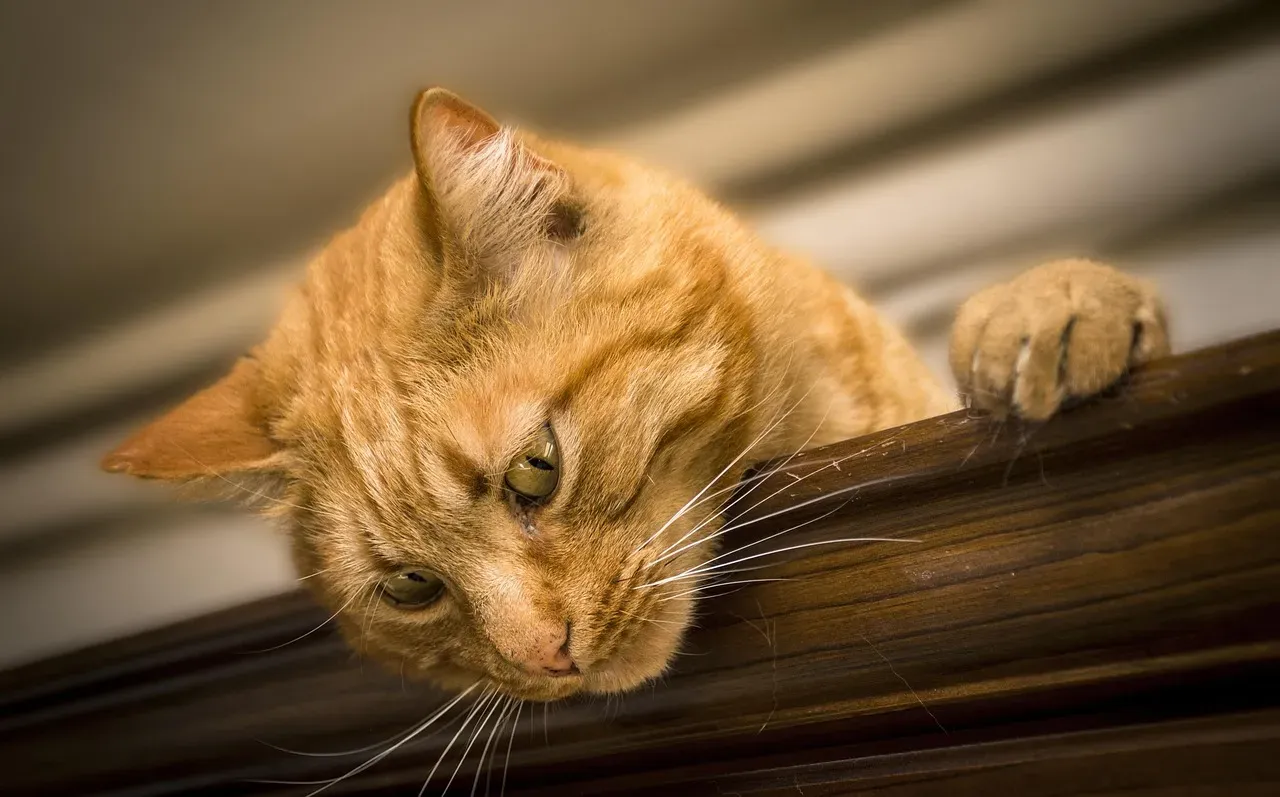
Cat ears are extraordinary engineering. Cats have 32 muscles in each ear, which is way more than humans have, which makes sense as we barely use our ears at all to communicate our moods. Those ears can rotate, flatten, perk up, and tilt in ways that each carry a specific meaning. It’s like having a full emotional dashboard right on top of your cat’s head.
Reading ear positions can genuinely change how you interact with your cat day to day. If a cat’s ears are high and erect and facing forward, the cat is alert, calm, and confident. As the cat becomes stressed, fearful, or upset, the ears will turn to the side and back. And if you ever see the classic “airplane ears,” where the ears flatten dramatically against the head, that is a sign of fear, anger, or aggression, often accompanied by other defensive body language such as a crouched posture or dilated pupils, and it’s a clear signal that your cat is upset or frightened, so it’s best to give them some space.
6. Scent Marking: The Invisible Messages You Can’t Smell
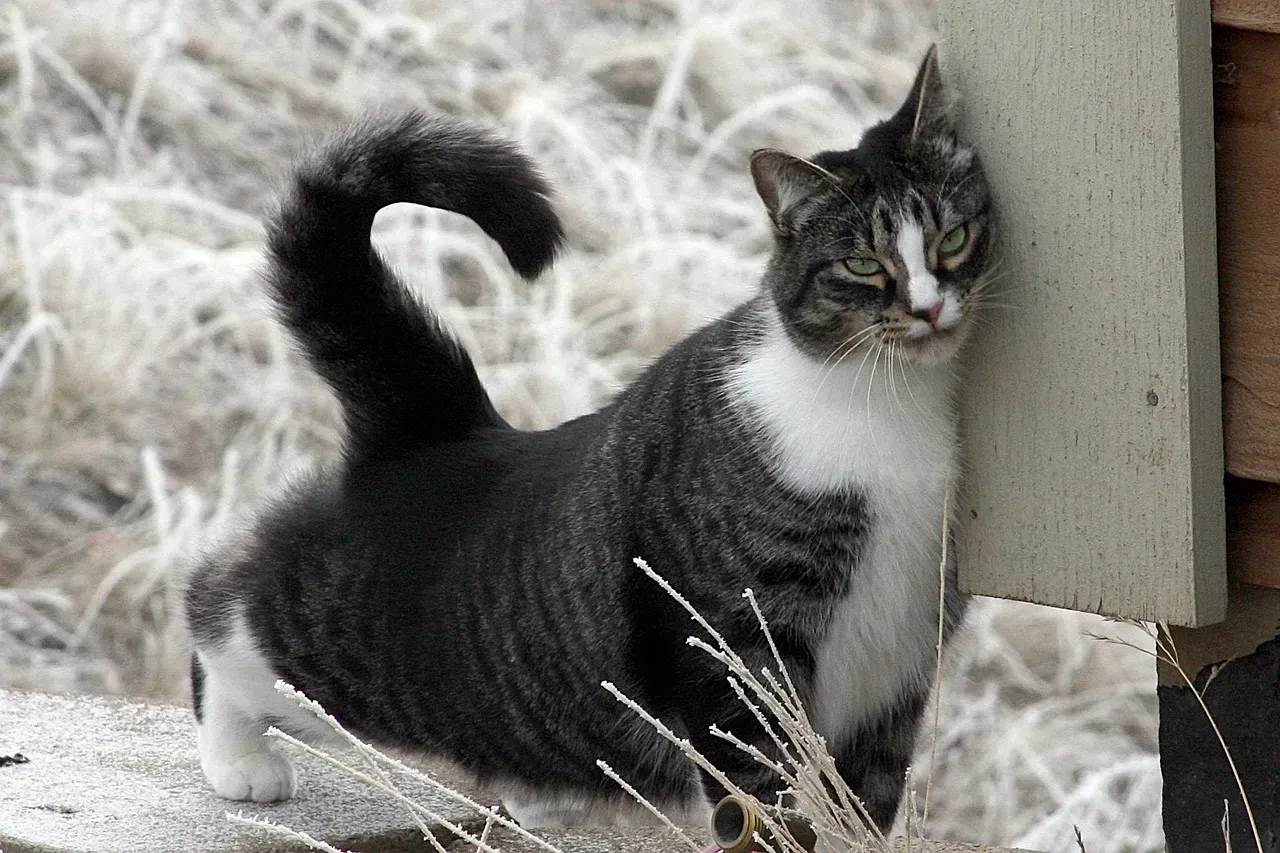
Your home is basically covered in invisible cat notes that only other cats can read. Every time your cat rubs its face against the corner of your couch, your legs, or your favorite chair, it is leaving behind a chemical message. Scent marking is a fundamental aspect of feline communication, allowing cats to establish territory and convey information to other animals. Cats have scent glands located on various parts of their bodies, including the face, paws, and tail. When a cat rubs its face against an object or person, it is depositing pheromones that signal ownership and familiarity. This behavior is often a sign of affection and comfort, as the cat is marking its territory with a familiar scent.
Scratching is part of this same communication system, which is worth remembering before you get annoyed at your furniture. Scratching is another form of scent marking, as it releases pheromones from the glands in the paws while also serving to sharpen the claws. Think of it less like property destruction and more like your cat posting sticky notes all over the house saying, “I live here, I’m comfortable here, and everything is fine.”
7. Eye Dilation and Pupil Size: Windows Into the Feline Mind
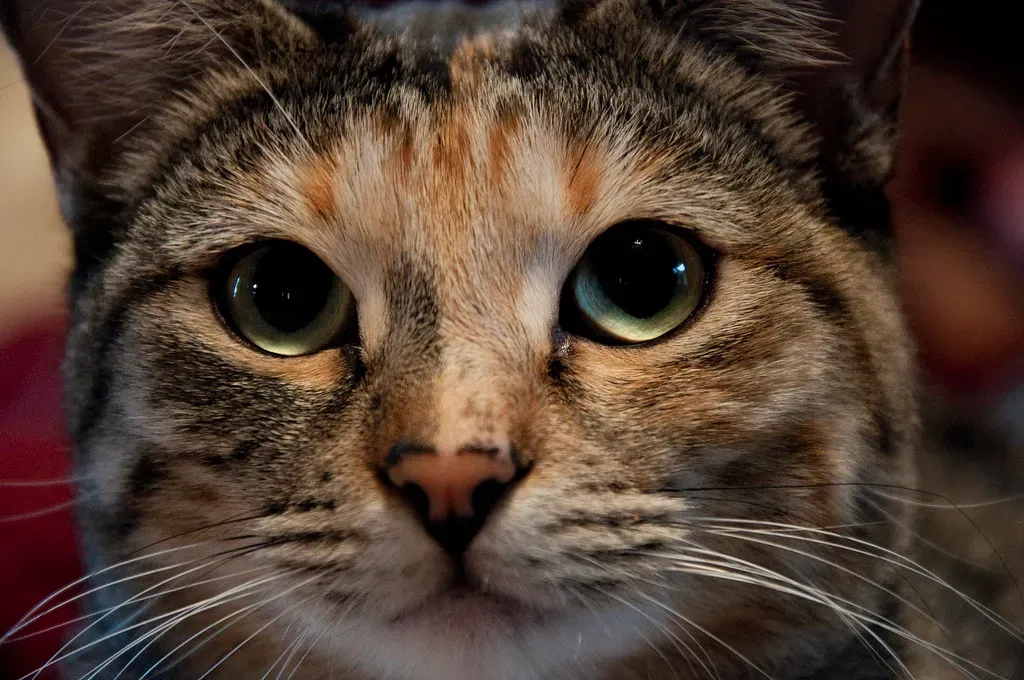
Your cat’s eyes are almost impossibly expressive once you know what to look for. The size of those pupils shifts constantly, and each change carries a message. It’s a bit like watching a living mood ring, just much more precise. A cat’s eyes are incredibly expressive and can reveal a lot about their emotional state. From the size of their pupils to the intensity of their gaze, there are many ways your cat’s eyes can communicate how they feel.
Context is absolutely everything when reading eye dilation. When a cat’s pupils are dilated, meaning a large black center, the message is only that the cat is stimulated, and this could mean stimulated to play or stimulated in fear or aggression. So you have to look at the full picture. If your cat’s pupils are wide and their body language is tense, they might be feeling scared or overstimulated. On the other hand, dilated pupils accompanied by playful behavior may signal that your cat is in a highly excited state, ready to pounce or chase. Same eyes. Completely different meaning. Wild, isn’t it?
8. Body Posture and the Social Roll: Full-Body Storytelling
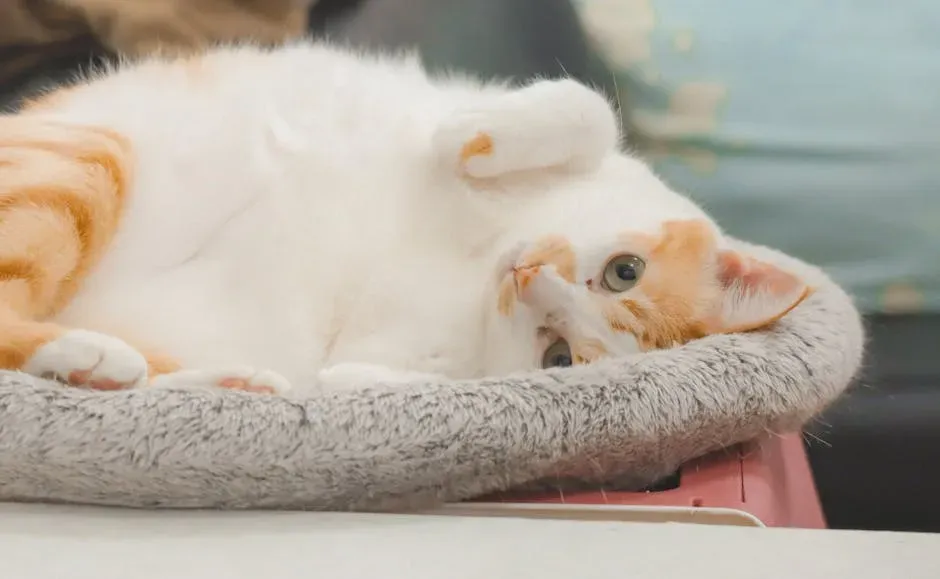
Your cat’s entire body is a canvas for communication. The way it holds itself, sprawls out, curls up, or suddenly goes rigid tells you volumes about how it’s feeling at any given moment. Relaxed cats tend to lie, curl up, or sit with some or all of their paws off the ground, and they may sit perched with their paws tucked under their chest or stretch their bodies right out if they are fully comfortable in their environment.
One behavior that surprises many cat owners is the social roll. Cats perform something called a social roll, which is when they roll around on their backs, moving from one side of their body to the other and sometimes just laying on one side, exposing their belly. This can be aimed at other cats or people and is usually carried out as a friendly greeting, showing that the cat is relaxed and comfortable or is in a playful mood. I know it sounds crazy, but that belly isn’t always an invitation for a rub, so read the rest of the signals before you go in. Cats can say a lot with the shape and position of their body. Crouching down to look small shows they’re anxious, while arching their back and puffing up their fur signals that they feel threatened.
Conclusion: Your Cat Has Been Talking the Whole Time
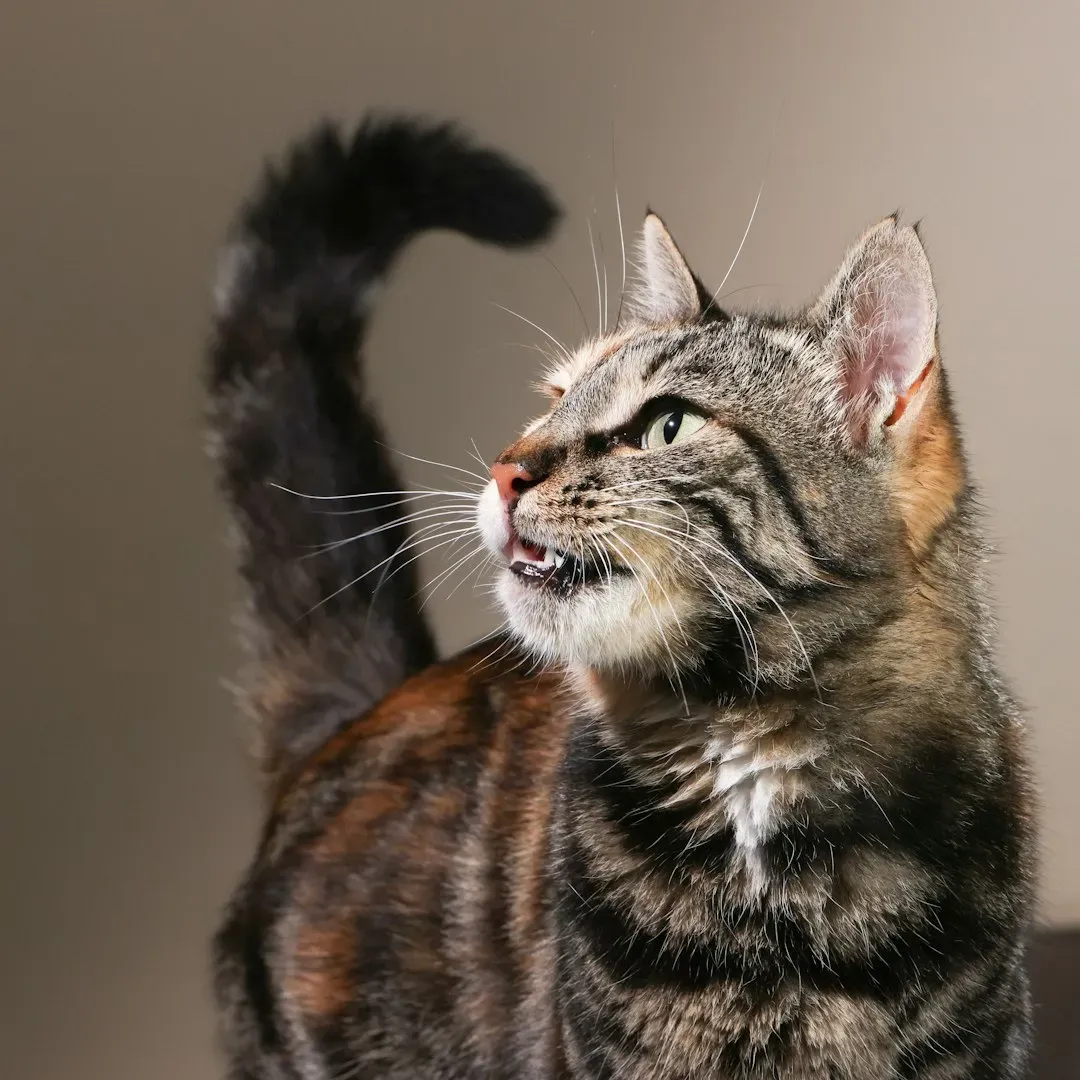
There’s something genuinely humbling about realizing your cat has been having a full conversation with you for years, and you’ve only been catching bits and pieces of it. This silent language system is incredibly sophisticated and allows cats to convey everything from “I love you” to “back off” with remarkable precision. Research shows that cats developed their vocal meowing primarily to communicate with humans, but among themselves, they rely almost exclusively on non-verbal cues. This means that understanding your cat’s body language is essential for building a strong, trusting relationship with your feline companion.
The good news is that once you start paying attention, you simply cannot stop noticing it. Every slow blink, every tail quiver, every rhythmic paw press on your lap becomes a little message you can actually understand. The more you watch and listen to your cat, the easier it will be to understand what they are communicating. Your cat isn’t mysterious by accident. They’ve just been waiting patiently for you to learn their language. So, how many of these signals have you been unknowingly ignoring all along?