You’ve probably heard people say cats are aloof, uncaring creatures who tolerate you at best. Maybe you think your cat sees you as nothing more than a walking food dispenser. Or perhaps you’ve watched your feline friend drink milk and assumed it was a healthy treat. Let’s be real here, most of what society believes about cats is completely off base.
The truth is, your understanding of cats has likely been shaped more by old wives’ tales and cartoon depictions than actual science. Honestly, cats have gotten a bad rap for centuries, and these misconceptions affect how people care for them. So let’s dive in and uncover what science actually tells us about our mysterious feline friends.
Myth 1: Cats Are Untrainable Unlike Dogs

Here’s the thing. You probably never considered signing your cat up for obedience class. Most people assume training is strictly for dogs because cats are supposedly too independent or stubborn to bother with commands. While it’s true that cats are less motivated by praise than dogs and they aren’t as attuned to human behavior, this doesn’t mean your feline companion can’t learn.
Cats are trainable, and the current world record for the number of tricks performed by a cat in one minute is 26. Think about that for a second. Training your cat isn’t just possible, it’s actually beneficial for their cognitive development and can make routine care much easier. You just need patience, positive reinforcement with treats, and shorter training sessions that work with your cat’s attention span rather than against it.
Myth 2: Cats Don’t Bond With Their Humans
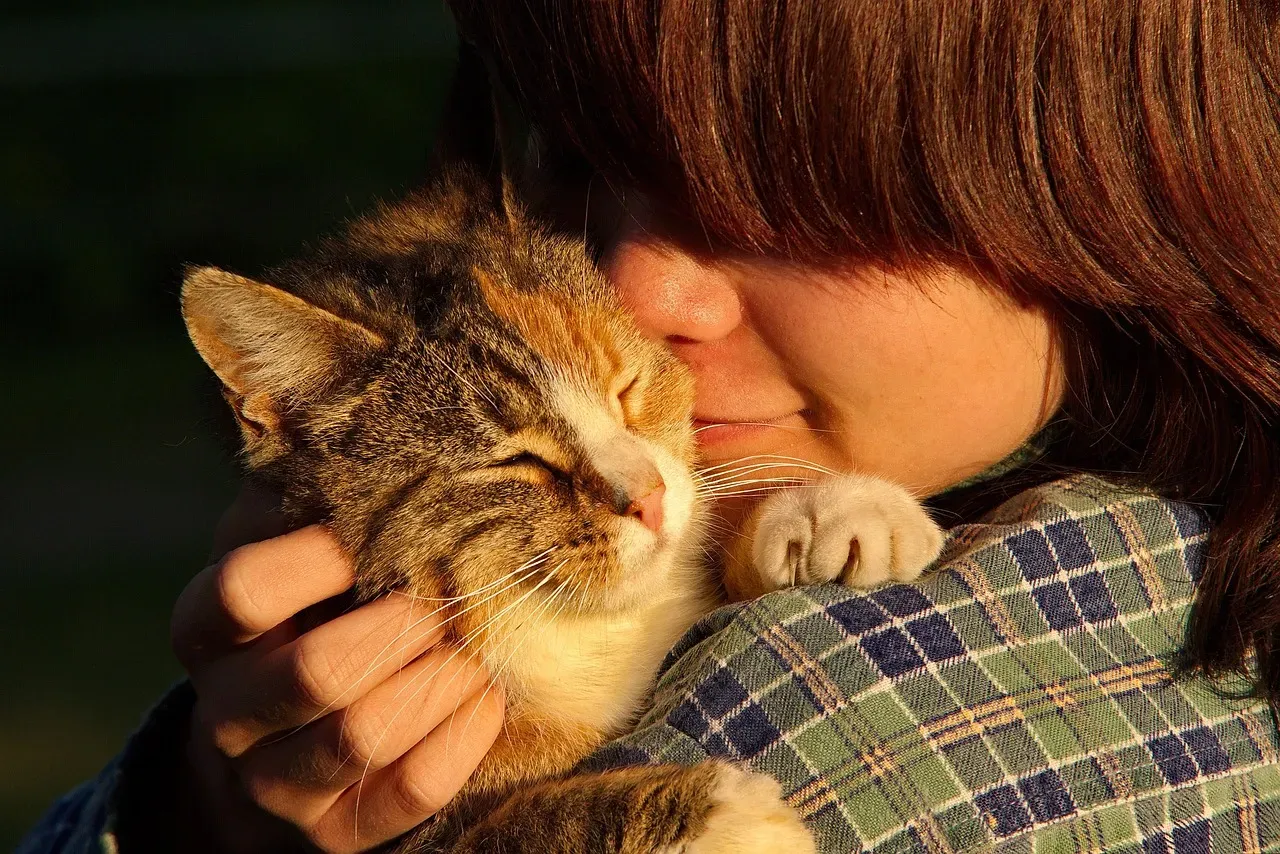
If you’ve ever felt hurt when your cat walks away after you’ve called them, you might believe they simply don’t care about you the way a dog would. This misconception runs deep in our culture. Research published in 2019 shows cats develop attachments to their caregivers in much the same way dogs do.
Studies show that most cats create strong attachments to their guardians and experience feelings of comfort and safety by being around them. Your cat might not greet you at the door with wild enthusiasm, but they bond with you nonetheless. They show affection through slow blinks, following you from room to room, rubbing against your legs, and yes, even that gentle headbutt. Each cat expresses love differently, so don’t judge your feline friend by canine standards.
Myth 3: Milk Is a Healthy Treat for Cats

You’ve seen it a million times in movies and cartoons. A saucer of milk placed lovingly before a purring cat. It’s practically an iconic image burned into our cultural consciousness. The vast majority of cats are lactose intolerant, and after weaning around six to twelve weeks of age, kittens stop producing the enzyme lactase required to digest lactose in milk.
That bowl of milk you’re offering? Dairy can cause all kinds of problems for cats, from diarrhea to bloating to vomiting, and it can even be life threatening in some cases. Cats are very good at hiding discomfort because, in the wild, showing weakness would make them a target for predators. Your milk-drinking cat could be suffering silently right in front of you. Best to just skip the dairy altogether.
Myth 4: Purring Always Means Your Cat Is Happy
When your cat curls up on your lap and starts that rhythmic rumbling sound, you naturally assume they’re content. I know it sounds crazy, but that’s not always the case. While purring is often heard at times of contentment, it’s not the only reason cats purr.
In some cases cats purr when they’re stressed as a way of self-soothing, and cats also purr when they’re in pain for the same reason. Think of purring as a multi-purpose tool in your cat’s communication toolkit. Context matters enormously. If your cat is purring at the vet or after an injury, they might actually be trying to calm themselves down rather than expressing joy.
Myth 5: Cats Are Nocturnal Animals
If your cat has ever decided three in the morning is the perfect time for zoomies, you’ve probably concluded they’re nocturnal creatures. You’re not alone in thinking this. Birds and mice are very active at dawn, and cats evolved to take advantage of this by developing the ability to see in low-light conditions, getting the bulk of their hunting done while it’s mostly dark.
Your cat isn’t actually nocturnal though. They’re crepuscular, meaning they’re most active during twilight hours at dawn and dusk. If your cat’s evening antics are a problem, consider a play session right before bed and feeding them a small amount to recreate the natural hunting cycle. This helps them ease into the evening and hopefully lets you get some sleep.
Myth 6: Cats Are Solitary and Don’t Need Social Interaction
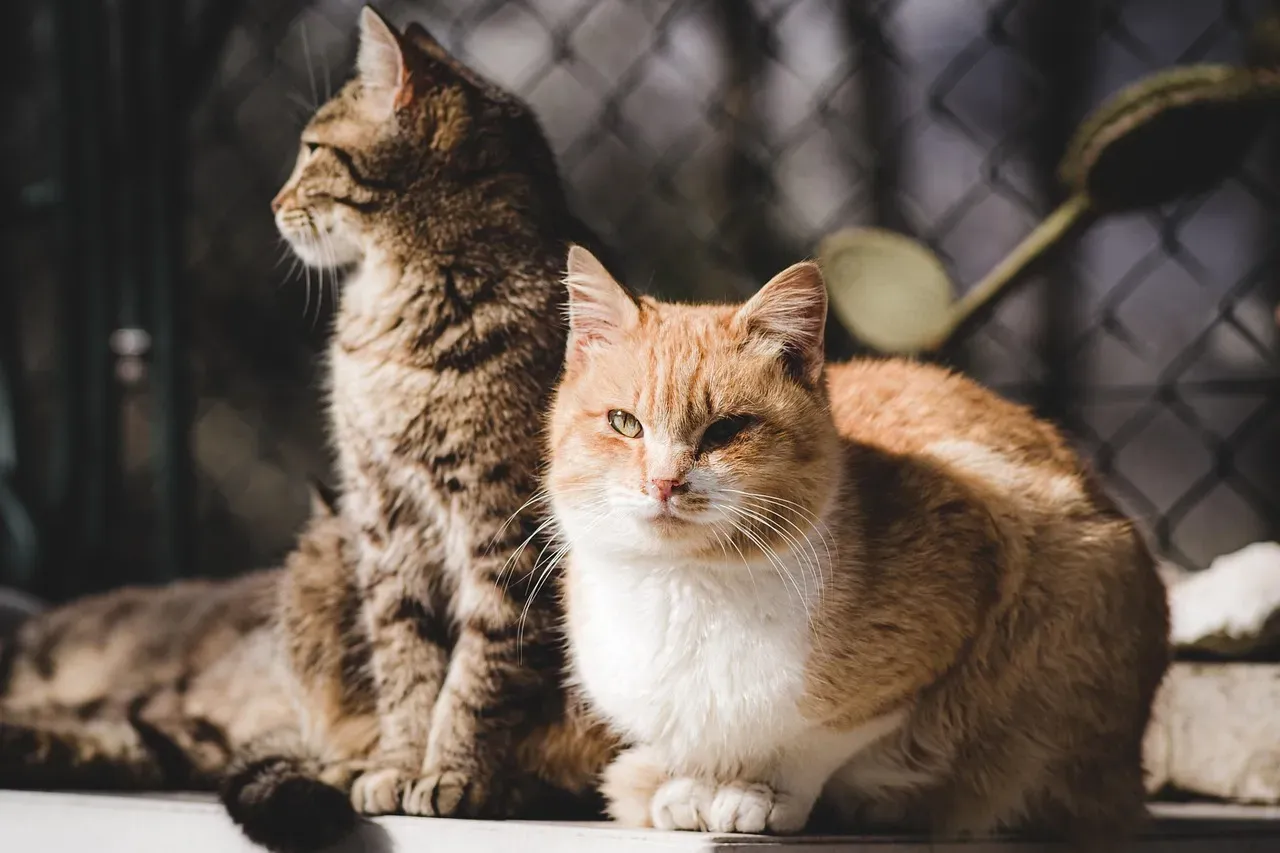
Maybe you’ve heard that cats are loners who prefer their own company. This belief has led countless people to think cats require minimal care and attention. Domestic cats are not universally anti-social, but rather they are facultatively social, meaning their social behavior is flexible and heavily influenced by their genetics, early development, and lifetime experiences.
While cats have a reputation for being independent, they need just as much care as dogs do, including regular vet visits, daily exercise and mental enrichment, and plenty of positive attention. Some cats absolutely thrive with feline companions while others prefer being the only cat in the household. You need to consider your individual cat’s personality and history rather than applying a blanket assumption about all cats being solitary.
Myth 7: Cats Always Land on Their Feet
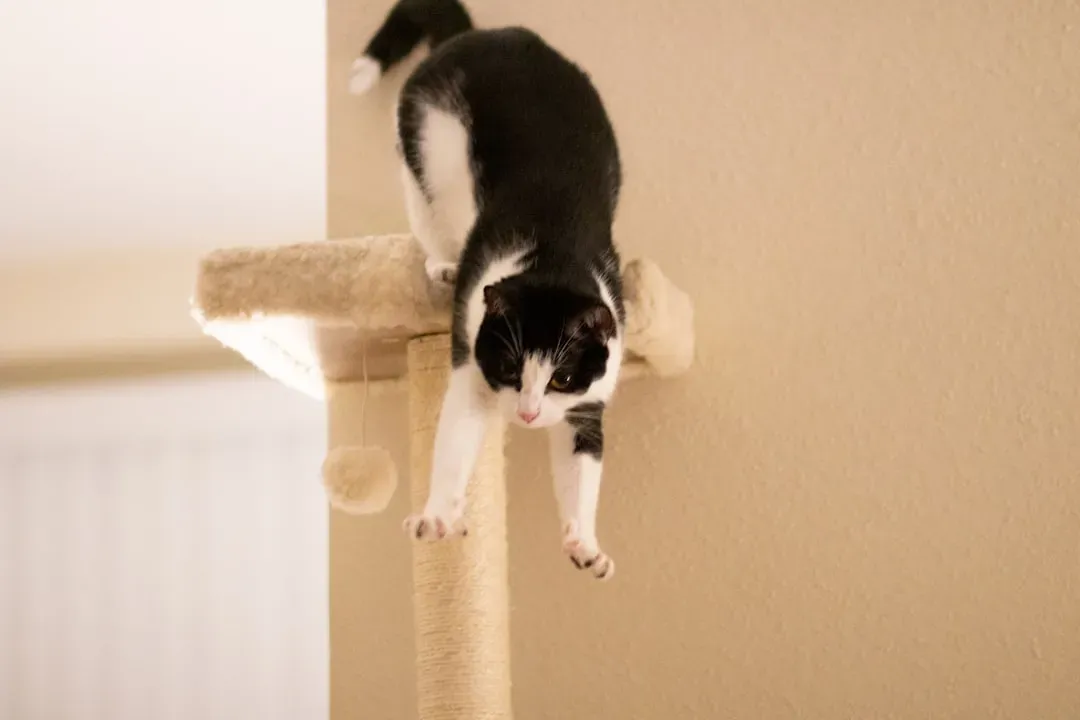
You might think your cat possesses some supernatural ability to defy gravity and always stick the landing. It’s hard to say for sure where this myth originated, but it’s incredibly persistent. As a tree-climbing species, a cat’s survival depends on their ability to survive falls when possible, and the feline vestibular system and vision work together with a cat’s flexible spine to allow cats to right themselves.
However, cats are more apt to be injured from low heights than high because they don’t have time to turn or twist their bodies into the necessary position for a safe landing. Your cat can absolutely miscalculate and sustain serious injuries including sprains, bone fractures, and respiratory issues. Don’t count on any miraculous nine lives to keep them safe from falls.
Myth 8: Cats Need Minimal Care Compared to Other Pets
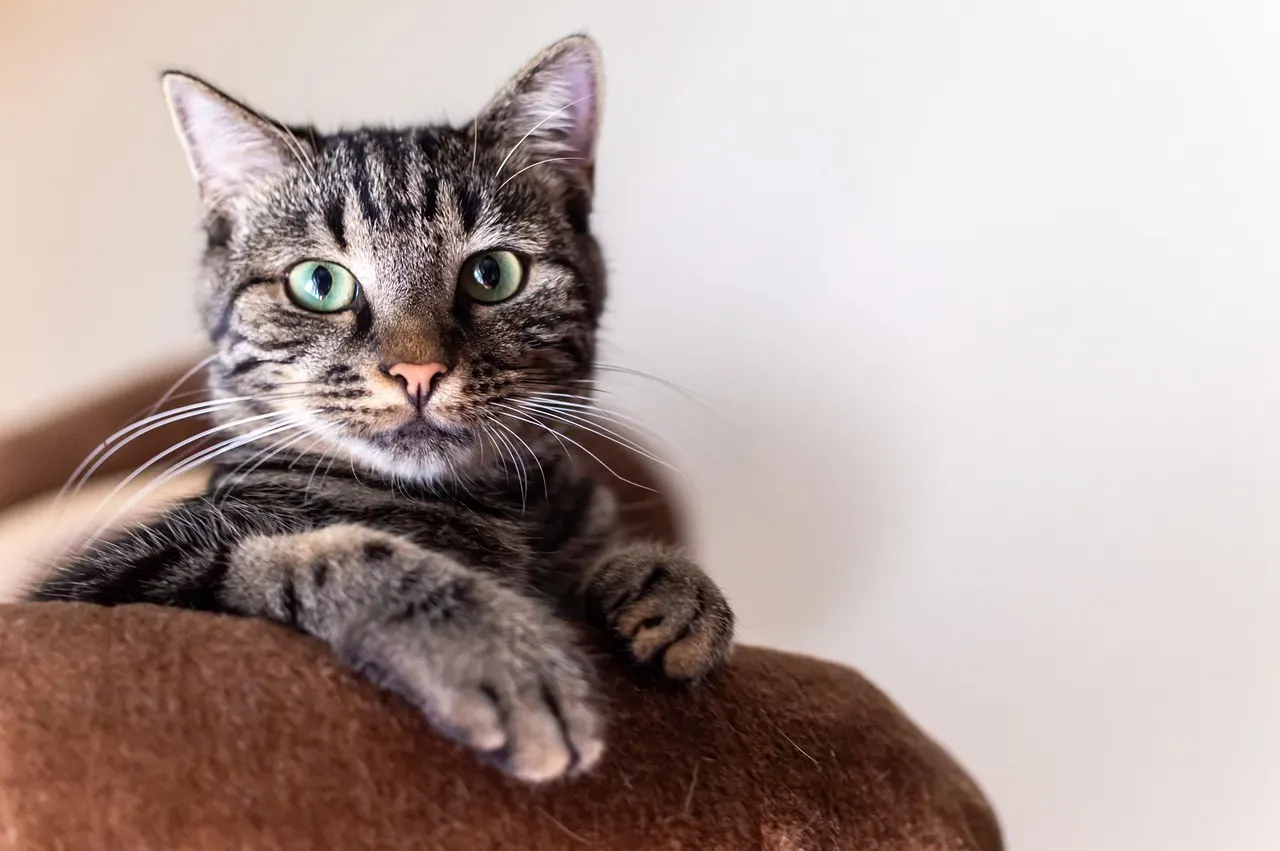
This is perhaps the most damaging myth of all. Myths, anecdotes, and narratives of cats as low maintenance, self-sufficient animals are pervasive. Many people adopt cats believing they can leave out food and water for days and the cat will be just fine. Nothing could be further from the truth.
Cats are not low-maintenance pets as each has unique physical, mental, and social requirements, and a better understanding of cat behavior should enrich the human-cat bond. Your cat needs daily playtime that mimics hunting behaviors, environmental enrichment, consistent human interaction, and proper access to resources. Neglecting these needs can lead to behavioral problems, depression, and physical health issues. Treat your cat with the same level of care and attention you would any other beloved pet.
Conclusion: Understanding Your Cat Better
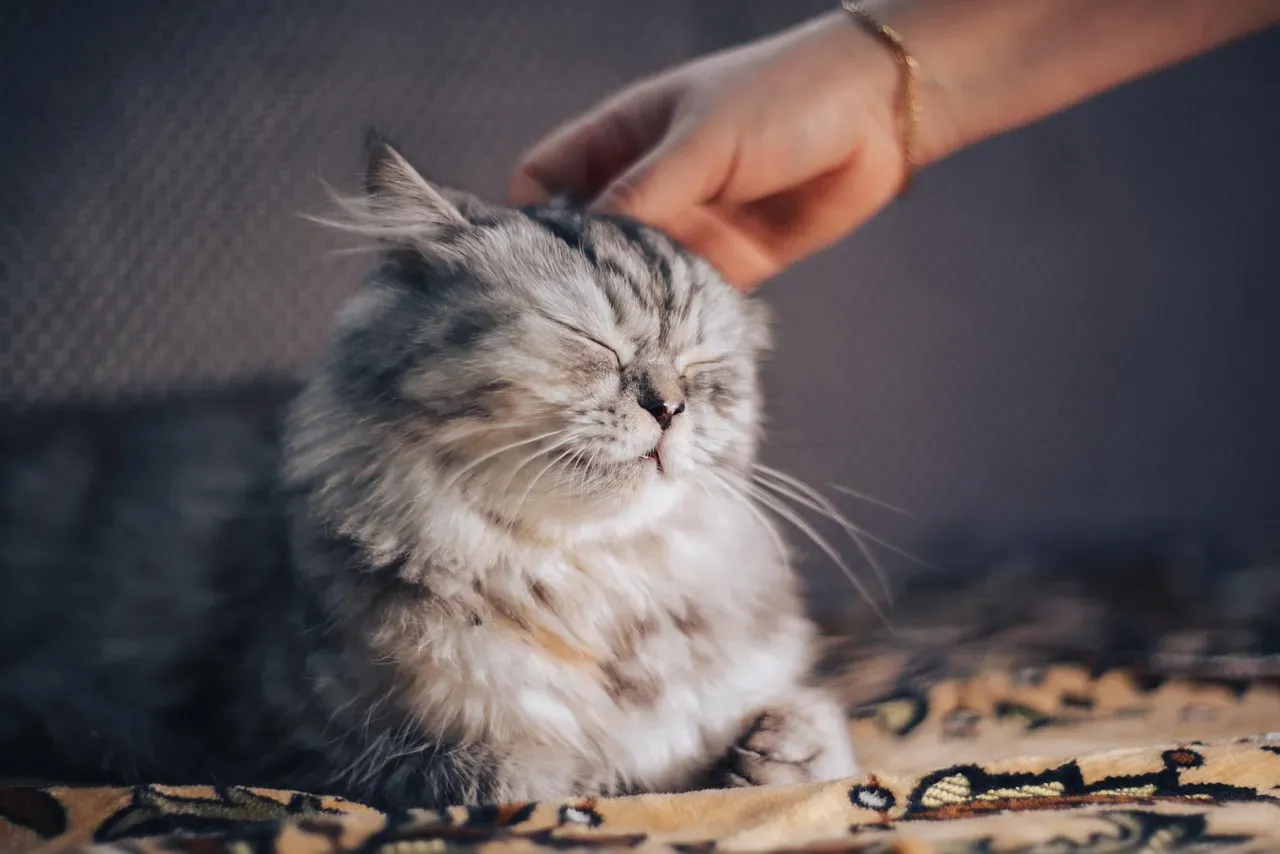
Breaking free from these myths isn’t just about being right. It’s about giving your cat the life they deserve. When you understand that your cat isn’t aloof but simply communicates differently, when you recognize their purr might signal distress rather than happiness, when you provide the mental stimulation and care they actually need, you strengthen your bond immeasurably.
Your relationship with your cat will transform once you stop viewing them through the lens of old misconceptions. They’re complex, intelligent creatures capable of deep attachment and deserving of informed care. So what surprised you most about these debunked myths? Did any of them change how you’ll interact with your feline friend going forward?