Cats are, without a doubt, some of the most mysterious communicators on the planet. You live with them, feed them, share your bed with them, and yet somehow, their noises still leave you scratching your head. That gap between what you think your cat is saying and what they’re actually saying? It’s wider than most people realize.
Next to birds, cats possess the widest range of vocalizations of any domestic pet. Though best known for their meows, purrs, hisses, and growls, the list of sounds they regularly make is far more comprehensive than this. The good news is, once you crack the code, every trill, yowl, and chatter starts to paint a surprisingly vivid picture. So let’s dive in, because you’ve probably been misreading your cat this whole time.
1. The Meow: Not Just a Simple Hello
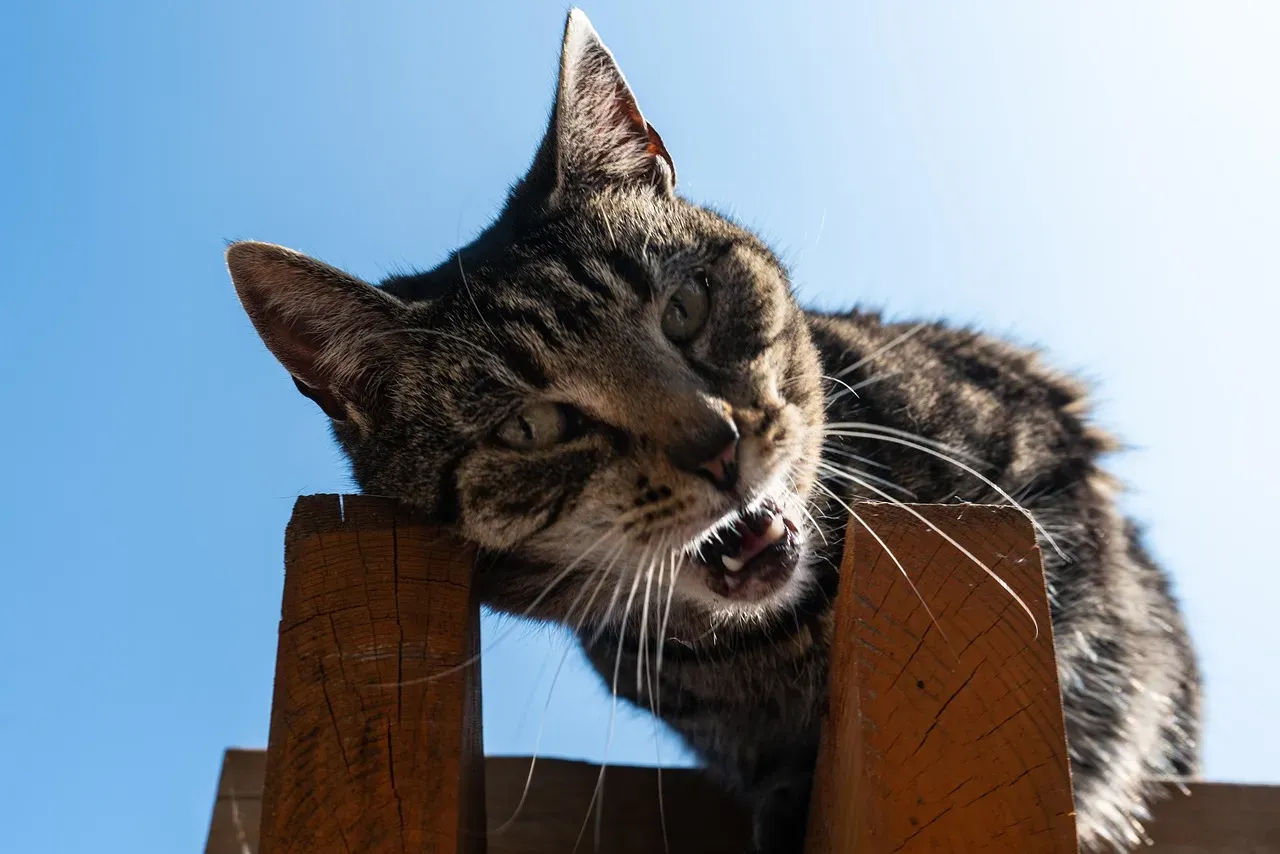
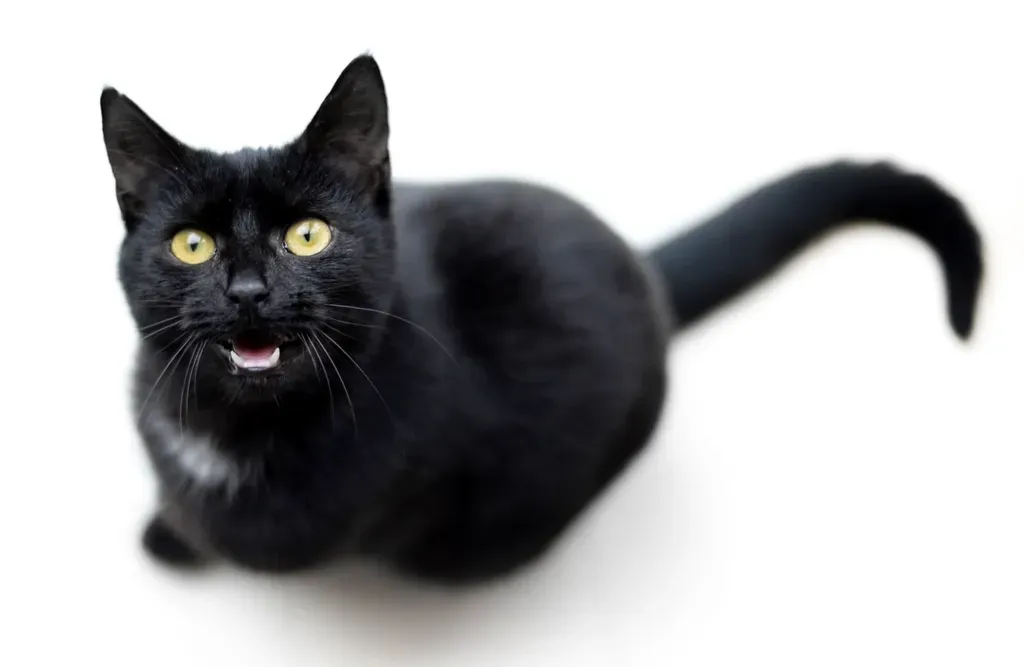
Here’s the thing most cat owners get wrong right from the start. You hear a meow and assume your cat wants food or a cuddle. Sometimes that’s true, but the meow is far more layered than that. The meow of an adult cat is almost exclusively used to communicate with humans, not other cats. First uttered by kittens in need of their mothers, this juvenile vocalization fades away in wild cats as they mature – but domesticated cats, thinking of themselves as eternal offspring, maintain it throughout their adult lives.
The frequency of meowing is an indicator of a cat’s frame of mind. Rapid-fire meows mean “hey, pay attention to me!” A longer, more plaintive meow can indicate worry, annoyance, or objection to something, and incessant meowing could indicate illness or injury. So next time your cat fires off a string of meows at you, think less “feed me” and more “we need to talk.” The pitch matters enormously here – depending on the pitch, a meow can carry very different meanings. Short, high-pitched meows can be greetings or attention-grabbers, mid-pitch meows may mean your cat is politely asking for something, and a low pitch meow might signal unhappiness or even a warning.
2. Purring: The Great Emotional Disguise
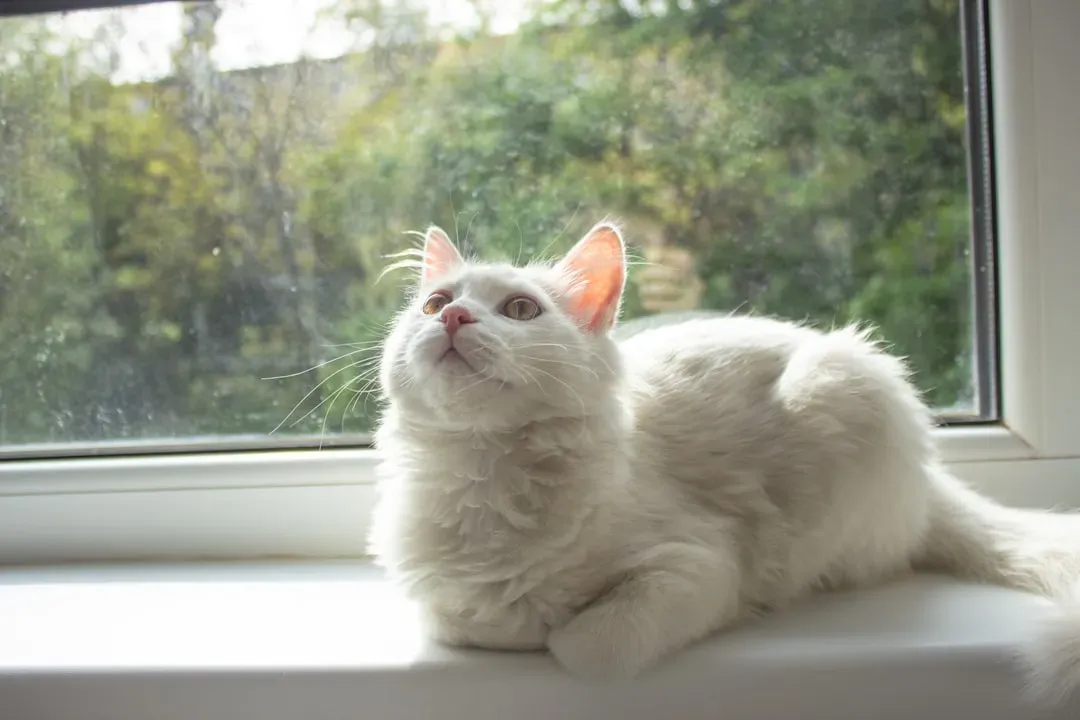
If you think a purring cat is always a happy cat, I hate to break it to you – you’ve been missing a big part of the picture. Purring is probably the most misread sound in all of cat communication. Honestly, this one surprised even me when I first learned about it. While most people recognize purring as a sign of contentment and pleasure, purrs can also mean that a cat is scared, sick, or in pain. Like all feline communication, purring must be evaluated in context. If your cat’s ears are back, pupils are dilated, they’re tense or hunched up, or acting differently than normal, then purring may indicate discomfort or unhappiness.
The real magic of a cat purring lies in its potential healing properties. The low frequency at which the sound waves oscillate when your cat purrs is believed to promote bone and tissue growth and lessen pain and swelling. So in a fascinating twist of nature, purring isn’t just emotional expression – it may actually be your cat self-medicating. Domestic cats purr at a frequency of 20 to 30 vibrations per second, which places their purr squarely within a range that scientists believe may trigger physiological healing. That’s not just cute – that’s remarkable.
3. The Chirp: Your Cat Is Not Just Being Cute
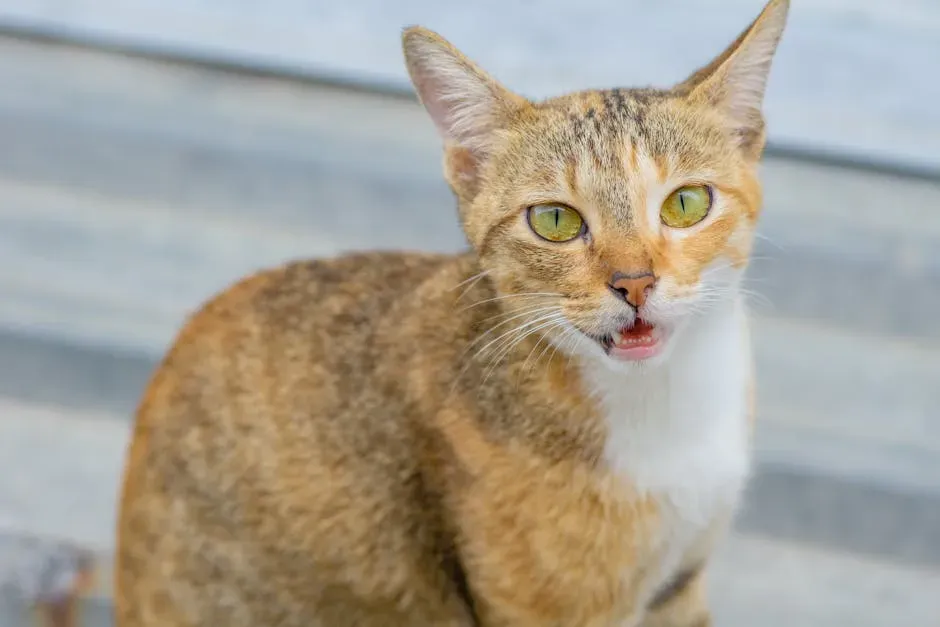
You’ve seen it. Your cat perched on the windowsill, eyes locked on a pigeon outside, making that rapid, clicking little sound like a tiny broken robot. You probably thought it was adorable. You weren’t entirely wrong, but there’s a lot more going on. A chirp is a short, high-pitched call that sounds similar to a bird. A sequence of chirps is called chirrups. Originally used by mother cats as a contact call to kittens, adult cats may chirp to get attention or inform others of their location. One of the most common reasons a cat chirps is when they see potential prey they cannot access, and in this context, a chirp can indicate excitement mixed with a little frustration.
Originally used by mothers to tell kittens to pay attention and follow her, your cat may chirp in an effort to get you to pay attention or as a way to get you to check out something she deems important. Think of it like your cat tugging your sleeve and pointing. In the wild, a cat’s chirp is meant to mimic other birds and rodents, luring them closer. So what looks like a charming window-watching habit is actually your cat running a tiny, frustrated hunting operation from the comfort of your living room.
4. Chattering: Frustration, Not a Fun Quirk
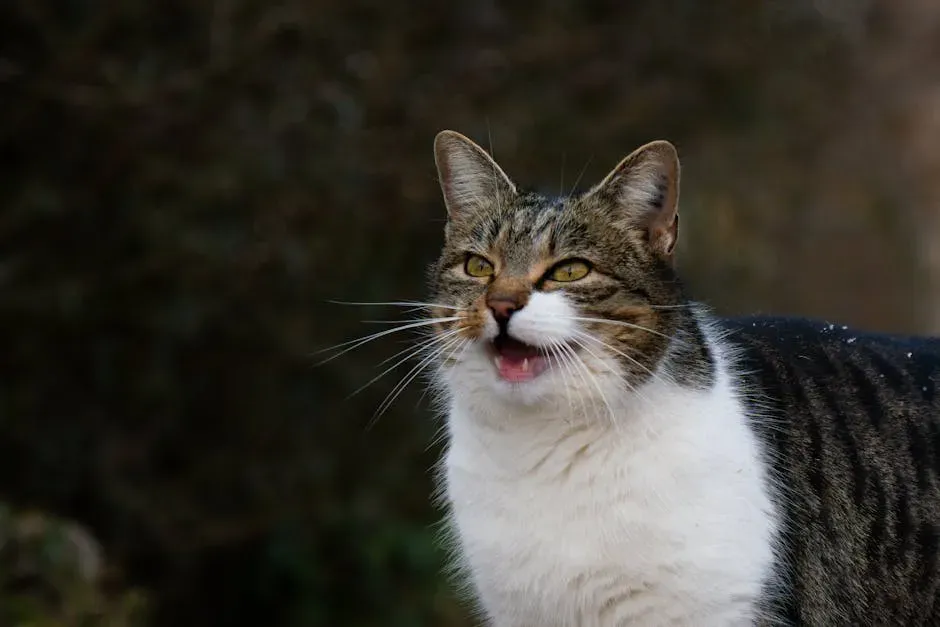
Chattering is one of those sounds that gets shared endlessly in funny cat videos, and people laugh at it like it’s a silly personality quirk. Let’s be real – it’s actually something deeper than that. Chattering, also called twittering, is a low smacking sound produced by a rhythmic clashing of the jaws. It is usually voiceless, produced without using the vocal cords. Along with chirping, chattering may occur when a cat spots prey that’s out of their reach.
Cats often emit a chatter when their prey drive kicks in and there is a barrier between them and the prey. It’s prevalent for cats looking out the window at a bird feeder to chatter. The cat is both excited about seeing the prey and frustrated or stressed at being unable to get to them. Imagine feeling the overwhelming urge to run a sprint but being frozen inside a glass box. That frustrated energy has to go somewhere. In a 2009 study of wildcat behavior, chattering was found to be a cat’s way of making noises similar to its prey, potentially enabling them to sneak up on it. So yes, your cat might literally be attempting to speak bird.
5. The Trill: A Love Letter in Sound
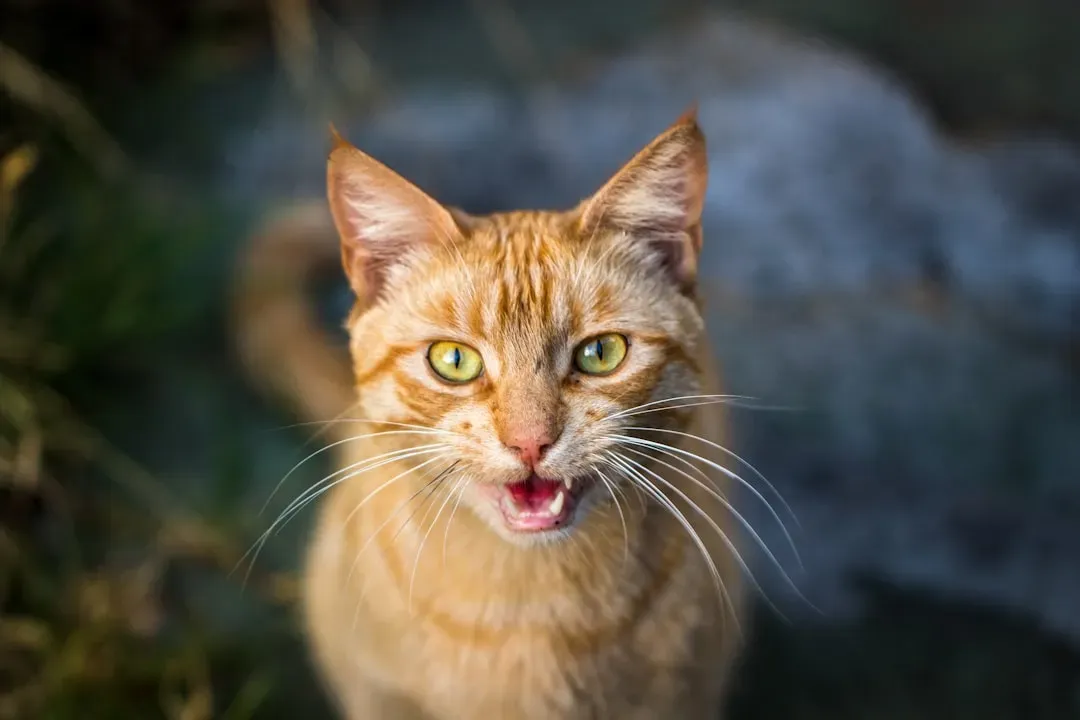
The trill is easily one of the most overlooked and underappreciated sounds in your cat’s entire vocabulary. It’s short, it’s soft, and most people barely register it. Big mistake. A trill is produced with a soft voice and sounds like a purr but with a higher pitch. Cats may trill to greet and thank their human family members for something, such as a snack or a pet. It is one of the most common amicable sounds a cat makes.
A mix between a meow and purr, the trill is often described as a friendly sound. High-pitched and repetitive, it comes out in short bursts. Think of it less like a casual hello and more like a warm, enthusiastic wave from across the room. One of the happiest cat vocalizations, the trill is a short, ascending tone that combines the meow and purr. Usually, kittens and mothers exchange close-mouthed trills with each other. When your adult cat trills at you, they’re essentially treating you like family. That’s a big deal in cat world.
6. The Hiss: Fear, Not Just Aggression
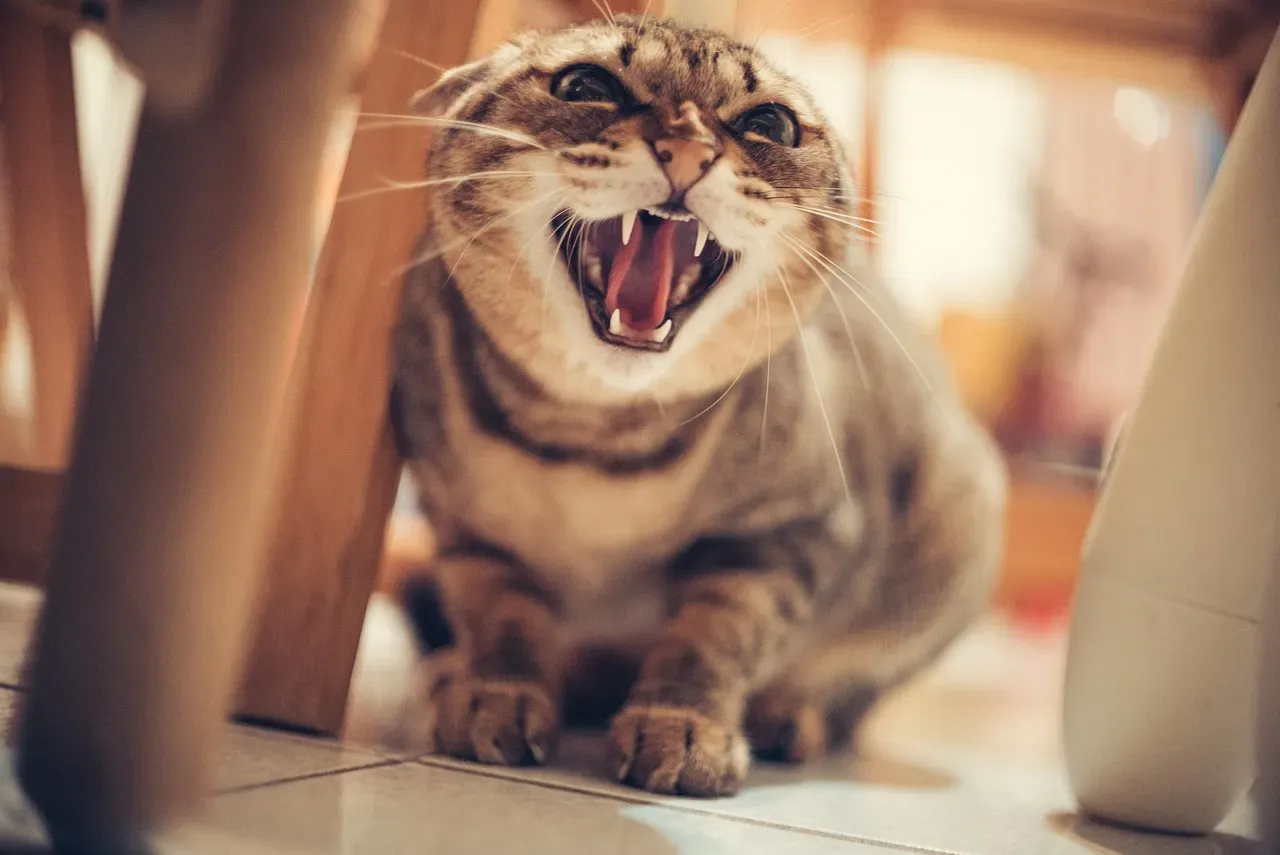
Most people hear a hiss and immediately think their cat is being aggressive or mean. You back off, you feel a bit offended, and you maybe wonder what you did wrong. The truth is a little more nuanced and, honestly, more heartbreaking. Hissing can seem aggressive, but it’s actually a fear-based response. This sometimes involuntary reaction is used when a cat is surprised by a perceived threat or enemy. A hissing cat is feeling vulnerable, insecure, or threatened.
Along with the threatening sound comes a change in body language, including an arched back, puffed hair, twitchy tail, flattened ears, and an open mouth with fangs ready to strike. Spitting can also occur with a hiss. When your cat takes on this serpent-like guise, the best response is to back off and remove the perceived threat. So when your cat hisses, try not to take it personally. If your cat is hissing and there is no obvious reason for it, it may be a sign that they are feeling unwell or are in pain. If unprovoked hissing continues, you should seek a vet’s advice as it may indicate an undiagnosed condition.
7. The Growl: A Warning You Should Actually Respect
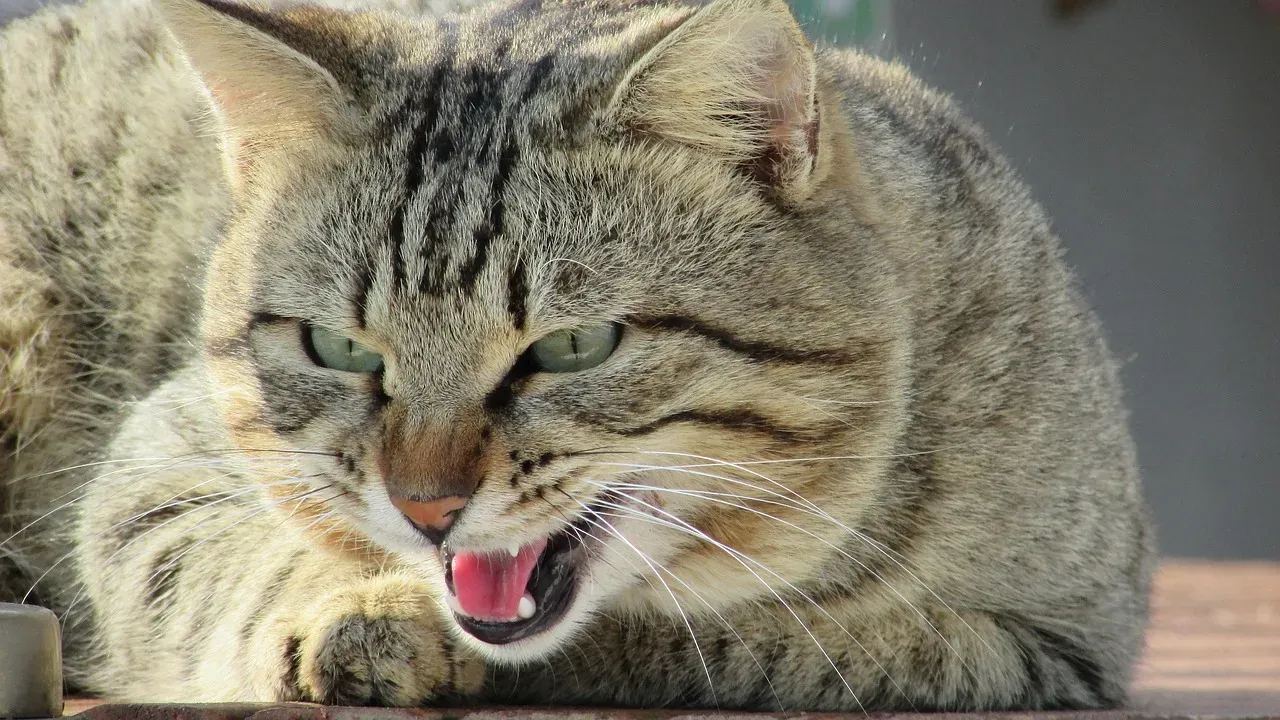
There’s something almost comical about a small domestic cat letting out a deep, rumbling growl. It can feel theatrical, dramatic, a little ridiculous. It isn’t. Your cat is deadly serious. A growl is a low, rumbling sound used to warn or scare off a threat. It can be directed toward humans or other cats or animals. Growling is an indication that a cat feels threatened, frightened, or is about to become aggressive. This sound often increases as the cat’s fear grows.
Growling is a warning noise that can be directed toward other cats and animals, as well as humans. A growling cat is annoyed, frightened, or angry. Some cats use growling to show possession of a favored item, like a food bowl, if another cat dares to come near it. The growl is a clear sign that the cat wants whoever is triggering them to back off. Think of it like a car alarm: an unmistakable signal that something is wrong and you should not push any further. In some cases, a cat in pain may also growl or snarl, which means a sudden growl with no obvious trigger is always worth a vet call.
8. The Yowl: It’s an Emergency, Not Background Noise
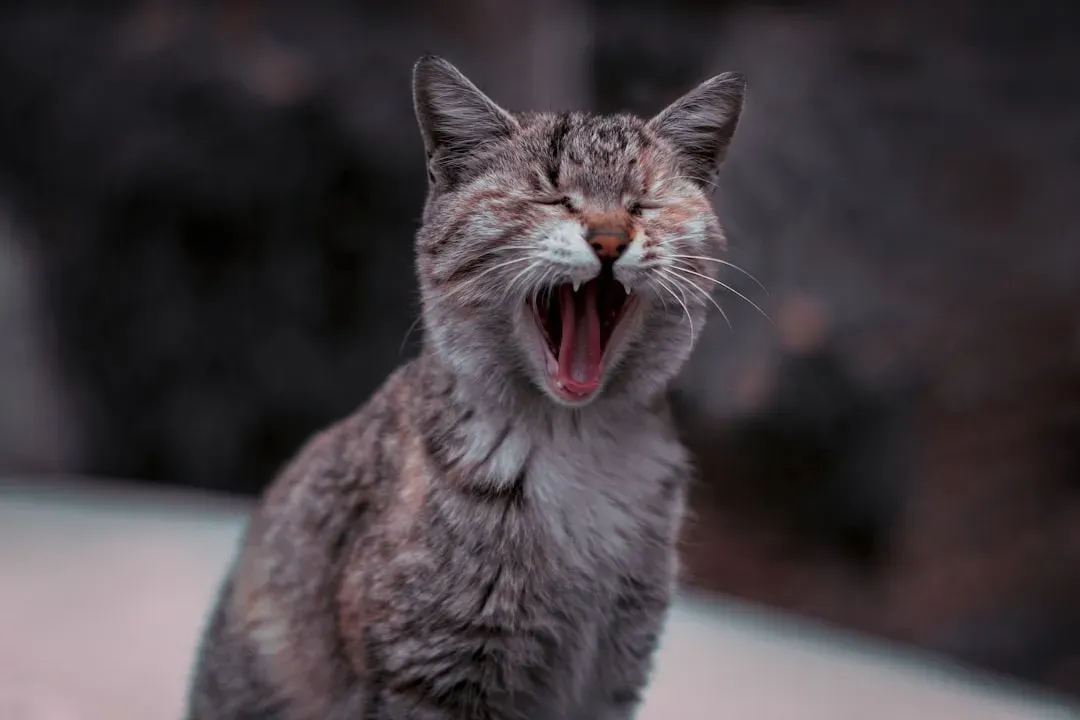
You’ve probably heard it at 2am. That long, eerie, mournful wail echoing through your house. Your cat is doing it and you assume they’re just being dramatic. You roll over. You go back to sleep. Here’s why that might be a mistake. Often described as a louder, longer meow, a yowl is a drawn-out sound cats can make. A howl is similar but typically shorter in duration. Yowling and howling are signs that a cat is in distress. This may be physical distress from pain or illness, or emotional distress from worry, frustration, boredom, or confinement.
Elderly cats may yowl if they suffer cognitive dysfunction syndrome, or dementia. If a cat yowls when the family is away from home, they may have separation anxiety. Cats may also howl or yowl as a warning so other cats don’t intrude on their territory. Unneutered cats may make these sounds as part of mating behavior. The yowl covers an enormous emotional spectrum, from territorial declaration to genuine medical emergency. Yowling can be a sign of pain or illness. Cats are usually excellent at hiding their pain, so take that yowling seriously and get them to the veterinarian to check for any injuries or illness. Your cat doesn’t yowl for sport. They’re trying to reach you.
Conclusion: Your Cat Has Been Talking – You Just Haven’t Been Listening
It’s a humbling realization, honestly. You share your home with this animal, you love them deeply, and yet so much of what they say has been lost in translation. The good news is that it’s never too late to start really listening. Cats lack the facial expressiveness of dogs and their behaviors can be harder to interpret – but the feline mystique is not impenetrable. You can better understand your furry friend by paying attention to their vocalizations, body postures, and daily routines. In time, you may become so attuned to your kitty’s personality that you’re able to detect subtle changes in their mood and even recognize health problems before physical signs appear.
Context is everything. A purr during lap time is love. A purr while hunched in a corner is a cry for help. A meow at your feet is a conversation. A yowl at 3am is an urgent message. You’ll learn a lot when you can interpret your cat’s wide vocabulary of chirps and meows. They’ll tell you when they’re hungry, when they’re feeling affectionate, and if they’re feeling threatened or in pain. The relationship you have with your cat becomes something entirely different when you stop dismissing the noise and start treating it as language. So the next time your cat opens their mouth – what do you think they’ve been trying to tell you all along?