You live with a creature that speaks an entirely different language, and honestly, most of us just nod along and hope for the best. Your cat is constantly talking to you. Through chirps, growls, purrs, and everything in between, those sounds carry real meaning – more than you might expect.
Next to birds, cats possess the widest range of vocalizations of any domestic pet. At least 23 different vocalizations have been described in cats, which means every meow, trill, and chatter deserves a second listen. Once you crack the code, you’ll realize your cat has been having full conversations with you all along. Let’s dive in.
1. The Meow: Your Cat’s All-Purpose Megaphone
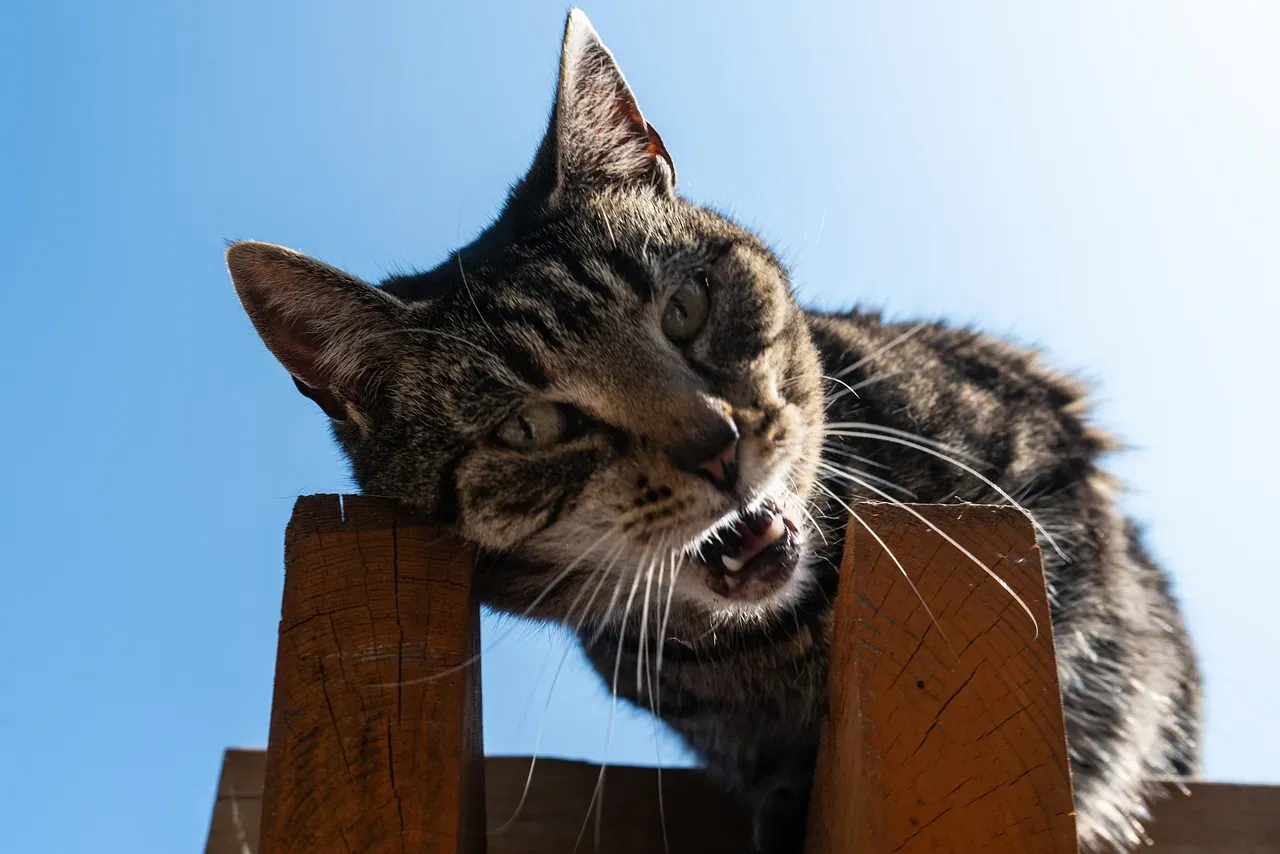
Here’s something that might genuinely surprise you: kittens meow to attract their mothers, but in adult cats, the meow is almost exclusively used to communicate with humans. So every time your cat meows at you, they’re using a communication tool developed just for your benefit. That’s oddly touching, isn’t it?
Generally speaking, the more intense the emotion, the stronger the meow. In situations which are unpleasant for cats, such as suddenly being combed or being in an unknown place or in the veterinarian’s waiting room, cats emit long, guttural meows which are very intense and in a low pitch. On the other hand, when cats feel comfortable, such as when they are being fed or are looking for physical contact with their owner, the meows are shorter and more high-pitched and with a rising intonation.
Sometimes a cat meow can indicate anxiety, boredom, frustration, or even illness, particularly if it’s lower-pitched and more drawn out compared to the short, high-pitched meow that often signifies a greeting or a want. So if your cat’s meows suddenly sound unusual or more urgent than normal, take that as a sign to pay closer attention.
2. The Purr: It’s Not Always What You Think
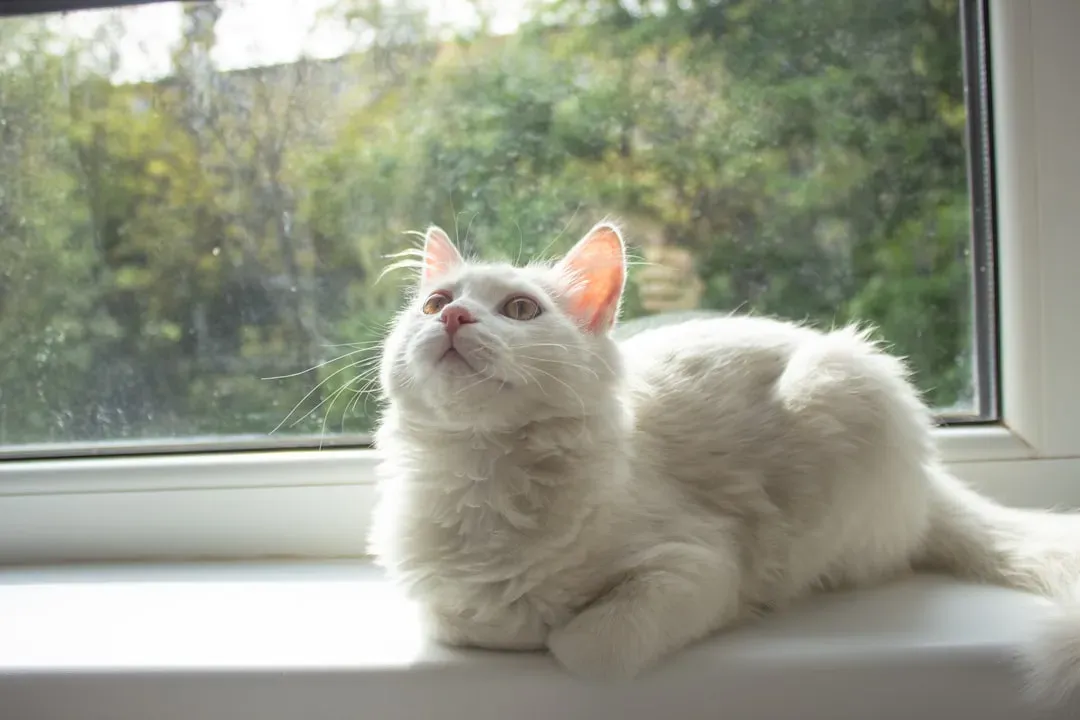
The purr might be the most comforting sound on the planet. There’s nothing quite like a cat curled up on your lap, motor running at full speed. The soft, throaty purr is a favorite cat sound. Rhythmic and hypnotic purrs usually indicate contentment. Cats may purr while sitting on your lap, being petted, anticipating dinner, or when they rub against your leg.
Here’s the part that trips people up. While most people recognize purring as a sign of contentment and pleasure, purrs can also mean that a cat is scared, sick, or in pain. Like all feline communication, purring must be evaluated in context with the cat’s body language. Think of it like a human smile – it can mean joy, but it can also be a brave face during a tough moment.
The frequency of vibration in cat purrs can promote bone healing. Think of purrs as a kind of feline vibrational medicine that makes cats and their humans feel better. So yes, your cat’s purr may literally have healing properties. You cannot make this stuff up.
3. The Trill: A Little Hello Wrapped in Sound
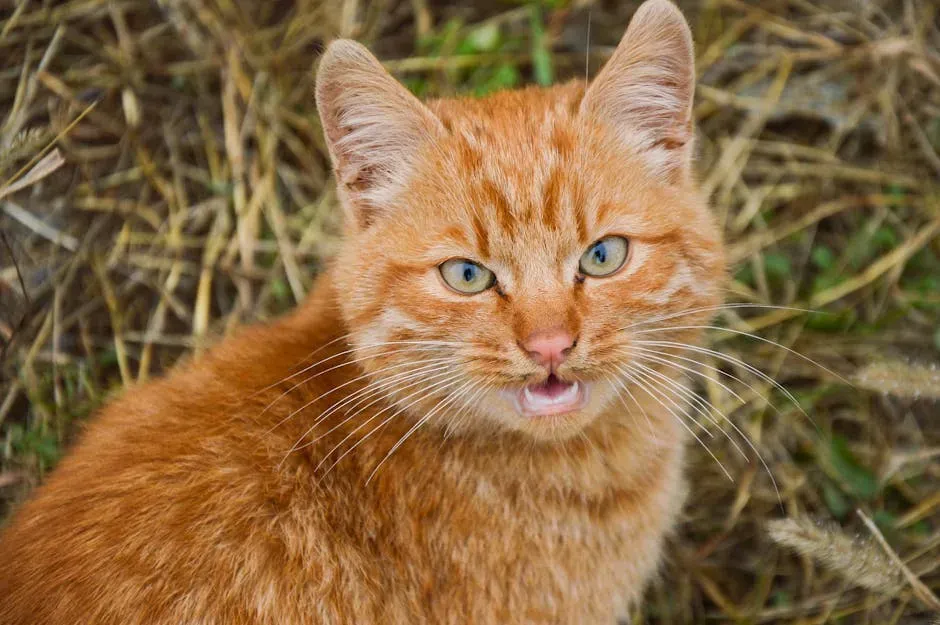
A mix between a meow and purr, the trill is often described as a friendly “mrrp” or “cat activation” sound. High-pitched and repetitive, it comes out in short bursts. Cats make this sweet sound as a greeting to other cats or to people. If your cat trills when you walk through the door after a long day, consider yourself lucky – that’s a warm welcome in the truest feline sense.
Unlike a meow, which can have a positive or negative meaning depending on the cat’s mood, cats usually only trill to convey a positive emotion, such as affection or happiness. Your cat may trill to tell you to continue petting her. Chirps and trills are how a mother cat tells her kittens to follow her. When aimed at you, it probably means your cat wants you to follow them, usually to their food bowl. Honestly, it’s one of the purest sounds a cat can make.
4. The Chirp and Chatter: Hunting Mode Activated
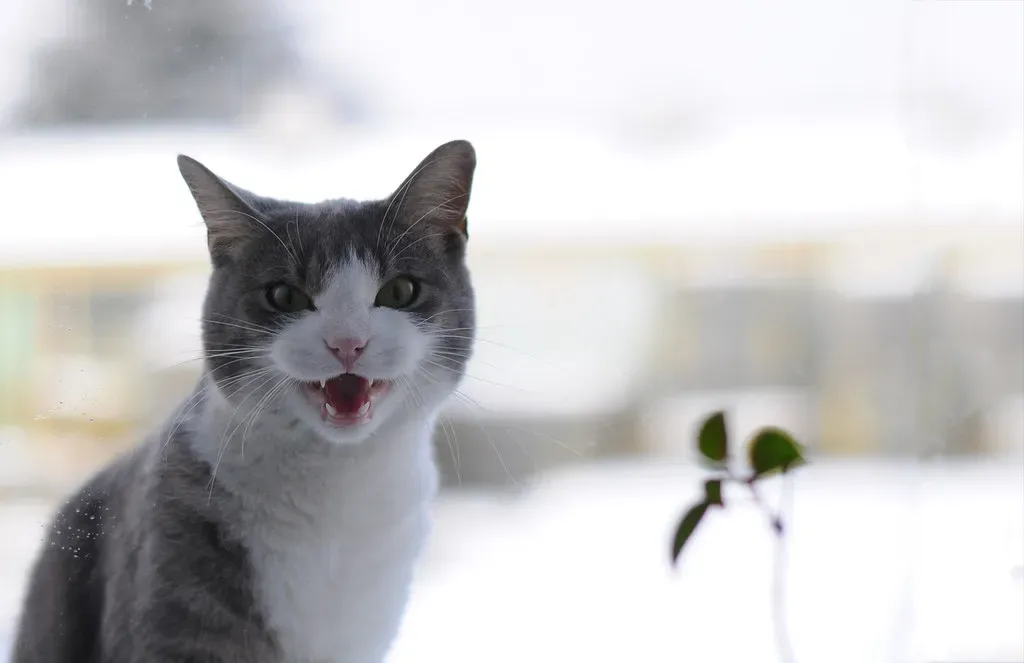
You’ve almost certainly witnessed this one. Your cat is perched by the window, completely locked onto a bird outside, and then starts making this bizarre staccato clicking noise with their jaw. One of the more interesting and amusing cat sounds, chattering is a low, smacking sound produced by rhythmic jaw movements. It usually comes in a rapid sequence, sometimes with chirps interspersed. A chattering cat is in hunting mode, whether they can get to their prey or not. If you’ve ever seen your cat doing this, chances are they spotted potential prey, and their hunting instincts have kicked in.
The theories on why cats chirp and chatter vary, but most believe that it’s something to do with their natural hunting instincts. This chatter is most likely to be heard whilst a cat is watching or stalking birds, or another form of prey. Some scientists, having conducted research in the wild, believe that chattering may even be a hunting tactic. They claim that cats are mimicking the noises that their prey makes in an attempt to lure them into a false sense of security. Wild strategy from a little house cat, if you ask me.
5. The Yowl: Something Is Very Wrong
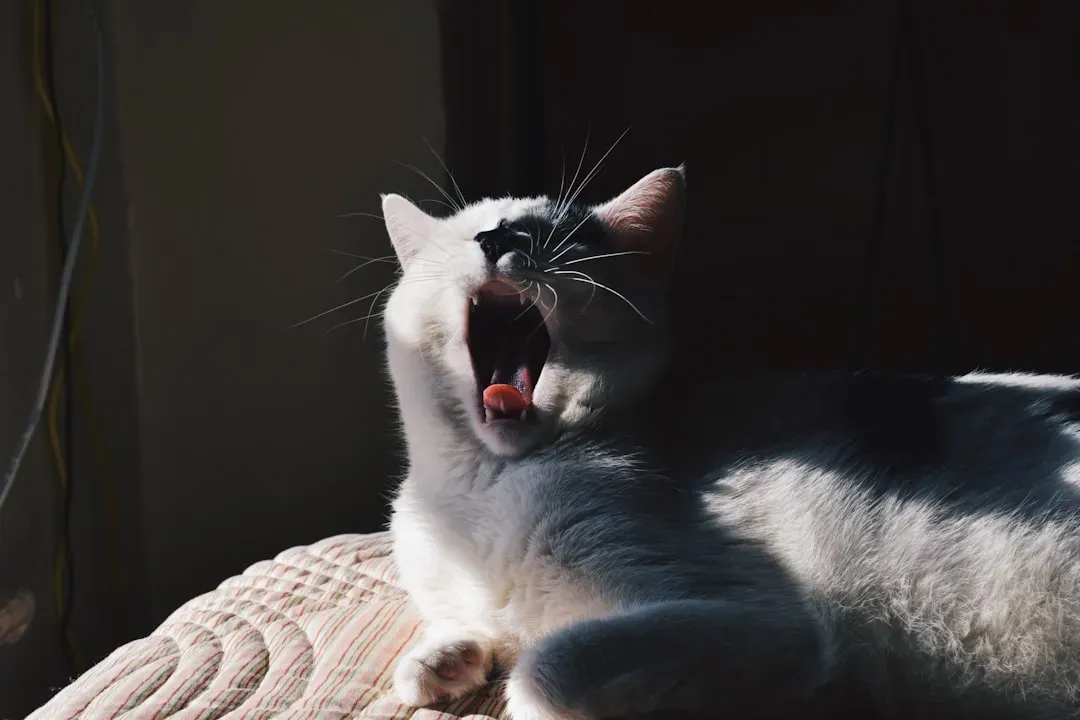
The yowl is unmistakable. It’s loud, it’s drawn-out, and it sends a chill straight down your spine, especially in the middle of the night. Often described as a louder, longer meow, a yowl is a drawn-out sound cats can make. A howl is similar to a yowl, but typically shorter in duration. Yowling and howling are signs that a cat is in distress. This may be physical distress from pain or illness, or emotional distress from worry, frustration, boredom, or confinement.
Elderly cats may yowl if they suffer cognitive dysfunction syndrome, or dementia. If a cat yowls when the family is away from home, they may have separation anxiety. Cats may also howl or yowl as a warning so other cats don’t intrude on their territory. Yowling can also be a sign of pain or illness. Cats are usually excellent at hiding their pain, so take that yowling seriously and get them to the veterinarian to check for any injuries or illness.
6. The Hiss: Back Off, Right Now
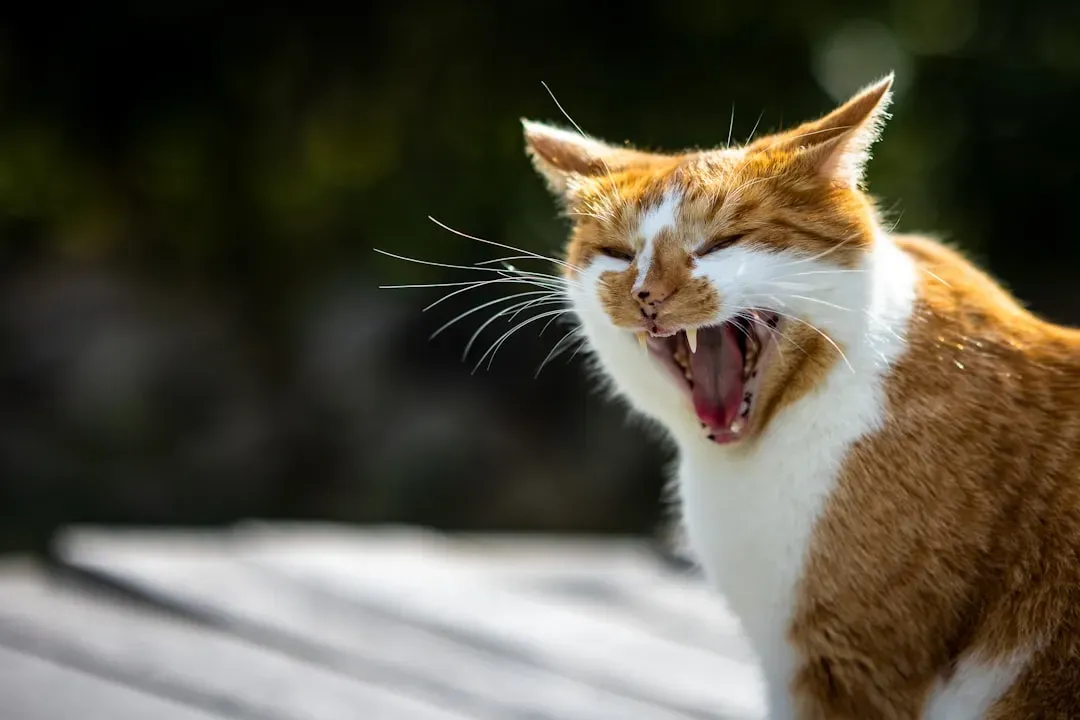
There is absolutely no ambiguity here. The defensive hiss is an involuntary response where the mouth is open and teeth are exposed. Cats tend to use it before an aggressive encounter in hopes of ending things before they progress to something more dangerous. You’ll see cats hiss when they feel cornered or trapped. It’s essentially your cat’s most direct way of saying “I need space, and I mean it now.”
The growl, spit, and hiss are sounds associated with either offensive or defensive aggression. They are usually accompanied by a postural display intended to have a visual effect on the perceived threat. Cats growl, hiss, and spit as a display of defense against both cats and other species, such as dogs. If the hiss and growl warning does not remove the threat, an attack may follow. So if you hear a hiss, respect it. Your cat just issued a final warning.
7. The Growl: Low, Slow, and Serious
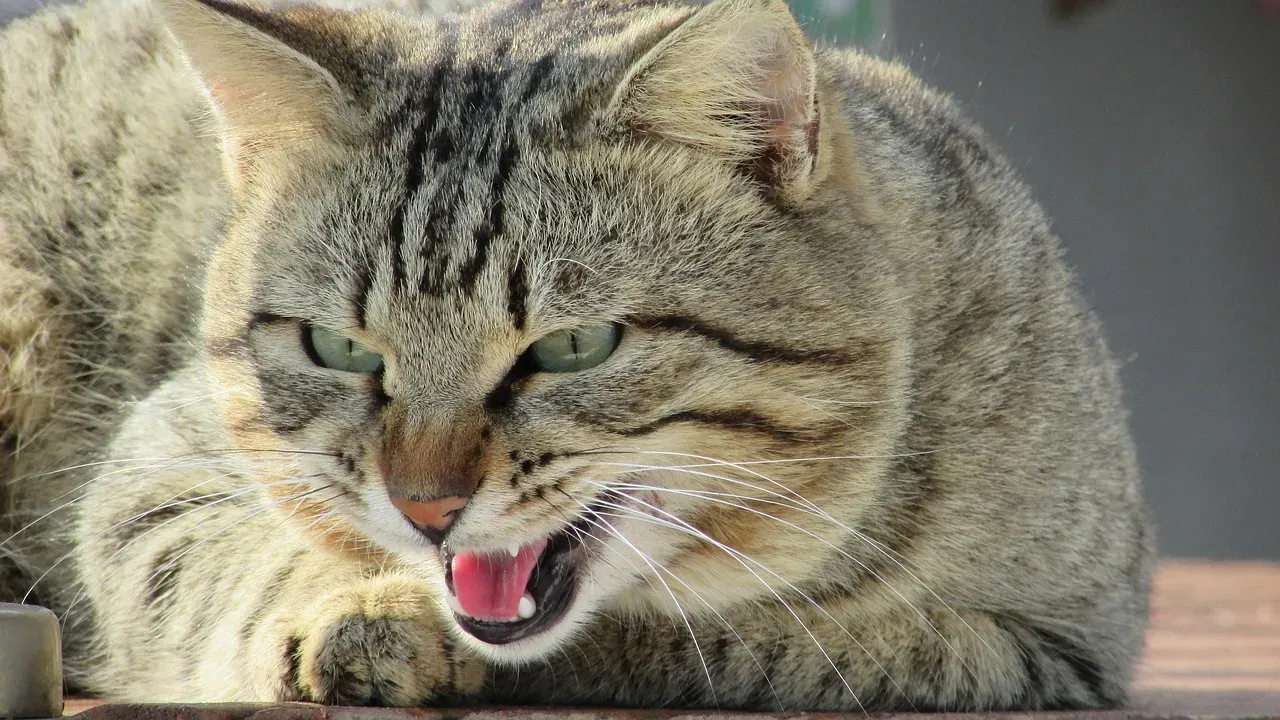
Deep-toned and threatening, the growl can be short or drawn out. Cats growl when they feel threatened, protect their territory, or are angry. Usually, a defensive posture, flattened ears, and puffed-up hair accompany the growl. Growling cats should be handled with care, as they could scratch or bite someone approaching them or trying to pick them up. Think of it like a slow-burning alarm – it starts low but can escalate fast.
Hissing, growling, yowling, snarling, and spitting occur with the mouth open. Hissing is a constant muted noise that is typically very short. Growling is typically a low-pitched, constant noise of varying length. If you’ve ever accidentally startled your cat or introduced a new pet too quickly, you’ve probably heard this rumbling protest. It’s a sound that demands patience and calm energy in return, not confrontation.
8. The Caterwaul: The Sound of Mating Season
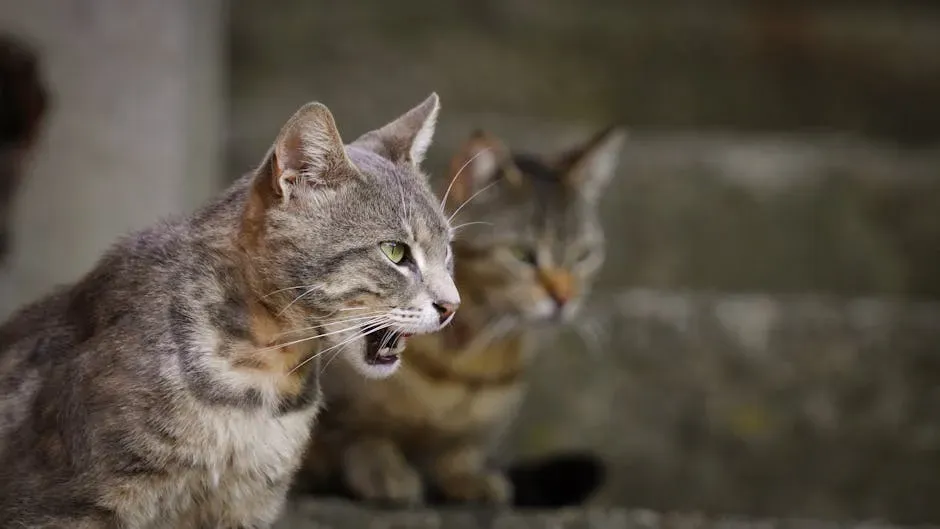
This one is hard to forget once you’ve heard it. The caterwaul is another cat noise that once heard is never forgotten. This shrill, wailing noise can sound like your pet is in pain, but it’s actually elicited when a cat is in heat. This sound is most commonly made by cats that haven’t been spayed or neutered. When in heat, cats will caterwaul to attract the attention of the opposite sex. This very noisy cat sound is the main way that your pet will let others know that it’s time to mate.
A caterwaul is a loud, long whine made by unspayed females to attract prospective mates while in heat. When directed toward human family members, it is used to express pain, discomfort, fear, or a desire for attention. Like yowling, it can also be a sign of cognitive decline in older cats. If your cat is older and starts caterwauling out of the blue, that’s definitely a conversation worth having with your vet sooner rather than later.
Conclusion: Your Cat Has Been Talking All Along
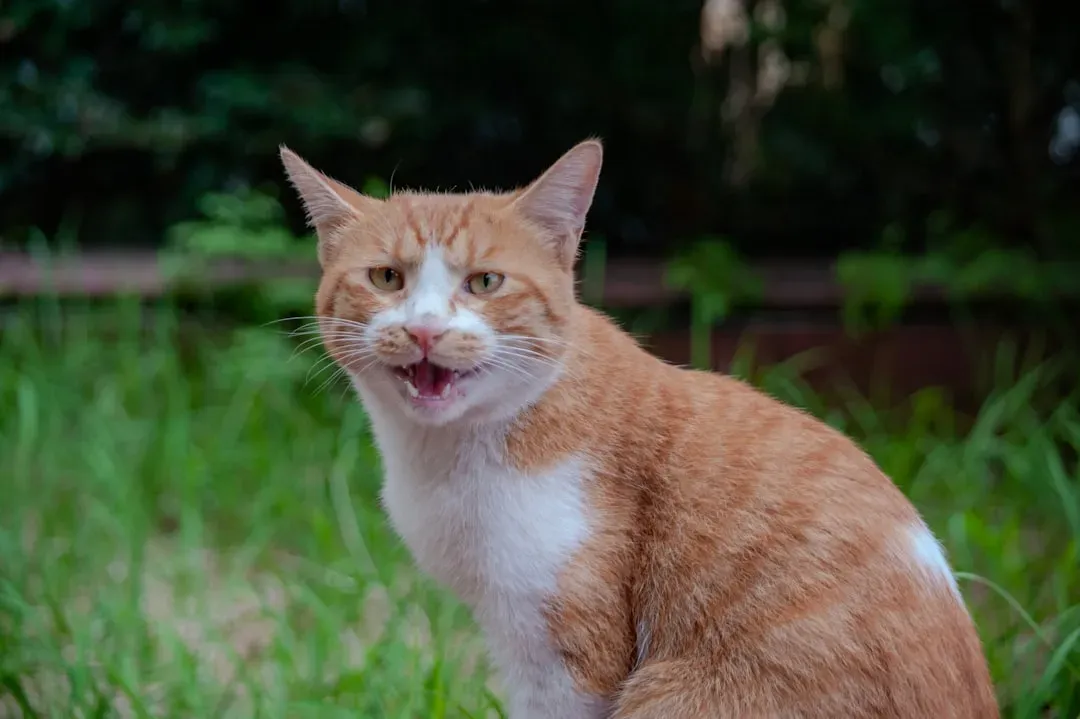
Cats are not as mysterious as the internet loves to make them out to be. You can better understand your furry friend by paying attention to their vocalizations, body postures and daily routines. In time, you may become so attuned to your kitty’s personality and habits that you’re able to detect subtle changes in their mood and even recognize health problems before physical signs of illness appear.
While different types of cat vocalizations have different meanings, a general rule of thumb is that any change in a cat’s vocalization, the frequency, intensity, duration, or pitch, warrants a visit to the veterinarian to evaluate for pain, illness, or anxiety. Your cat’s voice is their most powerful tool for reaching you, and now you have the decoder ring.
The relationship between you and your cat deepens the moment you start truly listening. Every chirp, purr, and growl is a window into their world. So the next time your cat opens their mouth, pay close attention. They’ve probably been trying to tell you something important this whole time. What do you think your cat has been saying to you? Drop your thoughts in the comments – you might be more fluent in cat than you realize.