You love your cat more than anything. You’ve stocked up on the finest food, the coziest beds, and enough toys to fill a small warehouse. Still, there are times when your feline friend gives you that unmistakable glare, the one that says they’re less than impressed with your efforts. Here’s the thing: some of the everyday things you do might actually be driving your cat up the wall. Cats are complex, mysterious creatures with their own set of preferences and boundaries. What you think is affectionate might feel invasive to them. What seems like no big deal to you could be their worst nightmare. Let’s dive into the habits that might be secretly annoying your beloved feline and how you can become a better cat companion.
Touching That Fluffy Belly
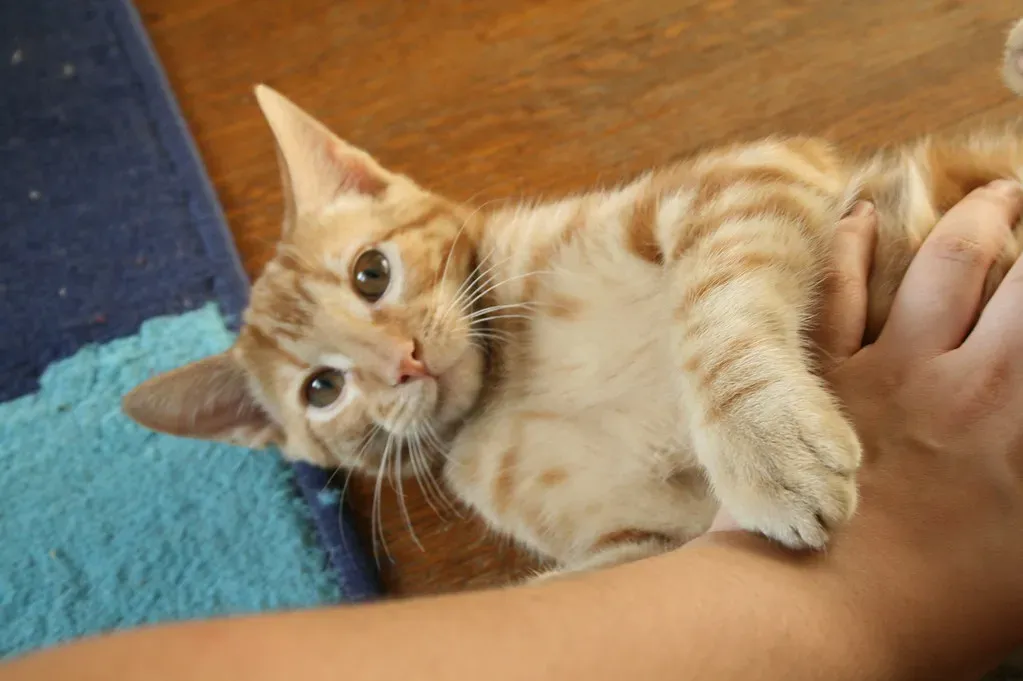
When your cat rolls over and exposes their belly, it looks like an open invitation for belly rubs, but most cats actually hate having this vulnerable area touched. It’s honestly one of the biggest miscommunications between cats and their humans. The social roll is a sign of trust and relaxation, not necessarily a request for physical contact.
Think of it this way: the belly is where all the vital organs are located, and in the wild, exposing this area makes a cat extremely vulnerable. Just because your cat feels safe enough to show you their tummy doesn’t mean they want you to touch it. Unless you know for certain that your cat enjoys being touched there, respect their boundaries. Some cats will tolerate it, but watch for signs like sudden biting or scratching, which are clear indicators you’ve crossed a line.
Ignoring Their Need for Personal Space
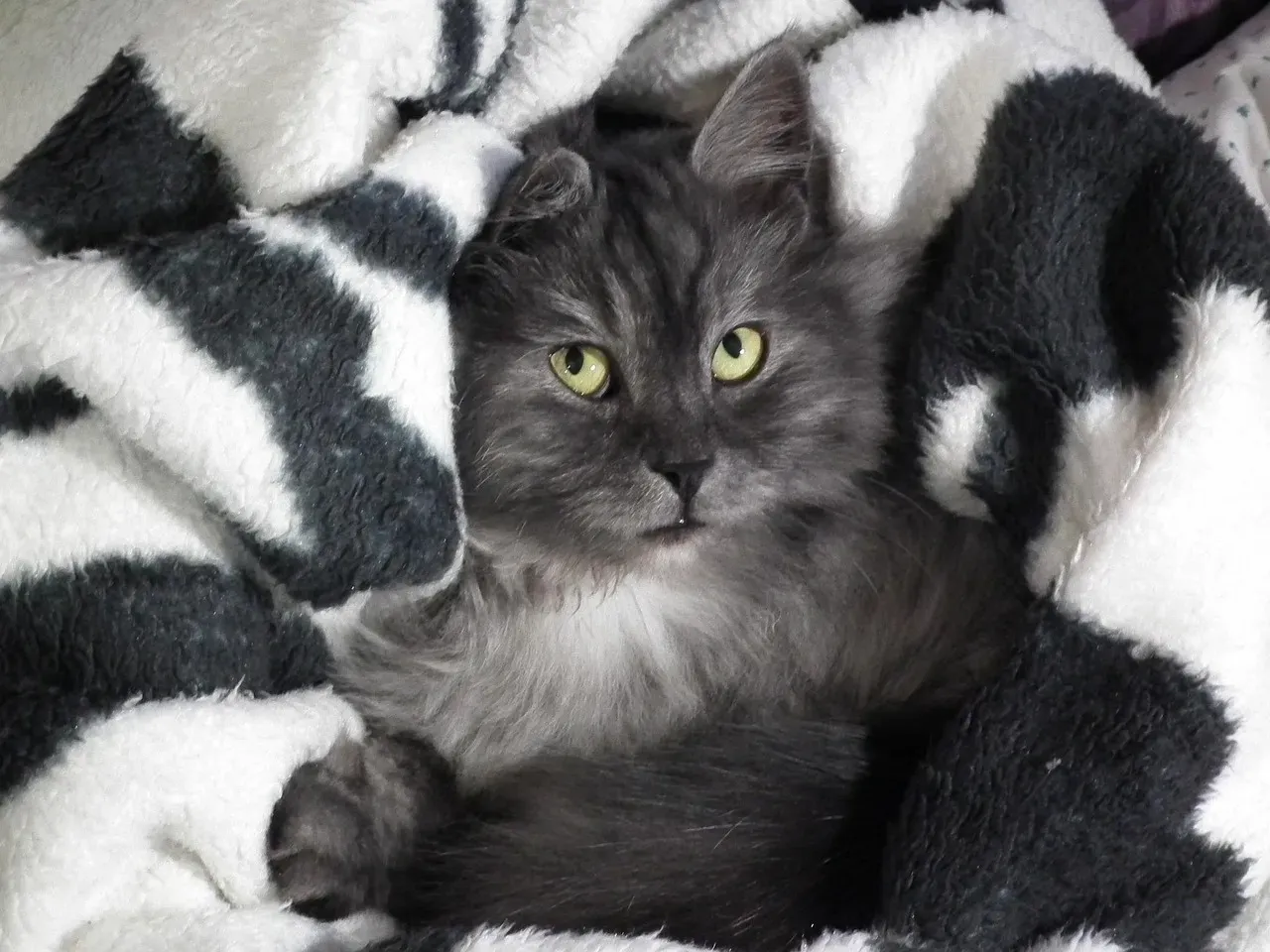
Cats don’t like to be held close or restrained, even though humans naturally show affection through hugging and cuddling. Your cat isn’t a stuffed animal, and forcing affection on them when they’re not in the mood is a surefire way to annoy them. Cats may love affection, but they absolutely hate it when it’s not on their terms.
Pay attention to your cat’s body language. Signs like ears back or flat, tail flicking, and even growling or hissing mean you should stop and give them space. Let them come to you when they want attention. Cats are independent by nature, and they’ll seek you out when they’re ready for cuddles or playtime. Forcing interaction will only make them avoid you in the future.
Making Too Much Noise
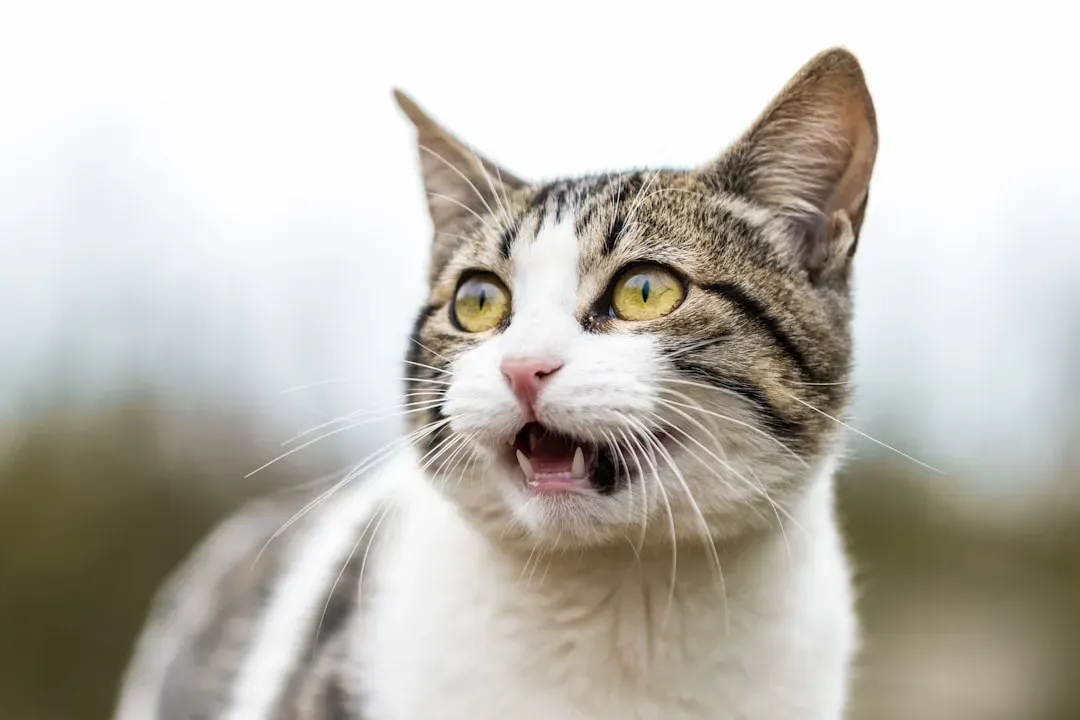
Loud noises and sudden movements can startle cats and make them feel unsafe. Your cat’s hearing is far more sensitive than yours, which means what sounds normal to you might be painfully loud to them. Cats have very sensitive hearing, and things like vacuum cleaners, loud music, loud TV, people shouting, and construction noises can add stress.
I know it sounds crazy, but even dropping something or slamming a door can send your cat into a panic. Washing machines, loud conversations, blaring music, fireworks, parties, and yelling are all sounds that can stress your cat. Try to create quiet zones in your home where your cat can retreat when things get noisy. It’s hard to say for sure, but keeping the volume down during your favorite playlists might make a huge difference in your cat’s stress levels.
Pestering Them While They’re Resting
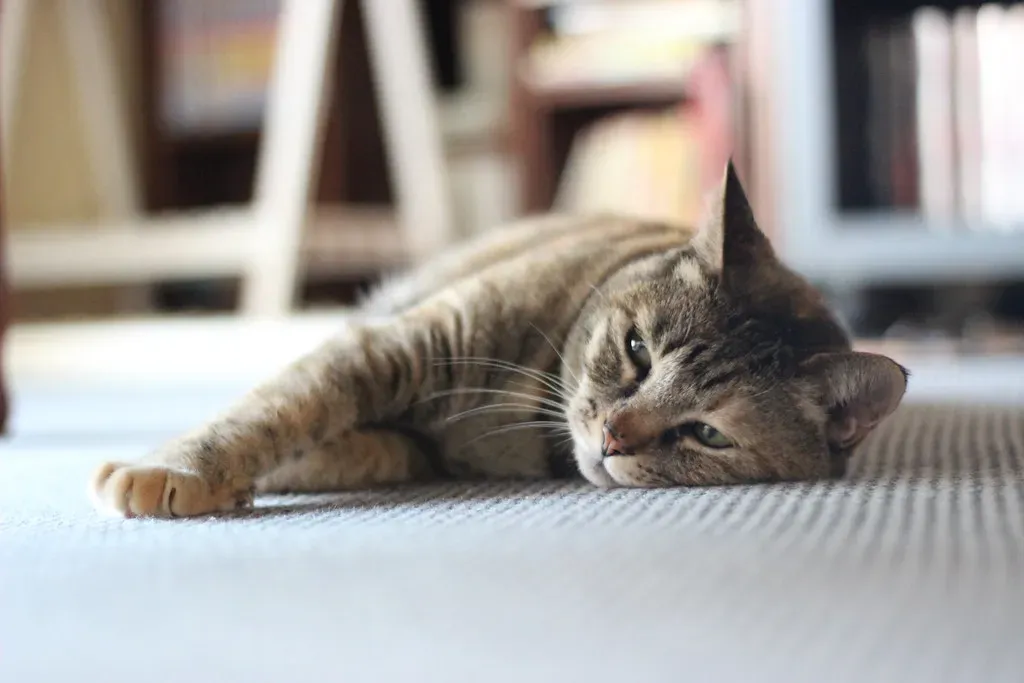
Your cat wouldn’t love being woken up when they’re trying to rest, which is the second-best way to annoy them. Cats sleep roughly two-thirds of the day, and those naps aren’t just for fun. They’re essential for their health and well-being. When you interrupt their sleep to play or pet them, you’re disrupting their natural rhythm.
Imagine you’ve just settled into a comfortable nap, and someone keeps poking you because they’re bored. Frustrating, right? You are pestering your cat while they are trying to rest or don’t want to play. Let sleeping cats lie, literally. There will be plenty of time for interaction when they wake up naturally and seek you out.
Changing Their Environment Too Quickly
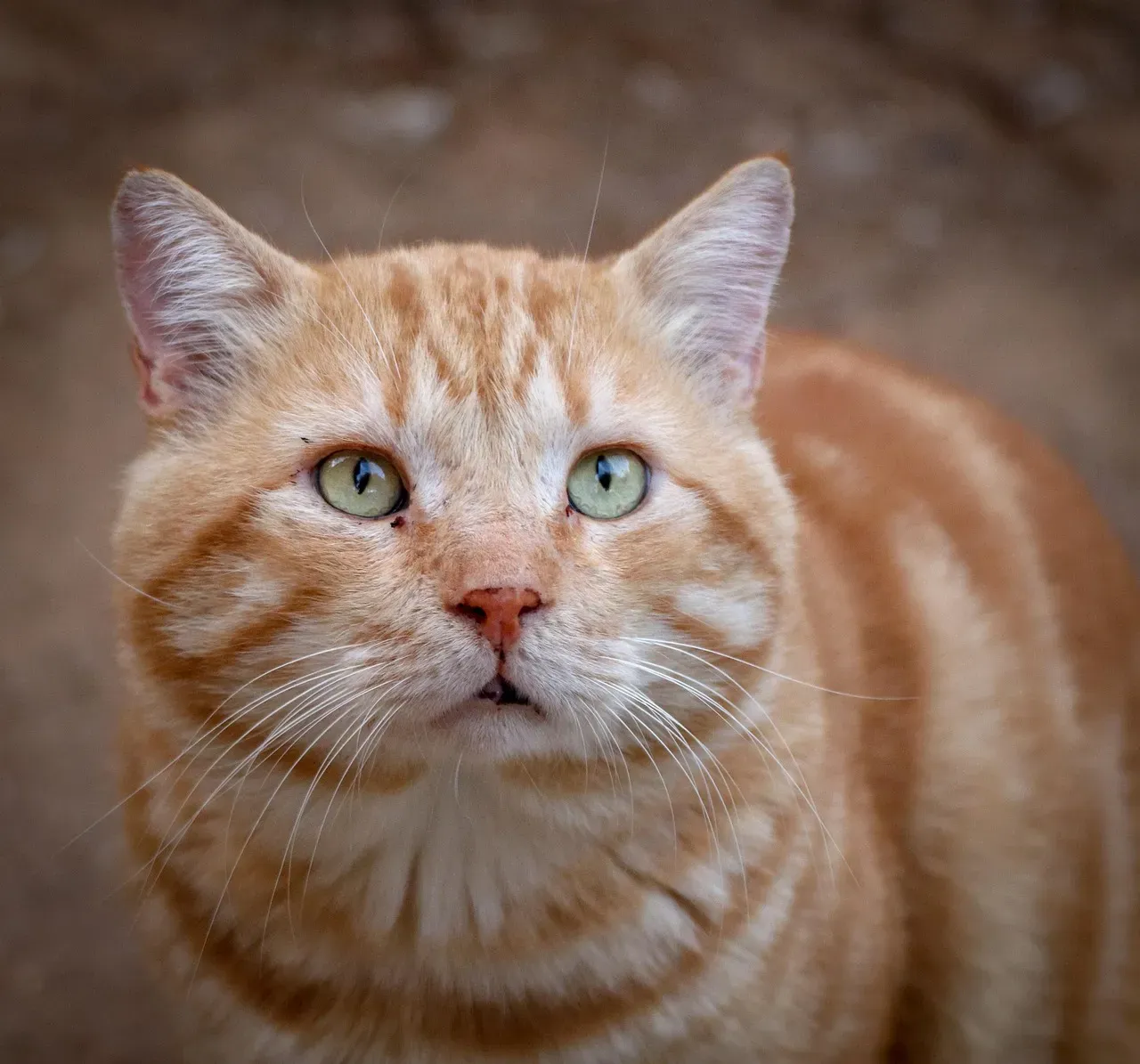
Cats are creatures of habit, and sudden changes like introducing a new pet, moving to a new home, or rearranging furniture can be distressing, even when humans view these events as minor. Your cat relies on familiar surroundings to feel secure. When you suddenly move their litter box, switch their food brand, or bring home new furniture, it can trigger serious anxiety.
Most cats love a predictable routine when it comes to feeding time, playtime, or naptime, and abrupt changes make them displeased. If you need to make changes, do it gradually. Introduce new items slowly, keep their essential resources in familiar locations, and give them time to adjust. The vast majority of behavioral issues in cats stem from environmental stress that could have been avoided with a gentler approach.
Not Keeping Their Litter Box Clean
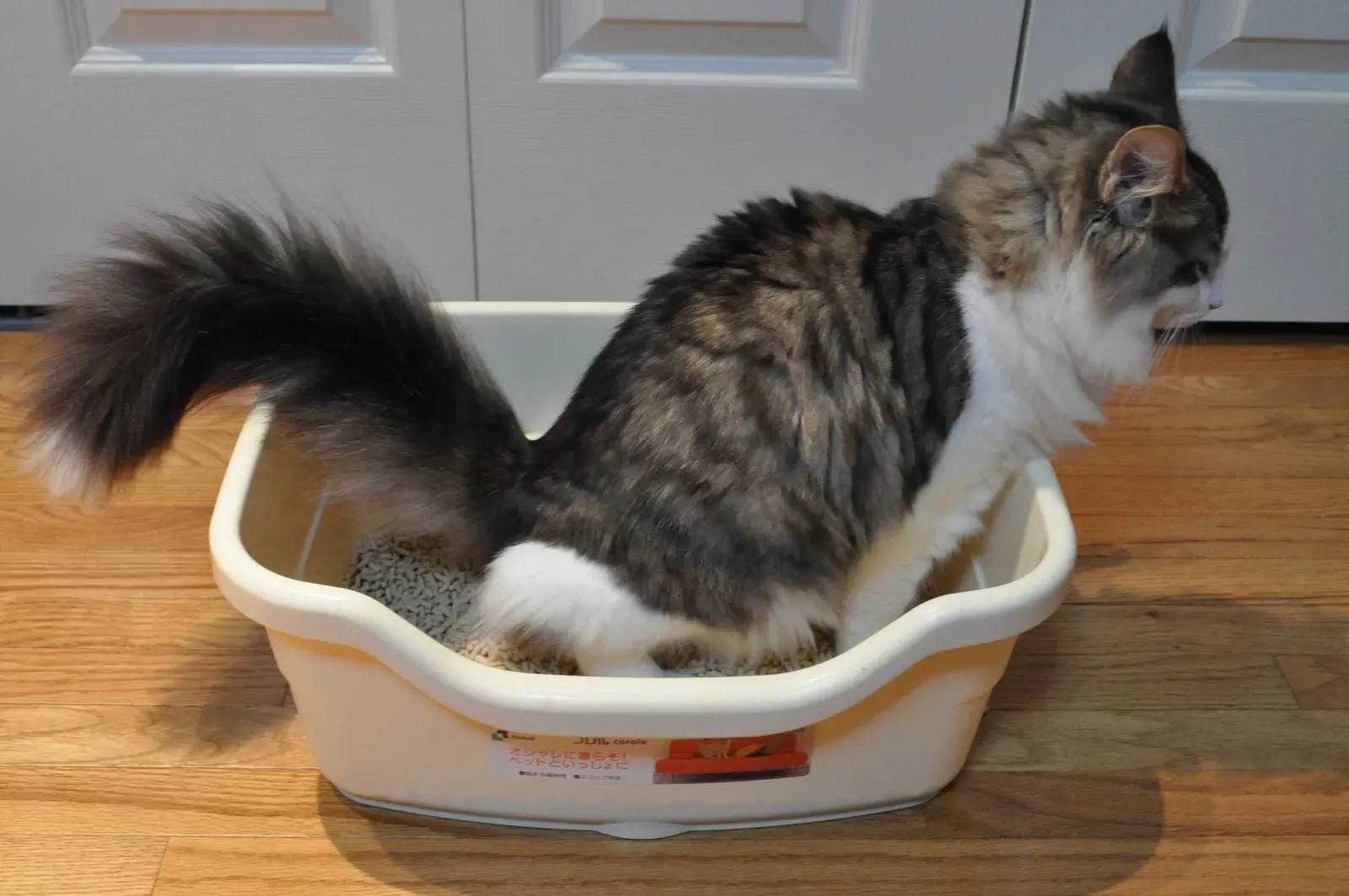
Cats like privacy when they toilet because they want to feel safe and don’t want to get interrupted, and placing litter trays near glass doors where other cats can look in makes them uncomfortable. Let’s be real: would you want to use a dirty bathroom? Your cat feels exactly the same way about their litter box.
A dirty litter box is the best way to annoy your cat. Cats are incredibly clean animals, and a neglected litter box is not just unpleasant for them but can lead to serious problems like avoiding the box altogether. Scoop it daily, change the litter regularly, and keep the box in a quiet, private location. Nearly half of all litter box avoidance issues could be solved by simply maintaining better hygiene.
Using Rough or Unwanted Physical Contact
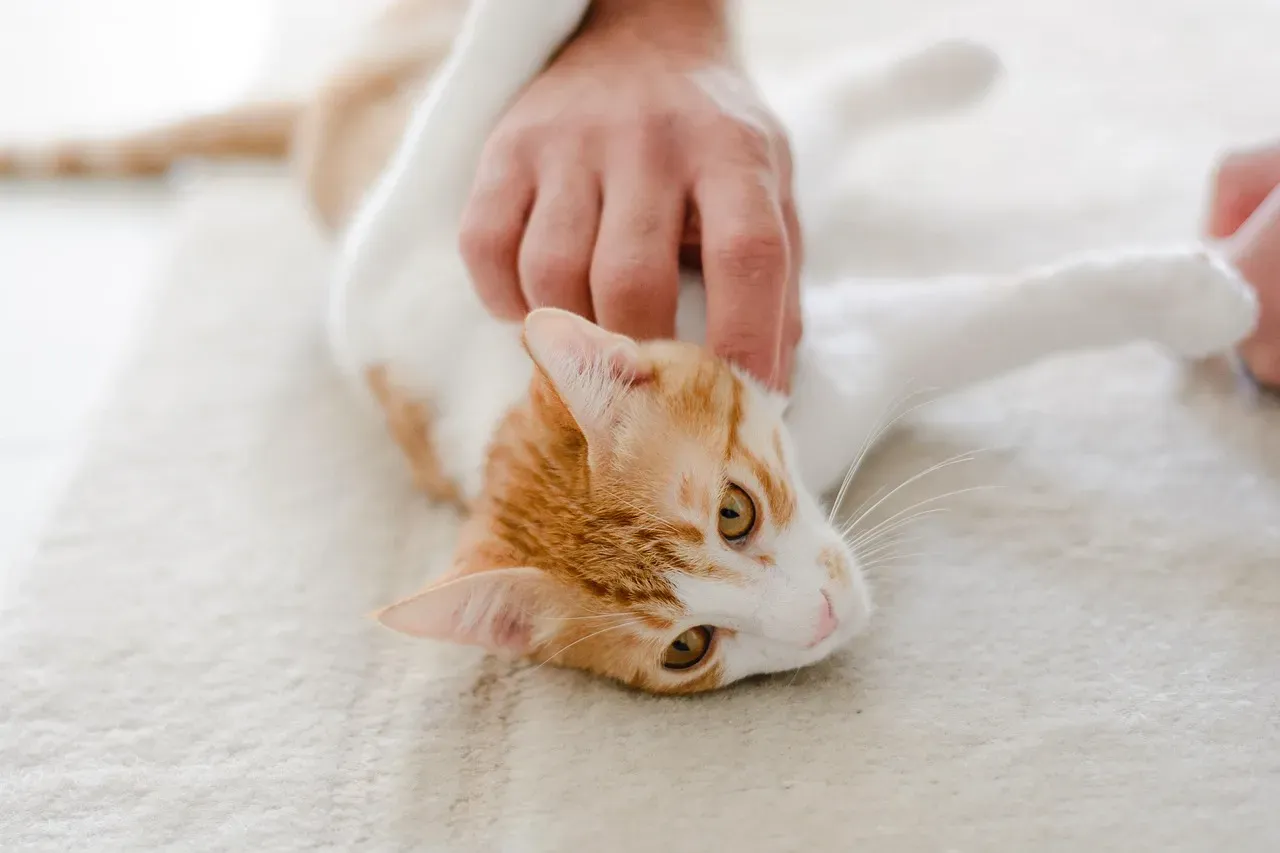
Rough pats, strong strokes, or messing with their paws or tails can make cats feel threatened, and they might run away, scratch, or get stressed. Not all cats enjoy the same type of petting. Some prefer gentle strokes along their head and chin, while others might tolerate back scratches. Very few enjoy having their paws, tail, or legs touched.
Pet your cat for about three seconds, then pause to see if they stay close, seem at peace, or nudge you to continue. This simple rule helps you gauge whether your cat is actually enjoying the interaction or just tolerating it. Watch their tail movement too. A slowly swaying tail indicates contentment, while rapid twitching means they’re getting annoyed.
Forcing Them Into Unwanted Situations
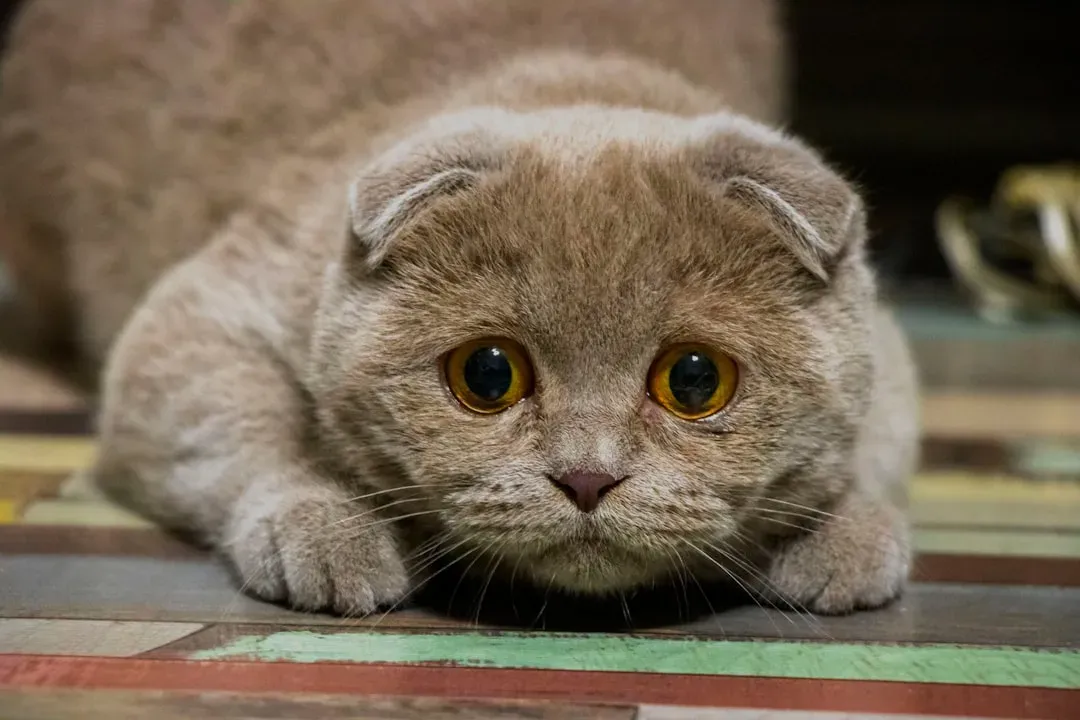
Cats hate forced interaction, so let them come to you. This includes forcing them to meet new people, interact with other pets, or endure car rides without proper acclimation. Cats can be very sensitive to changes, and they would be happier if humans took time to acclimate them kindly to stressful events like being put in a carrier, taken on car rides, or visiting the veterinarian.
Introducing new pets without proper introduction protocols is particularly stressful. Adult cats can be territorial and often prefer solitude, so adding another cat may trigger stress and disrupt their established routine. If you must introduce changes or new experiences, do it slowly and positively. Use treats, praise, and patience to help your cat associate new situations with good things rather than fear.
What do you think about these habits? Have you been accidentally annoying your cat without realizing it? The good news is that now you know better, and small adjustments can make a huge difference in your relationship with your feline friend. Did you expect that something as simple as belly rubs or a quick furniture rearrangement could stress them out so much?