Cats are fascinating, complex creatures who have spent thousands of years quietly putting up with our nonsense. They love us, sure, but there are moments when your beloved feline looks at you with those narrowed eyes and silently screams on the inside. The truth is, most cat owners are unknowingly committing small acts of cat-crime every single day, not out of malice, but simply because we don’t speak fluent feline.
Understanding what genuinely irritates your cat isn’t just about keeping the peace in your home. It’s about building a deeper, more respectful bond with an animal that truly deserves one. You might be surprised just how many ordinary human habits fall into the “please stop doing that” category from your cat’s perspective. Let’s dive in.
1. Rubbing That Irresistible Belly (Yes, It’s a Trap)
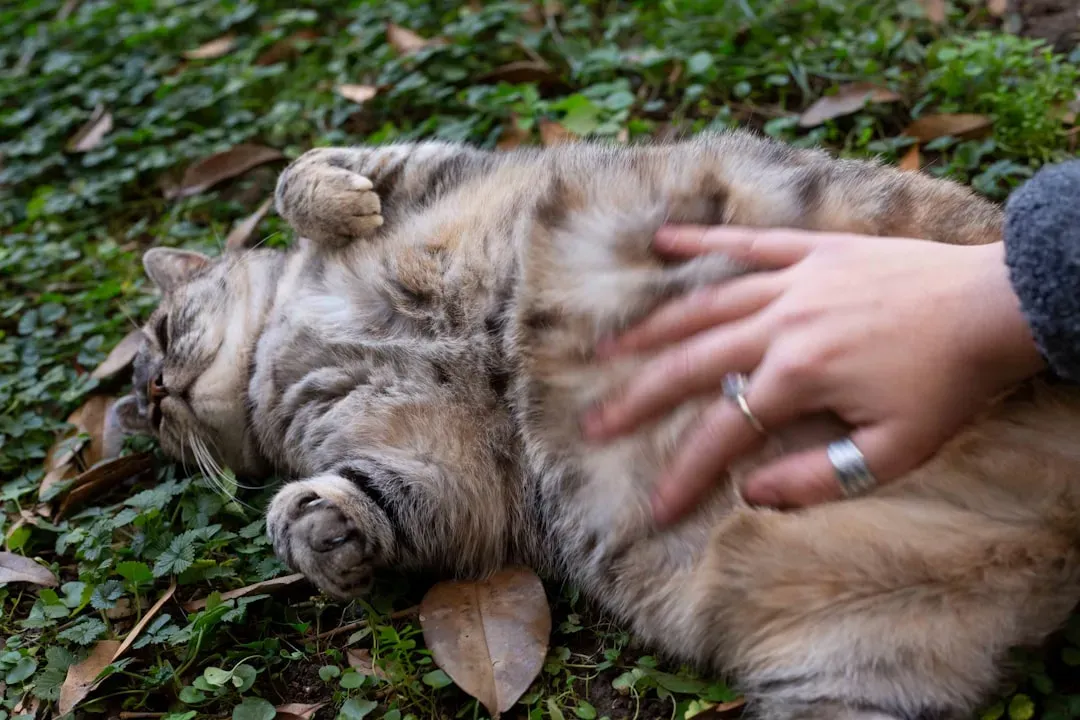
You see it every time. Your cat rolls over, stretches dramatically, and puts that fluffy belly on full display. Every instinct in your human brain screams “touch it.” Honestly, I get it. It looks like an invitation. When your beloved cat flops onto the ground, stretches out on their back, shows off their belly, and rolls from side to side, it seems like an obvious invitation to rub that fluffy tummy. However, doing so is at your peril, as in general cats don’t like this area to be touched.
When a cat moves around like that, it’s called a social roll. It can be an invitation for play and means they are relaxed, but it is not an invitation for a belly rub, and most people misinterpret that. So what should you do instead? Try gently offering your hand near their head or chin first, and let your cat tell you exactly where they want to be touched. Try following the 3-second rule for cats: pet them for 3 seconds, then pause. If they stay close, seem at peace, or nudge you to keep going, give them some pets for another 3 seconds.
2. Making Loud Noises and Sudden Movements
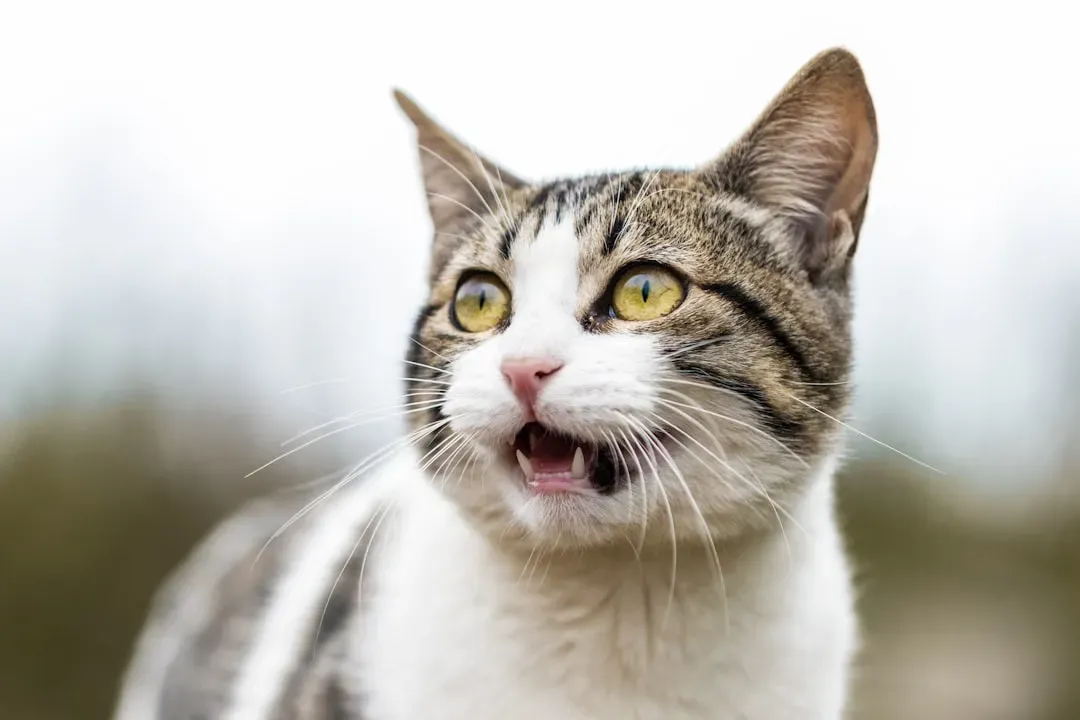
Here’s the thing: your cat is not being dramatic when it bolts out of the room the moment you sneeze loudly or drop a pan on the kitchen floor. To understand why cats are so prone to stress, it’s important to remember how they evolved. Cats are highly reactive because they are simultaneously predators looking for prey and prey to other animals as well. That wiring runs deep, and it doesn’t switch off just because they live in a cozy apartment with you.
Loud music can be upsetting to cats, whose senses are more delicate than ours. Think of it this way: a cat’s hearing is so sensitive it can detect frequencies nearly double what humans can process. Blasting your playlist at full volume is basically the audio equivalent of someone screaming into your ear at a concert. Cats prefer calm and quiet environments, and loud noises, sudden movements, or a chaotic household can stress them out. Try keeping volumes at a more moderate level and move with a little more awareness around your cat, especially during their rest time.
3. Disrupting Your Cat’s Sleep
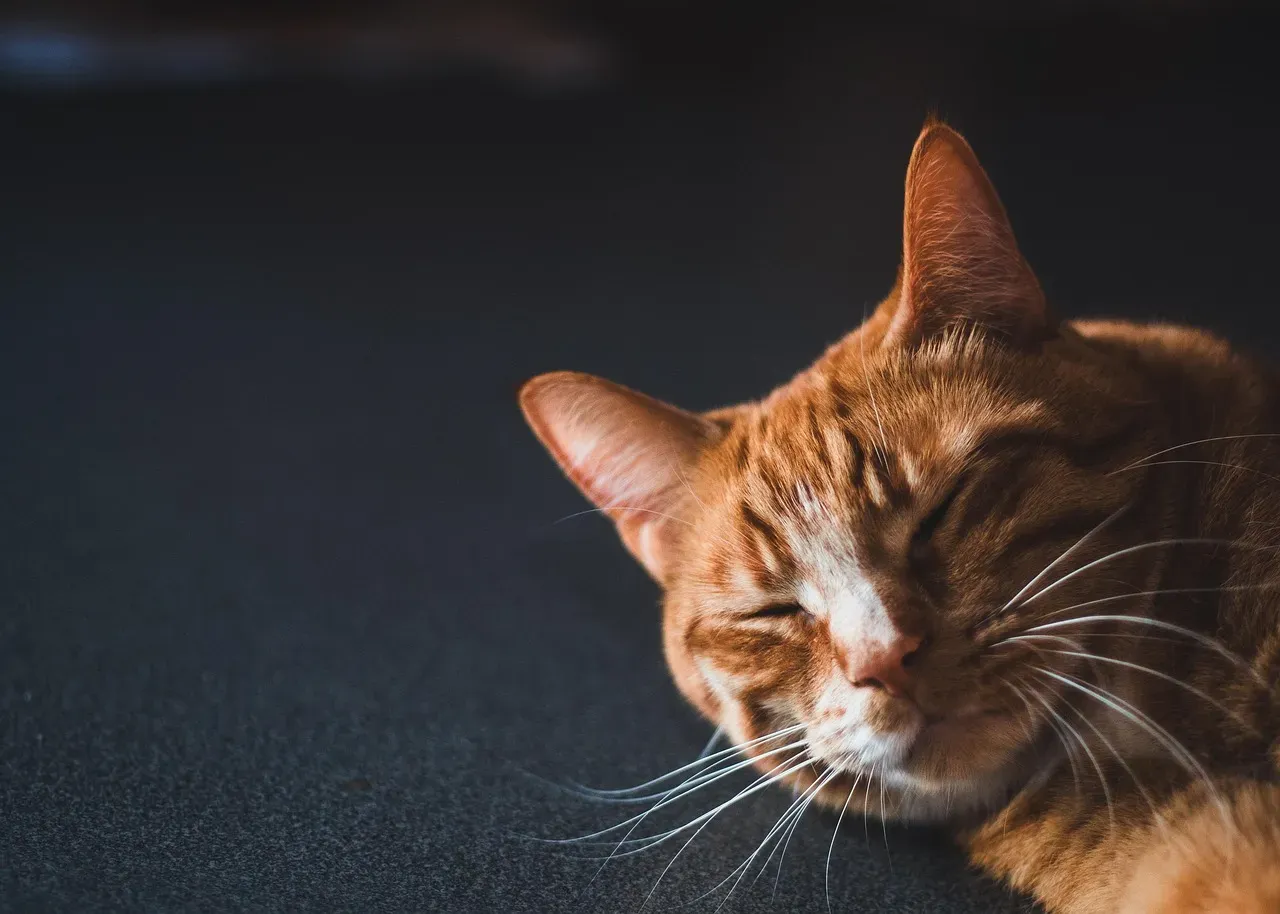
Cats are champions of napping, and they take their sleep very seriously. Interrupting their slumber can lead to a grumpy kitty who’s not afraid to let you know they’re displeased. This one might seem small, but consider this: cats sleep somewhere between 12 and 16 hours per day. Sleep is genuinely central to their health and temperament, not a luxury.
Waking your cat up repeatedly, even for affectionate reasons, chips away at their sense of security. You should respect their need for rest and avoid disturbing them when they’re catching some z’s. If you feel the urge to interact, wait for them to wake up naturally and approach you on their own terms. That moment of connection will be so much richer and more genuine when it happens that way.
4. Skipping the Litter Box Cleaning Routine
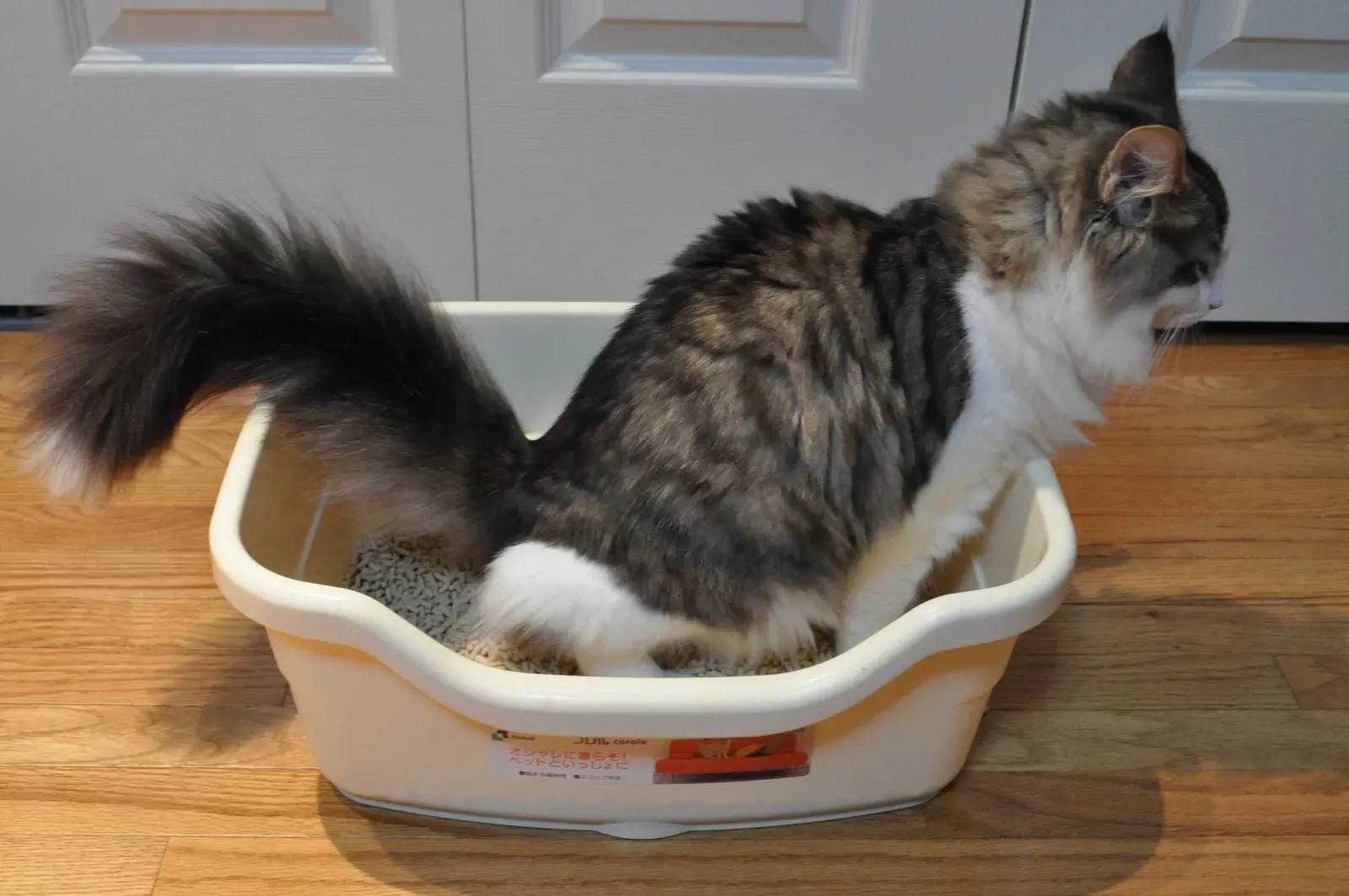
Let’s be real, scooping the litter box is nobody’s idea of a good time. Still, neglecting it regularly is arguably one of the most direct ways you’re making your cat’s life miserable. Not doing it on the daily is the number-one way to annoy your cat. Think about it like this: imagine being handed a public restroom that hasn’t been cleaned in three days and told it’s the only one you’re allowed to use. That is your cat’s reality when the box goes untouched.
Nobody appreciates bathrooms that have stayed dirty for a long time, nor do cats. If a litter box is fully packed, strongly odorous, or has not been cleaned in a long time, your cat may even avoid it altogether. Regular scooping is essential for a cat’s physical and emotional wellbeing, and not cleaning the box increases the chance your cat will find somewhere else around the house to go potty. Aim to scoop at least once daily. Your cat, and your carpets, will thank you.
5. Disrupting Their Daily Routine Without Warning
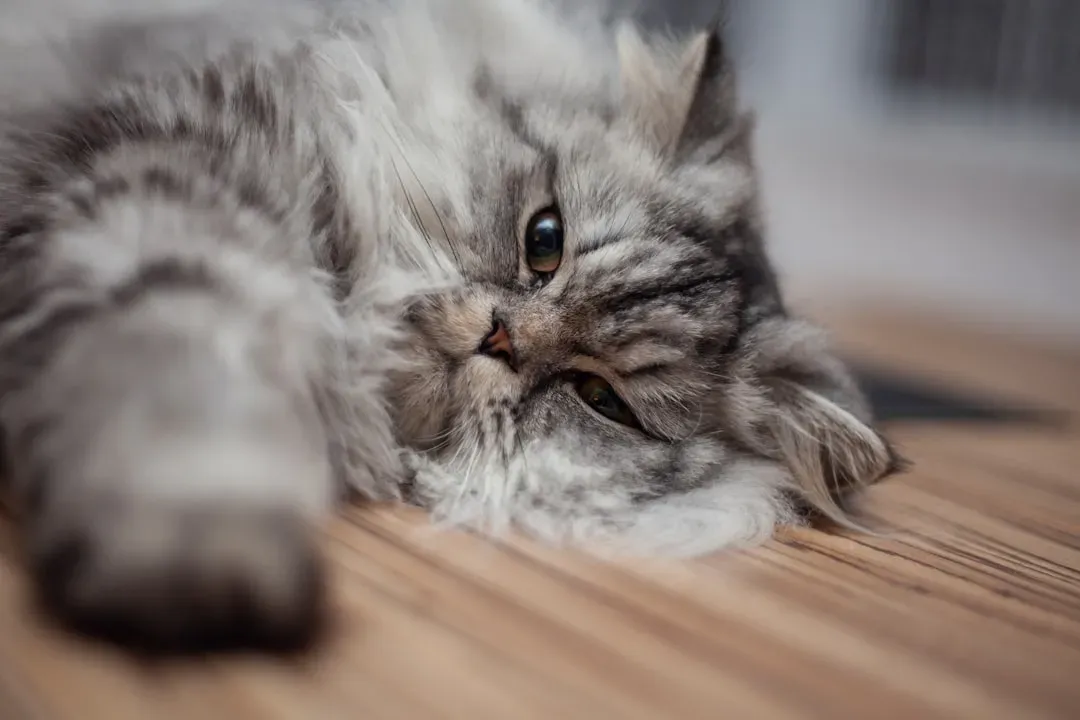
Cats are creatures of habit in the most earnest, deeply committed way possible. Most cats love a predictable routine when it comes to feeding time, playtime, or naptime. If you are making abrupt changes to their daily routine, expect your cat to be displeased. It’s not stubbornness on their part; it’s biology. Predictability makes them feel safe in a world where they’re wired to constantly assess threats.
Some of the stressors most commonly encountered by cats include changes in environment, inter-cat conflict, a poor human-cat relationship, and the cat’s inability to perform highly motivated behavior patterns. Even something as minor as moving your cat’s food bowl a few feet can throw them off. Being predictable in your behavior and creating daily routines is a great way to minimize stress. Feed your cat at the same time each day, keep their key spaces consistent, and introduce any changes slowly and deliberately.
6. Forcing Affection When Your Cat Isn’t in the Mood
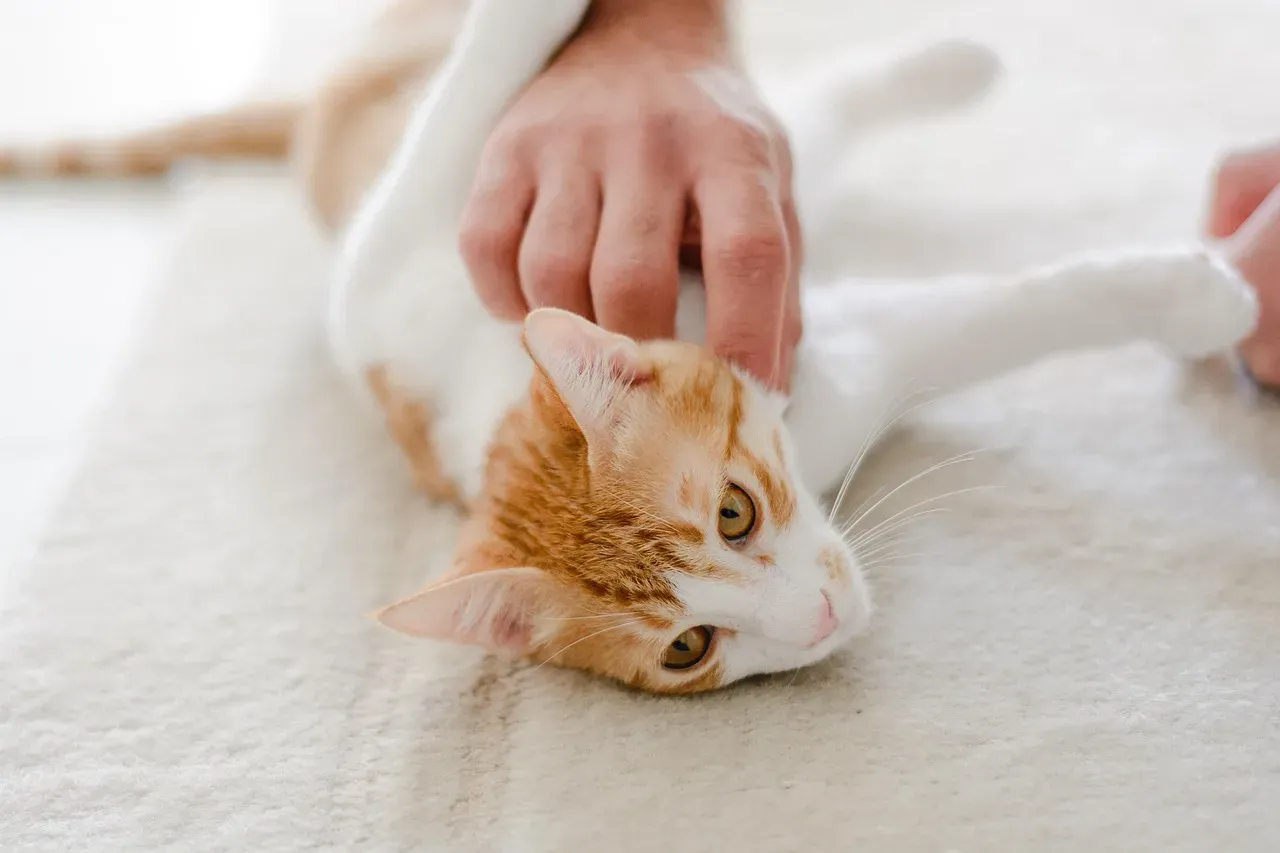
You’re sitting on the couch, you spot your cat lounging nearby, and the urge to scoop them up for a big hug becomes overwhelming. Sound familiar? Cats want attention only on their terms. Force them to cuddle, hold, or pet when they don’t want to be bothered, and you may end up with a bite, scratch, or a disappearing act. Honestly, that response makes total sense when you think about it from their perspective.
If you get the stiff-arm when you try to pick up a cat, know that cats certainly don’t like being held against their will. But most cats will forgive you for coming on too strong from time to time, if they’re used to socializing with people and they trust you. The smarter move is to let your cat approach you. You should always wait for a cat to come to you. After all, you’d feel pretty anxious if some giant scooped you up without asking. So be patient, because consensual kitty cuddles are always the best kitty cuddles.
7. Overwhelming Strong Scents in Your Cat’s Environment
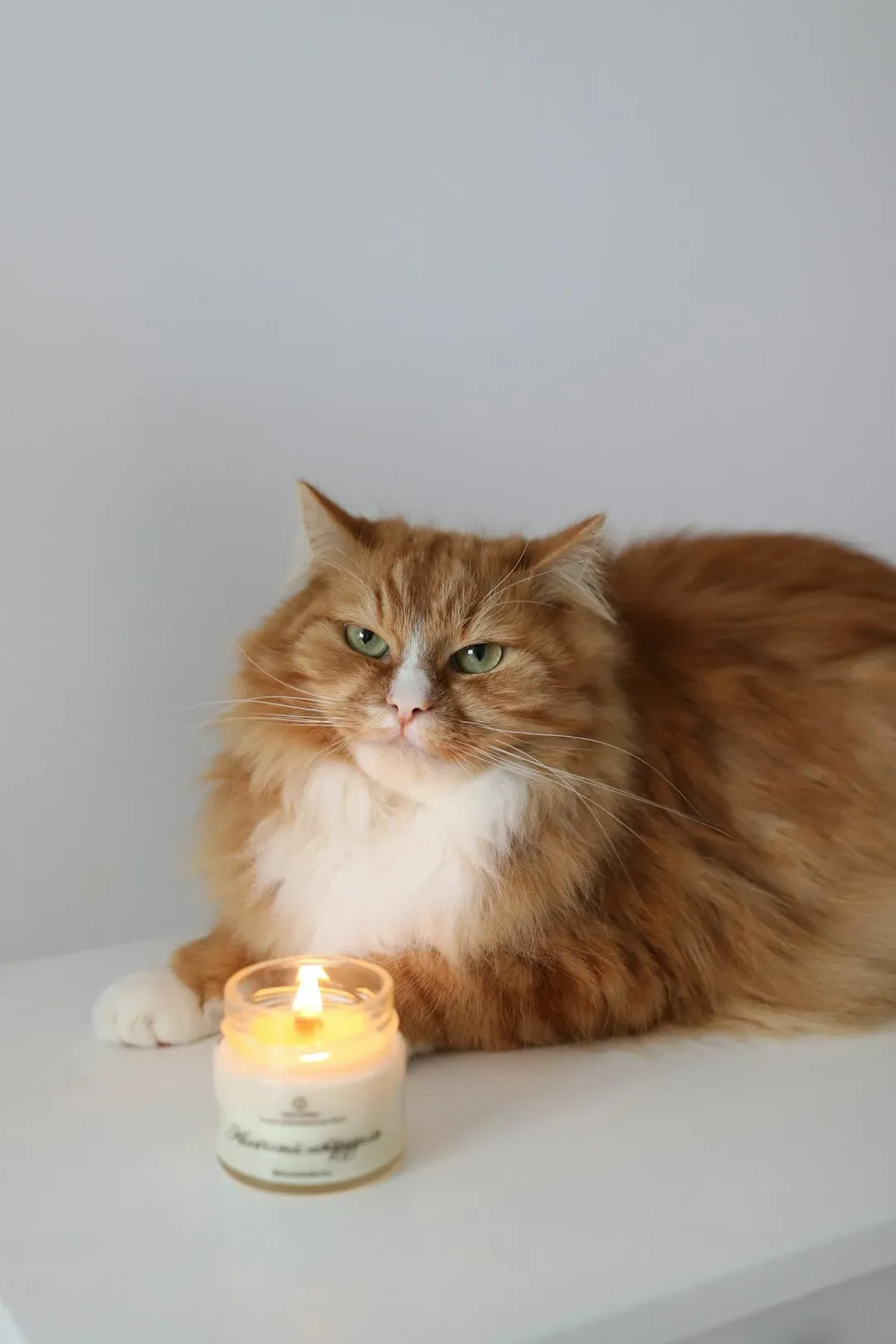
Cat noses are so powerful; their sense of smell is far better than ours. That’s why some smells are enough to send a cat running. We’re talking about perfumes, air fresheners, cleaning products, scented candles, and even some essential oils that seem completely normal to us but are genuinely overwhelming to a cat’s sensory system. It’s the olfactory version of being forced to sit in a room where everything is cranked to maximum volume.
The odors that cats detest include citrus, vinegar, menthol, or cleaning products that are way too strong. Certain human foods, like onions or garlic, can irritate them too. Smells are super important to cats, and familiar scents signify comfort and safety. As such, switching up air fresheners or home fragrances can disorient your cat. Try to opt for unscented or very lightly scented products wherever possible, and always make sure your cat has access to a room that feels and smells like a safe, familiar retreat.
8. Not Giving Your Cat Enough Stimulation and Enrichment
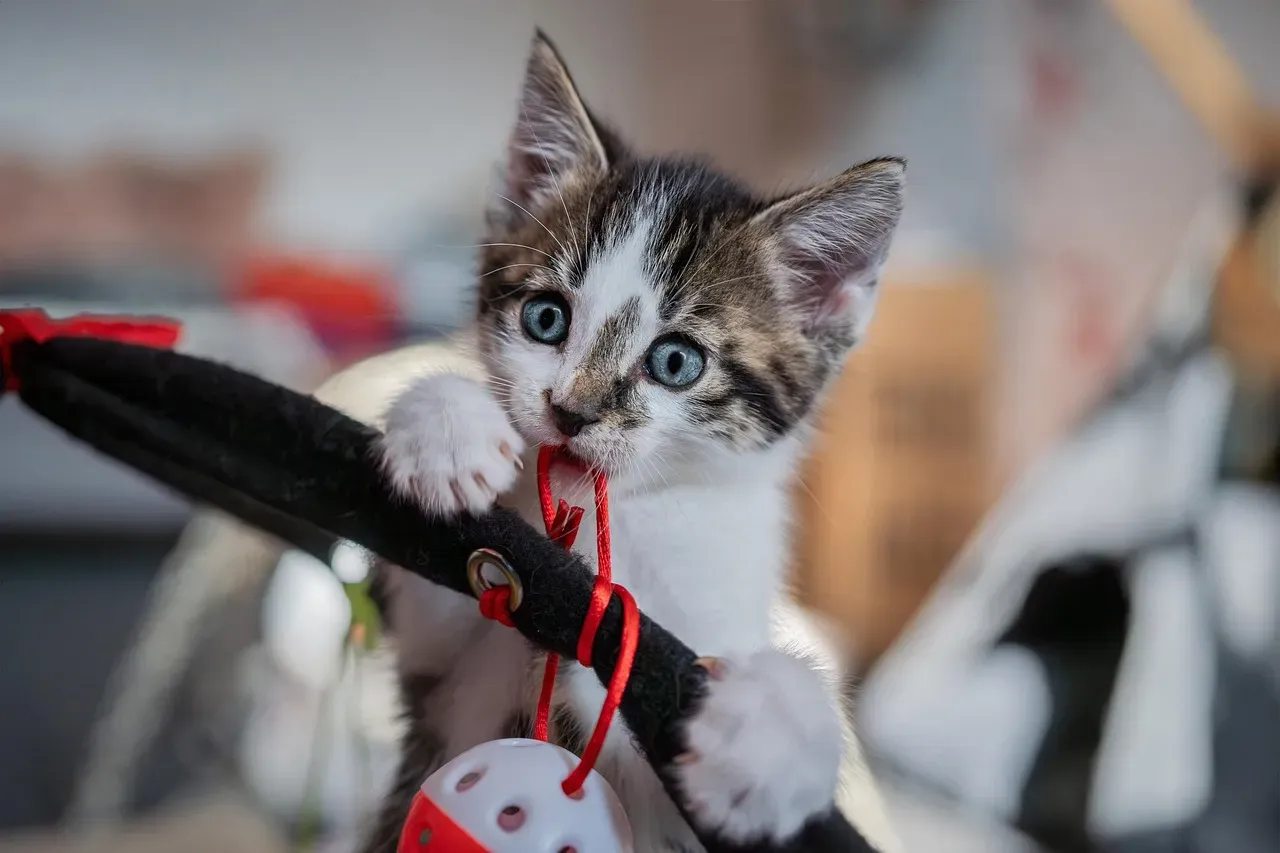
There’s a common misconception that cats are perfectly content to just exist in a room with a food bowl and a sunny window. Some people genuinely believe cats are fully self-sufficient little robots that require minimal engagement. That is, I think, one of the most damaging myths in pet ownership. Cats are naturally inquisitive animals who love to explore. When kept indoors without enough activities to keep them busy and occupied, they may engage in activities their owners find annoying or problematic.
Depending on how you define low maintenance, a cat wants and deserves attention, love, and care. Throwing some kibbles in a bowl once per day, scooping the box once per week, and leaving them all by themselves is not a good strategy. Active playtime with their owners is very beneficial. A few minutes is not sufficient, any more than it would be for a small child. Try rotating toys regularly, invest in a cat tree or puzzle feeder, and schedule real, focused playtime every single day. Promoting the cat’s natural behavior using enrichment strategies has been shown to reduce stress. It doesn’t take much, just genuine, consistent effort to acknowledge that your cat is a living, feeling, curious being who needs more than a bowl of kibble.
Conclusion
Here’s what it all comes down to: your cat isn’t being difficult, mysterious, or cold. In most cases, they’re simply reacting to habits that, from their highly sensitive perspective, feel intrusive, chaotic, or just plain uncomfortable. The beauty of this is that every single habit on this list is fixable. None of it requires a massive lifestyle overhaul. It just takes awareness, a willingness to read your cat’s signals, and the patience to let them lead the dance sometimes.
Noise, strange people, too much petting, dirty litter boxes, and significant changes are common pet hates that leave your cat anxious or annoyed. You get to notice the little things when you observe your cat’s reactions, the little ways it shows discomfort. Tail flicks, hiding, or sudden dashes out of the room speak volumes. When you start paying attention to those small signals, your whole relationship with your cat shifts. The trust deepens. The purring increases. The eye-rolls (hopefully) decrease.
Your cat chose to share their world with you, and that’s genuinely special. The question is, are you paying close enough attention to honor that? What would your cat say if they could talk to you today?