Have you noticed your aging feline friend has developed some quirky little routines lately? Maybe your once wild hunter now spends most afternoons curled up in that one sunny spot on the couch, or perhaps your kitty insists on supervising your every move from the comfort of a heated bed. These aren’t signs that your senior cat is slowing down in spirit. They’re actually proof that your whiskered companion is still very much in charge of the household, just with a more refined, comfort-focused approach. Let’s dive into the cozy habits that show your senior cat remains the undisputed ruler of your home.
Claiming the Warmest Spot in Every Room
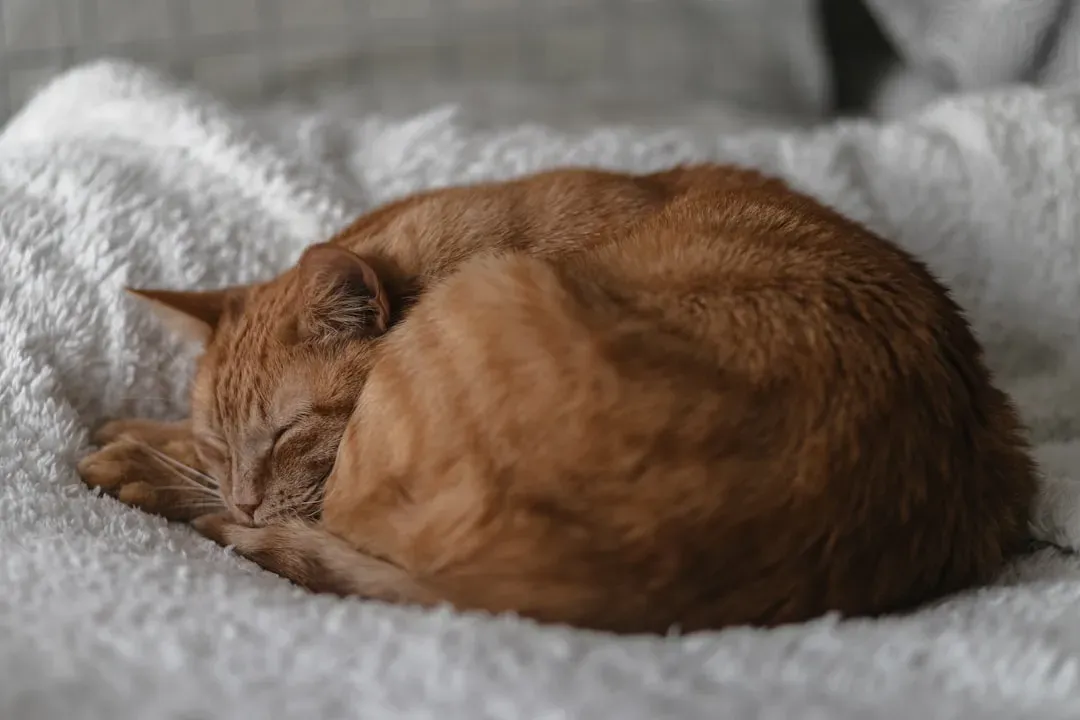
Your senior cat has become a master at seeking out warm, cozy spots for napping, and honestly, can you blame them? As cats age, they need warm and comfortable places to sleep, which explains why your furry overlord has probably claimed that spot directly in front of the heating vent or next to the radiator. This isn’t just random behavior.
It’s strategic territory management at its finest. Senior cats particularly appreciate heated beds or areas near heating vents, showing they know exactly how to maintain their comfort while keeping watch over their domain. Your cat might rotate between several warm spots throughout the day, switching from the sunny windowsill in the morning to the warm laundry fresh from the dryer in the afternoon.
Demanding Multiple Luxurious Sleeping Quarters
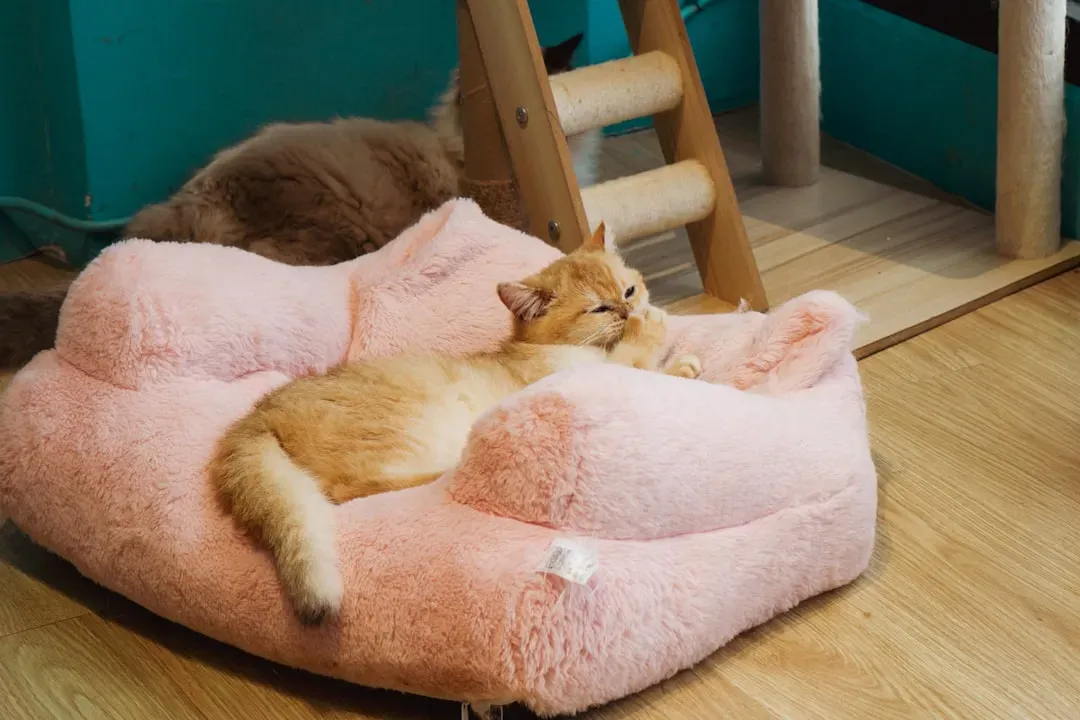
Gone are the days when one bed was enough for your feline friend. Senior cats benefit significantly from having multiple comfortable areas to lounge, and your cat knows this instinctively. You’ve probably noticed an increasing number of beds, blankets, and cushions scattered throughout your home, each one claimed and christened by your senior ruler.
This isn’t excessive, it’s essential. Providing a variety of restful napping spots tailored to their aging needs helps them manage joint discomfort and maintain their royal comfort standards. Whether it’s an orthopedic bed in the bedroom, a heated pad in the living room, or that cardboard box lined with your softest sweater, each spot serves a purpose in your cat’s carefully curated empire.
Insisting on Elevated Food Service Standards
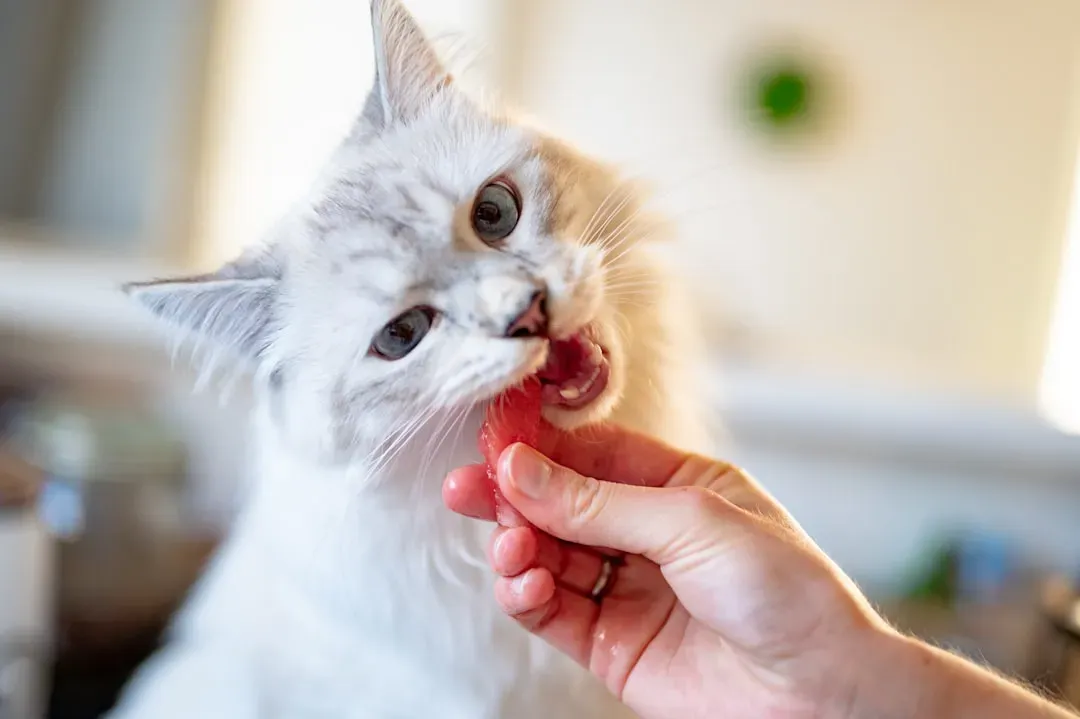
Your senior cat may have developed what seems like pickier eating habits, turning their nose up at food that’s too cold or positioned at an awkward angle. Here’s the thing though: raising their food bowl can make eating more comfortable as it prevents them from bending down, potentially putting strain on sore joints. This demand for elevated dining isn’t diva behavior.
It’s smart adaptation. You might find your cat waiting expectantly by their food station at specific times, showing that older cats cherish predictable days and sticking to normal routines reassures them. They’ve trained you well, haven’t they? That consistent schedule proves they’re still calling the shots around here, just with more refined expectations about meal service.
Supervising From Strategic Vantage Points
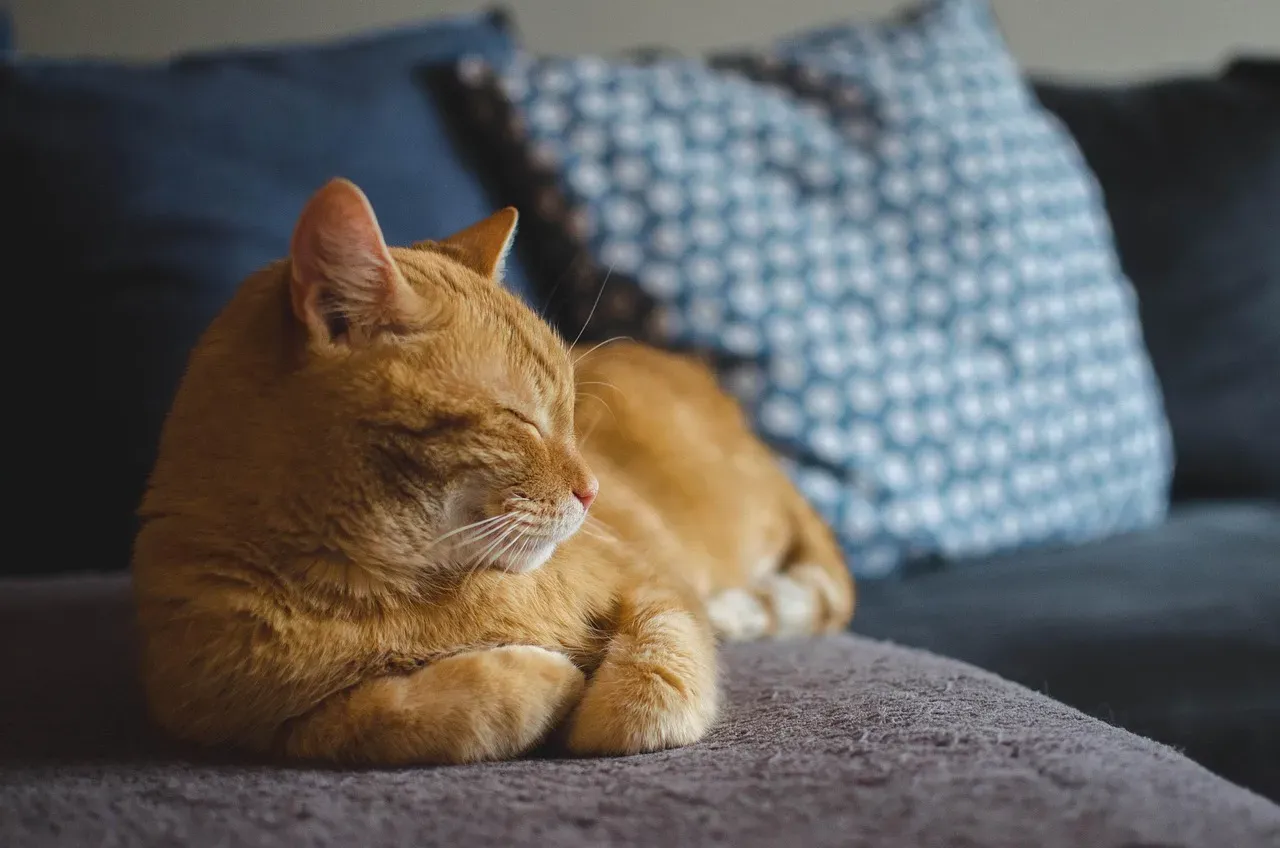
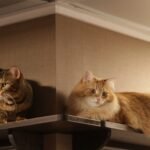
Older cats sleep more as they tire out much faster, and their body needs more rest, but that doesn’t mean they’ve relinquished control. Your senior cat has simply become more efficient, choosing strategic locations where they can monitor household activities while conserving energy. That perch on the back of the couch or the spot at the top of the stairs isn’t random.
Watch how your cat positions themselves to maintain sightlines throughout their territory. While jumping up to high windowsills can be difficult for some senior cats, providing shallow steps or a gently sloping ramp helps them reach their favorite lookout. The fact that you’ve likely installed these accommodations proves your cat has successfully communicated their needs and you’ve dutifully complied.
Enforcing Strict Grooming Assistance Protocols
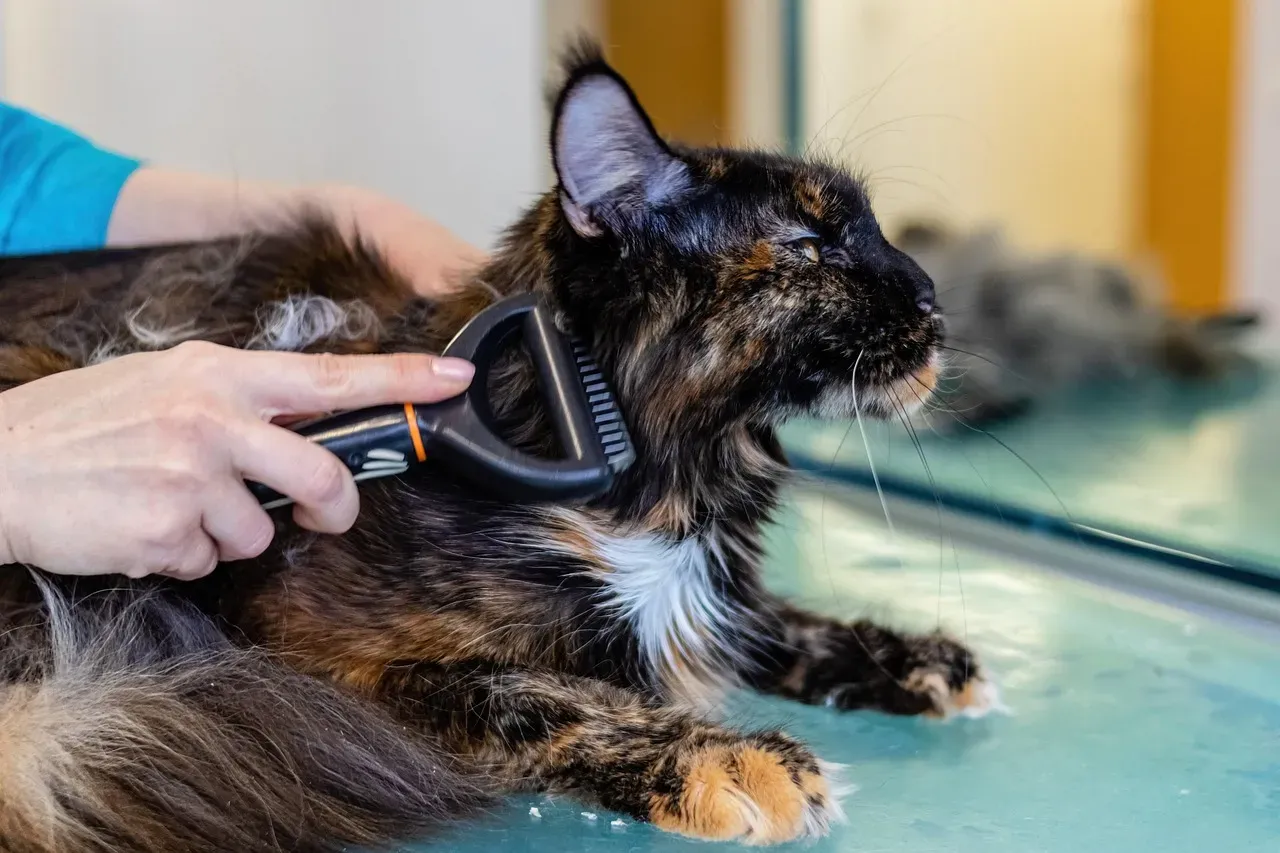
Your senior cat has probably started demanding more hands-on grooming sessions from you. A loss in agility and stiffening of joints may result in a decreased ability to groom themselves, so they’ve delegated some responsibilities to you, their trusted servant. This is actually a sign of deep trust and continued dominance.
These grooming sessions have become bonding rituals where your cat generously allows you to help maintain their regal appearance. Older cats may need assistance with grooming, and regular sessions can be an excellent bonding experience as well as an opportunity to check them over. The purring and head bonks you receive during these sessions? That’s your payment for services rendered to the household monarch.
Demanding Late-Night Attention and Reassurance
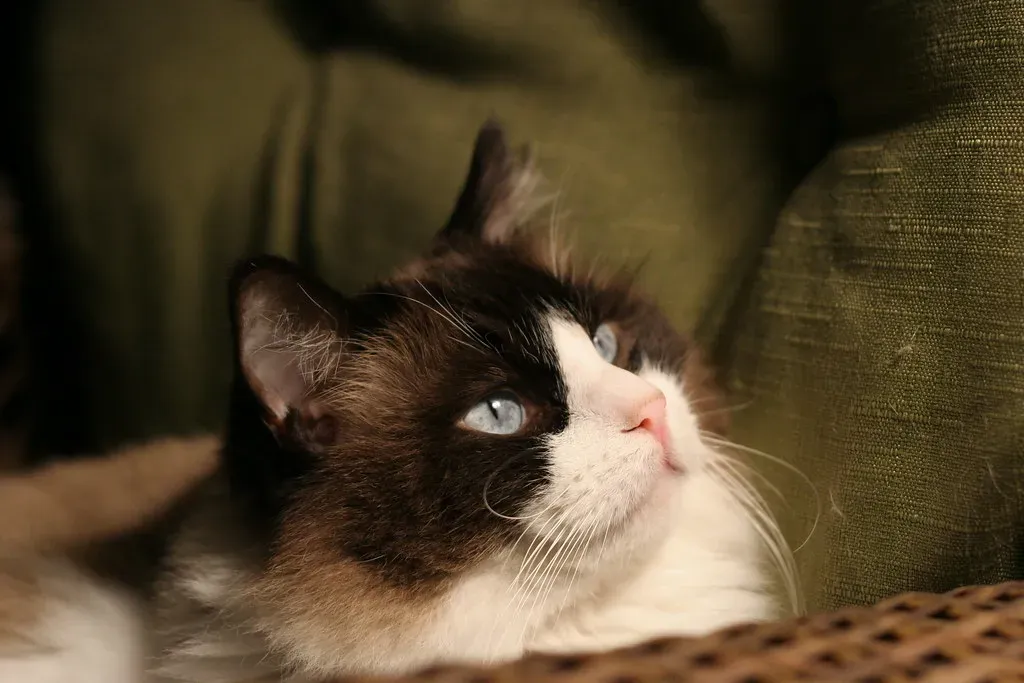
Has your senior cat started waking you up in the middle of the night for what seems like no reason? Older cats may become more active at night and sleep more during the day, reflecting a shift in their sleep-wake cycles. Older cats, particularly those with cognitive changes, may feel less able to defend their territory at night, making them more restless.
Your cat isn’t being difficult, they’re seeking reassurance that you’re still there and everything in their kingdom remains secure. Gently calling out to your cat in the night to reassure them that you’re nearby can stop them from vocalizing. Let’s be real: the fact that you wake up to comfort them shows exactly who’s still in charge, even at three in the morning.
Requiring Easy Access to All Essential Resources
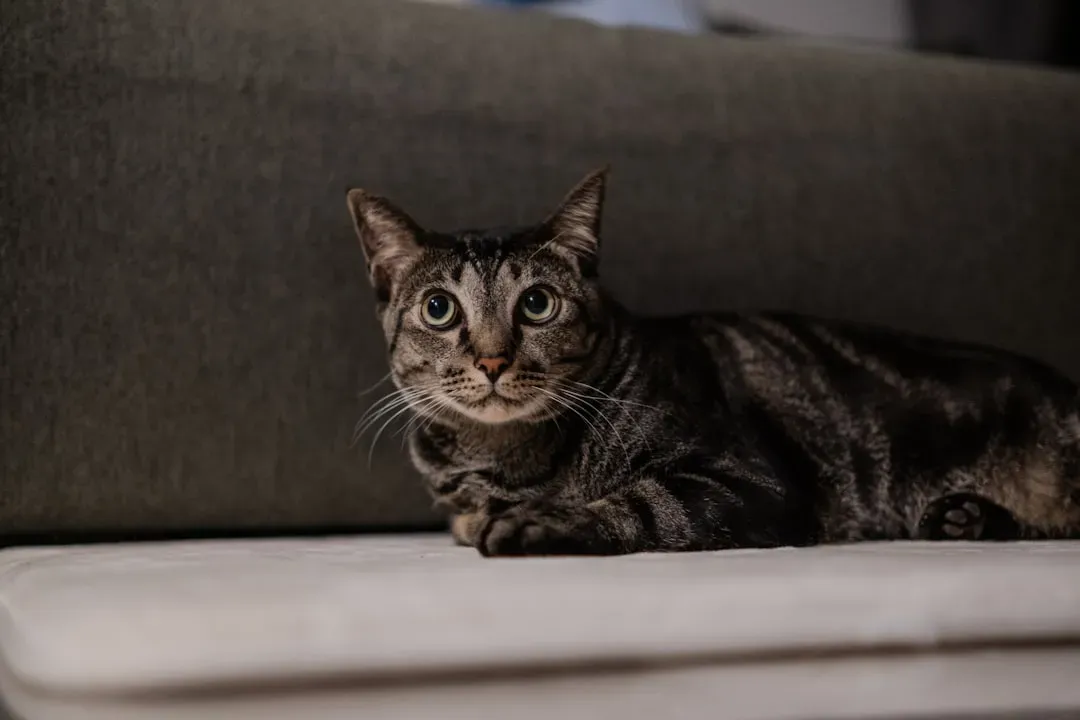
Your senior cat has probably made it very clear that everything they need should be conveniently located. It’s a good idea to install litter boxes on every floor so older cats should have easy access to food, water, and litter boxes. This might seem like they’re getting spoiled, but it’s actually genius environmental management.
Your cat has essentially restructured your entire home layout to suit their needs. Making sure elderly cats have quick and easy access to necessities, with multiple litter boxes and food and water dishes, means wherever your cat goes they don’t have to travel too far. The way you’ve rearranged furniture, added ramps, and positioned resources throughout the house demonstrates that your senior cat’s influence over the household remains absolute.
Maintaining Consistent Daily Routines and Rituals
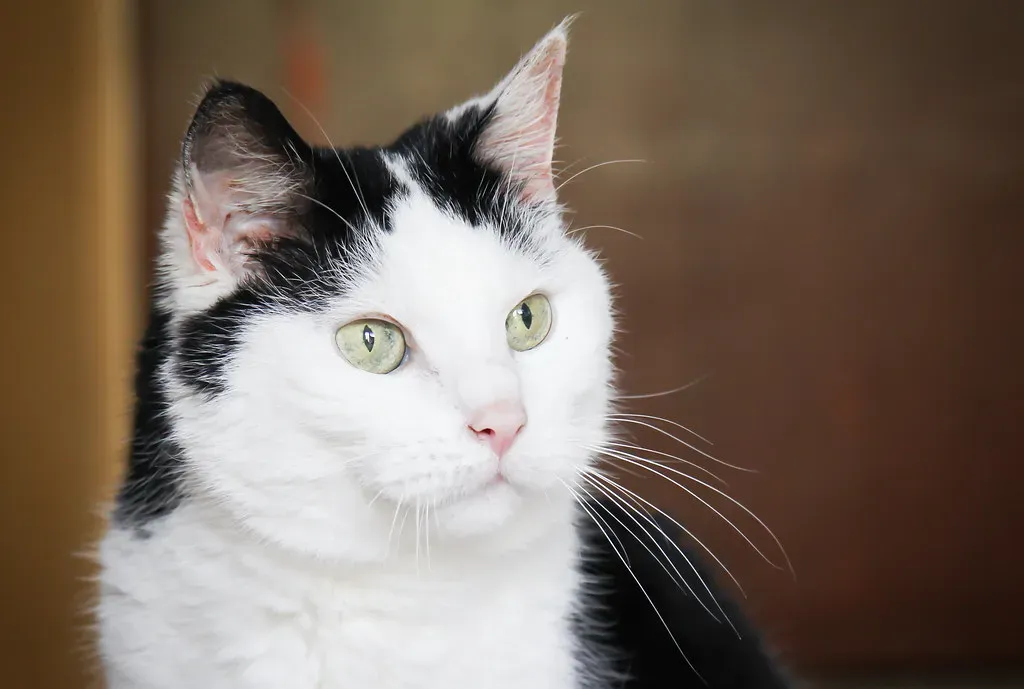
Cats are creatures of habit, and they become even more set in their ways as they age, so keeping your senior cat on a set schedule of feedings, naps, and play times isn’t just helpful – it’s required by feline law. Your cat has established these routines over years of careful training, and they expect you to honor them.
Notice how your cat appears at specific times for meals, play sessions, or cuddle time? Cats love routine, and that becomes even more true with age, so keeping mealtimes and playtime consistent shows respect for their established kingdom protocols. The predictability comforts them while reinforcing that they’ve successfully trained you to meet their needs like clockwork. That’s not dependency, that’s effective leadership.
Your senior cat may move a bit slower and sleep a bit longer these days, but make no mistake: they’re still very much the boss of your household. These cozy habits aren’t signs of decline but rather evidence of refined leadership and strategic comfort management. Your aging feline has simply evolved their ruling style from active enforcement to comfortable supervision, and honestly, they’ve never been more effective at getting exactly what they want. The question isn’t whether – it’s whether you’ve fully accepted your role as their devoted subject. What do you think? Has your senior cat trained you as well as you think, or are they still working on perfecting your servant skills? Share your stories in the comments.