You think you’re doing everything right. You feed your cat premium food, keep the litter box clean, and shower them with affection. Yet something feels off in your relationship with your feline companion. Maybe they hide when you enter the room, or perhaps they flinch when you reach out to pet them.
Here’s the thing: cats are masters at hiding their discomfort until it becomes unbearable. Trust forms the foundation of every meaningful relationship between humans and cats, yet many well-meaning cat owners unknowingly damage this delicate bond through subtle mistakes that seem harmless on the surface. Let’s be real, most of us approach cat ownership with a dog mentality, and that’s where the trouble begins. So let’s dive in and uncover the hidden ways you might be pushing your cat away.
Forcing Physical Affection When Your Cat Says No
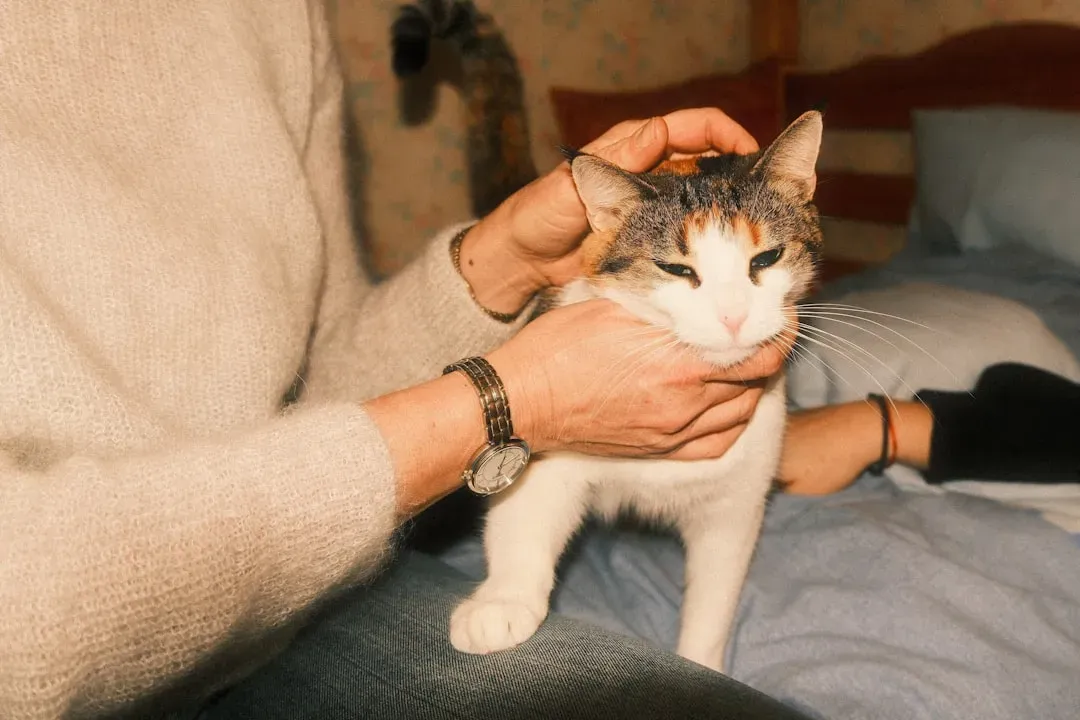
One of the fastest ways to shatter your cat’s trust is ignoring their body language when they’ve had enough. You know the scenario: you’re petting your cat, they seem content, and then suddenly they swipe at you. What happened?
Most cats show warning signs before striking, such as tail thrashing, ears flattening, or skin rippling along the back, and cats can become overstimulated during petting sessions, especially on sensitive areas like the belly or base of the tail. When you ignore those signals, you’re basically telling your feline that their attempts to communicate don’t matter. Forcing affection is how you lose their trust.
Think about it from their perspective. Imagine someone continually invading your personal space after you’ve politely declined. When you ignore these clear warning signs, you’re essentially telling your cat that their communication doesn’t matter to you, which creates anxiety and mistrust that can last for weeks.
Misreading the Exposed Belly Signal
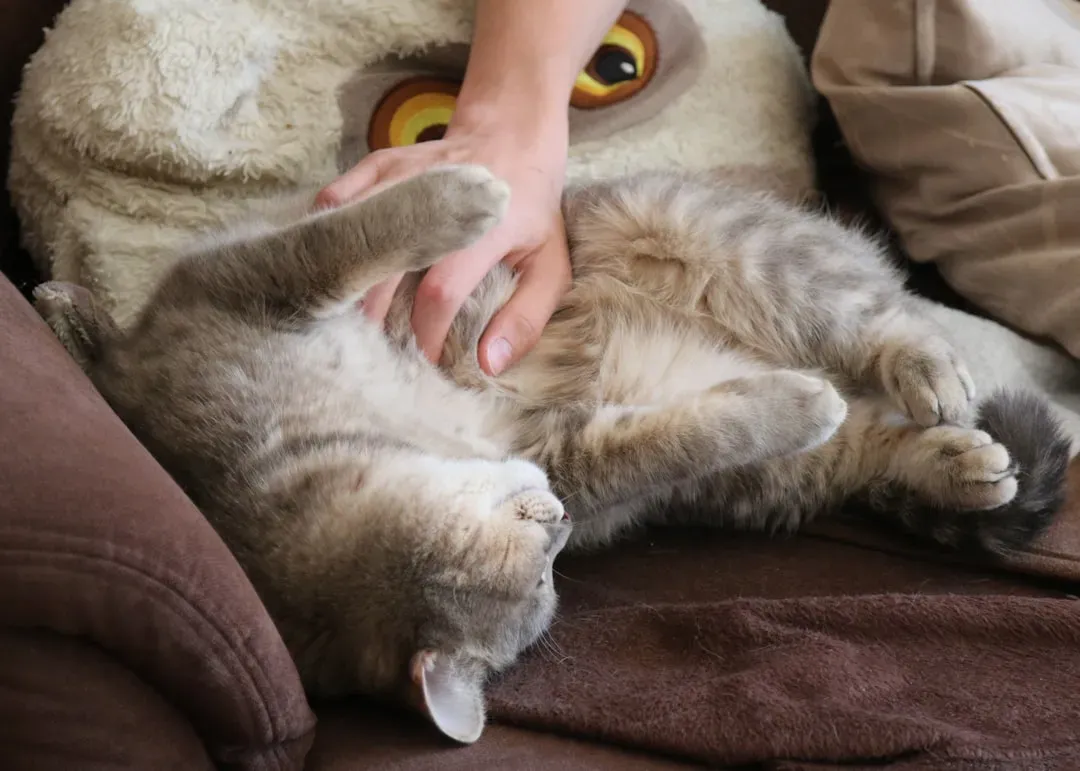
Picture this: your cat rolls over, exposing that fluffy belly, and you immediately dive in for a rub. Within seconds, all four paws are wrapped around your hand, claws deployed. You’ve fallen into what I call the belly trap.
The exposed belly represents one of the most misunderstood cat behaviors, leading countless owners to break trust without realizing it, because the exposed belly is a sign of comfort and trust, but it is not necessarily an invitation for a belly rub. It’s honestly one of the most confusing signals cats send. They’re showing vulnerability and comfort in your presence, not requesting a massage.
Many people have touched a cat’s stomach only to have its owner instantly seize up, latching onto their hand with claws and teeth, and this violation of boundaries can damage trust for weeks or even months. Instead, appreciate the gesture for what it is: a compliment. Your cat feels safe enough around you to expose their most vulnerable area. Don’t ruin the moment by touching it.
Using Punishment Instead of Understanding
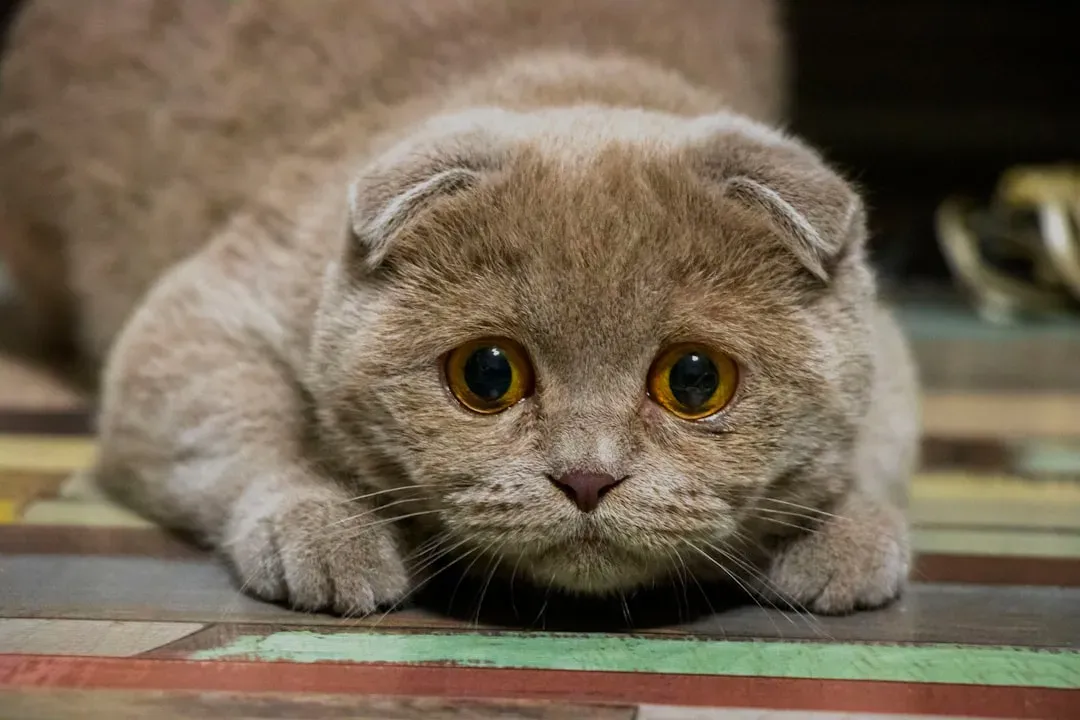
Yelling at your cat for knocking over that vase? Spraying them with water for scratching the couch? These tactics might work temporarily, but they come at a devastating cost to your relationship.
Punishment-based training is never a good idea with kitties, as punishing your fur friend will only result in a lack of trust between you, and this is a fatal mistake for cat owners because a distrustful cat is more likely to become withdrawn or try to run away and escape. The moment you raise your voice or use physical correction, you transform from trusted companion to potential threat in your cat’s eyes.
Cats don’t understand punishment the way dogs might. Cats learn primarily through association, and it might not be the association you’re expecting. When you spray your cat with water, they don’t think “I shouldn’t scratch the furniture.” They think “This person is unpredictable and dangerous.” That’s a massive difference in understanding, one that costs you their trust.
Ignoring Their Need for Personal Space and Choices

Being a space invader is a common way to lose out on a cat’s good feelings toward you, so allow your cat to come to you rather than charging toward your cat or picking them up. I know it sounds crazy, but the more you chase your cat for cuddles, the less they’ll want to give them.
Give your cat choices and respect the choice she ends up making, because letting your cat decide what she wants to do will build her confidence and help her learn that you are not going to force her to do anything, as cats become stressed when they have no control over their environment. This applies to everything from where they nap to whether they want to play right now.
Think about someone constantly picking you up and moving you around against your will. Exhausting, right? That’s exactly how your cat feels when you insist on carrying them around or forcing them onto your lap.
Creating an Unstable or Unpredictable Environment
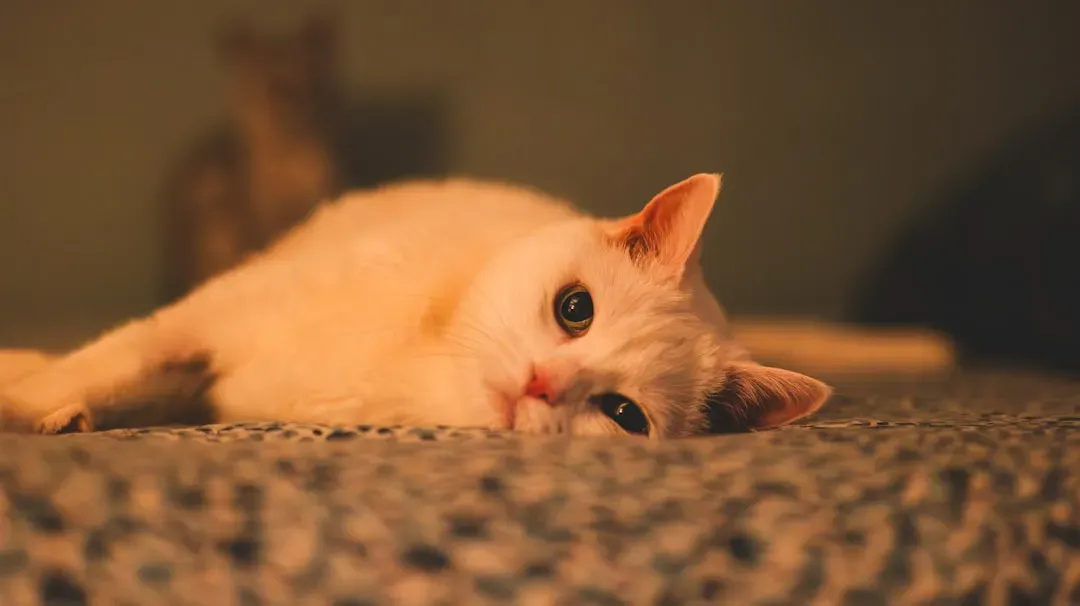
Cats are not usually big on surprises, so keep things predictable, and if they are used to you walking by and continuing to move when they are eating, don’t change it up by stopping to offer any affection. Routine matters more to cats than almost any other aspect of their environment.
Try to move and speak in ways that won’t surprise or startle your cat, don’t lunge suddenly or stomp on the floor, and try to keep a steady, calm voice, as this applies to all times, not just when you’re directly interacting with your cat. Loud noises, sudden movements, and unpredictable behavior create constant anxiety.
Sudden changes in the environment, like moving to a new home, can be unsettling for cats, and negative experiences, such as loud noises or rough handling, can also contribute to distrust. Your cat needs to know what to expect from you and their environment to feel truly secure.
Neglecting Mental Stimulation and Environmental Enrichment
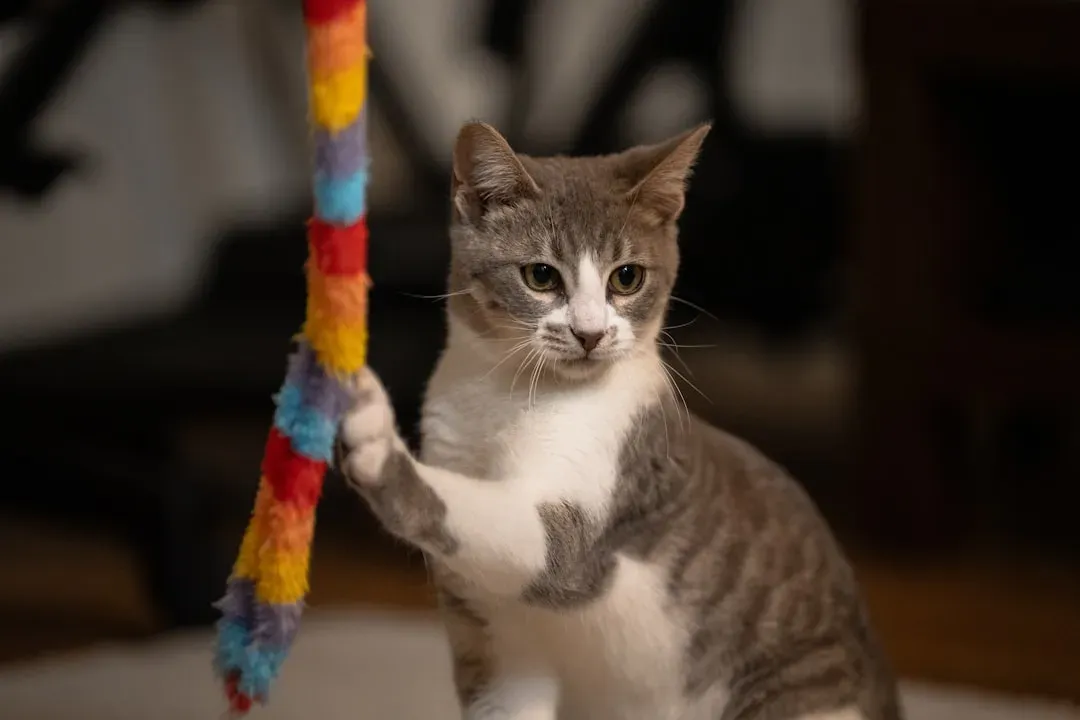
Bored cats aren’t just annoying. They’re deeply unhappy cats, and unhappy cats don’t trust easily. Cats require mental and physical exercise through interactive toys and puzzles to prevent boredom and destructive behavior, and providing appropriate outlets for natural behaviors like climbing and scratching helps cats feel more secure and content.
When your cat knocks things off the counter or tears up your furniture, they’re not being spiteful. They’re trying to tell you something important: their natural instincts have nowhere to go. Cats are hunters and climbers by nature. Without proper outlets for these behaviors, they become stressed and frustrated.
Cats have excellent memories and will associate human contact with discomfort if these patterns continue, which can make routine care activities like grooming, nail trimming, or medical examinations much more challenging. A stimulated, happy cat is far more likely to trust and bond with you than one climbing the walls from boredom.
Mishandling Veterinary Visits and Medical Care
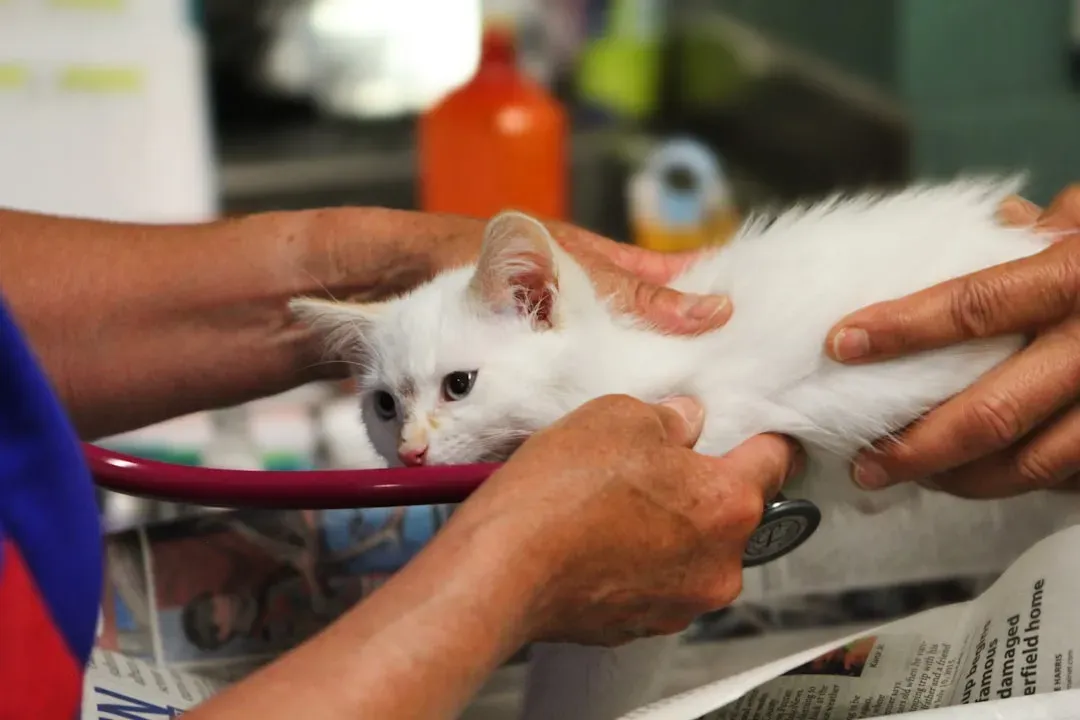
Let’s talk about something most cat owners dread: vet visits. Veterinary visits, although essential for your cat’s well-being, can often be stressful and upsetting to cats, with a trip to the vet involving stressors such as cat carriers, car journeys, and other pets, and this stress and upset may lead to cats acting differently after the visit and appearing like they don’t trust their owners.
As cat owners, we often underestimate the effect we may have on our cats, as our emotions rub off on our pets and they can sense when we’re upset or stressed, and if you’re anxious about the veterinary visit, it’s likely that your cat will pick up on this, and in turn, worsen their own anxiety. Your stress becomes their stress, amplifying an already difficult situation.
The good news? Your cat will definitely trust you after you bring them to the vet; they just need some time and understanding. Proper carrier training, staying calm yourself, and giving them space afterward can make all the difference.
Failing to Learn Their Communication Language
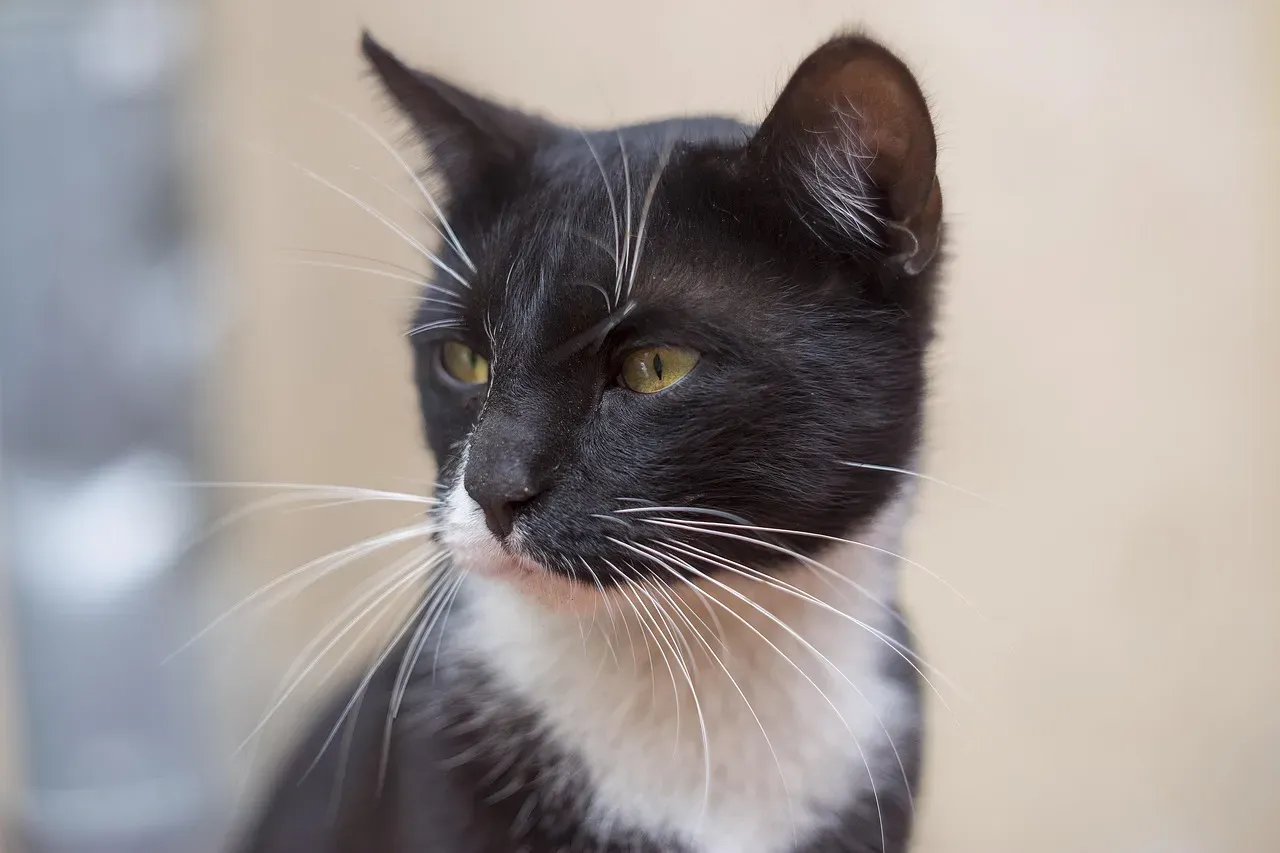
Here’s where most people truly fail their cats: they simply don’t bother learning how cats actually communicate. Cats communicate through an intricate system of postures, tail movements, ear positions, and facial expressions, and when we miss these signals, we end up confused, scratched, and wondering if our cats actually hate us, but learning to read these signals prevents trust-breaking incidents before they happen.
Your cat has been screaming warnings at you this whole time. You just haven’t been listening. Cats have excellent memories and will associate human contact with discomfort if these patterns continue, which can make routine care activities like grooming, nail trimming, or medical examinations much more challenging.
The difference between a trusting cat and a distant one often comes down to this: Do you pay attention to what they’re telling you? A twitching tail, flattened ears, dilated pupils – these aren’t random movements. They’re a language, and it’s high time you learned to speak it fluently.
Conclusion
Building trust with your cat isn’t rocket science, but it does require something many of us struggle with: patience and genuine respect for their boundaries. The mistakes we’ve explored aren’t always obvious, and that’s precisely what makes them so dangerous to the bond you share with your feline friend.
It’s much easier to build your cat’s trust from the get-go then to try to rebuild it after you’ve broken it; however, cats are often forgiving creatures and they don’t hold grudges, and with time, you can improve or repair the relationship with your cat to one of comfort, ease, and predictability. The path forward starts with awareness – recognizing these patterns in your own behavior and making conscious changes.
Your cat is capable of forming a deep, meaningful bond with you, but only if you’re willing to meet them on their terms rather than yours. Stop treating them like small dogs or furry roommates. Start seeing them as the complex, sensitive creatures they truly are. What changes will you make today to strengthen your bond with your feline companion?