There’s a widespread belief that cats are selfish little creatures who only care about their next meal and a warm patch of sunlight. Honestly, I get it. They can seem indifferent, mysterious, and downright unbothered by your entire existence. Most people hand that title of “loyal protector” straight to dogs without a second thought.
Yet here’s the thing – what if your cat has been quietly watching over you this whole time, and you simply didn’t know how to read the signs? The truth about feline guardianship is far more fascinating than most people give it credit for. Be surprised by what you’re about to discover.
Following You From Room to Room Like a Fluffy Shadow
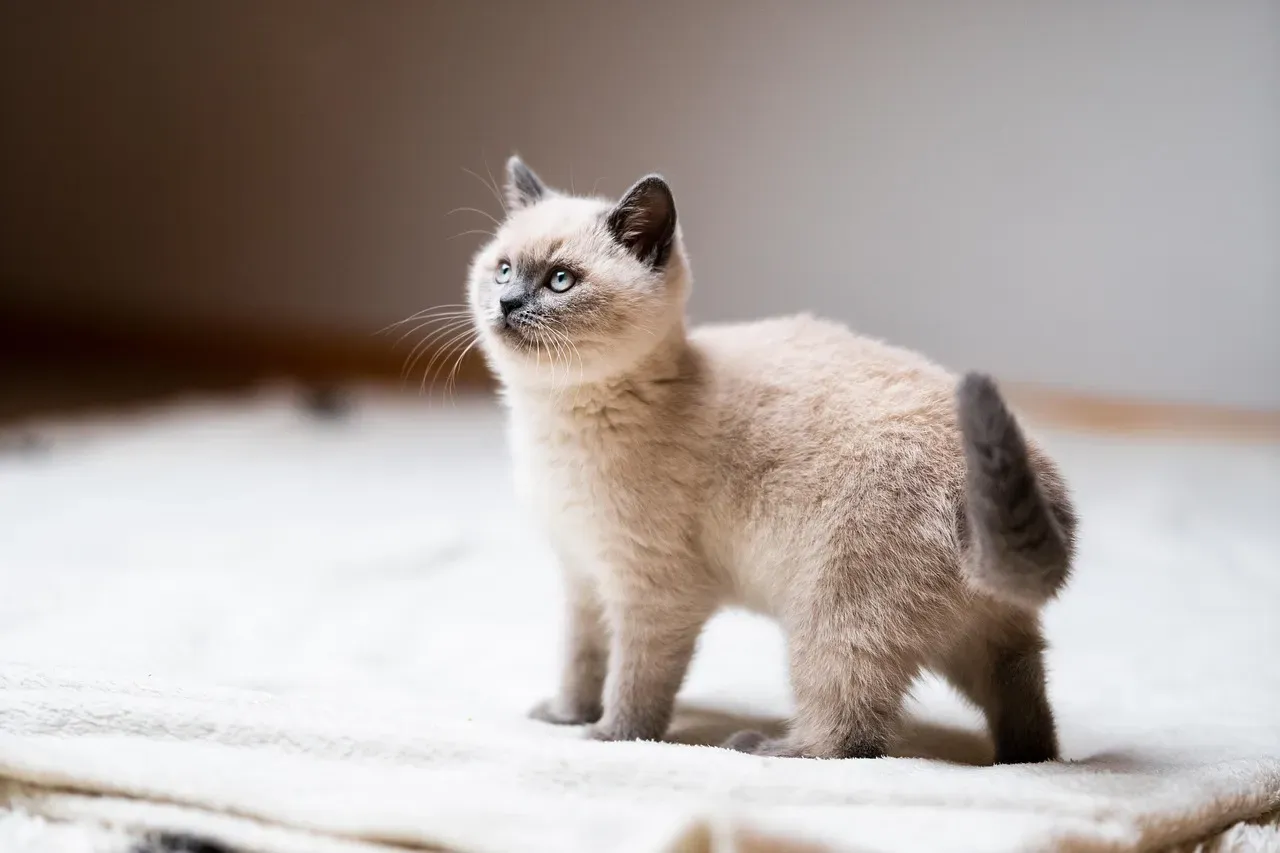
You’ve probably noticed it. You get up to grab a glass of water, and suddenly there are tiny paws padding right behind you. You switch rooms, and there’s your cat, already sitting in the doorway like they knew you were coming. When your cat trails you from room to room, it’s often a sign of both attachment and vigilance – cats that feel bonded to their owners like to stay within sight to ensure everything is safe.
If your cat follows you more closely when you’re upset or unwell, it may be expressing protective concern. Think of it like a tiny, fur-covered bodyguard who never clocks out. The shadow behavior isn’t clinginess – it’s loyalty expressed in the most feline way possible.
Sleeping Strategically Near You at Night
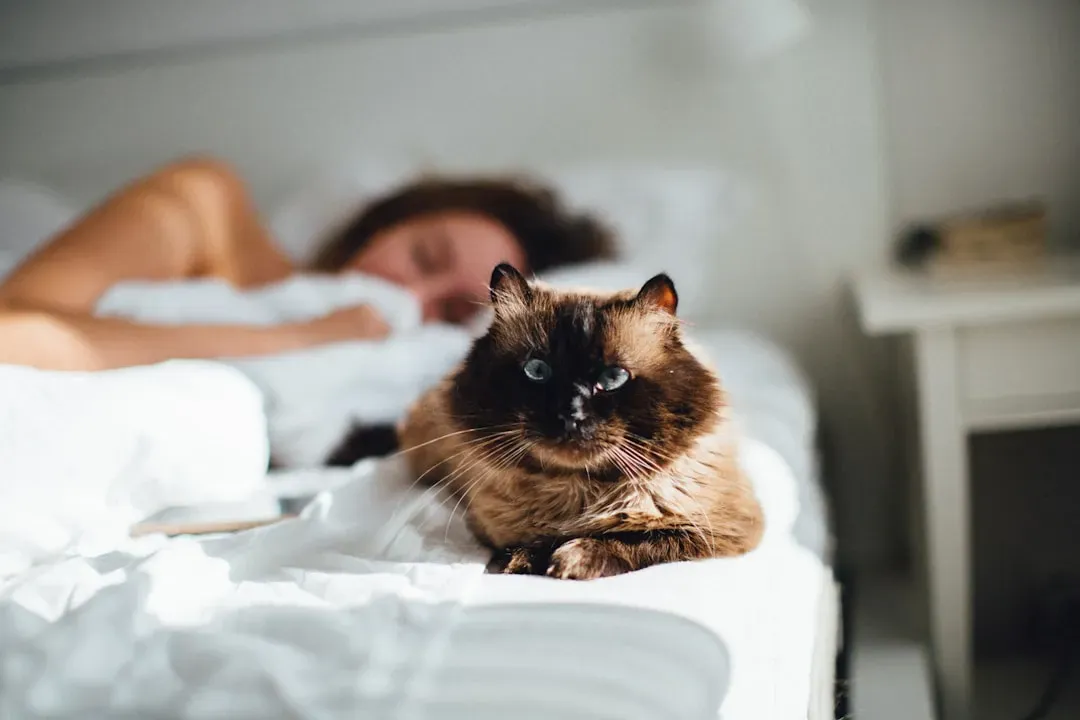
Cats know they’re vulnerable when they sleep, so sleeping with you means they can protect themselves better from danger. Sleeping near the foot of the bed gives your cat a good view of the room so they will be alerted at the first hint of trouble. It’s almost like choosing the best seat in a theater – maximum visibility, maximum control.
Cats that sleep close to or on their owner’s bed may be providing comfort while subtly keeping watch, particularly if they rest by the door or foot of the bed. So the next time your cat curls up at your feet instead of anywhere else in the house, know that this is no accident. You are their chosen safe zone, and they are yours.
Reacting to Unfamiliar Sounds Before You Even Hear Them
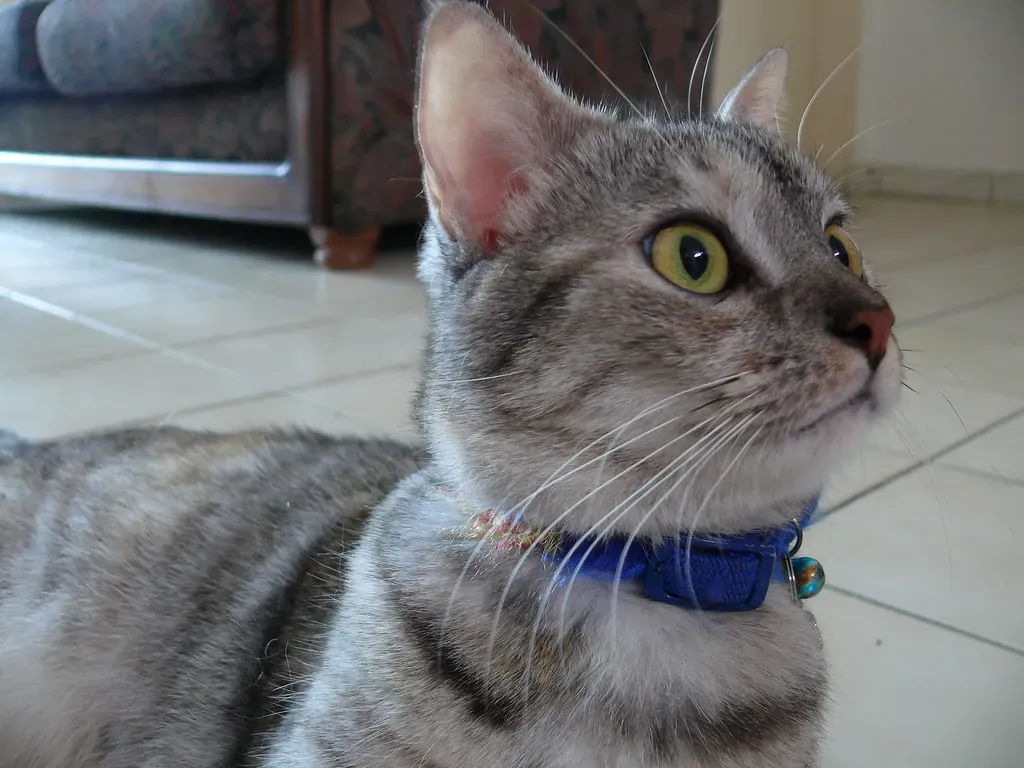
Here’s something that should genuinely impress you. Cats have extraordinarily sharp senses, with hearing being their forte. They can detect faint noises much earlier than we can. While they might not confront an intruder like a dog, their heightened awareness can serve as an early warning system. That sudden snap of their head toward the wall at 2 a.m.? Pay attention to that.
Even while resting, a cat’s sharp hearing remains active, and they may react to unfamiliar sounds to ensure there’s no immediate threat. It’s like having a living, breathing alarm system that also happens to knock your cup off the counter. Cats can sense even minor changes in their atmosphere, so having a pet cat isn’t all that different from having a guard dog – just because they don’t bark when they see an intruder doesn’t mean they aren’t warning you.
Positioning Themselves Between You and a Perceived Threat

A protective cat stays alert, positions itself between you and the perceived threat, and may display defensive body language such as a puffed tail or focused stare. This is no small thing. For an animal that weighs maybe five kilograms, stepping in front of a stranger or another animal takes real instinctual courage.
Cats may exhibit behaviors that appear protective when they perceive a threat to themselves or their family. While their small size typically means they rely more on warnings or deterrents than direct confrontation, some cats may display behaviors such as hissing, growling, or blocking access to their owner. It’s not subtle when it happens. You’ll know your cat has switched into guardian mode because the energy in the room shifts entirely.
Alerting You to Medical Emergencies With Unusual Persistence
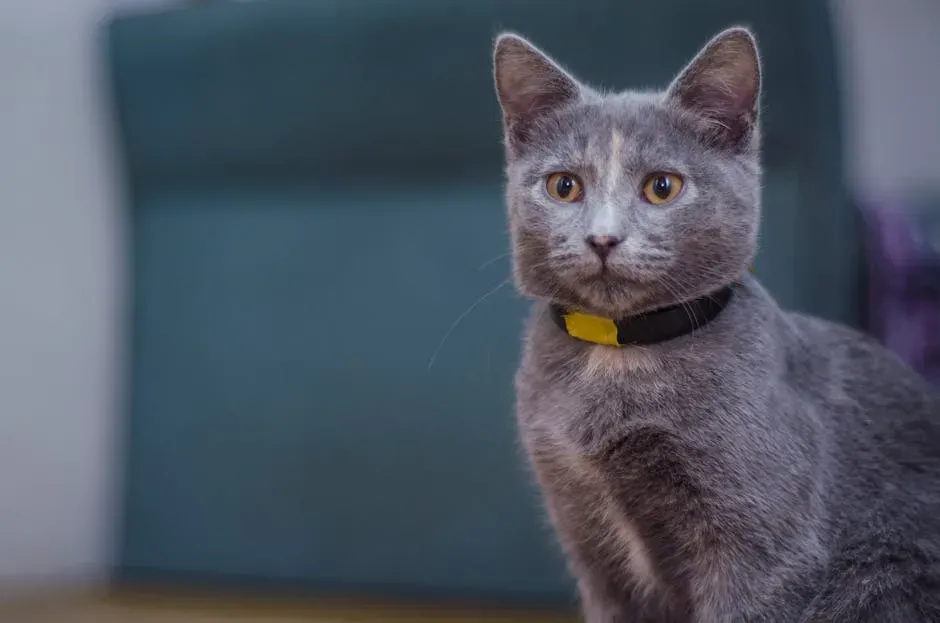
This one genuinely makes the hairs on your arms stand up. A cat named Pudding saved his new owner, Amy Jung, by waking her during a diabetic coma, then alerting her son to call for help. That’s not a lucky coincidence. That’s something remarkable happening between species.
Another cat, Tiger, persistently pawed at his owner’s left side, which led to the detection of stage 1 lung cancer, potentially saving his life. Cats can sense changes in atmospheric pressure around them and smell chemical changes that occur in the body when others are ill. That nose of theirs is essentially a medical scanner wrapped in soft fur – and most of us never even realize it.
Bringing You “Gifts” as a Guardian’s Offering
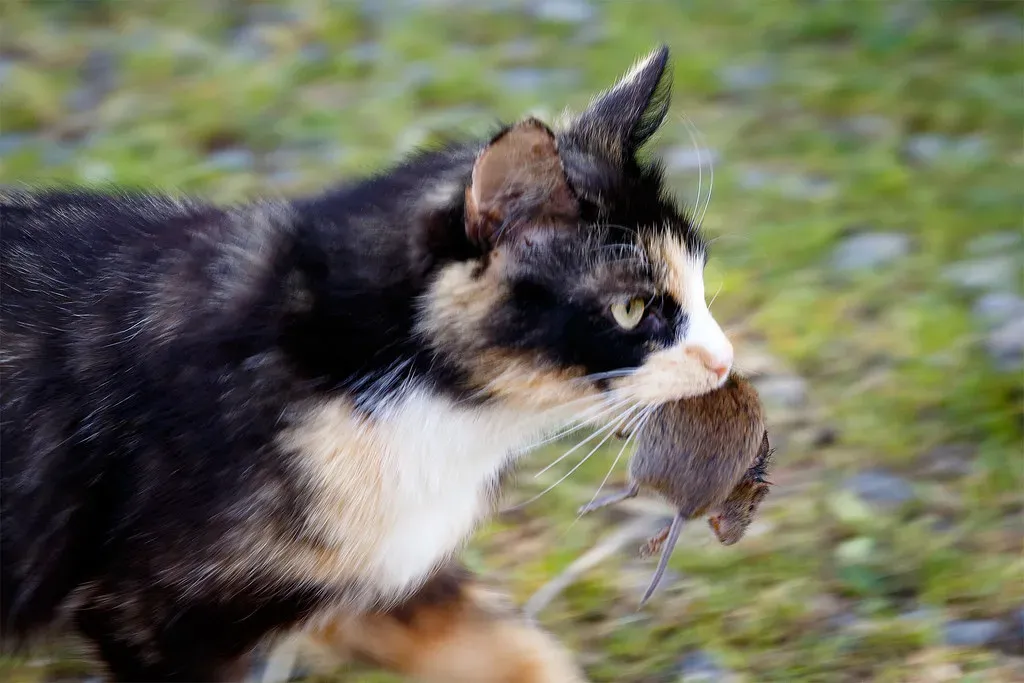
I know, I know. Finding a dead mouse on your doorstep at sunrise is not exactly the gift you had in mind. Cats will bring gifts to you as a token of friendship, to thank you for feeding them, or to make sure you’re getting enough food – they’re essentially trying to teach you how to hunt. In their mind, they are literally providing for you. You are being cared for.
It’s a guardian behavior rooted deep in feline instinct. Think of it this way – a protective parent stocks the fridge. Your cat stocks it with whatever they caught in the garden. The intention behind the gesture is the same: making sure you survive and thrive. It’s oddly touching once you get past the initial shock of it.
Head-Butting and Scent-Marking You as “Theirs”
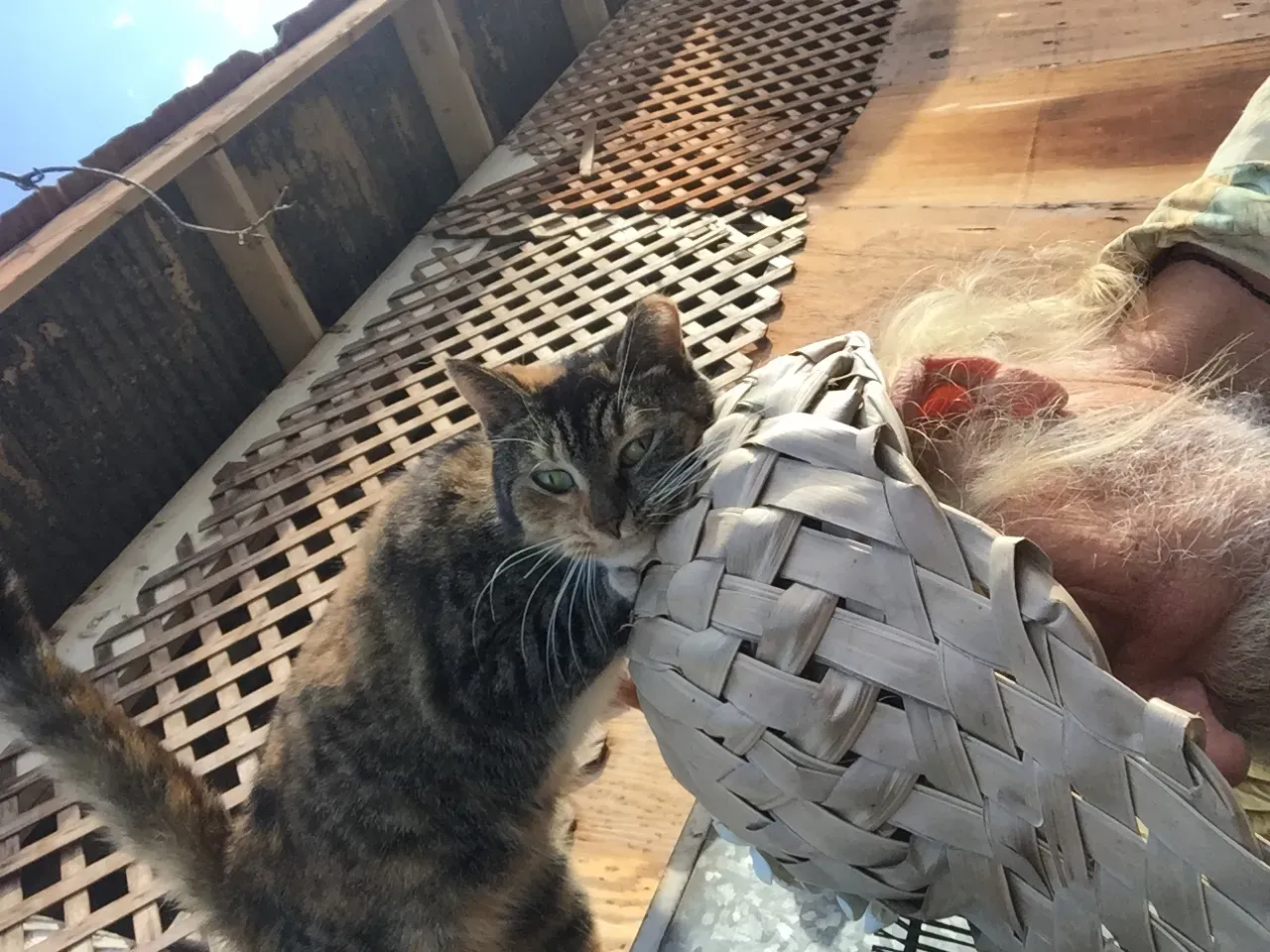
Cats rub the side of their face against you or bump their head into you to say hello, a behavior also known as “bunting.” Rubbing their muzzle and whiskers deposits the feline facial pheromone onto you or whatever else they’re rubbing. This helps to mark the object as safe and familiar and may signify ownership by the cat. Yes – your cat thinks they own you. Honestly, fair enough.
Cats demonstrate several territorial behaviors, primarily through marking. You’ve seen it when your cat rubs their cheeks and body against items in your home, including you and your family. When your cat does this to you, they are essentially broadcasting a message to every other creature in the area: this human is under my protection. It’s territorial, possessive, and – let’s be real – completely endearing.
Guarding You During Your Most Vulnerable Moments
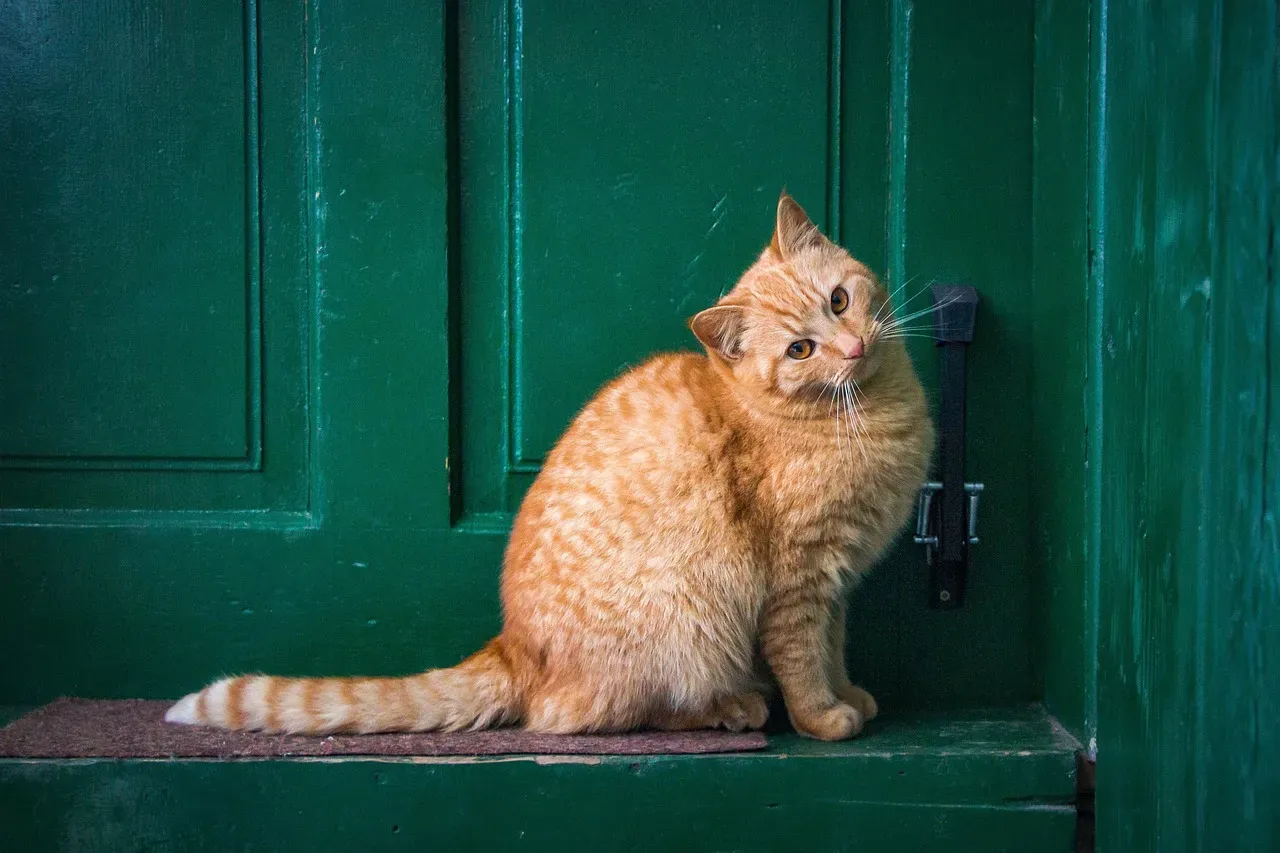
Think about when your cat follows you into the bathroom and sits outside the door, staring at you like a very judgmental little sentry. Guarding is a common, normal behavior in cats. Although we’ll never know exactly what it is about bathrooms that triggers this behavior, there are several possibilities, and affection is top of the list – so while you use the bathroom under the watchful eye of your cat, it can be comforting to know that it’s most likely just their quirky way of showing love.
Feline protection stems from both evolutionary and emotional roots. In the wild, cats are territorial animals that rely on vigilance to survive. When domesticated, this instinct doesn’t disappear – it simply redirects toward their human family. Your home becomes their territory, and you become part of their social group. Protecting you, therefore, is an extension of protecting their domain. That stare from across the bathroom tile? Pure, unfiltered guardianship.
Your Tiny Guardian Has Always Been There
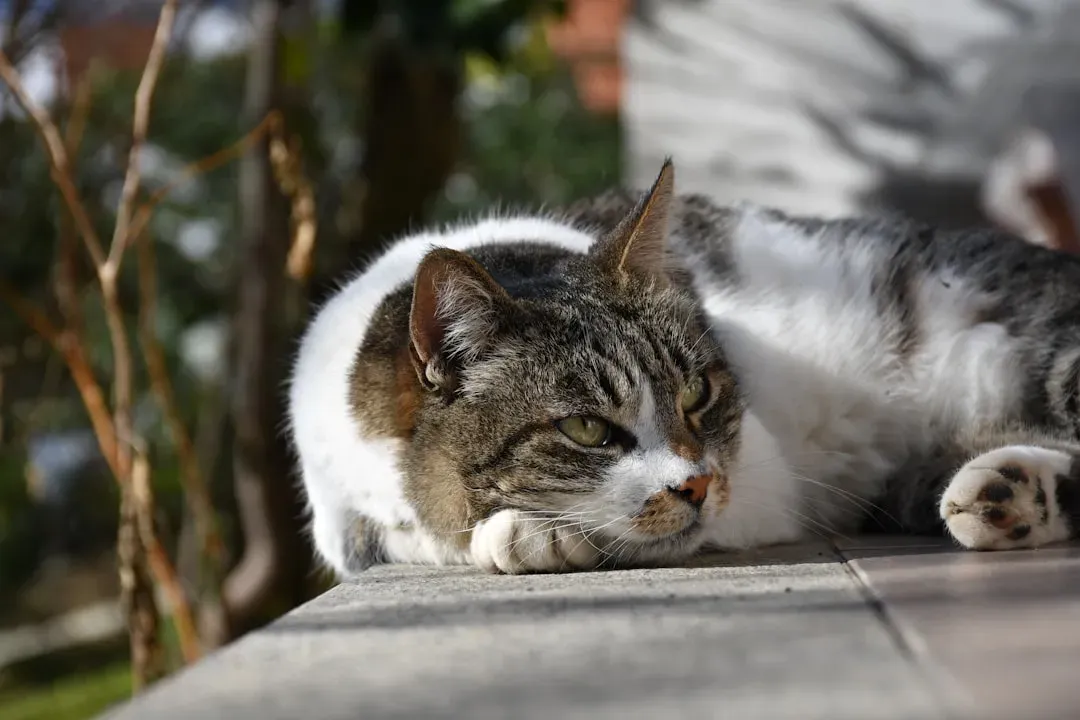
It’s easy to overlook the quiet loyalty of a creature that rarely makes a scene about it. Dogs are celebrated for their protective instincts precisely because they’re loud and obvious about everything. Cats, on the other hand, operate more like silent security – always observing, always attuned, always a step ahead of whatever might be lurking around the corner.
Cats are often seen as independent and aloof creatures, but beneath their calm exterior lies a deep sense of loyalty and awareness toward their human companions. While they may not guard you in the same way a dog would, cats have their own unique ways of showing protection. These behaviors can be subtle – sometimes so understated that owners mistake them for ordinary quirks. Yet, when you look closely, these actions reveal a cat’s instinct to keep you safe and comfortable within their shared environment.
So the next time your cat follows you down the hallway, tucks themselves against your feet at 3 a.m., or goes rigid at a sound you never even heard – pause. You’re not watching a quirky little animal being weird. You’re watching a guardian doing exactly what guardians do. They just do it with whiskers and a very unimpressed expression. Have you ever looked at your cat differently after noticing one of these behaviors? Tell us in the comments!