Cats are famously self-sufficient creatures. They clean themselves, entertain themselves, and sometimes seem to downright ignore you on purpose. Yet beneath that magnificent facade of independence lies an animal with very real, very specific needs that, when met properly, can literally add years to your cat’s life. The difference between a cat that merely survives and one that genuinely thrives often comes down to a handful of thoughtfully chosen essentials in your home.
Whether you’re a brand-new cat parent nervously scrolling for answers, or a seasoned feline enthusiast looking to upgrade your setup, this guide covers the eight items that matter most. Some of these might seem obvious. Others might genuinely surprise you. Let’s dive in.
A Quality Cat Bed or Cozy Sleeping Space
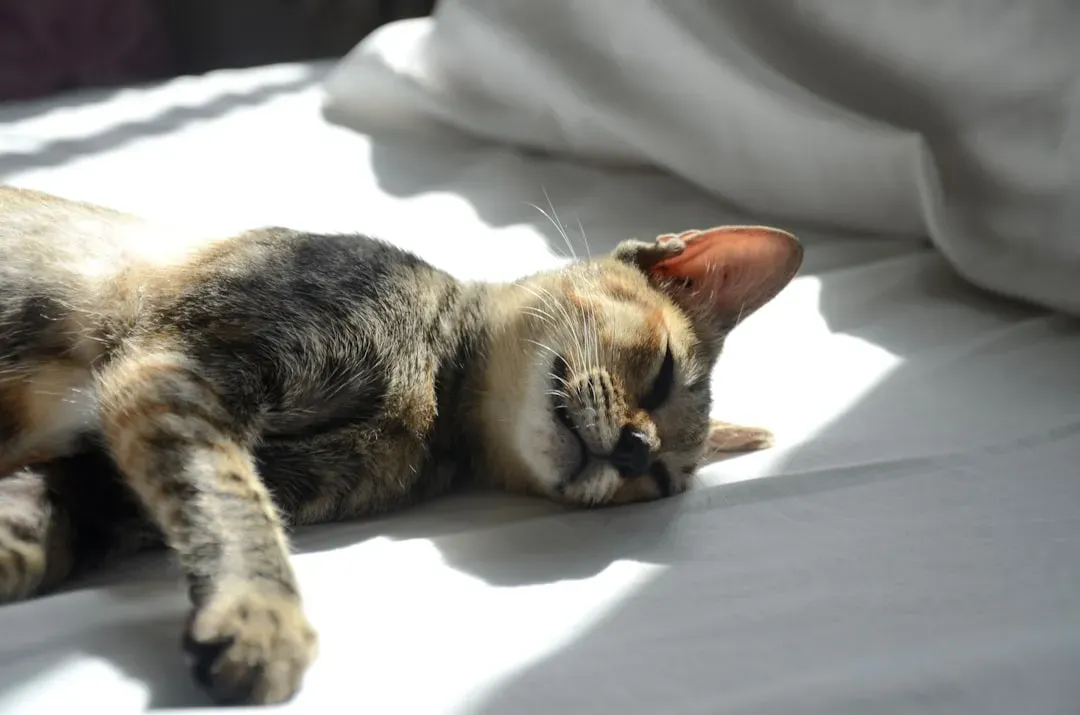
Here’s a fact that honestly blew my mind the first time I heard it: cats sleep between 12 and 16 hours per day, making comfortable resting spots an absolute essential. That’s more than half their lives spent horizontal. So yes, where your cat sleeps actually matters more than most people think.
Cats spend a major portion of their day sleeping, which is why comfortable resting items are so crucial. Soft, supportive, and warm materials help them feel protected and relaxed. It’s a bit like how you feel after a terrible night on a cheap mattress versus a good one. Your cat feels that difference too, even if they won’t admit it.
While a comfy cat bed is an obvious choice for many pet parents, not all felines are immediately drawn to them. You’ll learn your cat’s particular preferences over time, but they’ll still need a safe and warm spot to curl up in. Try offering both a dedicated bed and some blankets to give your pet multiple options for napping around the home.
Many cats also appreciate elevated resting spots where they can observe their surroundings. Cat trees and wall-mounted perches satisfy this instinct beautifully while providing comfortable places to nap. Think of it as your cat’s personal watchtower, bedroom, and throne all in one.
A Scratching Post That Actually Works
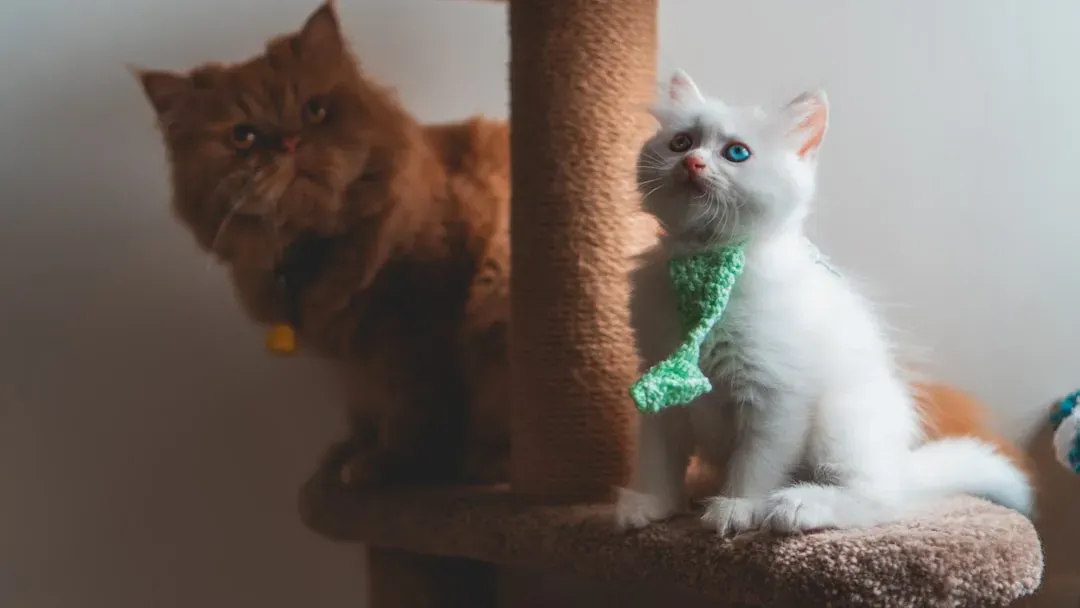
If your couch could talk, it would probably beg you to read this section very carefully. Having various types of scratchers in the house is vital for a cat’s mental and physical health. Scratching posts provide enrichment, help cats communicate through pheromones, and allow them to stretch their muscles. This is not optional. It is biology.
Cats claw as a way to mark territory, reduce stress, stretch, and take care of their nails. So when your cat destroys your furniture, they’re not being malicious. They’re simply doing what nature designed them to do. Your job is to give them a better outlet.
The scratching post should be tall enough to allow your cat to fully extend while scratching, so that their body can stretch out fully and pull those back and shoulder muscles, which is important for their health and flexibility. A post that’s too short is basically useless. Think tall, sturdy, and firmly planted.
Cats generally prefer nubby textures that they can dig their claws into for traction. This usually means sisal, corrugated cardboard, or carpet. For the longest-lasting scratcher, choose sisal, a durable natural fiber. It’s a small investment that saves your furniture and keeps your cat genuinely happy. That’s a deal I’d take every time.
A Clean and Properly Sized Litter Box
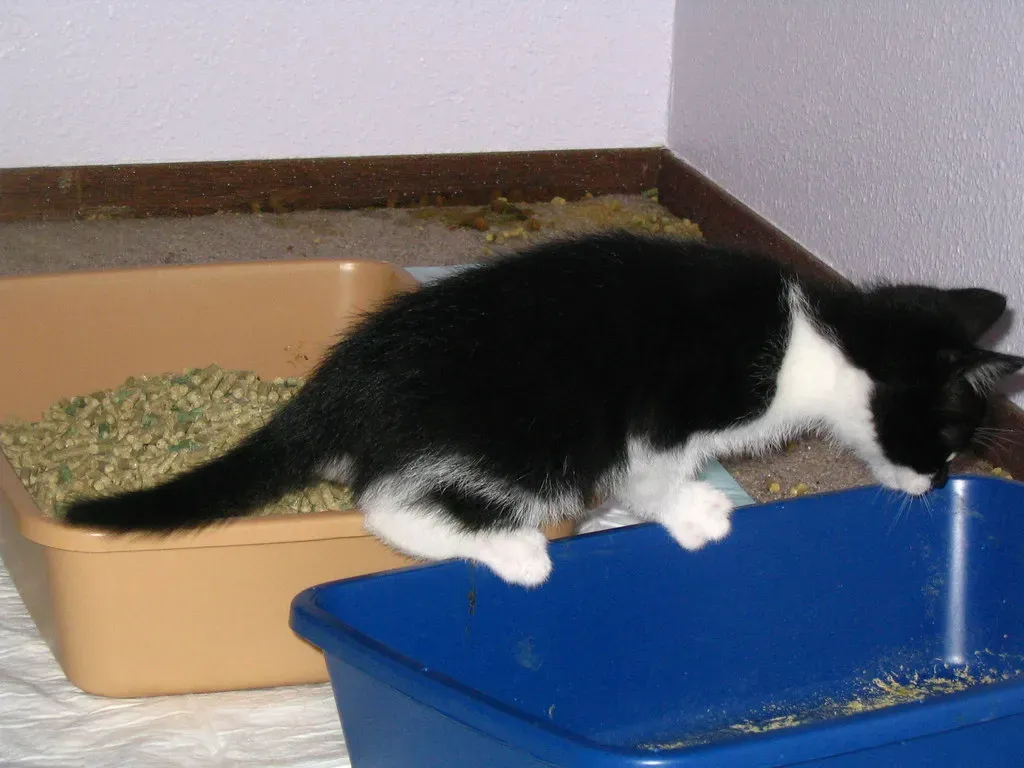
Let’s be real: nobody’s favorite topic is the litter box. Yet it’s arguably the single most important item on this list when it comes to your cat’s daily health and hygiene. The general rule of thumb is to have the same number of litter boxes as cats, plus one. Your cat should be able to comfortably enter the box and have plenty of room to perform their full elimination ritual of sniffing, digging, squatting, turning around, and covering up.
Many cats and kittens prefer open-topped litter boxes. You might want to start with a smaller box if your cat is very young and tiny so they can get in and out with ease. As your cat grows, always ensure they have plenty of room to move around inside. Cramped conditions cause stress, and a stressed cat is a cat that starts using your laundry pile instead. Not fun for anyone.
Low-traffic areas that offer privacy work best for litter box placement. Kittens and cats will snub a dirty box, so clean it daily to keep it inviting, and wash the litter box thoroughly with soap and water once a month. Think about it from your cat’s perspective: you wouldn’t use a filthy bathroom either.
A Cat Water Fountain for Better Hydration
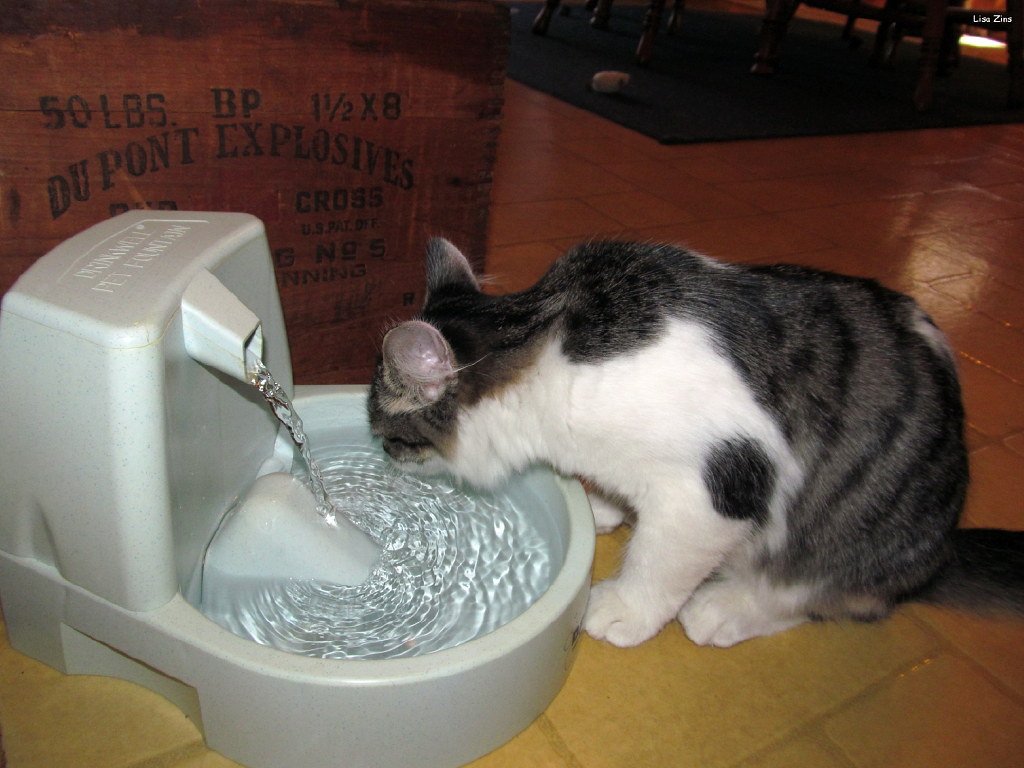
Cats are notorious for not drinking enough water. Their ancestors were desert dwellers, so they evolved to get much of their hydration from food. Modern cats, especially those fed primarily dry kibble, often fall well short in water intake. This can lead to trouble, including urinary tract infections, kidney issues, and other serious health concerns. I think this is one of the most underappreciated threats to indoor cat health.
Cats have a natural instinct to prefer running water, a preference that dates back to their wild ancestors, who relied on moving water sources to avoid stagnant, contaminated water. So that weird habit your cat has of batting at your faucet? That’s instinct, not mischief. A water fountain taps directly into that instinct.
Better hydration means a lower chance of painful health conditions like cystitis, bladder stones, and chronic kidney issues. Many veterinarians recommend water fountains as part of a preventative approach to urinary tract problems. That alone makes it worth every penny.
Cat water fountains come in different materials like stainless steel, ceramic, and plastic. Stainless steel and ceramic are popular because they are easier to clean and help keep water fresh. Plastic fountains are lower in cost but can attract bacteria if not cleaned properly. Go for stainless steel if you can. Your cat’s kidneys will thank you for it years down the road.
High-Quality Food and Feeding Bowls
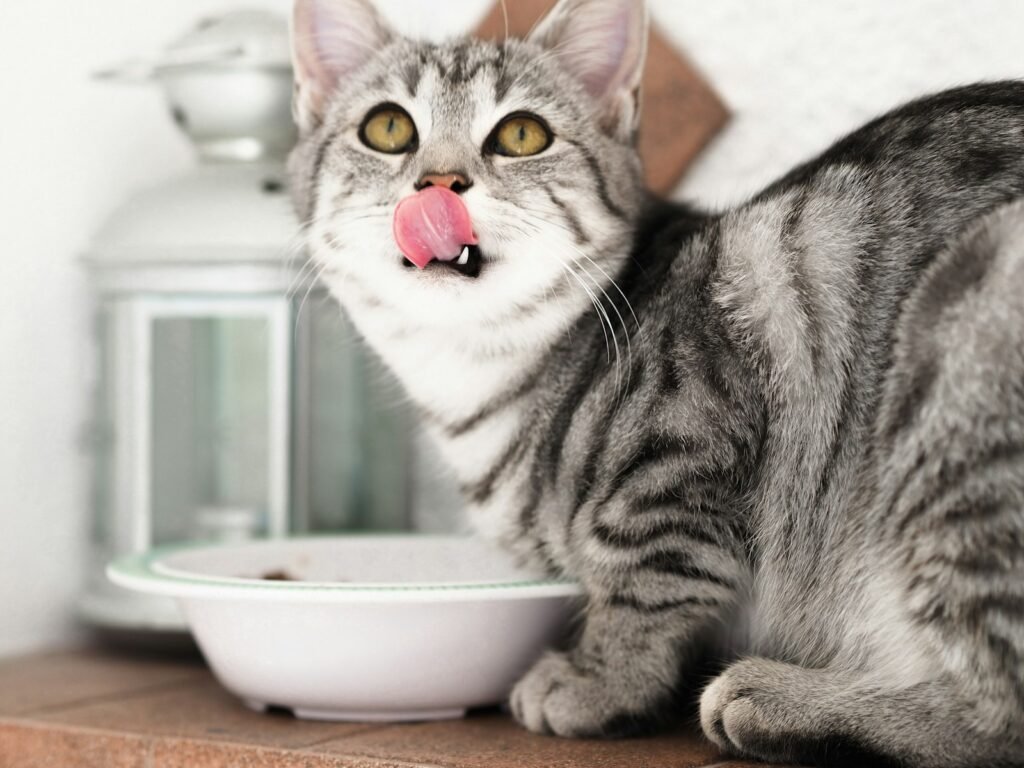
You are what you eat, and so is your cat. Keep in mind that your cat is an obligate carnivore and cannot eat all of the same foods as dogs or people. This isn’t just a dietary preference; it’s hardwired biology. A cat fed a poor diet will eventually show it, in their coat, their energy, and their long-term health.
Good feeding products also support healthy eating habits. Non-slip bases, easy-to-clean materials, and well-designed shapes make mealtime comfortable and mess-free, which is ideal for maintaining proper digestion and hydration. The bowl might seem like a minor detail, but it genuinely affects how comfortably your cat can eat.
For dishware, stainless steel, glass, or ceramic food and water bowls are highly recommended. Avoid plastic containers, as toxins in the plastic and the porous material encourage bacterial buildup, which can cause skin infections or even acne on your cat’s chin. Honestly, that’s a detail that catches most people completely off guard.
Interactive Toys and Mental Enrichment
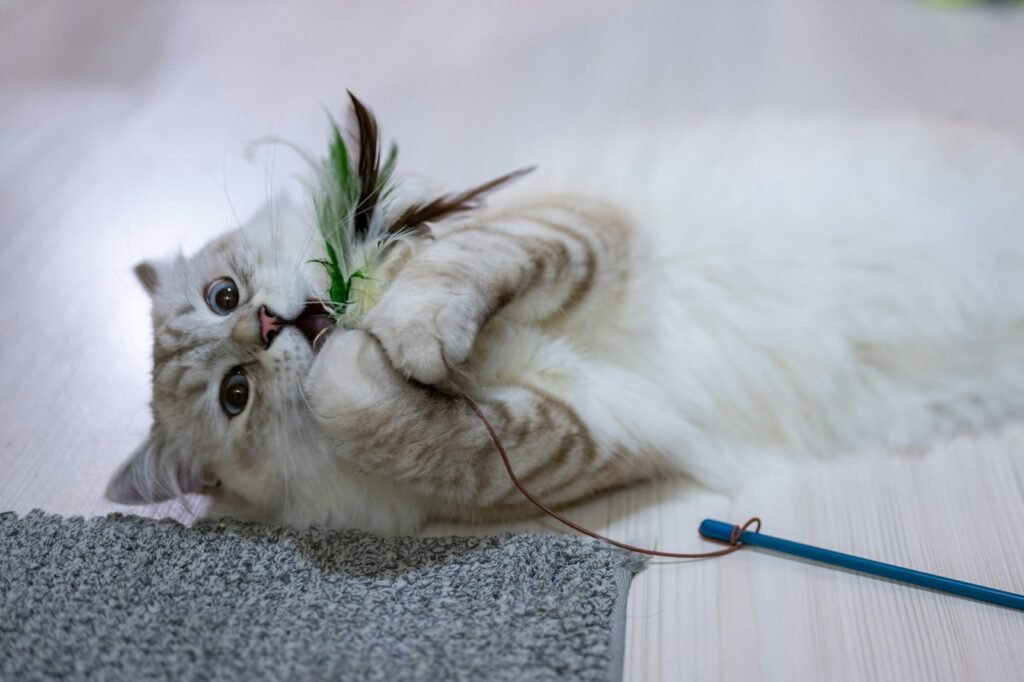
A bored cat is a destructive cat. Ask anyone who’s returned home to find their curtains shredded or their houseplants systematically dismantled. Cats are natural hunters, and products that stimulate their curiosity and hunting instincts keep them active and mentally sharp. Look for interactive, durable, and safe designs that encourage movement and problem-solving.
Interactive play keeps your cat mentally stimulated and physically active. According to the American Animal Hospital Association, regular play sessions help prevent boredom-related behavior issues and support healthy weight management. It’s the feline equivalent of going to the gym, minus the protein shakes.
A pet enrichment toy is anything designed to provide your cat with physical, cognitive, or sensory stimulation. These toys can be highly effective in curbing destructive behavior and are also a great way for your cat to burn energy and get excitement into their daily life. Rotate toys regularly so things stay fresh. Cats, much like curious toddlers, lose interest in the same thing after a while.
A Safe and Reliable Cat Carrier
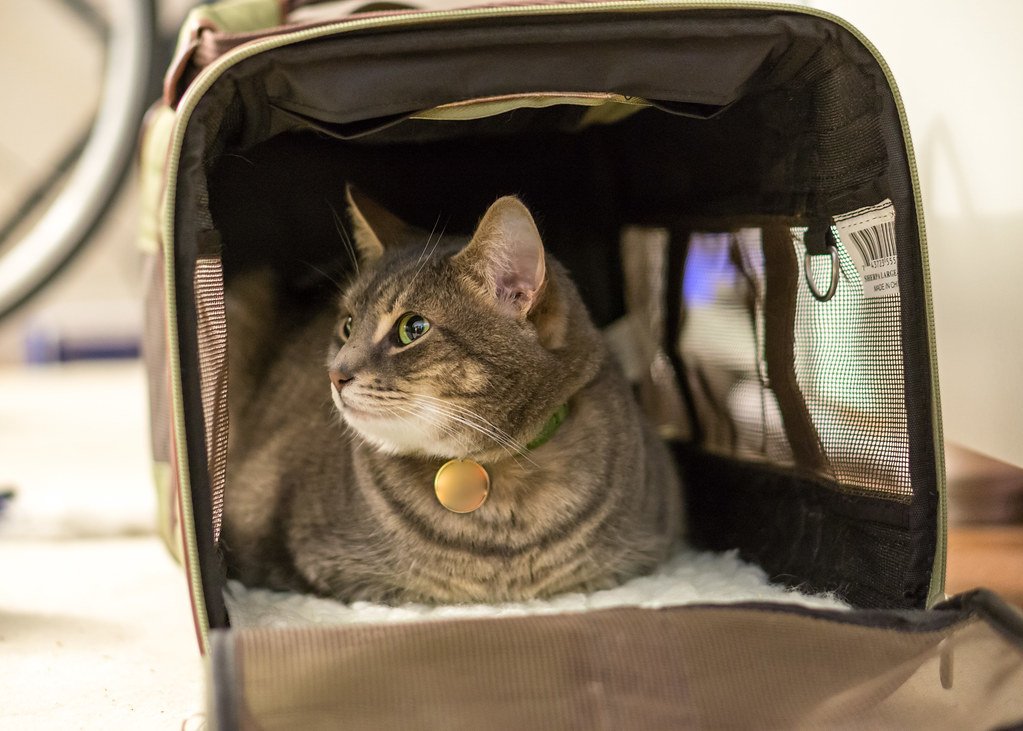
Most people only think about the carrier when it’s already time to rush to the vet. That’s a mistake. An appropriately sized pet carrier is extremely important for your cat’s long-term health and safety, even if you don’t plan on traveling with them frequently. Emergencies happen. Vet visits are non-negotiable. Having a good carrier ready is simply responsible ownership.
A reliable carrier is a must for vet visits, travel, and emergencies. Soft-sided models are lightweight and space-saving, while hard carriers offer more durability. It really comes down to your lifestyle and how often you’re on the move with your cat.
Familiar-smelling bedding and cat toys inside the carrier can help your cat be more comfortable, relaxed, and mentally stimulated if they need to be away from home. Stress is one of the primary concerns for cats during any kind of disruption, as it can lead to decreased appetite, issues with the litter box, and decreased immune function. Place a worn t-shirt or your cat’s favorite blanket inside the carrier regularly, so they associate it with comfort rather than dread.
Grooming Tools for a Healthy Coat and Body
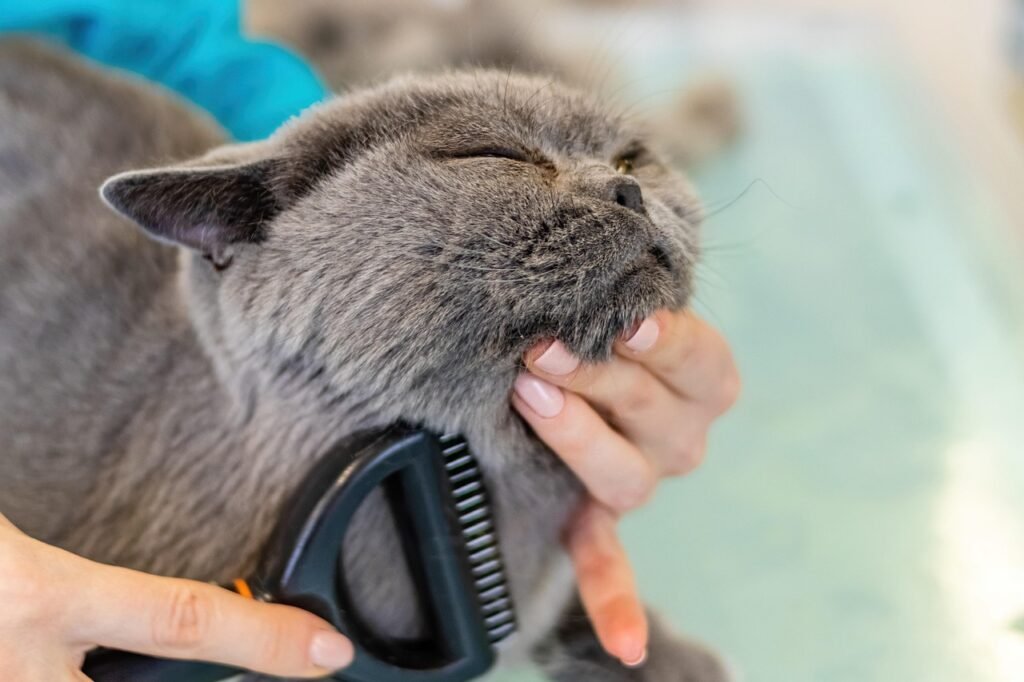
Cats are famously excellent self-groomers, but they still need your help more than you might expect. Regular grooming plays a significant role in cat well-being. It helps reduce shedding, prevent hairballs, and keep their coat clean and shiny. It’s also an opportunity to check for any skin issues, fleas, or lumps that could require a vet’s attention.
A sturdy brush is one of your cat’s most essential grooming supplies. If your cat has long hair, you’ll probably use the brush daily to keep their coat tangle-free. Short-haired cats don’t need brushing as frequently, but the activity is an excellent way to bond while reducing shedding. Think of it as a spa treatment your cat slowly learns to love.
Regular grooming helps reduce shedding and prevents matting, which can be painful and uncomfortable for your cat. It also helps distribute natural oils, keeping your cat’s skin healthy and their coat shiny. Beyond aesthetics, regular grooming allows you to notice any changes in your cat’s coat or skin, such as lumps, bumps, or parasites, ensuring early intervention.
Dental care is also critical in preventing oral diseases. You should brush your cat’s teeth several times a week using a toothbrush and toothpaste designed specifically for cats, which helps prevent plaque buildup and gum disease. Most cat owners skip this entirely. Don’t be that person. Your cat’s mouth matters just as much as their coat.
Conclusion
When you step back and look at all eight of these essentials together, a clear picture emerges. Your cat doesn’t need the most expensive products on the market. What they need is a home that respects their nature: the hunter, the sleeper, the scratcher, the drinker, the curious explorer. Each item on this list speaks directly to one of those instincts.
Cats are sensitive creatures with unique habits, personalities, and comfort levels. The right products help them feel secure, reduce stress, encourage healthy behavior, and support their natural instincts. The good news is that giving them all of that doesn’t require a fortune. It just requires paying attention.
Honestly, the most rewarding part of caring for a cat isn’t any single item you buy. It’s watching a well-loved, well-equipped cat settle into the kind of deep, purring contentment that only comes from a life well lived. That’s what this list is really about. So, which of these essentials are you adding to your home first?