Your cat might look perfectly content lounging on the windowsill for hours, but there’s a restless hunter lurking beneath all that fur. Even the most pampered indoor cat carries the DNA of wild ancestors who spent their days stalking, pouncing, and capturing prey. Just like humans, cats crave and require interaction and mental and physical stimulation. Without it, your feline friend might start displaying some pretty annoying behaviors or become downright miserable.
Here’s the thing though: most of us aren’t giving our cats what they actually need during playtime. We toss a ball across the room and wonder why they ignore it after two seconds. The truth is, your cat has specific playtime desires hardwired into their brain, and once you understand what they’re really craving, everything changes. Let’s dive into the eight activities that will transform your lazy couch potato into an engaged, happy hunter.
Interactive Hunting Games That Mimic Real Prey
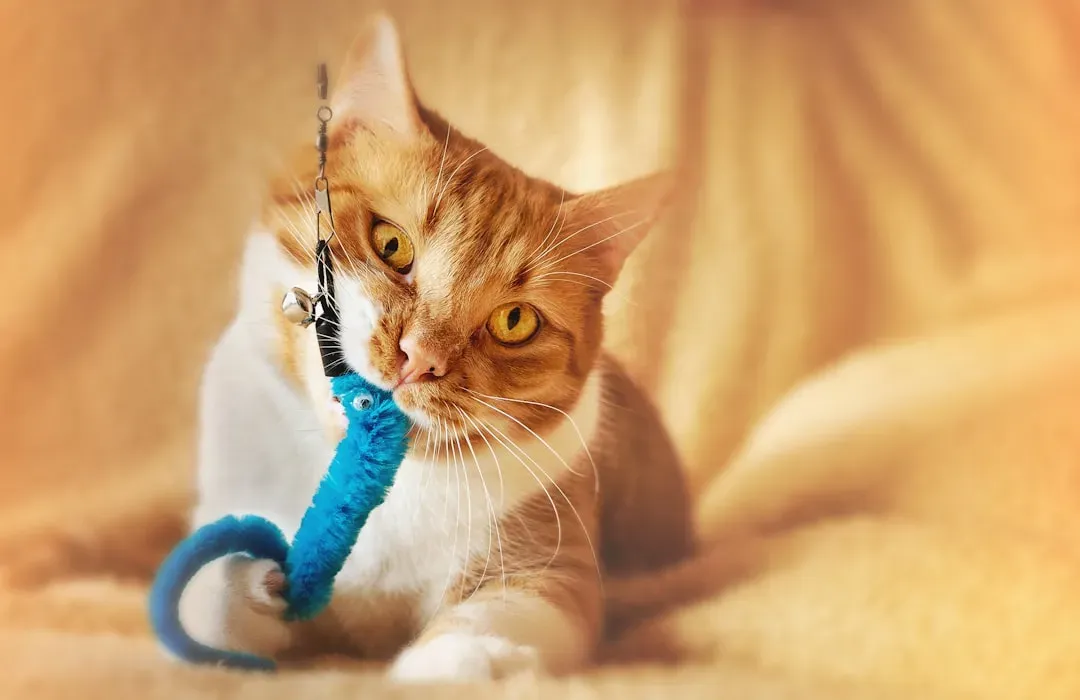
Cats need to hunt – we just happen to call it “play”. Your cat doesn’t want you to simply dangle a toy in front of their face. They want the thrill of the chase, the anticipation, the eventual capture.
Think about how a real mouse behaves. It doesn’t parade around in plain sight begging to be caught. The key is to focus on activities that cater to your cat’s instincts: hunting, climbing, perching and pouncing. Hide the toy behind furniture, make it scurry along baseboards, let it disappear under a blanket and then suddenly dart out again. When your cat finally catches it, let them have their victory moment. This isn’t just fun for them – it’s deeply satisfying on an instinctual level. Some cats are excited by toys waved through the air, while others prefer to play with toys they can chase along the ground, so experiment to discover your cat’s personal hunting style.
Puzzle Feeders That Challenge Their Problem-Solving Skills
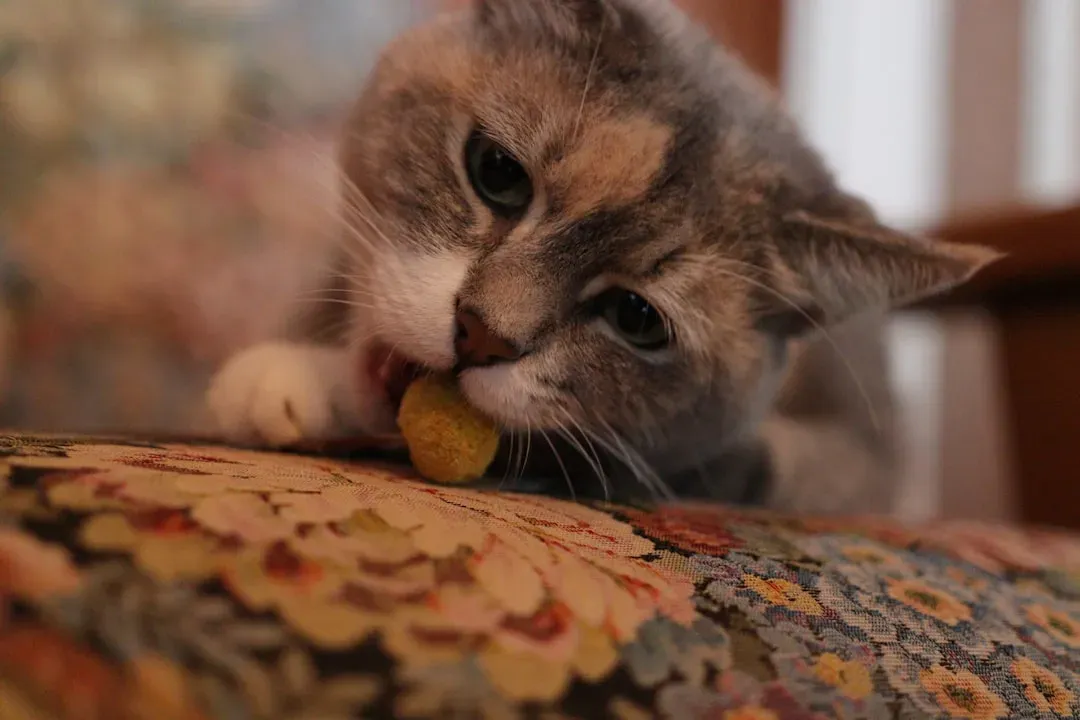
Puzzle feeders are a great way to promote hunting behaviors and provide cognitive stimulation. Instead of just dumping kibble into a bowl, you’re making your cat work for their food, which is exactly what they’d do in nature.
The beauty of puzzle feeders is they exhaust both your cat’s mind and body simultaneously. From puzzles to training sessions, problem-solving is also considered an enrichment activity because it exhausts both physical and mental energy. You can start simple with a basic treat-dispensing ball and gradually introduce more complex puzzles as your cat masters each level. Some cats become absolutely obsessed with these challenges, spending ages trying to figure out how to get that last piece of kibble out. It’s like watching a tiny furry engineer at work.
Vertical Exploration and Climbing Opportunities
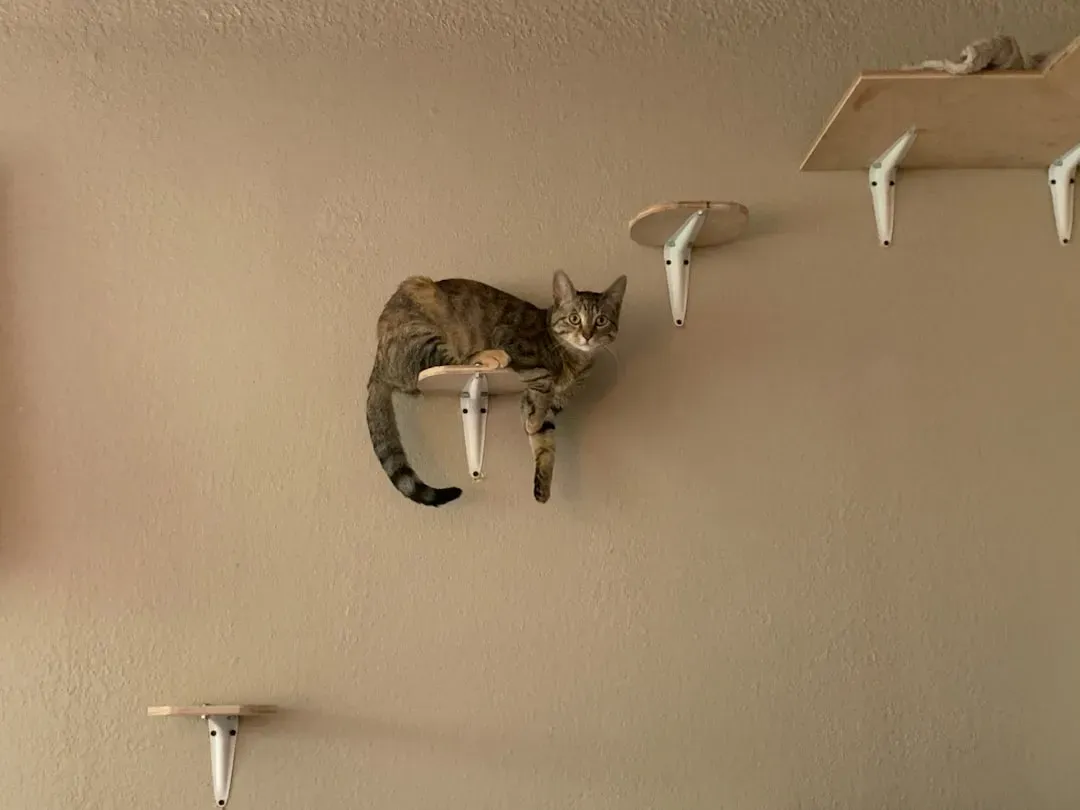
Your cat doesn’t just want to move horizontally across your floor. They’re designed to climb, perch, and survey their kingdom from above.
Vertical features such as shelves, ropes and cat trees support climbing and jumping behaviors and provide the comfort and security of being off the ground, offering your cat spatial complexity and giving them the opportunity to rest and retreat at different heights. Installing cat shelves at various heights or investing in a tall cat tree transforms your home into a three-dimensional playground. Cats like to climb up into high places for a bit of alone time, but also to better survey their environment for potential prey – this is a great way to give your cat a part of the hunting experience. Watch how your cat’s entire demeanor changes when they’re perched up high, observing everything below with those intense, focused eyes.
Hide and Seek Food Scavenger Hunts
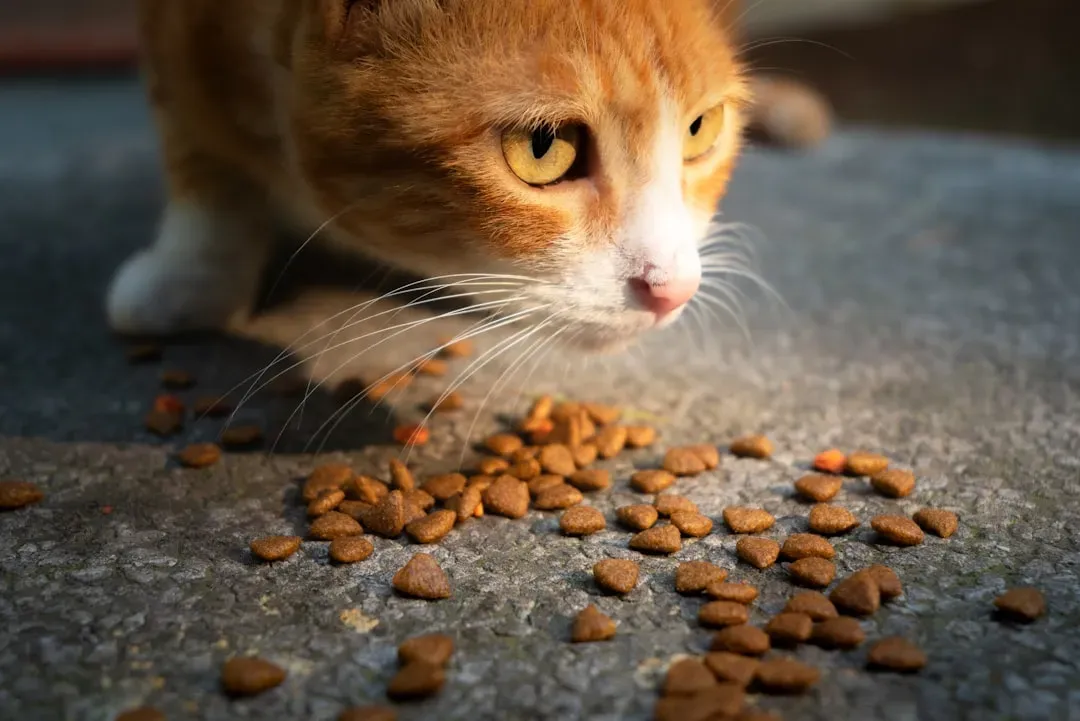
Try hiding small amounts of dry food around the house to prompt your cat’s need to search and hunt. This simple activity taps into something cats absolutely crave: the satisfaction of finding hidden resources.
You don’t need fancy equipment for this one. Just take a handful of your cat’s regular kibble and stash it in various spots around your home before you leave for work. Under a chair, on a cat tree platform, inside a cardboard box with holes cut in it. Your cat will spend hours tracking down these little treasures, using their incredible sense of smell and natural foraging instincts. It’s honestly one of the easiest ways to keep your cat mentally stimulated throughout the day. This activity taps into their instinctual curiosity and provides a rewarding and interactive experience, making it great enrichment while you’re at work or when you need to be gone for extended periods.
Wand Toy Play Sessions With Realistic Movement
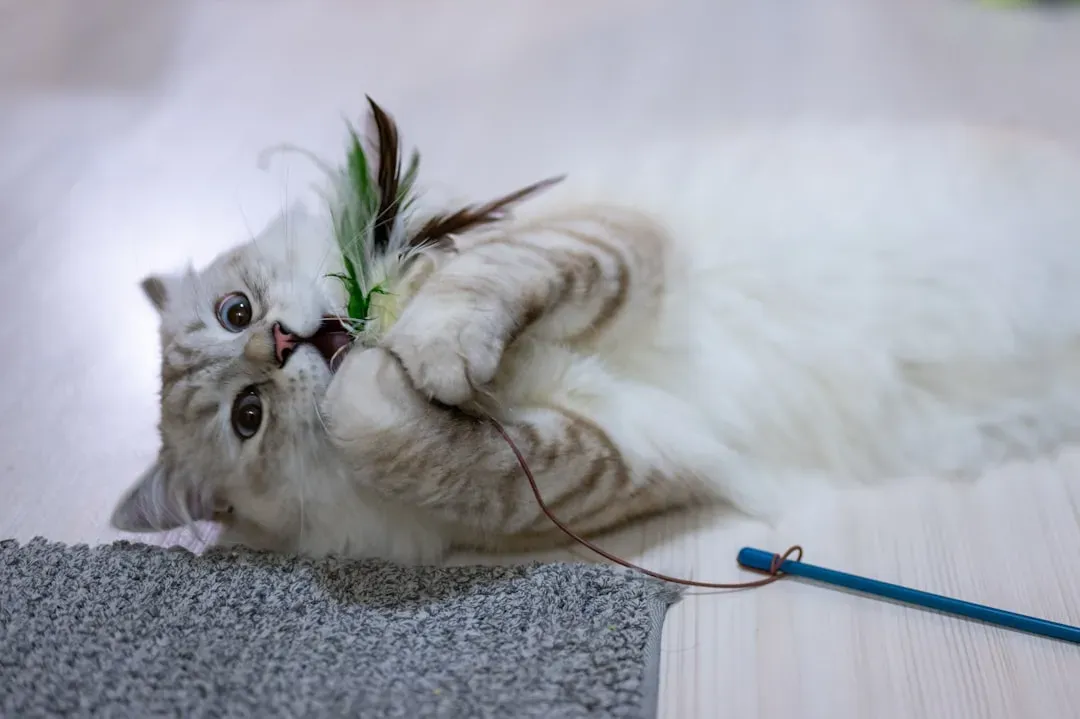
Use a fishing pole-type cat toy to create an exciting hunting experience. The secret isn’t just having a wand toy – it’s how you use it.
Most people wave wand toys around like they’re conducting an orchestra, which doesn’t interest cats at all. What your cat craves is prey-like movement. Make the toy dart away when they approach, hide it behind corners, drag it slowly across the floor like an injured mouse, then suddenly make it take off running. These short, five-minute bursts of activity are comparable to how they would hunt in the wild. Let the toy rest occasionally, creating suspense. Your cat will crouch, their pupils will dilate, their whole body will tense with anticipation. That’s when you know you’re doing it right. Even just ten to fifteen minutes of this kind of play can completely satisfy your cat’s hunting drive for hours.
Sensory Enrichment Through Window Watching
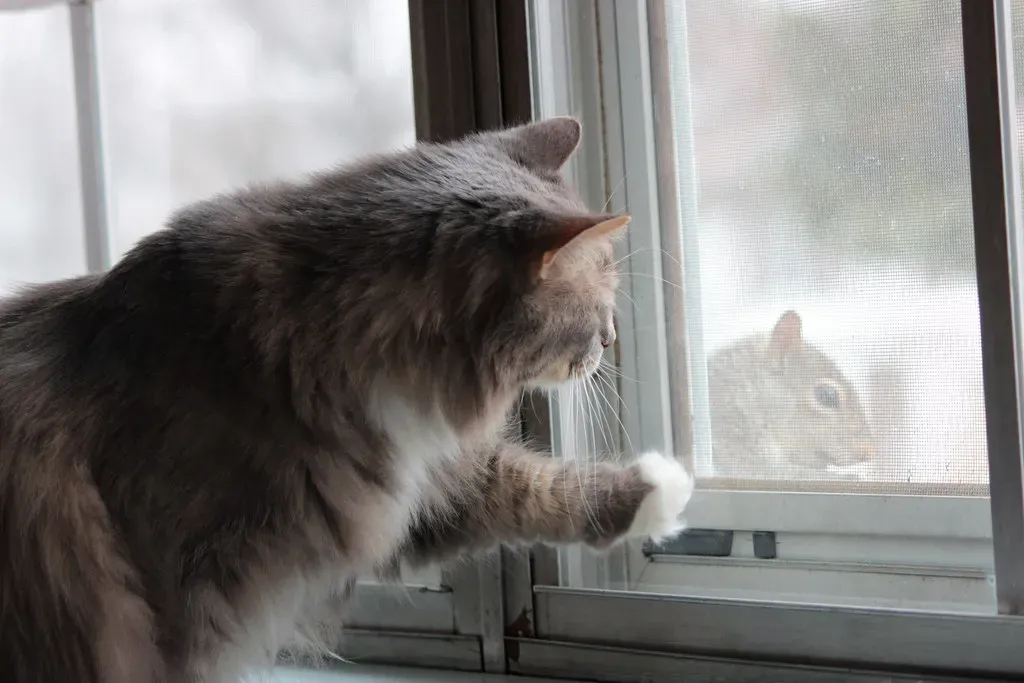
Cats are fascinated by bird activity, passing wildlife, and changing scenery – providing a window view enables them to engage with the sights and sounds of the outdoors, stimulating their senses and preventing boredom. This might sound passive, but for your cat, it’s absolutely riveting entertainment.
Set up a comfortable perch near a window with a good view of the outside world. If you really want to spoil them, place a bird feeder outside that window. Your cat will spend hours watching the birds, chattering at them, their tail twitching with barely contained excitement. If your cat enjoys a window view, you know the value it adds to their day – if your cat doesn’t have a window, plenty of online videos and streaming channels provide audiovisual elements intriguing to cats. It’s mental stimulation without requiring any effort from you, which honestly makes it a win-win situation for everyone involved.
Routine Playtime Before Meals
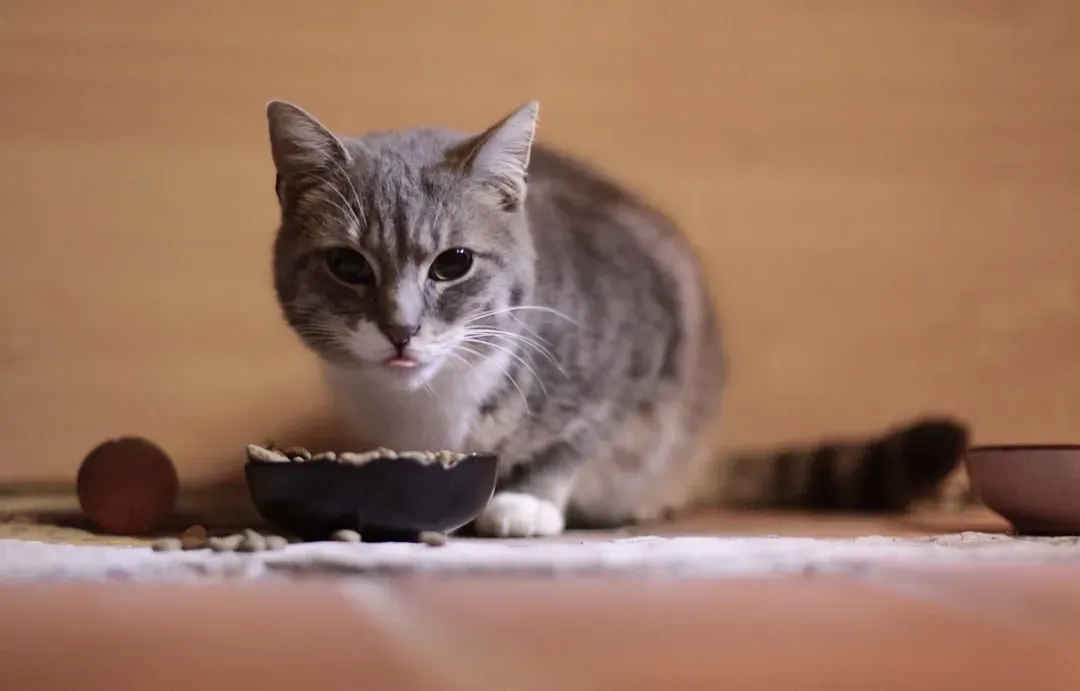
Pairing play and food lets your cat feel satisfied after the activity – if they finish the play/hunt with a meal, they can relax for a while. This mimics the natural hunting cycle that’s embedded in your cat’s instincts.
Try to play with your cat before their daily meals. A short, intense hunting session followed by food tells your cat’s brain that the hunt was successful. They caught their prey, they ate it, and now they can rest. This pattern can actually help with behavioral issues like nighttime zoomies or early morning wake-up calls. Your cat learns to expect this routine and settles into it beautifully. Playing for ten to fifteen minutes before bedtime can be all that it takes to make your cat sleep soundly through the night, allowing you to sleep undisturbed. It’s hard to say for sure, but this might be one of the most underrated cat care tips out there.
Solo Play With Rotated Toy Selection
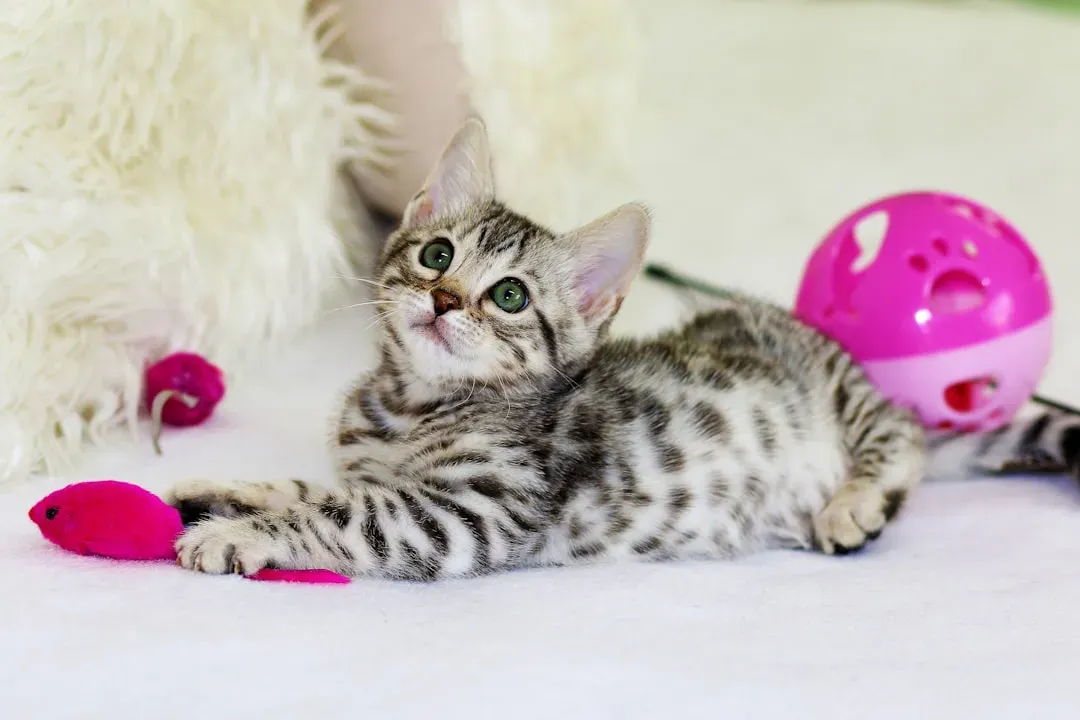
Cats get bored with the same toys – instead of buying new ones constantly, rotate her favorites every few days and hide a few toys for a week, then reintroduce them later. Your cat craves novelty, but you don’t need to constantly buy new stuff to provide it.
Keep several sets of toys and only leave out a few at a time. Every few days, swap them out for different ones. When that previously ignored catnip mouse reappears after a week’s absence, it suddenly becomes fascinating again. When you notice your cat becoming bored with self-play toys, store them away in an airtight container with some catnip and rotate them in at a later date. This keeps your cat engaged even when you’re not around to play with them directly. Simple cardboard boxes, paper bags with handles removed, and crumpled paper balls can provide endless entertainment. Let’s be real – sometimes the simplest things captivate them the most.
Conclusion
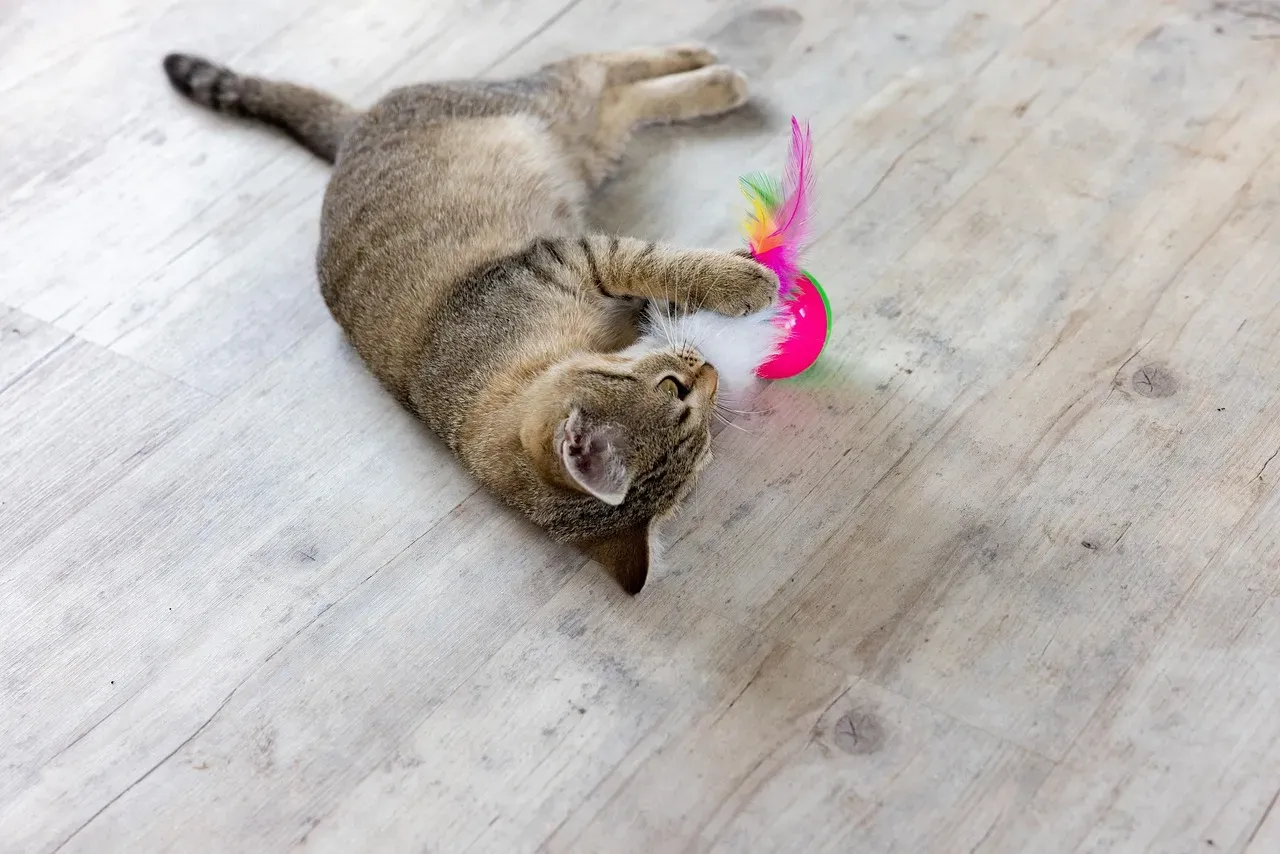
Your cat’s playtime needs run deeper than you might have realized. For cats, playtime is more than just a fun activity – it is an important part of their overall well-being, as cats need regular exercise and mental stimulation, and providing our cats with playtime is a responsibility all pet parents have. By incorporating these eight essential activities into your cat’s routine, you’re not just keeping them entertained – you’re honoring their natural instincts and keeping them mentally and physically healthy. The difference in your cat’s behavior, energy levels, and overall happiness might genuinely surprise you.
Which of these activities do you think your cat would go absolutely crazy for? What have you noticed about your cat’s playtime preferences?