You know that look your cat gets when they hear the can opener whir to life? That instant head turn, the sprint across the kitchen floor, the sudden appearance from whatever hidden nook they’ve been lounging in all afternoon? Cats might have a reputation for being aloof and mysterious, yet they’re actually incredibly responsive to the sounds around them. Their ears pick up frequencies we can’t even imagine, making their auditory world far richer than ours.
Here’s the thing though. Not all sounds send your kitty running for the hills. While some noises stress them out, there’s a whole symphony of everyday sounds that genuinely bring them joy and comfort. You might be surprised to discover which ordinary household noises are actually music to those fuzzy little ears.
1. The Unmistakable Sound of a Can Opening
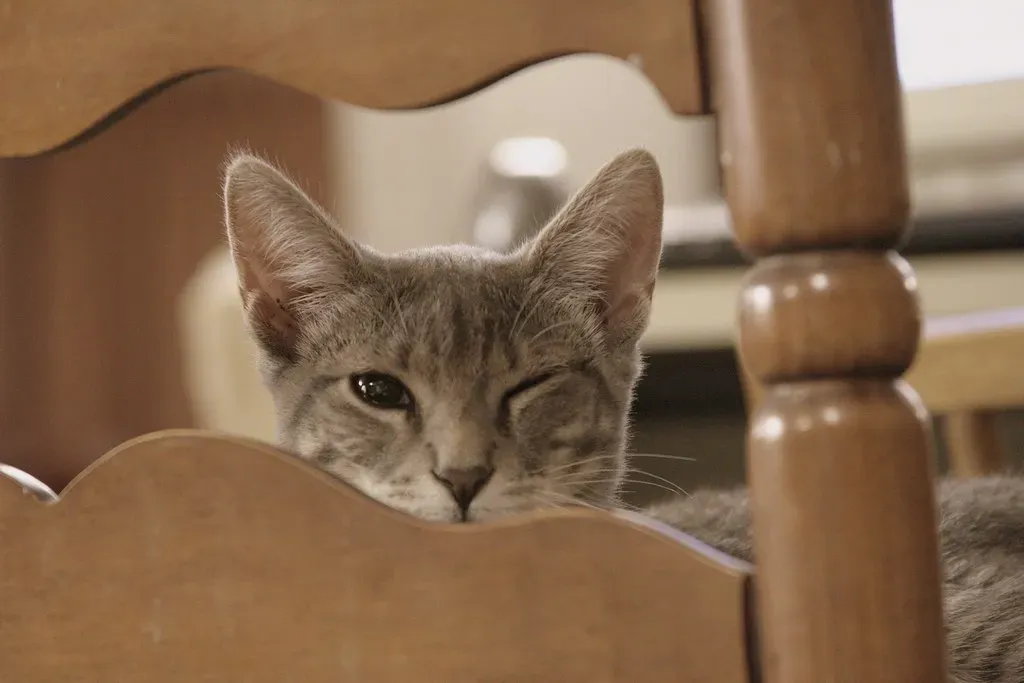
Let’s be real, cats absolutely love the sound of a tin can opening because this means feeding time, and feline friends will undoubtedly come running to this sound. It’s hard to say for sure, but this might just be the most universally adored sound in the entire cat kingdom. Most cats associate the typical sound of opening a tin can with mealtime, and they’ll react positively to this noise, coming running as soon as they hear that tempting sound.
What makes this sound so irresistible isn’t just the promise of food. It’s the association your cat has built over time between that metallic pop and the delicious wet food that follows. Think of it like Pavlov’s bell, except furrier and far more demanding. Even if you’re opening a can of soup for yourself, don’t be shocked when your cat appears, eyes wide with anticipation, fully convinced it’s dinner time.
2. Your Voice Calling Their Name
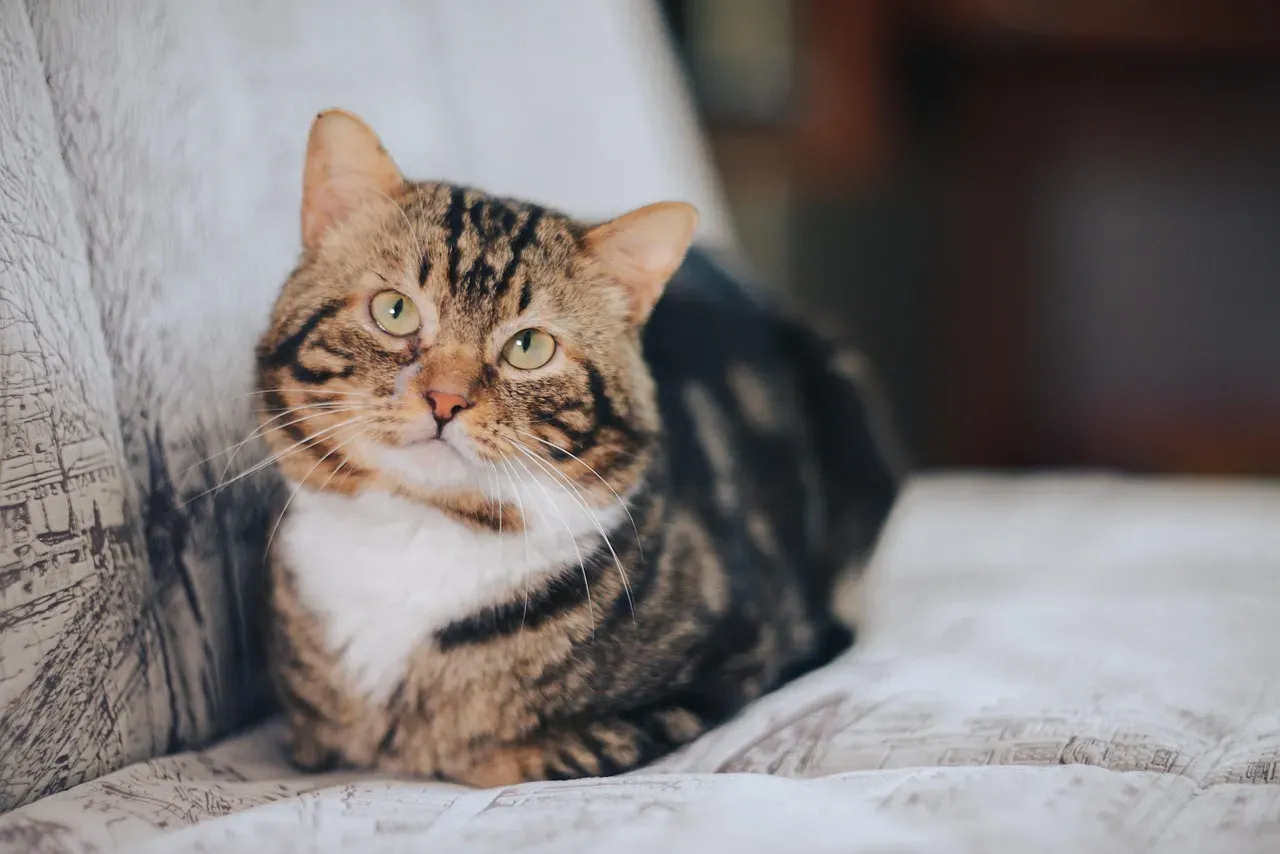
Your cat loves your voice, a fact that’s scientifically backed up, and when they hear a familiar voice, felines react in subtle but distinct ways, such as wagging their tails, twirling their ears, and freezing during grooming, showing no such response when hearing the voices of strangers. Honestly, this should make you feel pretty special. Cats respond better to high-frequency sounds than they do to lower ones, probably because their range of hearing is so wide, and this means they also tend to respond better to the sound of women’s voices than to men.
Scientific studies have shown that cats prefer long vowel sounds, especially the long e-vowel as heard in the word kitty. Maybe that’s why so many of us instinctively call out “kitty, kitty, kitty” instead of their actual names. Repetitive words spoken in a higher pitch, the same way that one tends to speak to a baby, have a desirable effect on cats. So go ahead, use that baby voice without shame.
3. Gentle Purring and Trilling from Other Cats
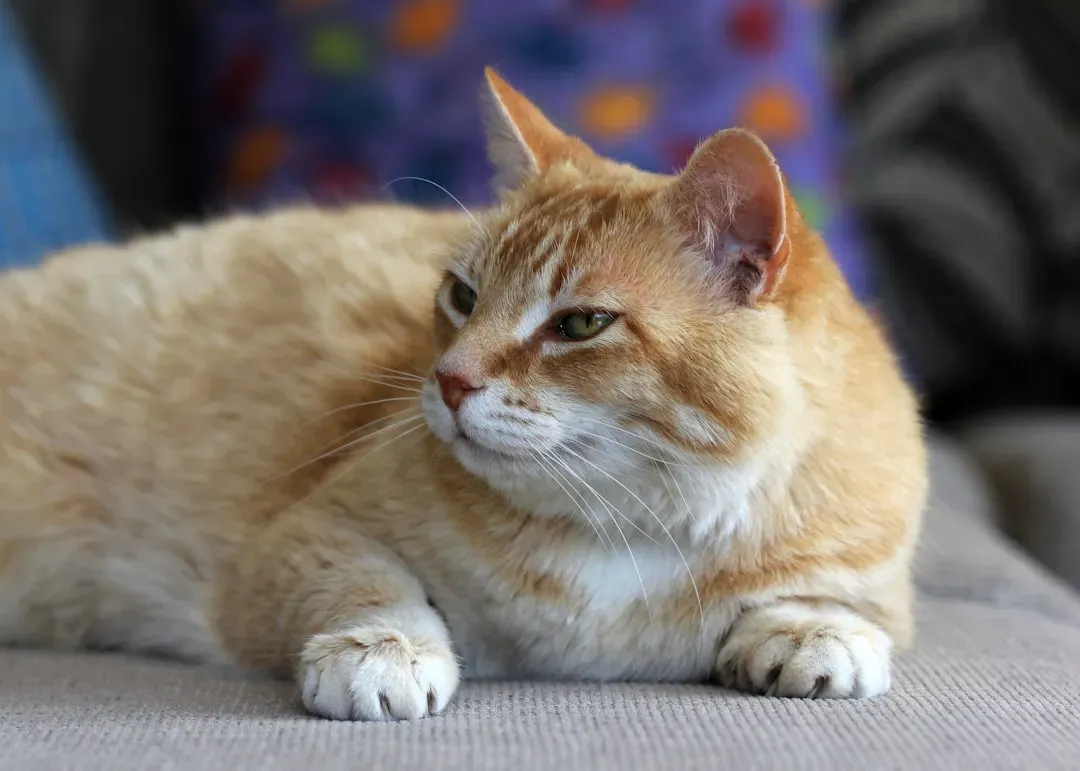
Cats purr when they feel happy or relaxed, such as when we are stroking them, when they rub against objects, and when another cat is grooming them, and they sometimes also make a trill sound to communicate happiness and affection. The sound of another cat’s contentment is strangely contagious. It creates a peaceful atmosphere that signals safety and calm.
Chirping can be a way of your cat saying hi to humans, a sign they’re happy to see you, so if you walk in the room and your cat chirps, take this as a gesture of love. These soft, musical sounds are part of how cats communicate comfort to each other. Trills and chirps are happy sounds that are meant as greetings to other cats or to humans. They’re like little auditory hugs, reassuring and warm.
4. Birds Chirping Outside the Window
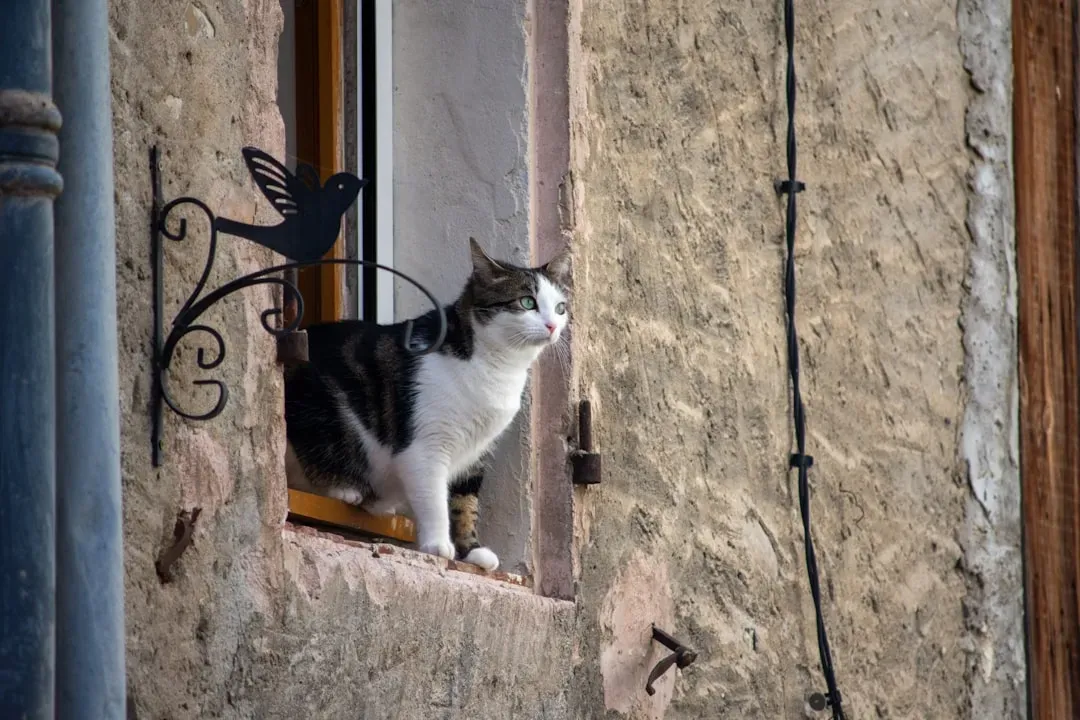
Cats are wired to react to the sound of birds, mice, and other small rodents, as cats have strong hunting instincts, and even though some are more avid hunters than others they all love the sound of prey, as it stimulates their senses and hunting instincts. You’ve probably witnessed this firsthand. Your cat sits perched at the window, eyes locked on the feathered visitors outside, tail twitching with barely contained excitement.
The sound typically means they’re happy, excited, and focused on a potential hunt, and if you’re playing with them, they might make the chirping sound when hunting a feather wand or a mouse toy. Sure, there’s a bit of frustration mixed in when they can’t actually reach their target. Still, that primal excitement brings them genuine pleasure, lighting up parts of their brain that connect to their wild ancestry.
5. The Rustle of a Treat Bag or Toy

Any rustling or rattling sounds signify playtime or mealtime, and cats usually respond very enthusiastically to these sounds, because in the wild these sounds might be associated with prey being close by, hence they associate it with mealtime. The rustling of a bag can also be a favorite sound for cats as it may represent playtime, and while it can signify the cat food bag opening for some, the sounds of plastic or paper rustling together can interest and excite your cat for good old-fashioned roughhousing.
It’s like nature’s dinner bell combined with an invitation to play. The crinkle of a bag triggers something deep in your cat’s psyche, making them curious and alert. Whether it’s the sound of their favorite treats being shaken or just a random plastic bag lying around, that distinctive rustling noise rarely goes unnoticed by feline ears.
6. Calming Classical Music
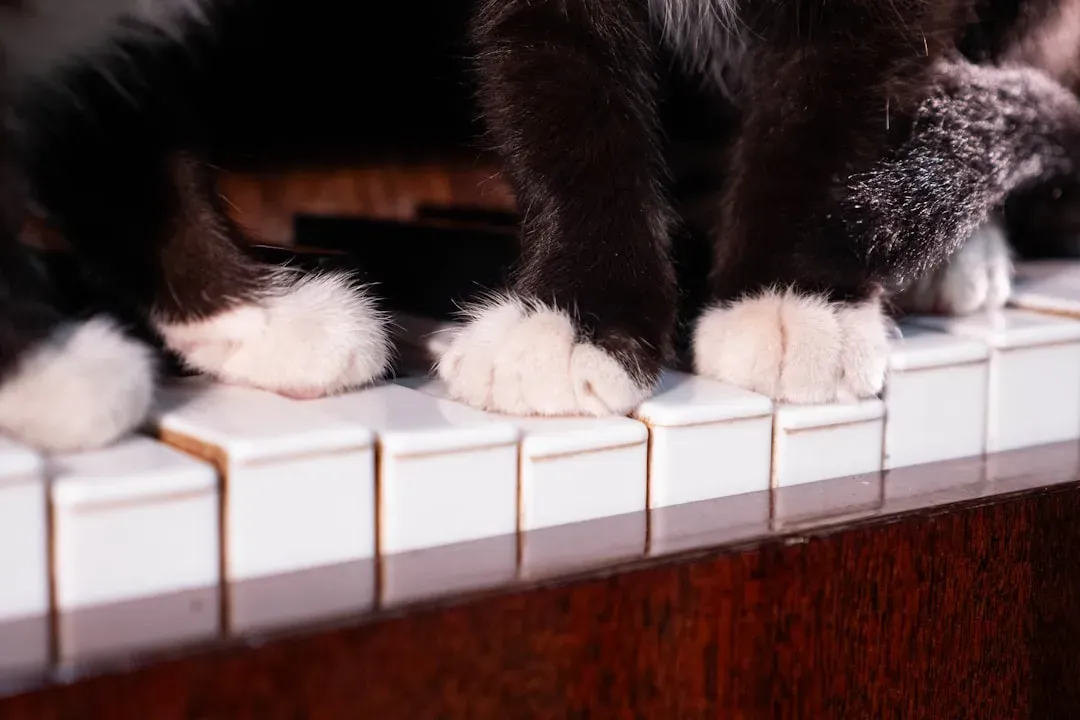
At the University of Lisbon in Portugal, scientists performed a study that determined cats can feel calm and relaxed or anxious and stressed depending on the genre of music they are listening to, and classical music took the cake for being the favorite amongst the test subjects, lowering the cats’ heart rate and decreasing their pupil diameters, which indicates the cats were calmed by the music. I know it sounds a bit fancy, but your cat might actually appreciate some Mozart or Bach playing softly in the background.
Mozart and Beethoven are considered calming for cats, as melodic compositions can have a calming effect, and classical music has gentle rhythms and harmonies that work well with a cat’s hearing range. The key is keeping the volume low and the tempo gentle. Think soothing violin concertos rather than dramatic opera arias. Your living room might just become your cat’s personal meditation space.
7. Running Water or Gentle Rain Sounds
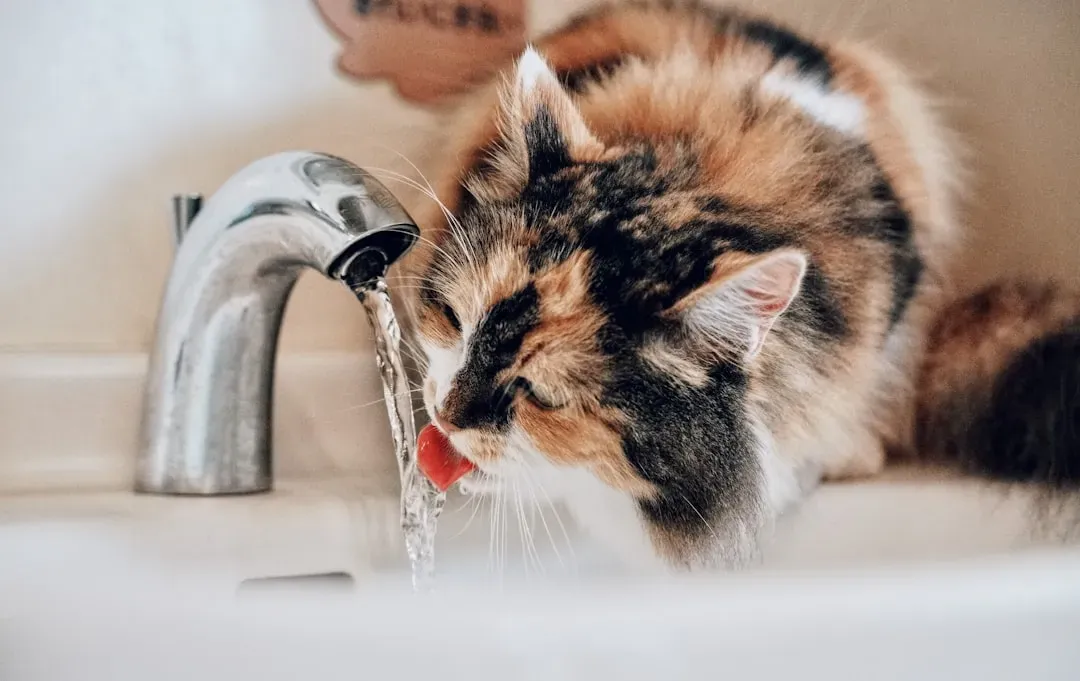
Just like we humans find the sounds of nature calming and relaxing, cats enjoy these peaceful sounds that help them to feel restful, and soothing sounds such as those from nature that we humans find relaxing, such as spa music, gentle rain, or running water, will also be calming for your cat. The sound of light rain, running water, or wind blowing gently in the trees can help to relax your cat and allow them to rest and sleep.
There’s something deeply soothing about these natural sounds. They mimic the environment cats would encounter in the wild, creating a sense of security and tranquility. Cats are known for their fascination with running or dripping water, and the sound of it can be calming and relaxing for them. Maybe this explains why some cats are so mesmerized by dripping faucets.
8. Cat-Specific Music with Purring and Suckling Sounds
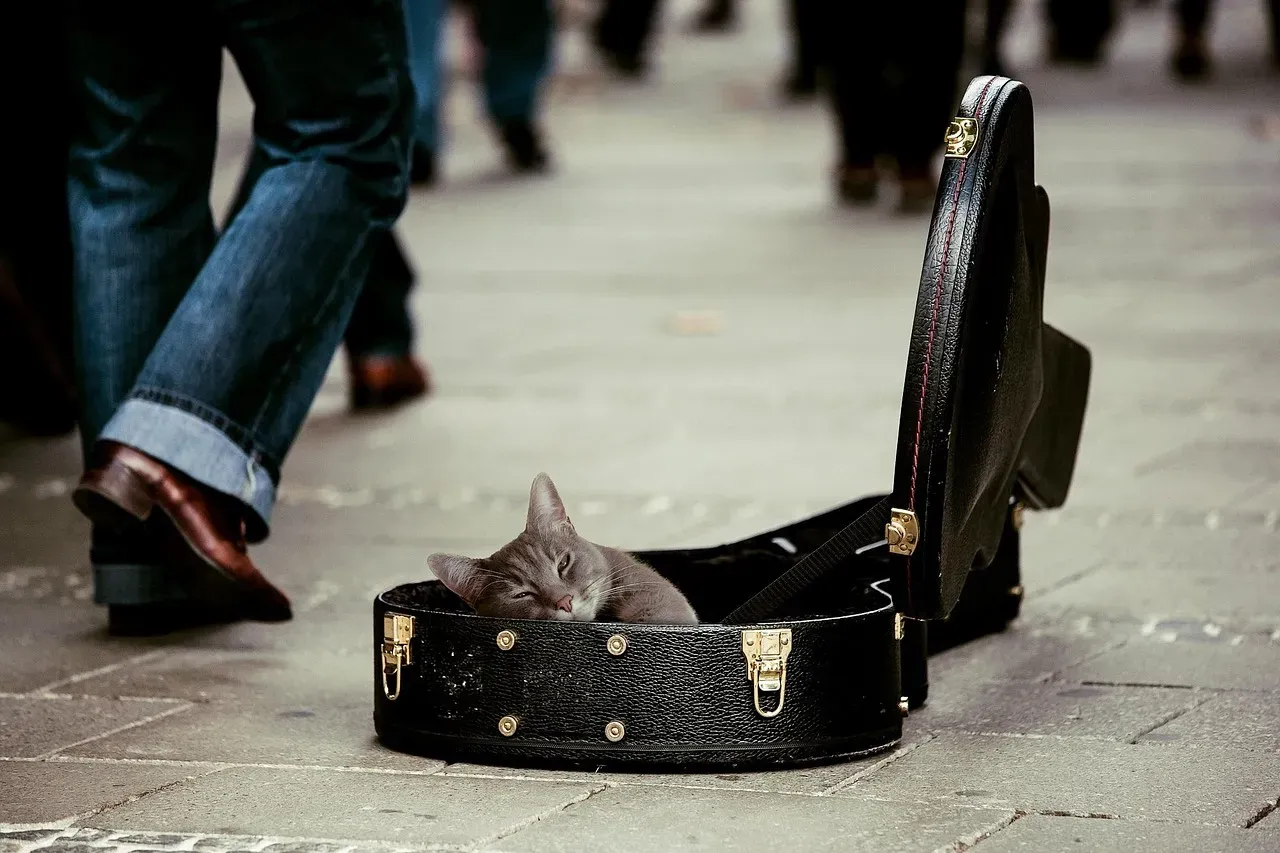
Cat-specific music is classical music that has been composed specifically for feline friends, and it generally mimics sounds like purring, as cats prefer cat-specific music, which can evoke feelings of calmness and relaxation. Yes, this is actually a thing, and it’s rooted in science. The first rhythms that a kitten perceives are the vibrations of their mother’s heartbeat, purring, or the drinking noises they make when sucking on their mom’s teats, these sounds are connected with comfort and security, and cats’ feel-good music entails sounds connected to positive early-life experiences, so purring or sucking noises are top of the pops for cats.
Cats in the study enjoyed a song that was composed just for them: a fast-paced tune at 1380 beats per minute that mimicked purring and included tones from cat vocalizations, and cats listening to their new jam turned toward the music, purred, and rubbed themselves against the speakers. It’s fascinating how music designed specifically for cats can tap into those early memories of warmth and safety. These compositions speak directly to their instincts in ways human music simply can’t.
Conclusion
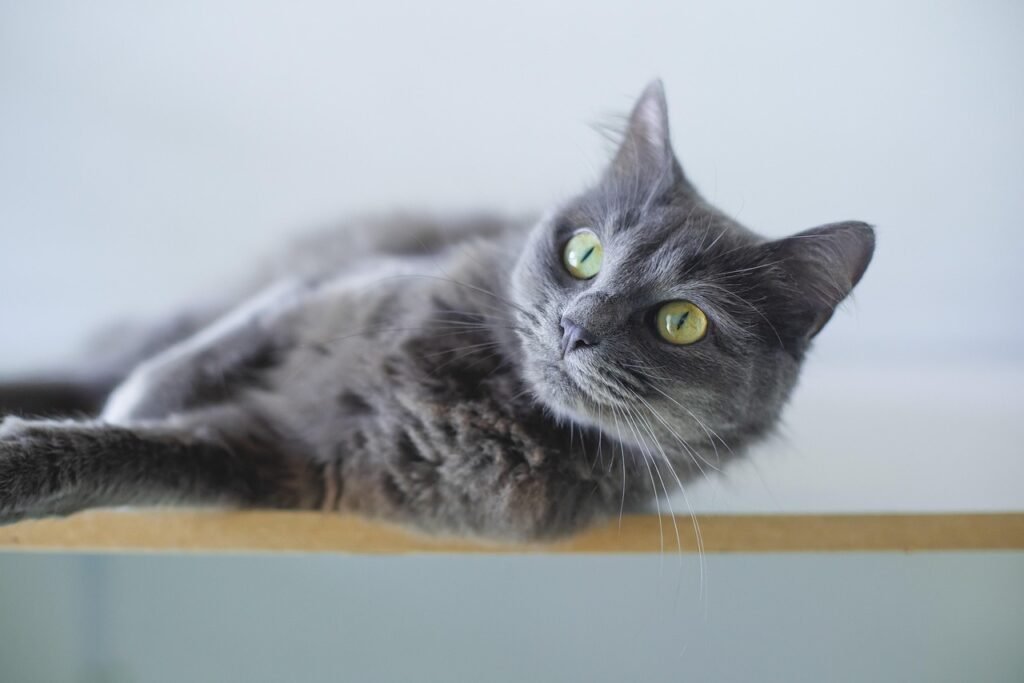
Your cat’s world is filled with sounds you might overlook, yet to them, each noise carries meaning and emotion. From the metallic ring of a can opener to the gentle patter of rain, these everyday sounds shape your cat’s mood and comfort level. Understanding what delights those sensitive ears helps you create a happier, more enriching environment for your feline companion.
Next time you notice your cat’s ears perk up or see them trot over with curious interest, pay attention to what they’re hearing. You might just discover a whole new way to connect with your furry friend. What sounds does your cat respond to most? Share your observations in the comments below.