Ever heard of a cat that looks like a weasel? You’re probably scratching your head right now. There’s a wild feline stalking through Central and South American jungles that defies everything you thought you knew about cats. It doesn’t have spots, it hunts during the day, and it makes sounds you’d never expect from a predator.
Most people have never encountered this creature, even if they’ve spent time in its natural habitat. It’s so elusive that scientists struggle to study it. The jaguarundi is one of nature’s best-kept secrets, and today we’re revealing why this mysterious wildcat deserves way more attention than it gets. Get ready to have your mind blown by one of the strangest members of the cat family.
This Cat Looks Nothing Like A Cat
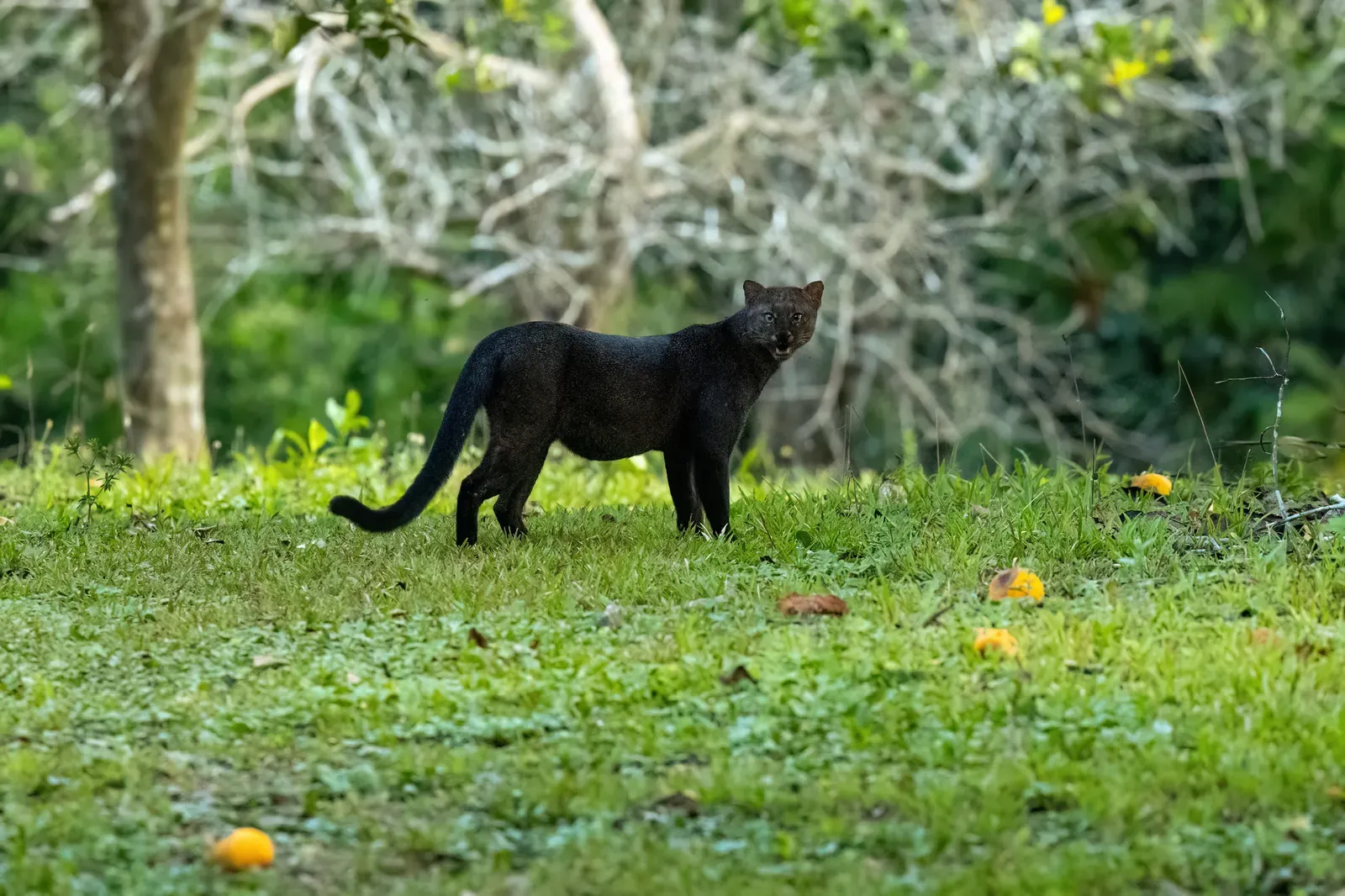
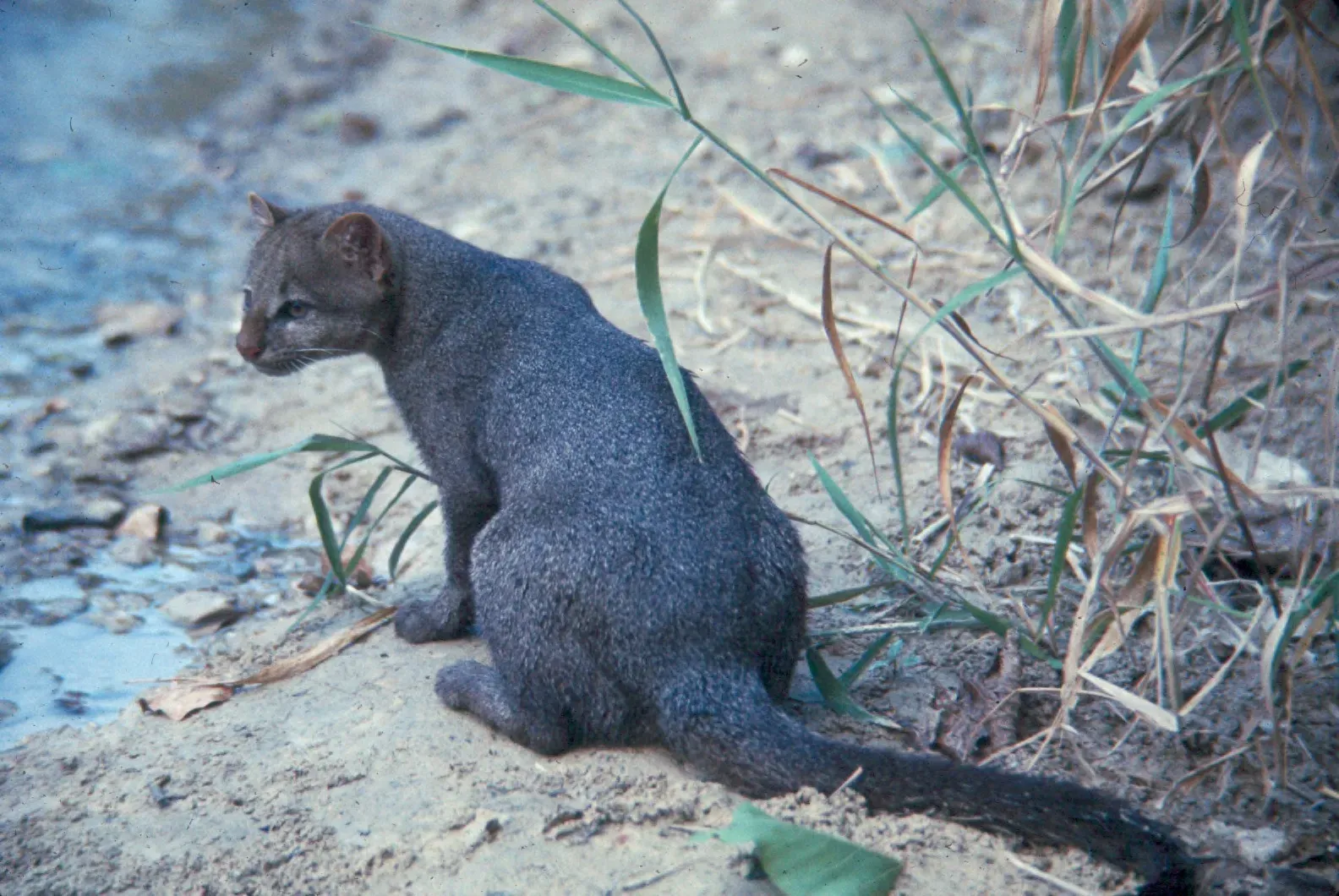
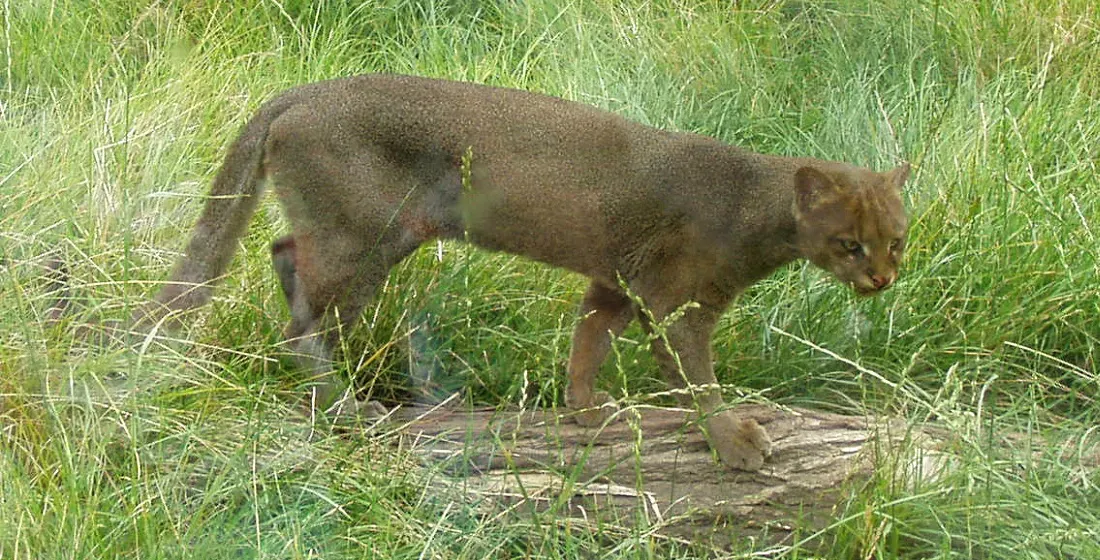
Your first glimpse of a jaguarundi might leave you completely baffled because this feline has an elongated body with relatively short legs, a small narrow head, small round ears, a short snout, and a long tail. Honestly, it resembles an otter or weasel far more than any cat you’ve ever seen. In some parts of Mexico, people even call them “otter cats” because of their unique shape.
The jaguarundi reaches nearly fourteen inches at the shoulder and weighs somewhere between roughly eight and fifteen pounds. That makes it about twice the size of your average house cat, though its long body creates a completely different silhouette. What’s truly fascinating is how evolution shaped this cat for sneaking through dense undergrowth rather than climbing trees like most of its relatives.
It Has An Unbelievable Color-Changing Secret
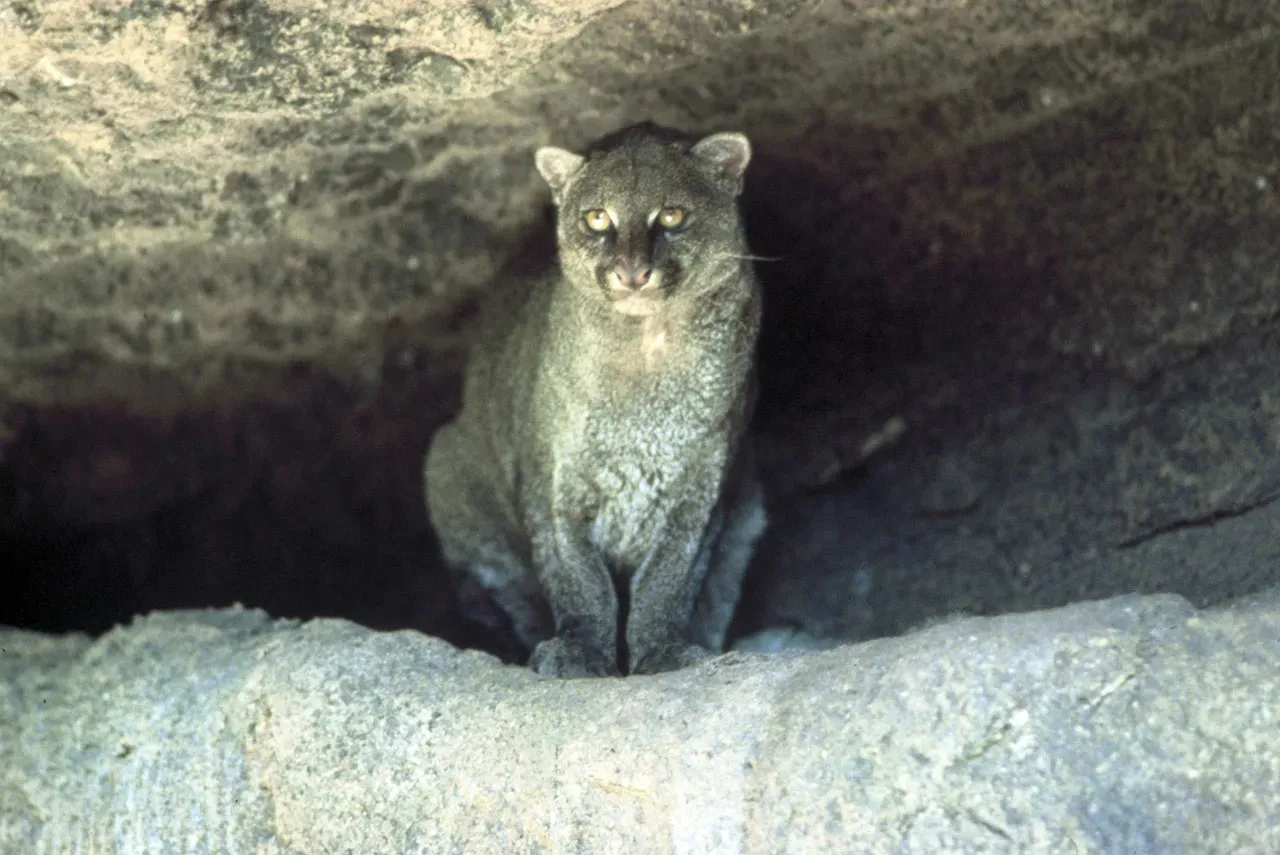
Here’s something that will absolutely shock you. The jaguarundi displays uniform coloration with two distinct color morphs: gray and red. These differences were so striking that scientists originally classified them as two separate species called “eyra” for the blackish coat and “jaguarundi” for the reddish coat, until they discovered that the two color morphs actually mate and produce litters containing both.
Even stranger, the color appears linked to habitat. Populations living in tropical rainforests tend to be generally darker while those inhabiting drier habitats are often paler. Kittens of completely different colors can appear within the same litter, and while the red phase was once thought to be a separate species, we now know these are simply color variations of the same cat. Nature is showing off here.
It Breaks The Golden Rule Of Wild Cats
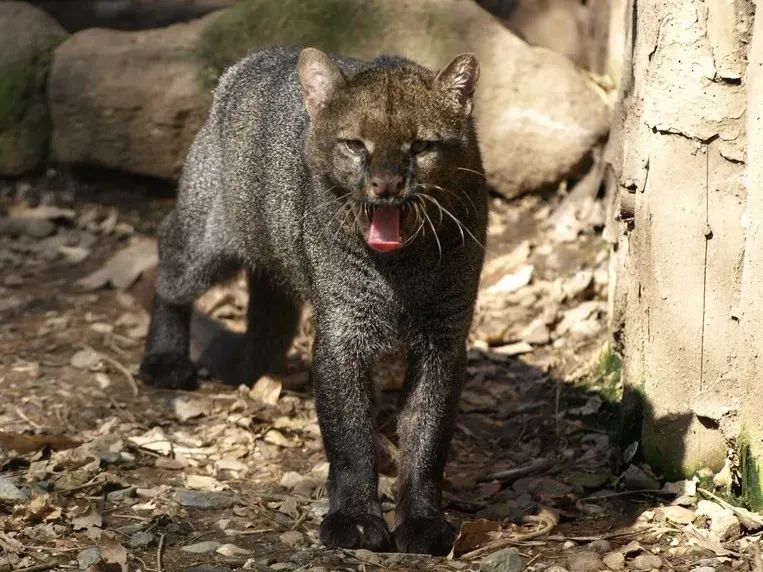
Let’s be real about this one. Most wild cats are creatures of the night. The jaguarundi prefers hunting during daytime and evening hours, with studies in Belize showing they start moving before dawn and remain active through most of the day till sunset with a peak in hunting from late morning to noon, making it more diurnal than most other cats, especially spotted cats that tend to be more active at night.
Why would a predator choose to hunt when it’s easier to be spotted? This behavior enables the jaguarundi to segregate and thus minimize competition with the nocturnally active ocelot. By working the day shift, the jaguarundi cleverly avoids direct confrontation with larger, more dominant felines. It’s hard to say for sure, but this scheduling difference might be the key to its survival.
This Tiny Cat Is A Linguistic Genius
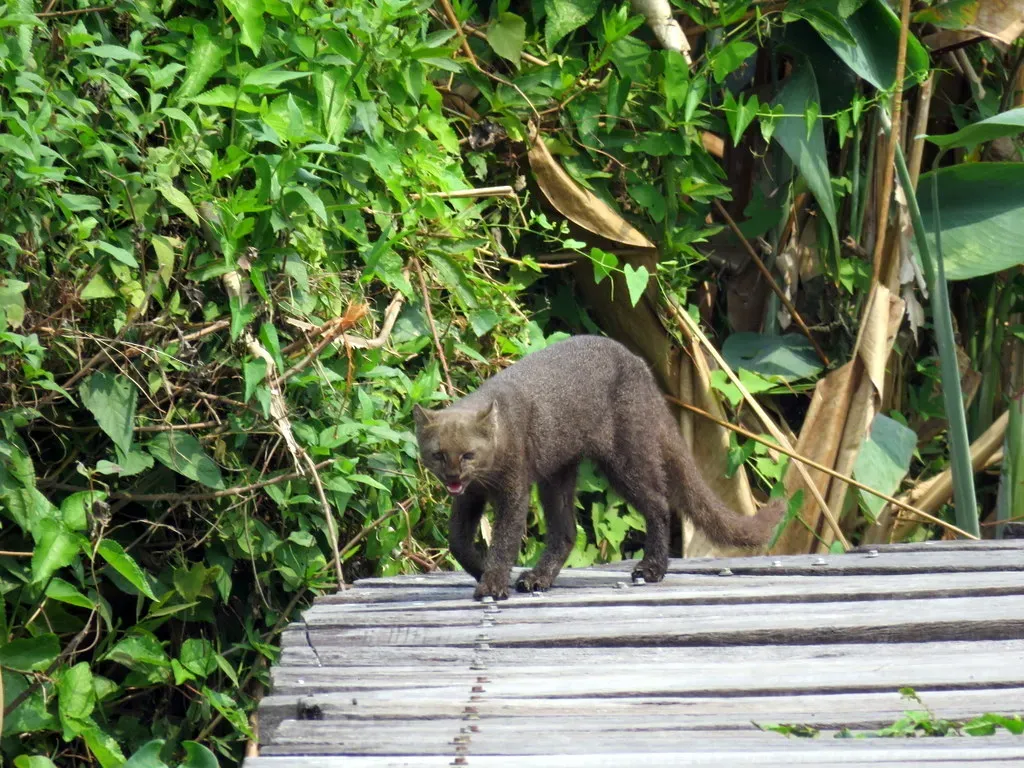
You might think cats just meow, hiss, and purr. Prepare to have your world rocked. Thirteen different calls have been recorded from the jaguarundi including chattering, purring, screaming, a ‘wah-wah’ call, whistling, yapping and a peculiar bird-like chirp.
Researchers have documented at least thirteen distinct calls used for communication. This extensive vocabulary includes short and long whistles for greetings and attention-seeking, chirps for calling when another cat cannot be seen, and various purrs for different situations. The jaguarundi has a remarkable characteristic which is very unusual in cats: it uses at least thirteen different calls to communicate. Think about your house cat’s limited vocabulary, then imagine a wildcat with the communication skills approaching that of a dolphin.
It’s Related To Cheetahs, Not Other Small Cats
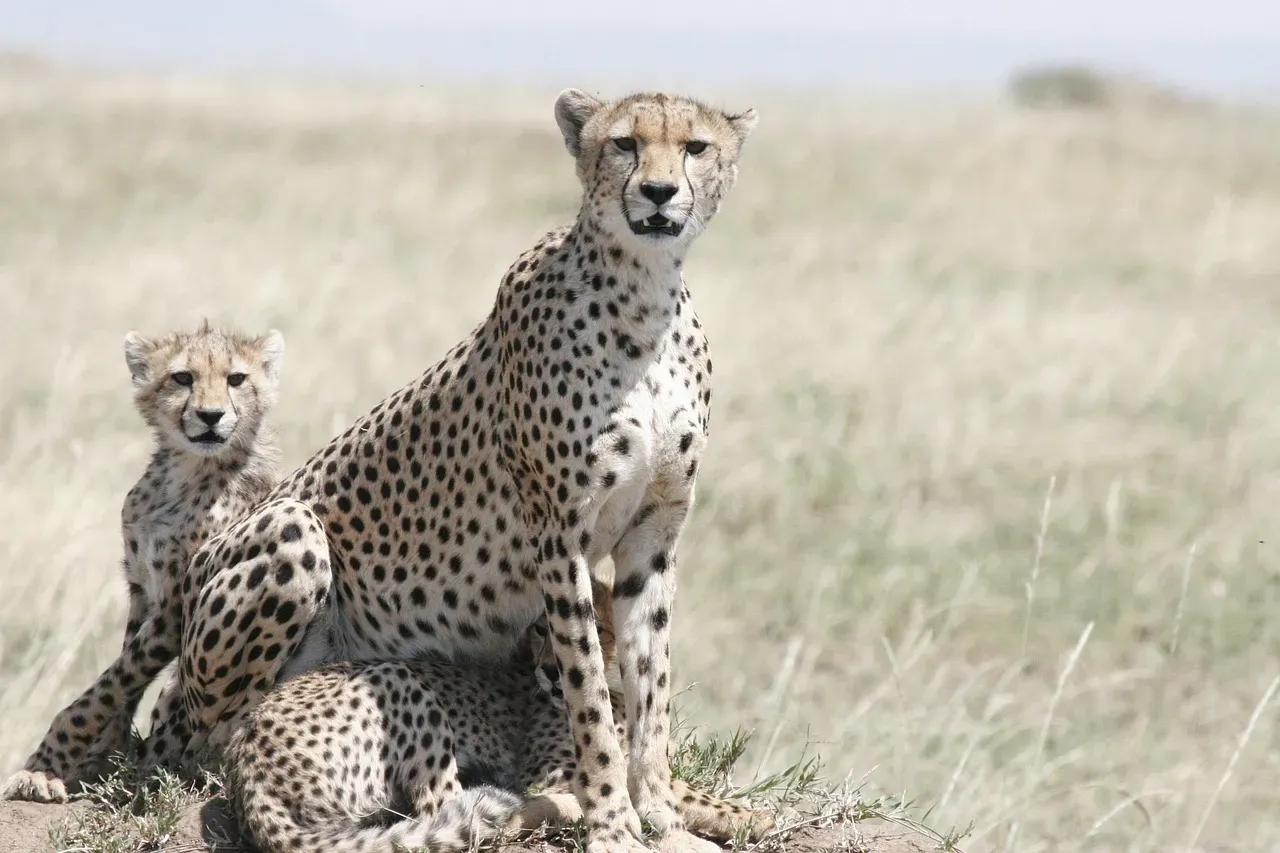
Here’s something that sounds crazy, but it’s absolutely true. DNA techniques suggest that the jaguarundi is more closely related to the cheetah and the puma rather than to other South American cats, and the jaguarundi-cougar clade is sister to the cheetah, with these three species comprising the Puma lineage which diverged from the rest approximately seven million years ago.
While other small South American cats have 36 chromosomes, the jaguarundi has 38, the same number as Old World cats. Despite living thousands of miles apart from cheetahs, the jaguarundi shares its family tree with the fastest land animal on Earth. This evolutionary twist demonstrates how little we actually understand about the connections between different species.
It Can Jump Higher Than You’d Ever Imagine
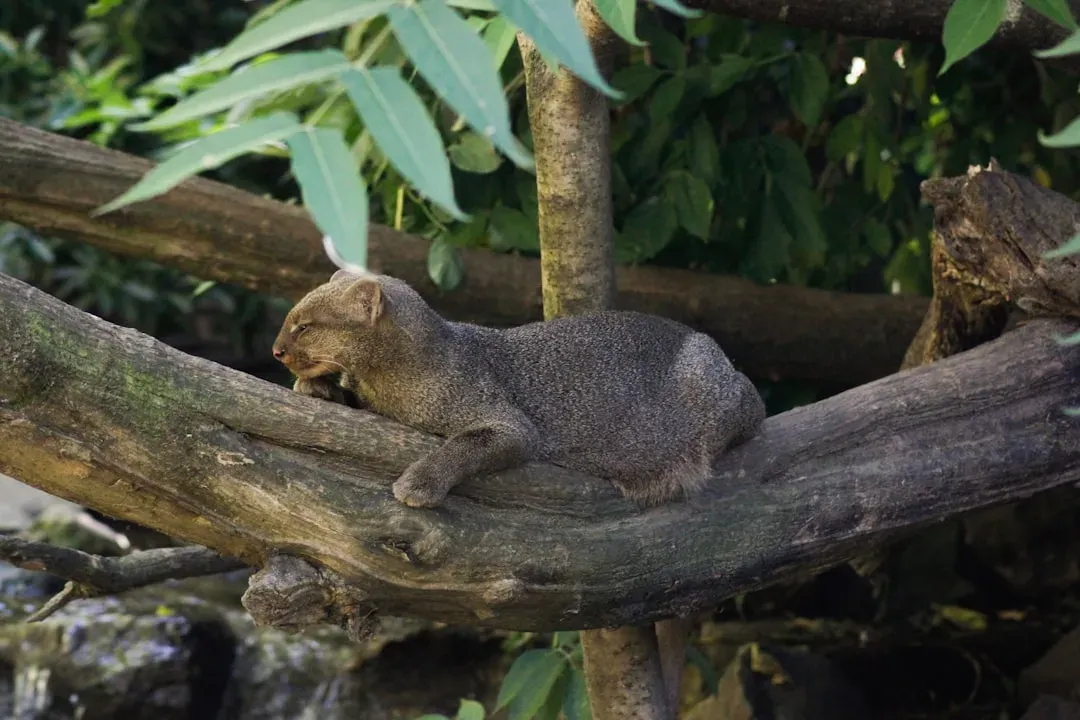
Imagine a cat barely bigger than your pet at home launching itself over six feet straight up into the air. The jaguarundi can jump as high as roughly six and a half feet to catch a bird in flight. One individual was observed leaping over nearly five feet into the air and catching a dove in flight.
This isn’t just impressive athleticism for show. The jaguarundi actively hunts birds as a major part of its diet, and that vertical leap gives it access to prey other ground-dwelling predators can’t reach. The jaguarundi typically feeds on small-sized prey weighing less than roughly two pounds, including ground-feeding birds, reptiles, frogs, arthropods, rodents and small mammals. Its acrobatic abilities make it a formidable hunter despite its modest size.
It Holds One Of The Biggest Home Ranges Of Any Small Cat
You might assume a small cat stays close to home. Think again. Studies in Brazil recorded home ranges measuring roughly between one and a half to eighteen square kilometers for females, while males occupied territories between roughly eight and a half to twenty-five square kilometers, with two males in Belize recorded having exceptionally large home ranges spanning areas of eighty-eight and one hundred square kilometers.
The jaguarundi is a solitary and non-social animal which can inhabit a home range of over one hundred square kilometers, one of the largest home ranges of any neotropical cat. To put that in perspective, that’s larger than Manhattan. For such a small animal to patrol and defend such vast territories is mind-boggling. It speaks to both the jaguarundi’s energy levels and the scattered nature of its prey resources.
It’s Disappearing And Nobody’s Really Noticing
This might be the most troubling fact of all. The jaguarundi has been listed as Least Concern on the IUCN Red List since 2002, though IUCN Red List assessors noted that it should be listed as Near Threatened, but the data were not sufficient to extend this classification throughout the jaguarundi’s range. Research indicates that it may be uncommon and a low-density species often found at densities of one to five individuals per one hundred square kilometers or even lower.
Jaguarundis face a decreasing population trend globally, with their most significant threat being habitat loss and fragmentation caused by large-scale agriculture and pasture development. They’re extinct in Texas, with the last confirmed sighting occurring in Brownsville in 1986. The reality is that this unique cat is slowly vanishing while most of the world remains completely unaware of its existence.
Conclusion
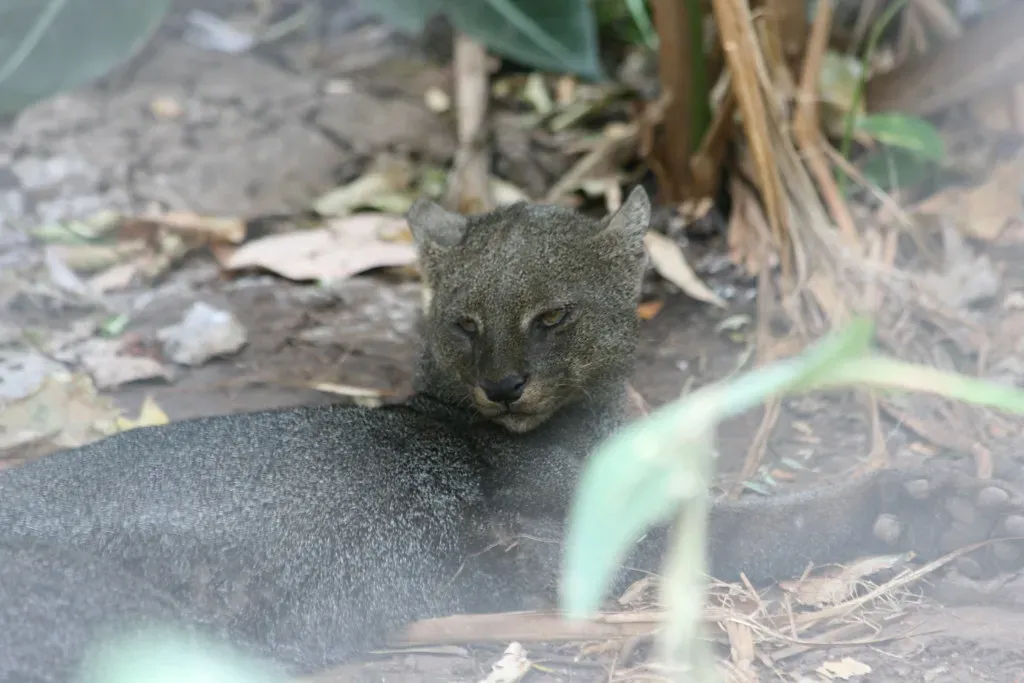
The jaguarundi stands as one of nature’s most overlooked masterpieces. From its weasel-like body and unusual color variations to its impressive jumping ability and remarkable vocal repertoire, this small cat challenges everything we think we know about felines. Its daylight hunting strategy and massive home ranges demonstrate adaptation at its finest, while its genetic connection to cheetahs reveals evolutionary surprises that scientists are still unraveling.
Yet despite all these incredible traits, the jaguarundi is quietly fading from its range with minimal public attention or scientific research. It’s a reminder that not all endangered species make headlines. Sometimes the most fascinating creatures are the ones we overlook. Did you expect that such a mysterious and remarkable animal could be slipping away almost unnoticed? What do you think should be done to protect this extraordinary wildcat?