You’ve lived with your cat for years. You’ve watched those magnificent little wires twitch while your cat sleeps, perk up at strange sounds, and fan out dramatically just before a pounce. Yet most cat owners, even devoted ones, have almost no idea what those whiskers are actually doing. They look decorative. They’re not.
What’s hiding behind those elegant strands of hair is one of nature’s most sophisticated sensory systems, quietly working around the clock in ways that would genuinely surprise you. Let’s dive in and discover exactly what your cat’s whiskers are up to.
Your Cat’s Whiskers Are Not Just Hair – They’re Living Sensory Organs
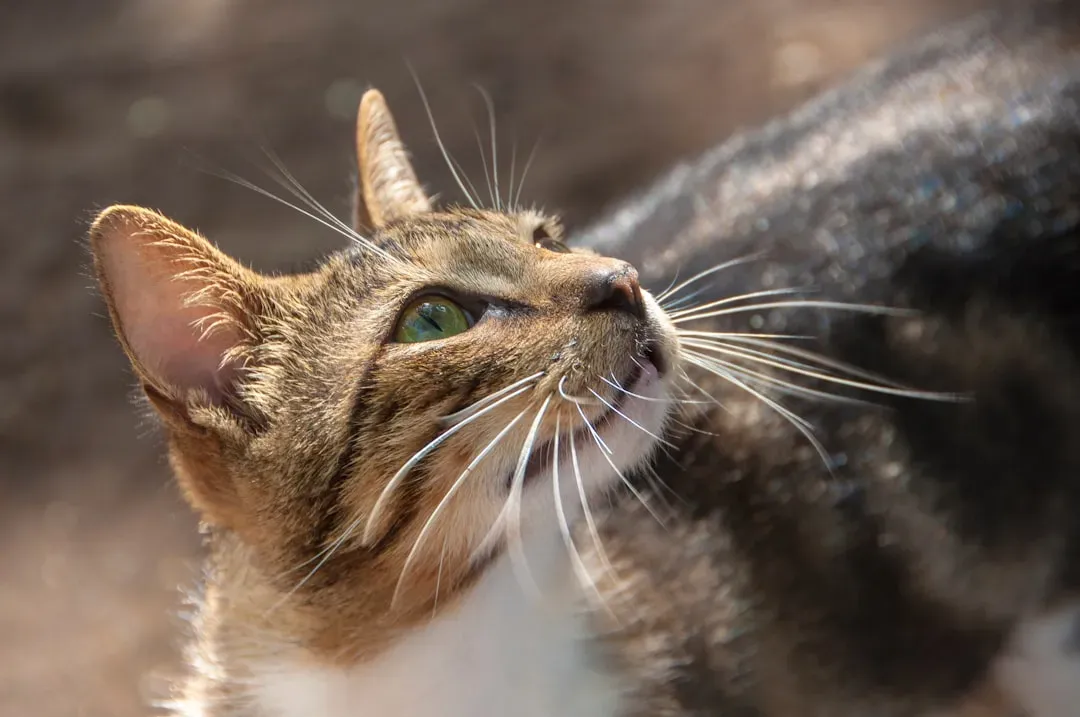
Here’s the thing – when you look at your cat’s whiskers, your brain probably categorizes them as “fancy, long hairs.” That’s a perfectly reasonable conclusion, but it’s almost entirely wrong. A cat’s whiskers are not just facial adornments; they serve as highly sensitive tactile sensors that guide movement and behavior. These specialized hairs, technically called vibrissae, are embedded deeply in the cat’s skin and are richly connected to the nervous system, making them extraordinarily sensitive to even the slightest changes in their surroundings.
These remarkable hairs are roughly three times thicker than regular fur and embedded three times deeper in follicles packed with blood vessels and nerve endings. Think of them less like hair and more like tiny antennae wired directly into your cat’s brain. Each whisker follicle contains 100 to 200 nerve fibers, compared to regular hair follicles that contain only 2 to 3 nerves. This massive neural network connects directly to the brain’s sensory processing centers, creating an instant communication pathway that provides detailed environmental information.
Your Cat Has a Built-In Radar System on Its Face
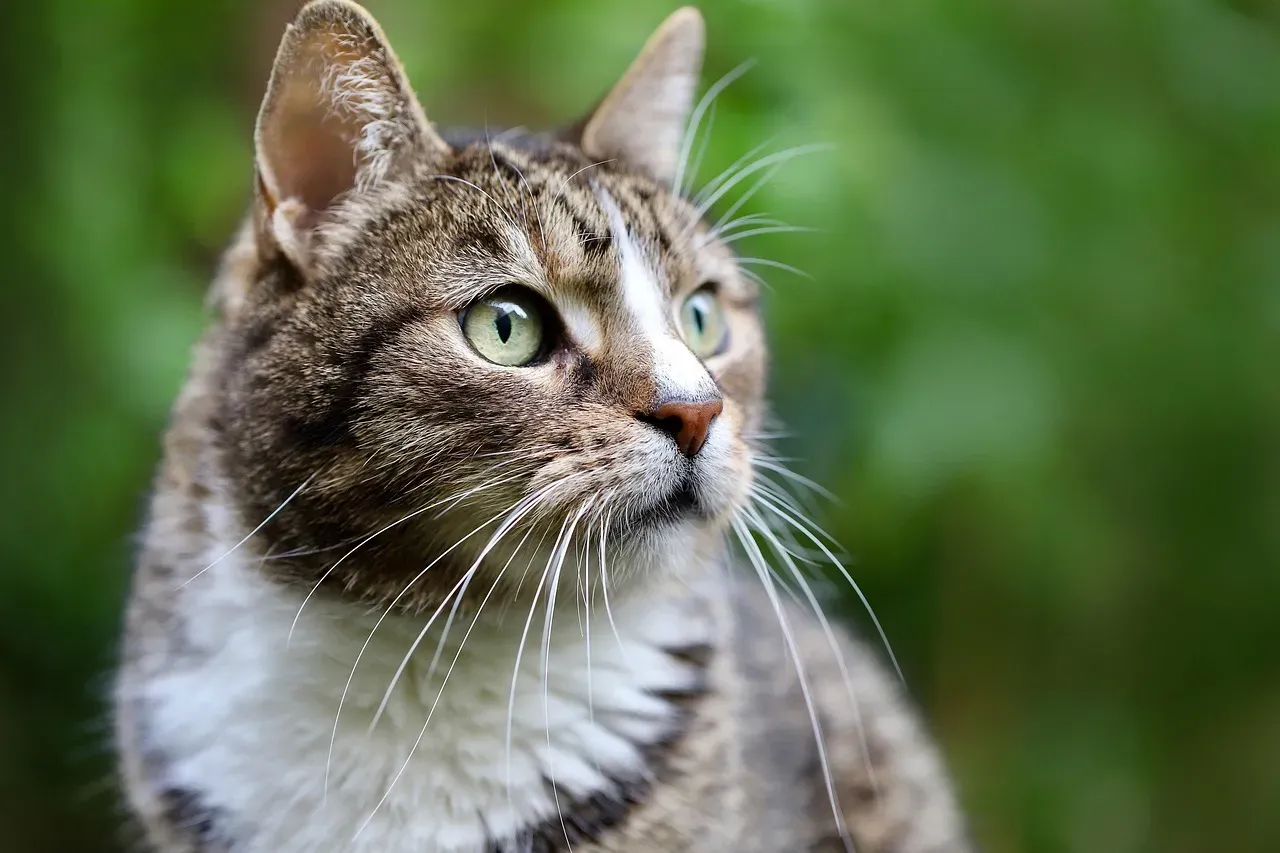
I know it sounds crazy, but your cat is essentially walking around with its own radar system mounted on its muzzle. At the tip of each whisker is a sensor called a proprioceptor, which detects vibrations such as changes in air currents and transmits them back down the shaft of the whisker into the follicle. The follicle is connected to more blood vessels and nerve endings than a regular hair follicle, making it very receptive to the vibrations the whisker picks up. That information is then transmitted to the brain, enabling your cat to understand what’s going on.
Each whisker acts as a sensitive lever that amplifies even microscopic movements and transmits them to the nerve-rich follicle base. When air currents or objects contact the whisker, the movement triggers nerve firing that sends specific information about the stimulus’s location, intensity, and direction to the brain’s sensory processing centers. This system allows cats to detect air currents bouncing off objects, essentially giving them a form of echolocation similar to bats or dolphins, though less sophisticated. That’s a jaw-dropping comparison, honestly.
Your Cat’s Whiskers Are Basically a Built-In Measuring Tape
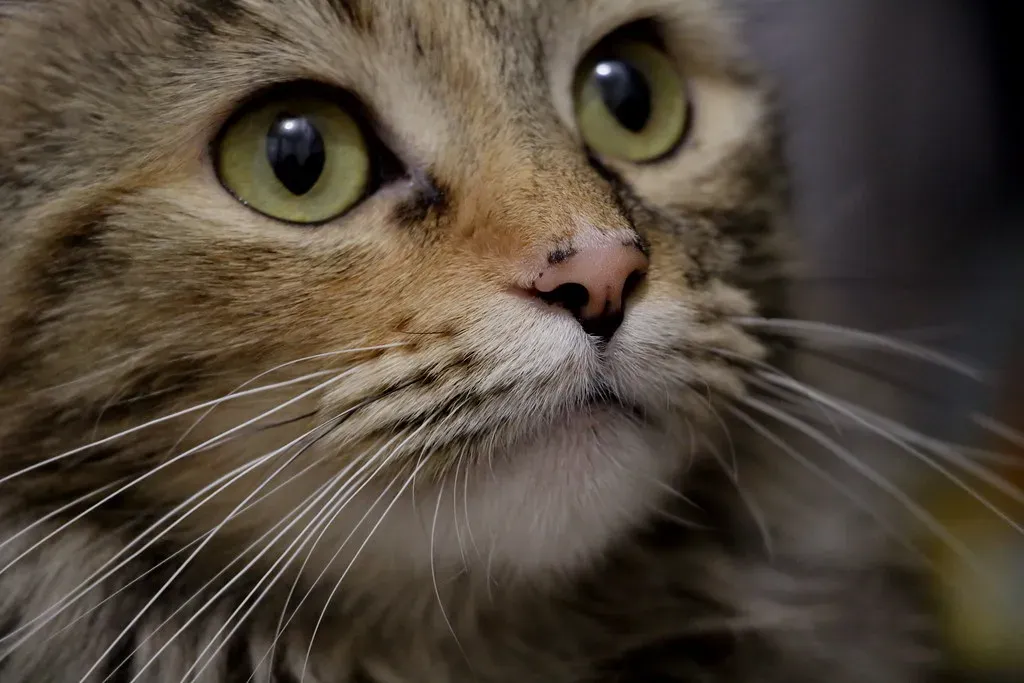
Ever wonder how your cat squeezes through seemingly impossible gaps without getting stuck? It’s not luck, and it’s not magic. The size of a cat’s whiskers isn’t random – they’re usually about the same width as the cat’s body. Their size helps cats judge whether they can fit through tight spaces, like under furniture or through a gap in a fence. If the whiskers touch both sides of a space, it tells the cat they may get stuck.
You may have seen your cat put their head into an opening before the rest of their body. This is because their whiskers work as a built-in ruler. Because whiskers are placed around the width of your cat’s body, it means they are excellent at helping your cat gauge how tight a space is. It’s a bit like carrying a perfectly calibrated measuring tape around on your face at all times. Your cat never has to guess – the whiskers simply know.
Your Cat Uses Whiskers to “See” in the Dark
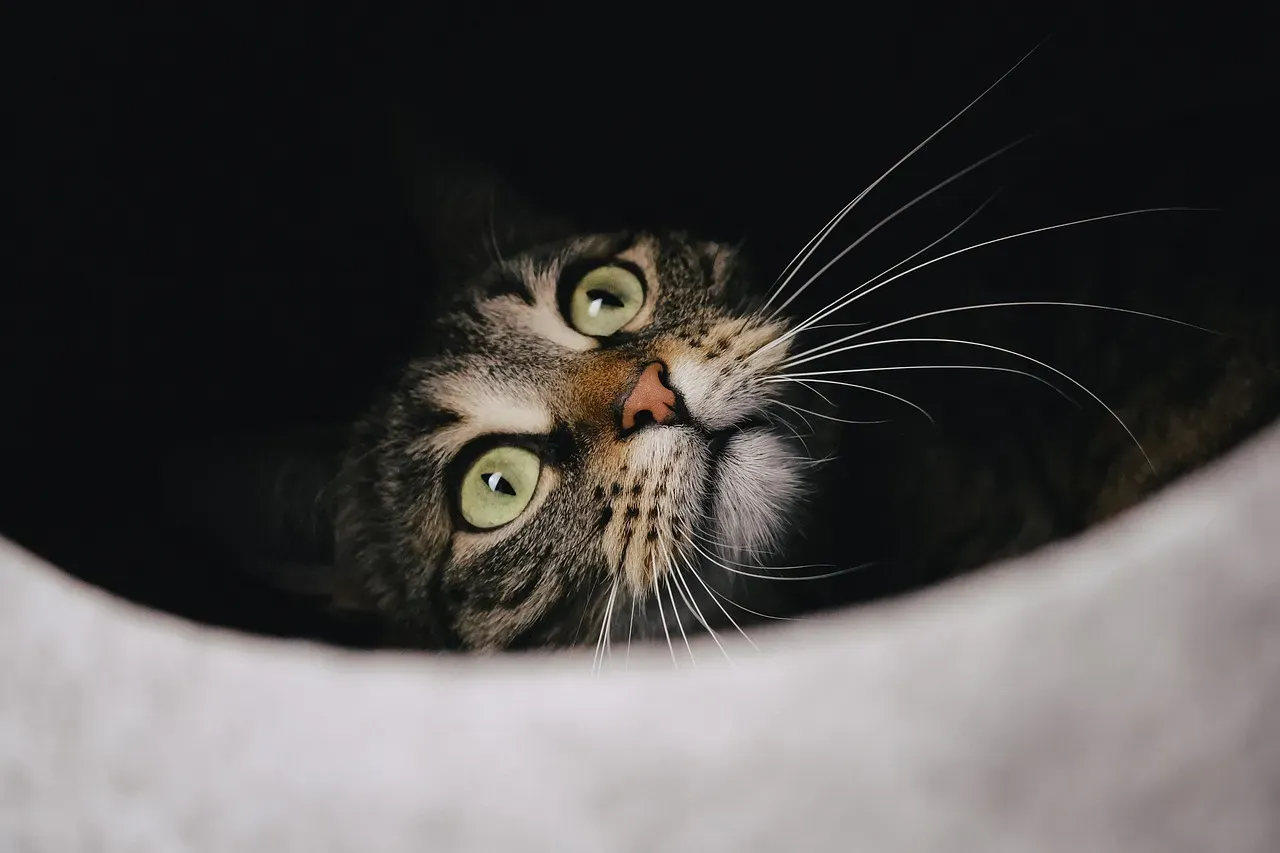
Cats are famous for their night vision, and yes, it’s genuinely impressive. Still, even the best eyes have limits in complete darkness. This is where the whiskers take over. If you’ve ever wondered how your cat seamlessly moves around during the night without bumping into anything, it is in part because of their whiskers. The air currents in a room are different depending on where furniture is placed, and their intelligent whiskers pick up on this and tell their brain where things are.
These remarkable tactile hairs can detect the slightest air currents, which helps cats move confidently in total darkness. They avoid obstacles by sensing changes in air flow that bounces off objects, similar to echolocation. A cat’s whiskers can detect movements just 1/2000th the width of a human hair. This incredible sensitivity lets them detect nearby prey even in poor visibility. Honestly, comparing that level of sensitivity to anything human is almost unfair.
Your Cat’s Whiskers Are a Secret Emotional Compass
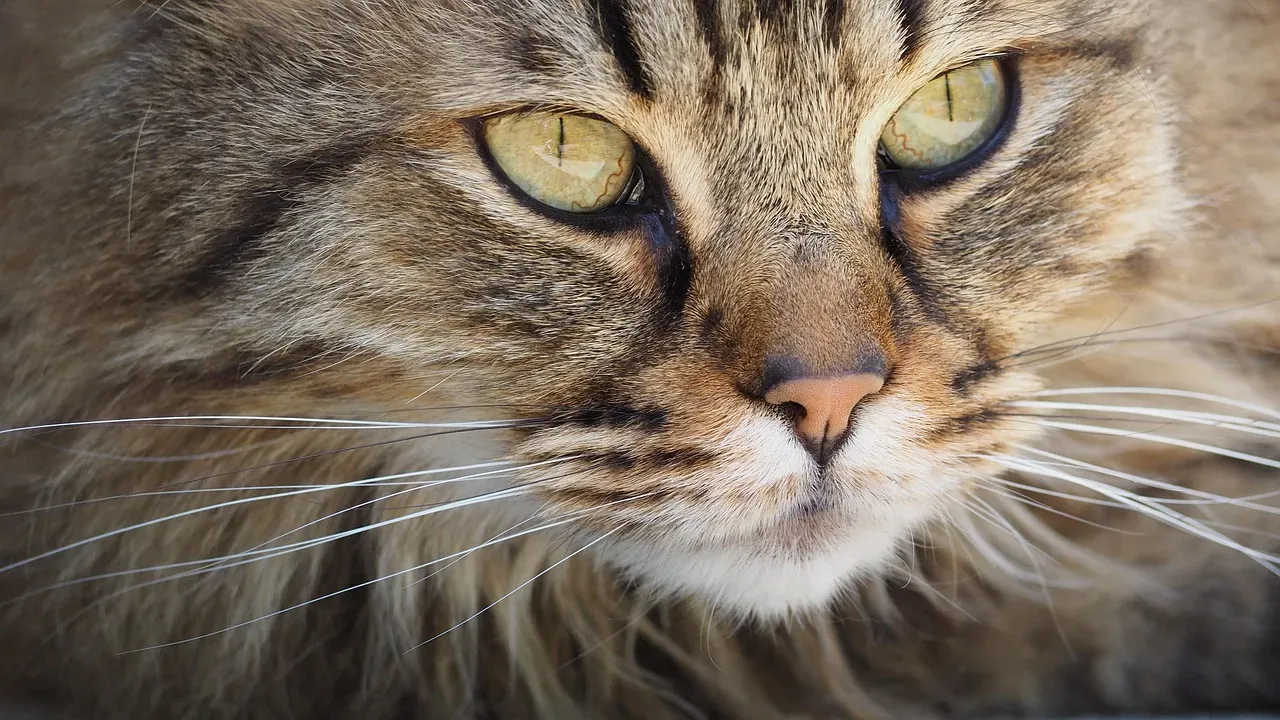
If you’ve ever wanted a reliable way to know exactly how your cat is feeling – beyond the obvious hissing – their whiskers are your answer. In addition to their sensory functions, whiskers also play a role in communication. Cats can move their face whiskers forward or backward, and this movement can indicate their mood or intentions. For example, when a cat is curious or hunting, it may push its whiskers forward. Conversely, when a cat is scared or angry, it may pull its whiskers back against its face.
Happy or curious cats elevate their whiskers above their eyes, giving them that cute, wide-eyed appearance everyone loves. If a cat feels threatened, they will pull the whiskers on their muzzle taut, flare them, and then direct them forward toward the threat. So next time your cat is giving you side-eye, just check the whisker position. It tells you everything you need to know, often before your cat has even decided what it’s feeling.
Your Cat Actually Has Whiskers on Its Legs, Too

This one genuinely surprises people every single time. Most folks point to the cheeks and call it a day. But your cat’s whisker system is far more distributed than that. You probably notice the whiskers around your cat’s nose. But cats also have whiskers on their eyebrows, chin, and even the back of their front legs. The leg whiskers, called carpal vibrissae, help detect movement from prey or obstacles below them, which is especially handy during hunting or climbing.
Carpal whiskers, or carpal vibrissae, grow on their front legs near the equivalent of our wrists. These leg whiskers grow longer and thicker than the facial ones and help cats detect prey movements during hunting. Think of it this way: your cat is basically wearing sensory gloves all the time. The total whisker count typically ranges from 40 to 50 individual whiskers when counting all locations. That’s a lot of built-in intelligence going on in one small body.
Whisker Fatigue Is a Real Condition – and Your Bowl Might Be Causing It

Let’s be real – the first time most people hear about “whisker fatigue,” they assume it’s some kind of clever marketing trick dreamed up to sell fancy cat bowls. It’s not. Each cat whisker follicle can be associated with as many as 100 to 200 neurons, and overstimulation of the whisker, or whisker fatigue, is a real issue. Whisker fatigue is usually caused by chronic, recurrent pressure on the whisker and firing of the neurons in a way that overstimulates your cat. It is often associated with inappropriately sized food and water dishes.
If you notice that your cat dislikes eating from their food bowl or seems distressed until they scoop food out onto the floor, mention this to your veterinarian. Your cat may benefit from some shallower dishes to protect their sensitive whiskers. This is one of those practical takeaways that can genuinely improve your cat’s daily comfort. A simple switch to a wide, shallow bowl could make mealtimes much less stressful for your furry companion.
You Should Never, Ever Trim Your Cat’s Whiskers
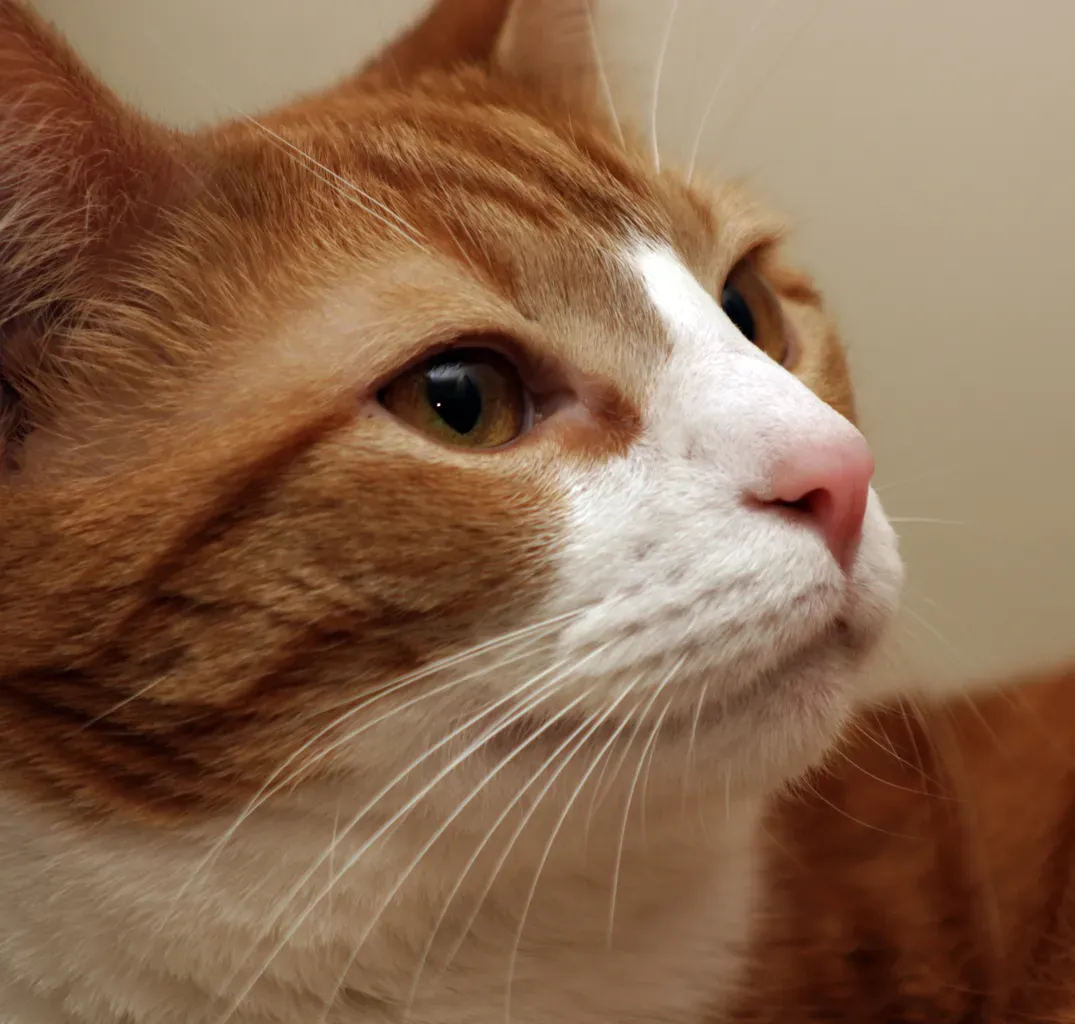
This one needs to be said clearly, firmly, and without any ambiguity. Cats do shed whiskers occasionally, but you should never attempt to cut or trim them yourself. If you do, you’re removing crucial sensory information that your cat needs, and they could experience dizziness, confusion, and disorientation. It would be like suddenly removing your sense of touch or sight – you wouldn’t like it, either.
Some countries take whisker protection seriously – in Germany, trimming cat whiskers is considered an amputation under animal protection law and is strictly prohibited. This legal recognition reflects the scientific understanding of whiskers as essential sensory organs rather than cosmetic features. The good news? Cats naturally shed their whiskers as part of their normal growth cycle, similar to how they lose fur. Each whisker reaches a certain age and falls out to be replaced by a new one, ensuring the cat maintains optimal sensory capabilities. This process is completely normal and allows the cat to continue accurately navigating and sensing their environment. Nature handles the maintenance on this one – your only job is to leave them alone.
Conclusion
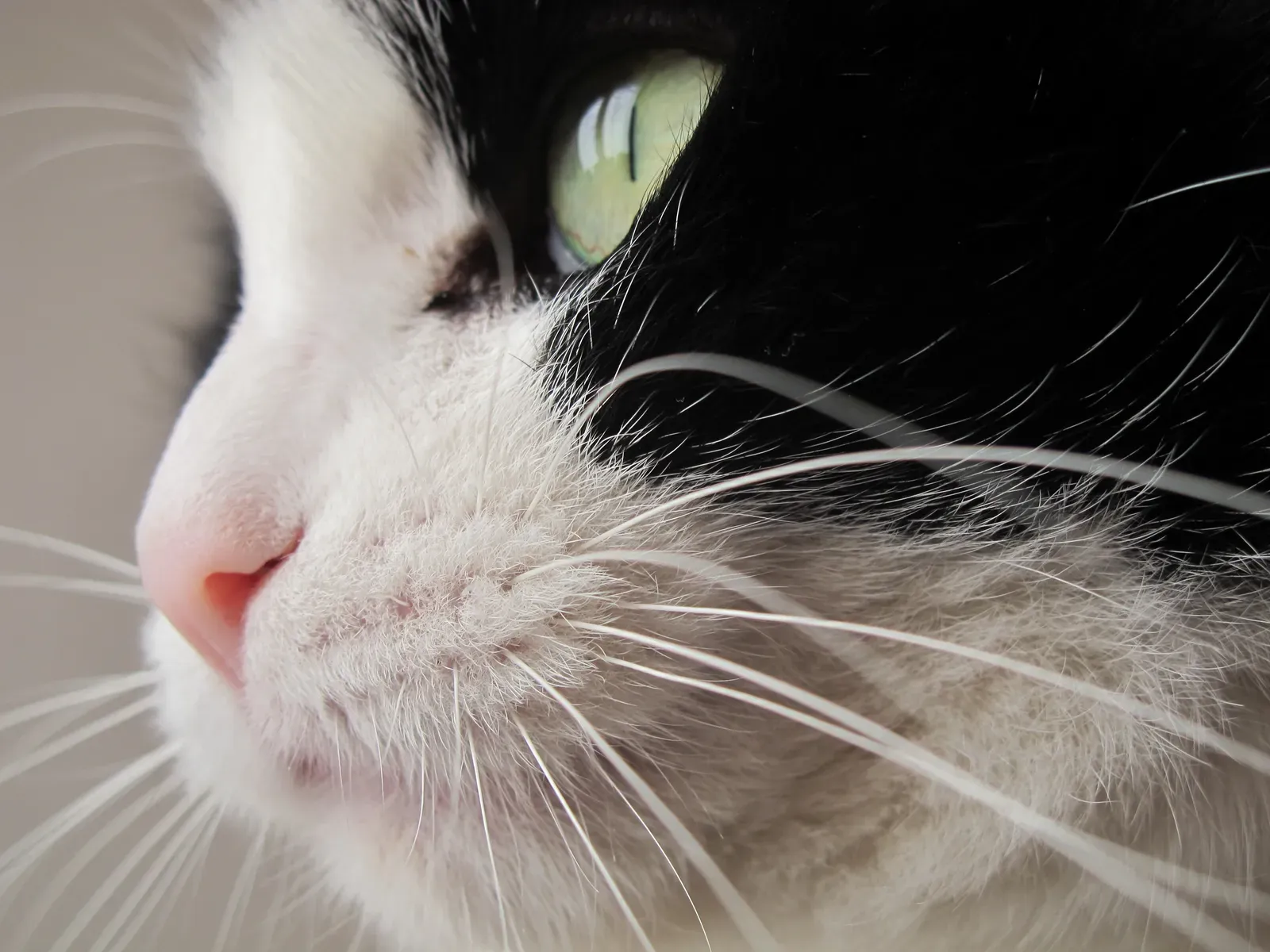
Your cat’s whiskers are one of the most underappreciated marvels in the entire animal kingdom. They navigate darkness, measure space, translate emotions, detect invisible air currents, and protect your cat from harm – all simultaneously, all the time, without a single moment of rest. What looks like a charming facial feature is really a precision-engineered sensory system that science is still working to fully understand.
The next time your cat twitches those magnificent wires in your direction, take a second to appreciate the extraordinary biology happening right in front of your eyes. They’re not just cute. They’re remarkable. Did you ever expect something as simple as a whisker to be that sophisticated? Drop your thoughts in the comments – we’d love to know what surprised you most.