You’ve probably heard people say that cats have nine lives. While that’s just a playful myth, there’s something truly magical about watching your feline companion age gracefully alongside you. The truth is, your cat’s longevity and quality of life depend heavily on the daily choices you make for them.
Think about it this way: every meal you serve, every play session you initiate, and every vet appointment you schedule is like depositing into a health savings account for your cat. Those small investments compound over time, potentially adding years to their life and life to their years. The best part? Most of these healthy habits are simpler than you might think. Let’s explore the essential practices that can help your cat not just survive, but truly thrive well into their golden years.
Feed a High-Quality, Protein-Rich Diet Tailored to Their Life Stage
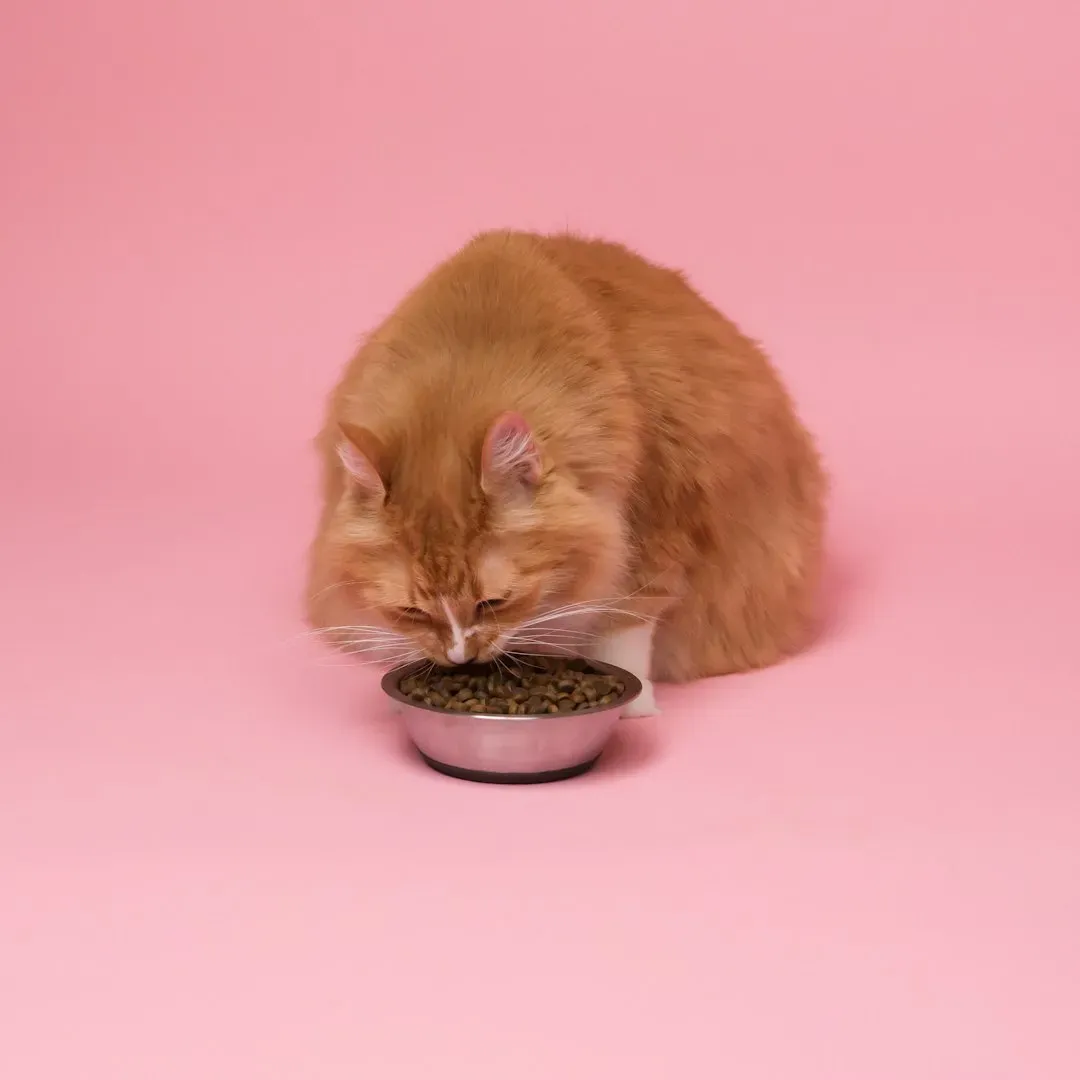
Cats are obligate carnivores, which means they rely on nutrients found only in animal products and must have a source of animal protein in their diet. This isn’t just some nutritional preference. Their entire biological system evolved to process meat.
A well-balanced and nutritious diet is vital for maintaining your cat’s health, ensuring that their diet includes high-quality protein, healthy fats, and essential nutrients. When you’re selecting food for your cat, look beyond the pretty packaging and marketing claims. Read the ingredient list carefully. Meat should be the first ingredient listed, not fillers or plant-based proteins.
Cats are often considered seniors at 7 to 10 years of age, so consider starting a senior diet around 7 years or as recommended by your vet to maintain health and optimum body weight, slow or prevent the development of chronic disease, and minimize or improve clinical signs of diseases that may already be present. Your cat’s nutritional needs shift as they age, just like ours do.
Prioritize Fresh Water and Proper Hydration Daily
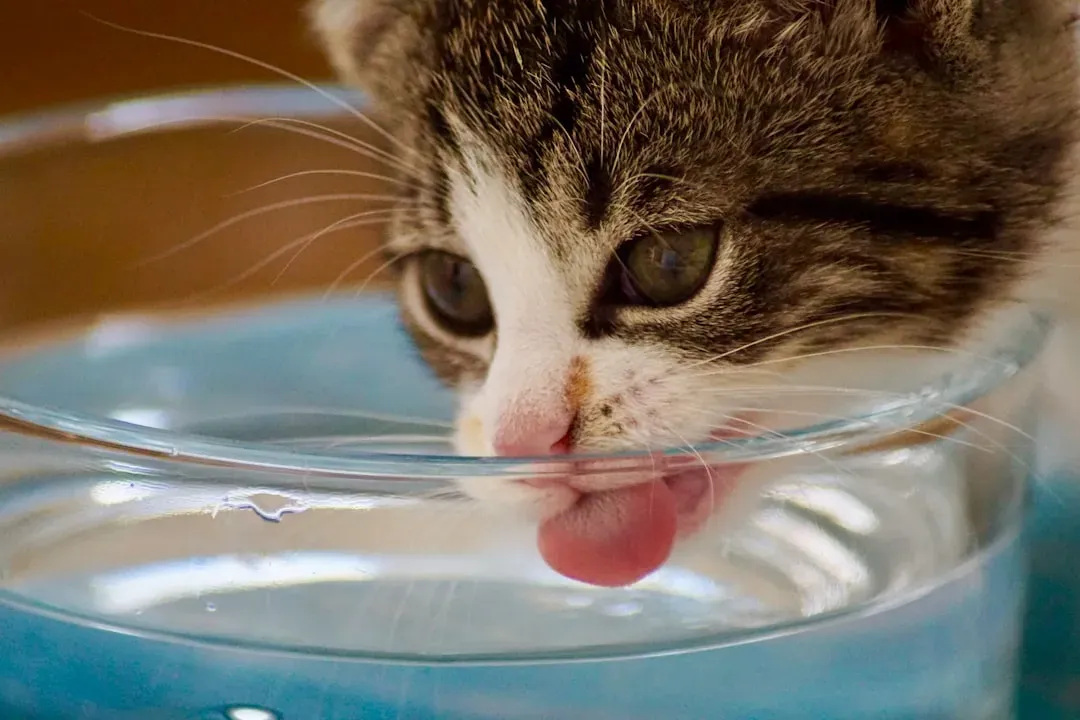
Here’s something many cat owners don’t realize: cats have a low thirst drive because their ancestors evolved in the desert, where water is not always readily available, and their hydration needs were mostly met by eating small prey. This means your cat might not naturally drink enough water, even when they need it.
Cats should generally drink about 3 to 4 ounces of water per 5 pounds of body weight each day, meaning a 10-pound cat typically needs around 6 to 8 ounces of water daily. However, if your cat eats primarily wet food, they’ll get a significant portion of their hydration from their meals. Cats who eat dry food often need to drink more because dry kibble contains very little moisture, while cats who eat canned food may drink less because canned diets are made up of about 70–80% water.
Cats can be prompted to increase their water intake by always having fresh water available in places that they can easily access, and some cats increase their intake when provided with water fountains, while feeding wet food and adding water to food is another good way to increase water intake. Try placing multiple water bowls around your home. Some cats are peculiar about water temperature or bowl material, so experiment until you find what works for your particular feline.
Schedule Regular Veterinary Wellness Exams
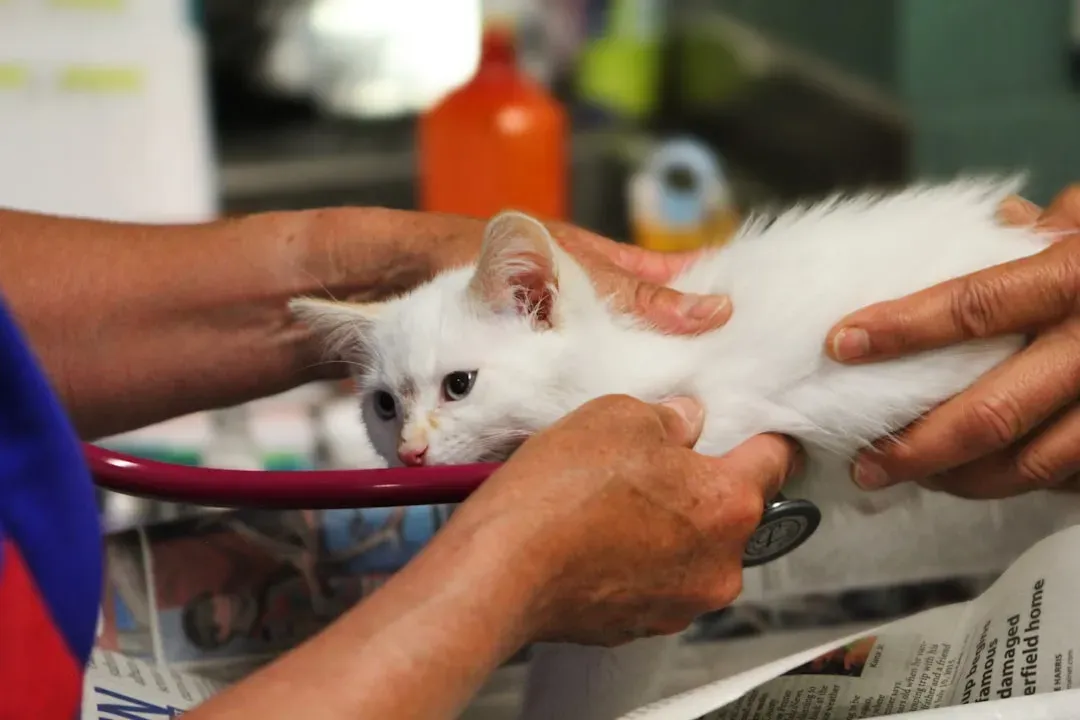
Let’s be real: most cats aren’t exactly thrilled about vet visits. Still, cats require annual check-ups, and senior cats should see a veterinarian at least twice a year, as these visits can help catch any health issues early and prevent them from becoming more severe.
Cats cannot tell you how they are feeling and, as a result, disease may be present before you are aware of it, and as part of their survival instincts, most cats will hide signs of disease in the early stages. This natural behavior makes regular checkups absolutely critical. Your vet can spot subtle changes during an examination that you might never notice at home.
As part of a complete wellness examination, your veterinarian will usually recommend wellness screening tests, including four main categories: complete blood count (CBC), biochemistry profile, urinalysis, and thyroid hormone testing. These tests create a health baseline and help catch problems before they become serious or expensive to treat. Think of it as preventive maintenance for your cat’s health.
Make Daily Play and Exercise Non-Negotiable

Your cat might seem perfectly content sleeping twenty hours a day, but don’t be fooled. Play time is critical for a cat’s well-being and reduces stress and frustration, with adult cats needing 20 to 30 minutes of play time daily. This doesn’t need to happen all at once. Breaking it into shorter sessions actually works better for most cats.
Daily physical activity and mental stimulation contribute to both physical and psychological well-being, helping maintain a healthy weight, strengthening muscles and joints, and supporting cardiovascular function, while for cats, interactive play sessions with feather wands or puzzle feeders are essential to satisfy their natural hunting instincts. Interactive toys that mimic prey movements tap into their predatory nature and provide both physical exercise and mental engagement.
Honestly, one of the simplest ways to exercise your cat is through regular play with wand toys, laser pointers, or even crumpled paper balls. The key is consistency. Make it part of your daily routine, just like feeding time.
Provide Environmental Enrichment and Mental Stimulation
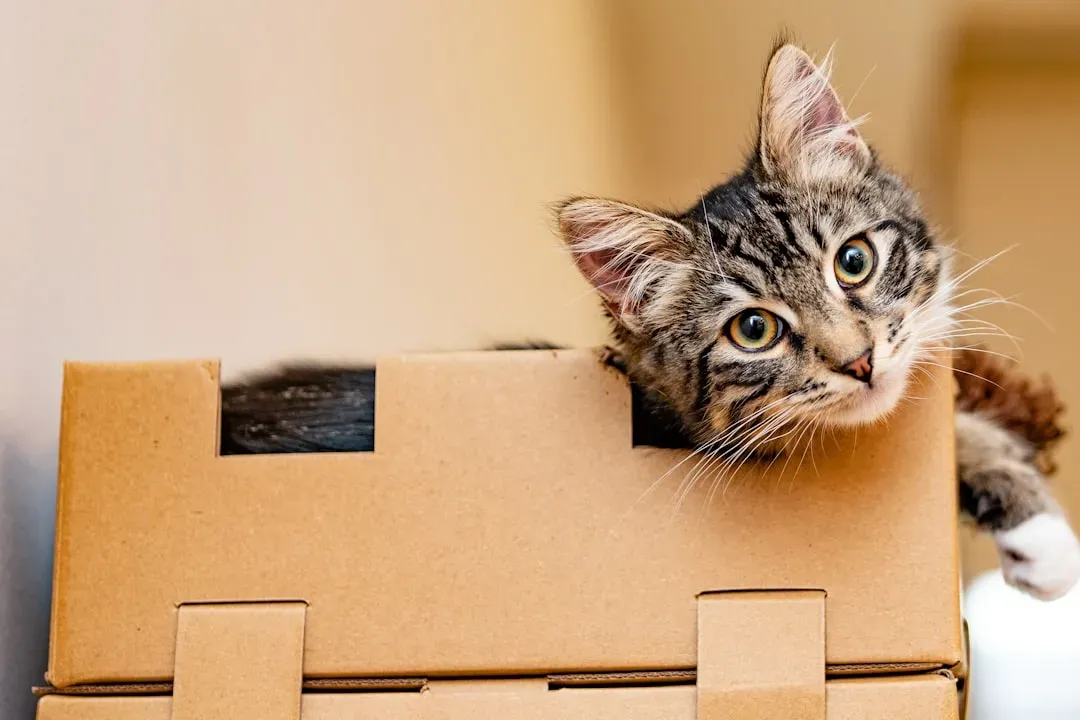
Indoor cats are chronically bored, confined to their home with days that are repetitive and endless with nothing to do, and though we may think they’re living the life of luxury sleeping all day without a care, the reality is they are frequently bored and depressed. That’s a sobering thought, isn’t it?
Puzzle feeders and interactive toys encourage mental stimulation by making your cat work for their food, dispensing small amounts of kibble when your cat interacts with them, stimulating their hunting instincts and providing a rewarding challenge. You can purchase fancy puzzle feeders or create simple DIY versions using cardboard boxes with holes cut in them.
Cats love to climb and explore their surroundings from different perspectives, so creating vertical spaces in your home to satisfy their climbing instincts through cat trees, wall-mounted shelves, or sturdy carpeted perches provides not only exercise opportunities but also allows cats to observe their territory, providing mental stimulation and a sense of security. Window perches where they can watch birds and outdoor activity are like television for cats, offering hours of entertainment.
Maintain Healthy Weight Through Portion Control
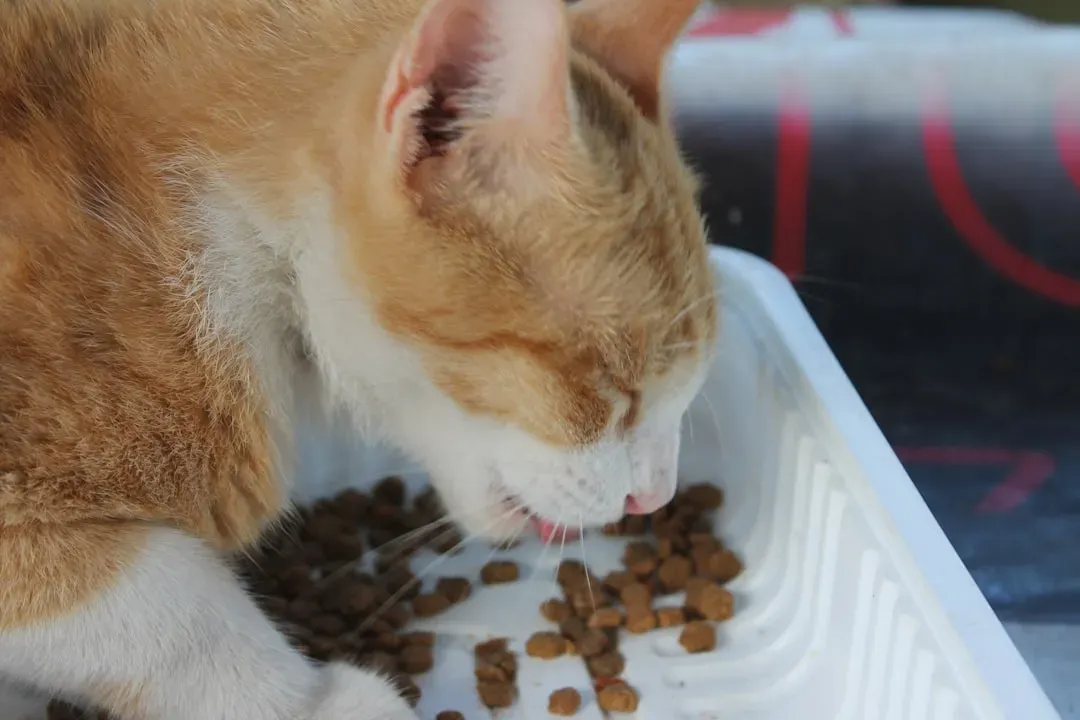
Maintaining a healthy weight is important, as obesity is the most common nutrition-related problem in cats and makes cats susceptible to a number of health problems, including arthritis and diabetes. It’s hard to say no to those pleading eyes, but overfeeding your cat is not an act of love.
One of the biggest threats to pet health in the U.S. is obesity, and avoiding overfeeding is vital for longevity, as excess weight puts severe stress on joints and organs and dramatically increases the risk of chronic conditions like diabetes, arthritis, and heart disease. The extra pounds don’t just affect their appearance; they can literally shorten their lifespan.
Use a measuring cup for food portions instead of eyeballing it. Treats should be given in moderation and should represent no more than 10% of a cat’s daily caloric intake, with the rest coming from a nutritionally complete cat food. If you’re unsure whether your cat is at a healthy weight, ask your vet. They can show you how to assess your cat’s body condition and adjust portions accordingly.
Keep Up with Dental Care and Oral Hygiene
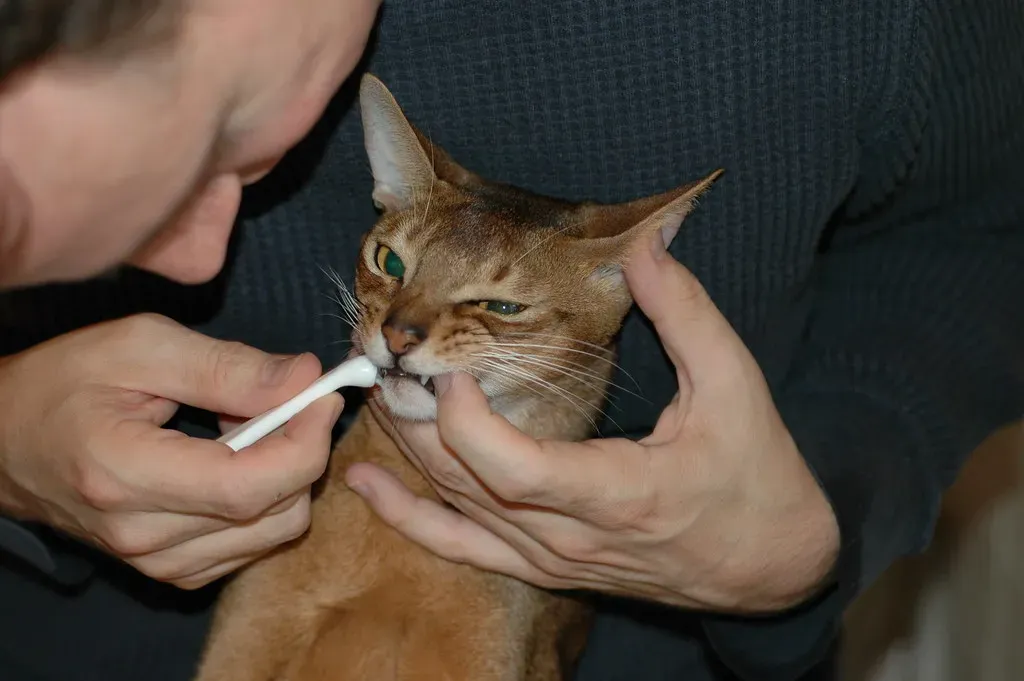
Tartar and plaque buildup on your pet’s teeth can cause minor and serious health problems, and aside from bad breath, your pet may develop gum recession, cavities, periodontitis, and loose teeth, while research data has shown a link between dental disease and other common health problems such as heart, liver, lung, and kidney disease. Your cat’s dental health affects far more than just their mouth.
I know it sounds crazy, but brushing your cat’s teeth regularly can make a real difference. Poor oral care leads to gum infection and early organ failure, so brush daily with cat toothpaste, offer dental treats, and ask your vet for annual cleanings, as fresh breath often signals strong health and helps extend the lifespan.
Start slowly if your cat isn’t used to having their teeth brushed. Use a finger brush at first, and always use toothpaste formulated specifically for cats. Never use human toothpaste, as it can be toxic to them. Even if you can only manage a few teeth at a time, it’s better than nothing.
Monitor Behavior Changes and Stay Alert to Health Signals

Cats are notorious for hiding signs of illness, however, if you notice any changes in behavior or routine, it’s crucial to seek veterinary care immediately, and some signs would include hiding, decreased appetite and changes in social or litterbox habits. Your cat won’t tell you they’re feeling unwell, so you need to become a detective.
Cats are stoic creatures and hide a lot when they’re not feeling well, not coming to greet you and displaying other typical behaviors, and maybe they’re limping, vomiting, having diarrhea, not eating, sleeping way more than they used to, or not playing, with any change in your cat’s routine alerting you to a problem that warrants a call to your veterinarian. Keep a mental note of your cat’s normal patterns: how much they eat, where they sleep, their litter box habits, and their activity level.
Subtle changes often signal bigger problems brewing beneath the surface. Maybe they’re drinking more water than usual, or they’ve started avoiding the stairs they used to climb easily. These small shifts deserve attention. Trust your instincts. You know your cat better than anyone else.
Conclusion: Small Steps Lead to Big Results

The habits we’ve explored aren’t complicated or expensive, yet they have the power to transform your cat’s health trajectory. From choosing quality nutrition and ensuring proper hydration to scheduling regular vet visits and providing daily enrichment, each practice builds upon the others to create a foundation for long-term wellness.
The lifespan depends on daily choices, starting with solid genetics, then layering smart nutrition, preventive veterinary care, exercise, and a calm home, with each habit stacking more healthy days onto the calendar. Think of it as a mosaic where every small tile matters. Skip one area, and the whole picture suffers.
The beautiful thing about cats is that they reward your efforts with years of companionship, purrs, and personality. They might act independent, but they rely on you completely for their health and happiness. What healthy habit will you start implementing today for your feline friend? Your cat’s future self will thank you for it.