Think you know everything about your cat? Sure, you’ve lived with that fluffy ball of mystery for years now. You’ve watched them knock things off counters, stare at walls for no apparent reason, and somehow always land on their feet. Here’s the thing though: beneath that adorable exterior lies a creature far more complex than most people realize.
Your feline companion carries secrets in their DNA, their brain, and even their purr that scientists have only recently begun to understand. Some of these discoveries are so surprising they might just flip everything you thought you knew about cats on its head. Let’s be real, most of us think we’ve got our cats figured out. Turns out, we’ve barely scratched the surface. So let’s dive in.
Your Cat’s Purr Might Actually Be Healing You
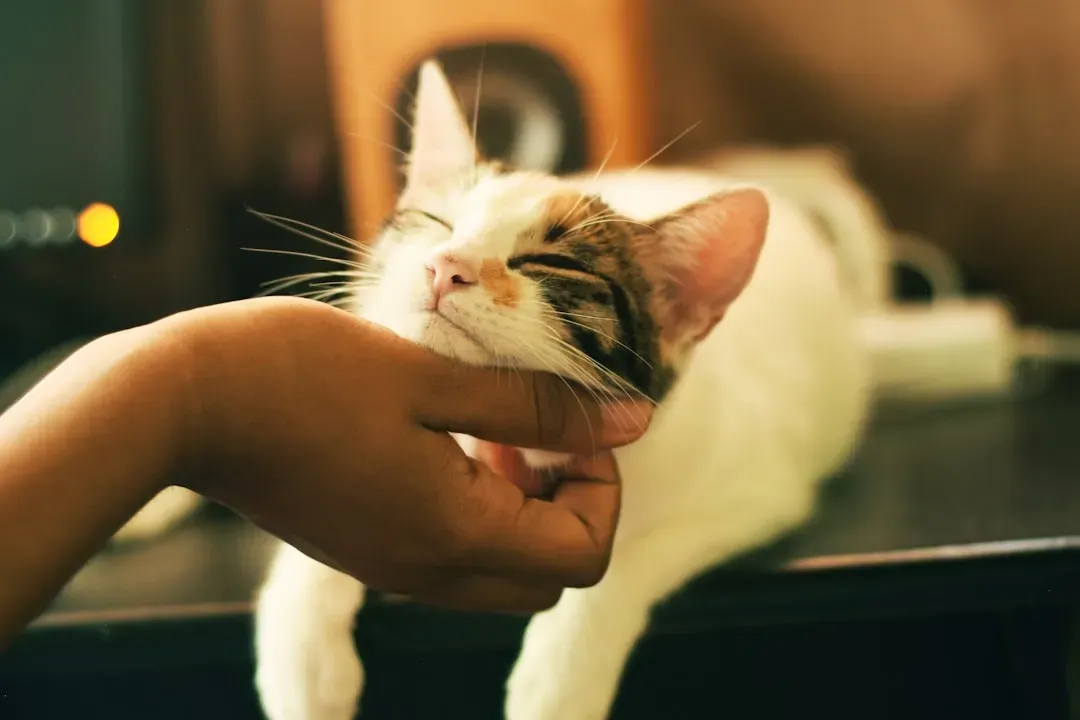
You probably love listening to your cat purr, but what if that rumbling sound is doing more than just making you feel cozy? Research shows that a cat’s purr vibrates between 25 and 150 hertz – a frequency range shown to promote tissue and bone healing. Some researchers believe these soothing vibrations may even have calming, restorative effects for humans who spend time around purring cats.
This isn’t just about relaxation. Cats’ purring may be a self-soothing behavior, since they make this noise when they’re ill or distressed, as well as when they’re happy. It’s almost like your cat has a built-in healing mechanism that benefits both of you. Next time your cat curls up on your lap and starts that rhythmic rumbling, remember you might be getting a free therapy session.
Cats Only Meow to Talk to You, Not Each Other
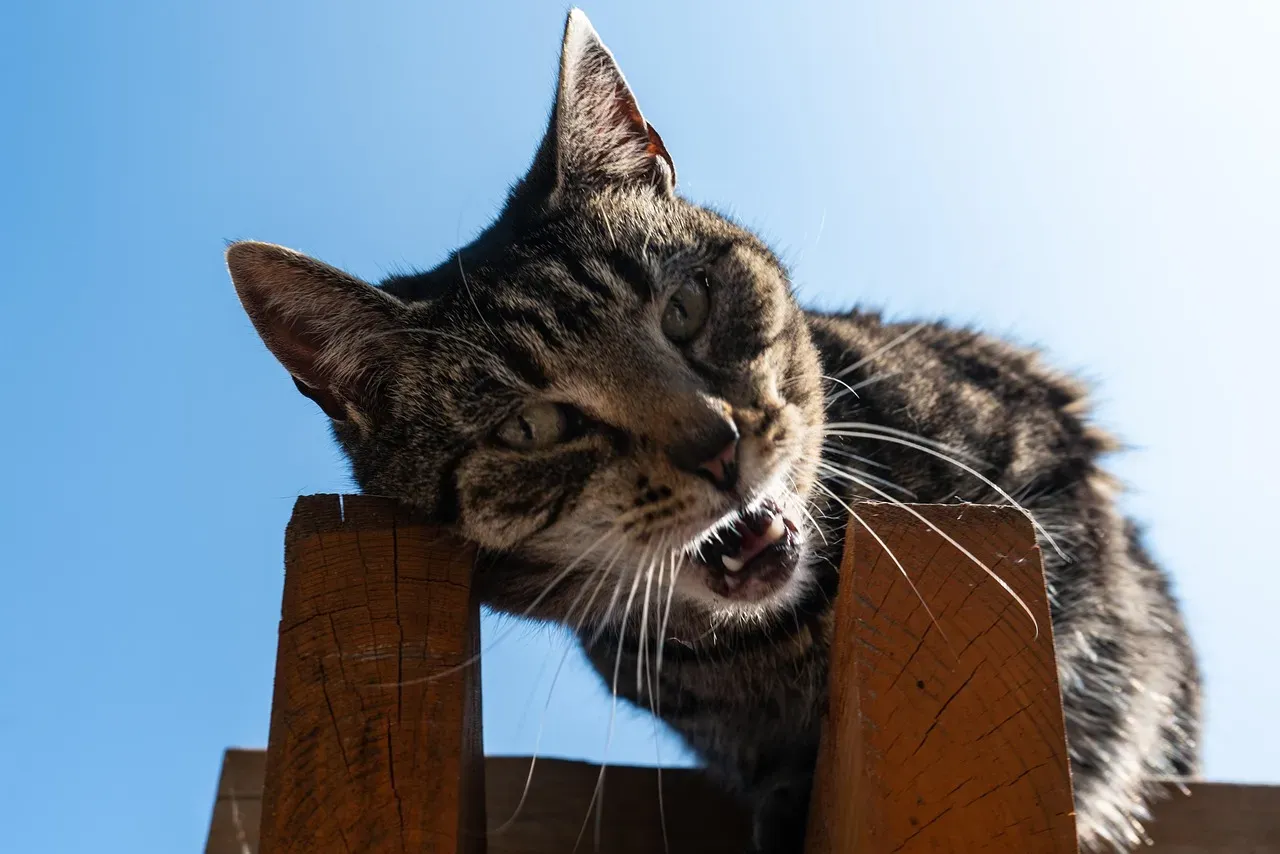
Meowing is a behavior that cats developed exclusively to communicate with people. Let that sink in for a second. When adult cats interact with each other, they use body language, scent marking, and other vocalizations, but they don’t meow. Your cat literally created a special language just for you.
Cats have a unique “vocabulary” with their owner – each cat has a different set of vocalizations, purrs and behaviors. Cats have up to 100 different vocalizations – dogs only have 10. Think about that complexity. Your cat might be way more articulate than you’ve given them credit for, and honestly, they’ve been customizing their communication style specifically for your household.
They Can’t Taste Sweetness At All
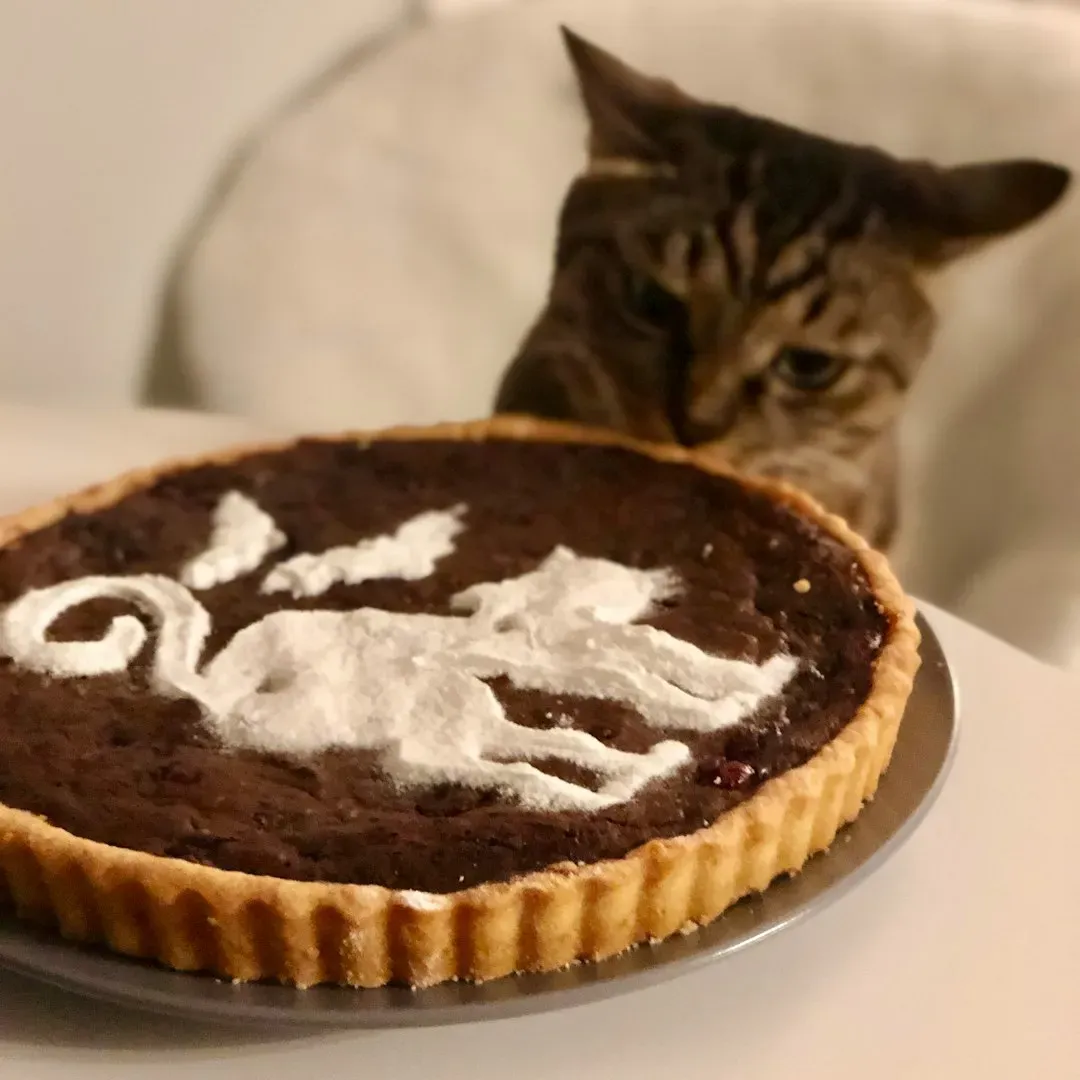
Ever wonder why your cat shows zero interest in your birthday cake? Cats are believed to be the only mammals who don’t taste sweetness. This isn’t pickiness or attitude. It’s pure biology. Their taste receptors simply lack the ability to detect sugar.
This is because they lack the taste receptors for sugary flavors. Their taste buds are more attuned to savoring meaty and savory delights, which aligns with their carnivorous nature. While you’re savoring that chocolate bar, your cat is genuinely unimpressed. Their world revolves around proteins and fats, which makes perfect sense when you consider they’re obligate carnivores. That indifference to your dessert? It’s not personal.
Your Cat Shares Nearly All Its DNA With Tigers
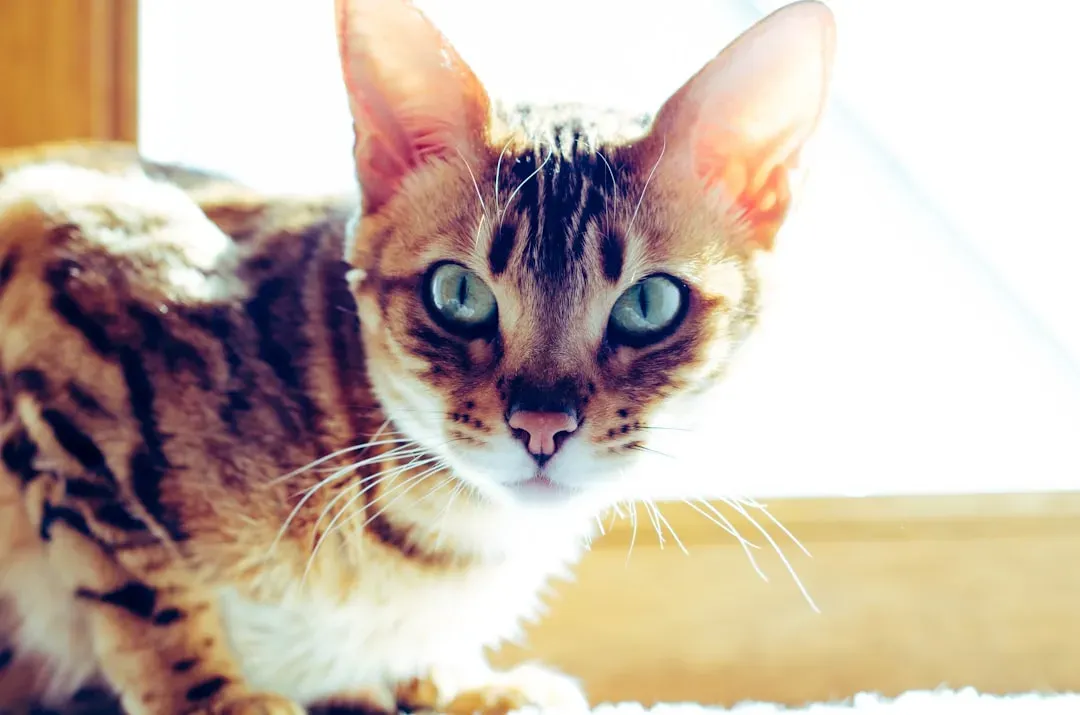
A study discovered that our little house cats share 95.6% of their genetic makeup with tigers! Yeah, you read that right. That tiny creature sleeping in a sunbeam on your couch is basically a miniature version of one of nature’s most fearsome predators. They also share a lot of the same behaviors such as scent and urine marking, prey stalking and pouncing.
Domestic cats share approximately 95.6% of their DNA with tigers according to genome comparisons. Around 22-24 genetic mutations differentiate domestic cats from their nearest wildcat relatives, mainly affecting behaviors like docility. It’s hard to say for sure, but this explains why your sweet tabby occasionally acts like a fierce hunter when chasing that red laser dot. The tiger within is very much alive.
Cats Are Reading Your Mind More Than You Think
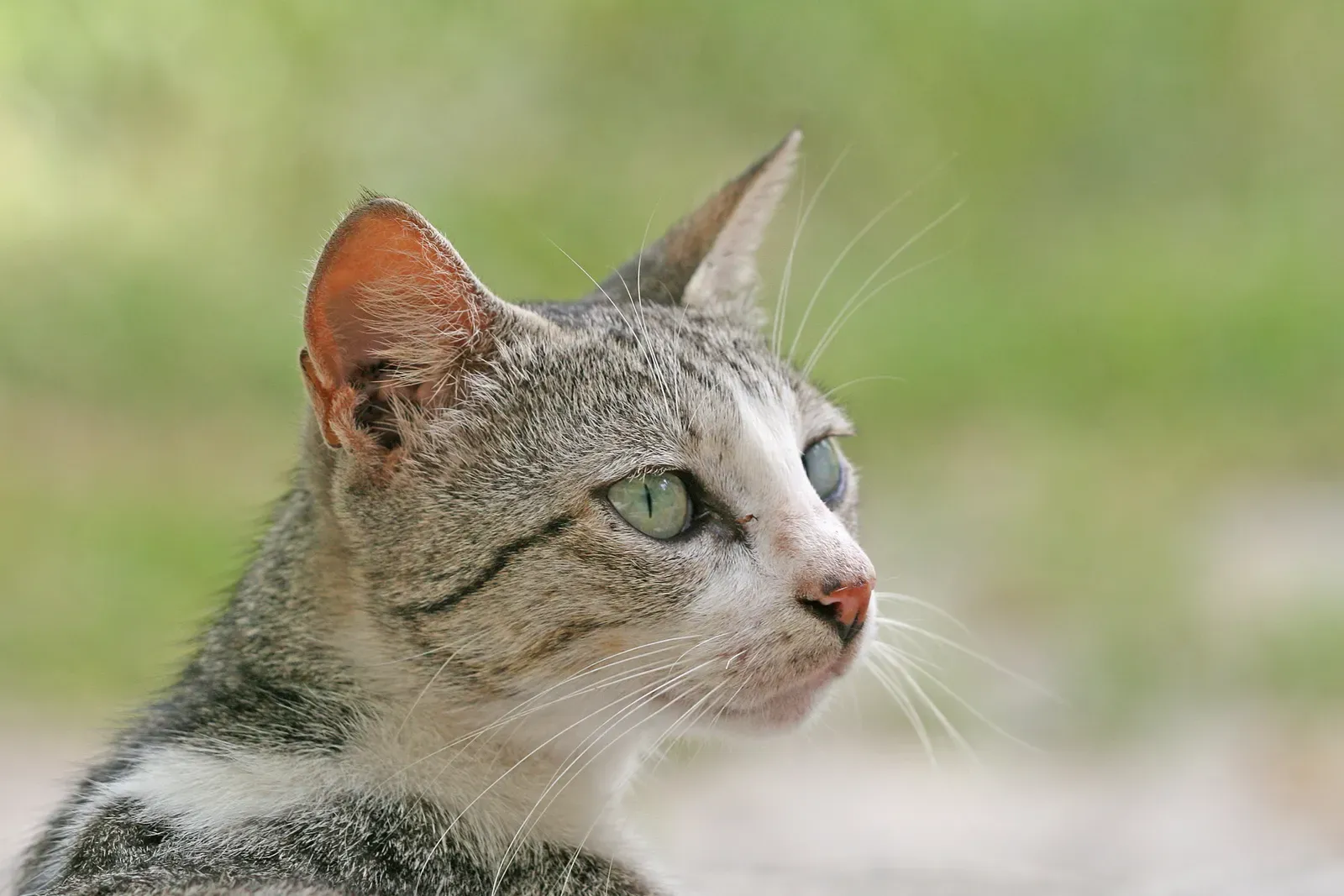
They asked for help – and were likely to do so sooner if the person was already engaged with them, i.e., looking at them. If the person was attentive, the cats would look at them more often, engaging their gaze, and would approach the treat more frequently, compared with the case of the caregiver being otherwise occupied. Let’s be real, this is kind of wild. Your cat actually adjusts their behavior based on whether you’re paying attention.
Their form of communication depends on the available human’s state of mind. That is a level of social cognitive ability cats hadn’t been thought to possess, in contrast to dogs, according to a new study. Cats aren’t the aloof creatures we’ve been told they are. They’re sophisticated observers who understand human attention and know exactly when to make their move. That calculated stare when you’re eating dinner? Yeah, they know what they’re doing.
Whiskers Are Basically Your Cat’s GPS System
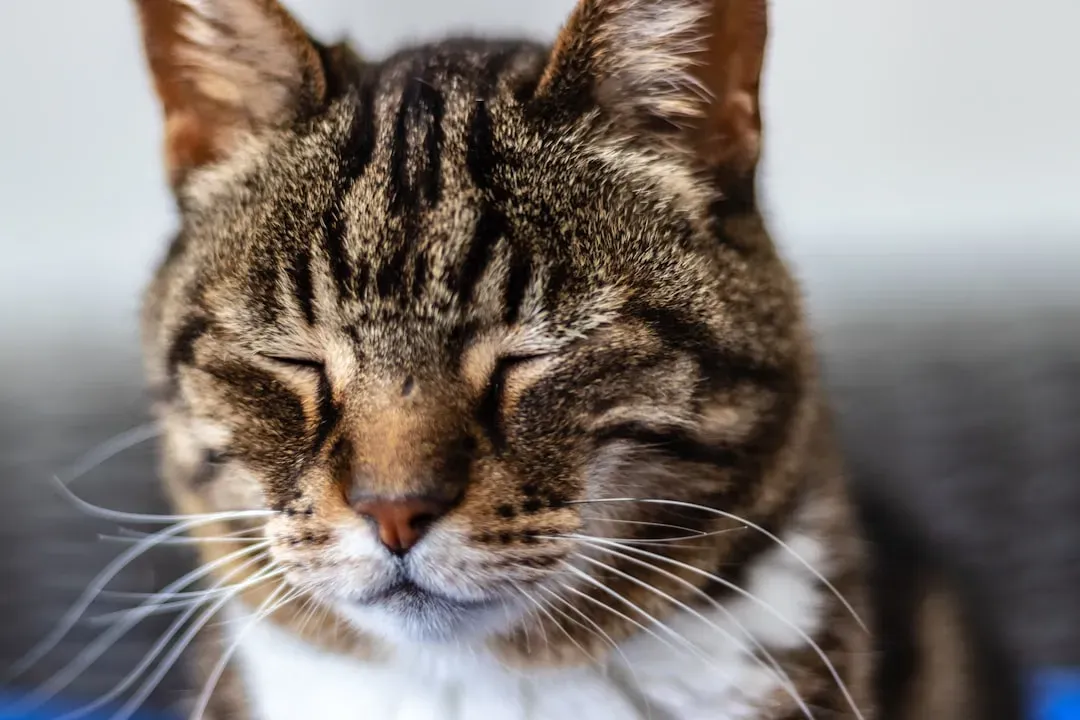
Those adorable whiskers aren’t just for show. Unlike normal hair, each whisker has a rich nerve and blood supply at its root, which allows information to travel via the nervous system to the brain. Whiskers are so sensitive that they don’t have to touch an object for a cat to sense nearby movement – changes in airflow can be enough.
Whiskers aid in spatial awareness by helping cats measure gaps and small spaces and to detect changes, such as air currents or nearby objects. Whiskers also act as balancing instruments, providing the brain with vital information about the cat’s body and limb position relative to the ground. They’re essentially walking around with built-in radar constantly feeding them data about their environment. Now you understand why trimming a cat’s whiskers is such a terrible idea.
Their Brain Is Shockingly Similar to Yours
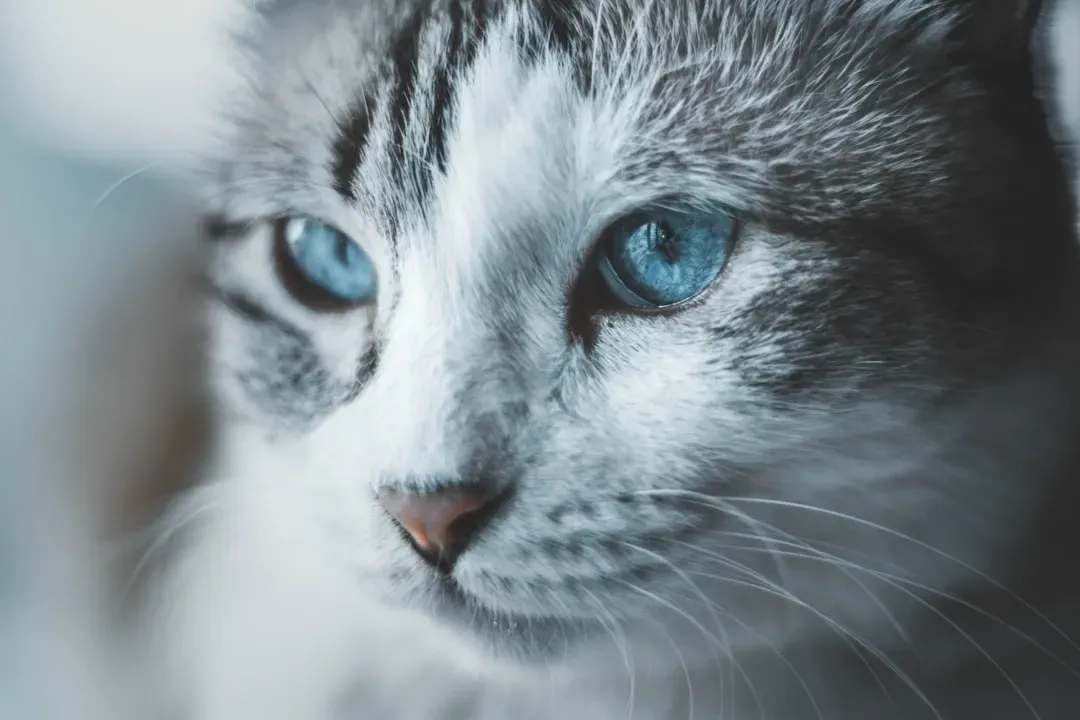
Humans and cats have identical emotional regions in their brains. This is honestly fascinating. With approximately 300 million cortical neurons – nearly double that of dogs – cats possess significant cognitive potential. Your cat isn’t just operating on instinct. They’re processing emotions and memories in ways remarkably similar to how you do.
Cats have a longer-term memory than dogs, especially when they learn by actually doing rather than simply seeing. Research has shown that cats can sense time, differentiate between objects, and demonstrate cognitive abilities comparable to those of a two-year-old human child. That explains why they remember exactly when dinner time is, even if the clocks change. Their little brains are far more powerful than their nap schedule might suggest.
They Walk Like No Other Animal on Earth
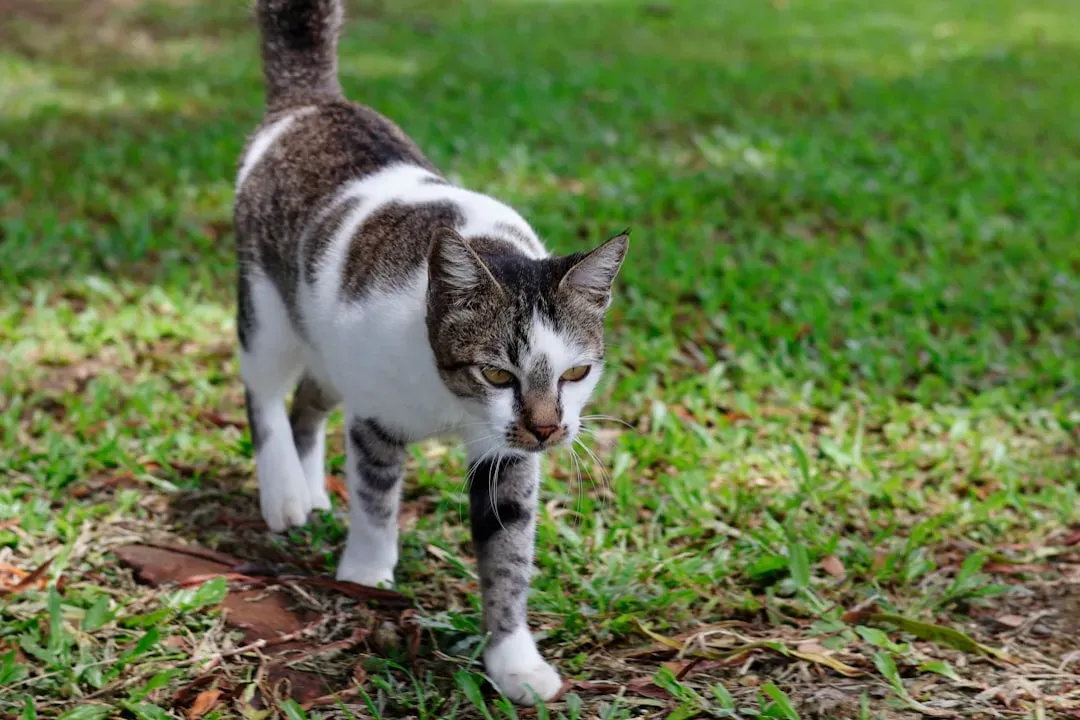
Their walking sequence is both right feet first, followed by both left feet, so they move half of their body forward at once. Camels and giraffes are the only other animals to walk this way. This unique gait is called pacing, and it’s part of what makes cats such efficient, silent hunters.
This walking pattern contributes to their incredible balance and stealth. Cats can run at a top speed of approximately 31 mph over a short straight sprint, making them a formidable hunter of rodents and birds. Combined with their flexible spine and powerful leg muscles, this unusual walking style helps explain why cats move with such effortless grace. Watch your cat walk across a narrow surface sometime. That unique gait isn’t an accident – it’s evolutionary perfection in motion.
Conclusion
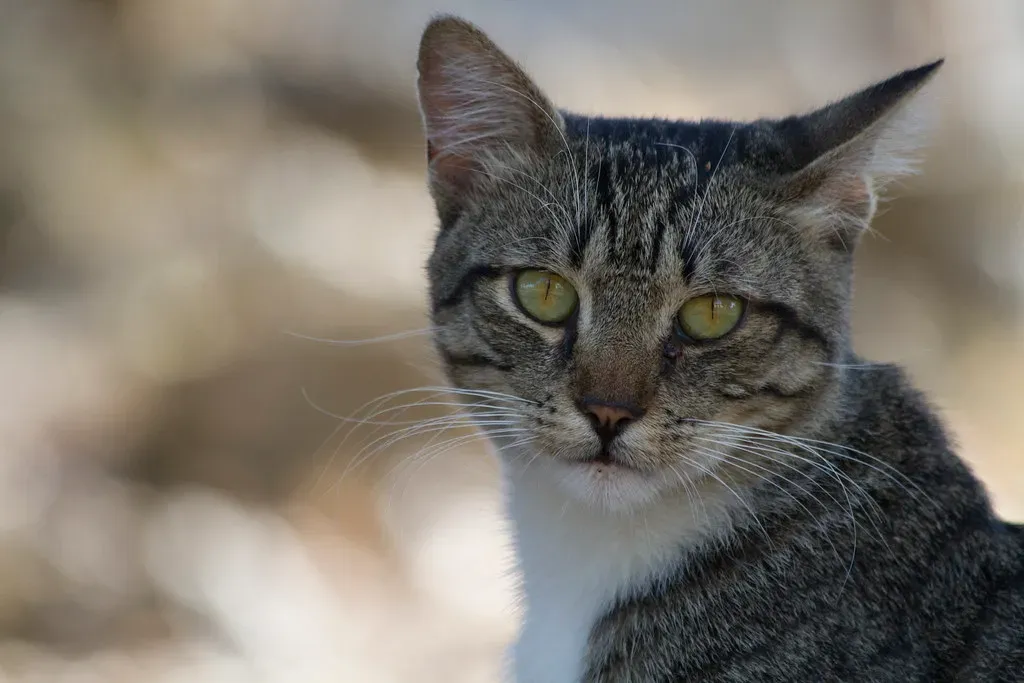
Pretty amazing, right? Your cat isn’t just a pet that lounges around all day. They’re a complex creature with healing purrs, tiger DNA, and communication skills specifically designed for interacting with you. They read your moods, navigate their world through ultra-sensitive whiskers, and possess cognitive abilities that rival young children.
These little-known facts reveal that cats are far more sophisticated than their reputation for aloofness suggests. They’ve evolved alongside us, developing unique traits that make them exceptional companions. The next time your cat does something that seems mysterious or bizarre, remember there’s probably some fascinating science behind it. What do you think about your feline friend now? Has your perspective shifted? Share your thoughts in the comments.