You’ve probably been sitting in your living room, minding your own business, when your cat suddenly lets out this tiny, melodic, rolling sound that stops you in your tracks. It’s not a meow. It’s not a purr. It’s something in between, almost musical, almost urgent. Honestly, the first time most people hear it, they glance around the room wondering if a small bird sneaked in through the window.
Among carnivorous animals, domestic cats actually have the most extensive vocal repertoire, which is largely tied to their social organization, nocturnal activity, and the long periods of contact between a mother cat and her kittens. So that little chirp or trill your cat just made? It has a reason. A real, fascinating, sometimes surprising reason. Let’s dive in.
The “Hello, I Like You” Trill
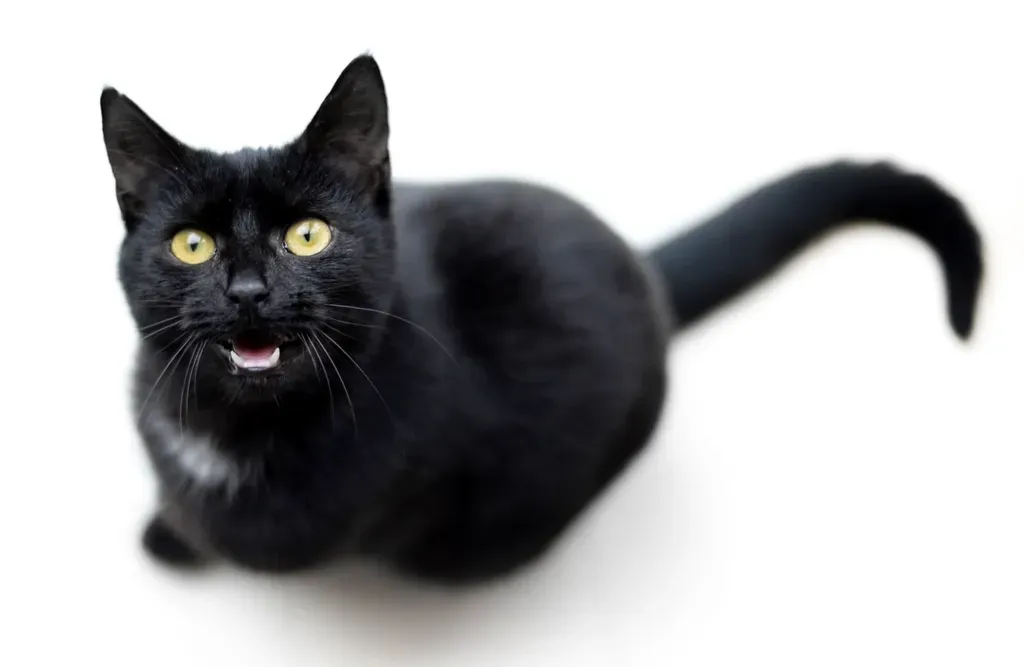
Here’s the thing most people don’t realize: when your cat trills at you as you walk through the front door, that’s about as warm a welcome as a cat can physically give you. Cats trill when they see or approach a familiar and well-liked person, cat, or other animal, and studies show it is specifically associated with positive and familiar situations. Think of it as the feline equivalent of a wave and a smile rolled into one tiny, musical burst of sound.
One clear meaning behind a cat trill is a response to a positive stimulus, like being greeted by their human companions, as a way of saying hello and showing recognition. They use trilling not only with people but also when greeting another known cat, and this friendly sound is a sign of a strong bond. So if your cat trills when you wake up in the morning or come home after a long day, you should feel genuinely flattered. You’ve earned that greeting.
The Chirp That Means “I’m Watching Prey”
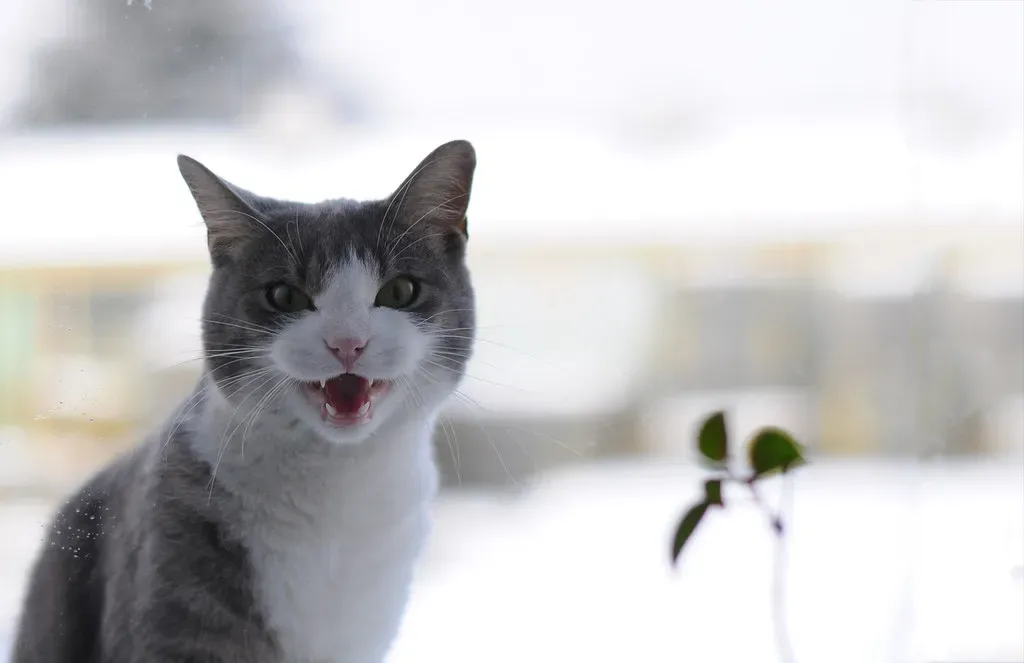
You’ve seen it before. Your cat perches at the window, body rigid, tail twitching in slow hypnotic sweeps, eyes locked on a sparrow hopping across the yard. Then comes that rapid, staccato chirping sound, something between a squeak and a click. One of the most common reasons a cat chirps is when they see potential prey they cannot access, such as while watching squirrels or birds outside the window, and in this context a chirp can indicate excitement mixed with a little frustration.
Chirping is a sharp, quick sound that many cats make when watching prey, and if your cat spots a bird outside, you may hear a fluttery chatter as their jaw quivers. This happens because the hunting instinct is firing strongly, and chirping expresses anticipation and high focus. Some experts believe the jaw movement mimics the rapid bite cats use to finish a hunt, which is why the sound appears most often during bird-watching sessions. In other words, your cozy house cat has a full-blown predator living just below the surface.
The “Follow Me” Trill
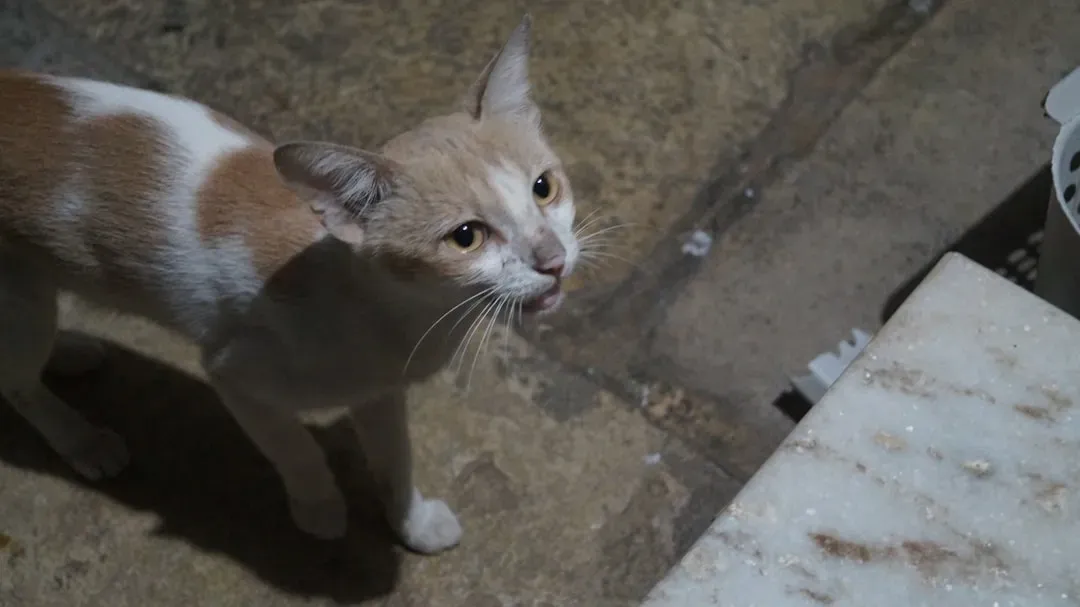
Have you ever had your cat trill at you, walk a few steps away, then stop and look back at you? That’s not random wandering. Much in the same way that a mother cat asks for the attention of her kittens, your cat may use a trill as a way to ask for something, since a mother cat trilling is a way to encourage her kittens to follow her, and some cats employ the same technique on their owners. As to where they want you to follow them, you’ll have to tag along and find out. Spoiler alert: it’s usually the food bowl.
If your cat persistently trills at you, they may be seeking undivided attention, and it may be an invitation to pet them or spend some time together. If your cat continuously looks at you while moving away and trilling, they may be asking you to follow them and sometimes want to show you something. It’s genuinely remarkable when you think about it. Your cat has essentially mapped the “follow me” communication it learned from its mother and repurposed it to guide you around the house like a tiny, furry GPS.
The Chirp of Pure Predatory Mimicry
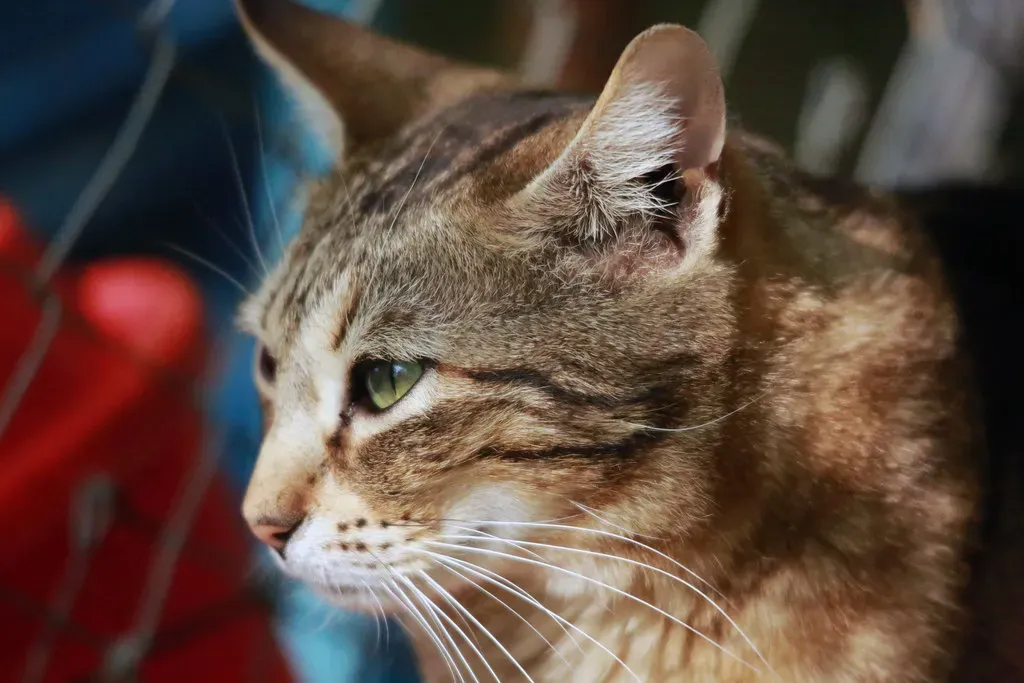
This one is wilder than most people expect. Many cat behaviors are what certified cat behaviorists call Darwinian-evolved “survival of the fittest” behaviors, and the chirping sound they make may actually help them capture prey, as it may be a way of mimicking the bird to entice it to come closer. That’s right. Your seemingly domesticated lap cat may be actively using a hunting strategy that evolved over thousands of years to lure unsuspecting birds right into range.
The chirping sound mimics bird calls or the cries of prey, and some experts believe chirping is mimicry, an instinctual strategy to lure unsuspecting birds. This behavior is also seen in large, wild cats, as domestic cats’ much larger and wilder counterparts, like cheetahs and mountain lions, are known to chirp or chatter in nature. I know it sounds a little dramatic for a cat sitting on a windowsill cushion surrounded by throw pillows, but nature doesn’t really care about the décor.
The Maternal Trill Passed Down Through Generations
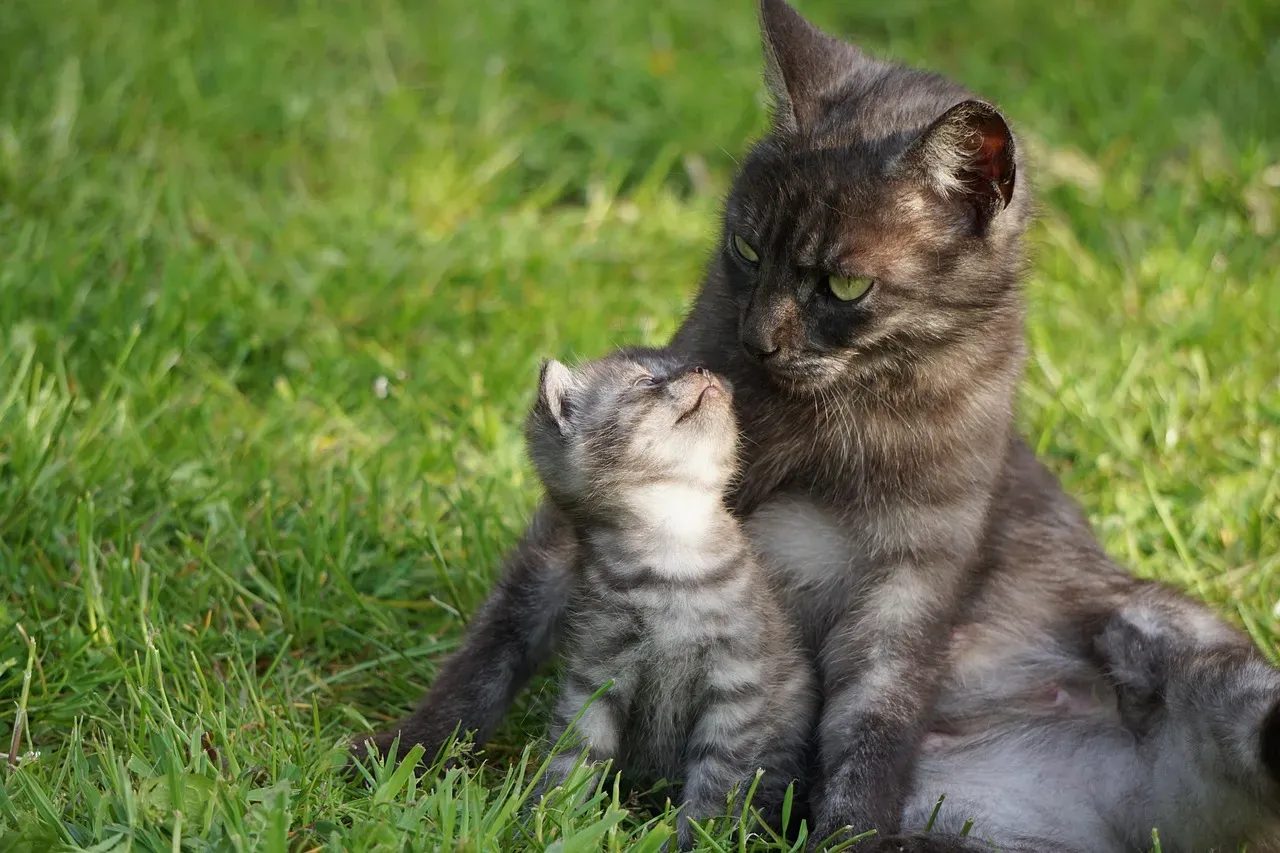
There is something genuinely touching about this one. Trilling tends to be mostly used by female cats, in part because when kittens are very young, the mother cat will often trill at them as a cue to encourage the kittens to follow her or capture their attention. As a result, kittens learn this form of communication early on and, due to their tendency to mimic sounds, will use the trilling vocalization when greeting other animals or people, or when seeking attention themselves.
Scientists learned that kittens respond to their own mother’s trills more so than other sounds she might make, even her meows. Kittens didn’t respond to just any trills, however. They learn the trills of their own mothers and tend not to respond to the trills of any other cat mother. Think of it like a personal ringtone. Every mother cat has a unique trill signature, and her kittens recognize it the way you recognize your own name being called across a crowded room.
The Trill That Says “Pet Me More”
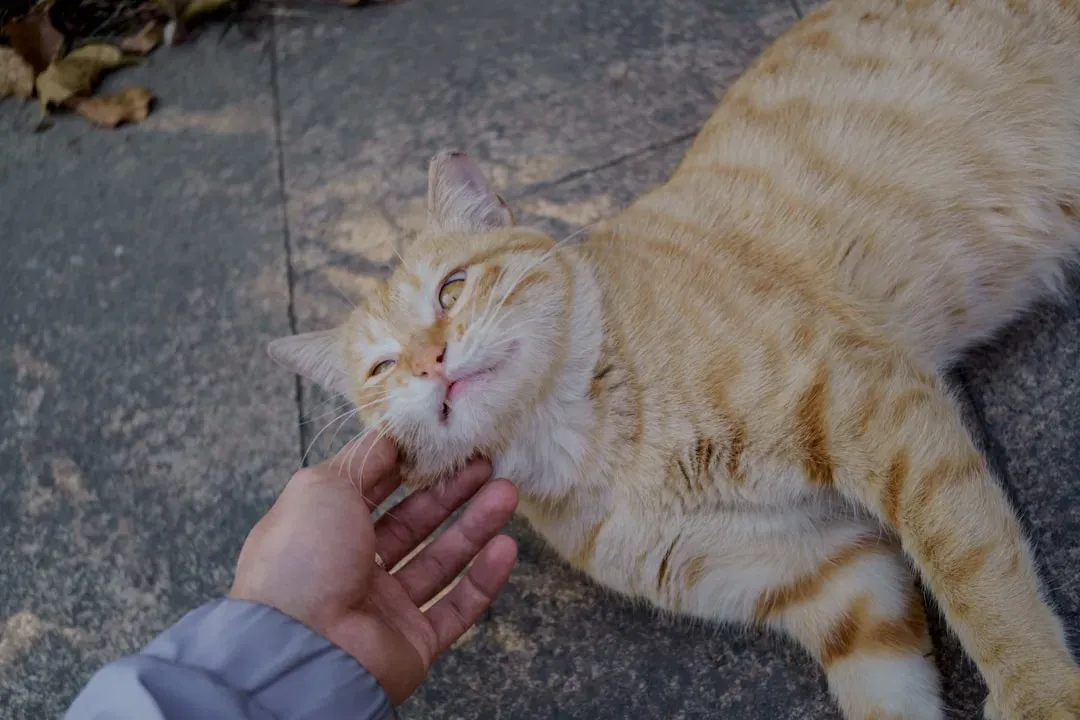
If you’re mid-pet and your cat suddenly lets out a little trill, do not stop. That is your cue to keep going. Cats trill when touched as a sign of contentment and affection. The trilling sound is a way for cats to express pleasure and acknowledge the positive interaction, and it is often seen as a form of communication between a cat and its owner, indicating a sense of comfort and happiness.
This soothing melody is used by cats to show a sense of security and deep affection, and it is often heard during moments of relaxation or cuddling as a reassurance that all is well in their shared world. It’s almost like a verbal thumbs-up from your cat, confirmation that yes, you found the right spot, and no, you should absolutely not stop scratching behind that ear. Consider it a privilege. If your cat trills at you, it usually means they are happy and they love you, so you are doing something right.
The Heat Cycle Trill
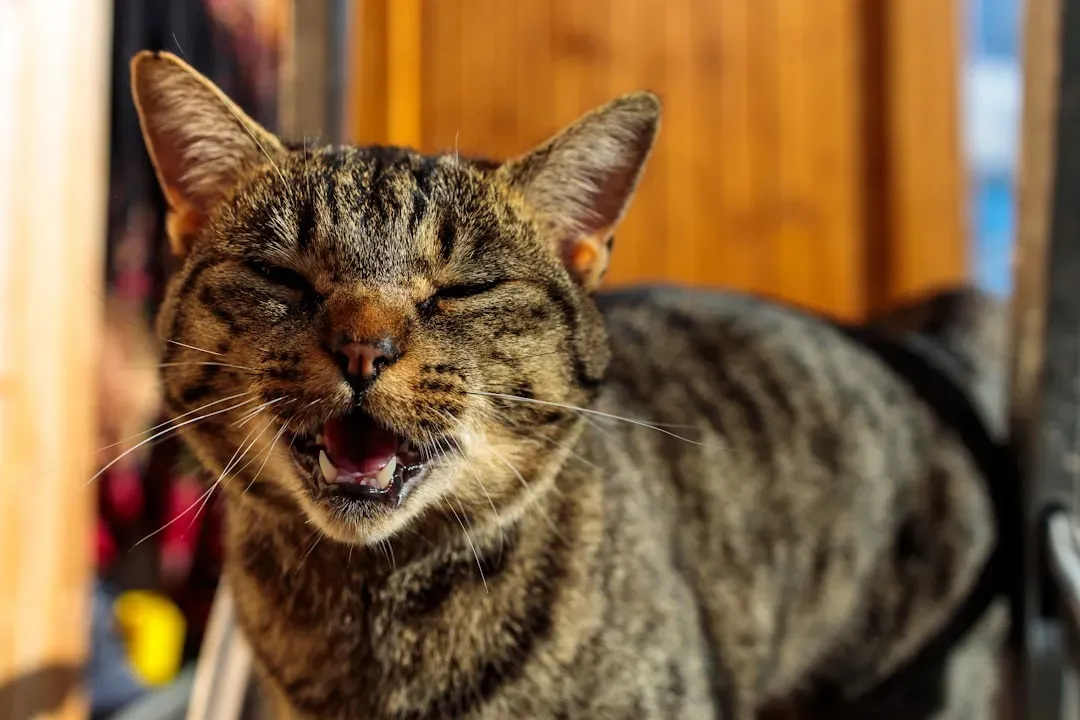
Not every chirp or trill is a warm, fuzzy moment. When female cats are in heat, they may exhibit various cat sounds possibly including trilling to attract male cats, and if you observe your female cat trilling while suspecting she might be in heat, it is advisable to pay attention to other signs such as increased affectionate behavior, restlessness, rubbing against objects, and a more pronounced interest in going outside. This type of trilling can escalate fast and feel relentless, especially at night.
Female cats in heat will make all kinds of sounds in an effort to attract a male cat, including the occasional long trill, and they are also more vocal overall. This is really the only time that trilling is not a mostly straightforward sound of happiness, not to say that cats in heat aren’t happy, but they’re typically experiencing quite the range of emotions all at once, including some frustration. Cat trilling is usually associated with positive emotions, but if it is sudden, excessive, or accompanied by other signs of distress, you may want to take your cat to the vet to rule out any potential health issues.
The Social Chirp Between Cats
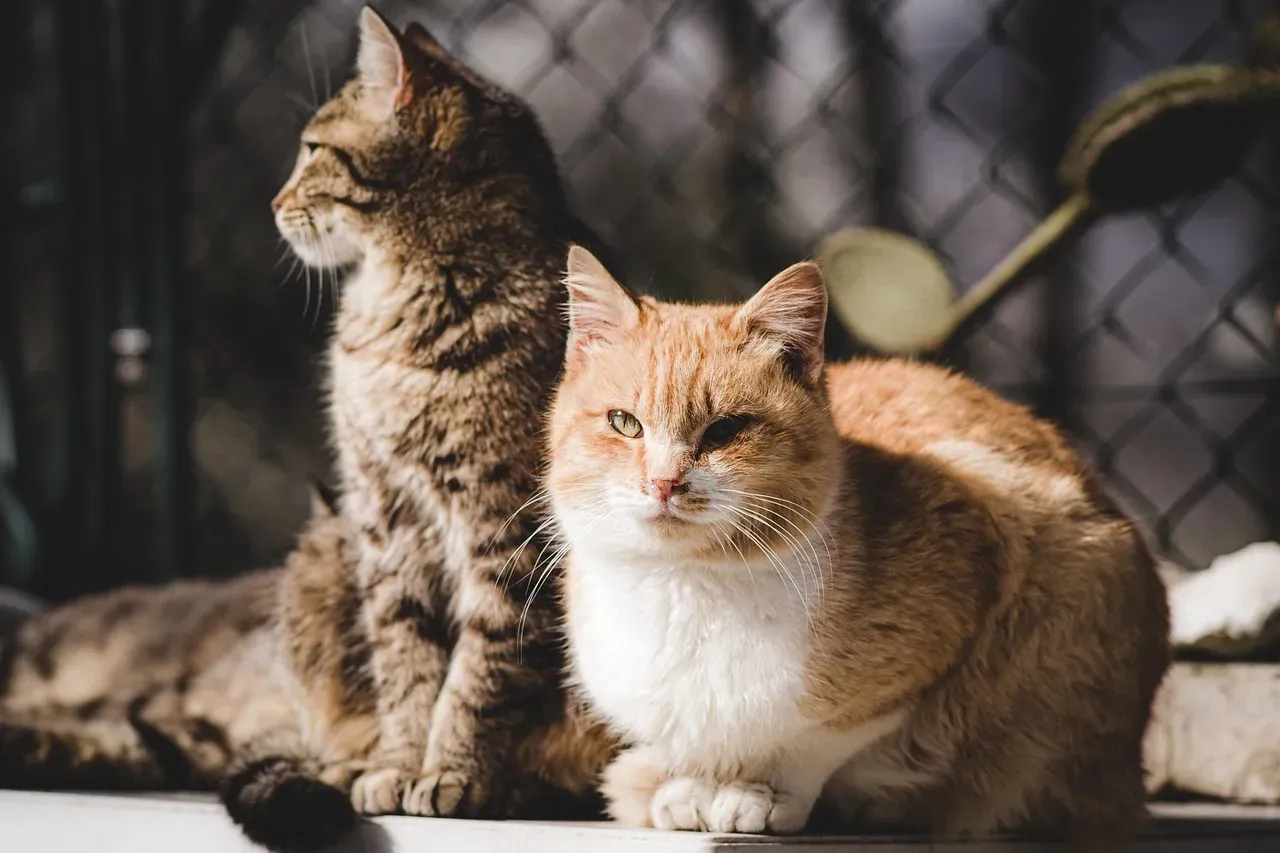
Your cat doesn’t save all of its best vocalizations just for you. Trilling isn’t solely reserved for human friends, as cats also trill with other cats, forming a crucial part of their social bonding. In multi-cat households, you may notice your cats exchanging soft, rolling trills as they pass each other in a hallway or settle down on the same couch. It’s genuine social communication between animals who, contrary to popular opinion, do form meaningful social structures.
Cats meow mostly at humans, but they use trilling with other cats far more often, which is what makes trilling such a special part of feline communication in social settings. Because trills are used naturally between cats, hearing your cat trill at you means they view you as part of their social circle, and it is a sign of belonging, an expression that says you are family. That’s honestly one of the most meaningful things a cat can communicate. You’re not just the person who fills the food bowl. You’re in the circle.
Conclusion: Your Cat Is Saying More Than You Think
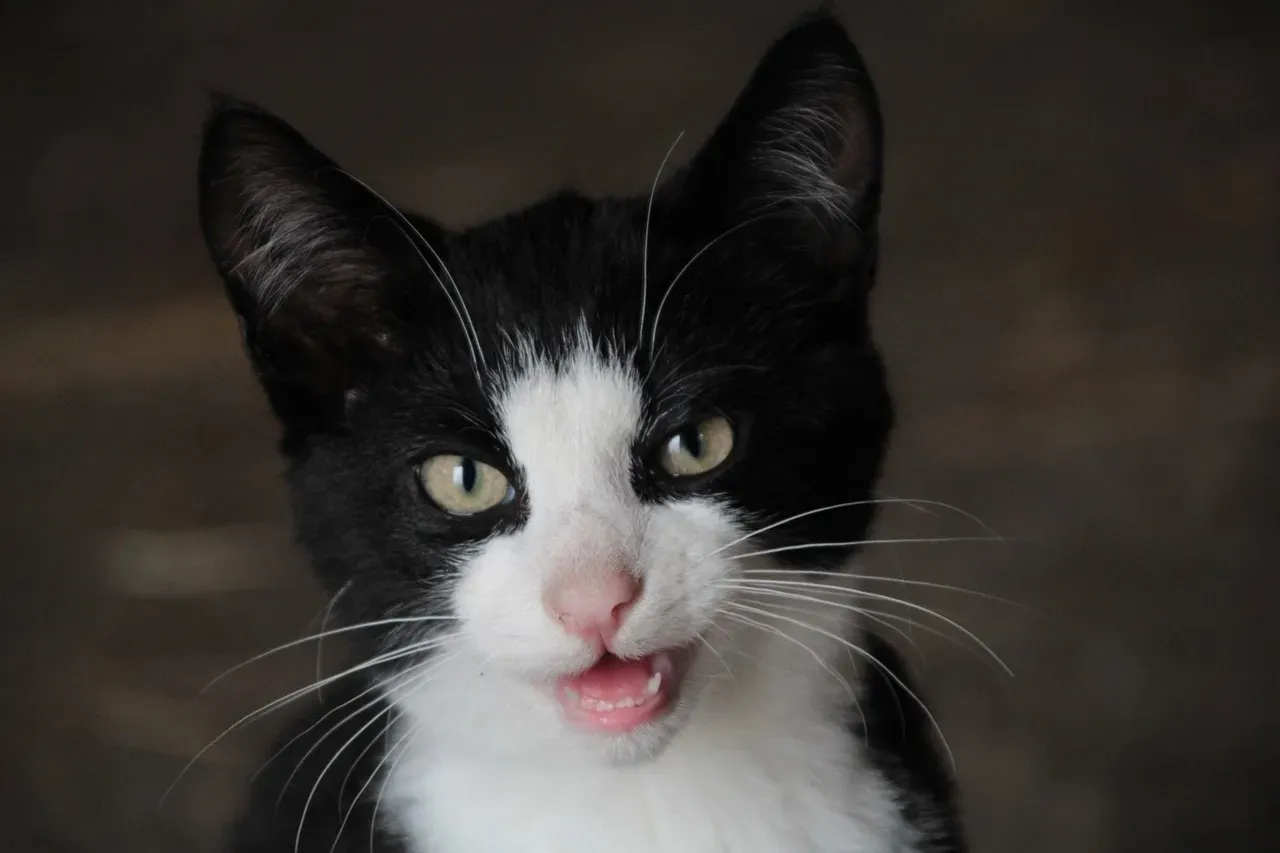
When you really start paying attention to the chirps and trills in your home, you realize how rich and layered your cat’s inner world truly is. The more time you spend paying attention to your cat and its noises, the better you will understand it and its needs. These are not random sounds. They are deliberate, emotionally loaded, and often incredibly ancient in their origin.
Both sounds offer valuable windows into your cat’s inner life. Chirping reflects the hunter within, filled with excitement and curiosity. Trilling reflects the companion, full of warmth and affection. When you pay attention to why cats chirp and trill, you gain insight into their emotional world and deepen the connection you share. So the next time your cat lets out that tiny, rolling, musical sound and blinks at you slowly from across the room, know that something real is being said. The question is: are you listening closely enough?
What does your cat’s chirp sound like, and when does it happen most? Drop your experience in the comments below.