You’ve spent years mastering the art of reading your dog. You know what a wagging tail means, you can decode a whimper, and you’ve even learned the difference between the “I’m bored” bark and the “someone’s at the door” bark. So when a cat saunters into your life, you figure – how different could it possibly be?
Very. Very different. Honestly, trying to understand a cat through the lens of dog ownership is a bit like trying to navigate Tokyo using a map of New York. The cities are both huge, both complex, but the logic behind the streets is entirely its own thing. If you’ve ever felt confused, rejected, or outright baffled by feline behavior, you’re definitely not alone. Let’s dive in.
Mistake #1: Thinking a Wagging or Moving Tail Means the Same Thing
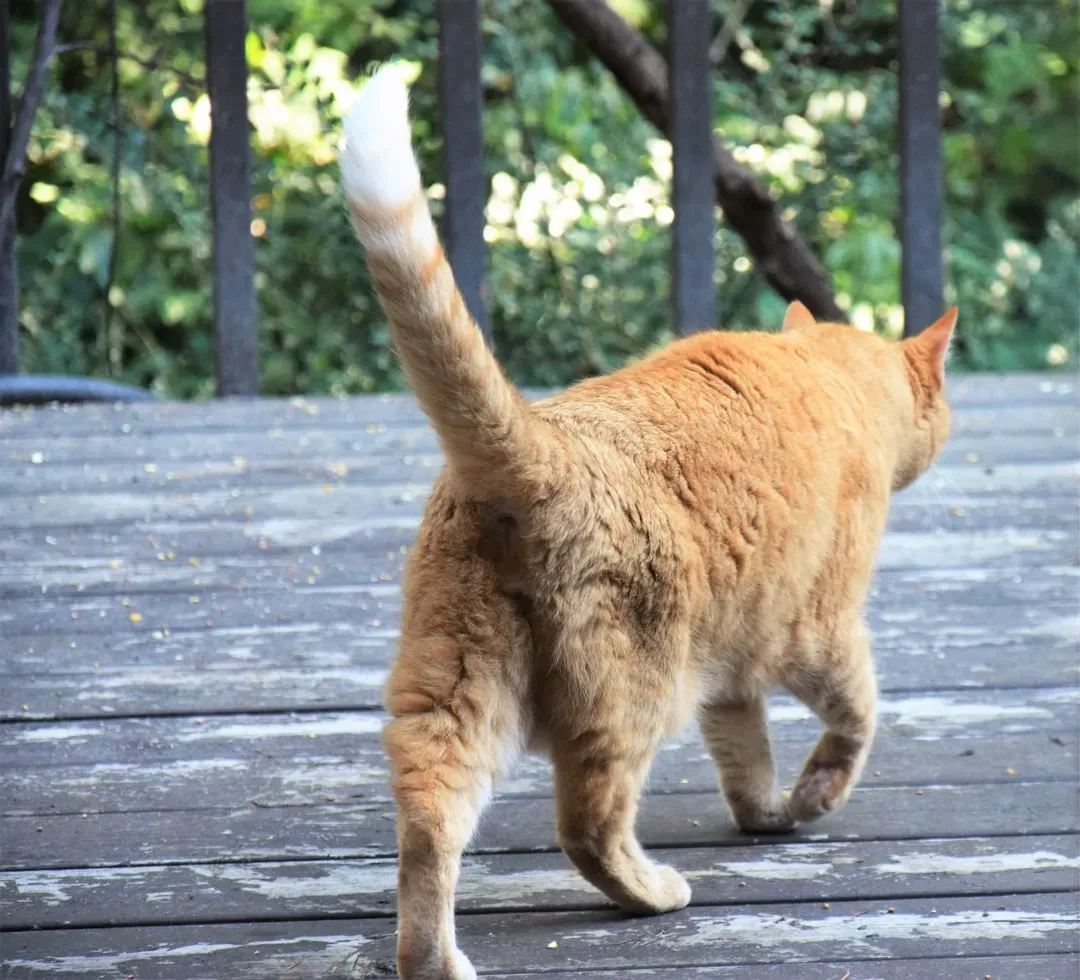
Here’s where a lot of dog owners get into trouble almost immediately. You see that tail moving, and your brain instantly fires off “happy!” – because that’s what it means for your dog. With cats, you need to completely rewire that assumption.
While a friendly dog wags their tail loosely back and forth at medium height, when a cat’s tail begins to wag back and forth, an unfriendly encounter or predatory attack is likely to occur. That’s a huge difference packed into one very familiar-looking gesture. A flicking or twitching tail in a cat signals irritation, not joy – which is basically the exact opposite of what you’ve been trained to expect.
For a cat, a tail held high can signal friendship, while a lowered tail can signal trouble – and that, too, is flipped from dog logic. A strong swish of the tail is actually the step before a cat might bite you, and if they’re flipping their tail with what vets call “airplane ears,” you should take a step back. The lesson here is simple: the same body part, completely different vocabulary.
Mistake #2: Assuming Your Cat Wants Affection the Moment They Come Near You
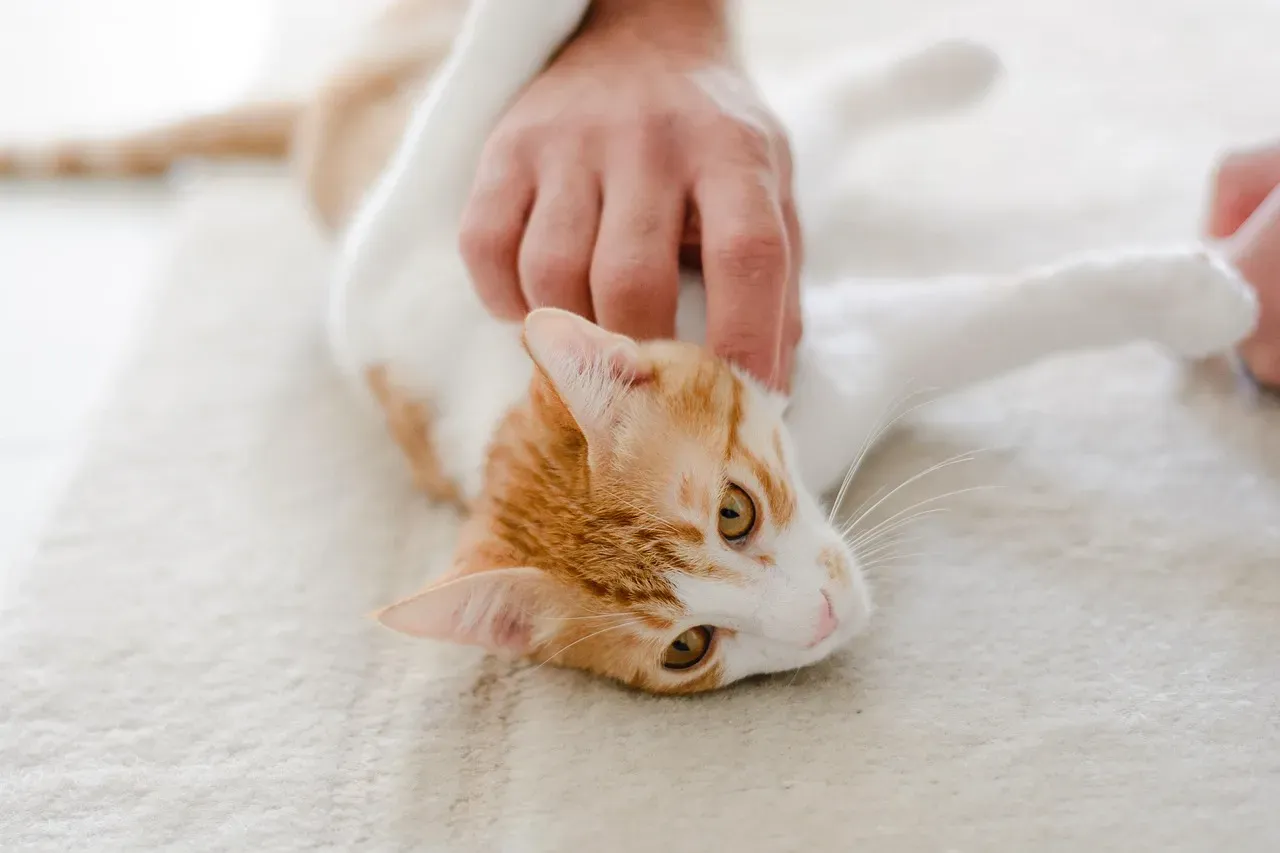
You’re sitting on the couch and your cat strolls over. Your dog-trained instincts kick in immediately. You reach out your hand, start petting, maybe even go in for a hug. It seems logical – they came to you, right? Not so fast.
If a cat’s ears flatten and their tail moves, it means they are experiencing emotional conflict. They may want to be near you, but that doesn’t mean they want to be petted. Think of it like a coworker who pulls up a chair next to you in the break room but doesn’t actually want to talk. If you continue petting despite these signals, the cat will likely choose between running away or biting you.
Cats simply speak a different language, and even something as simple as raising their tail when you come home is their way of saying hello. Proximity is already an act of affection for a cat. They don’t need you to pile on top of that with pets and scratches. Learn to appreciate the gesture for what it is, and wait for the cat to signal it wants more.
Mistake #3: Interpreting the Belly Exposure as an Invitation
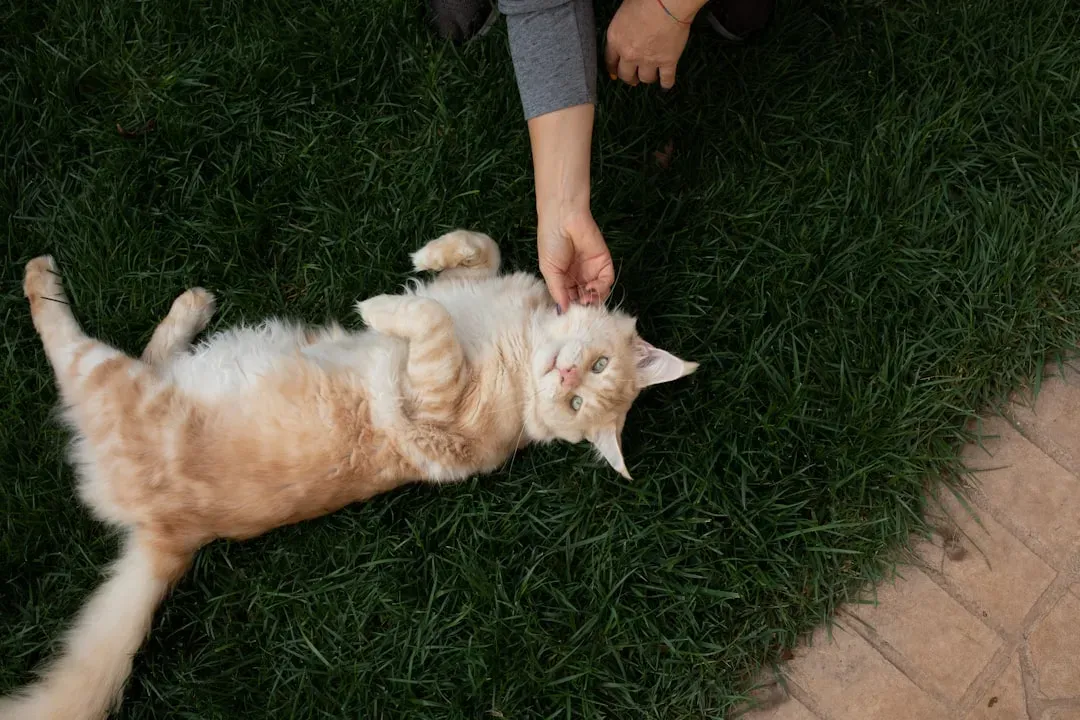
Few traps are more perfectly laid than the cat belly. It’s round, it’s fluffy, and every instinct you’ve developed from owning dogs tells you to go for it. Dogs roll over to invite belly rubs. It’s an open invitation, a sign of trust and submission. With cats, the rules are shockingly different.
A dog is likely to lie on his back as a submissive greeting behavior or as a way to get his belly rubbed by someone he’s close to. A cat, on the other hand, will lie on her back in self-defense – this position allows her to have all four paws, with claws drawn, ready to react to any threat. So that soft, inviting belly? It’s actually a defensive formation.
A cat exposing its belly might seem inviting, but this is often a sign of trust rather than an invitation for belly rubs. A cat will sometimes lie on her back for people she’s close to, but very few cats actually enjoy having their belly rubbed and may respond aggressively. The belly display is a compliment. The belly rub is not always welcome. Know the difference, and your fingers will thank you.
Mistake #4: Applying Dog Training Logic to Your Cat
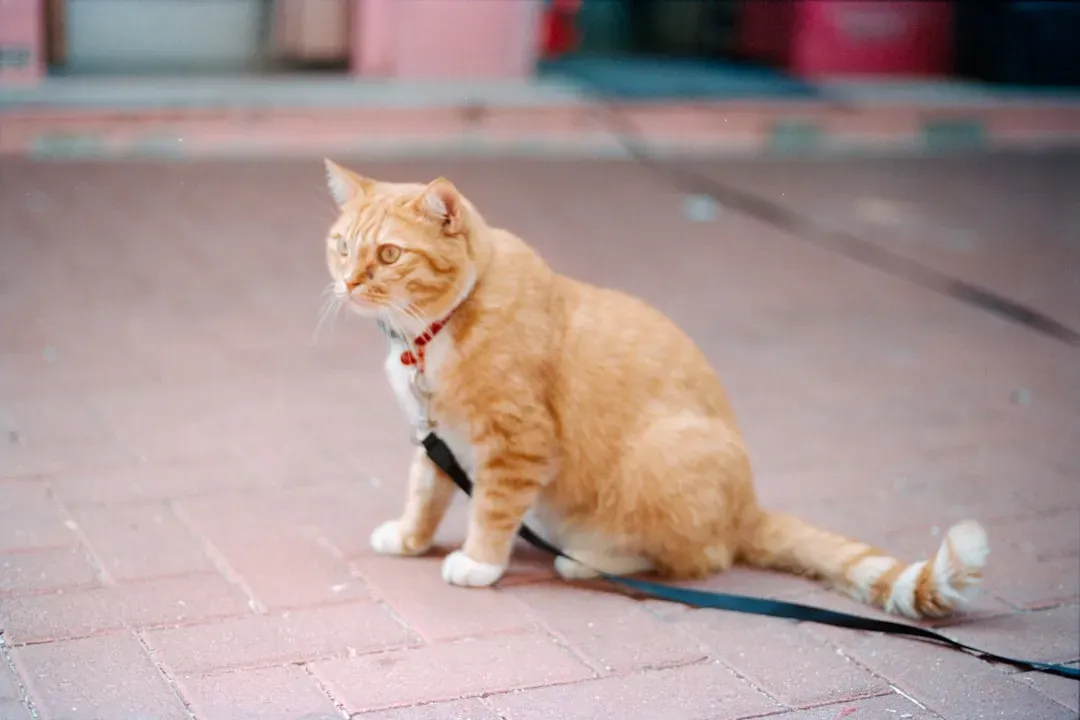
You’ve successfully trained your dog to sit, stay, heel, and probably a dozen other commands. So when your cat misbehaves, you might naturally try the same approach – a firm “no,” perhaps some mild punishment or ignoring. Let’s be real: that’s going to go nowhere fast.
Because dogs can be intimidated into obedience, people often expect that cats should respond the same way. If you try to train a cat using pain-avoidance techniques often used in dog training, the only “pain” the cat will avoid is you – thus making the cat appear aloof and untrainable. That’s a self-defeating cycle and one that many dog-to-cat owners fall into without realizing it.
How you teach or train your cat is similar to how you train dogs in one respect: positive reinforcement. Punishing a cat for knocking a glass off the counter will only confuse them and make them afraid of you. Cats can learn from their mistakes but only at their own pace, and you can help by making sure there are clear consequences immediately after the undesired behavior. Timing is everything, and patience is non-negotiable.
Mistake #5: Mistaking Independence for Indifference
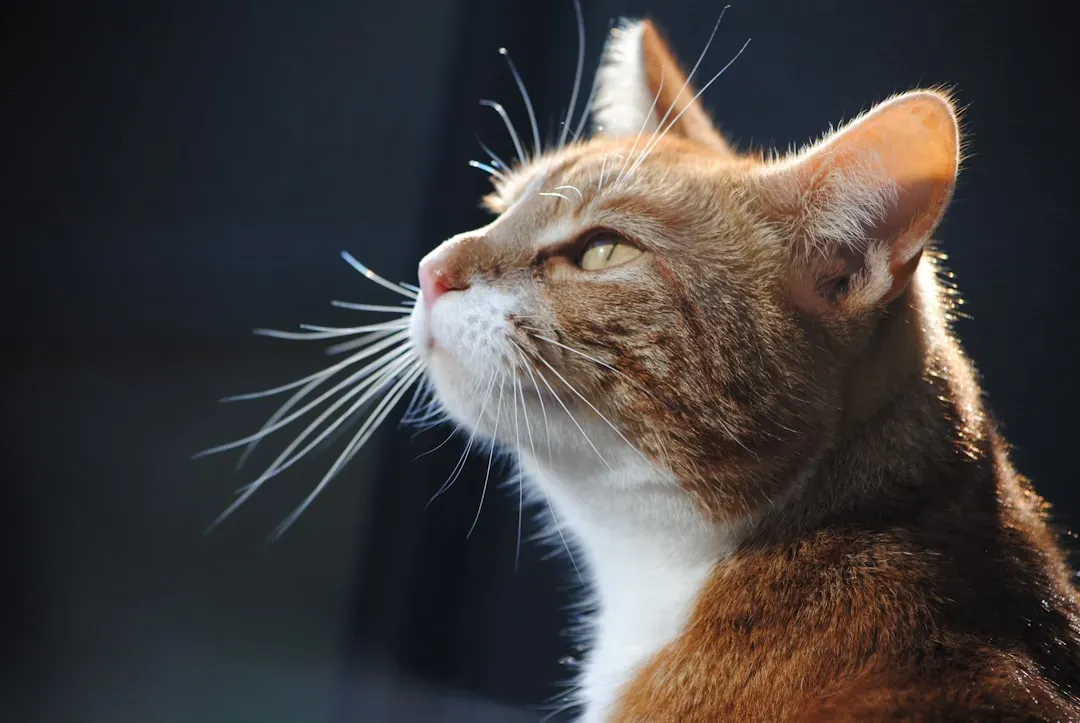
Dog owners are used to enthusiastic greetings at the door, tail wagging, jumping, the whole spectacular welcome. When a cat simply looks up from the couch, blinks slowly, and goes back to sleep when you arrive home, it’s easy to feel a little unloved. But you’d be reading the situation completely wrong.
Cats’ independence comes from thousands of years of solitary evolution, a self-reliant hunting style, flexible social structures, strong territorial instincts, and an impressive ability to self-soothe. Dogs descended from wolves who survived by working together. This pack-oriented structure shaped dogs into animals that depend on social cooperation, leadership, and shared roles. As a result, dogs naturally look to their humans for direction, comfort, and companionship in a way cats generally don’t.
Cats are solitary hunters but not solitary animals. Their social structure is centered around resource availability and safety. Cats need your companionship and, in fact, some will go through separation anxiety if left alone too often or for too long – something most people only associate with their canine counterparts. The love is there. It just looks quieter. And honestly, once you learn to spot it, it feels even more special.
Mistake #6: Thinking a “Guilty Look” Means Your Cat Knows It Did Wrong
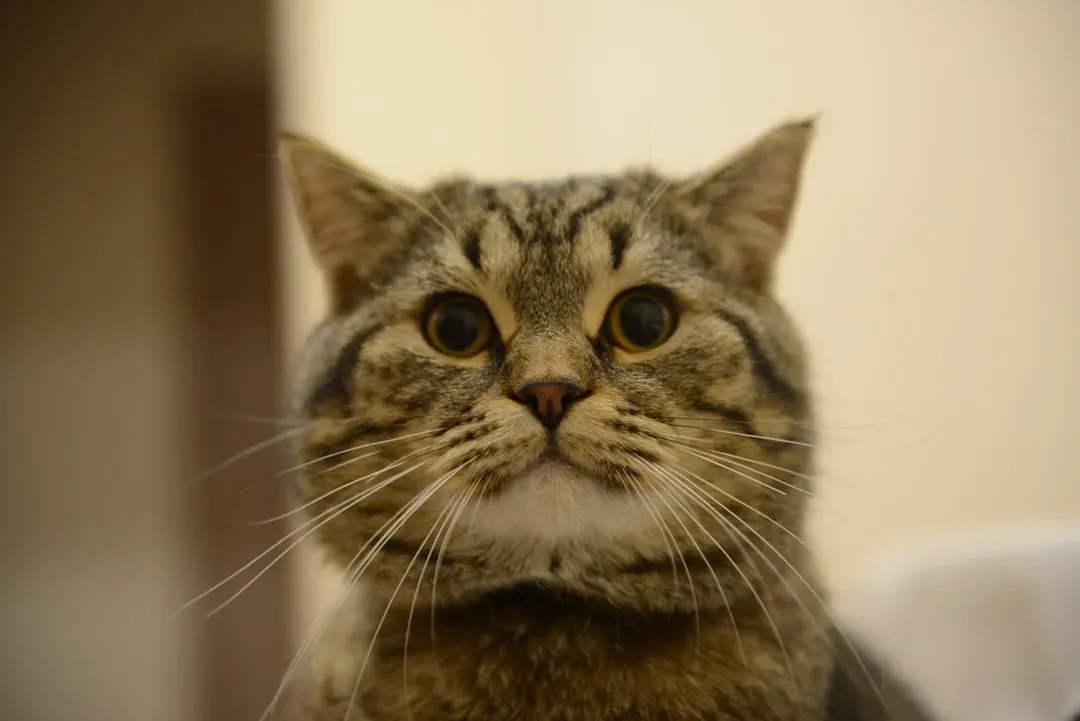
You come home, find the plant knocked over, and your cat is sitting nearby wearing what looks unmistakably like a guilty face. Every dog owner knows that face. It means they know. Except with cats, that assumption needs a serious rethink.
Your pet will not understand that they should not have defecated, but they may have a look of appeasement – a “guilty” look – when you enter the room because they know, from their last experience, that you get angry when they see something wrong. Those guilty-looking signals do not indicate guilt or remorse but represent a response to your body posture and attitude. Your cat isn’t confessing. It’s just reading your energy and bracing for impact.
Just because your cat has a guilty look on their face does not mean they actually feel guilty about something they have done. Instead, they likely look that way because they just happen to have that kind of look or because they know that you are not happy in the moment. Misunderstandings about the reasons for animal behavior can lead to negative welfare outcomes for the animal, and potentially distress for the owner. Scolding your cat based on a misread expression helps nobody.
Mistake #7: Confusing What Cats Communicate Through Meows and Purrs
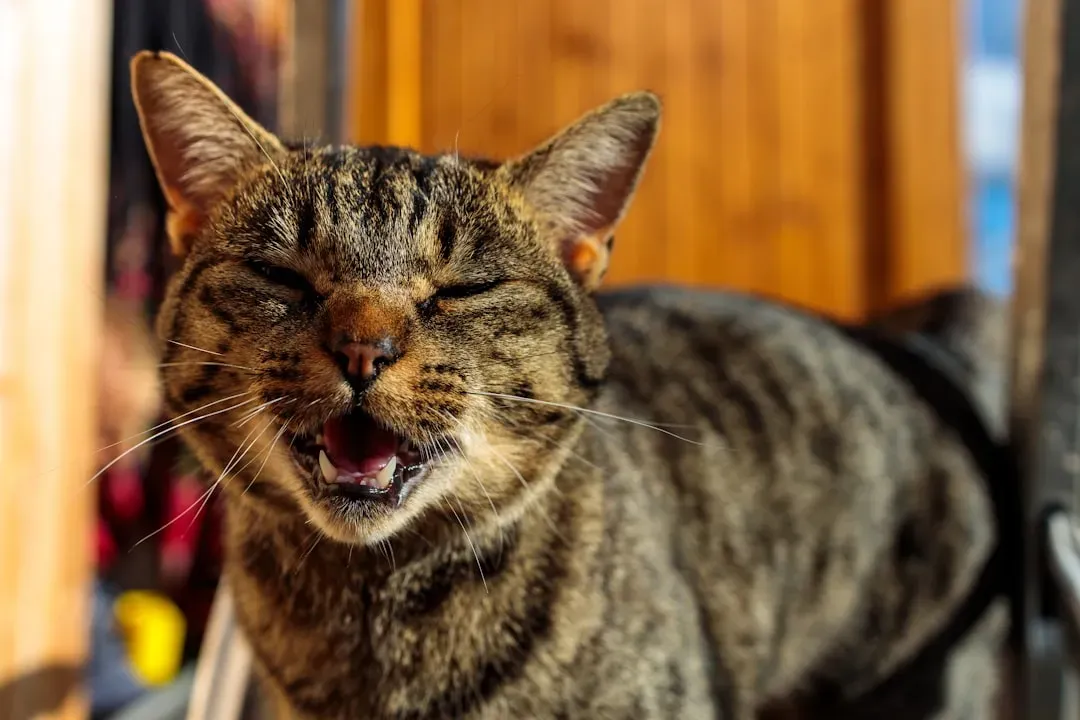
Here’s something that surprises even seasoned animal lovers. Your dog barks to communicate with other dogs, with you, with the world. You might reasonably assume cats meow the same way – that it’s a general-purpose language between cats and everything else. It’s actually far more targeted than that.
Cats have evolved a language that is specific for humans. One place where this can be observed is in their vocalizations. A meow in cats is actually a sound that cats use specifically cat-to-people versus cat-to-cat. Cats do not meow at each other. They only meow at people. That means every meow directed at you is genuinely meant for you – a private conversation in a language your cat invented just for humans.
Then there’s the purr. You hear purring, you think contentment – and often you’d be right. Cat purring is typically associated with contentment, though sometimes it can indicate stress or pain. Purring can also indicate distress, and observing the context and other body language cues can help you interpret the purr correctly. It’s hard to say for sure from sound alone, which is exactly why dog owners who rely only on vocalizations miss a lot of the picture.
Mistake #8: Not Learning to Read Combined Signals as a Whole

Perhaps the most fundamental mistake dog owners make is trying to decode cat behavior one signal at a time, as if each gesture exists in its own vacuum. A dog with a wagging tail is usually pretty easy to read. Cats layer their communication in ways that require you to take in the full picture.
Because cats and dogs communicate more with sign language – the way they hold their ears, tails, size of pupils, the way they hold their body frame – than with words, it is very hard for humans to understand what they are trying to say. Research has shown that humans are not good at recognizing fear or stress in dogs and cats, and we also tend to underestimate fear even when we do recognize it. This is already a challenge with dogs – with cats, the stakes are even higher because the signals are subtler.
Despite cats’ reputation as solitary creatures, studies show they use over 600 different facial signals in their interactions with other cats in community colonies and in multi-cat households. So the idea that cats are simple creatures with simple cues? Completely wrong. Rather than trying to interpret the why of your cat’s behavior, focus on what they are doing and learn the range of signals your pet uses to communicate. If you can get really clear about what they are doing, that can eventually lead you to the why. Start with observation, not interpretation.
Conclusion
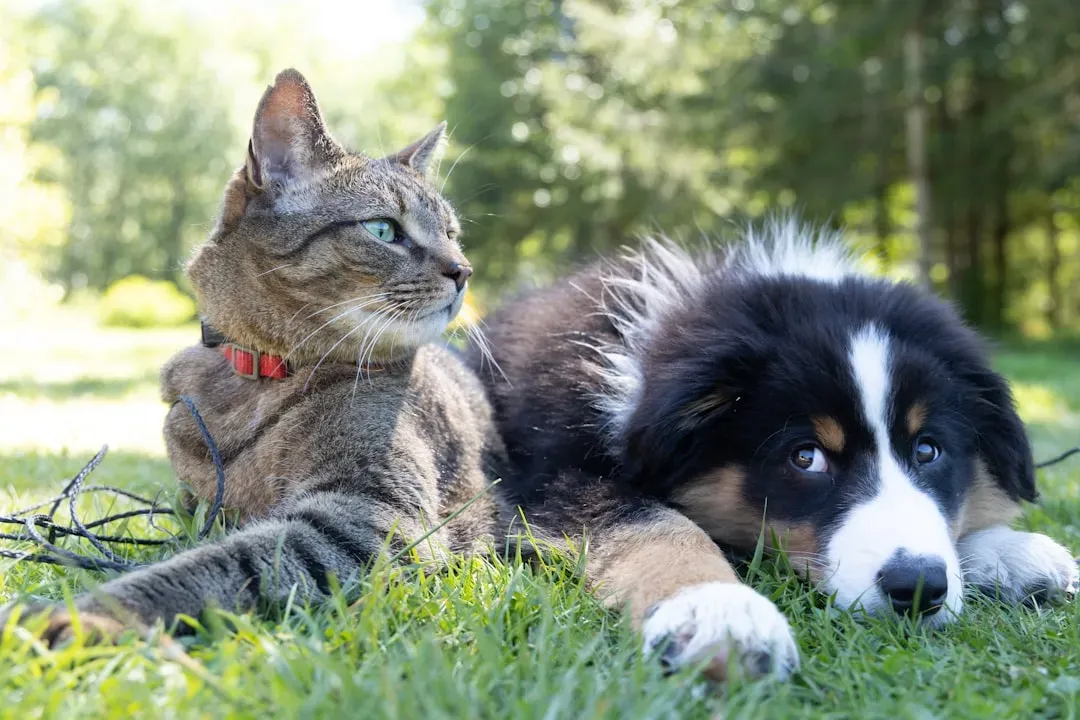
Understanding cat logic as a dog owner is less about being “wrong” and more about being willing to start from scratch. Your dog-reading skills are genuinely impressive. The problem is that cats didn’t get the memo. They operate on a completely different emotional frequency, shaped by thousands of years of solitary evolution, territorial thinking, and a communication system that was partly invented just for us humans.
The good news? Once you stop applying dog expectations to cat behavior, things start to click. That slow blink from across the room? Pure affection. The tail raised high as your cat trots toward you? A hello. The choice to sit near you without demanding a thing? Genuine companionship on their terms.
Cats aren’t difficult. They’re just different. Our pets’ behaviors offer a glimpse into their unique personalities and the bond they share with us, and by taking the time to understand and appreciate these quirks, we can strengthen our connection with our dogs and cats. So the real question is – how many of these mistakes have you been making without even realizing it? Drop your thoughts in the comments, we’d genuinely love to know.