You’ve been living with cats for years. You know their quirks, their favorite nap spots, the exact pitch of their hungry meow. You consider yourself a seasoned cat owner, someone who gets these mysterious creatures. Yet here’s the uncomfortable truth: even the most devoted cat lovers can be making mistakes that affect their feline companion’s health and happiness. Some of these errors are so common, so deeply embedded in how we care for cats, that we don’t even recognize them as problems. Let’s be real, just because you’ve always done something a certain way doesn’t mean it’s the right way. Ready to challenge what you think you know about cat care? Let’s get started.
Skipping Annual Vet Visits Because Your Cat “Seems Fine”
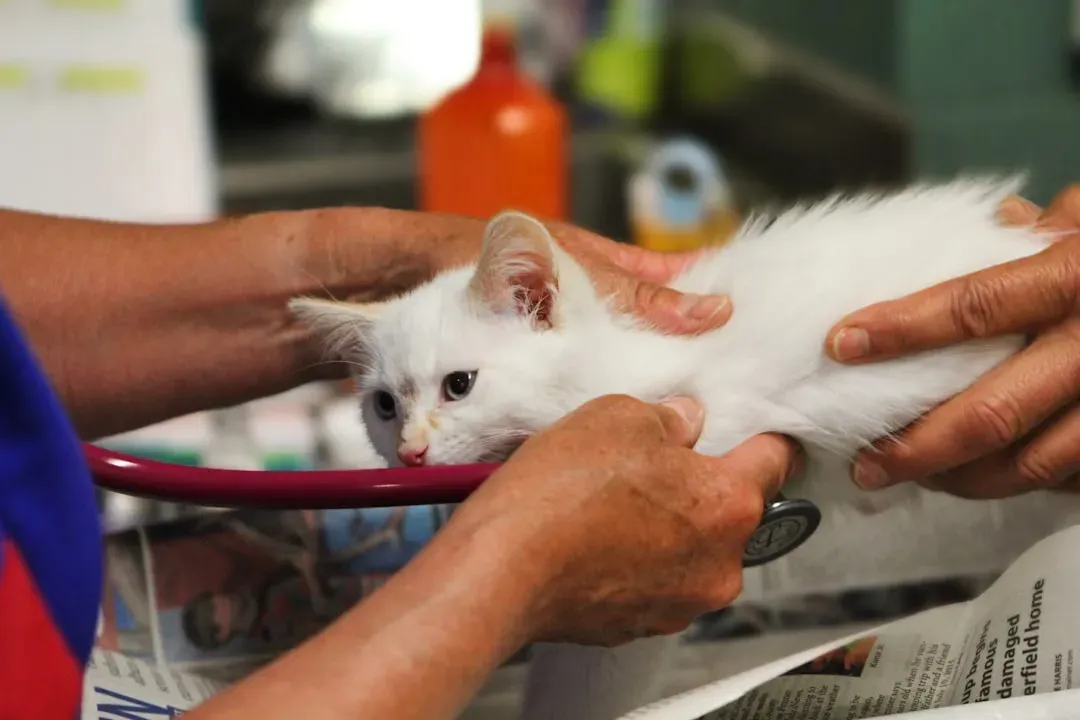
Cats are masters at hiding illness, and by the time you notice symptoms, the problem may already be serious. This survival instinct served their wild ancestors well but works against them in domestic life. You might think your indoor cat looks healthy, but would you notice if they lost a few ounces or developed early dental disease?
Adult cats should see a veterinarian at least once a year, while senior cats over 10 years old should have checkups twice yearly or more. Think about it this way: cats age much faster than humans, so an annual exam is like you visiting the doctor once every four or five years. Those regular visits catch problems early when they’re easier and cheaper to treat. Schedule that appointment even if your cat seems perfectly fine.
Relying Too Heavily on Dry Food
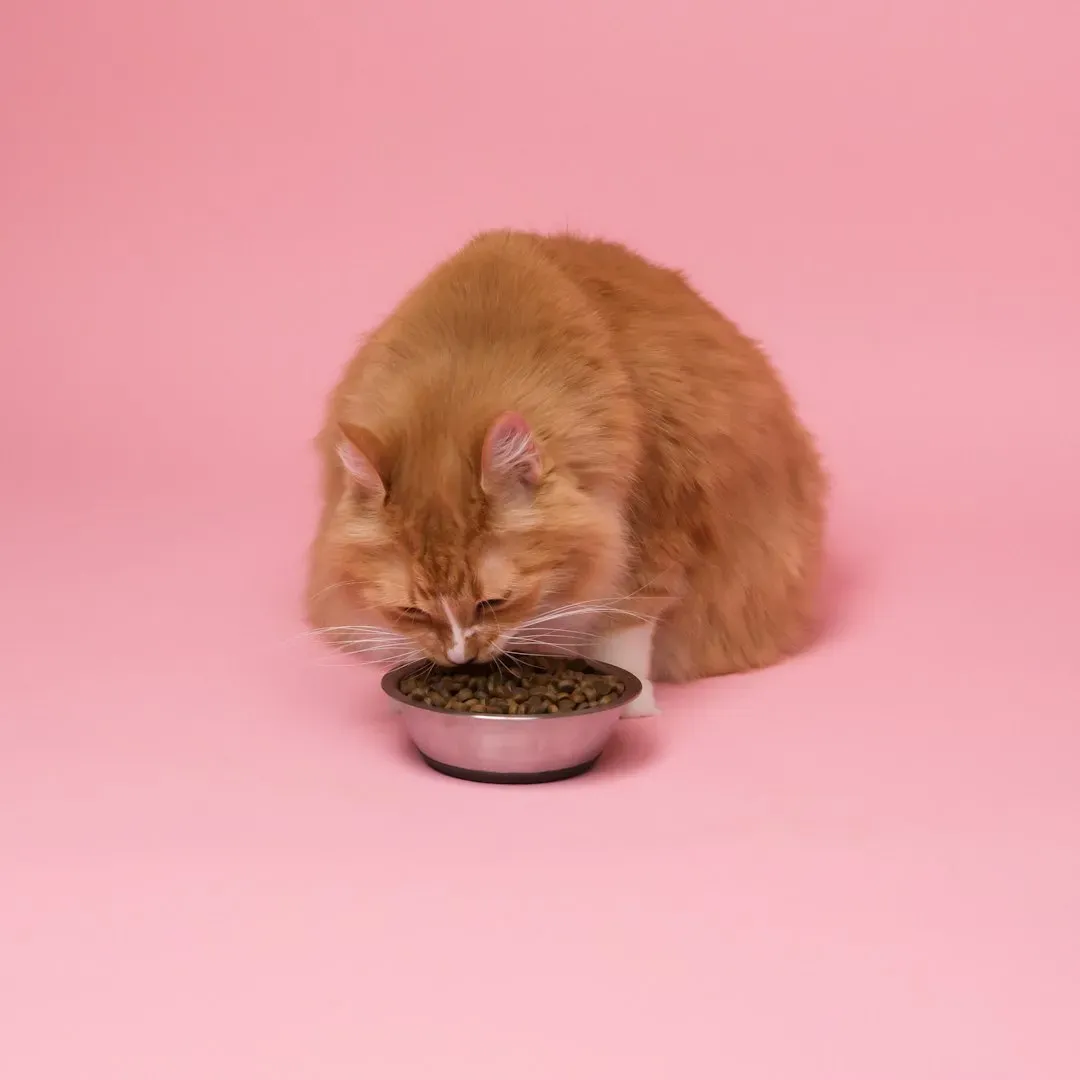
Dry food contains only five to ten percent water, while mice contain about seventy percent water and canned food about seventy-eight percent. Cats naturally have a low thirst drive since their ancestors got moisture from prey, and modern cats on dry food diets often don’t drink enough, leading to urinary tract infections or kidney problems.
Here’s the thing: we’ve been told for years that dry food is fine, convenient, even good for dental health. Yet cats’ sensitivity to thirst is blunted compared to dogs, and they don’t voluntarily drink water like a dog would. An all-dry food diet can be deficient in moisture and lead to urinary tract problems. The fix? Incorporate wet food into your cat’s diet, or at least add water to their meals. Your cat’s kidneys and bladder will thank you.
Misreading Their Body Language During Interaction
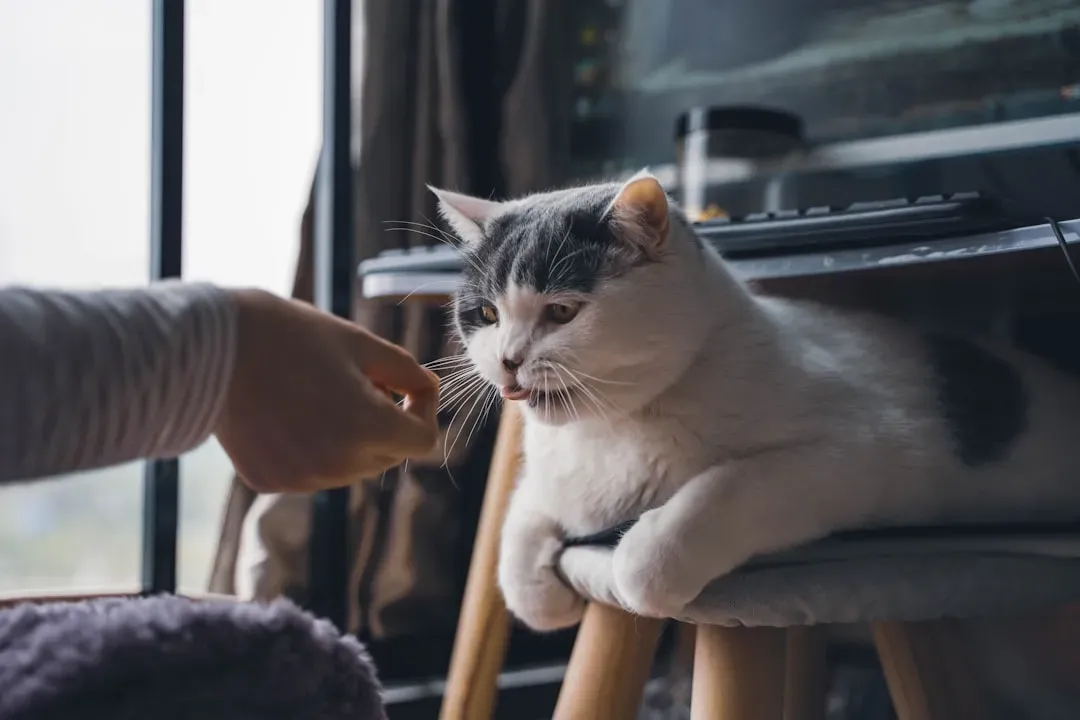
You reach down to pet your cat’s belly and suddenly get swatted. Sound familiar? Studies found that participants frequently stroked cats on their legs, belly, back, and tail tip – all areas that cats typically prefer to keep off-limits to human touch. Even experienced owners make this mistake, assuming more petting equals more affection.
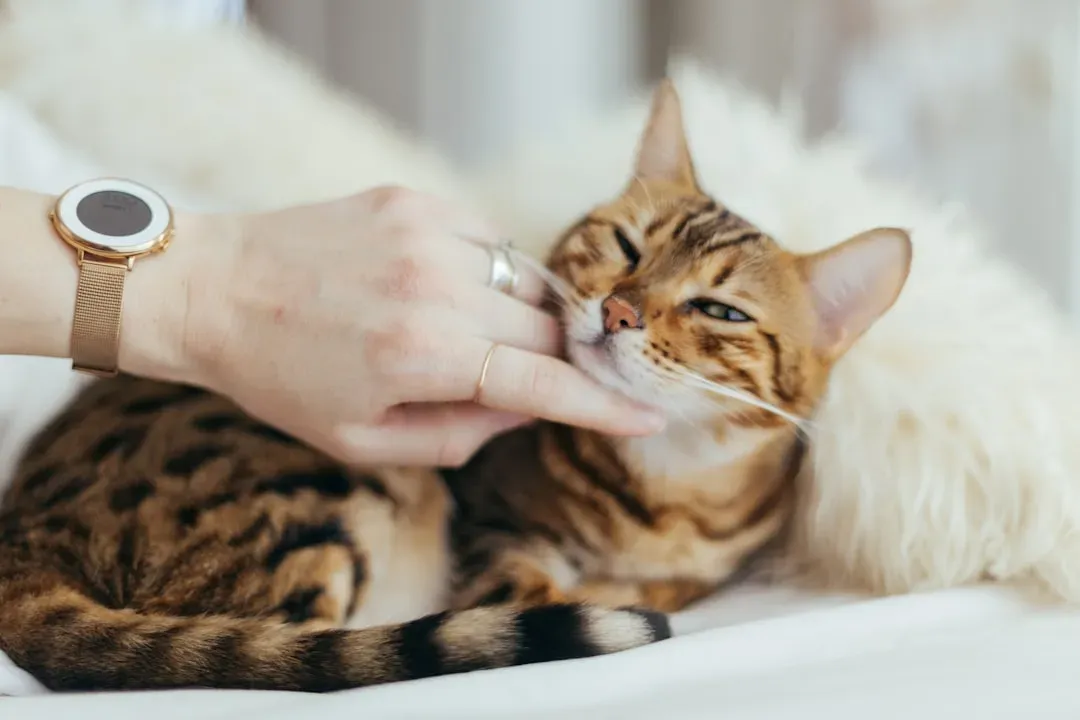
These mistakes involve misunderstanding where cats like to be touched and failing to respect their need for personal space. Cats have specific preferences rooted in their natural behavior. Most prefer being petted around their facial glands: behind the ears, under the chin, and on the cheeks. Learning basic cat body language cues like tail flicking, flattened ears, or dilated pupils helps you know when to give your cat space. Pay attention to what your cat is actually telling you, not what you want them to be saying.
Neglecting Dental Care Completely
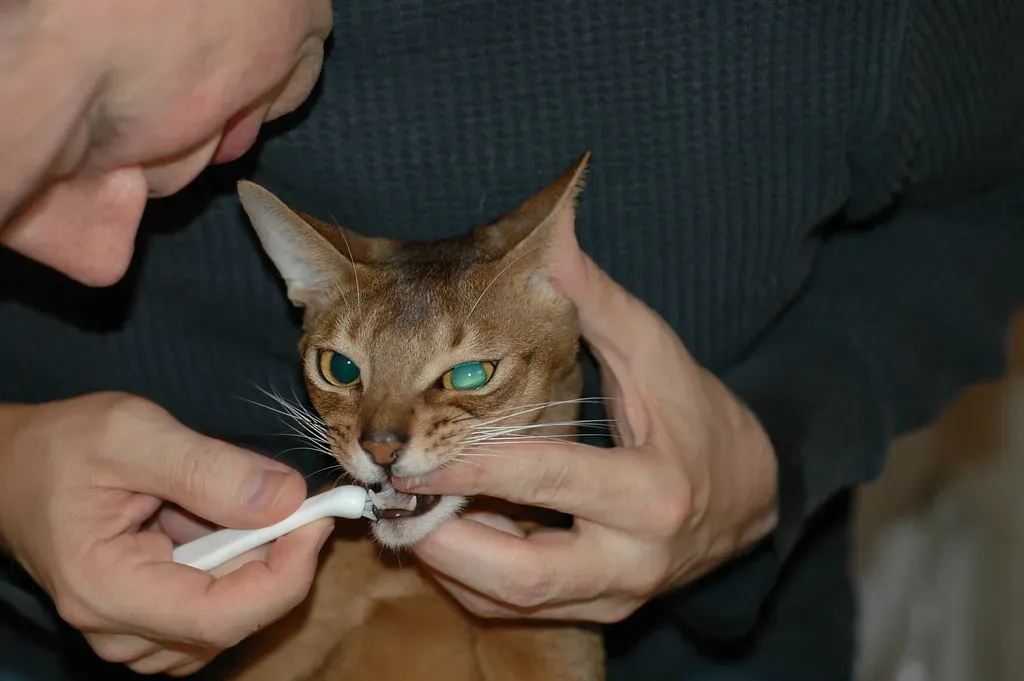
When was the last time you looked inside your cat’s mouth? If you’re like most owners, it’s been a while. A dirty mouth and teeth can put cats at risk of various dental diseases. Honestly, dental care is one of the most overlooked aspects of cat health, yet it’s crucial for their overall wellbeing.
Cats need dental care throughout their lives, and you can help keep their teeth and gums healthy by brushing them and scheduling regular dental cleanings, which helps prevent plaque buildup that can lead to gum disease and tooth loss. I know it sounds crazy, but cats can learn to tolerate tooth brushing if you introduce it gradually. Start with just touching their mouth, then progress to a finger brush, and eventually a cat toothbrush. Your veterinarian can show you proper technique and recommend dental products.
Maintaining a Dirty or Poorly Placed Litter Box
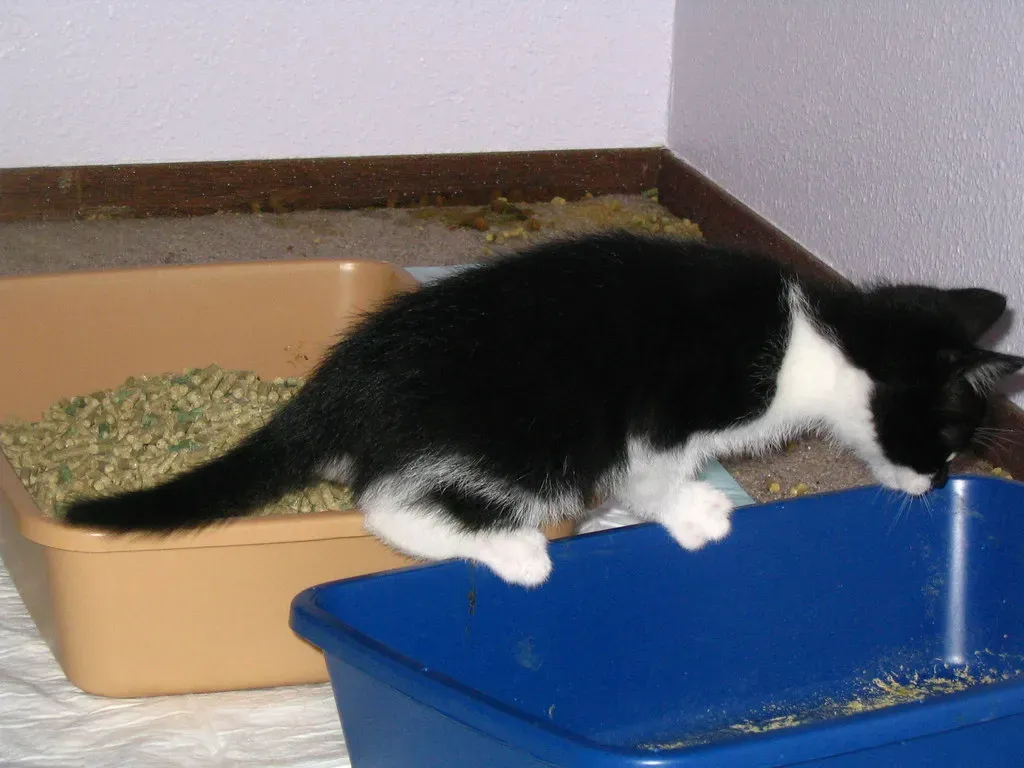
Dirty litter boxes are one of the most common reasons cats stop using them, and some owners also use heavily scented litter, which can turn cats off. Think about it: would you want to use a filthy bathroom? Cats are fastidious creatures with incredibly sensitive noses.
You should scoop solid wastes out of the box at least once a day, and dump everything, wash with mild detergent, and refill at least once a week. Location matters too. Failing to clean the box regularly or placing it in an area that’s too noisy or difficult to access can lead to cats refusing to use it, causing accidents around the house or creating stress and anxiety. Keep boxes in quiet, accessible spots away from loud appliances, and never place them near food and water bowls.
Assuming All Cats Are Antisocial and Independent
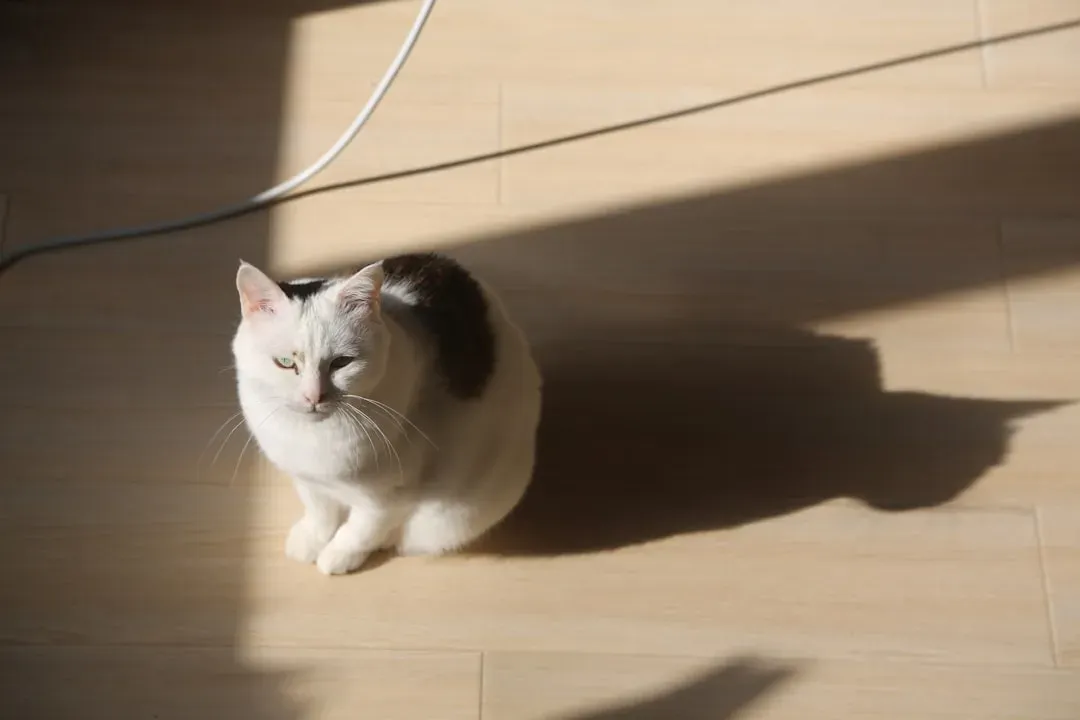
Domestic cats are not universally antisocial but rather facultatively social, meaning their social behavior is flexible and heavily influenced by genetics, early development, and lifetime experiences. The myth that cats don’t need social interaction or mental stimulation has done real damage to feline welfare.
Many owners assume cats don’t need opportunities to interact with novel stimuli or diverse social interactions, but growing evidence suggests early exposure to other cats, humans, and environmental stimuli can benefit a cat’s social behavior and cognitive development. Your cat needs environmental enrichment: climbing structures, puzzle feeders, interactive toys, and regular playtime with you. Roughly ten to fifteen minutes of active play daily can prevent boredom and behavioral issues. Some cats genuinely enjoy solitude, while others crave companionship. Learn what your individual cat needs rather than assuming they’re fine being ignored.
Overfeeding and Free-Feeding Without Portion Control
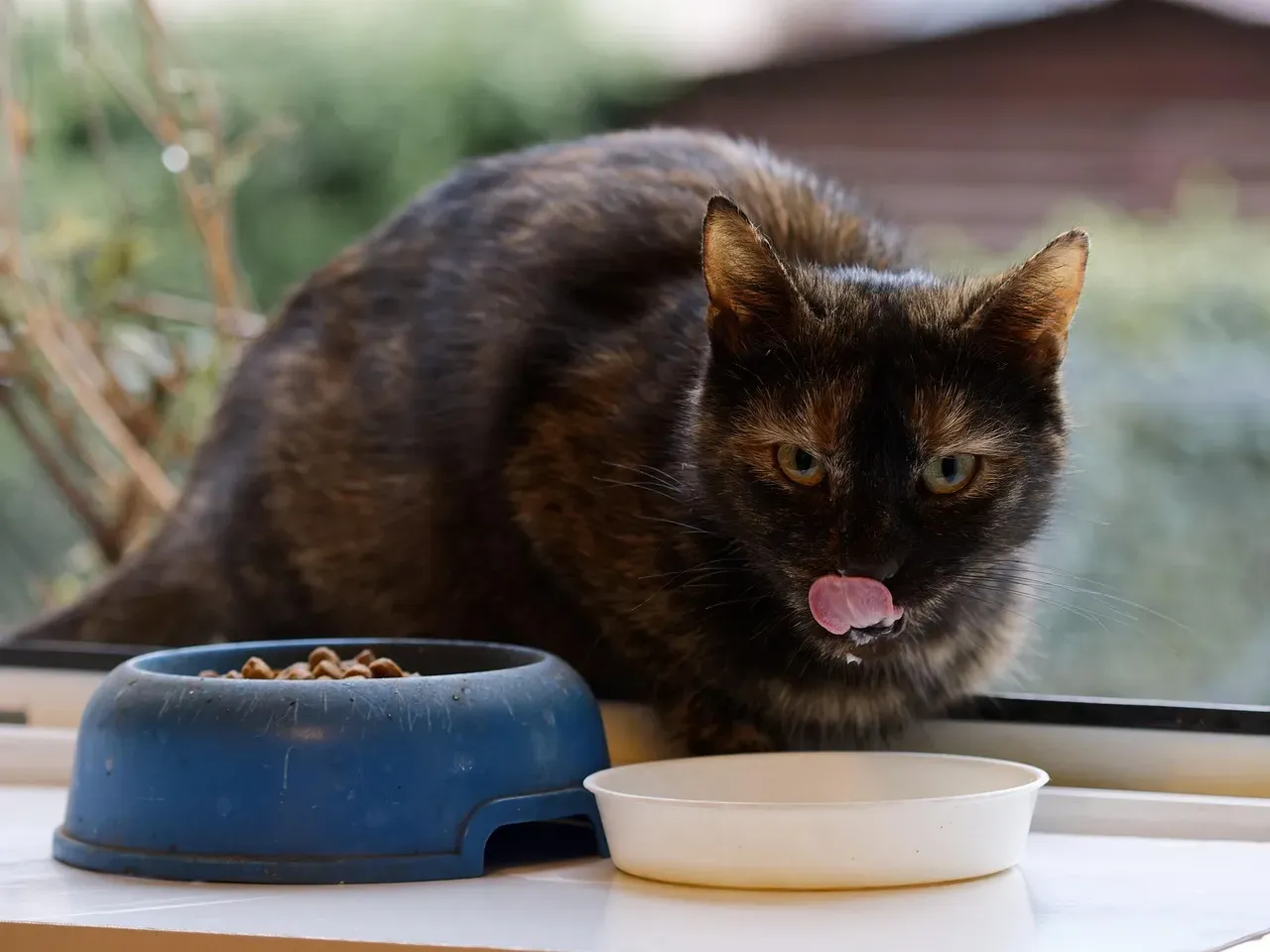
The most common mistake veterinarians see is cat owners feeding their cats too much food per day. Many cat parents equate food with love, leading to overfeeding, and free feeding where food is left out all day can worsen obesity, which increases risk for diabetes, arthritis, and heart issues.
Let’s be honest: that rounded belly might look cute, but it’s actually dangerous. A clinical survey revealed that nearly sixty percent of cats in the United States are overweight or obese, largely due to constant access to food. The solution? Measure portions based on your cat’s ideal weight, not their current weight. Use scheduled meal times rather than leaving food out constantly. Research shows leaner cats live longer and have fewer health problems, and your veterinarian will assign a body condition score and give dietary recommendations to help your cat maintain a healthy weight.
Ignoring Environmental Stressors and Household Changes
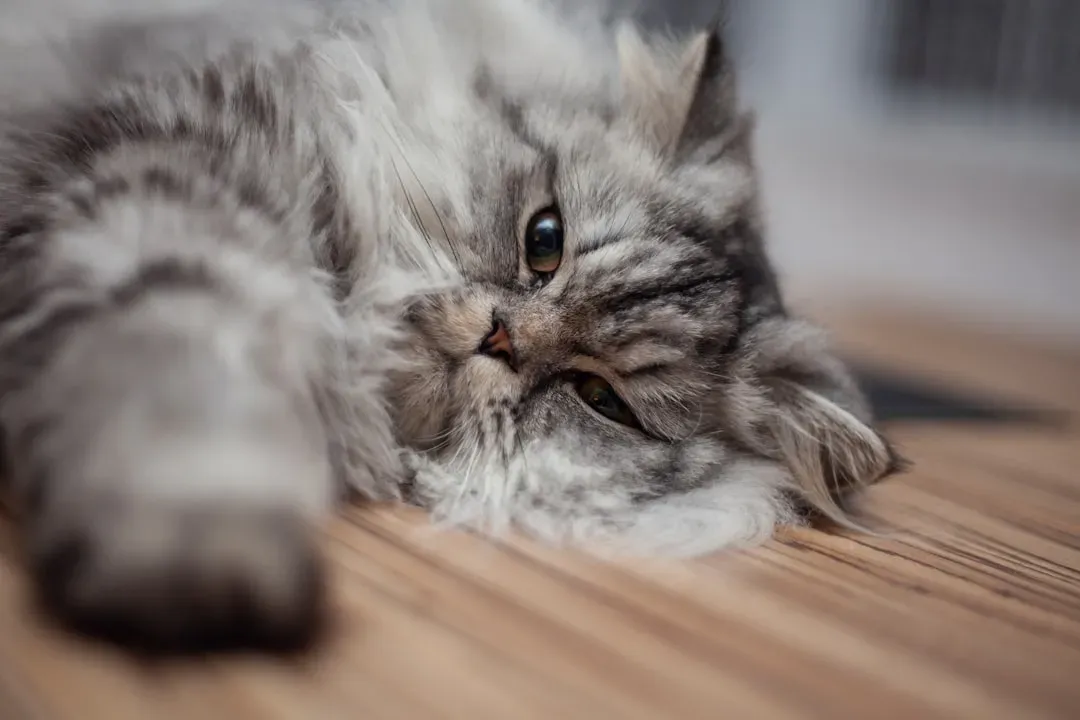
It’s critical to ask about any changes in the household, with emphasis on changes that may not seem especially salient to owners, including altered job hours, traveling, remodeling, new pets, newly blended families, and new babies which can all be disruptive. You moved the furniture around or started working from home, and suddenly your cat is acting weird. Coincidence? Probably not.
Insufficient attention to the behavioral ecology and development of cat sociality, along with failure to account for their highly variable individual preferences and tolerance for social behaviors, can lead them to experience distress that undermines both welfare and the human-animal bond. Cats thrive on routine and predictability. Major changes in their environment can trigger stress responses that manifest as inappropriate elimination, excessive grooming, or aggression. When you must make changes, do so gradually when possible. Provide safe hiding spots, maintain feeding schedules, and give your cat extra attention during transitions. Sometimes what seems minor to you feels catastrophic to your cat.
Conclusion
The journey of cat ownership never really ends, does it? No matter how experienced you become, there’s always something new to learn about these complex, fascinating animals. The mistakes we’ve explored aren’t signs of bad ownership; they’re often the result of outdated information, common myths, or simply not knowing what we don’t know. The beautiful thing about recognizing these errors is that most have straightforward fixes that can dramatically improve your cat’s quality of life.
Whether it’s scheduling that overdue vet appointment, rethinking your feeding strategy, or finally addressing that neglected litter box situation, small changes create meaningful differences. Your cat can’t tell you when something’s wrong, so staying informed and observant becomes your most valuable tool. What surprised you most about these common mistakes? Let us know in the comments.