Think you know how to pet a cat? You might be wrong. Most people assume giving a cat some affection is simple enough, yet countless humans make the same blunders over and over again, leaving their feline friends frustrated, overstimulated, or even aggressive. Cats aren’t dogs. They don’t appreciate the same rough, enthusiastic petting style that makes most pups wag their tails.
Their brains are still wired to think like wildcats who invest considerable time communicating indirectly to avoid seeing each other. So when we swoop in with our tactile, affectionate nature, it’s not surprising that many cats can find this type of interaction overwhelming. Let’s dive into the most common mistakes people make when they think they’re showing love but are actually doing the opposite. So let’s get started!
Rushing In Without Letting the Cat Approach First
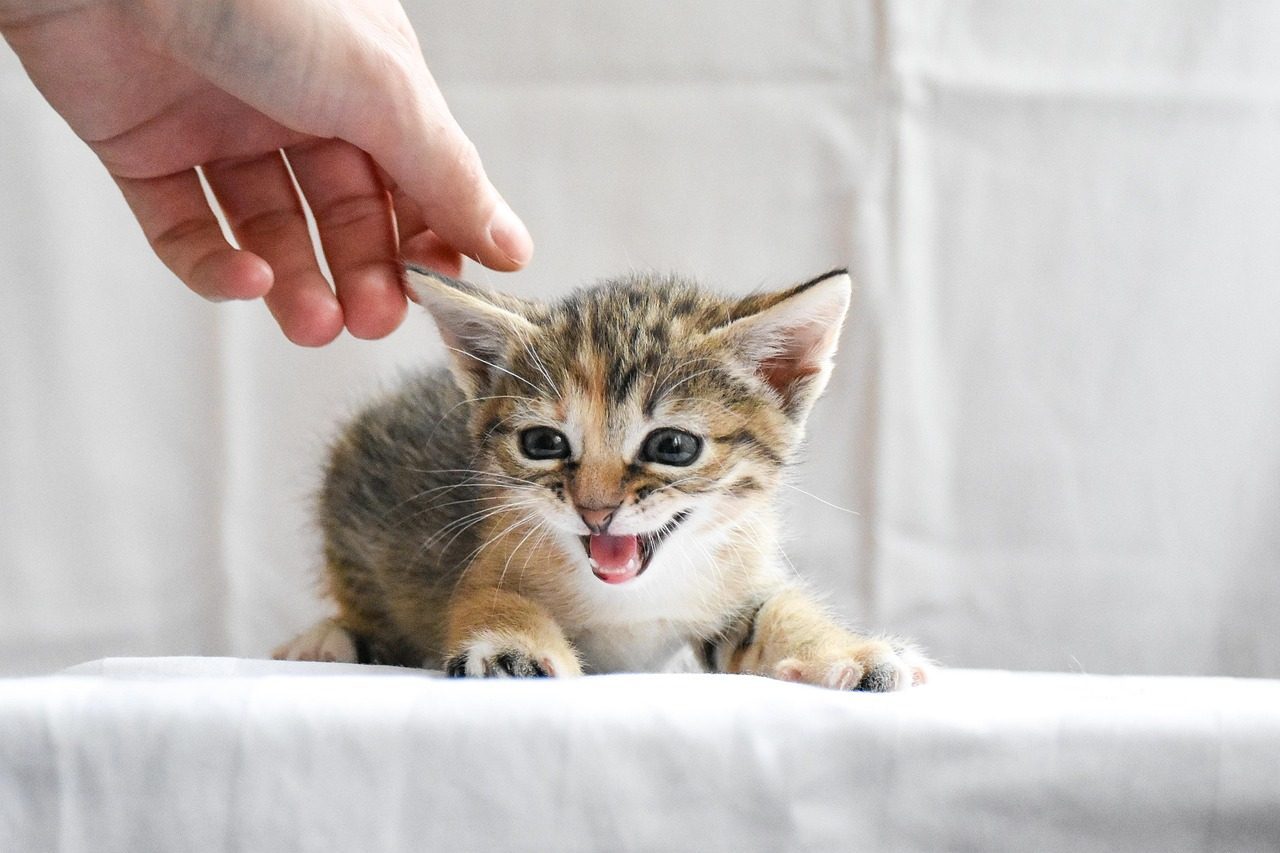
You see a fluffy cat lounging on the couch, and your first instinct is to reach out and pet. Stop right there. Cats are famously aloof, and if you try to rush the process, it might scare them off you. This mistake happens constantly, especially with people who are used to dogs or who simply can’t resist that soft fur.
Resist the urge to reach out, as humans have a tendency to reach out and pet cats on the top of their heads, which can be intimidating to the cat. Instead, extend your hand gently in a loose fist or offer a finger at their eye level. Let the cat come to you and sniff. If she rubs against your hand, that’s the green light. If she backs away or ignores you completely, respect that boundary. Honestly, this simple act of patience can transform your entire relationship with a cat.
Going Straight for the Belly
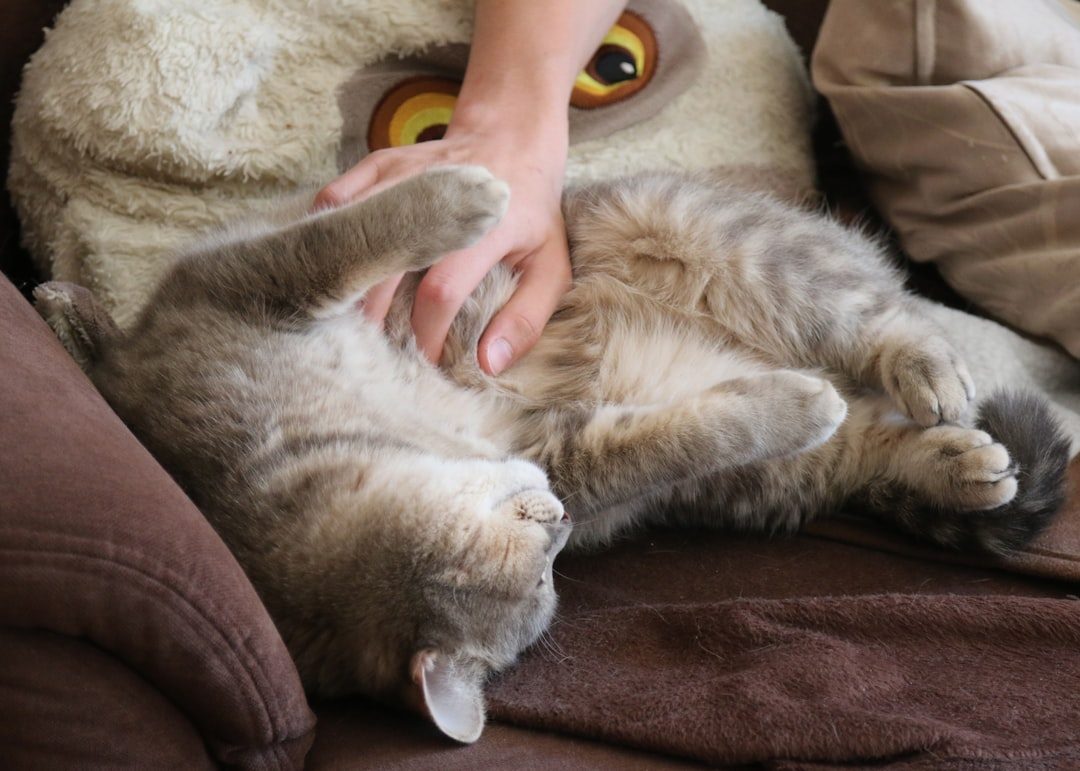
Here’s the thing. Many cats regard showing their tummy as a sign of extreme trust, not an invitation to stroke it, because tummy petting can overstimulate or upset your cat since their sensitive underside protects vital organs. When a cat rolls over and exposes that fluffy belly, it’s tempting to dive right in for a rub. Yet that exposed belly is actually a display of trust and vulnerability, not necessarily a petting invitation.
Most cats do not like being pet on their stomach, chest, legs, paws, or tail because the stomach and chest are vulnerable areas, so when you attempt to pet a cat in those spots, he feels like he’s being threatened. Some cats might tolerate it or even enjoy it, especially if they really trust you. Still, the vast majority will respond with claws and teeth the moment you touch that soft underbelly. Think of it as the ultimate trap.
Petting Against the Grain of Their Fur
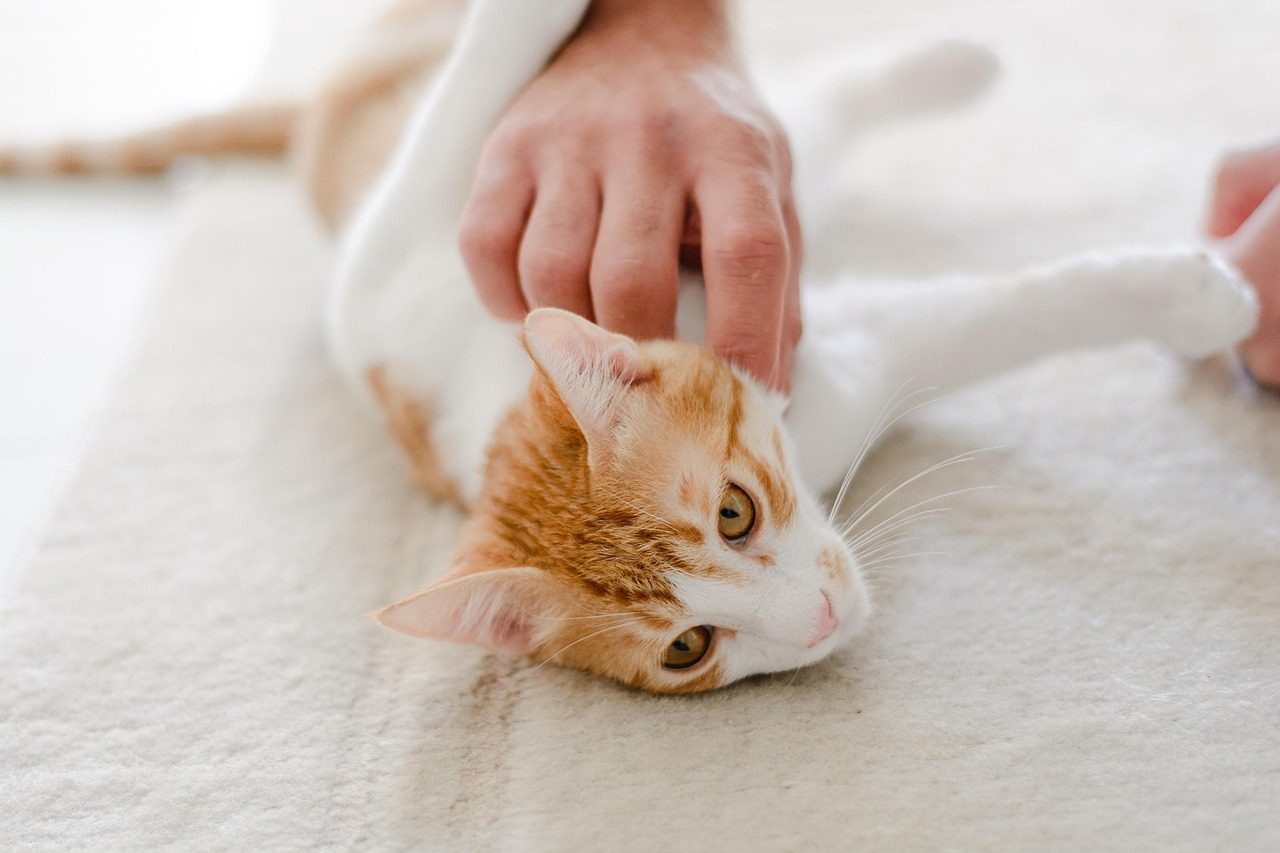
One of the simplest yet most overlooked rules is to always stroke your cat in the direction their fur naturally grows, as most cats find rubbing against the grain uncomfortable or irritating. You’d think this would be obvious, but people make this mistake all the time. Maybe they’re experimenting with texture or simply not paying attention.
When you pet backward from tail to head, it’s not just mildly annoying to your cat. It can feel genuinely unpleasant and disruptive. Always move your hand in the same direction as the fur grows, from head toward tail. Only pet in the direction of fur growth. Keep it smooth, keep it gentle, and watch how much more your cat leans into your touch.
Using Too Much Pressure or Rough Patting
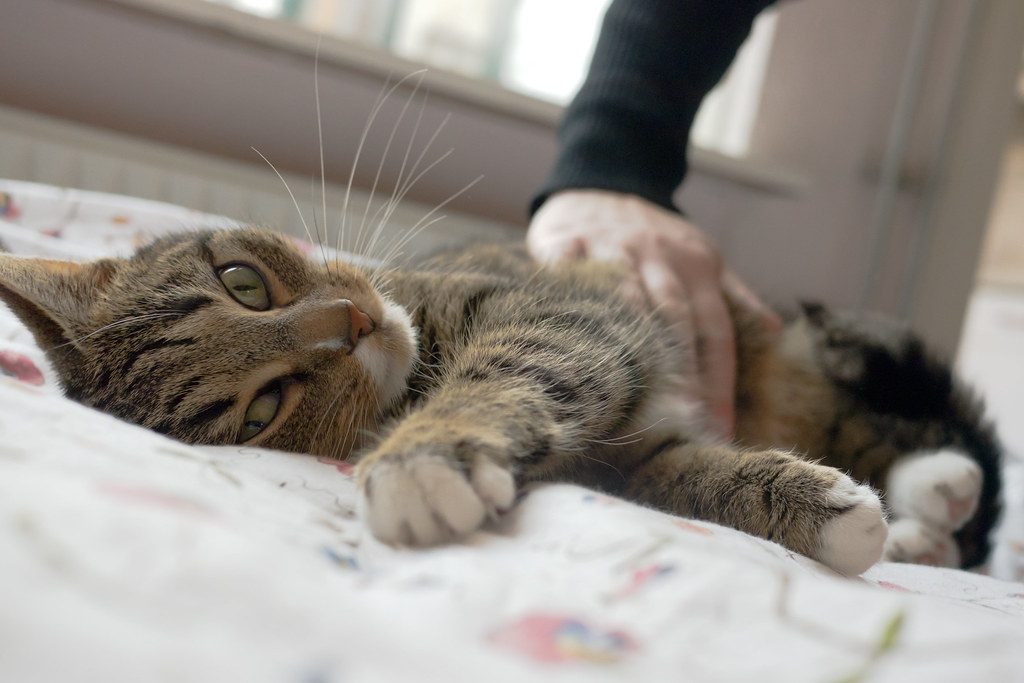
Cats are not dogs, and that firm, enthusiastic patting that dogs love? Cats typically hate it. Cats vary in their preference for pressure when being petted, but unlike dogs, cats generally dislike hard pats or pressing firmly, as too much pressure can cause discomfort or irritation. Light, gentle strokes work best for most felines.
Petting involves gently and continuously stroking a cat’s body, going in the same direction as the fur, which is soothing and enjoyable for most cat breeds. Some cats might appreciate a bit more pressure if they lean into your hand, but start soft. Think of it as giving a massage to someone who didn’t ask for one. You wouldn’t press hard right away, right?
Ignoring Their Body Language and Overstimulation Signals
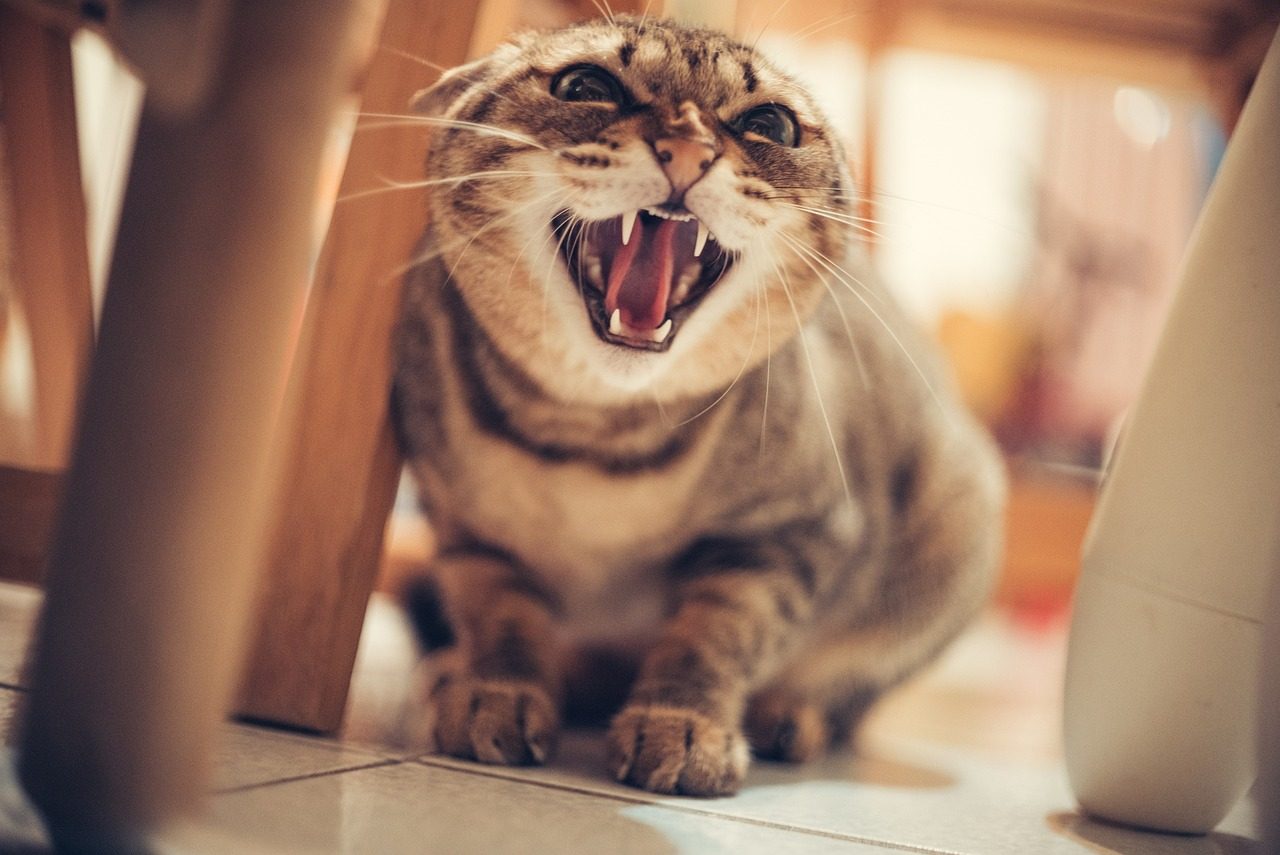
Cats experiencing overstimulation often act out, resulting in a bite, scratch, hiss or attack that may seem unprovoked, yet cats often exhibit warning signs through their body language that some of us may miss. This is probably the biggest mistake of all. Cats communicate constantly through subtle cues, and if you’re not paying attention, you’ll miss the signs that say “I’ve had enough.”
Cats can become overstimulated from too much petting or the wrong type of touch, with signs including flicking tail tips, skin rippling, sudden tenseness, or even hissing and swatting. Other warning signs include dilated pupils, ears flattening back, or the cat suddenly turning their head toward your hand. When you see any of these signals, stop immediately. Don’t push your luck.
Touching Sensitive Areas Like the Tail Base or Paws
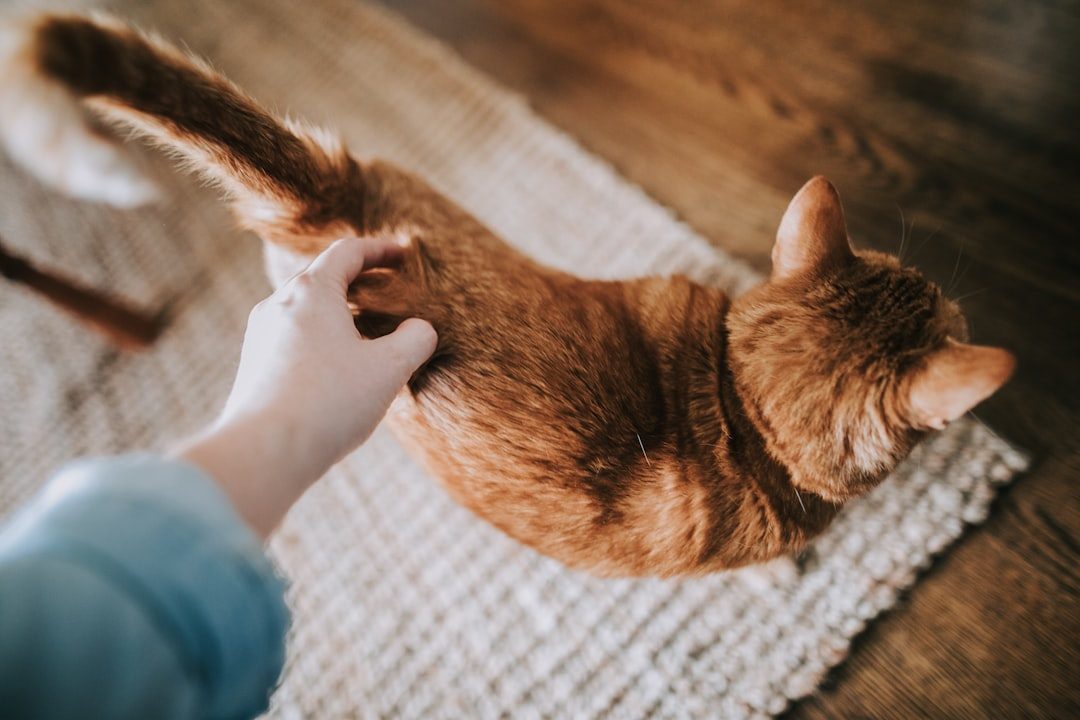
Research suggests that although people often think cats like being stroked at the base of their tail, this can actually produce the most negative behavioural responses from cats. Many people mistakenly think cats enjoy having the base of their tail scratched because some cats raise their rear end when touched there. That’s not always enjoyment – it’s often just a reflexive response.
Most cats are uncomfortable being petted around their legs, so avoid the sides of their body and their throat region, and don’t pet against the direction of their fur, from tail to head. The paws are another no-go zone unless your cat has been specifically socialized to accept it. Stick to safer zones like the head, cheeks, chin, and the area between the ears. Those spots have scent glands and most cats genuinely enjoy being touched there.
Not Giving the Cat Choice and Control
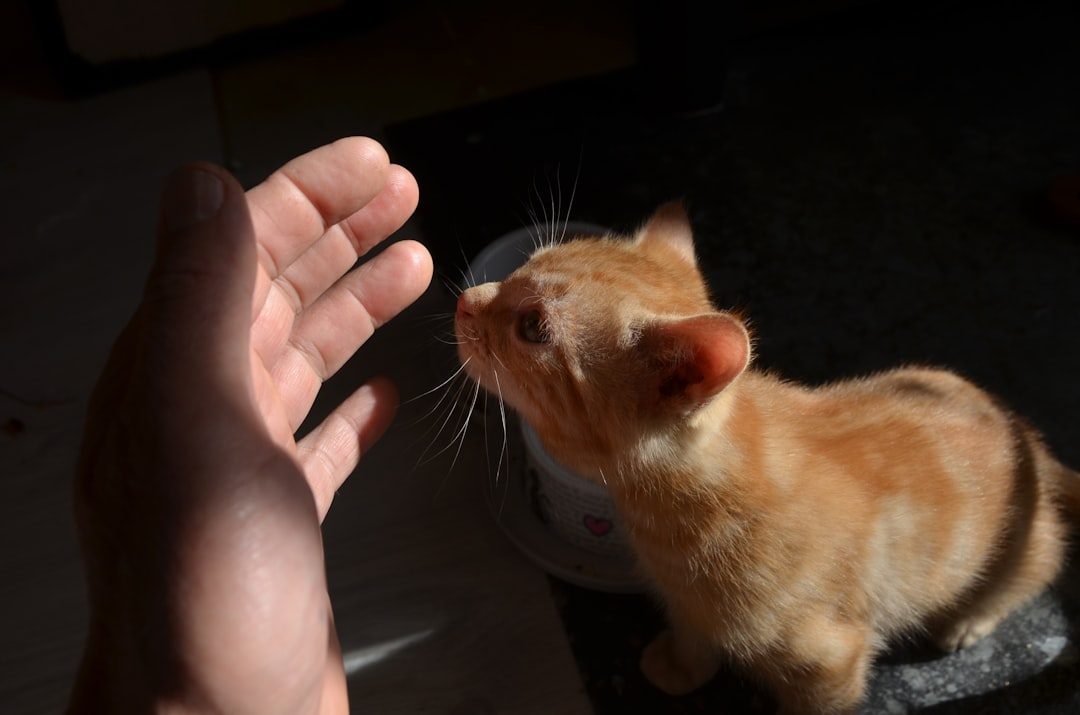
Provide the cat with choice and control during the interaction by gently offering your hand to the cat, allowing the cat to approach you, and letting them choose if they want to interact or not. Let’s be real – cats are control freaks. They want to dictate when, where, and how long the interaction happens.
Older cat owners were the most likely to pick up and hold the cats, which is another no-no because it robs the cat of its freedom of movement. Research shows interactions with cats are likely to last longer when the cat, rather than the human, initiates them. So step back, offer your hand, and wait. I know it sounds crazy, but giving up control actually gives you more quality time with your cat.
Confusing Tolerance with Enjoyment
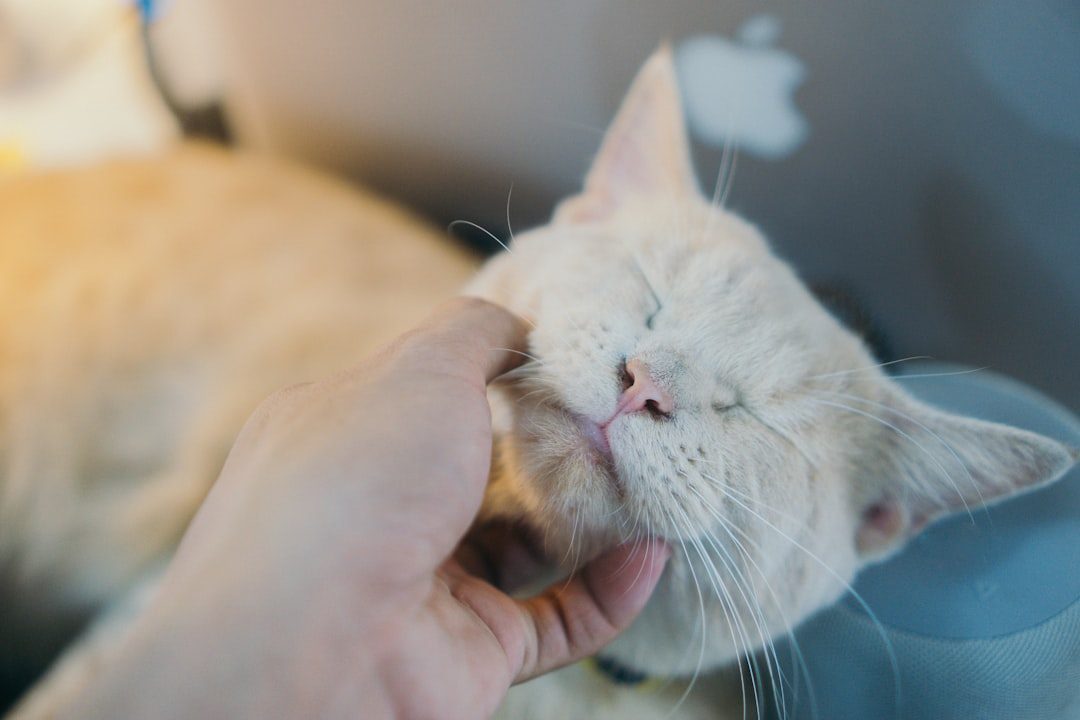
A tolerant cat is not necessarily a happy cat. Just because your cat sits there and lets you pet them doesn’t mean they’re enjoying it. Although some cats certainly do like a lot of petting, lots of them probably don’t want to be stroked the way we would usually prefer to do it, and they’re probably just very tolerant of it because of the benefits a relationship with you brings.
Think of it this way – your cat might be putting up with your affection for the food, treats, and attention you provide. That’s not exactly a ringing endorsement. Pay close attention to whether your cat is purring, leaning into your touch, or simply sitting stone-still waiting for it to be over. The difference matters.
Conclusion
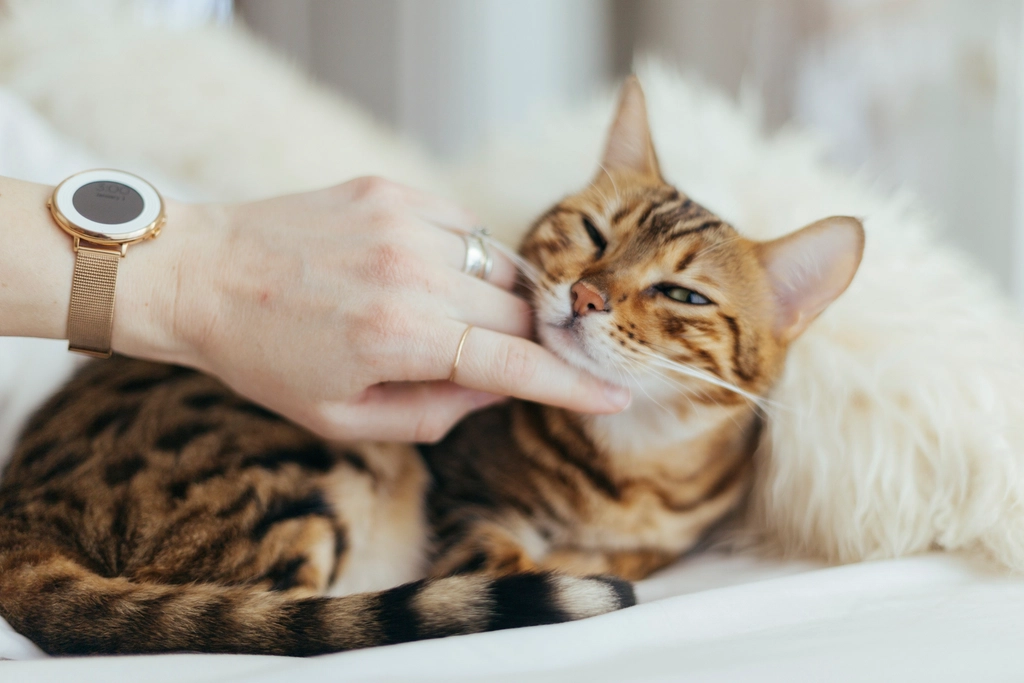
Petting a cat isn’t rocket science, yet so many of us get it wrong without even realizing it. The key is patience, observation, and respect for your cat’s boundaries. Let them come to you. Avoid the belly and other sensitive zones. Pet gently in the direction of their fur. Watch for signs of overstimulation and stop before they snap.
When you follow these guidelines, you’ll build a deeper bond with your feline friend based on trust rather than tolerance. They’ll seek out your affection instead of merely enduring it. What do you think about it? Have you been making any of these mistakes? Tell us in the comments.