You probably think playing with your cat is the simplest thing in the world. Grab a toy, wave it around a bit, watch them pounce, and you’re done, right? Here’s the thing though, it’s surprisingly easy to get it wrong. You might unknowingly be frustrating your feline companion, teaching them bad behaviors, or even putting them at risk without realizing it.
Let’s be real, cats can seem pretty mysterious when it comes to what they actually want. One minute they’re completely obsessed with a feather toy, the next they’re ignoring it entirely and attacking your ankles instead. The truth is, your playtime technique matters far more than you might think. Done correctly, play sessions keep your cat mentally sharp, physically healthy, and emotionally balanced. Done poorly, they can lead to aggression, anxiety, and a whole host of behavioral issues. Ready to discover where you might be going wrong? Let’s dive in.
Using Your Hands or Feet as Toys
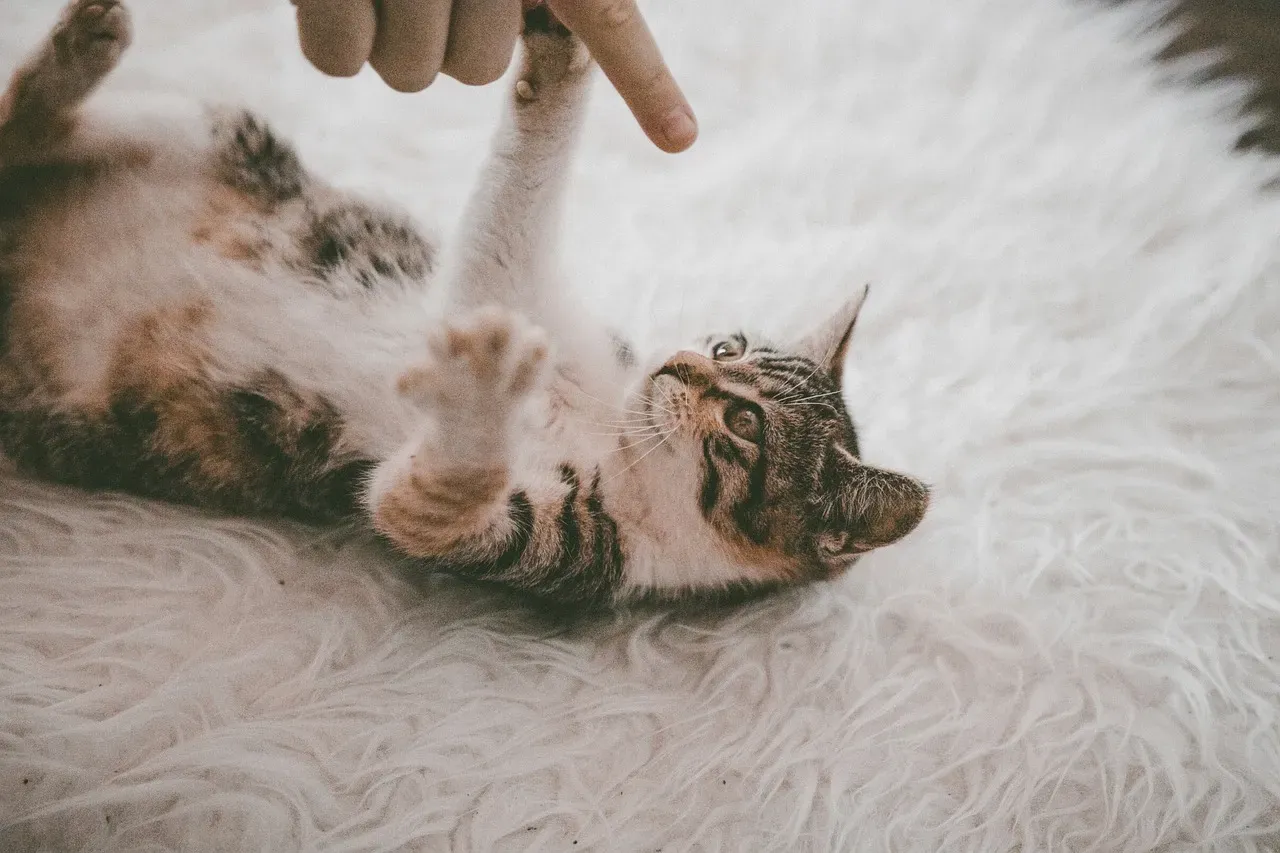
Wiggling fingers are convenient when your cat is nearby and in play-mode, but this sends the unintentional message that biting flesh is acceptable behavior. It might seem adorable when your kitten gently nibbles on your fingers during play, but you’re essentially training them to view your body as a legitimate target. A fake squirrel filled with catnip is a toy; your hands or fingers are not. Don’t make yourself a part of your pet’s toy chest.
It may be tempting to tickle your cat’s belly or tantalize a kitten with your fingers, but it is best to avoid using your hands or body to play with a cat. It may be cute to let that little kitten nibble on your fingers now, but it won’t be nearly as fun when your cat is fully grown and those bites become painful! Think about it this way: what starts as playful scratches and bites from a tiny kitten becomes genuinely painful and potentially dangerous from an adult cat with razor-sharp claws and teeth.
Leaving Interactive Toys Out After Play Sessions
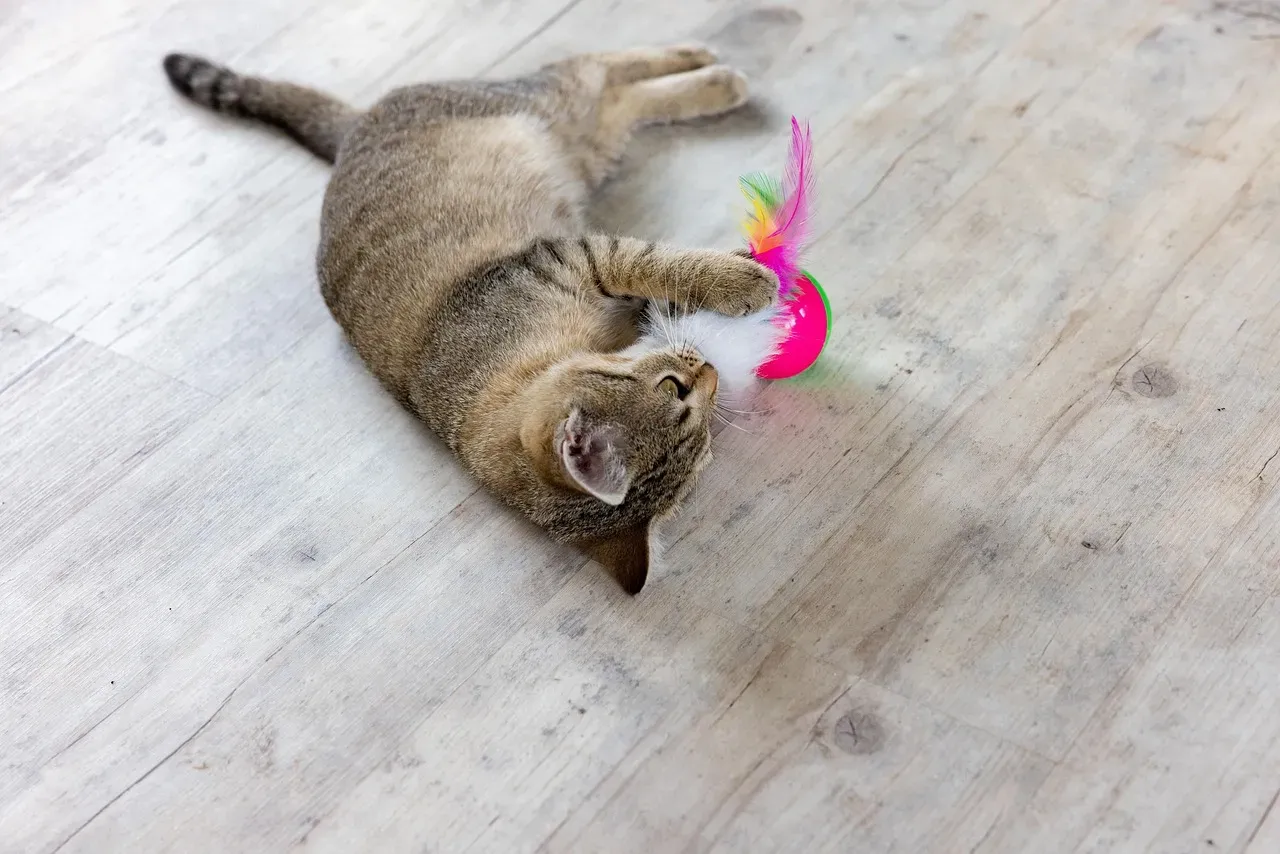
Wand toys, fishing pole toys, and anything with strings are absolutely fantastic for playtime. The problem arises when you leave them lying around after you’re done. Interactive toys (fishing pole-type toys) are wonderful but they shouldn’t be left out when you’ve finished playing with your cat. There’s a risk of strangulation. Cats panic when they get the string wrapped around a paw or caught on their collar.
All interactive toys are to be used under your supervision and then put away in a cabinet or closet between play sessions. For solo play, leave out safe toys such as fuzzy mice, mylar crinkly balls, and other cat-safe fun objects. Honestly, I know it can feel tedious to constantly pack away toys, but it’s a safety issue that’s too important to ignore. Those dangling strings might look innocent, yet they pose genuine risks when you’re not there to supervise.
Moving the Toy Directly Toward Your Cat’s Face
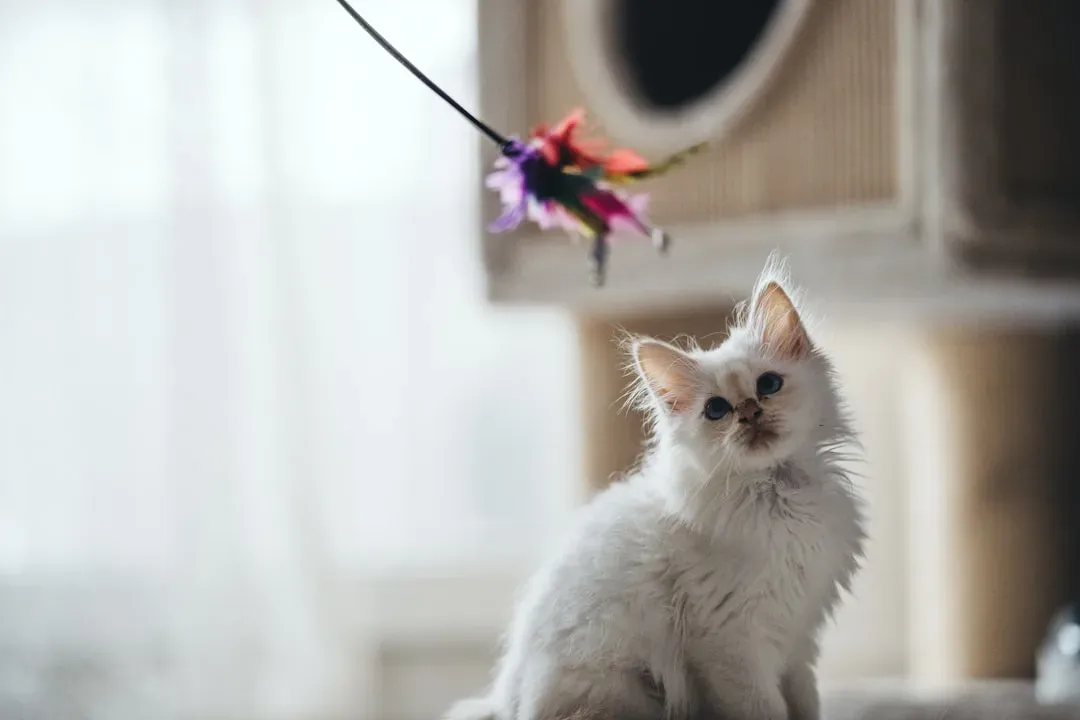
One of the biggest mistakes people make when trying to play with cats is dangling a toy right in front of their face. While this may seem like a way to get them engaged, it doesn’t imitate the hunt cycle as prey normally wouldn’t run right up to a cat and jump around. Real prey runs away from predators, not toward them. When you shove a toy in your cat’s face, you’re actually doing the opposite of what triggers their natural hunting instincts.
Prey moves away, not toward the cat. Prey may try to hide under or behind something. Make the toy move away, cleverly changing direction, dashing for cover, and popping out again. The solution is simple but makes all the difference. Move the toy sideways or away from your cat, let it “hide” behind furniture, and vary the speed to keep things unpredictable and exciting.
Playing Too Roughly or Encouraging Overstimulation
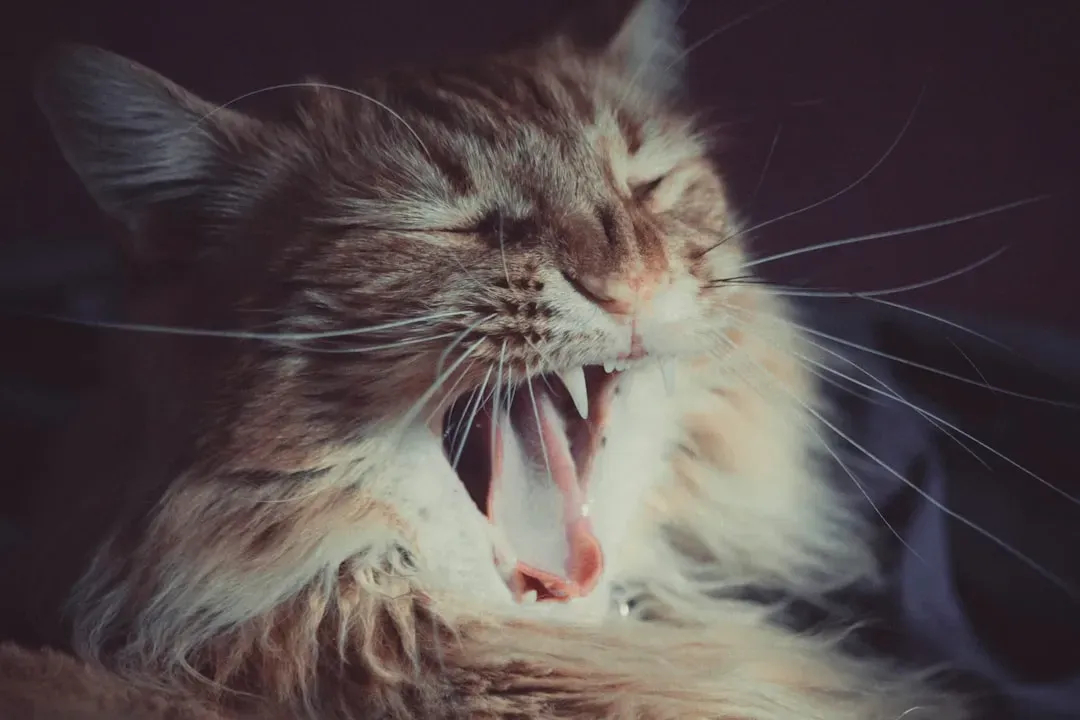
It’s possible to overwhelm a cat by playing too intensely or for too long. Overstimulated cats may show signs such as flattened ears, twitching tails, or sudden aggressive swipes. Some people think that playing harder means playing better, but cats have limits just like we do. When they cross that threshold from excited to overstimulated, things can turn aggressive quickly.
If you watch two cats or dogs roughhousing, you know how it is going to play out in the end. The chasing and running around start out fun, but then it takes an ugly turn. Our pets match the intensity of their playmates – even you. Your cat will respond to the energy you bring to playtime. If you get too wild, expect them to respond in kind with bites and scratches that hurt. Watch for those warning signals like dilated pupils or a tail that starts thrashing, and dial things back immediately.
Ending Play Sessions Abruptly Without a Catch
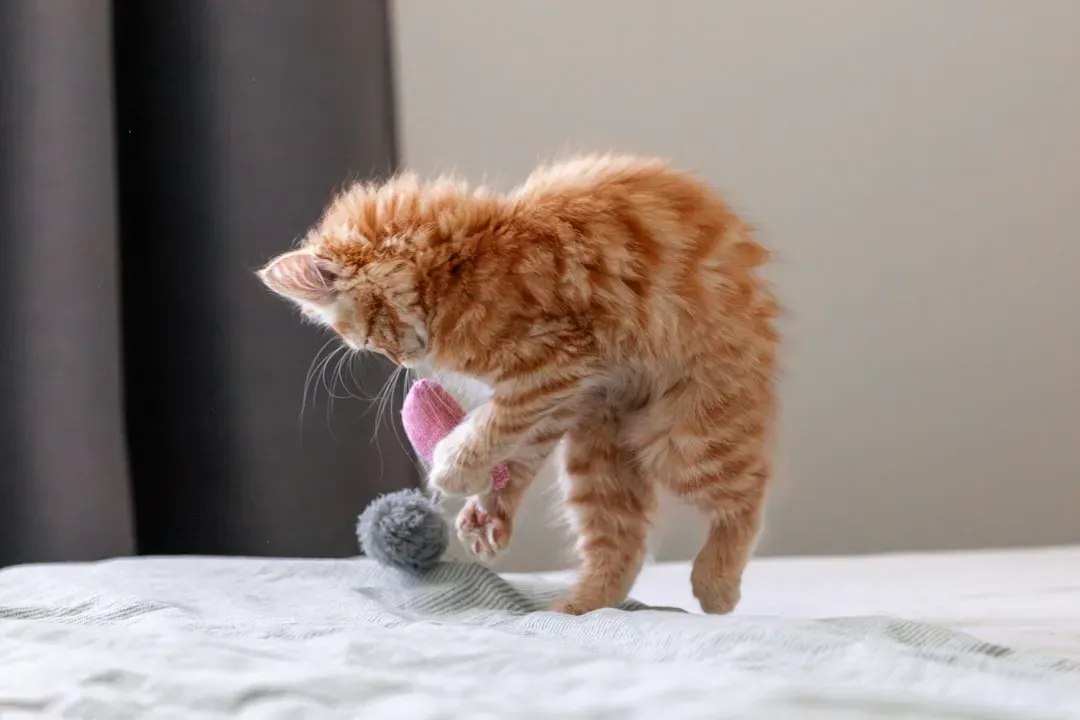
Here’s something most people never consider: how you end a play session matters just as much as how you conduct it. Abruptly halting play, particularly during moments of high arousal, can result in residual frustration and hyperactivity. Instead, replicate the “capture” phase of hunting by allowing your cat to “catch” the toy.
In order for your cat to satisfy their hunting instinct, they need to complete a full hunt cycle. In my experience working with clients, people tend to cut off a play session during the stalking and plotting phase. As long as your cat is watching the toy, they’re having fun. Let them win occasionally. After the catch, you might even consider offering a small treat or portion of their meal to complete the full hunting sequence, which naturally ends with consumption in the wild.
Using Repetitive or Predictable Movements
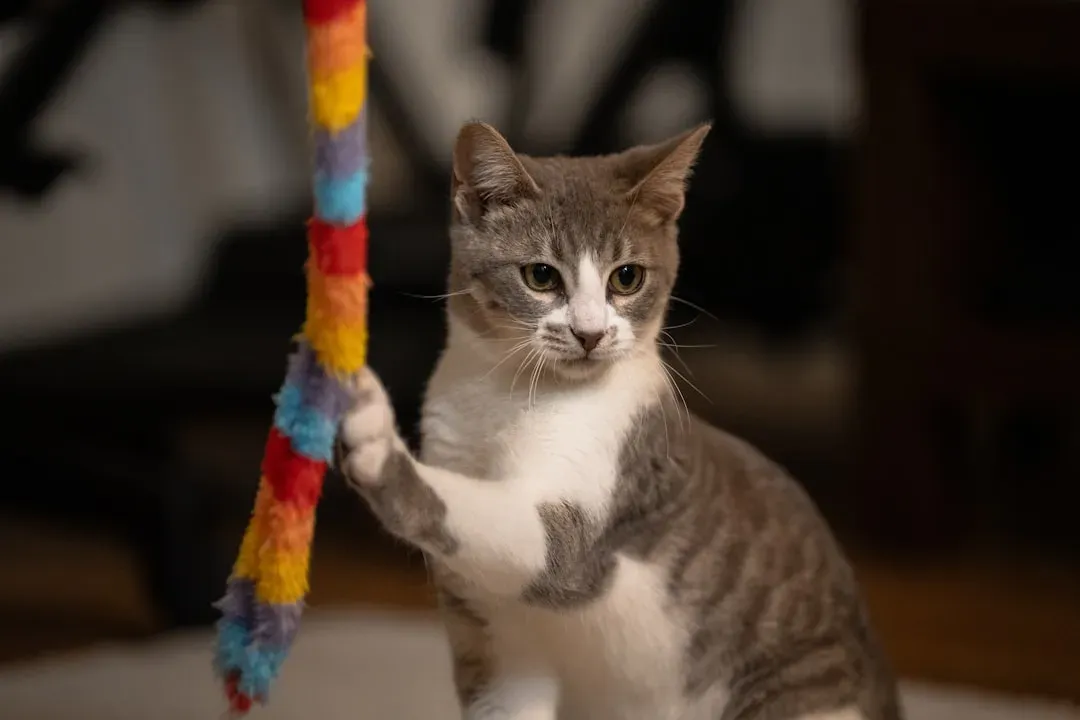
Automatic, wind-up, hang-on-the-door, and motion-detector toys don’t act like prey. Most follow a simple pattern when they move that cats can quickly figure out. Sometimes inattentive humans do the same thing when they wave a toy around. If you’re just swinging that feather wand in the same circular motion over and over, your cat will lose interest faster than you’d think.
Real prey is unpredictable enough to make the hunt interesting. They run at different speeds. They change direction. They scurry under the couch or behind the curtains. Variety is absolutely key. Speed up, slow down, pause completely, dart sideways, hide the toy behind furniture, then pop it out unexpectedly. The more you can mimic the erratic behavior of actual prey animals, the more engaged and satisfied your cat will be during play.
Not Rotating or Refreshing Their Toy Selection
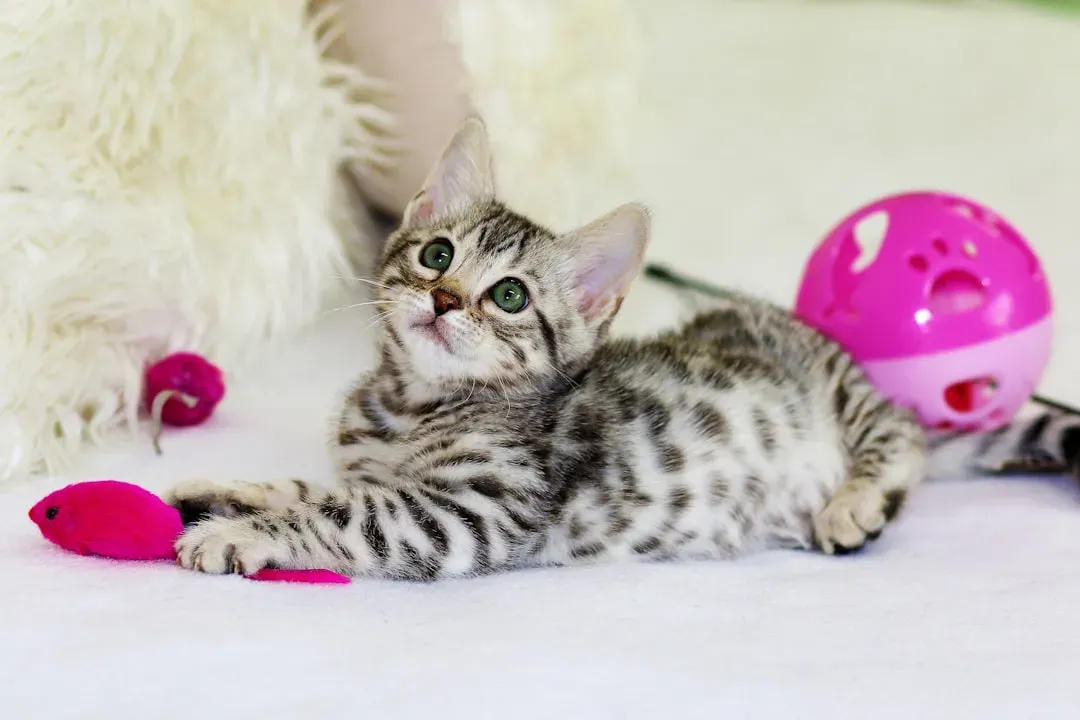
The cat has killed that toy too many times. When you’ve killed the same little mousie 100 times, it’s truly dead. For some cats, when you’ve killed the same toy twice, it’s dead. This might sound silly, but it’s completely accurate from a cat’s perspective. They become desensitized to toys they’ve “caught” repeatedly, and the excitement just vanishes.
Cats need new toys from time to time – how often depends on how quickly your cat stops playing with the toys he has. You don’t need to buy a basketful of toys; simply rotate the toys you have. Put a few in a drawer for a month or two while others come out after a long absence and are suddenly new again. It’s hard to say for sure, but most cats seem to rediscover interest in toys they haven’t seen for a while. Rotation is honestly one of the cheapest and easiest ways to keep playtime fresh and exciting.
Skipping Regular Play Sessions or Playing at the Wrong Times
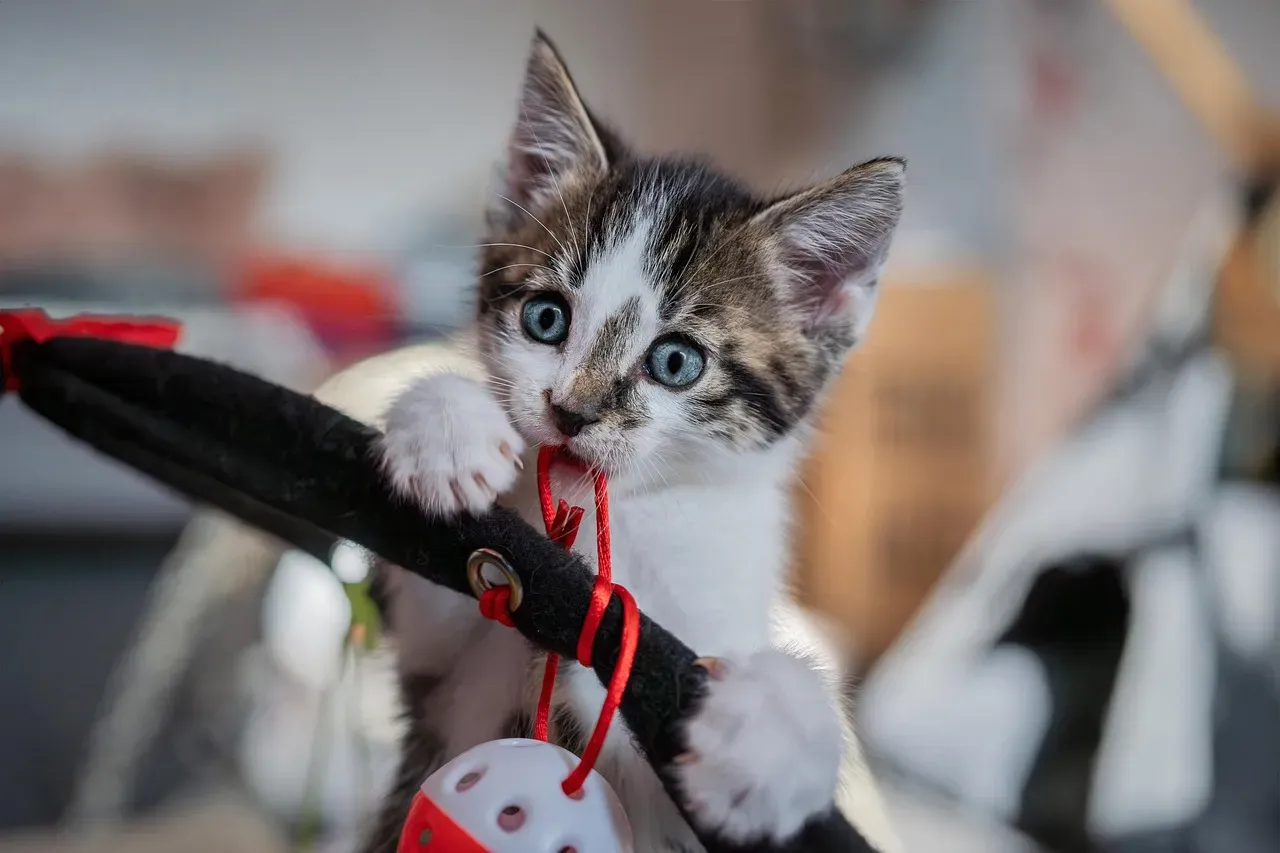
Felines are crepuscular by nature, meaning they are most active during dawn and dusk. Structured play sessions at these times align with their circadian rhythms and help fulfill their biological needs. Neglecting playtime not only affects their mental health but may also lead to obesity or destructive behaviors due to boredom. Trying to engage your cat at noon when they’re naturally drowsy probably won’t work well.
Cats are not unlike people in that they aren’t necessarily ready for a rousing game of fetch or up to a chase when they just wake up from a nap. Felines can sleep a long time, sometimes up to 18 hours. They’re more likely to be cranky after a long rest. Do both of you a favor and wait until your cat is fully awake before breaking out the teaser toy. Schedule multiple short sessions throughout the day rather than one marathon session, ideally timed when your cat naturally has energy to burn.
Conclusion: Playing Smart Makes All the Difference
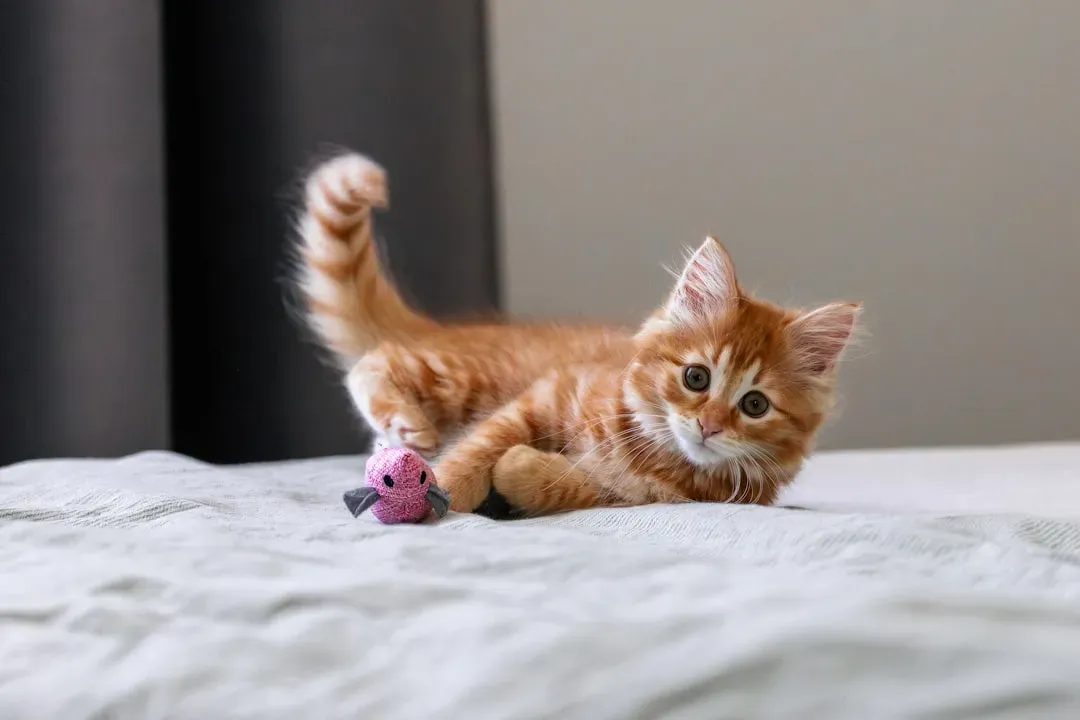
The beautiful thing about cats is that they’re remarkably straightforward once you understand their instincts. Play isn’t just entertainment for them; it’s a vital outlet for behaviors hardwired into their DNA over thousands of years. When you respect those natural drives and play with intention rather than just going through the motions, you’ll notice remarkable changes in your cat’s behavior and overall wellbeing.
Your cat might be more relaxed, less destructive, and far less likely to ambush your ankles at three in the morning. The bond between you strengthens when playtime becomes genuinely satisfying for them rather than frustrating. So grab those wand toys, put away anything with strings when you’re done, and remember to let your cat catch their “prey” before calling it quits. Have you been making any of these mistakes? What changes will you try first?