Cats have fascinated humans for millennia, yet these enigmatic creatures continue to baffle even the most dedicated researchers. Their mysterious behaviors challenge our understanding of animal cognition and sensory perception. From inexplicable bursts of energy to apparent predictions of natural disasters, our feline companions possess abilities that science has yet to fully explain.
While modern technology allows us to peek inside cat brains and measure their physical capabilities, many feline behaviors remain shrouded in mystery. These puzzling traits have evolved over thousands of years, yet their true purposes often elude our comprehension. Let’s dive into these fascinating mysteries that make cats the most intriguing pets on Earth.
The Mysterious Midnight Zoomies

Zoomies – when your cat takes off running seemingly out of nowhere – have a scientific name: frenetic random activity periods (FRAPs). While Dr. Gerken notes that there’s no definitive research on why it happens, understanding possible motivations can help you support your cat’s well-being. Scientists can only speculate about the exact mechanisms behind these sudden bursts of frantic energy that leave cats careening around homes at breakneck speeds.
Why DO cats get the zoomies? We can only speculate what’s going on behind that crazed look, flattened ears, and frenetic pace of a cat in the throes of a zoom-fest. Some theories suggest pent-up energy release, others point to evolutionary hunting instincts, and still others propose neurological triggers. However, there’s no definitive research on why it happens, making the zoomies one of the most common yet unexplained feline behaviors.
Post-Bathroom Euphoric Episodes

One of the strangest cat behaviors involves the frantic running that occurs immediately after using the litter box. It also happens after pooping (hence the terms ‘poophoria’ and ‘crapnfrap’) and various reasons have been put forward for this. Scientists have proposed multiple theories, yet none provide a complete explanation for this peculiar phenomenon.
According to the theory, this leads to a drop in heart rate and blood pressure, which reduces blood flow to the brain and can trigger a feeling of light-headedness. This results in the moment of frantic feline folly that is the zoomies. It’s an interesting theory, but rather than making an animal more active, vagal activity is classically thought to make animals more, rather than less, relaxed. The mystery deepens when considering that not all cats exhibit this behavior consistently.
Earthquake Prediction Abilities
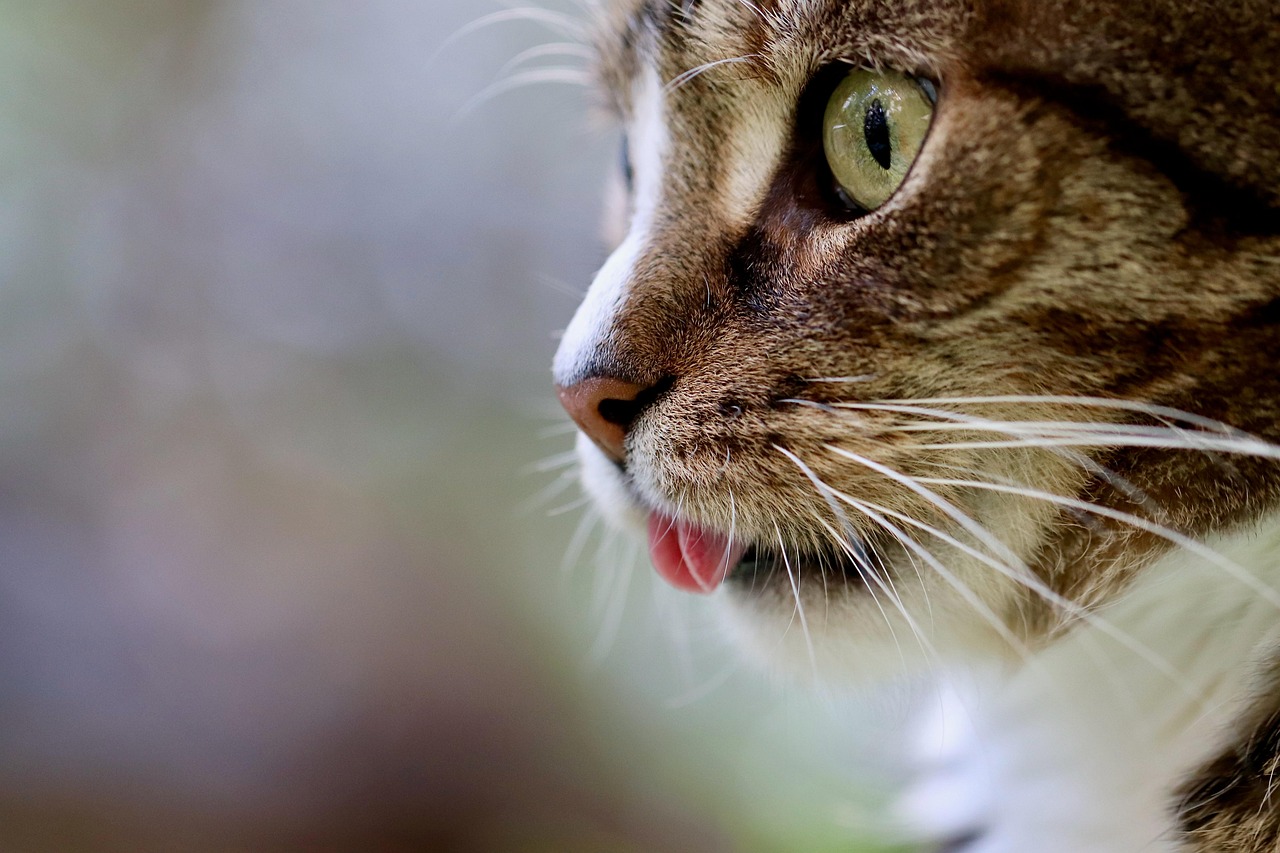
Some reports suggest cats may detect seismic activity before earthquakes occur, potentially through vibrations in the earth that alert them. The delicate skin of feline toe pads is packed with nerve endings, making them extra sensitive to textures, movements, and vibrations, so they may be able to detect micromovements in the earth before we can. Feline whiskers (vibrissae) are attached to sensitive nerves, allowing them to pick up on the tiniest of vibrations. All of these features could certainly allow cats to detect earthquakes far earlier than we can.
However, consistent and reliable behavior prior to seismic events, and a mechanism explaining how it could work, still eludes us. “Animals react to so many things – being hungry, defending their territories, mating, predators – so it’s hard to have a controlled study to get that advanced warning signal.” Despite countless anecdotal reports, scientists remain unable to definitively prove or disprove this mystifying ability.
Catnip Response Enigma
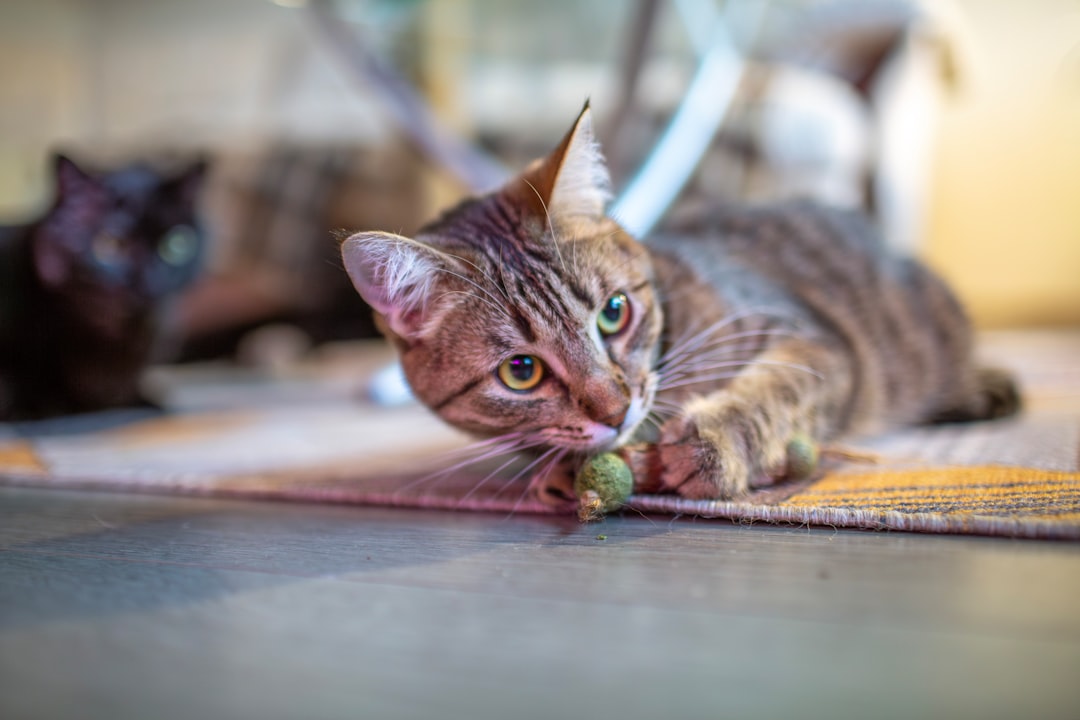
The catnip response is a bit of an enigma because it consists of seemingly random segments of play (pouncing, clutching with the claws), socializing (cheek rubbing) and female sexual behavior (rolling onto the back, for example). Yet not all individuals in these species show the response because it is controlled by a single gene that approximately 70-80% of cats carry, adding another layer of mystery to this bizarre behavior.
The catnip response may simply be an evolutionary accident. Scientists struggle to explain why evolution would preserve such a seemingly purposeless behavior, especially one that leaves cats vulnerable to predators in the wild. The combination of hunting, mating, and social behaviors triggered by a simple plant compound defies logical explanation and continues to perplex researchers worldwide.
Plastic and Non-Food Item Consumption

Why do cats lick and chew plastic bags, power cords and other nonfood items? Veterinarians have noted an unhealthy taste for plastics in some cats but have never convincingly explained it. Does your cat enjoy chewing on non-edible items such as wools, cloth, inedible plants, plastic, or metal? This could be a sign of a rare condition in cats called pica. Often the cause of this is unknown; however, some proposed reasons include mineral deficiencies, anemia, hyperthyroidism, genetics, boredom, and stress.
This behavior appears across different cat populations regardless of diet quality or environmental factors. Some cats develop specific preferences for certain textures or materials, while others seem to sample everything non-edible. The fact that well-fed, healthy cats still exhibit this behavior suggests deeper neurological or sensory motivations that scientists have yet to uncover.
The Staring Contest Phenomenon

When your cat is staring you down, they’re probably just trying to get your attention. If the stare is intense, this “staring contest” could mean that they are on high alert about someone or a situation. However, the prolonged, unwavering gaze that some cats direct at their owners often seems to serve no obvious communicative purpose, leaving researchers puzzled about its true function.
Have you ever noticed your kitty slowly blinking at you? Behaviorist call this act “kitty kisses.” These slow blinks are your feline’s way of showing affection and telling you that they like and trust you. Yet scientists cannot fully explain why cats developed this particular form of visual communication or what neurological processes drive the decision to blink slowly versus stare intensely.
Disappearing and Reappearing Acts
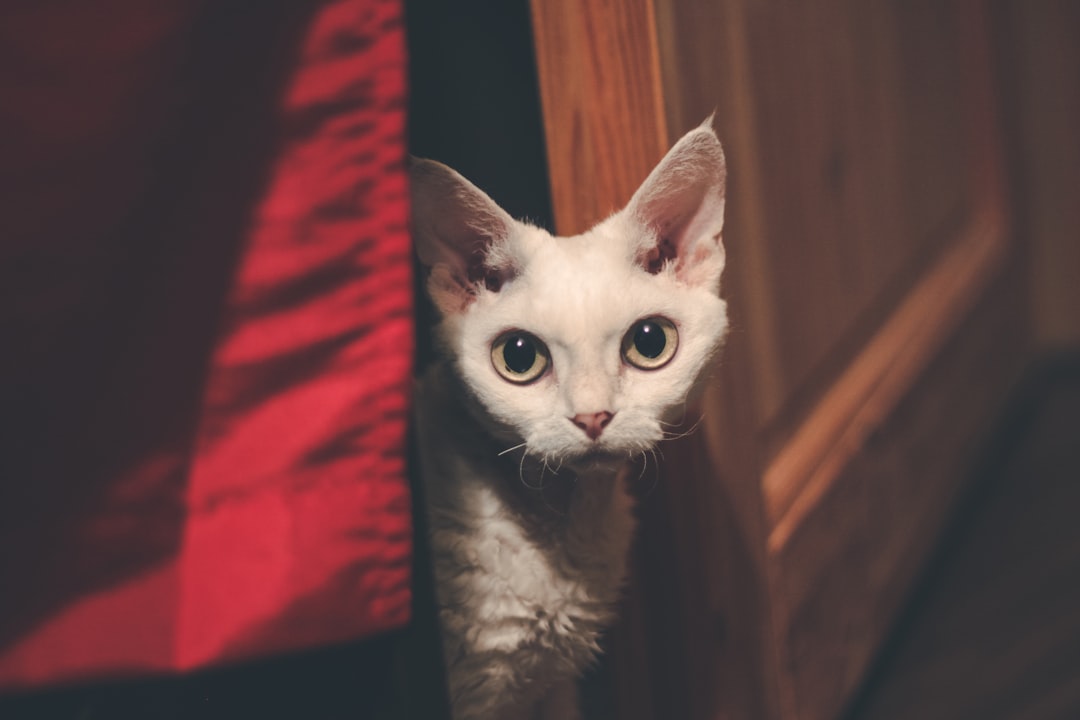
Cats possess an uncanny ability to vanish completely within familiar environments, only to reappear in seemingly impossible locations. This behavior goes beyond simple hiding and involves what appears to be deliberate concealment strategies that baffle both owners and animal behaviorists. The precision with which cats can make themselves invisible in plain sight suggests sophisticated spatial reasoning abilities.
Scientists have not studied this specific trait directly, but cats do seem to forget other cats once they have been separated for a long time, so the same probably applies to people as well. This memory-based hiding behavior might explain some disappearances, but not the strategic timing and location choices that seem to anticipate human search patterns. The mystery deepens when considering how cats know exactly when to emerge from hiding.
Telepathic-Like Owner Anticipation

Many cat owners report that their pets seem to know when they’re coming home, often waiting by doors or windows minutes before arrival. This behavior occurs even when schedules vary unpredictably, suggesting cats may possess sensory abilities that extend beyond conventional explanations. Some researchers propose enhanced hearing capabilities, while others suggest electromagnetic sensitivity.
Cats are able to hear sounds in the ultrasonic range, detect vibrations, and even sense changes in air pressure. These abilities could allow them to perceive things before humans are aware of them, whether it’s a natural disaster, a change in their owner’s health, or even the return of their favorite human. In other words, it’s possible that what seems like a prediction of the future is simply an advanced awareness of their environment – something that makes cats seem like the wise, mysterious creatures they are.
Conclusion
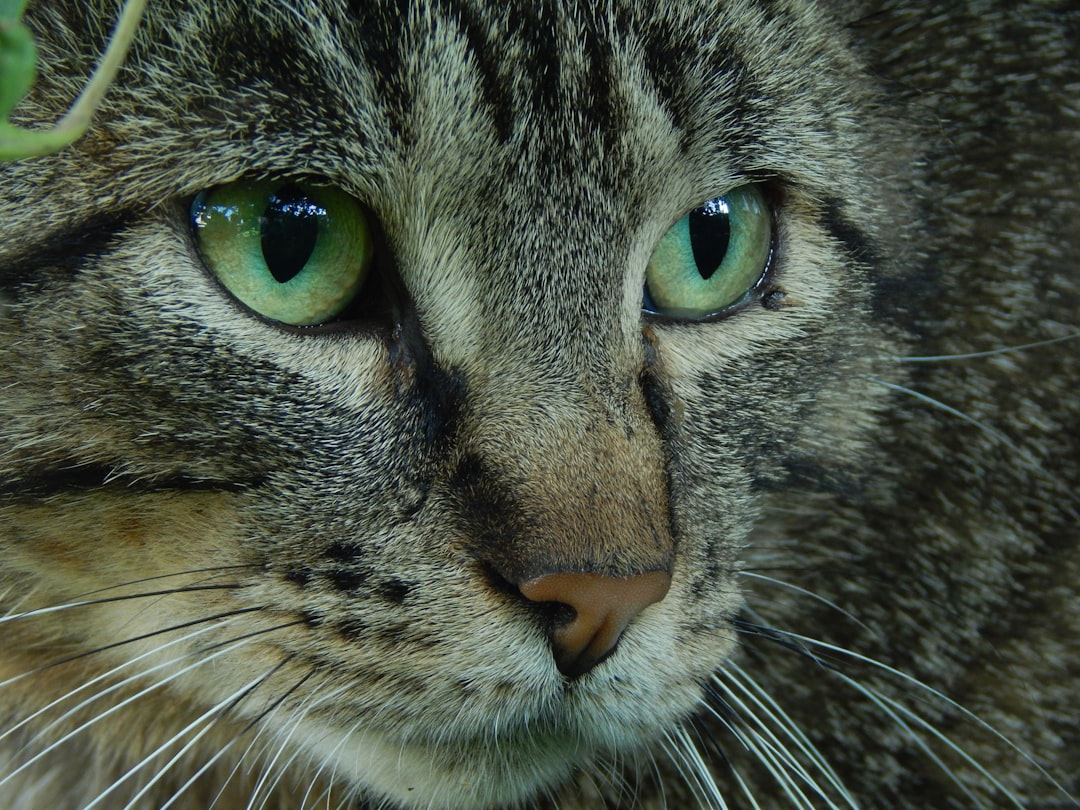
These eight mystical behaviors demonstrate that despite decades of scientific research, cats continue to challenge our understanding of animal intelligence and sensory perception. Each mystery reveals the limitations of current scientific methods and reminds us that nature still holds countless secrets. From the inexplicable zoomies to apparent earthquake predictions, our feline companions possess abilities that blur the line between science and the supernatural.
What makes these behaviors particularly fascinating is their consistency across different cat populations worldwide, suggesting they serve important evolutionary purposes we have yet to comprehend. As technology advances and research methods improve, perhaps future scientists will unlock these feline mysteries that have puzzled us for so long.
What do you think about these mysterious cat behaviors? Have you witnessed any unexplained feline actions in your own home? Tell us in the comments.