Cats have one of the most misunderstood reputations in the entire animal kingdom. For centuries, people have painted them as cool, detached loners who couldn’t care less whether you come home or stay away for a week. You’ve probably heard it dozens of times: “Cats are so independent, they practically take care of themselves.” It sounds plausible. It even feels true, especially if your cat has ever stared at you like you’re furniture.
Here’s the thing, though. Science keeps quietly dismantling those assumptions one by one, and the picture of the cat that emerges is far more emotionally complex, socially aware, and genuinely attached to you than most people ever imagined. Let’s dive into the eight biggest myths about cat independence and find out what’s actually going on behind those inscrutable eyes.
Myth 1: Cats Don’t Really Bond With Their Owners
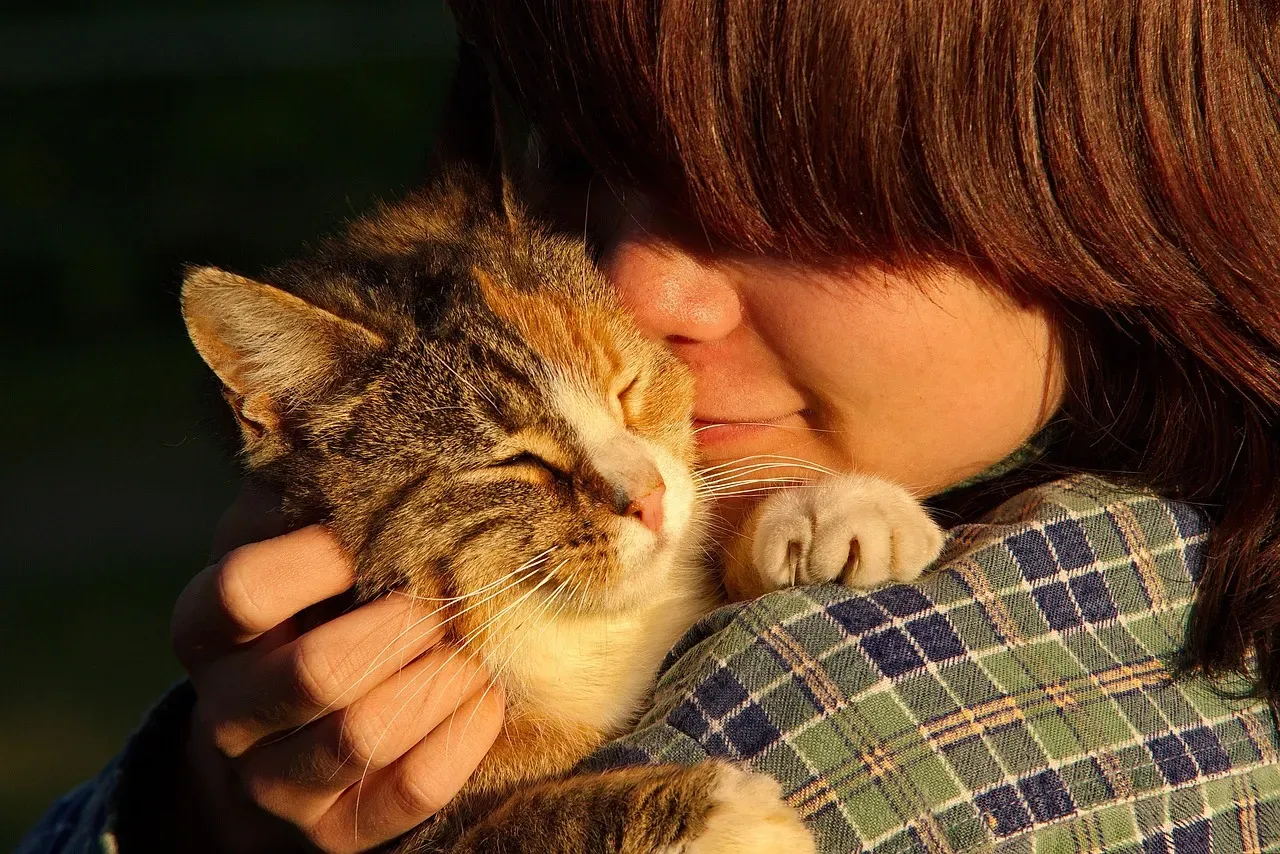
Let’s be real, this one stings a little if you’re a cat person. You’ve poured love and treats into that relationship for years, and someone always pipes up to say your cat is “just using you for food.” Shocking as it may be, that claim simply isn’t backed by the evidence.
Cats may have a reputation for being indifferent and standoffish, but cats bond with their people, often just as much as dogs do. In fact, studies show that most cats create strong attachments to their guardians and experience feelings of comfort and safety by being around them. Research published in the journal Current Biology took this even further, using the same behavioral tests applied to human infants to assess how cats relate to their caregivers. Distinct attachment styles were evident in adult cats, with a distribution showing roughly two thirds falling into a secure attachment pattern.
Cats show their love in many ways, like purring, kneading, slow blinking, rubbing up against your legs, and following you from room to room. The expression is different from a dog’s enthusiastic tail-wag, sure, but that doesn’t make it any less real. Think of it like comparing a friend who hugs you at the door versus one who quietly makes you coffee. Both are acts of love. You just have to learn to read the language.
Myth 2: Cats Are Completely Solitary Animals

The image of a solitary wildcat prowling through the desert has a lot to answer for. It’s lodged deep in our collective imagination, and it keeps leading people to wildly incorrect conclusions about domestic cats. The truth is more nuanced and, honestly, more interesting.
Cats are constantly called solitary creatures, and that’s not accurate. Cats have a social structure built around the availability of resources. The misconception may come from the fact that because they’re small predators, they often hunt alone because they go after prey that’ll only supply enough food for one. That’s hunting behavior, not a personality trait. Hunting alone and living alone are two very different things, like how you might eat lunch solo at your desk but still desperately need your friends on a Friday night.
Most cats in the wild do live solitary lives, often only socializing with others of their species to mate. But domestic cats have evolved to form bonds and alliances with their humans and other animals, including dogs and other cats. Whether for safety, food, and shelter, or emotional support, it’s clear that your little tiger enjoys having a family, even if they do love a bit of alone time.
Myth 3: Cats Don’t Need as Much Care as Dogs

This might be the most dangerous myth on this entire list. Honestly, it’s caused more quiet suffering in cats than almost any other misconception. The idea that cats are “low maintenance” leads too many owners to essentially coast on autopilot, skipping vet visits and skimping on interaction.
The misconception that cats are independent and require little or no care causes many of them to suffer needlessly both physically and emotionally. While it is true that cats can exhibit independent behaviors, they still require substantial care and attention to thrive. Cats need routine veterinary visits for vaccinations, dental care, and health screenings. Regular check-ups help prevent illnesses and ensure early detection of potential health issues. Ignoring these needs can lead to serious health complications down the line.
While cats have a reputation for being independent, they need just as much care as dogs do. Regular vet visits, daily exercise and mental enrichment, and plenty of positive attention from their guardians are all essential to a cat’s well-being. Playing, snuggling, and spending time with your cat also increases the bond between you and your furry friend, which is good for your well-being too. If you went into cat ownership expecting a decorative houseplant that occasionally meows, you’ve been misled.
Myth 4: Cats Don’t Experience Separation Anxiety
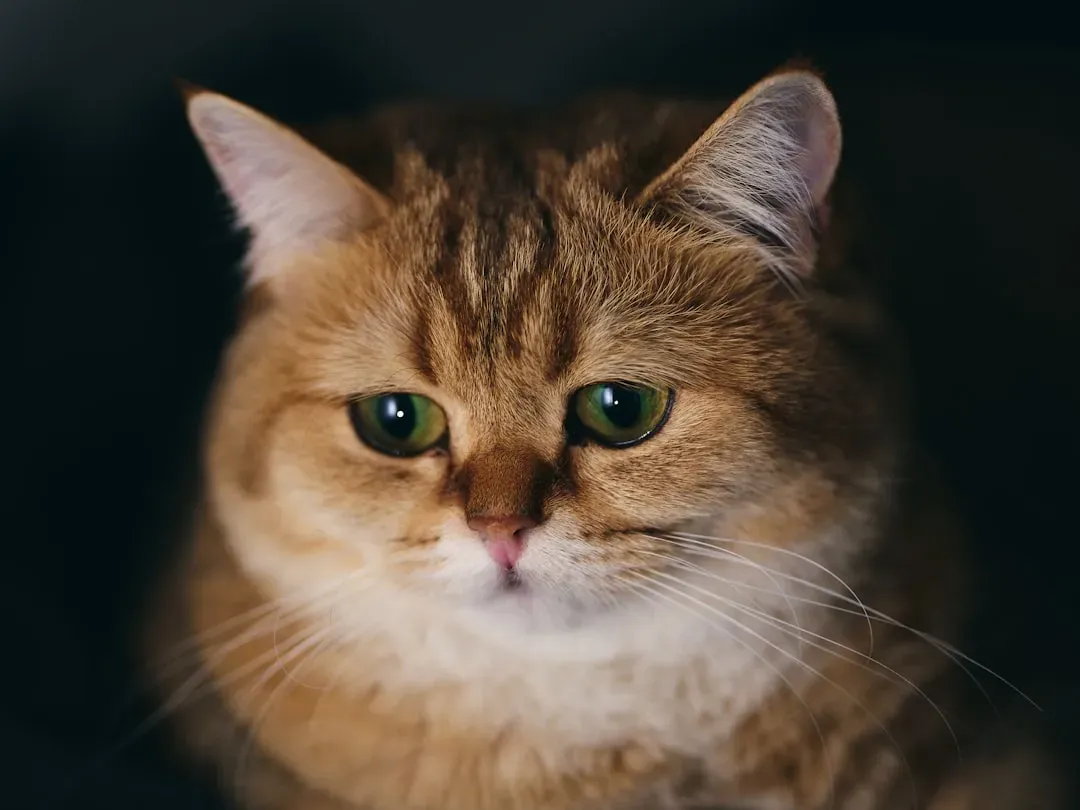
For years, separation anxiety was considered a dog problem. Dogs howl, destroy furniture, and pace by the door. Cats, people assumed, simply shrug and enjoy the peace and quiet. This assumption turns out to be spectacularly wrong.
Cats have a reputation for being aloof and not particularly attached to their humans, but there is both anecdotal and scientific evidence that cats can get lonely and, just like humans, feel nervous or upset. Separation anxiety is a recognized disorder in cats. It is a stress response observed when a cat is separated from a person or people with whom they are strongly bonded. The signs look different from a dog’s dramatic display, and that’s part of why the problem goes so unnoticed.
Cats can feel fearful, anxious, frustrated, bored, or even depressed, all emotions that cause stress. It’s important to understand your cat’s underlying emotions as this can help you understand how they are coping with any sudden changes. Cats are creatures of routine, and they find sudden changes stressful. Keeping to a regular routine of feeding times, playtimes, and rest times can help them feel more relaxed. If your cat suddenly starts going outside the litter box or becomes unusually clingy right before you leave, that’s your cat trying to tell you something.
Myth 5: Cats Don’t Need Mental Stimulation
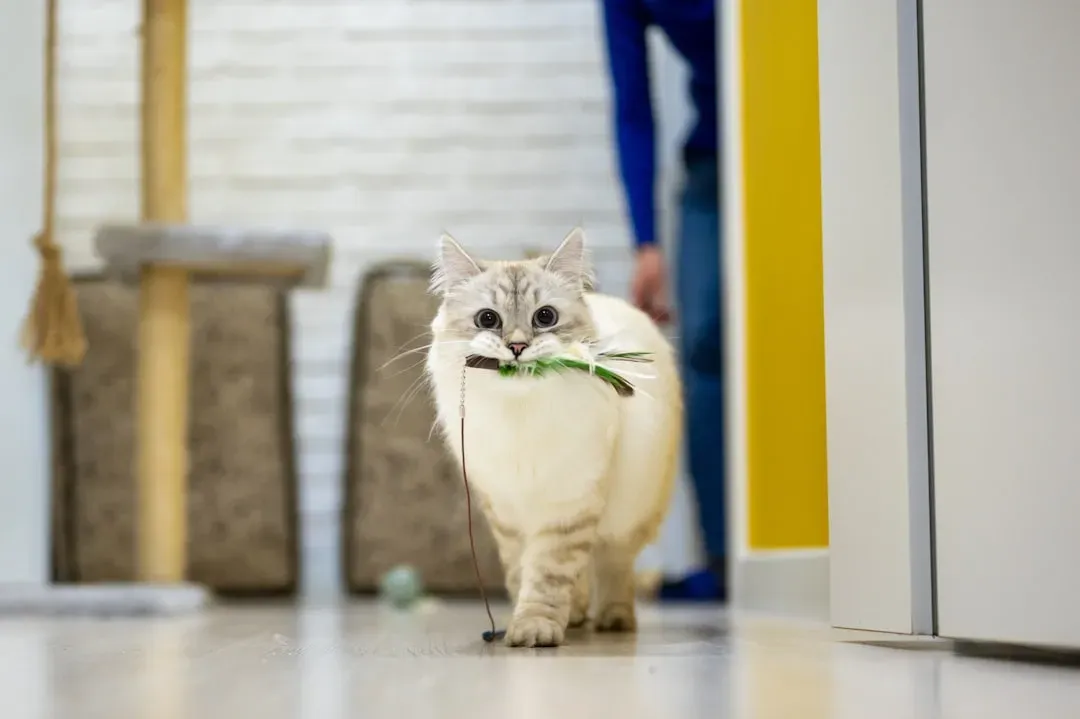
Picture a smart, curious, predatory animal locked in a small apartment with nothing to do for ten hours a day. You’d expect problems, right? Yet somehow, the myth persists that cats are perfectly happy sitting on the couch staring at a blank wall all afternoon. That’s not independence. That’s understimulation.
Cats are intelligent creatures that require mental stimulation to prevent boredom and behavioral problems. Engaging them with toys, puzzles, and interactive playtime is essential for their mental health. Lack of stimulation can lead to anxiety and destructive behaviors. Think of mental enrichment for your cat the way you’d think about going to the gym or reading a good book. Your cat has a brain that needs a workout, full stop.
Cats can become aggressive, destructive, overweight, or bored if they are not receiving enough enrichment. Cats are inquisitive and are always looking for something to do. If they are not getting enough stimulation from us or the toys we leave out for them, they may start to get into trouble or become over-aroused. A bored cat is not a serene cat. A bored cat is a cat that will redesign your curtains without your permission.
Myth 6: Cats Are Indifferent to Your Emotions
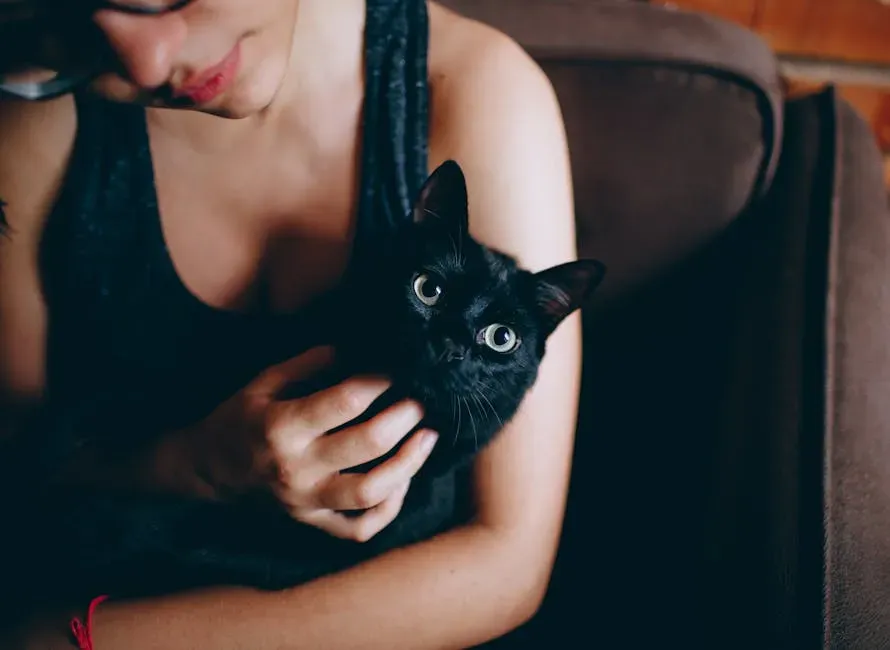
Here’s a surprising one. Most people assume their cat notices nothing more about them than the sound of a kibble bag opening. I’ll admit, even I bought into this for a while. The image of the supremely indifferent feline is deeply convincing. But it turns out, your cat is reading you in ways you haven’t fully appreciated.
Recent research has shown that cats have remarkable social cognitive abilities. For example, they can follow human pointing and gazing cues, and they can discriminate human emotional expressions and attentional states. That’s not a pet that’s tuned out. That’s a creature that’s been quietly studying you. When an owner is feeling down and initiates fewer interactions, the cat responds by approaching that person and, when close, vocalizing more frequently with them and rubbing against them more often.
Research has found that cats alleviate negative moods, and this effect was comparable to the effect of a human partner. So the next time your cat hops up beside you on a rough day, that’s probably not a coincidence. It’s your cat doing exactly what a good companion does, showing up when you need it most.
Myth 7: Cats Can’t Be Trained Because They’re Too Independent
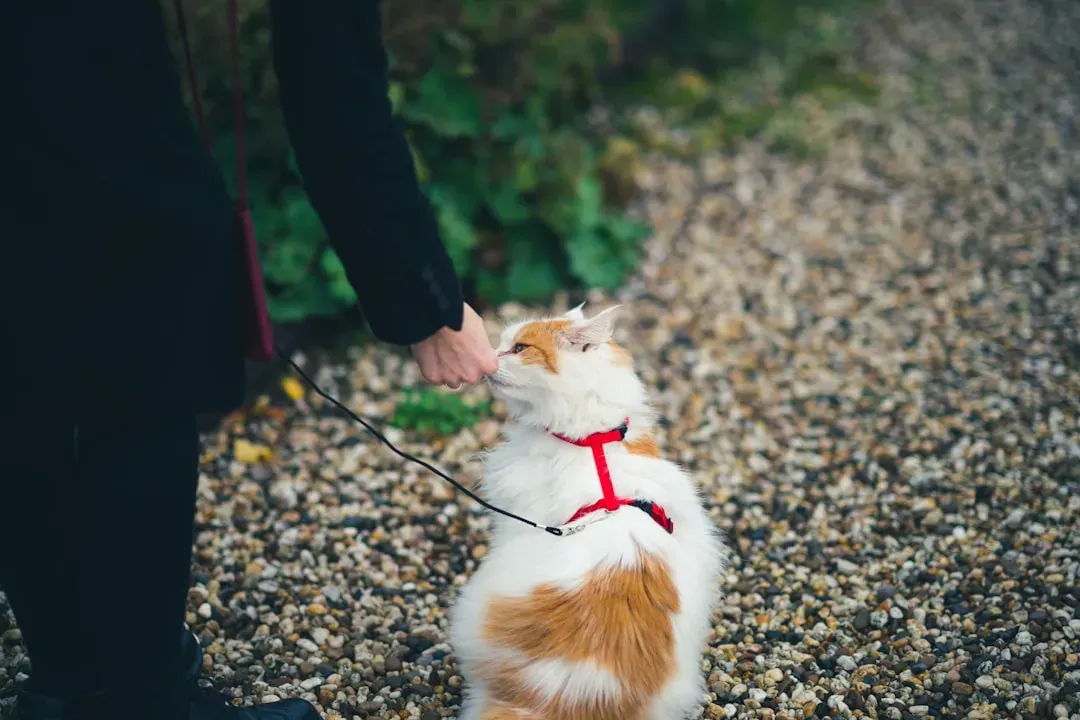
The dog people love this one. “You can’t train a cat,” they say, as if that were simply a law of the universe. It’s not. It’s a myth built on the faulty premise that cats don’t care about rewards or connection, which we’ve already established is simply not true.
Think only dogs can be trained? Think again. With some patience and positive reinforcement, your kitty can learn all sorts of tricks and good manners. Just like with dogs, short, fun training sessions work best. When your cat displays the behavior you ask for, reward them with a treat or toy, and be sure to end your training session on a high note. The key word there is positive reinforcement. Cats respond brilliantly when you work with their nature rather than against it.
Due to their independent natures and stubborn attitudes, it may seem impossible to train a cat. But you can train a cat using positive reinforcement, treats, and perseverance. Whether getting them to use the litter box, teaching them a trick, or even agility sports, you can bring out the superstar in your kitty. It’s hard to say for sure exactly why the “untrainable cat” myth has such staying power, but a big part of it is that people simply gave up too soon and then declared defeat as biology.
Myth 8: Cats Don’t Need Social Interaction With Other Animals or People
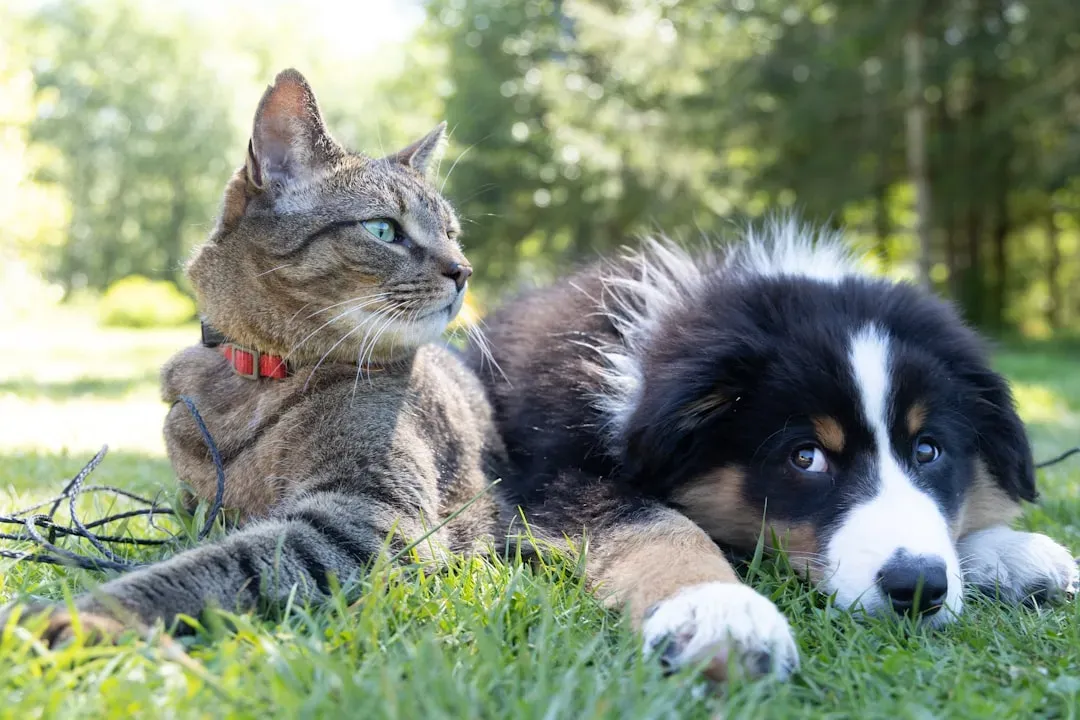
This is the myth that quietly enables a lot of unintentional neglect. If cats don’t need company, then leaving them completely alone is fine, right? Wrong. And the research here is pretty clear on the matter.
Contrary to the belief that cats prefer solitude, many cats thrive on social interaction with their owners and other pets. Dogs and cats co-exist peacefully more often than not. Although there are social differences, when conditions are right, both species can express friendly behavior toward each other. The compatibility between dogs and cats is influenced by several factors, such as the personality of the individuals, early socialization, and environmental factors.
People routinely label cats as solitary as well, so they never make an attempt to provide companionship for the cat no matter how lonely that cat may be. Cats are capable of developing close attachments to their humans and even with other pets in the household. Cats feel secure and confident around their humans, so much so that when they are separated from their owners, they can develop separation anxiety. Thinking your cat doesn’t need anyone is a bit like assuming a quiet person at a party doesn’t want to be spoken to. Sometimes the quietest ones are craving connection the most.
Conclusion: It’s Time to See Your Cat as They Really Are
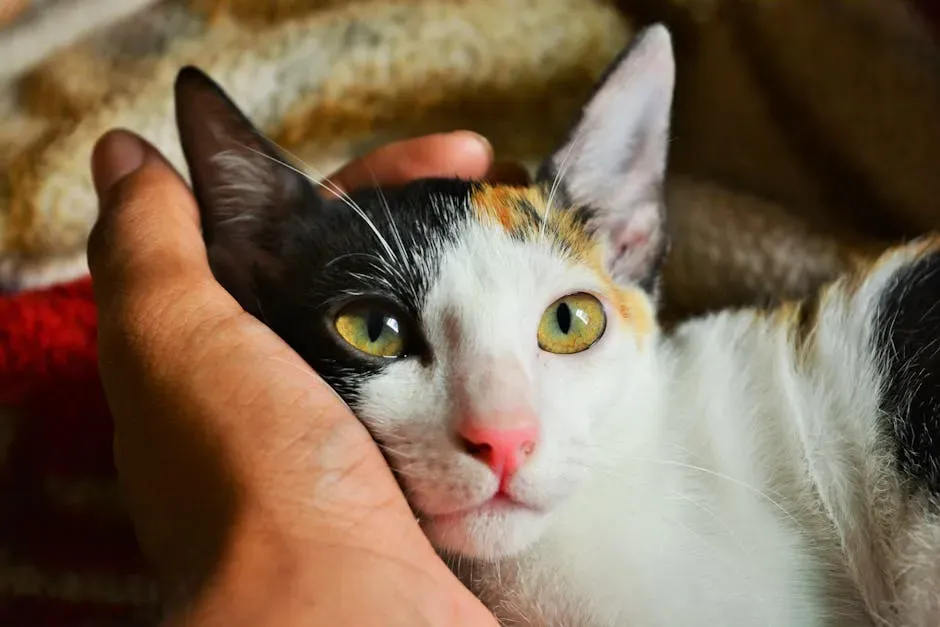
Every single myth on this list traces back to the same root error: confusing a cat’s self-contained demeanor with a lack of feeling. Cats express love differently, process stress differently, and communicate in ways humans have been slow to decode. That doesn’t make them cold. It makes them complex.
When you understand that your cat forms real attachments, needs mental engagement, feels your emotions, and can suffer when left without social connection, your whole relationship with them changes. You stop expecting a stone statue and start engaging with a genuinely social, emotionally rich creature who chose to share a home with you.
The next time someone tells you cats don’t care, maybe hand them this list. And if you’ve been underestimating your own cat all along, well, there’s no better time to start paying closer attention. What surprised you most about what you just read?