You’ve probably heard them all. The old tales passed down through generations, the quirky assumptions that seem totally believable, the confident declarations from cat haters and cat lovers alike. Yet many of these widely accepted beliefs about our feline friends turn out to be completely wrong when you actually examine the science.
Think you know everything about cats? Let’s be real, you might be surprised. Researchers have spent decades studying these enigmatic creatures, and their findings challenge some of our most fundamental assumptions. From their sleep patterns to their social lives, cats are far more complex than popular wisdom suggests. Ready to discover what scientists have uncovered?
Cats Are Nocturnal Creatures
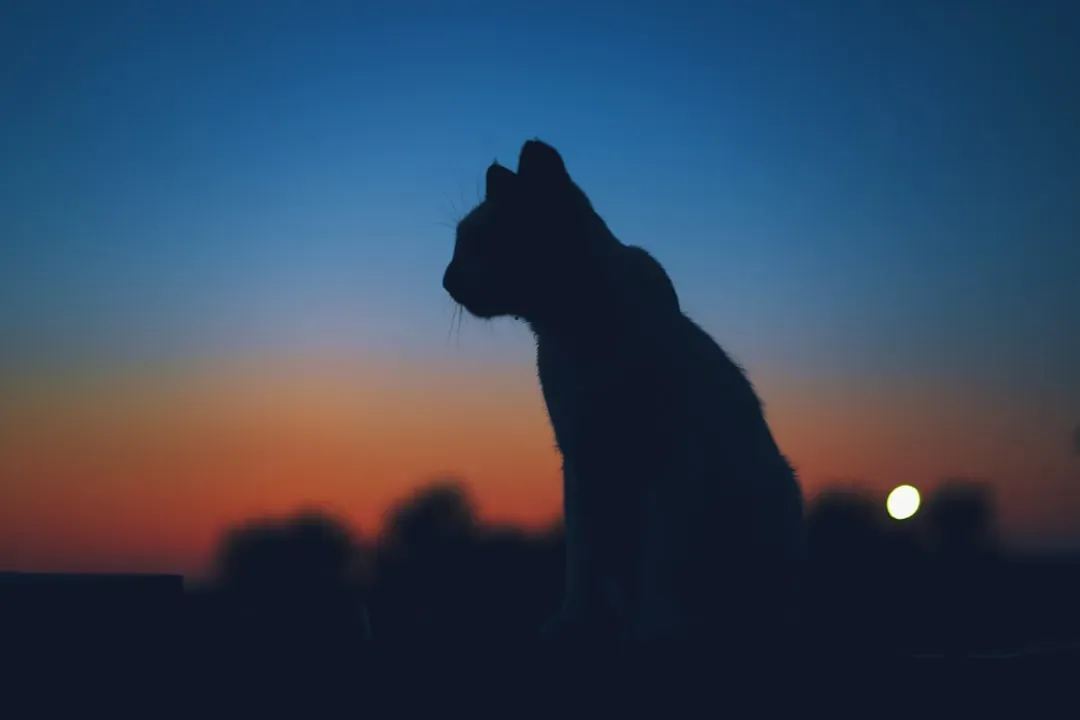
Here’s one you’ve almost certainly heard repeated countless times. People swear their cat is a night owl, racing around at three in the morning like a tiny furry maniac. That must mean cats are nocturnal, right? Actually, no.
Cats are crepuscular, meaning they are most active at the beginning and end of the day, and they sleep both at night and during the day because of their hunting patterns. Think about it from an evolutionary perspective. Birds and mice are very active at dawn, so cats evolved to take advantage of this by developing the ability to see in low-light conditions. Your cat isn’t staying up all night by choice. They’re just following an ancient biological rhythm designed for optimal hunting success at dusk and dawn. If your kitty is making a racket at midnight, that’s likely just boredom or an adjustment to your schedule, not their natural preference.
Milk Is the Perfect Treat for Cats
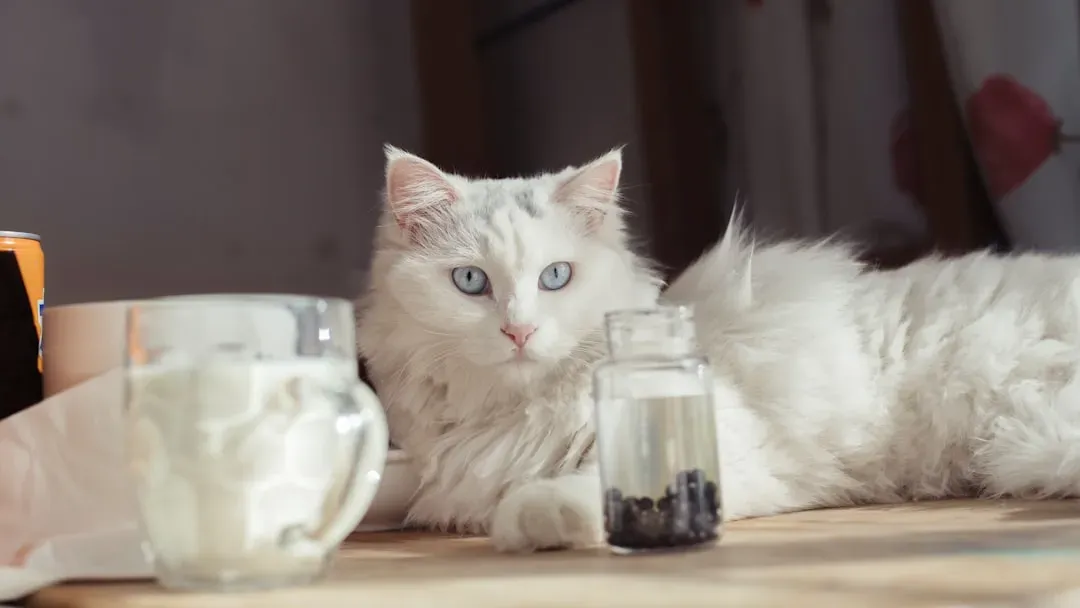
The image is everywhere. A saucer of milk, a contented cat lapping it up. Seems wholesome and natural, doesn’t it? Honestly, this is one of the most persistent myths out there, and it’s completely backward.
The majority of cats are lactose intolerant. Cats lose the enzyme necessary to digest milk as they age and become naturally lactose intolerant, and feeding a cat milk does not provide the right nutrients and may cause diarrhea or vomiting. Once kittens are weaned from their mother’s milk, they typically lose the ability to properly digest dairy. That adorable Norman Rockwell painting of a cat enjoying cream? It’s causing that cat some serious stomach upset. If you want to give your cat something special, skip the dairy aisle entirely.
Cats Always Land on Their Feet

This one sounds like pure fantasy. How could an animal defy gravity and physics every single time? Yet there’s real truth buried in this myth, even if the reality is more complicated than people think.
Cats do possess a righting reflex that helps them correct their bodies when they fall, however the height of the fall will affect how they land, and a low height could result in a cat landing on their side and a higher height can cause serious injury. A cat cannot complete the righting reflex if they fall from a distance of less than 3 feet as a minimum. Their flexible spine and lack of a functional collarbone allow them to twist mid-air remarkably well. Veterinarians use the term high-rise syndrome to describe cat injuries sustained from falls, and cats are more apt to be injured from low heights than high because they don’t have time to turn or twist their bodies into the necessary position for a safe landing. So yes, cats have an incredible ability to right themselves. No, it doesn’t make them invincible or immune to injury.
Purring Always Means a Happy Cat
You scratch behind your cat’s ears, they start purring, and you feel like you’ve achieved peak pet ownership. That rumbling sound equals contentment, obviously. Except it’s not that simple at all.
Purring can express contentment but can also mean a number of other things, and in some cases cats purr when they’re stressed as it can be a way of self-soothing, and cats also purr when they’re in pain for the same reason. Scientists believe purring might actually have healing properties, with the vibrations potentially helping cats manage pain and stress. Cats have also been known to purr as a way to ask for food, or as a way to help themselves fall asleep, and you can’t assume that a purring cat is a happy cat without paying attention to the other ways cats communicate, like body language. Context matters enormously here. A purring cat at the vet is probably terrified, not delighted.
Cats Don’t Love Their Owners Like Dogs Do
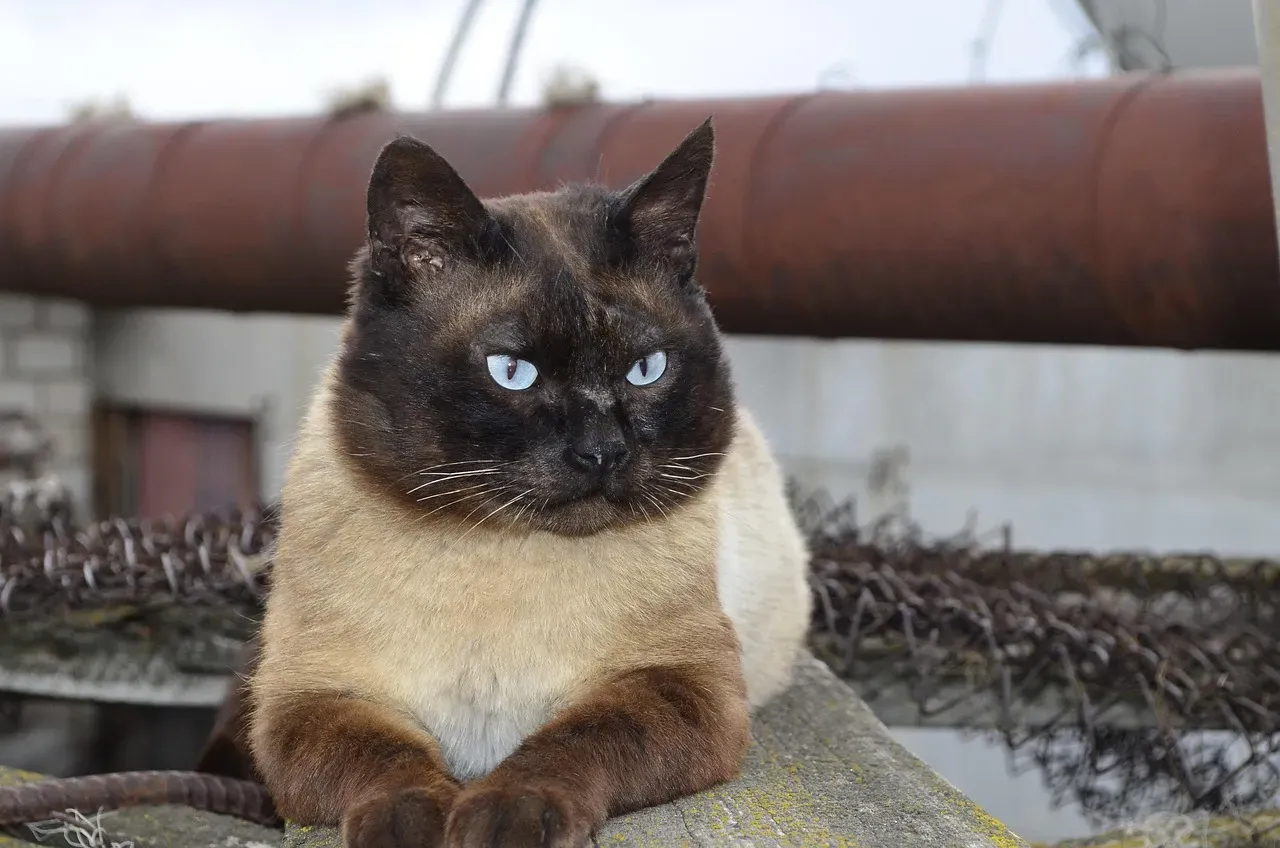
This one stings if you’re a cat person. People constantly claim that cats are aloof, indifferent, manipulative creatures who tolerate humans only for food. Dogs love you unconditionally, but cats? They couldn’t care less. Science says otherwise.
Research published in 2019 by feline researcher Dr Kristyn Vitale shows cats develop attachments to their caregivers in much the same way dogs do, and cats with a secure attachment to their human caregivers showed reduced stress while the caregiver was present, indicating that when cats live in a state of dependency with a human, that attachment behavior is flexible and the majority of cats use humans as a source of comfort. Your cat might not greet you at the door with wagging tail enthusiasm, but that doesn’t mean the bond isn’t there. Cats simply express affection differently. They’re not cold or emotionally distant; they just speak a different language than dogs do.
Cats Are Completely Solitary Animals
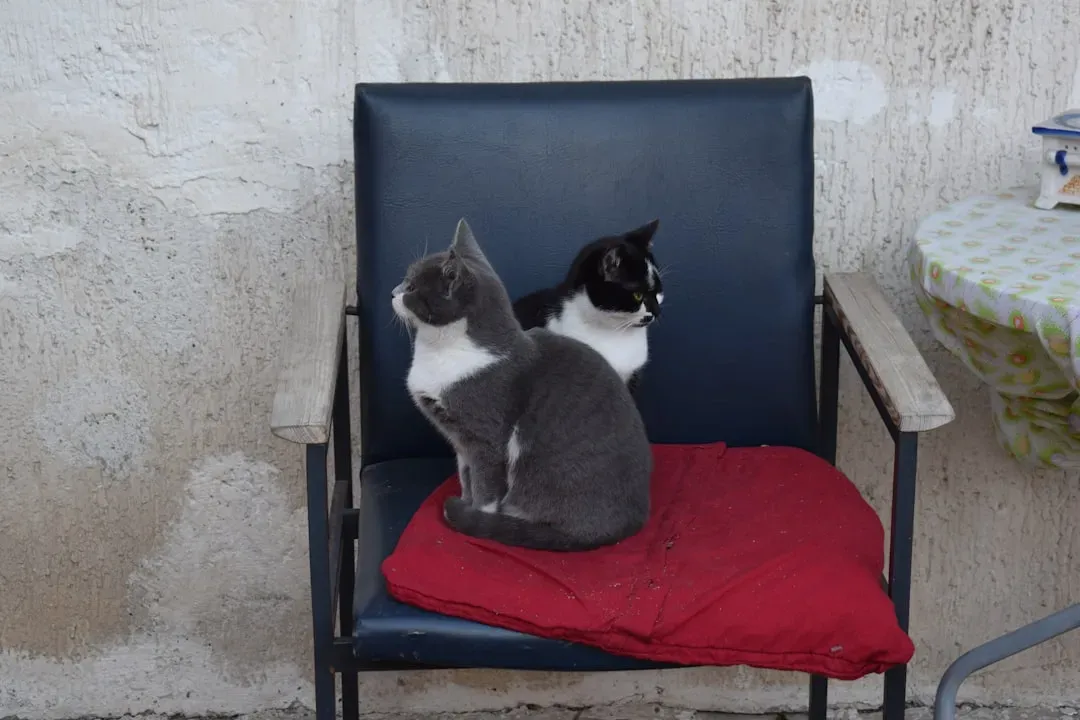
Their wild ancestors hunted alone, so domestic cats must be natural loners who despise other felines, right? This oversimplification ignores what researchers have discovered about feline social flexibility.
While feral domestic cats can survive in the solitary state when food resources are widely distributed, social groups that have internal structure and in which group members recognize each other and engage in a variety of social behaviors are formed whenever there are sufficient food resources to support a group, meaning they are a social species. Domestic cats are a facultatively social animal, which means cats are able to live both socially and solitarily, with much of this social flexibility being influenced by the individual cat’s environment and life experience, and cat social groups typically occur around areas of clumped resources while solitary living generally occurs around areas of dispersed resources. Some cats thrive with feline companions while others prefer being the only cat in the household. It’s not that cats are inherently antisocial; they exist on a social spectrum shaped by experience and circumstance.
Pregnant Women Must Get Rid of Their Cats
The panic that sets in when expectant mothers hear about toxoplasmosis and cats can lead to heartbreaking decisions. The belief that cats pose an unacceptable risk to pregnancy has separated countless families from their pets unnecessarily.
Toxoplasmosis is a risk for fetuses, though a woman is more likely to catch it from handling raw meat or digging in the garden than from her cats, and cat guardians can protect themselves from cat-related exposure by emptying the litter box daily, having someone else clean the litter box or wearing rubber gloves and a mask. Among pregnant women, 66% in Brazil and 72% worldwide lacked sufficient knowledge about the disease, and the most frequently cited source of transmission was cats, followed by raw or undercooked meat and improperly sanitized vegetables or water. The risk exists but it’s manageable with basic precautions. Abandoning your cat isn’t necessary or justified by the science.
Cats Can See Perfectly in Complete Darkness
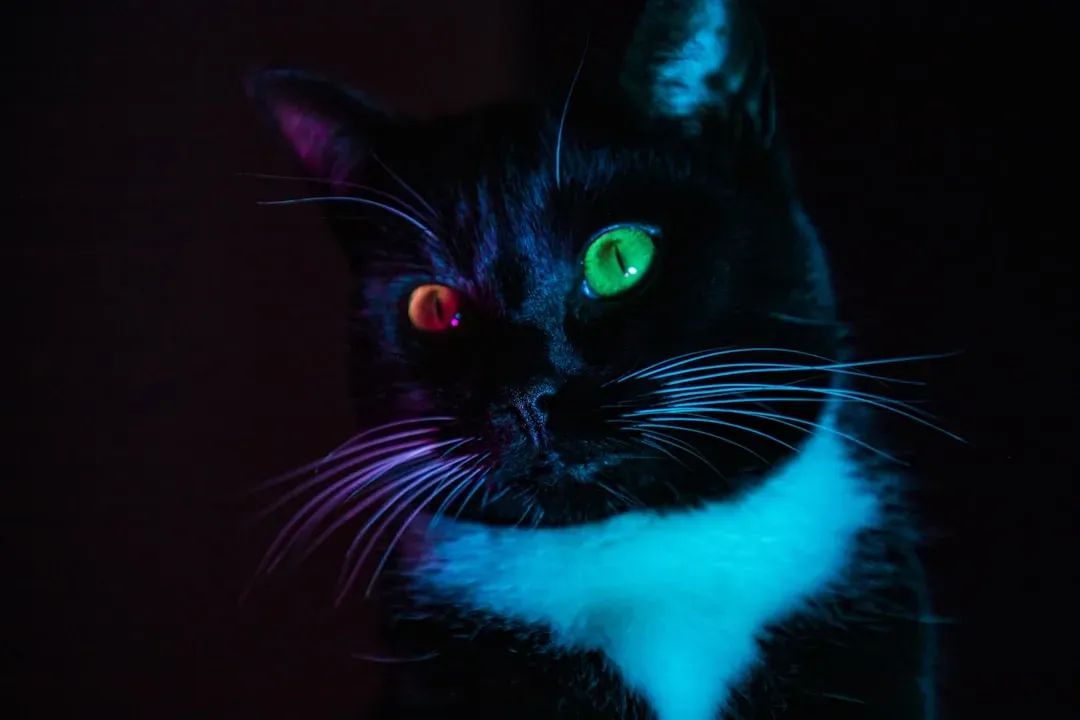
Those glowing eyes in dim light make cats seem like supernatural beings with night vision superpowers. It’s easy to believe they can navigate pitch-black environments with ease. The truth is more modest.
The construction of cats’ eyes allows them to see well in low light, and cats only need one-sixth of the light humans do to decipher shapes, however they cannot see in absolute darkness. Their eyes are remarkably efficient at gathering available light, with specialized structures that reflect light back through the retina. This gives them a significant advantage over humans when hunting at dawn or dusk. Zero light, though? They’re as blind as we are. That reflective glow you see when light hits their eyes at night is actually the tapetum lucidum, a layer behind the retina that maximizes light capture. Impressive biology, certainly, but not quite magical darkness-penetrating vision.
Conclusion
Science has a funny way of dismantling our comfortable assumptions. These myths persist because they seem plausible, because someone told us with confidence, because we’ve repeated them so many times they feel like truth. Yet when researchers actually study cat behavior, physiology, and cognition, a more nuanced picture emerges.
Your cat isn’t a solitary, nocturnal milk lover who tolerates you for food while possessing supernatural night vision. They’re a crepuscular, socially flexible carnivore capable of forming genuine attachments with you, even if they express it differently than a dog would. Understanding what science actually reveals about cats helps you become a better guardian and build a stronger relationship with your feline companion. What other “facts” about cats have you been getting wrong all this time?