Cats have had a PR problem for centuries. Somewhere along the way, they got labeled as cold, emotionally unavailable, and blissfully indifferent to the humans who fill their food bowls. Pop culture ran with it. Internet memes celebrated it. And millions of well-meaning cat owners believed it, adjusting their care routines around a version of their pet that simply does not exist.
The truth? Science has been quietly, persistently dismantling these myths for decades. The gap between what we think we know about cats and what research actually shows is genuinely shocking. If you share your home with a feline, what you are about to read might just change the way you see them entirely. Let’s dive in.
Myth 1: Cats Do Not Bond With Their Owners
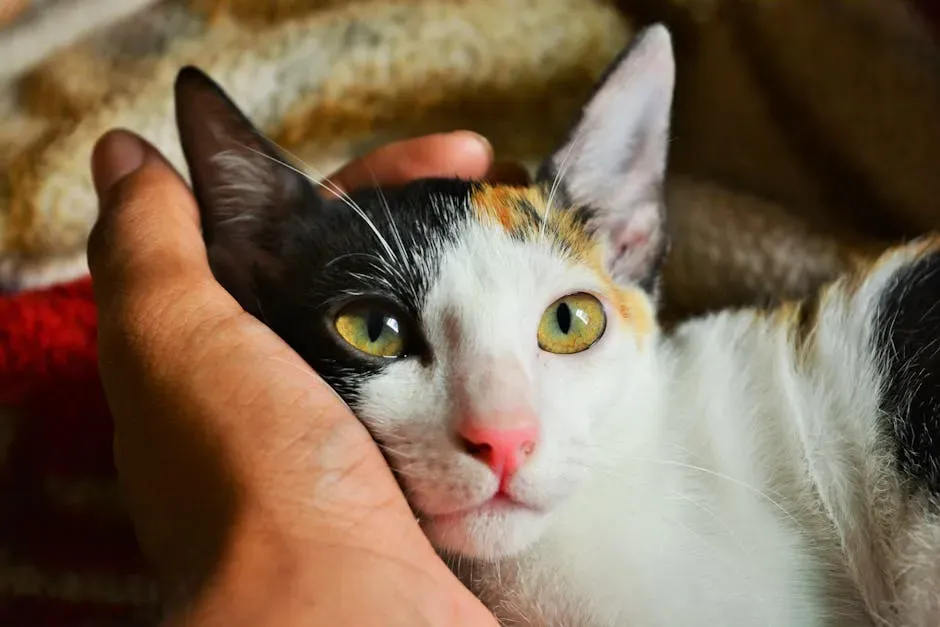
This is probably the biggest, most stubborn myth of them all. The idea that your cat merely tolerates you while secretly plotting your demise is entertaining on the internet, but it is flat-out wrong. Cats may have a reputation for being indifferent and standoffish, but they bond with their people, often just as much as dogs do. In fact, studies show that most cats create strong attachments to their guardians and experience feelings of comfort and safety by being around them.
Research published in Current Biology reports evidence, using behavioral criteria established in the human infant literature, that cats display distinct attachment styles toward human caregivers. Their study provides evidence that this social flexibility extends to cross-species attachments, suggesting that, like dogs, cats are social generalists. Think about that for a second. Your cat is not just sharing a space with you. You are their person, in a very real, biologically measurable way.
Myth 2: Cats Are Perfectly Fine Being Left Alone for Long Periods
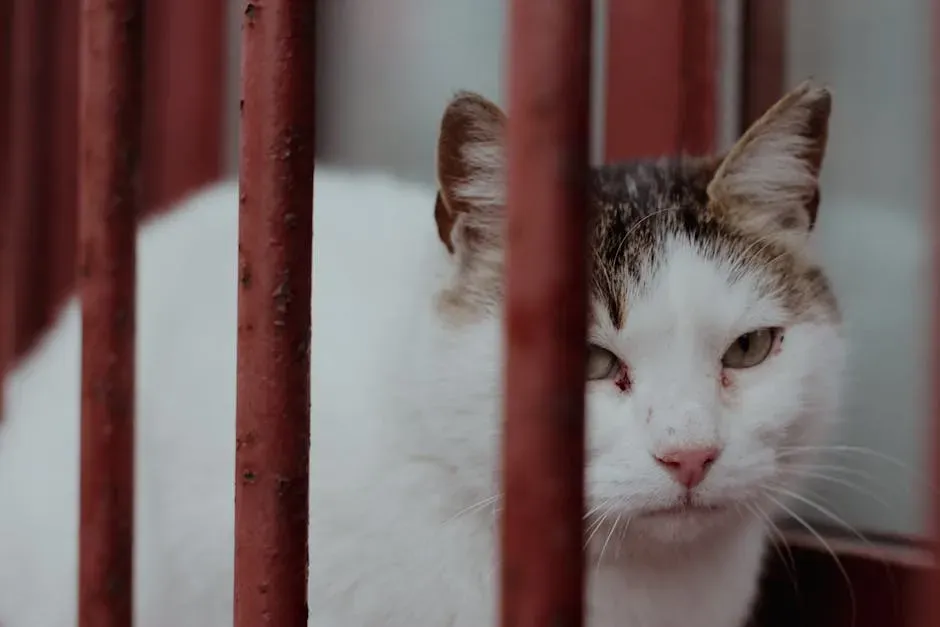
Here’s the thing: the myth that cats thrive in isolation has caused real, unnecessary suffering. The misconception that cats are independent and require little or no care causes many of them to suffer needlessly, both physically and emotionally. That is a serious statement from animal behaviorists, and it deserves your full attention.
Studies have shown that many cats experience separation anxiety when left alone for extended periods. Domestic cats need mental stimulation, play, and affection. Without adequate attention, cats can develop behavioral problems such as excessive grooming, aggression, or inappropriate elimination. So the next time someone tells you that cats are “easy” pets because they can just look after themselves, you will know better.
Myth 3: Cats Are Solitary Creatures by Nature

People confuse “not being pack animals” with “wanting to be alone forever.” Those are not the same thing. Cats are constantly called solitary creatures, and that is not accurate. Cats have a social structure built around the availability of resources. The misconception may come from the fact that because they are small predators, they often hunt alone because they go after prey that will only supply enough food for one.
Hunting strategy and emotional need are completely different things, much like how a freelance writer works alone but still needs human connection. Most cats in the wild live solitary lives, often only socializing with others of their species to mate. Domestic kitties, however, have evolved to form bonds and alliances with their humans and other animals, including dogs and other cats. Whether for safety, food and shelter, or emotional support, it is clear that your little tiger enjoys having a family, even if they do love a bit of alone time.
Myth 4: Cats Cannot Be Trained

I think this one is particularly unfair, and honestly, a little insulting to cats. Many people believe that cats are untrainable, especially compared to dogs. This myth perpetuates the idea that cats are too independent or unintelligent to learn commands or behaviors. In reality, cats are highly trainable but respond to different methods than dogs.
Cats respond best to positive reinforcement methods using high-value rewards and short, consistent training sessions. They can learn to come when called, give high-fives, use toilets instead of litter boxes, navigate agility courses, and even perform complex tricks. Clicker training is particularly effective with cats, creating a clear association between the desired behavior and the reward. You just need to understand their language, which, come to think of it, is true of teaching any living creature anything at all.
Myth 5: Cats Do Not Need Mental Stimulation

If you have ever come home to a knocked-over plant, shredded toilet paper, or a mysteriously broken ornament, congratulations. You have witnessed a bored cat in action. Enrichment helps bored cats by reducing stress, preventing behavior problems, and allowing them to practice natural instincts like hunting, scratching, and exploring. Boredom may show up as overgrooming, pacing, vocalizing, or biting.
Cats can become aggressive, destructive, overweight, or bored if they are not receiving enough enrichment. Cats are inquisitive and are always looking for something to do. If they are not getting enough stimulation from you or the toys left out for them, they may start to get into trouble or become over-aroused. The idea that an independent cat can just sit in an empty room and be perfectly content is not just wrong. It is actually harmful to their wellbeing.
Myth 6: Cats Do Not Experience Separation Anxiety
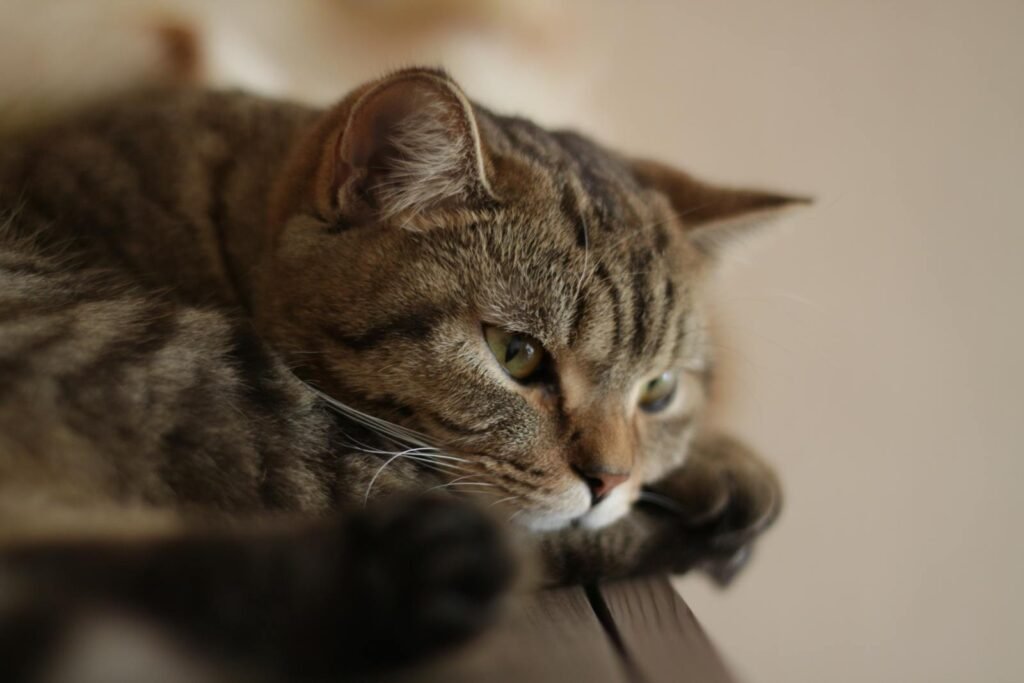
Separation anxiety in pets is almost always discussed in relation to dogs. Cats barely get a mention, mostly because of the deeply ingrained narrative that they simply do not care if you leave. The reality is far more nuanced. A recent study showed that cats living with humans have similar attachment styles to pet parents as dogs and children do. In fact, roughly two-thirds of the cats evaluated were described as securely attached to their humans. These cats showed less stress when near their caregivers.
Common signs of separation anxiety may include excessive vocalization, destructive behavior, urinating or defecating outside the litter box, excessive grooming, or changes in appetite. It is crucial to remember that cats exhibit these behaviors out of distress rather than spite. So if your cat acts out when you are away, the answer is not discipline. It is compassion and, where possible, more connection.
Myth 7: Cats Show Affection Only on Their Own Terms and Never Genuinely
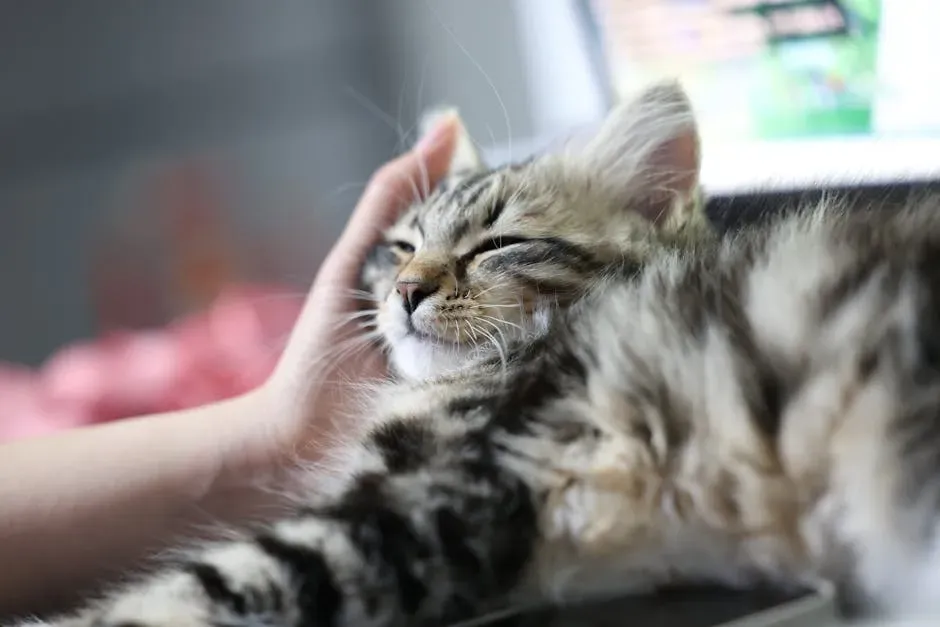
Let’s be real: this myth partly exists because cats do not wag their tails and jump at the door when you arrive home. Their affection is quieter, subtler, and honestly, a little more sophisticated. Cats show their love in many ways, like purring, kneading, slow blinking, rubbing up against your legs, and following you from room to room. Each cat is unique, so even if your feline friend is not a lap cat, they may show you affection in a different way.
Science backs this up on a hormonal level too. A study published in Frontiers in Veterinary Science measured oxytocin, often called the “bonding hormone,” in cats before and after interacting with humans. Oxytocin levels rose significantly after social contact, with the increase large enough to be considered a strong statistical effect. This is the same hormone that spikes in humans during hugging and other forms of close social contact. Your cat’s body is literally rewarding it for spending time with you.
Myth 8: Cats Are Low-Maintenance Pets That Basically Look After Themselves
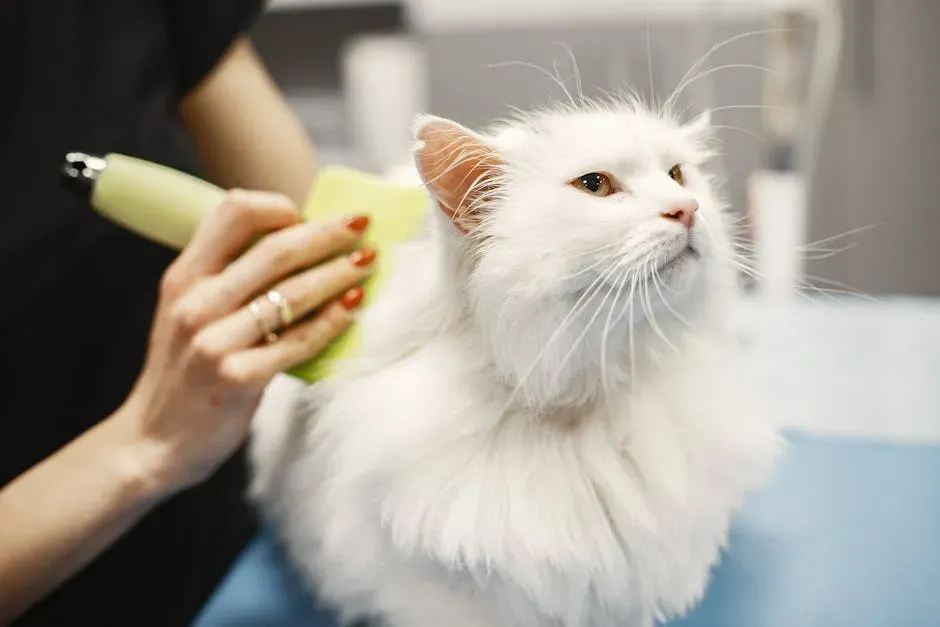
This is perhaps the most dangerous myth of the eight, because it shapes how people decide to adopt, how much time they invest, and how much veterinary attention they seek. Despite the cat’s popularity as a companion species, many owners and practitioners lack high-quality information about important aspects of their behavior and management. Myths, anecdotes, and narratives of cats as “low-maintenance, self-sufficient” animals are pervasive, and the degree to which these may underlie complacency about fully meeting cats’ needs is unknown.
While cats have a reputation for being independent, they need just as much care as dogs do. Regular vet visits, daily exercise and mental enrichment, and plenty of positive attention from their guardians are all essential to a cat’s well-being. Playing, snuggling, and spending time with your cat also increases the bond between you and your furry friend, which is good for your well-being too. Think of it this way: owning a cat is less like installing a piece of furniture and more like cultivating a relationship. A deeply rewarding one, when you meet them halfway.
The Bottom Line on Feline Independence
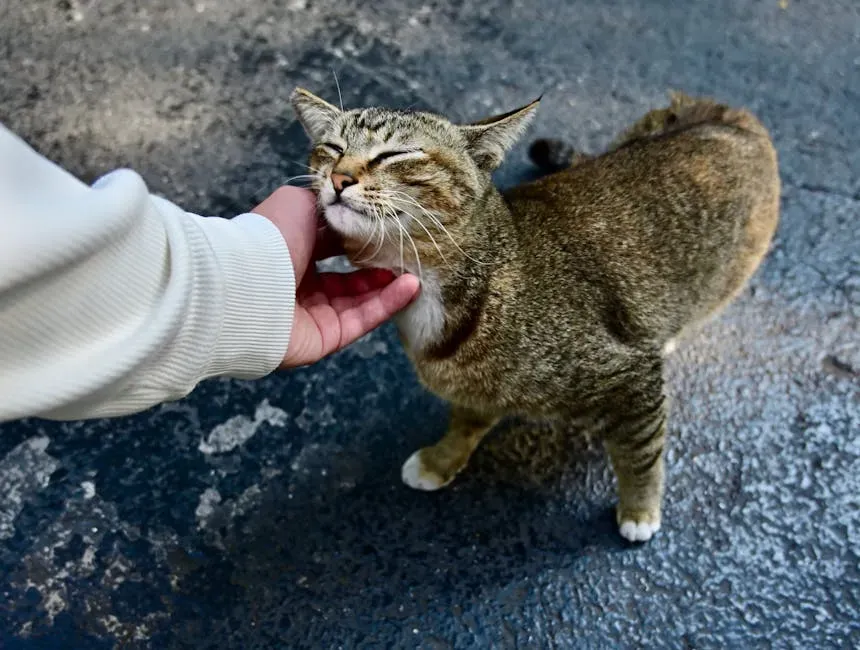
Cats have been misunderstood for a long time, and honestly, they have been surprisingly patient about it. The science has been clear for years: your cat feels real attachment, craves real interaction, and can genuinely suffer when those needs go unmet. Many of these myths originated in times before scientific understanding of cat behavior and biology, yet they continue to influence how we interact with and care for cats today. By recognizing these misconceptions, we can address the real needs of cats rather than relying on outdated or incorrect information.
Common misconceptions that cats need less social interaction, or are more independent, can impact both the amount and quality of social interactions we offer cats. In other words, people who think felines do not need much attention might be less hands-on with their own companion, which in turn results in a more aloof kitty. It is a self-fulfilling prophecy, and it is one that is entirely within your power to break.
Your cat is not distant because they do not care. They are showing you love in a language that humans have been too quick to dismiss. The question is: are you paying close enough attention to notice? Share your thoughts in the comments below. We would love to hear about the ways your cat proves the myths wrong every single day.