You’ve probably heard all sorts of things about keeping cats indoors. Maybe your neighbor insists cats need outdoor access to be happy. Perhaps you’ve worried that keeping your feline friend inside means denying them a fulfilling life. Or maybe someone told you indoor cats don’t need vaccines because they’re safe from disease.
Here’s the thing, though. Much of what people believe about indoor cats is rooted in misunderstanding rather than science. These myths persist despite decades of veterinary research showing otherwise. Let’s set the record straight on what’s actually true about your indoor feline companion, because your cat’s wellbeing depends on accurate information rather than old wives’ tales.
Indoor Cats Are Miserable and Bored
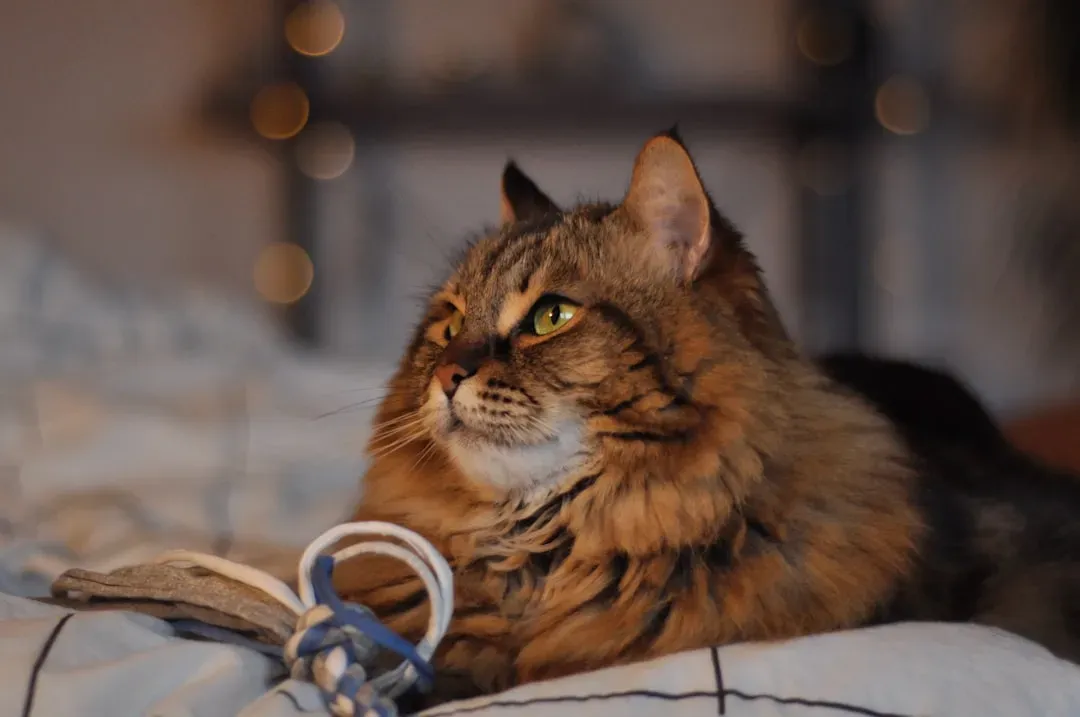
Cats can live a full, fulfilling life indoors, and it’s more about if your cat is getting what they need emotionally and physically. The idea that cats automatically suffer indoors comes from projecting human feelings onto them. We might feel trapped without fresh air and sunshine, so we assume our cats do too.
Reality check, cats who receive proper enrichment show no signs of distress. Indoor cats can be quite happy when they have plenty of stimulation from toys and activities, as well as interaction with their owners. Think about it this way: a cat sleeping 12-16 hours a day on your couch isn’t pining for adventure. They’re doing exactly what cats evolved to do between hunting sessions. Your job is simply to provide those hunting opportunities through play, puzzle feeders, and environmental variety. Kittens who are kept indoors are usually happy to stay there as they grow up.
Outdoor Access Is Essential for Feline Happiness
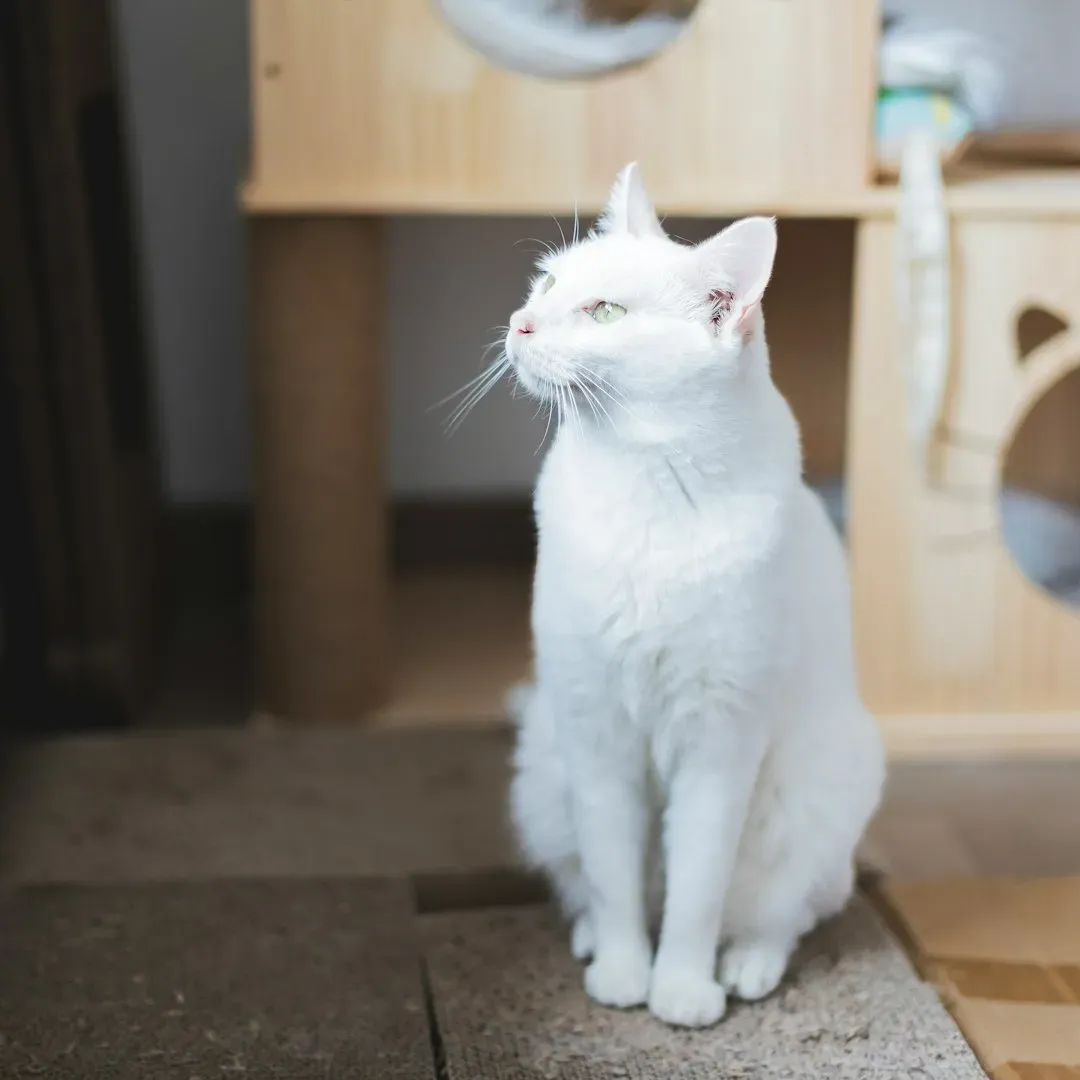
It’s a myth that going outside is a requirement for feline happiness. This one sounds logical until you examine what cats actually need versus what we think they need. Sure, outdoor cats get exercise and mental stimulation. The problem? They also get hit by cars, attacked by predators, exposed to diseases, and poisoned by neighbors who don’t appreciate their hunting skills.
Outdoor cats are more prone to unintentional trauma, disease, and death in comparison to cats kept indoors. Your indoor cat doesn’t know what they’re missing if they’ve never experienced it. If a cat has been kept indoors their whole lives, then they are likely to enjoy being indoors and not feel as if they are missing out on exploring outside. Plus, when you provide proper environmental enrichment like window perches, climbing structures, and interactive play sessions, you’re giving them everything the outdoors offers without the life-threatening risks.
Indoor Cats Don’t Need Vaccinations
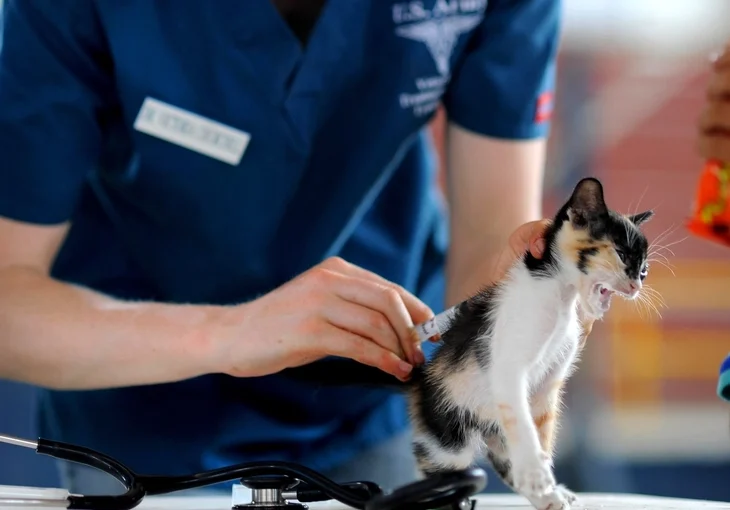
Let’s be real about this one. Some people genuinely believe that because their cat never leaves the house, vaccines are unnecessary. Wrong. While indoor cats are less likely to develop various conditions, it’s always possible for them to catch something.
All kittens should receive their primary vaccinations against the cat flu viruses, as these viruses are hardy and can enter a house on inanimate objects such as someone’s shoe. You walk outside, pick up pathogens on your shoes and clothing, then bring them straight into your cat’s environment. Indoor cats can contract illnesses even if they never set paw outside, as they’re most exposed to airborne germs that travel through the air or come in on a cat owner’s clothing. Additionally, if your cat ever escapes accidentally, or you need to board them during an emergency, being unvaccinated puts them at serious risk. Indoor cats need to be vaccinated as often as cats that go outside, and the same is true for deworming, external parasite control and regular preventive healthcare visits to the veterinarian.
Indoor Cats Don’t Need Flea Prevention
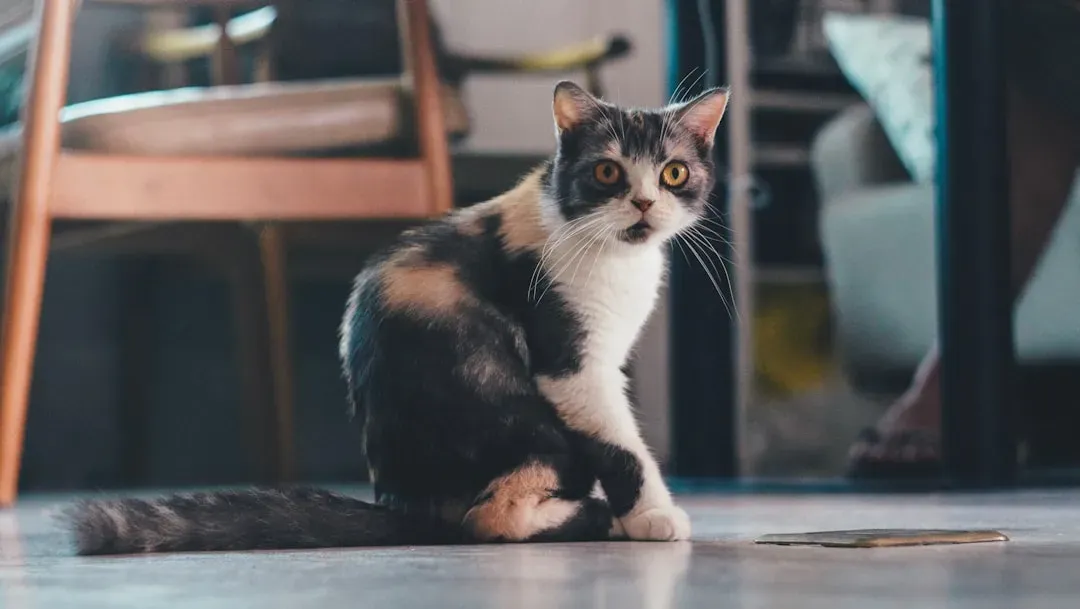
Indoor cats still need regular flea prevention, as fleas thrive in regulated indoor temperatures and can catch rides inside on humans. I know this myth persists because treating your cat for fleas when they never go outside feels unnecessary. It seems like throwing money away on prevention for a problem that doesn’t exist.
Except it does exist. Flea eggs and larvae can remain dormant inside carpet fibers or floor cracks for months, just waiting to hatch. Maybe you had a dog before your cat, or you visit a friend with pets. Perhaps a wild animal walked across your porch and left behind some uninvited guests. Fleas are opportunistic parasites that will absolutely find their way to your indoor cat if given half a chance. Once an infestation starts, it’s exponentially harder and more expensive to eliminate than preventing it in the first place.
Cats Are Independent and Don’t Form Strong Bonds
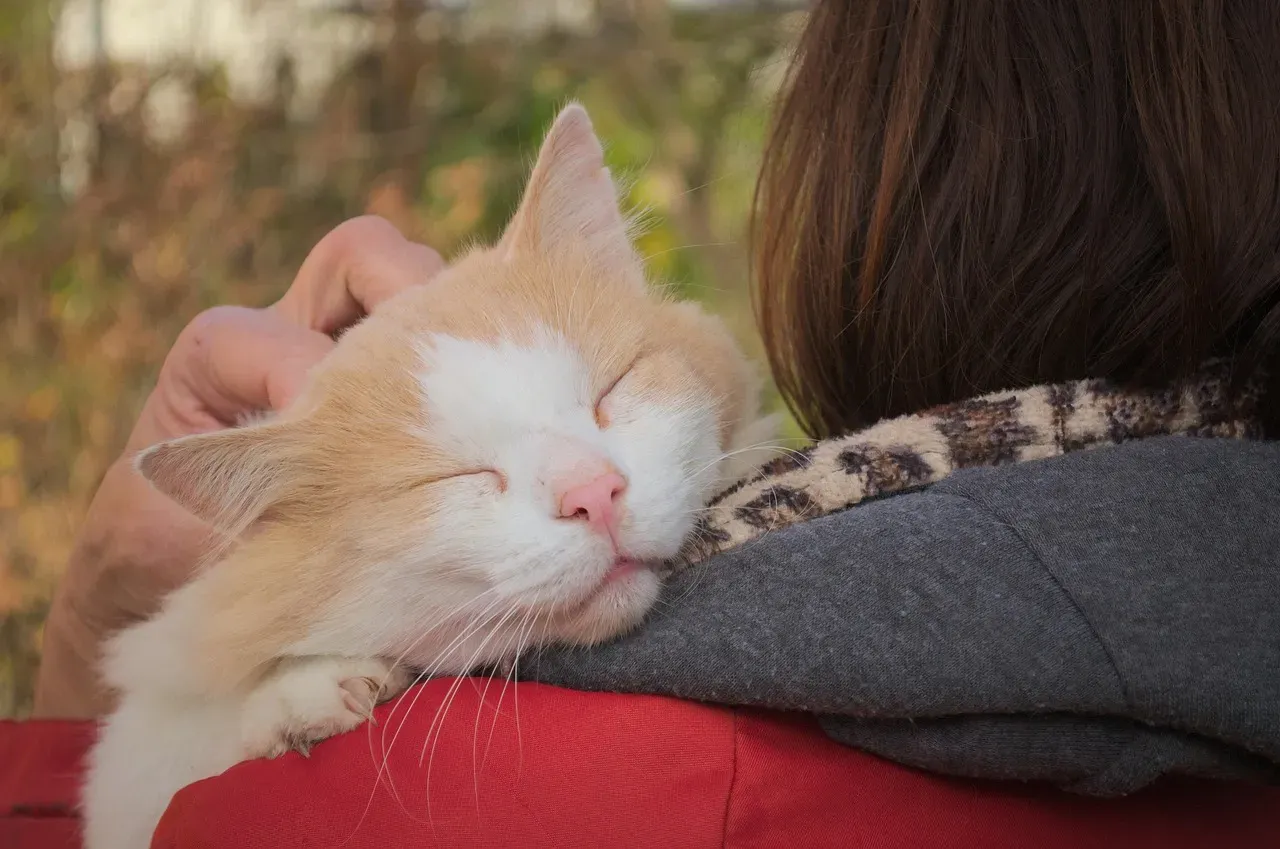
This misconception drives me a bit crazy, honestly. Cats bond with their people, often just as much as dogs do, with studies showing that most cats create strong attachments to their guardians and experience feelings of comfort and safety by being around them. The myth stems from cats showing affection differently than dogs.
Cats won’t slobber all over you or follow commands to prove their devotion. Instead, cats show their love in many ways, like purring, kneading, slow blinking, rubbing up against your legs, and following you from room to room. Indoor management for cats has been linked with a greater variety and frequency of care practices such as combing and offering toys, resulting in owners being more prone to having a positive bond with their cats. Just because your cat doesn’t act like a golden retriever doesn’t mean they’re emotionally distant. They’re just being cats.
Purring Always Means a Happy Cat
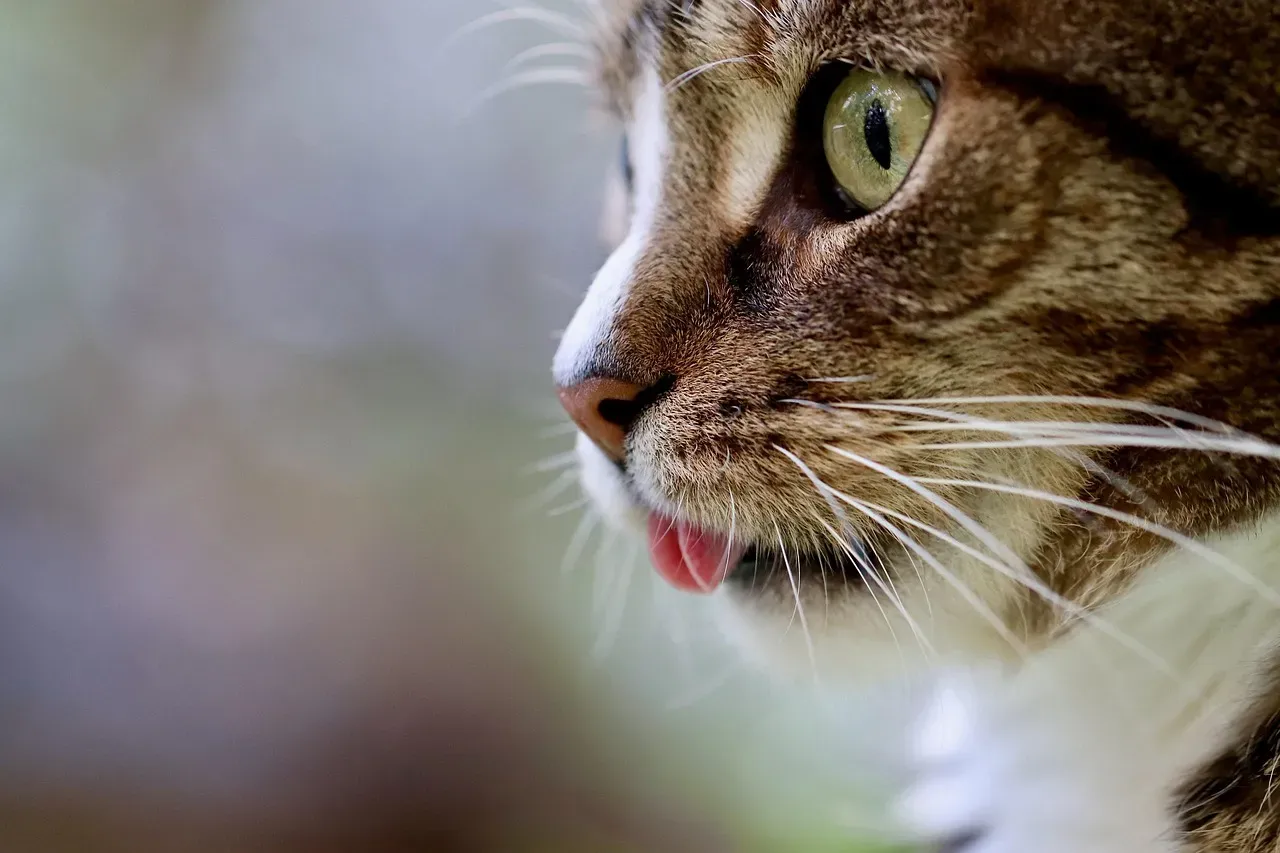
You pick up your cat, they start purring, and you assume everything’s wonderful. Sometimes that’s true. Other times? Not so much. Cats purr when they are happy, but they also purr when they feel sick, are in pain, or are afraid.
One theory is that the frequencies that cats purr are healing and help the cat feel less pain. Think of purring as a complex communication tool rather than a simple happiness indicator. Veterinarians report seeing seriously ill cats who continue purring despite obvious distress. Your cat might purr at the vet clinic while terrified, or purr when injured as a self-soothing mechanism. Watch for other body language signals like flattened ears, dilated pupils, or a tense body posture to get the full picture of your cat’s emotional state.
Indoor Cats Don’t Get Sick
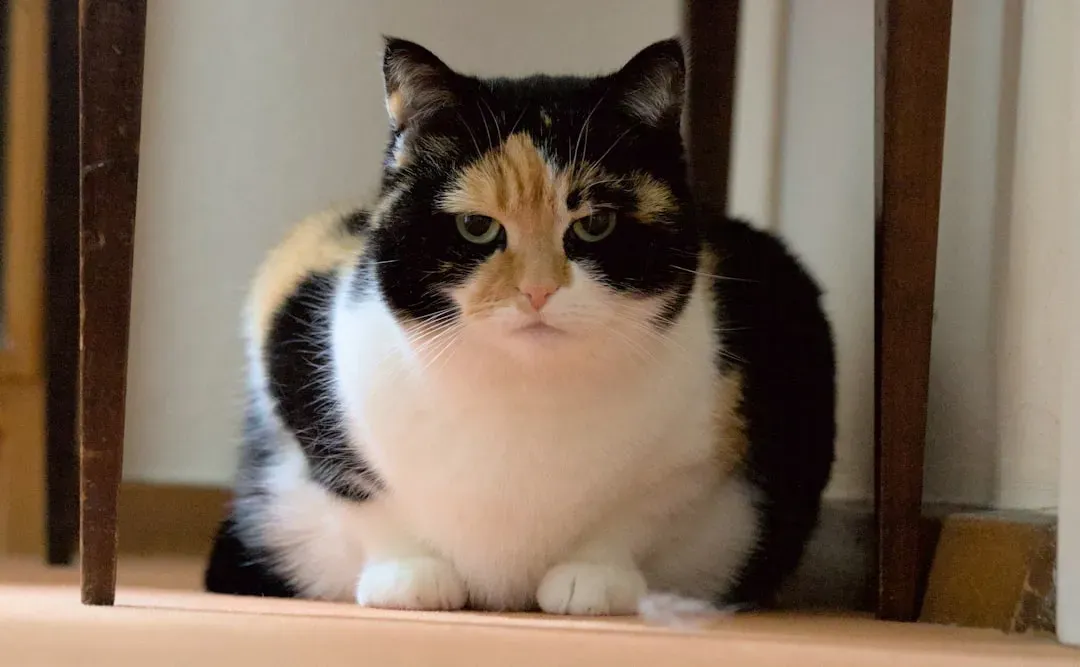
Indoor cats face health risks just like outdoor cats do, as they can develop dental issues, obesity, and even kidney disease. Living indoors protects cats from trauma and infectious diseases spread by other animals, yes. Protection from external threats doesn’t equal immunity from all health problems, though.
Obesity is a big problem among indoor cat populations, as indoor cats tend to be heavier than outdoor cats because they don’t get as much exercise, fresh air, and mental stimulation. Indoor cats can develop stress-related illnesses if their environment lacks proper enrichment. Indoor cats face unique challenges, and without adequate enrichment, they may experience distress that can lead to behavioral disorders and stress-related medical diseases. Regular veterinary checkups remain essential for catching problems early, regardless of where your cat spends their time.
All Indoor Cats Are Overweight Because They’re Lazy
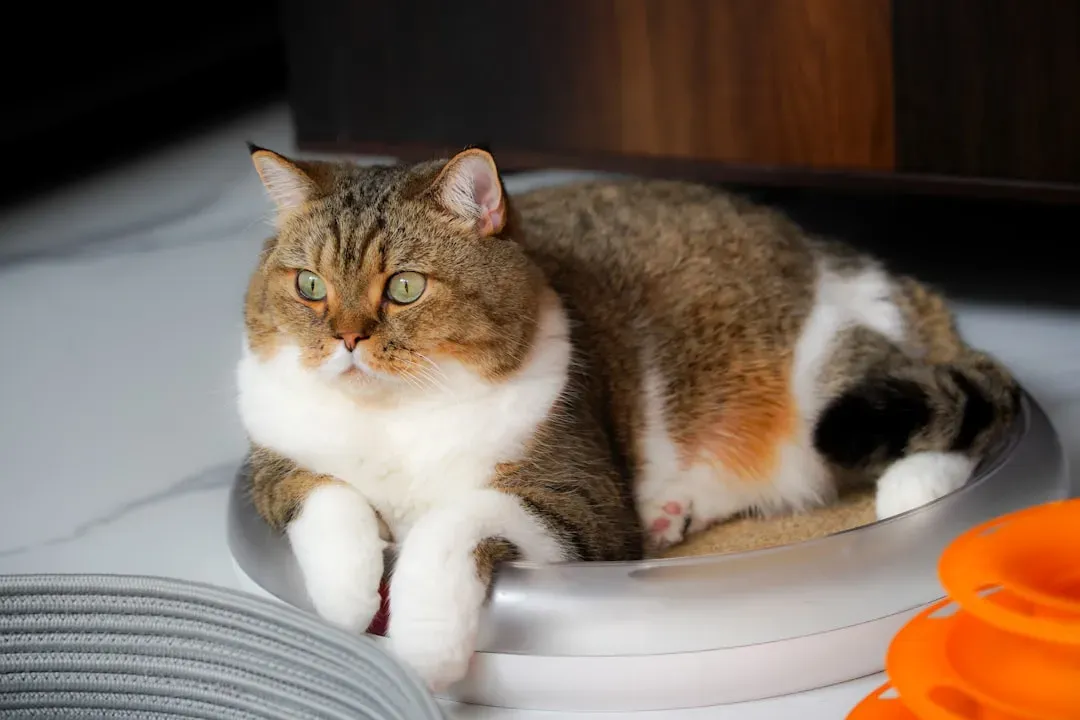
Here’s where people confuse correlation with causation. Indoor cats have higher obesity rates, true. That doesn’t mean living indoors automatically makes cats fat and lazy. Indoor cats may be prone to obesity, which has multiple causes.
The real issue? Humans typically free feed indoor cats, leaving unlimited kibble available all day. Cats will eat when they are bored and most cat foods are very high in calories, with the average cat only needing about 200-250 calories per day. Combine boredom eating with lack of mental stimulation and you’ve got a recipe for weight gain. It is important that your cat gets exercise every day, with most healthy adult cats needing at least 20-30 minutes of vigorous play each day. Properly enriched indoor cats who receive regular play sessions and portion-controlled meals maintain healthy weights just fine. The problem isn’t indoor living itself, it’s how we manage that indoor environment.
Conclusion
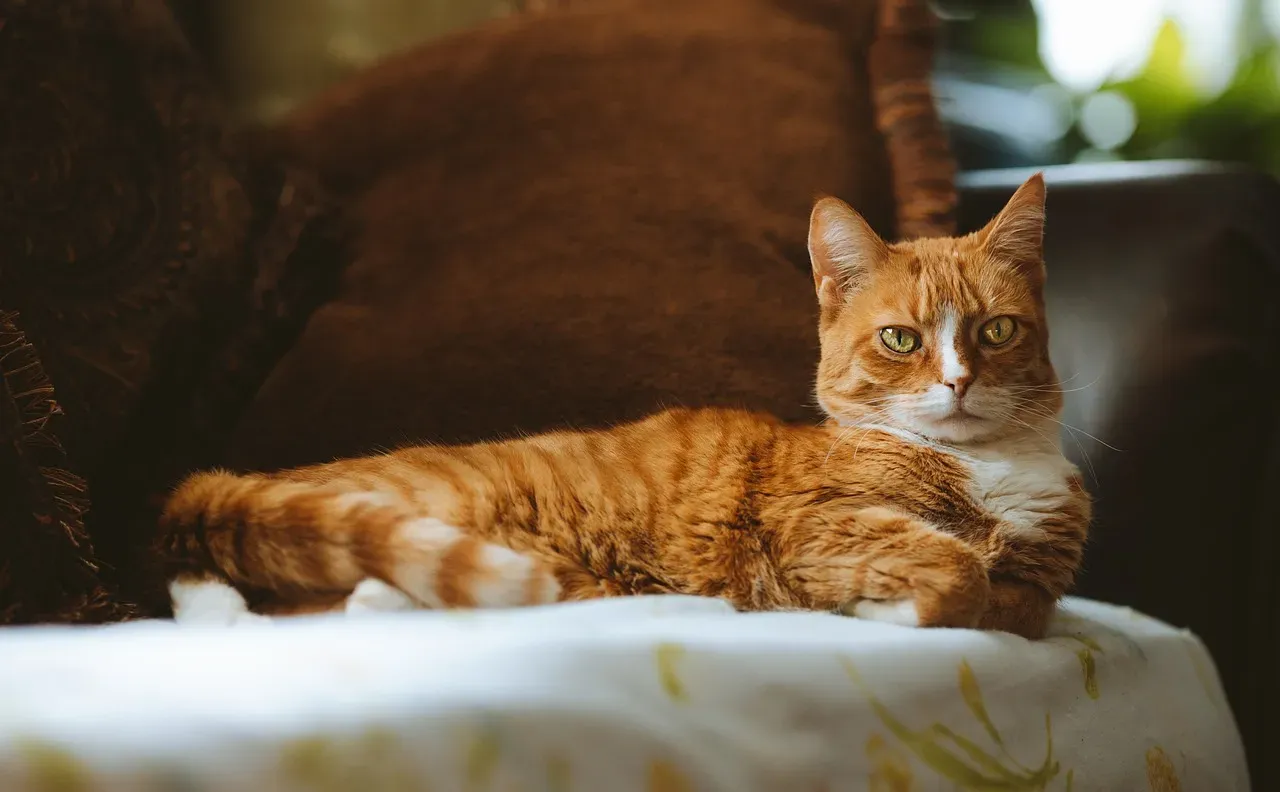
Feline health requires meeting both physical and emotional needs through thoughtful environmental design, as an indoor lifestyle may protect cats from many physical dangers, though safety alone does not guarantee good overall health and welfare. The myths surrounding indoor cats often stem from outdated information or anthropomorphizing our feline friends. Your indoor cat doesn’t need outdoor access to thrive. They need you to understand their actual requirements: mental stimulation through play, proper nutrition, regular veterinary care, environmental enrichment, and yes, even vaccines and parasite prevention.
Stop letting guilt or misinformation drive your decisions about cat care. With proper attention to their needs, indoor cats live longer, healthier lives than their outdoor counterparts while maintaining excellent quality of life. What’s your biggest concern about keeping cats indoors? The science is clear, the myths are busted, and your cat is probably perfectly content right where they are.