There’s something quietly magical about a senior cat. The slow blink across the room, the unhurried stretch on a warm window sill, the way they seem to just know things. Yet despite all of that quiet wisdom, older cats are probably the most misunderstood creatures in the pet world. People skip them at shelters, neglect their needs at home, or worse – assume aging automatically equals suffering.
The truth? So much of what you think you know about older cats is flat-out wrong. Some of these myths are harmless, but others actually cause real damage to the health and happiness of senior felines. So grab a cup of tea, settle in, and prepare to have a few long-held beliefs turned completely upside down. Let’s dive in.
Myth 1: Older Cats Are Always Grumpy and Difficult
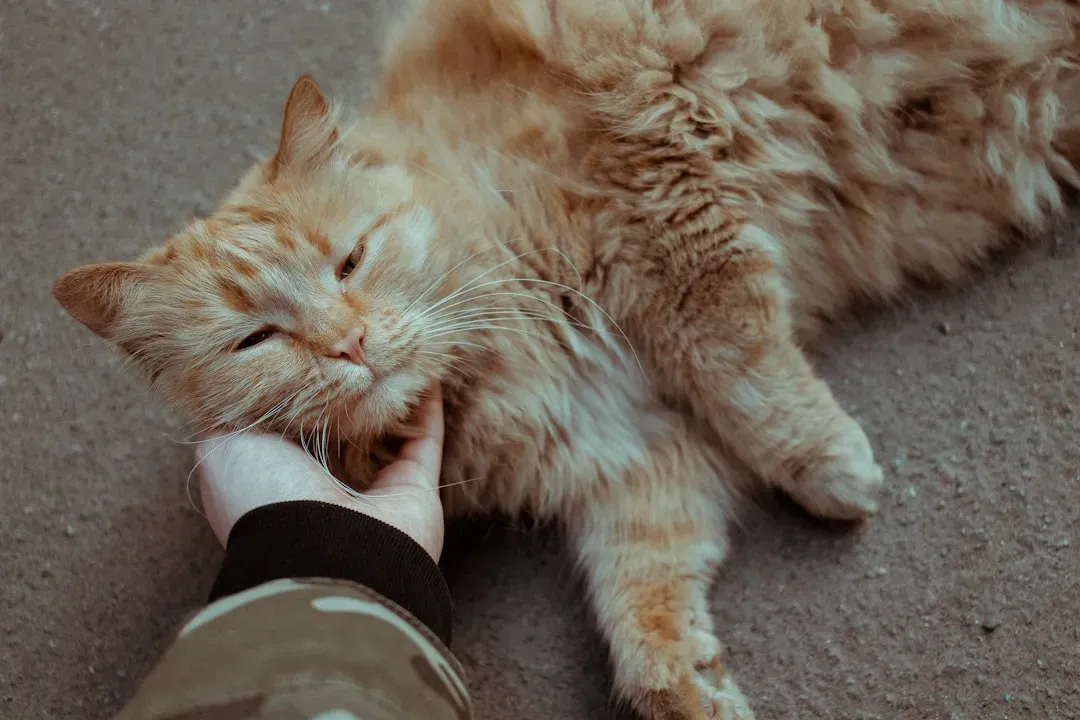
Let’s be real – this one is probably the most damaging myth of all. It’s the reason countless senior cats get passed over at shelters every single day. The image of the cranky old cat hissing in the corner has become almost a cultural shorthand, and it simply isn’t fair.
A common misconception is that older cats become grumpy as they age, which is simply not true. While some cats may experience mood changes as they age, many senior cats actually mellow out as they get older, seeking more affection from their human companions. Think about it – that’s not grumpiness, that’s a cat that genuinely wants to be close to you.
If your senior cat seems angry or irritable, it may be because of something in their environment, or pain and discomfort they are feeling from aging. If you notice a change in your cat’s temperament or affection, it is best to discuss it with a vet in case of an underlying health issue. In other words, don’t write off behavior changes as personality. Write them down and call your vet.
Myth 2: Senior Cats Don’t Want to Play Anymore
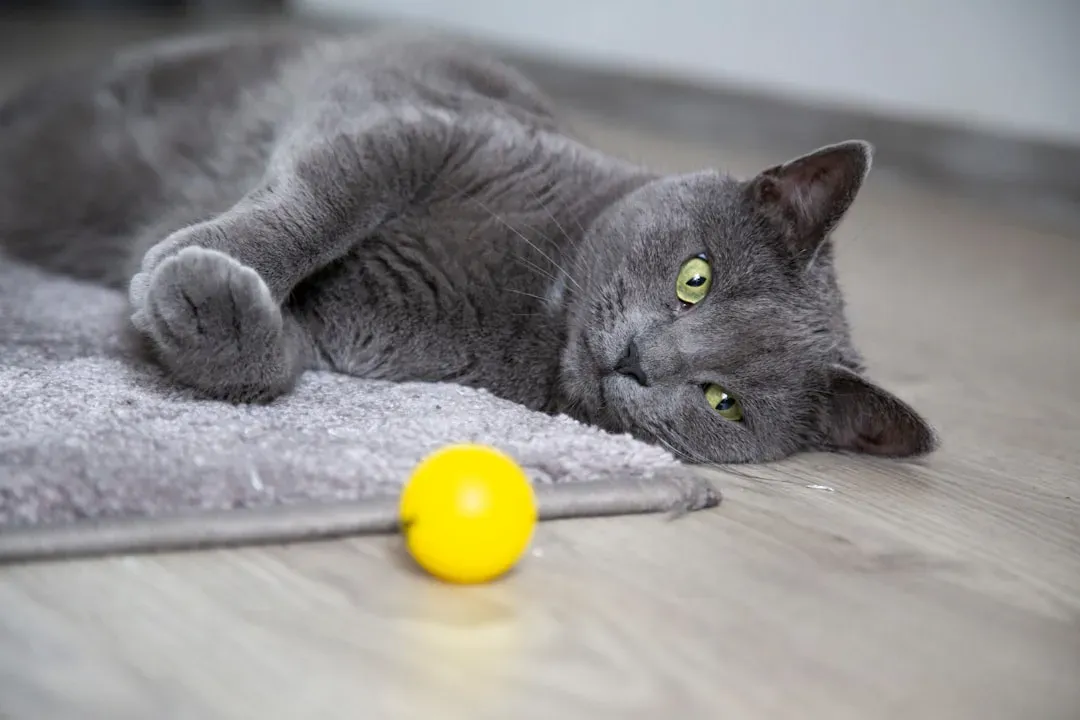
Honestly, this one makes me a little sad. The idea that your older cat has simply “retired” from fun is not just inaccurate – it’s actively harmful. Play is not a kitten-only luxury. It’s a biological need that doesn’t expire with age.
While many cats do slow down with age, senior cats can be just as playful as kittens and younger cats. All healthy cats require regular playtime and exercise, and senior cats are no exception. They may not have the same energy levels or stamina as they once did, but playtime is still essential to the physical health and well-being of senior cats.
Older cats can still enjoy shorter, more gentle playtime sessions, so try to find new ways to keep them engaged and active. Think of it like swapping a marathon for a daily walk. The joy is still very much there – you just need to adjust the intensity. A feather wand moved slowly, a puzzle feeder, or even a sunny window perch to watch birds outside can do wonders for a senior cat’s engagement and happiness.
Myth 3: Old Age Is a Disease in Itself
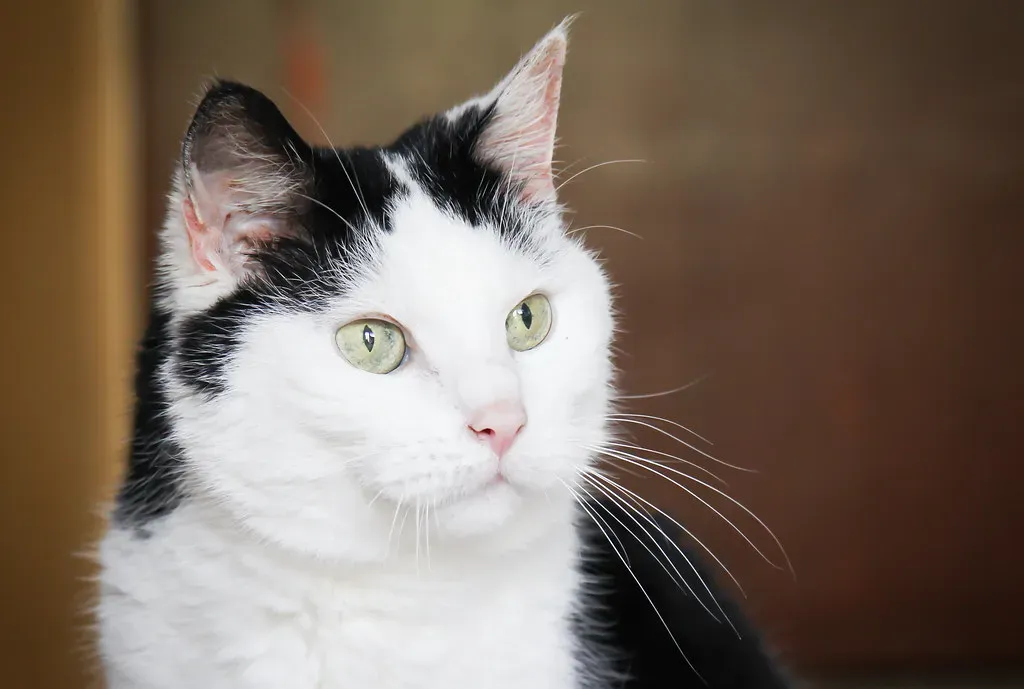
Here’s the thing – aging and illness are not the same thing. Confusing these two concepts leads people to either over-treat perfectly healthy cats or, just as dangerously, under-treat cats that genuinely need medical attention by chalking everything up to “just getting old.”
Despite common misconceptions, old age is not a disease. Getting older can, however, make cats more prone to illnesses. There’s a crucial difference between those two statements. As veterinary experts put it, “Growing older is not a disease.” While it’s true that senior cats are more likely to develop certain conditions, some older cats are perfectly normal and don’t change at all.
Not long ago, cats were considered seniors at eight years old. Today, it’s not unusual for veterinarians to have feline patients in their twenties. Thanks to improved nutrition, living indoors, and advances in veterinary medicine, cats live longer and are now considered older at 12 to 14 years. So the next time you assume your ten-year-old cat is “on the way out,” remember – she might just be hitting middle age.
Myth 4: Older Cats Can’t Adapt to New Environments
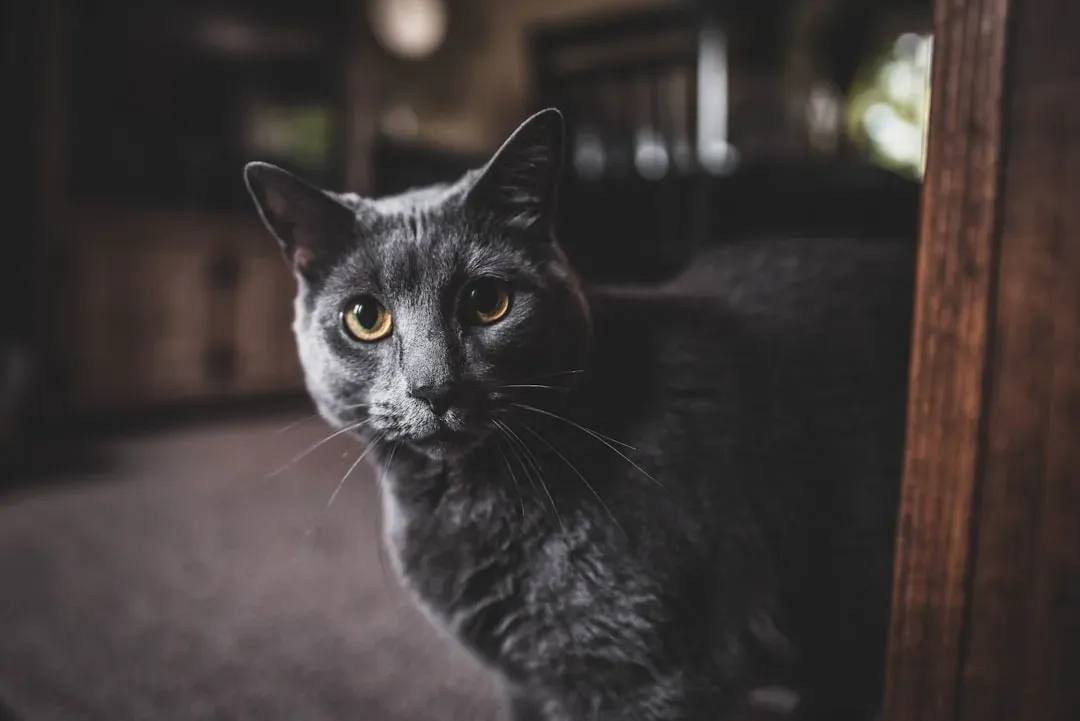
People often avoid adopting senior cats because they believe an older cat is too set in their ways to adjust to a new home. It sounds logical on the surface – like trying to teach an old dog new tricks. But cats are remarkably resilient creatures, and this myth does a real disservice to senior cats waiting in shelters.
When you first adopt an older cat, they may seem set in their ways. This does not mean that they cannot adapt and adjust. Any cat, regardless of age, will need time to adapt and become comfortable with their new environment. The process is less about age and more about patience, consistency, and love.
The change from moving to a new and unknown place, especially if they have been at a shelter for a long time, can be scary for any cat. Given patience and time, senior cats will be able to settle in and become comfortable in their new homes. It’s a bit like moving to a new city as an adult. Uncomfortable at first, sure – but humans and cats alike are far more adaptable than we give ourselves credit for.
Myth 5: Slowing Down Is Normal and Nothing to Worry About
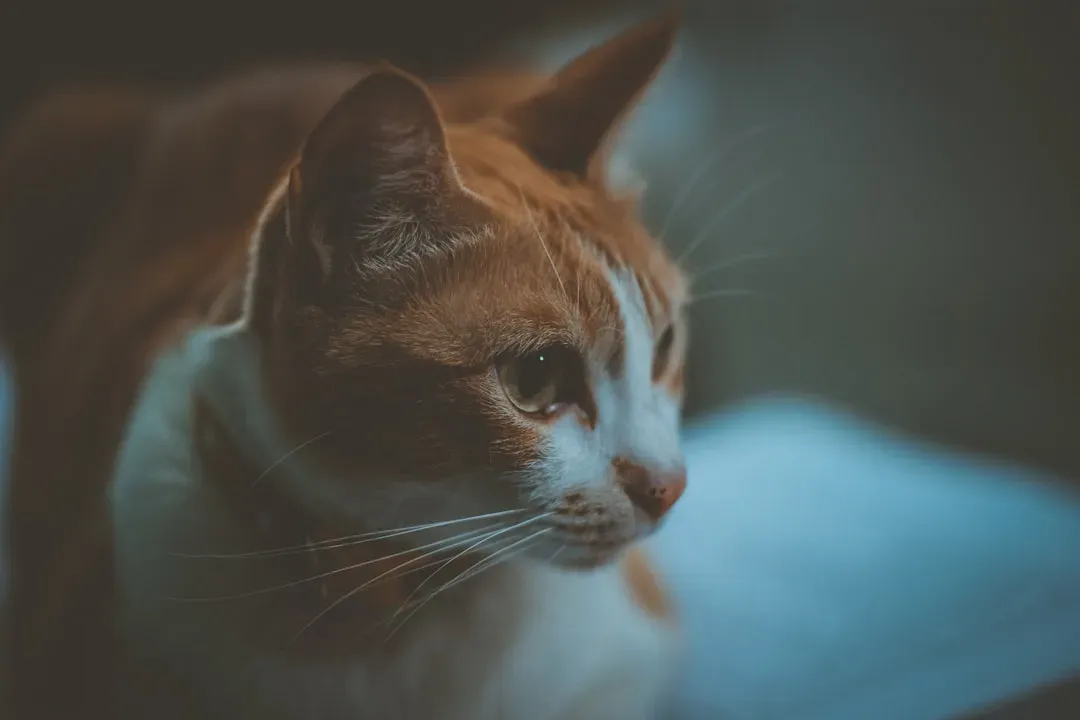
This myth is sneaky because it contains a grain of truth, which makes it more dangerous than the obviously wrong ones. Yes, older cats tend to be less active. But there’s a big difference between a cat peacefully napping more and a cat that has quietly stopped moving well due to pain.
Another common myth about geriatric cats is that it is normal to “slow down” or be “a bit stiff” or sore. By the time cats reach the geriatric stage, nearly all have some degree of joint pain due to arthritis. In some cats this can be debilitating, resulting in visible signs of pain, however in many cats the changes are subtle enough that owners may not even notice them.
Significant weight loss or muscle loss in senior cats is common, but it is not normal and can be due to any number of conditions including chronic kidney disease, hyperthyroidism, diabetes, inflammatory bowel disease, cancer, or arthritis. A decrease in appetite or turning away from food may also indicate nausea or other discomfort. If your geriatric cat is not eating well or is losing weight, bring this to the attention of your vet so the necessary diagnostic tests can be run. The sooner these conditions are diagnosed and treated, the more comfortable your cat will be. Never assume it’s “just age.”
Myth 6: Older Cats in Shelters Must Have Something Wrong with Them
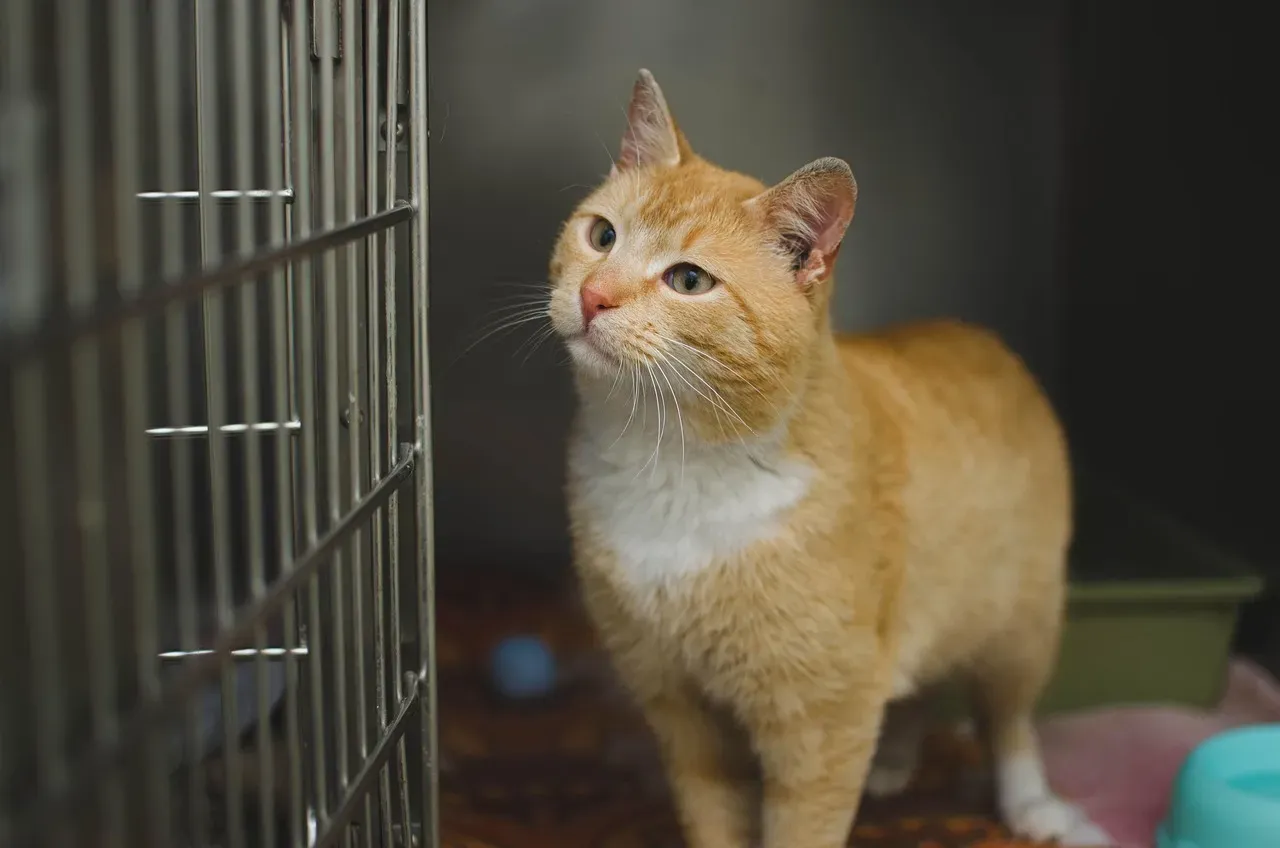
Walk into almost any shelter and you’ll notice the older cats get the fewest visitors. People look at them and think, “If this cat is so great, why hasn’t someone adopted it?” It’s a painfully unfair circular logic – and it creates a self-fulfilling situation where senior cats wait the longest precisely because everyone assumes they’re waiting for a reason.
The truth is that cats end up in shelters for all sorts of reasons, and a disheartening number of them have nothing to do with the animal itself. Cats are often surrendered when their families move to no-pets-allowed housing or get a new pet that doesn’t like the cat. It’s heartbreaking, but the cat’s personality and health are often completely irrelevant to the circumstances that landed them there.
Some cats don’t show well because of the stress of living with so many other cats – they may appear aggressive, standoffish, or boring when really they’re just trying to get by. Adopters often pass on wonderful cats because it’s hard to imagine how friendly they’ll be once they have a home of their own. Give a senior shelter cat a quiet room and a few weeks, and you might be genuinely surprised at the personality that emerges.
Myth 7: Senior Cats Don’t Need Regular Vet Visits
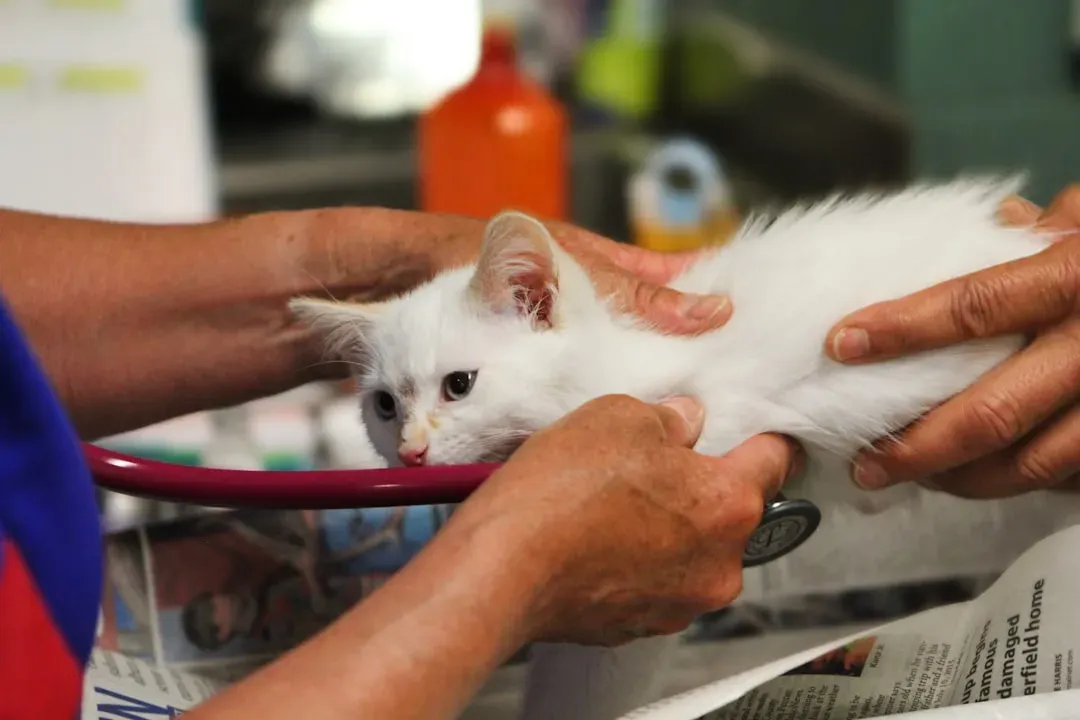
Here’s an argument you’ve probably heard: “My cat seems fine, so why spend money on vet visits?” It’s a tempting line of thinking, especially when your older cat appears comfortable and content. But this is one of the most quietly costly mistakes an owner of a senior cat can make.
As cats age, they become more prone to certain health problems such as arthritis, dental disease, and kidney disease. Many of these conditions develop silently over months or even years before any obvious symptoms appear. By the time you notice something is wrong, the condition may already be advanced. It’s especially important that senior cats have easy access to clean water because kidney function frequently deteriorates in older cats. Mixing canned and dry food can help your cat absorb additional water through their meals.
Cats are living much longer now thanks to better nutrition, veterinary, and home care. Over recent years, cats’ life stages have been redefined – cats are now considered “mature” once they reach 7 years, “senior” between 11 and 14 years, and “super senior” when they’re 15 years and older. With a longer lifespan comes a longer window of vulnerability, which makes proactive veterinary care more important than ever, not less.
Myth 8: Loving an Older Cat Isn’t Worth It Because You’ll Lose Them Too Soon
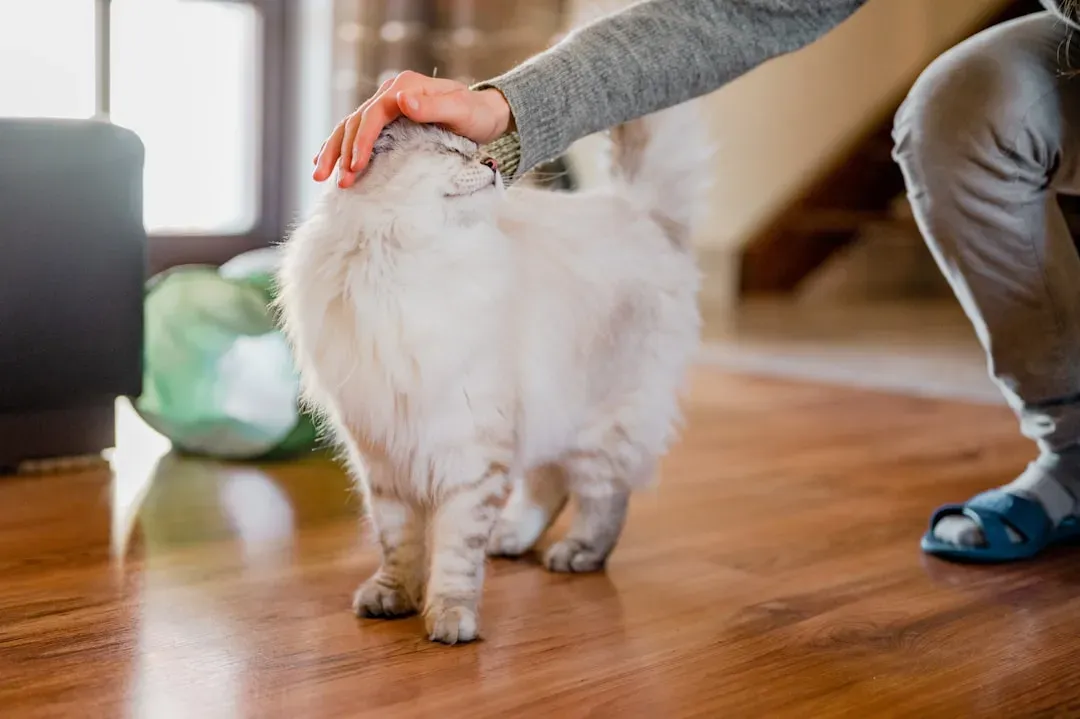
This one cuts deep. It’s the myth built not out of ignorance, but out of fear. And while that fear is completely understandable, letting it stop you from bonding with an older cat means missing out on one of the most rewarding relationships you’ll ever experience.
Many people avoid adopting senior cats because it will be too painful and they don’t want to say goodbye so soon. As with anything in life, there are no guarantees. Cats can live a long time and die from natural causes, or can die at earlier ages from illness or accidents. Younger cats are not immune to loss – no pet ever is. The timeline is always uncertain.
By adopting a senior cat, you are providing a second chance to a feline and allowing them to live the rest of their years – whether it’s two years or ten years – in a happy and loving home. A six-year-old “senior” cat could easily live up to 15 more years. The love you get back from an older cat who knows, deeply and fully, that you chose them? Honestly, I think that’s something no kitten can replicate.
Conclusion: It’s Time to See Senior Cats Differently
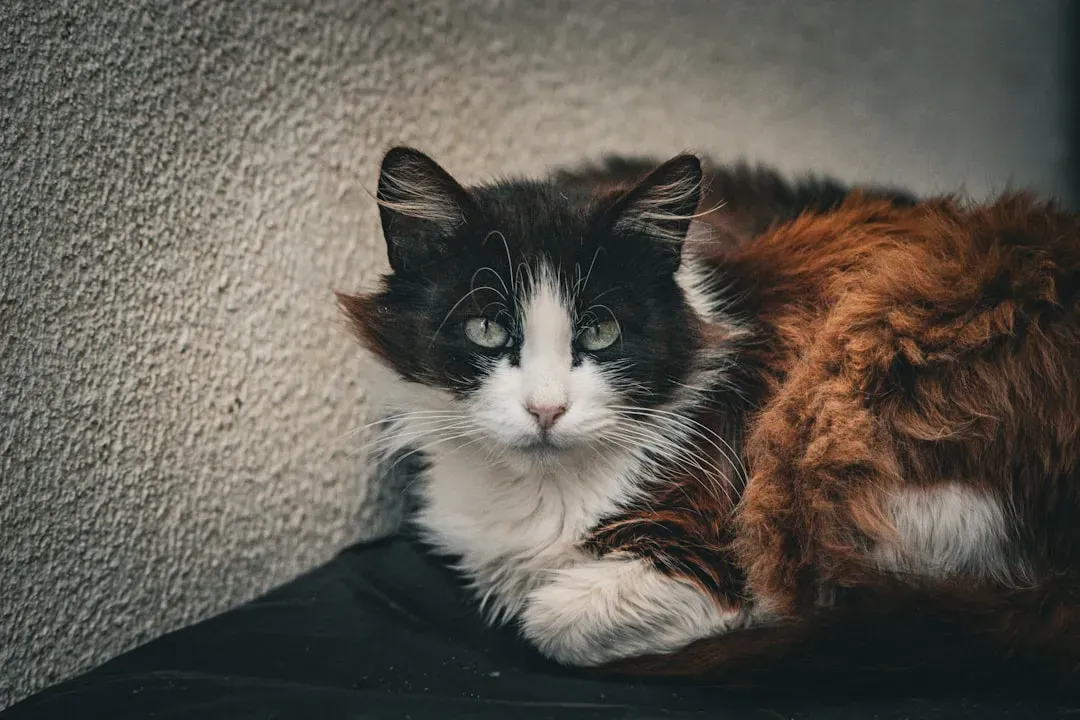
The myths surrounding older cats are not just inaccurate – they’re costly. Costly for the cats who wait in shelters, costly for the owners who miss out on incredible companionship, and costly in terms of health when warning signs get dismissed as “just aging.”
Senior cats are not diminished versions of their younger selves. They are layered, warm, deeply interesting animals that deserve the same enthusiasm and care as any kitten. By debunking these common myths, the hope is to encourage others to consider adopting senior cats, who are so often overlooked. If you consider their special circumstances and requirements, senior cats can live out their golden years in caring and loving homes.
The next time you’re at a shelter, or the next time your own senior cat does something that puzzles you – don’t reach for the myth. Reach for the facts. You might find the most meaningful relationship of your life is already curled up right beside you. What has your own experience with an older cat taught you? We’d love to hear it in the comments.