You’ve probably seen those stunning blue eyes staring out from social media posts. Siamese cats have this magnetic allure that draws people in instantly. They’re gorgeous, intelligent, and deeply loyal. That sounds like the perfect package, right? Here’s the thing though. Owning a Siamese is not for everyone. Their beauty comes with a specific set of demands that can catch unprepared owners completely off guard.
Think of this as your reality check before you bring home that elegant feline with the distinctive coloring. We’ll walk through eight solid reasons why a Siamese might not fit your lifestyle. More importantly, we’ll explore which breeds could actually work better for you. Because honestly, finding the right match matters more than falling for a pretty face. Let’s dive in.
They’re Incredibly Vocal and Love to Talk
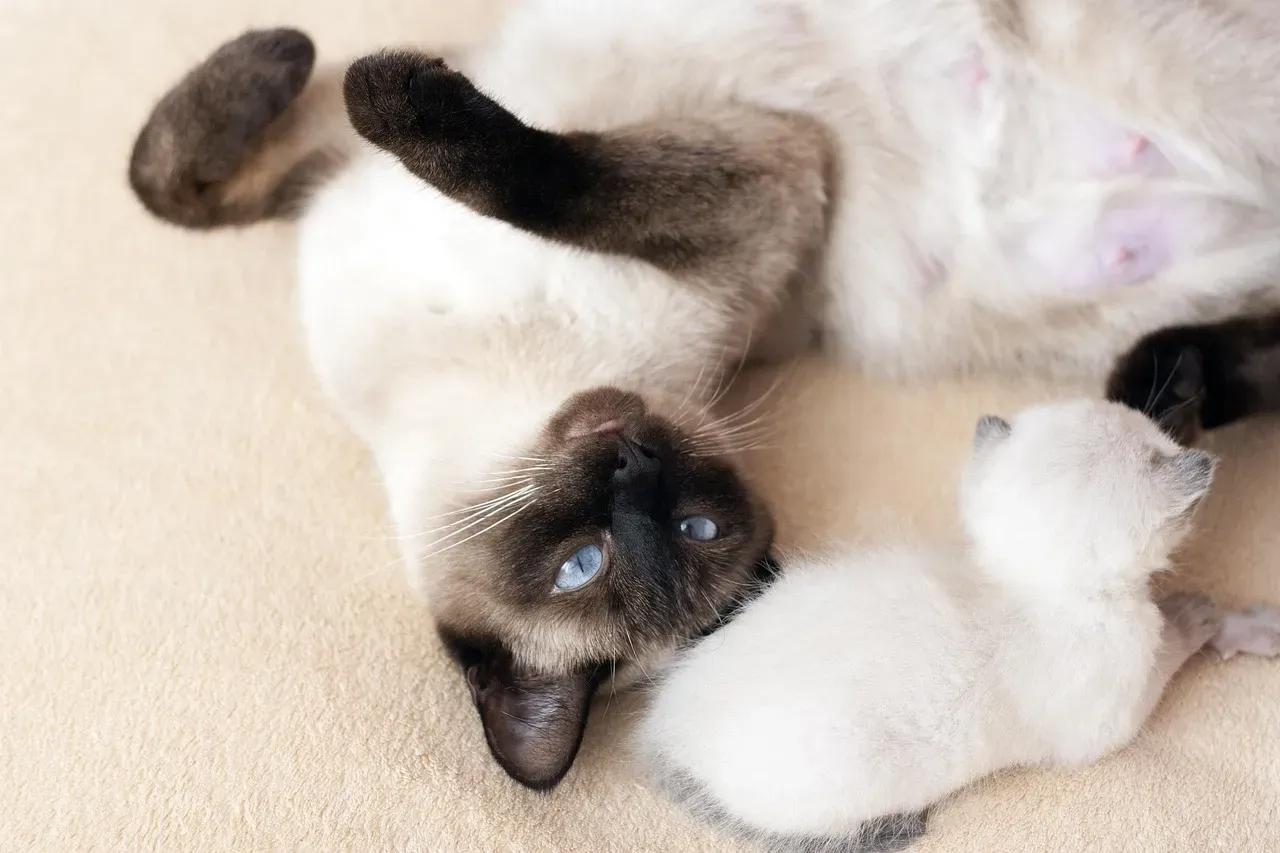
Siamese cats are extremely vocal when expressing happiness or dissatisfaction. Picture this: you’re working from home trying to focus on an important deadline, and your cat is beside you having what sounds like a full conversation. Due to their loud, low-pitched voice, they’re often fondly called “meezers”. Some owners find this charming at first, like having a chatty companion who always has something to say.
The novelty wears off quickly if you value peace and quiet. Their meowing ranks as the number one reason NOT to get a Siamese. These cats don’t just meow when they want food or attention either. They’ll commentate on everything from your morning routine to the bird outside the window. If you live in an apartment with thin walls or prefer a serene environment, a Russian Blue or British Shorthair might suit you better. Russian Blues are fans of the quiet life and are infrequent vocalizers who like their days filled with stability, predictability, and routine.
They Demand Constant Attention and Interaction
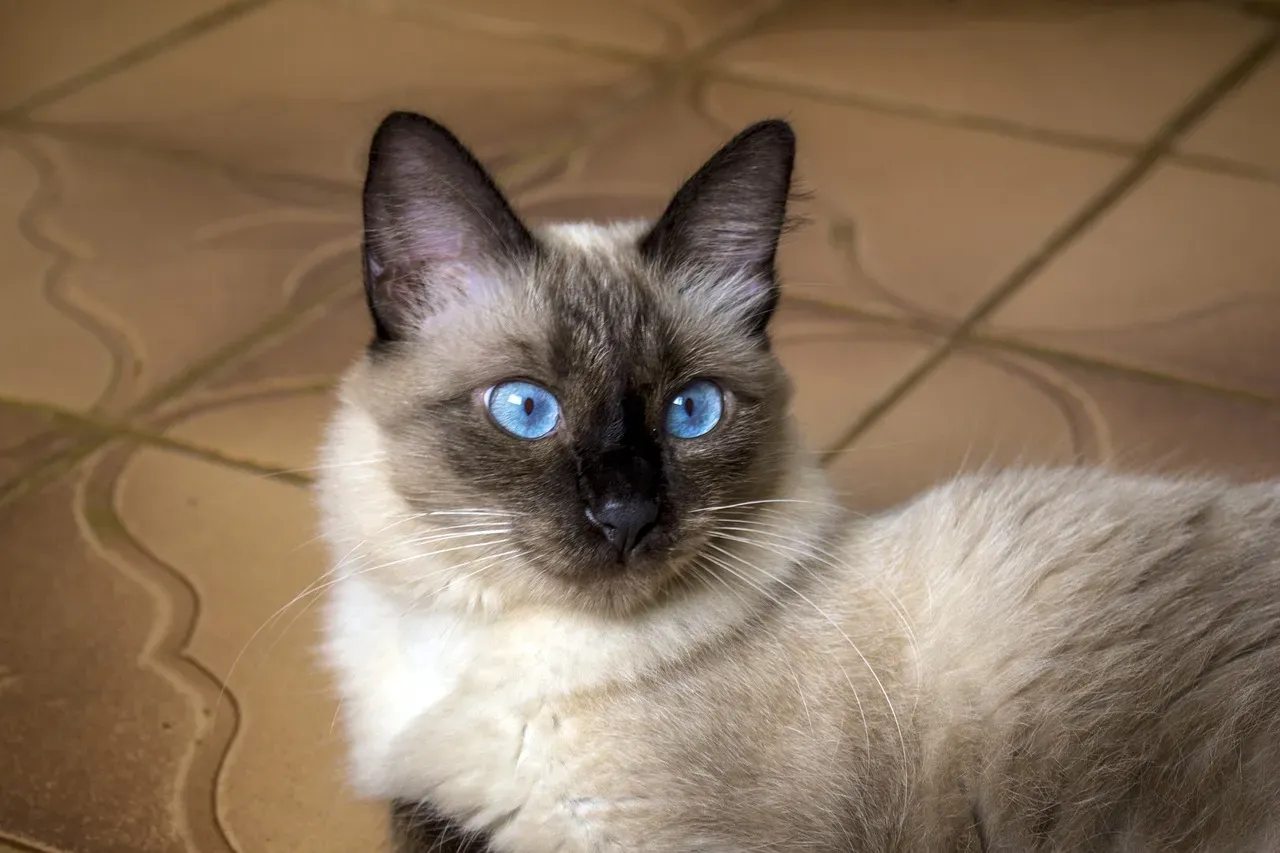
Their loyalty can turn into extreme attachment and obsession with their human, and they will constantly demand attention. Siamese cats don’t understand the concept of personal space. Their need for attention often triggers needy or downright clingy behavior, so if you’re someone who wants a cat that’s happy on its own and enjoys solitude, a Siamese cat probably isn’t the breed for you.
Working from home becomes a challenge when your cat insists on sitting on your keyboard or walking across your documents. They will meow incessantly, nudge you to instigate play, or walk all over your documents and computer. If your job requires frequent travel or long hours away from home, consider the American Shorthair instead. The American Shorthair is considered low-maintenance, known for their robust health, easy-going temperament, and adaptable nature, and while they enjoy human company, they’re also quite independent.
They Cannot Be Left Alone for Long Periods
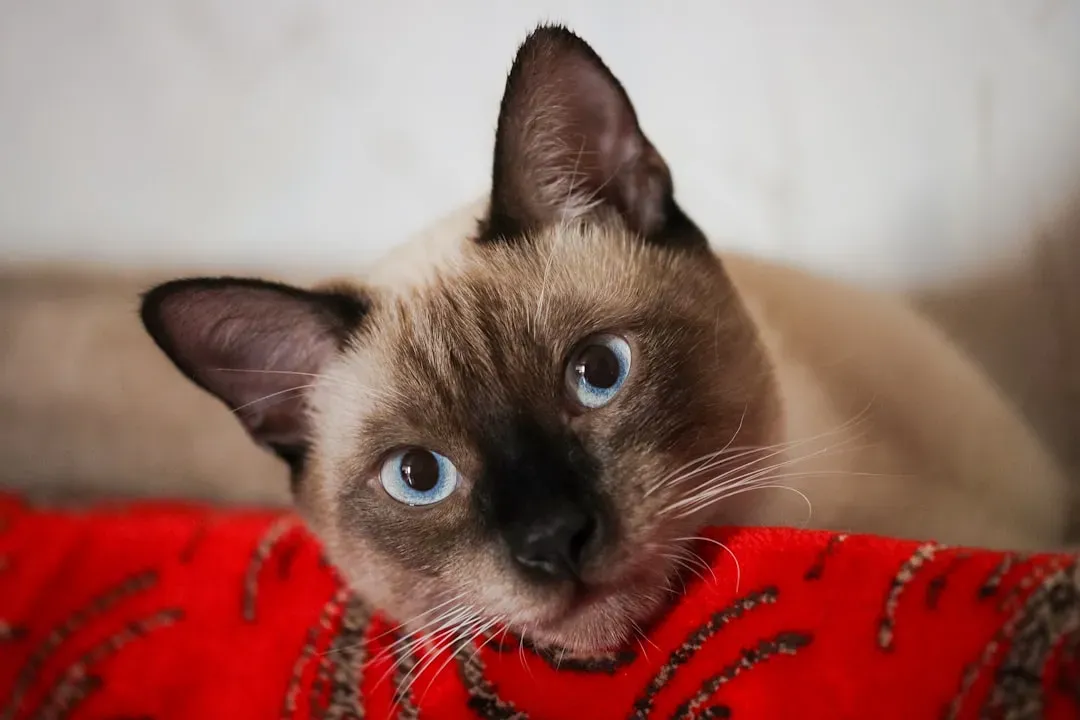
Due to their rather dependent nature and attachment to their person, Siamese often suffer from separation anxiety and may be better in pairs. Let’s be real here. If you have a typical work schedule where you’re gone eight to ten hours daily, a Siamese will struggle. These cats crave constant interaction and human companionship, and if left alone for a long time, they tend to develop depression.
The consequences of leaving them alone too long can be severe. Fail to provide them with the attention they seek, and your Siamese will turn to destructive behaviour, such as knocking things down, scratching furniture, or urinating all over your home. Siamese cats can become so strongly bonded to one person that separation behaviors such as meowing loudly or peeing on human beds may become a problem, and this anxiety may require the help of a veterinary behaviorist. A better choice might be the Scottish Fold. Scottish Folds are independent and capable of entertaining themselves for long periods, making them an excellent choice for busy pet owners.
They’re Prone to Territorial and Jealous Behavior
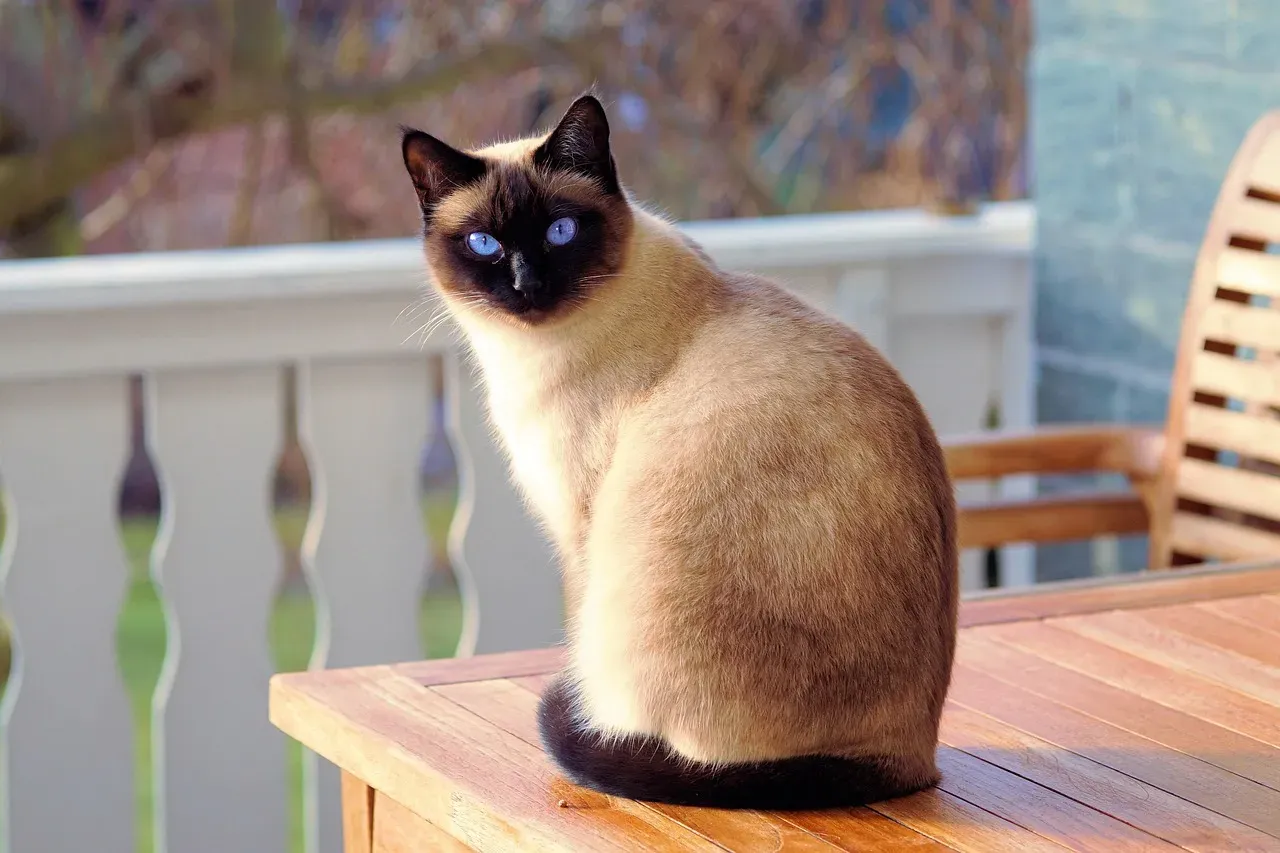
They are hyperactive attention seekers, prone to jealousy and territorialism. Bringing a new pet into your home or having guests over can trigger unexpected reactions from a Siamese. They’re extremely territorial over the people they love and any space they see as theirs, and sometimes these territorial tendencies can boil over into small acts of aggression.
This possessiveness extends to their favorite human too. They tend to be more aggressive than other cats, often because they get jealous and might not like new people or pets because they want all the attention. It’s hard to say for sure, but this trait can make multi-pet households challenging. If you’re looking for a sociable cat that genuinely enjoys other animals, consider the Maine Coon. Maine Coons are large, majestic cats with a friendly disposition and a coat that requires regular brushing to manage moderate shedding.
Their Intelligence Can Lead to Mischief
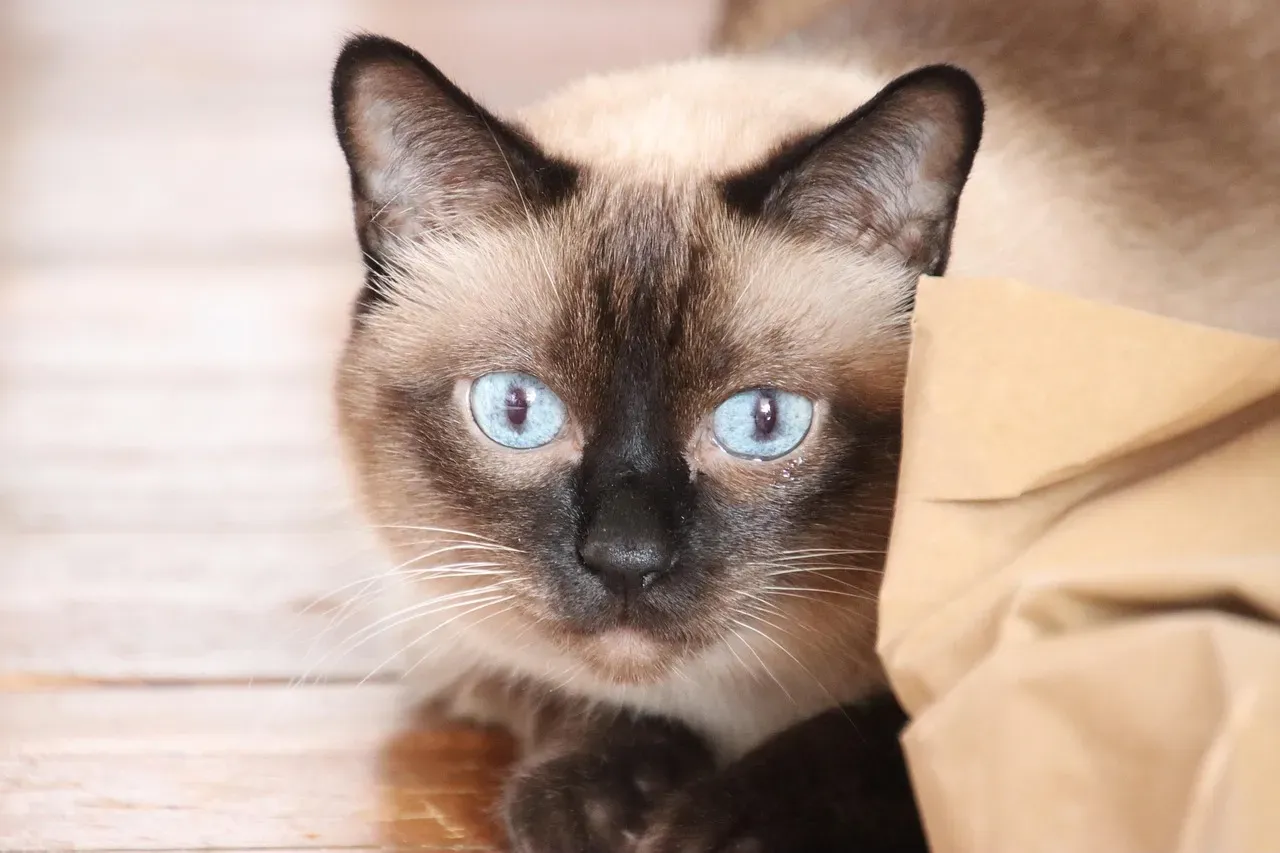
Their intelligence requires consideration before bringing a Siamese cat home because they need a lot of mental stimulation to prevent boredom and mischief, and if left to entertain themselves, these cats can learn to turn on faucets, open cabinets, and become destructive. Sounds impressive, right? Until you come home to find every cabinet door open and your belongings scattered across the floor.
These cats are intelligent and clever and don’t like being confined, and if they’re large enough can learn to open doors with lever handles. Their problem-solving abilities mean they’ll figure out how to access places you’d rather keep them away from. Childproof locks might become necessary for your kitchen cabinets. If you want an intelligent cat without the troublemaking tendencies, the Birman offers a sweet compromise. Birmans are a particularly sweet and quiet cat breed capable of getting along well with almost anyone, and they’re independently-minded as well as being very low-maintenance.
They Have Specific Health Concerns
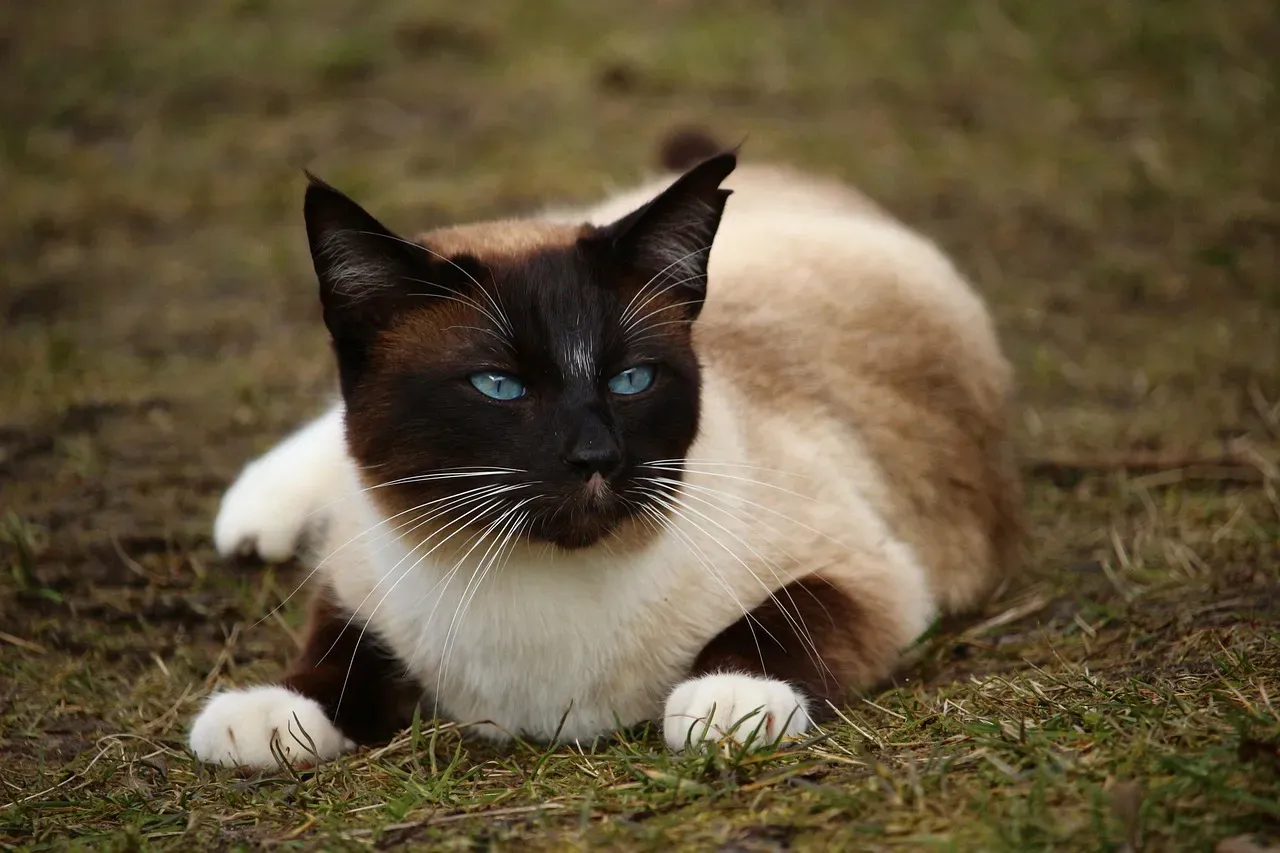
Siamese cats are prone to a variety of health problems, most notable are their eyes which are often cross-eyed, and reputable breeders will screen for genetic health conditions. Beyond the typical veterinary care all cats need, Siamese come with breed-specific issues. Most cats of this breed have faulty vision wiring in their brain, often resulting in crossed eyes.
Some Siamese cats wool suck, which is when they chew, suck on, or even eat fabric materials, and wool sucking is most commonly seen in Siamese and Birman cats. This behavior might seem harmless but can lead to intestinal blockages requiring surgery. Siamese cats are predisposed to certain conditions, such as conditions like cardiomyopathy and retinal degeneration, which can lead to blindness. The Exotic Shorthair offers similar affectionate qualities . The Exotic Shorthair cat is cherished for their relaxed and easygoing attitude and can entertain themselves with cat toys around the house.
They’re Not Ideal for Households Seeking Peace
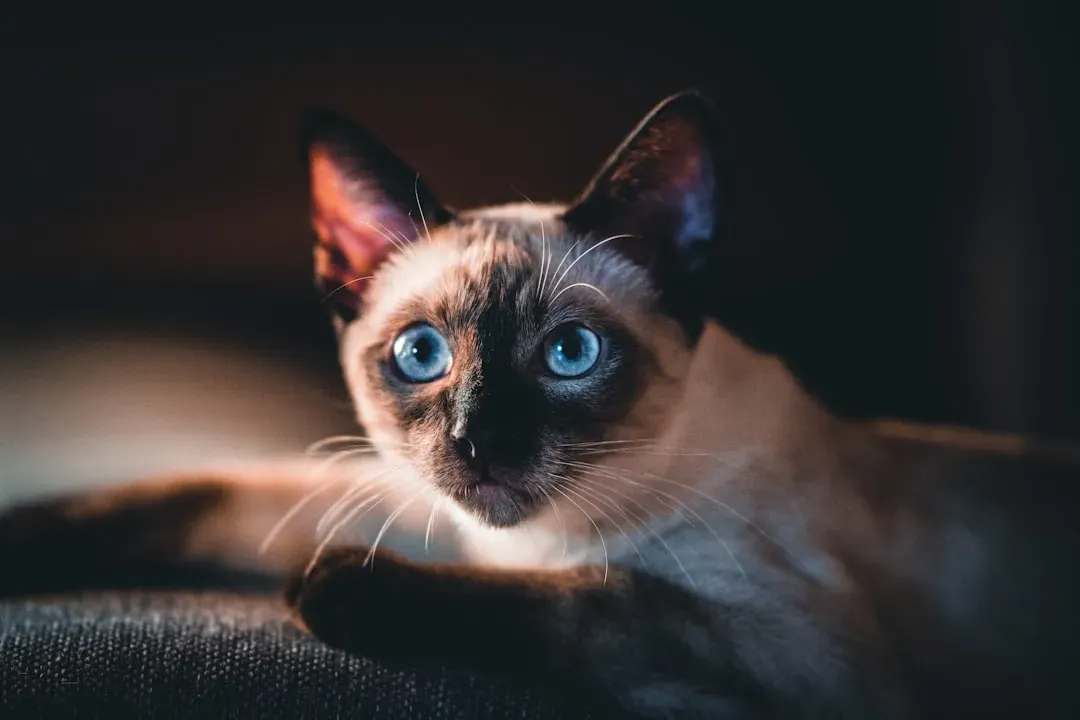
Suited to those who love a rather extreme cat, with a strong personality, loud nature, and sensitive temperament, they need someone home most of the day. Honestly, if your ideal evening involves curling up with a book in silence, a Siamese will disrupt that fantasy. Not particularly suited to homes with small children, they are really too demanding and opinionated to get along well with anyone who competes for their owner’s attention.
Their presence is felt constantly throughout your home. These cats aren’t shy, subtle, or mysterious and they’re out there, in your business, often in your arms or on your keyboard. They demand to be the center of attention in every situation. A Persian cat might be more your speed. Persians are gentle and easygoing and enjoy lounging around the house, and while they may not be as playful as other breeds, their affectionate and relaxed demeanor makes them great companions, perfect for homes that prefer a quieter, more serene environment.
They Require Experienced Cat Owners
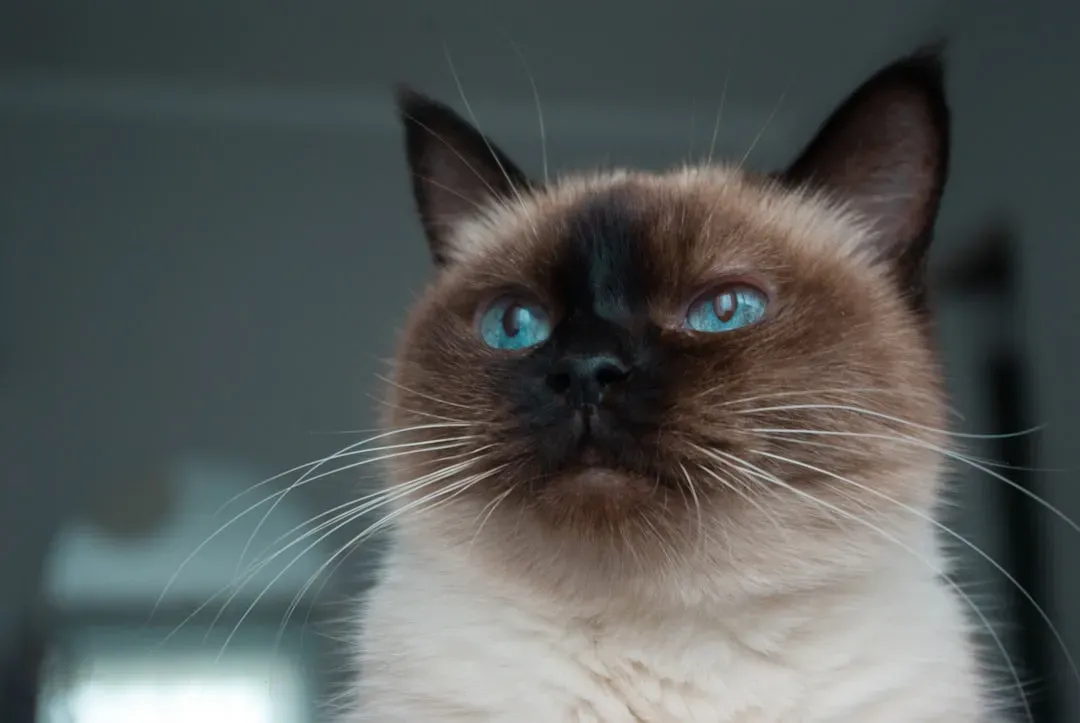
This breed is not suited to busy homes or where everyone is out for long periods, and it may be better to get two to keep each other company. First-time cat owners often struggle with Siamese because their needs are so specific and intense. We want to emphasize the importance of making time in your daily schedule to meet the breed’s unique needs, and if you can’t, you’ll want to consider another cat type entirely.
These cats need owners who understand feline behavior and can commit significant time to interaction and mental stimulation. Intelligent and excellent problem solvers, with a strong attachment to one person and a desire to be with that person, the Siamese is not always an easy cat to live with unless you are prepared to give a lot of ‘cattention’. For first-time cat owners, the Ragdoll presents a gentler learning curve. Although these cats can grow to be quite large, they are known for their gentle and placid temperaments, and these cuddly, low-maintenance cats bring the right amount of serenity to your home.
Final Thoughts on Finding Your Perfect Match
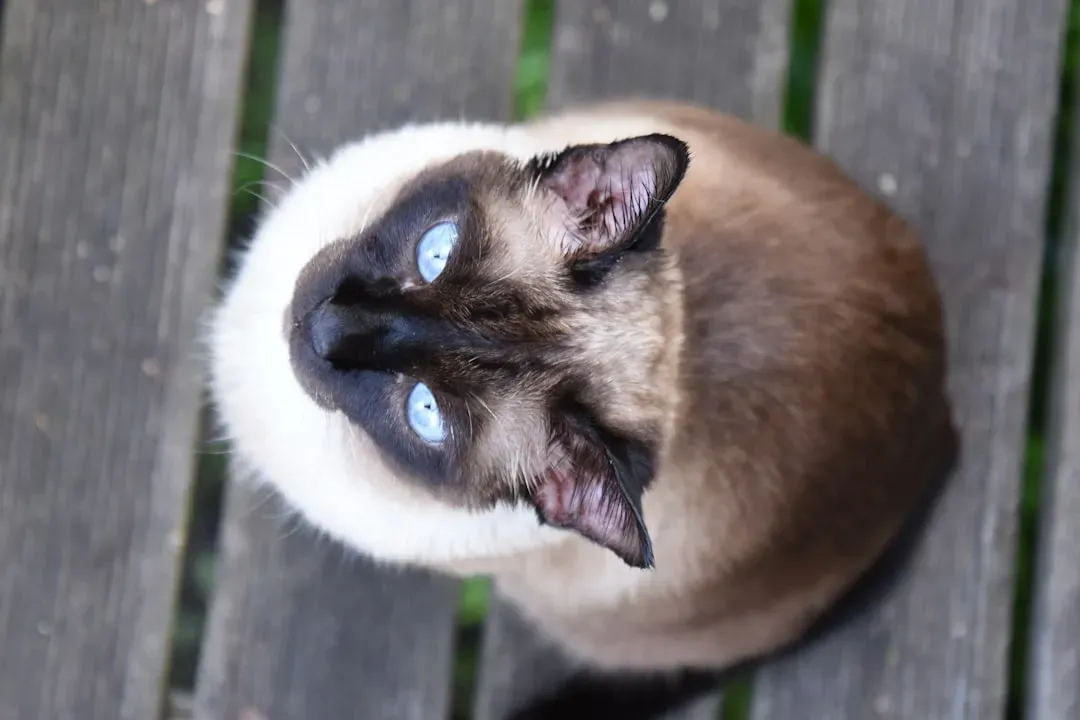
Siamese cats are undeniably captivating creatures. Their intelligence, loyalty, and striking appearance make them irresistible to many people. The reality is that they demand a specific lifestyle and owner commitment that not everyone can provide. There’s no shame in recognizing that a particular breed doesn’t match your circumstances.
The cats we’ve mentioned as alternatives each offer wonderful companionship without the intense demands of a Siamese. Whether you choose a quiet Russian Blue, an independent British Shorthair, or a gentle Ragdoll, the goal is finding a cat whose needs align with what you can realistically offer. Your future feline friend deserves an owner who can meet their requirements without stress or resentment. Take your time researching breeds, visit shelters, and be honest about your lifestyle. The right cat is out there waiting for you. What kind of companion are you truly ready to welcome into your home?