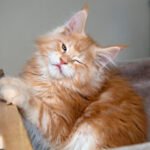
Ever noticed how some cats seem to be on a never-ending quest for activity while others wouldn’t move from their favorite cushion if you dangled a feather wand right in front of them? It’s actually quite fascinating how dramatically activity levels can differ from one feline to another.
Your neighbor’s tabby might scale the curtains at three in the morning while your Persian barely lifts an eyebrow at a passing toy mouse. This isn’t just random chance or stubbornness. There are genuine, scientifically backed reasons why some cats act like tiny, furry athletes while others prefer the contemplative life of a professional napper. Let’s explore what makes these mysterious creatures tick, or in some cases, snooze.
Their Breed Was Built for Lounging
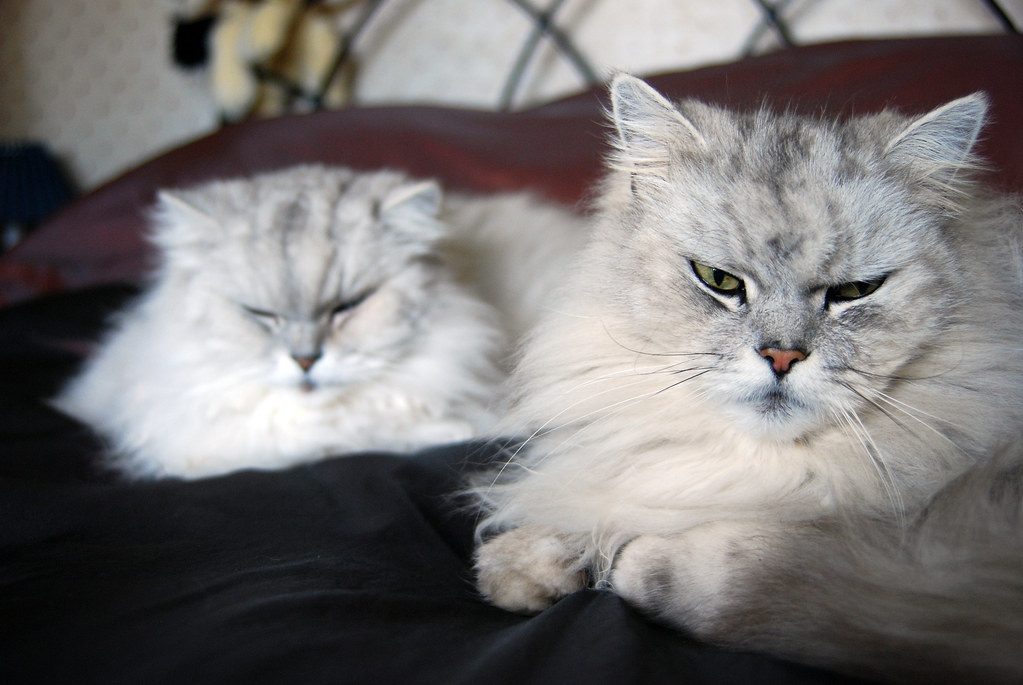
Some breeds are simply predisposed to tranquility, with Persians being the epitome of this calm, passive personality. These cats have even been called furniture with fur because of their long periods of inactivity. The genetic makeup of certain breeds favors a more laid-back lifestyle. Persians and Ragdolls are known for their love of sleep and can snooze for up to 20 hours a day.
It’s not that these cats are broken or unmotivated. They’re functioning exactly as their breeding intended. Ragdolls have a very relaxed, quiet nature with low activity levels and tend to be extremely affectionate with their people. Their personality traits were deliberately selected over generations to create the perfect lap companion rather than an acrobatic entertainer.
Age Has Slowed Them Down
A cat’s age can significantly impact their activity levels, with young cats having an abundance of energy and more frequent, intense zoomies. Honestly, kittens seem to operate on some kind of perpetual motion machine. Young cats, especially kittens, tend to have frequent and intense zoomies due to their high energy levels and rapid growth, though even senior cats may still experience them, typically less often due to age-related changes.
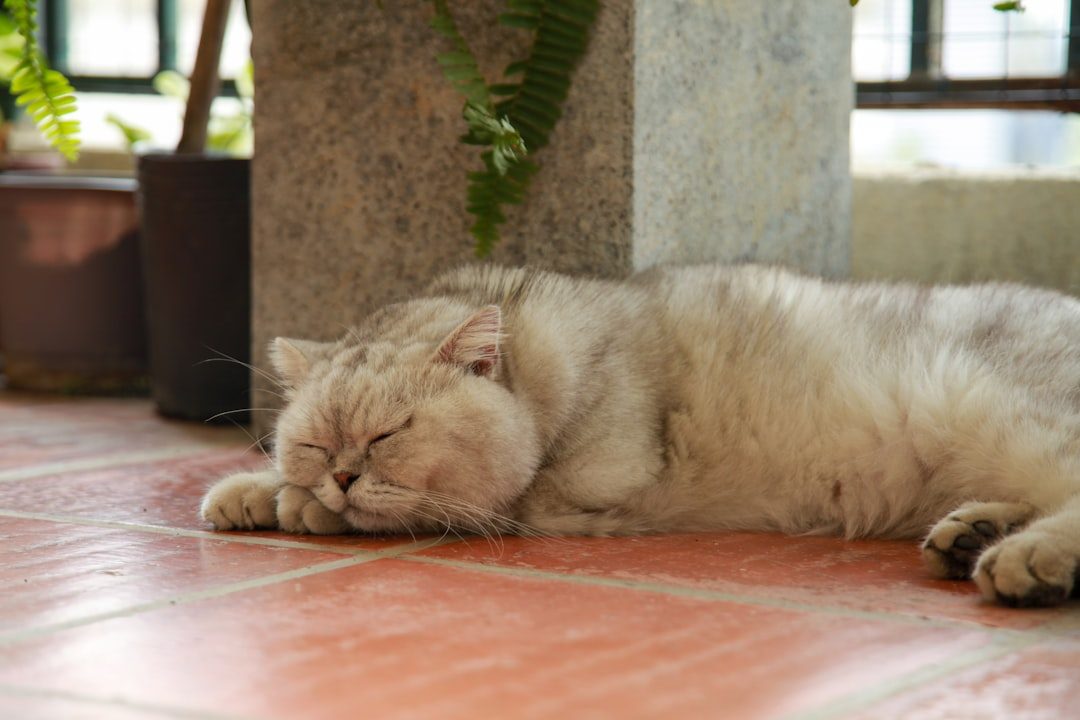
Adult cats tend to sleep about 12 to 20 hours each day, while senior cats will sleep more than younger cats due to less energy and reduced mobility. Think of it like human aging but compressed into a shorter timeline. From 7 to 10 years of age, cats begin to lose their drive to play and become less active, which is a normal shift as they become comfortable in their environment and routine.
They’re Conserving Energy for the Hunt
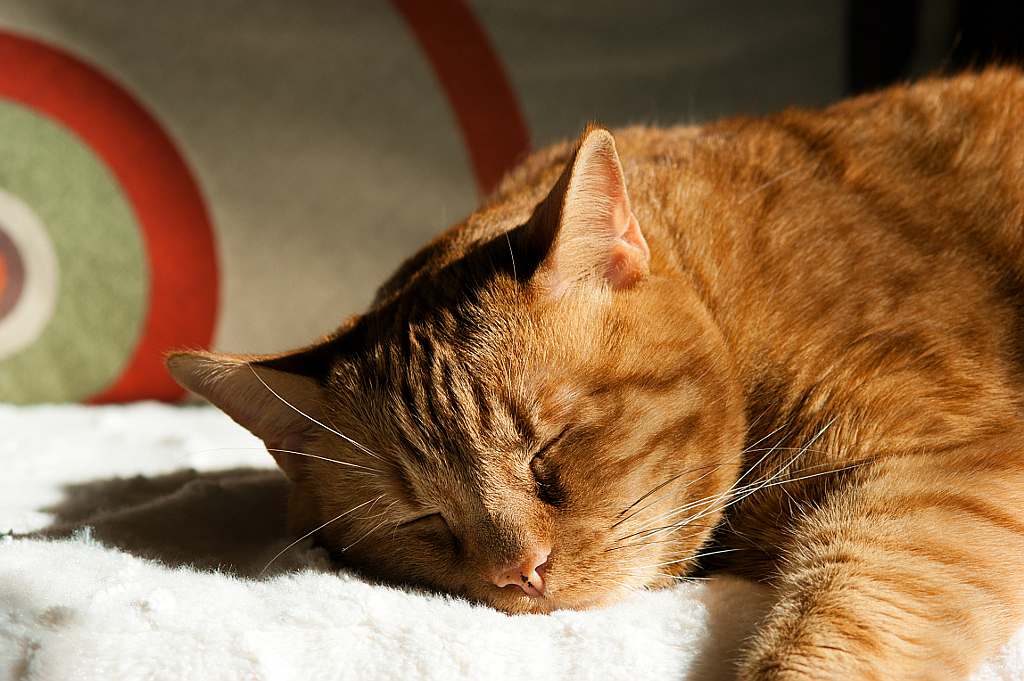
Cats are natural nappers because their instinct is to conserve energy for hunting, and they’re hardwired to be awake at dawn and dusk and nap during daylight hours, making laziness technically in their genes. This evolutionary trait hasn’t disappeared just because we now serve meals in decorative bowls. Like many predators, cats conserve energy by resting or sleeping, saving up for the bursts of time when they will do the most hunting, and this sleep/hunt cycle isn’t a cause for concern.
Their wild ancestors needed to preserve every ounce of stamina for those critical hunting moments. Cats are experts at conserving energy for when it’s most needed, and in the wild, this instinct is what allows them to stay alive in times of scarcity. Even though modern house cats don’t face starvation, those ancient impulses remain deeply embedded in their behavior patterns.
Boredom Has Set In
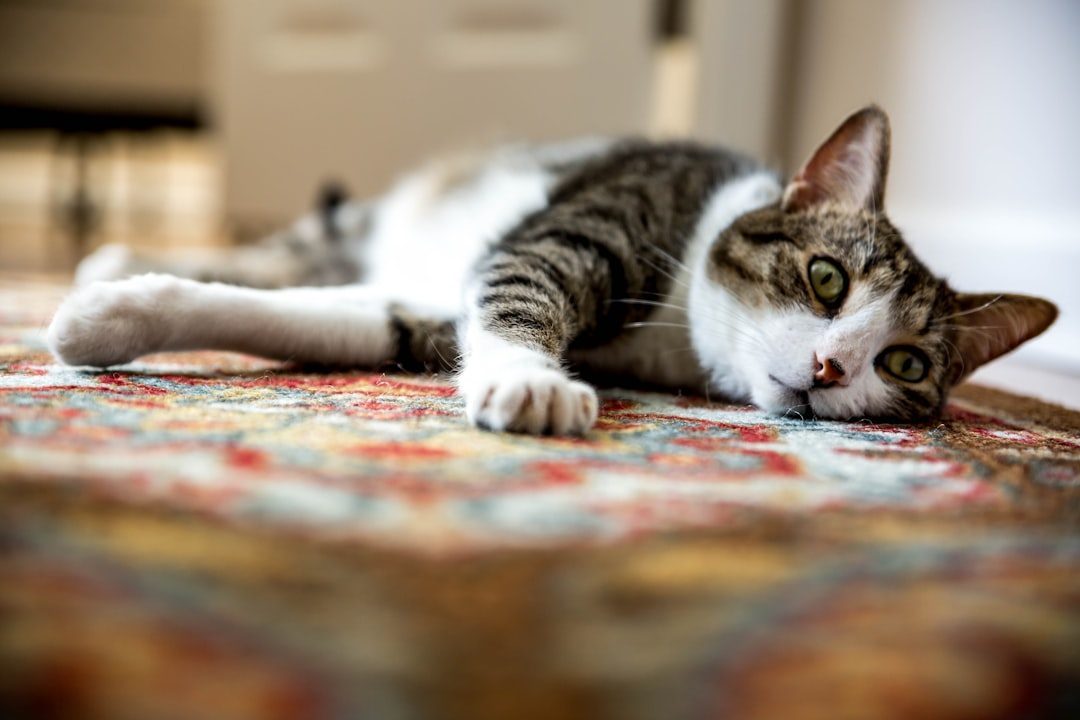
Hyperactivity in cats can often be traced to boredom, and when a high energy cat gets bored, it will often become even more hyperactive, playing out games it invents. The flip side? Indoor cats, especially those without enough stimulation, may sleep more out of boredom, as a lack of engaging toys, scratching posts, or interactive playtime can lead them to fill their time with naps.
A bored cat is not a lazy cat; it’s a cat that needs mental stimulation. Sometimes what looks like contentment is actually a creature so utterly unstimulated that sleep becomes the default activity. Boredom and a lack of physical and mental stimulation can absolutely contribute to a cat’s laziness and inactivity, as cats are naturally curious, intelligent animals with a strong instinct to hunt, play, and explore.
Extra Weight Is Holding Them Back
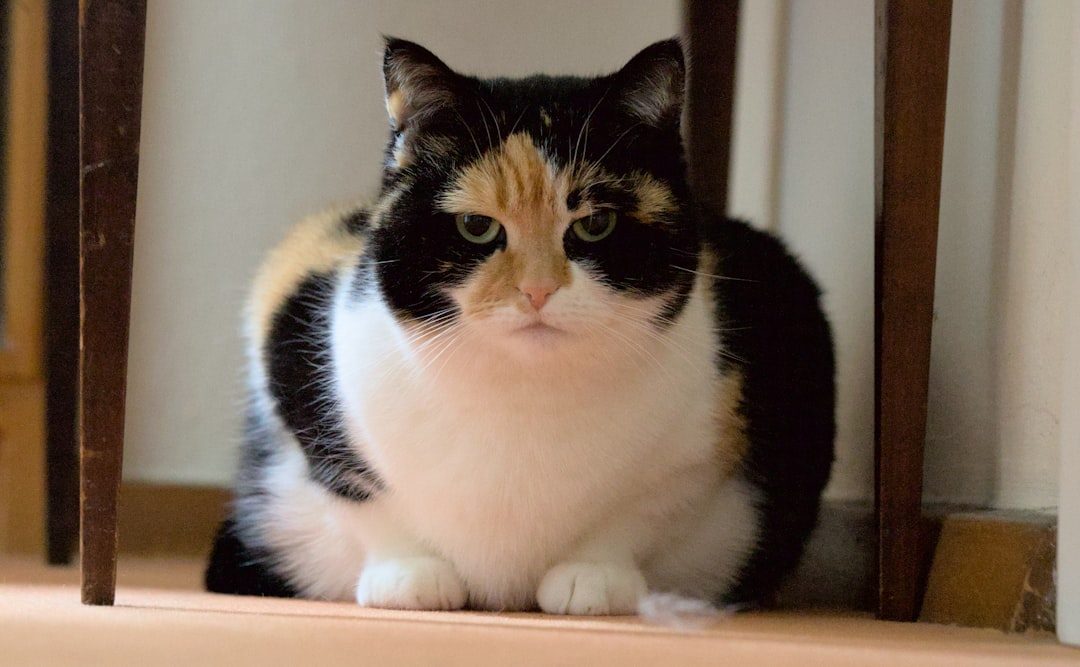
An overweight cat can lead to reduced activity level, with research showing that felines with obesity were more likely to spend less time moving around and more time lying down, possibly because obese cats feel uncomfortable and try to avoid movement to protect their joints. It’s a vicious cycle where inactivity leads to weight gain, which then makes movement even more unappealing.
If a cat is seriously overweight, they may have become less active to compensate for their extra pounds, may even be unable to jump, and both their heart and lungs are working overtime, so they may not be lazy so much as suffering under the strain. The solution isn’t just cutting calories but finding gentle ways to increase movement. Weight management requires patience and veterinary guidance to create a sustainable plan.
They’re Responding to Their Environment
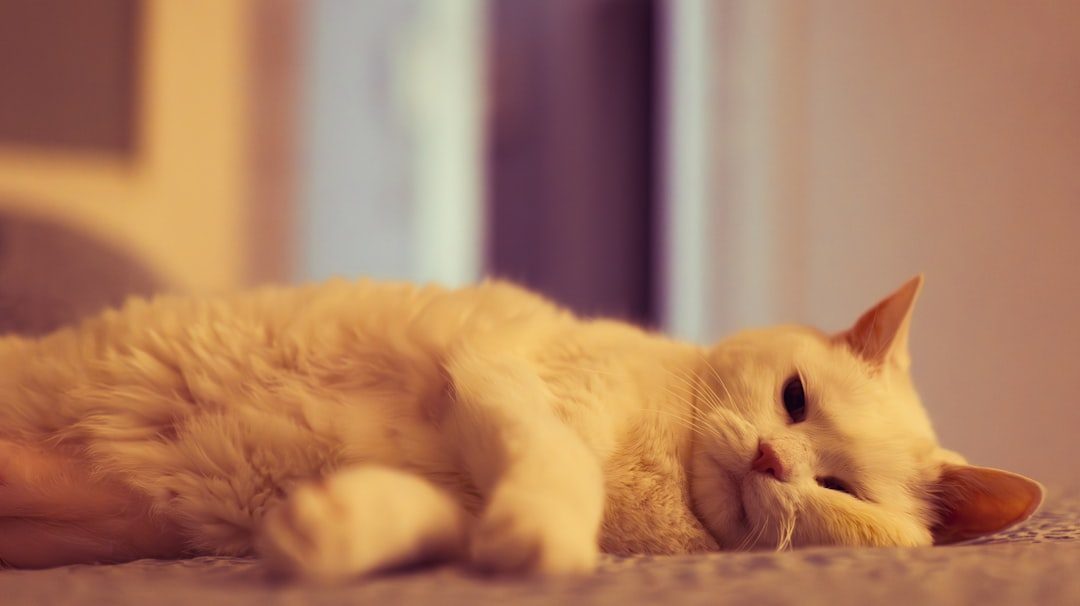
Cats who lack mental stimulation often become lethargic and sleepy as a way of filling the time. The home environment plays a massive role in shaping feline behavior. Indoor cats sleep longer than outdoor cats because of a more sedentary lifestyle whereby they don’t use up the mental and physical energy of hunting, and as house cats live solely in the comfort of your home without worrying about being preyed upon, they’re happy to sleep for hours on end.
Your cat might just be adapting to what you’ve provided. Homes not set up to be cat exercise friendly can contribute to inactivity, and some cats don’t like to move around until night time or adore scaling heights, so simple adjustments like installing a cat tree or providing a window perch may change a cat’s activity level dramatically. The absence of vertical territory and enrichment options essentially creates a low-stimulation box where napping becomes the most interesting option.
Health Issues Are at Play
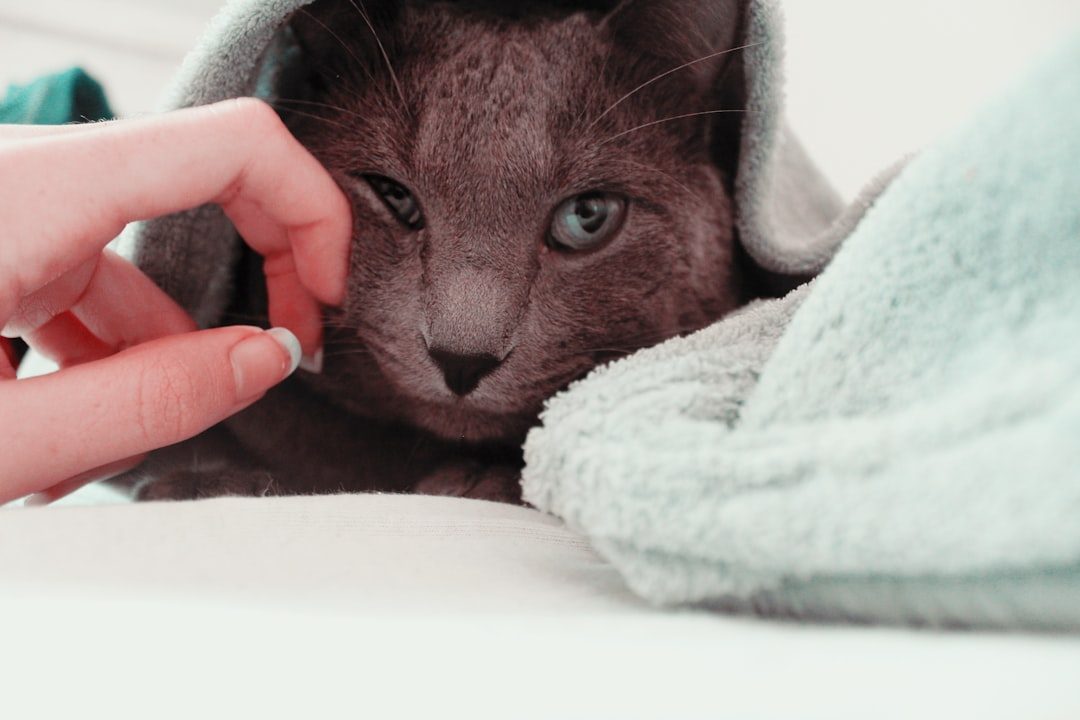
Sudden behavioral changes in cats can be associated with health problems such as dental issues, severe dehydration, overall pain, anxiety, liver or kidney disease, diabetes, thyroid problems, heart disease, cancer, and more. Sometimes what appears to be laziness is actually a cat dealing with invisible discomfort. Cats who begin to sleep more than usual could be ill or experiencing pain, while those sleeping less than usual may be suffering from hyperthyroidism or other conditions.
A lazy, unaffectionate cat may be experiencing boredom, stress, or health problems like obesity or thyroid issues. It’s hard to say for sure without a professional examination. Pain from arthritis can make formerly active cats reluctant to jump or play. Don’t automatically assume your cat is just getting older or prefers relaxation when the change is sudden.
Personality Runs Deep
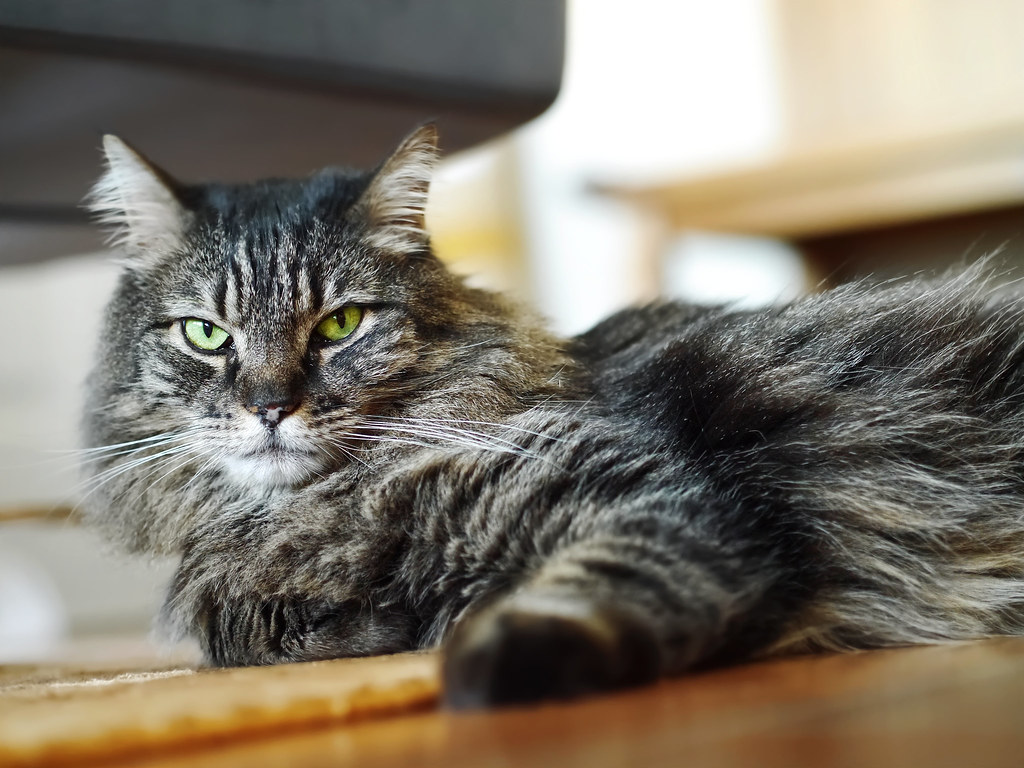
A cat may be friendly, curious, and active or lazy and uninterested in exploring new things, a trait similar to extraversion in people. Just like humans, cats have individual temperaments that go beyond breed stereotypes. Individual cats can vary widely in terms of their energy levels regardless of breed, as some Bengals might be more laid back than others while some Persians might be more active than expected.
There is no question that there are fast cats and slow cats, just as some people naturally prefer a sprint to a leisurely park stroll. Some cats are born contemplative philosophers while others arrive in this world ready to parkour off every available surface. Genetics, early experiences, and inherent personality all blend together to create that unique individual snoozing on your couch.
Their Breed Was Built for Action
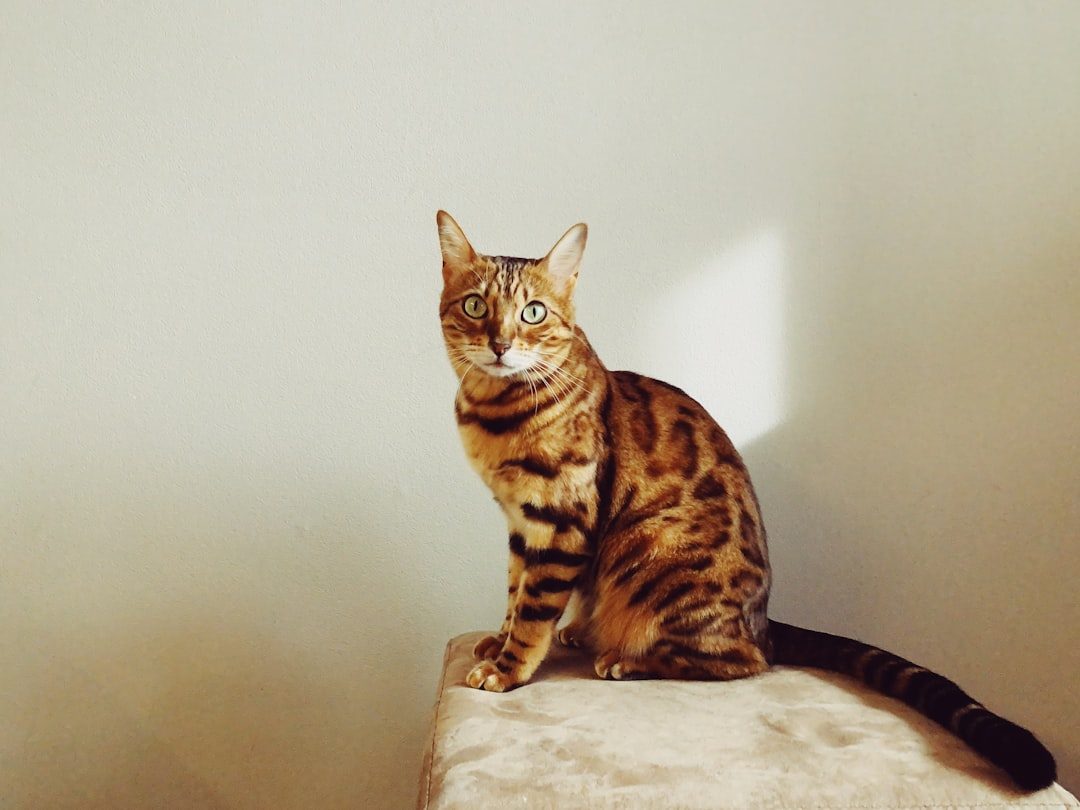
The Abyssinian breed is known for its energetic personality, intelligence, and curiosity, and these elegant cats are very playful, athletic, with a short attention span. On the opposite end of the spectrum from Persian couch potatoes, certain breeds were developed specifically for high energy and activity. Bengal cats, though very friendly, are exceptionally energetic and curious, agile, intelligent, and constantly on the move.
Bengals are an extremely athletic and energetic breed that stays this way their whole life, as they love to play and learn tricks, and their love for water means they’ll even follow you into the shower. These cats weren’t bred to be ornamental. They were developed to maintain that wild spark, that relentless curiosity. Abyssinians and Siamese cats are known for their high energy levels, making them perfect for active households.
Youth Keeps Them Going
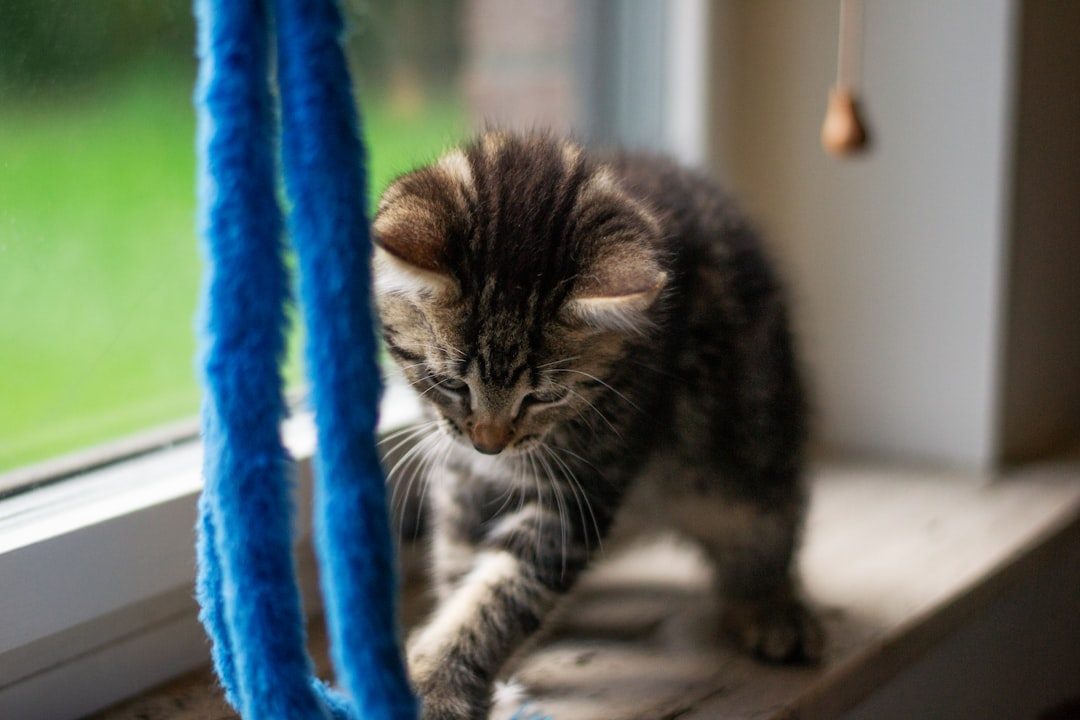
All cats have different energy levels and different needs, with younger cats being much more energetic than older cats. Kittens operate at what feels like warp speed compared to their adult counterparts. A kitten is full of pent up energy, like a little explosion when they get going, and these little fur balls play hard then sleep hard.
Cats with high levels of energy vary between breed and age range, with a kitten having up to three times more energy than an adult cat. This stage doesn’t last forever, though sometimes it feels endless when you’re dealing with three AM zoomies. Their bodies and brains are developing rapidly, requiring both intense activity and substantial rest to support all that growth.
They Have Outlets for Their Energy
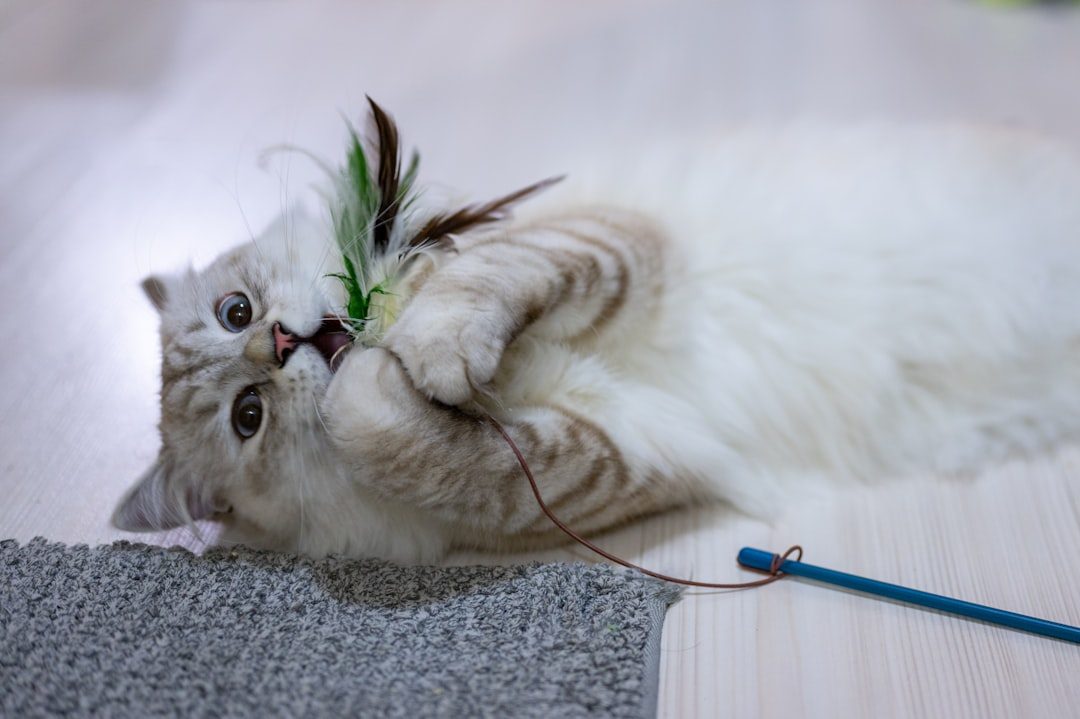
All cats have a certain amount of energy that they have to expel each day, and if they don’t have a chance to do this, it will build up into one big hyperactive outburst, so scheduling playtime each day is a great way to keep cats calm. Adventure-seeking cats often have humans who provide appropriate channels for that energy. There is no substitute for one on one play time, and spending time interacting with your furry companion, running around the house with a string, or teaching your kitty to play fetch creates engagement.
Regular interactive sessions prevent the buildup of restless energy. You need to have time to devote to energetic cats, exercising them daily with interactive playtime and providing means for them to entertain themselves when you’re not available. Cats who seem perpetually active often have owners committed to meeting those exercise needs rather than expecting the cat to entertain itself.
Their Natural Rhythms Are Honored
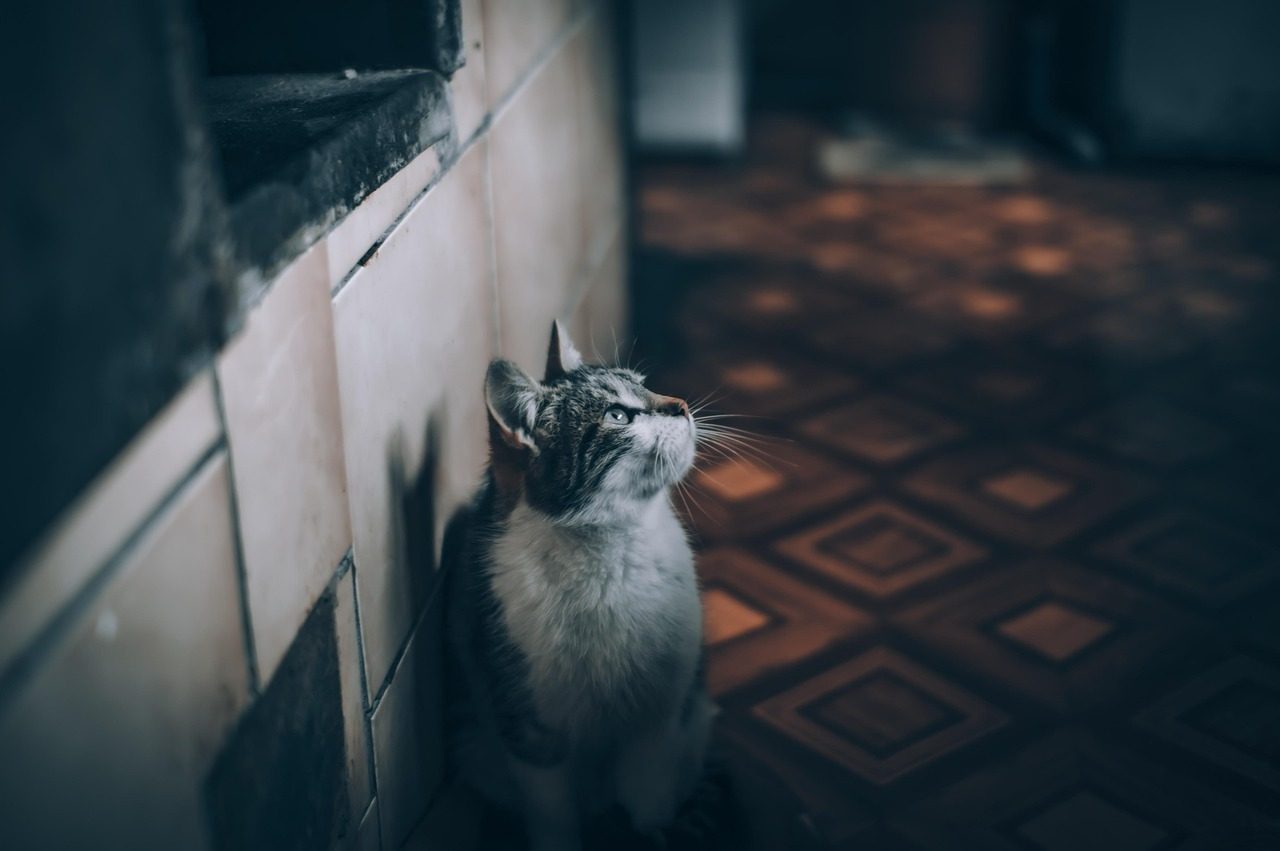
Cats are crepuscular, which means they are most active at dawn and dusk, based on their instinct to hunt when their usual prey, small rodents and birds, is often active in times of lower light levels. The most energetic cats often have schedules aligned with these natural inclinations. Since cats are crepuscular, meaning they are most active at dawn and dusk, it’s no surprise that many pet parents notice zoomies happening during the early morning or evening hours.
Felines have strong survival instincts including their hunting prowess, and some cats are more predatory than others, spending more time outside and alert and less time snoozing, with those cats that began life as strays or lived mostly outdoor and self-sufficient lives often having particularly honed hunting instincts and being more active at night. When owners work with rather than against these biological imperatives, cats tend to display their natural vitality more freely.
Their Diet Fuels Them Properly
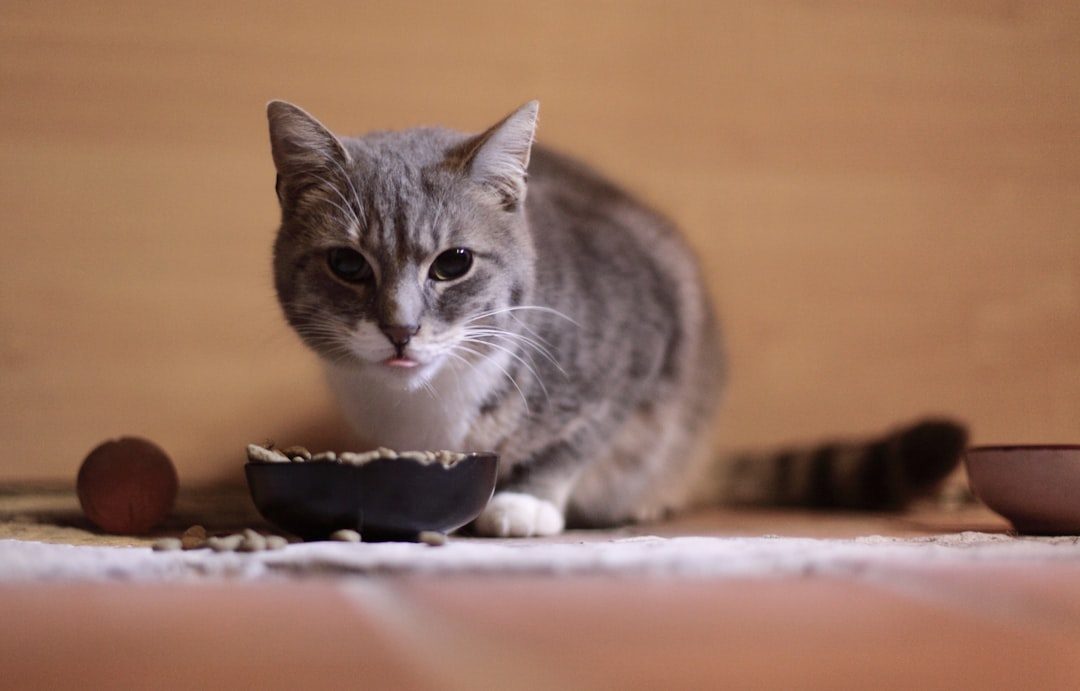
What you feed your cat can significantly impact their energy levels, as high-protein diets, often recommended for cats, can sometimes lead to increased activity. Nutrition isn’t just about preventing obesity; it directly affects how much pep your cat has. Empty calories from carbs can only contribute to lethargy and cause weight gain, as animal protein is the primary energy source for cats because they are hard-wired carnivores.
The quality and composition of food matter tremendously. Cats are obligate carnivores, meaning their bodies are designed to run on protein and fat rather than carbohydrates. When their diet mimics what they’d eat in nature, their energy levels often reflect that optimal fuel source. Poor nutrition can leave even naturally active breeds feeling sluggish and unmotivated.
They’re Wired for Exploration
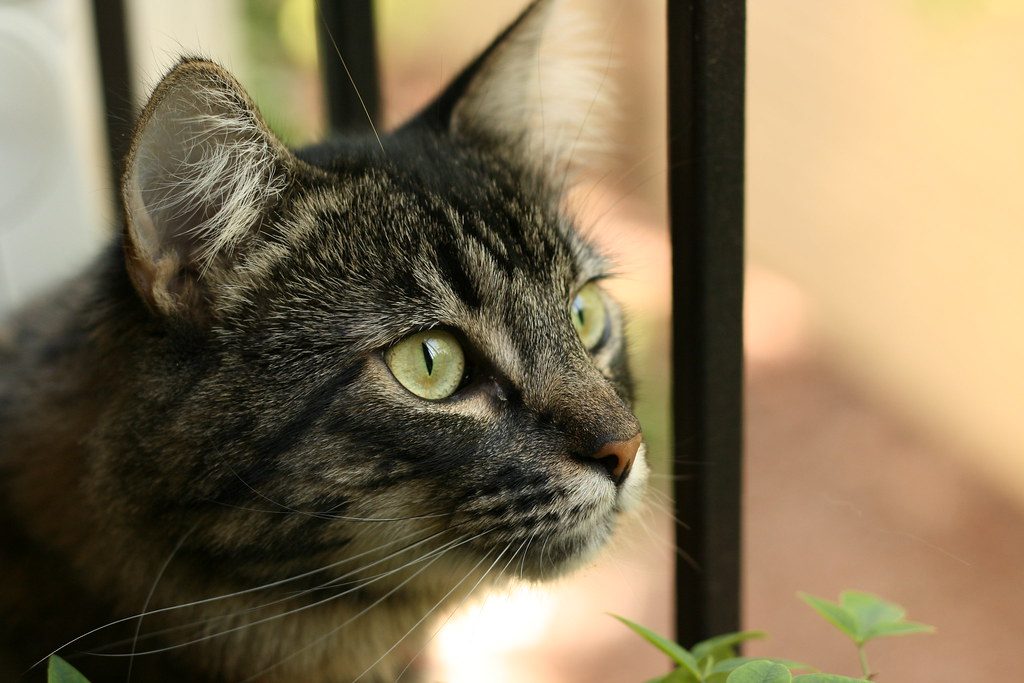
Cats’ personalities are influenced by their interactions and experiences with people throughout the centuries, but genetics also plays a significant role. Some cats simply possess an inherent drive to investigate every corner, every sound, every movement. Abyssinians are busy, active, and affectionate cats that love high places and interactive toys, while Bengals are curious, energetic, and athletic, requiring plenty of mental and physical stimulation.
Abyssinian cats are impressive athletes of sharp minds and charming personalities, and this cat is also often referred to as the clown of the cat world because of its playful and mischievous personality. These cats approach life with an investigative spirit that keeps them constantly engaged. Their brains seem hardwired to ask what’s behind that door, what’s on top of that shelf, what happens if I knock this over.
They Have Companionship That Sparks Play
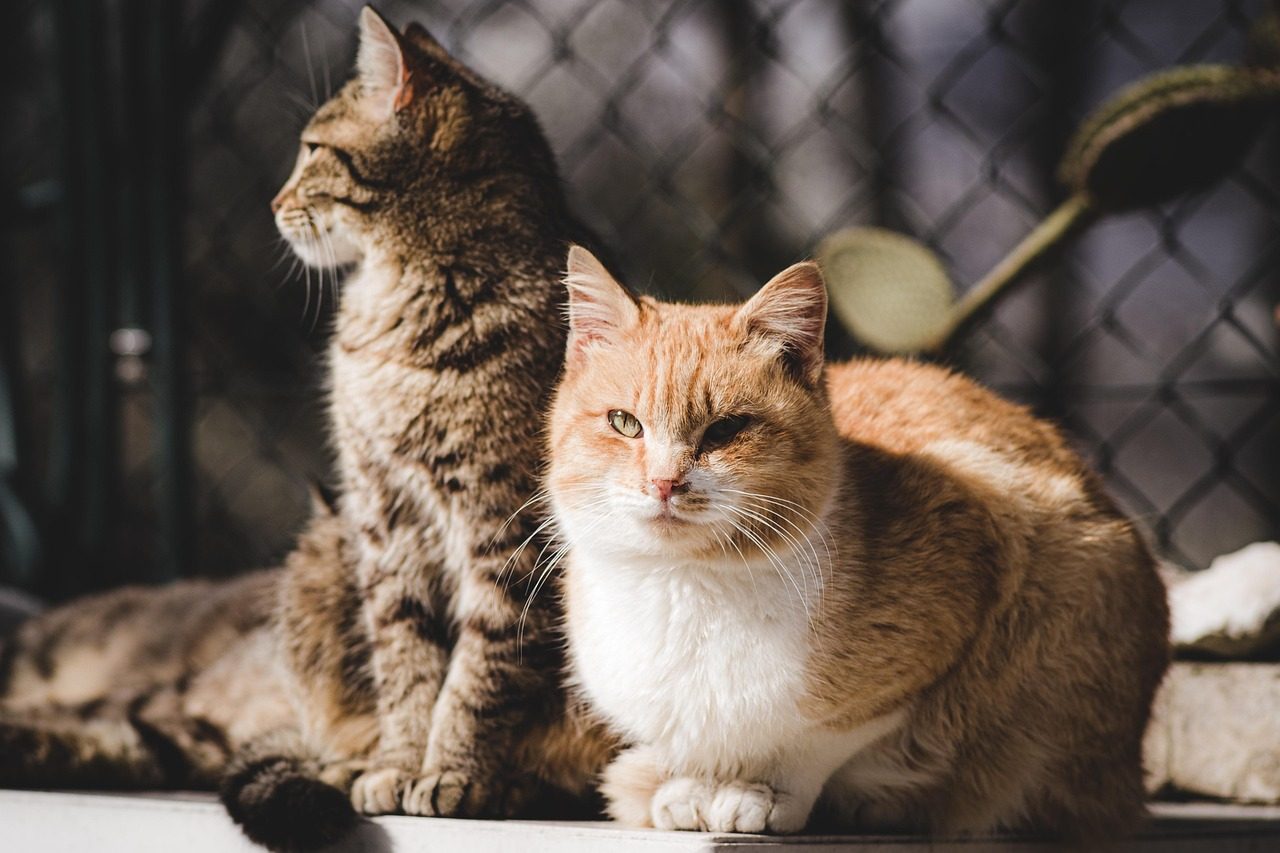
In multi-cat households, the dynamic can be even more complex, as cats may engage in play or display territorial behaviors that can result in nighttime activity. Sometimes the difference between a lazy cat and an active one is simply having a playmate. Felines are often thought of as solitary creatures, yet many thrive with appropriate companionship. Wrestling matches, chase games, and mutual grooming sessions provide both mental and physical stimulation.
High-energy breeds like Munchkins have a lot of energy to burn and benefit from having another lively companion, and they get along famously with kids and other animals, nudging them to play and run around all day. The energy level of one cat can influence another, creating a household culture of activity. Of course, personality matching matters; not every cat wants a rowdy roommate.
They Experience Life as an Adventure
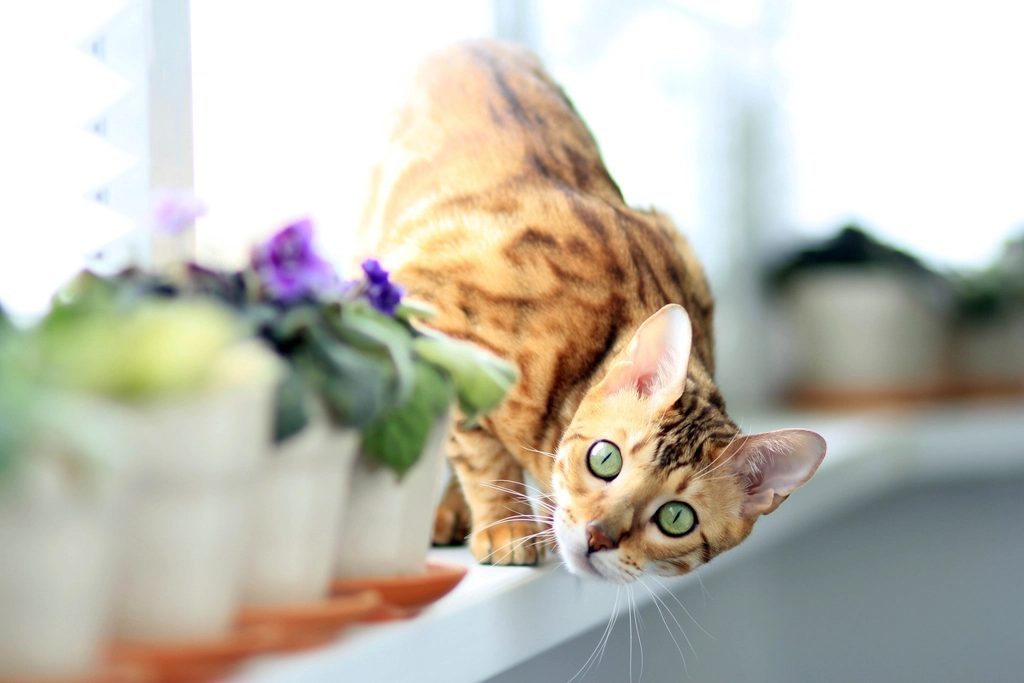
While cats are often known for their independent and sometimes lazy nature, they can be incredibly playful and full of energy, with certain breeds well-known for their boundless enthusiasm, curious minds, and playful personalities. The most active cats seem to view their environment as a playground filled with possibilities rather than a place to simply exist. The Turkish Van’s sleek, muscular build supports their active lifestyle, allowing them to jump and climb quickly, and the breed’s constant quest for exploration and play makes them ideal pets for those who appreciate an energetic and interactive companion.
Bengal cats, although very friendly, are exceptionally energetic and curious, agile, intelligent, and constantly on the move, so with a Bengal you are in for an adventurous and exciting ride. These cats don’t see a cardboard box; they see a fortress. They don’t see a hallway; they see a racetrack. Their perspective transforms ordinary household items into engaging challenges and entertainment opportunities.
Conclusion
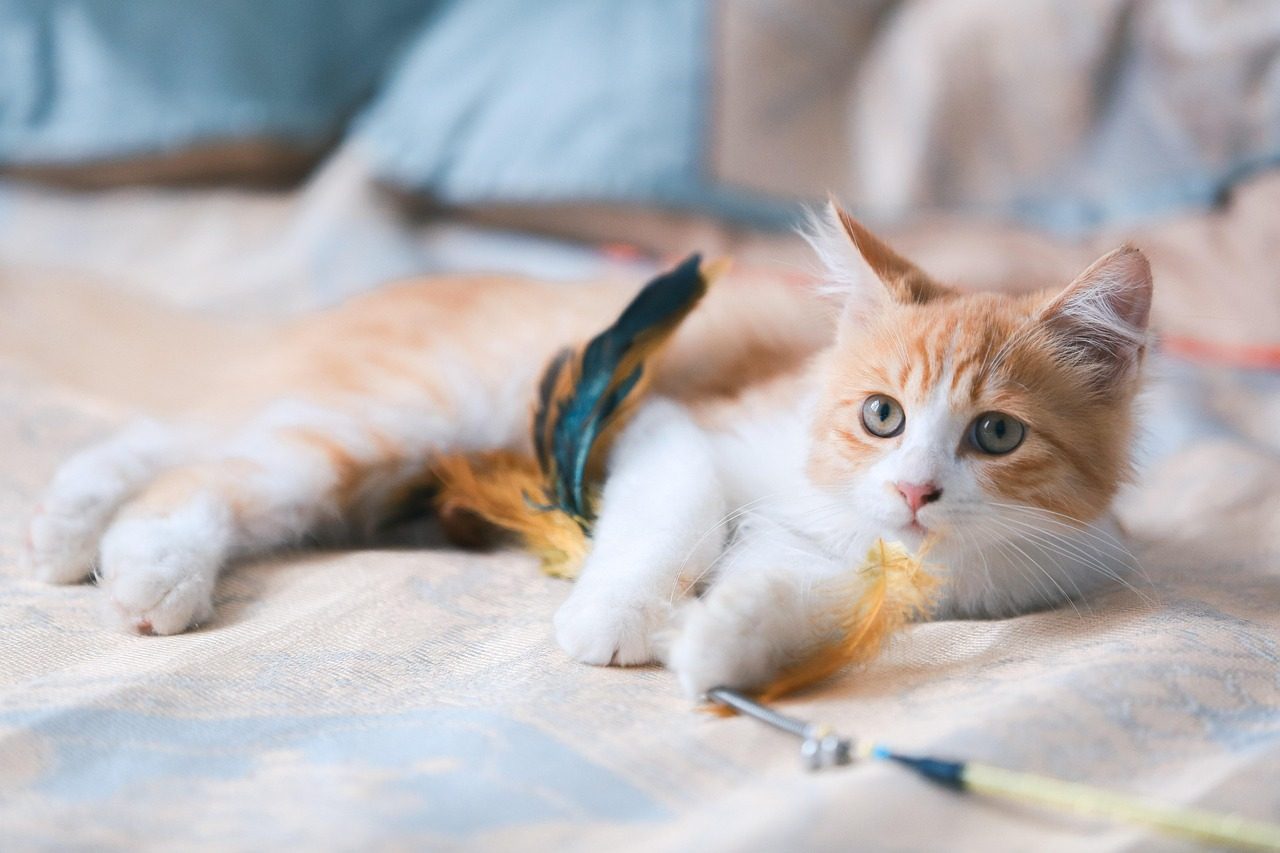
Understanding why some cats prefer lounging while others seek constant adventure helps you appreciate your feline companion for exactly who they are. Whether you’ve got a Persian who treats your lap like a sacred throne or a Bengal who treats your home like an obstacle course, both lifestyles are perfectly valid expressions of feline nature.
The key is recognizing what’s normal for your individual cat and spotting when changes might signal something worth investigating. Age, breed, health, environment, diet, and personality all blend together to create that unique creature sharing your space. Some cats were simply born to nap, while others were born to explore every possible vertical surface at maximum velocity.
What kind of cat shares your home? Are you living with a professional sleeper or a tiny acrobat who never seems to run out of steam?