Have you ever been jolted awake by the sound of your cat sprinting through the house at three in the morning? Maybe you’ve felt that familiar tap on your face just before dawn, or listened to your feline friend vocalizing loudly while you desperately try to sleep. You’re definitely not alone in this. While it might feel like your cat has deliberately chosen the most inconvenient hours to become a furry tornado of energy, there’s actually a fascinating science behind this behavior.
What if we told you that your cat isn’t being difficult or spiteful? The truth is, those midnight zoomies and early morning wake-up calls are deeply rooted in your cat’s biology and ancient ancestry. Understanding why your cat acts like a night owl can not only help you manage their behavior better, but it might also give you a newfound appreciation for these mysterious creatures. Let’s dive into the eight surprising reasons behind your cat’s nocturnal antics.
They’re Built for Twilight, Not Midnight
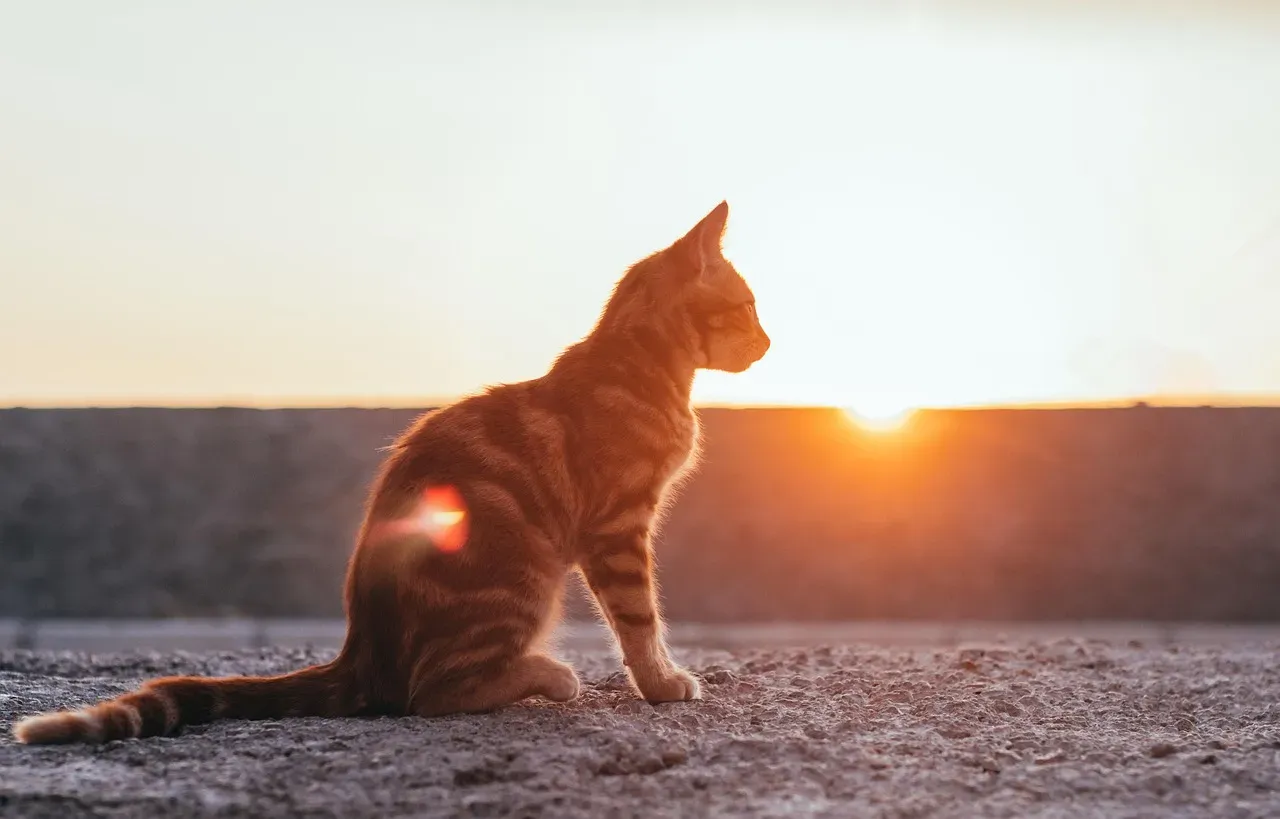
Here’s something that might surprise you. Your cat isn’t actually nocturnal at all. Cats are crepuscular, which means they’re most active at dawn and dusk. Think about it like this: while you’re winding down for bed or just waking up, your cat’s internal clock is telling them it’s go time. This is the most natural time for cats to be active since they normally are most active in hunting and exploration at dusk and dawn.
Dawn and dusk are optimal times for hunting when many small mammals are active, and crepuscular animals evolved to take advantage of cooler temperatures, low-light conditions and prey availability. Even though your pampered house cat doesn’t need to hunt for survival, those ancient instincts remain incredibly strong. So when your cat wakes you at five in the morning, they’re simply following a rhythm that’s been hardwired into their DNA for thousands of years.
Their Wild Ancestors Were Skilled Hunters
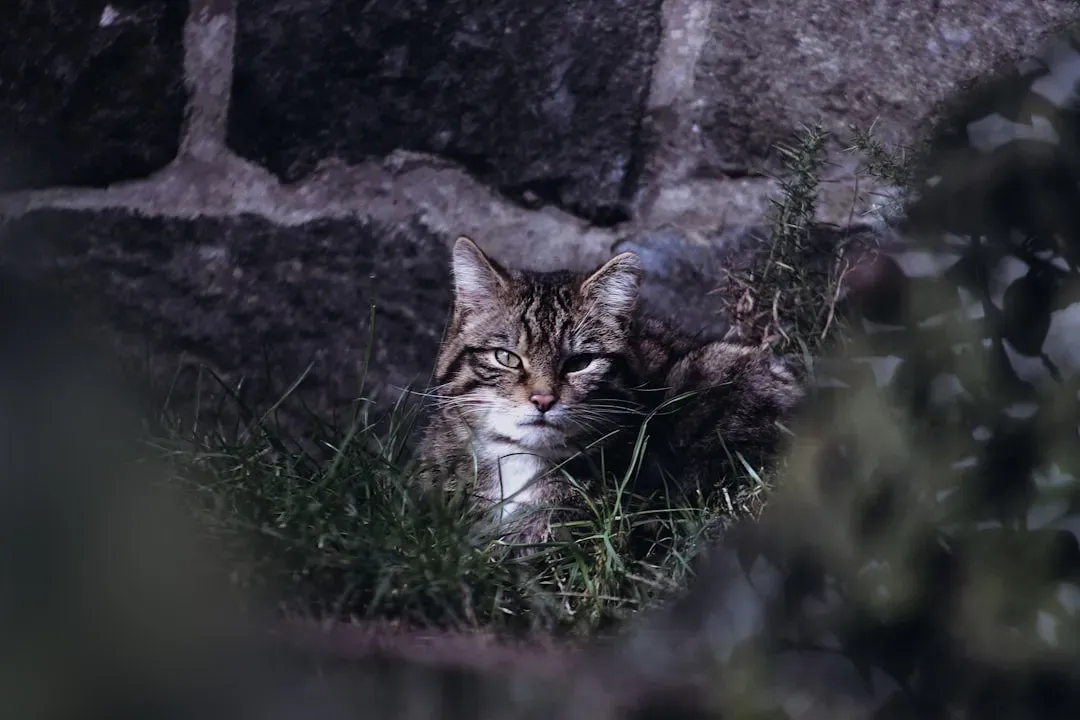
Hunting behavior is hard-wired into your cat’s DNA, with their wild ancestors developing hunting skills over millions of years of stalking and chasing prey. Your adorable fluffball curled up on your couch shares the same predatory instincts as lions and tigers. It’s kind of wild when you think about it.
Hunting comes as naturally to a cat as eating and sleeping, and the urge to hunt isn’t tied to hunger. In the wild, cats hunt all the time, even if they are not hungry, because they never know when their next meal will come. This explains why your well-fed cat might still chase toys or pounce on imaginary prey in the middle of the night. They’re not hungry. They’re just doing what comes naturally to them, and honestly, we should probably respect that.
Your Cat Spent the Day Napping While You Were Gone
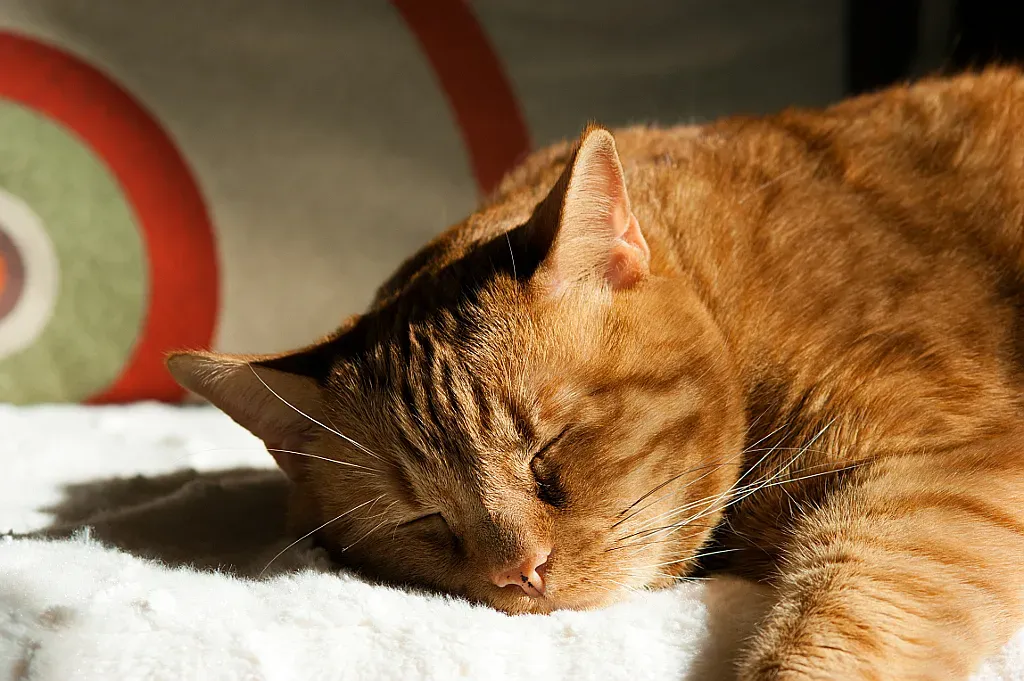
Let’s be real here. If you’re out at work or school during the day, your cat may spend the daytime hours in rest and relaxation, especially if it’s the only pet in the household. While you’re hustling through meetings or dealing with daily responsibilities, your cat is likely enjoying multiple cozy naps in various sunny spots around the house.
Your cat’s day then begins when you arrive home to provide feeding, play and social interaction. Think of it from their perspective: they’ve been storing up energy all day long, and now that you’re finally home, they’re ready for action. If you’re away from home during the day, they’ll probably spend a lot of their time napping and have more awake time during the night for playtime. It’s not revenge. It’s just poor timing from your perspective.
They Have Exceptional Night Vision
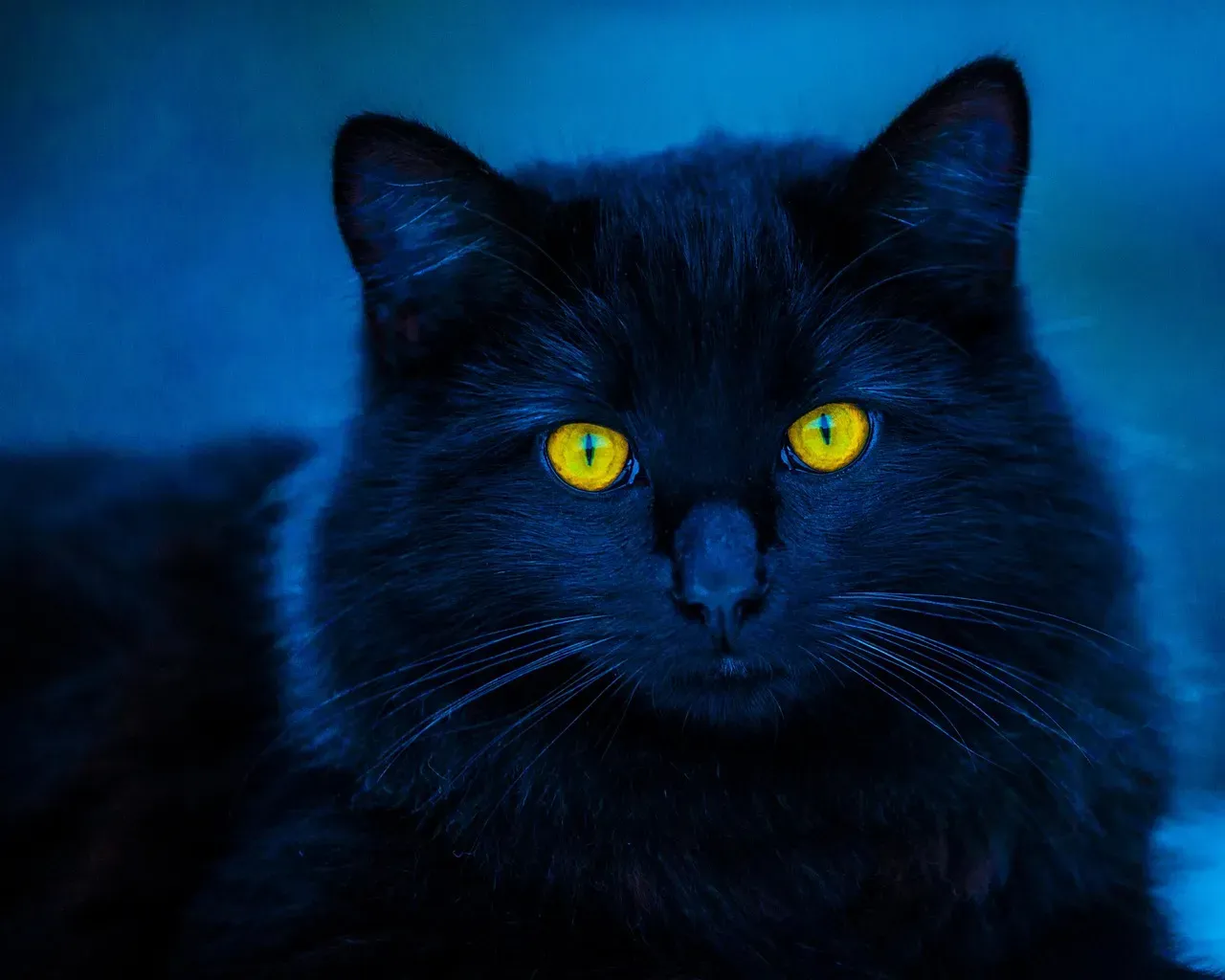
A cat’s eyes are adapted for nighttime activity, with a high number of rod cells in their retinas that are more sensitive to low light than cone cells, making cats excellent at navigating and hunting in dim conditions. Your cat can literally see things in the darkness that would be completely invisible to you. Imagine having that superpower and then being expected to just ignore it.
Cats possess a reflector system in each eye, known as a tapetum lucidum, which allows them to see to a slightly better extent in dim or low lighting. This is why their eyes seem to glow when light hits them at night. With these incredible adaptations, nighttime or twilight hours are when your cat feels most capable and confident. They’re not trying to keep you awake; they’re just operating at peak performance during hours when their vision gives them a serious advantage.
You Might Be Accidentally Rewarding the Behavior
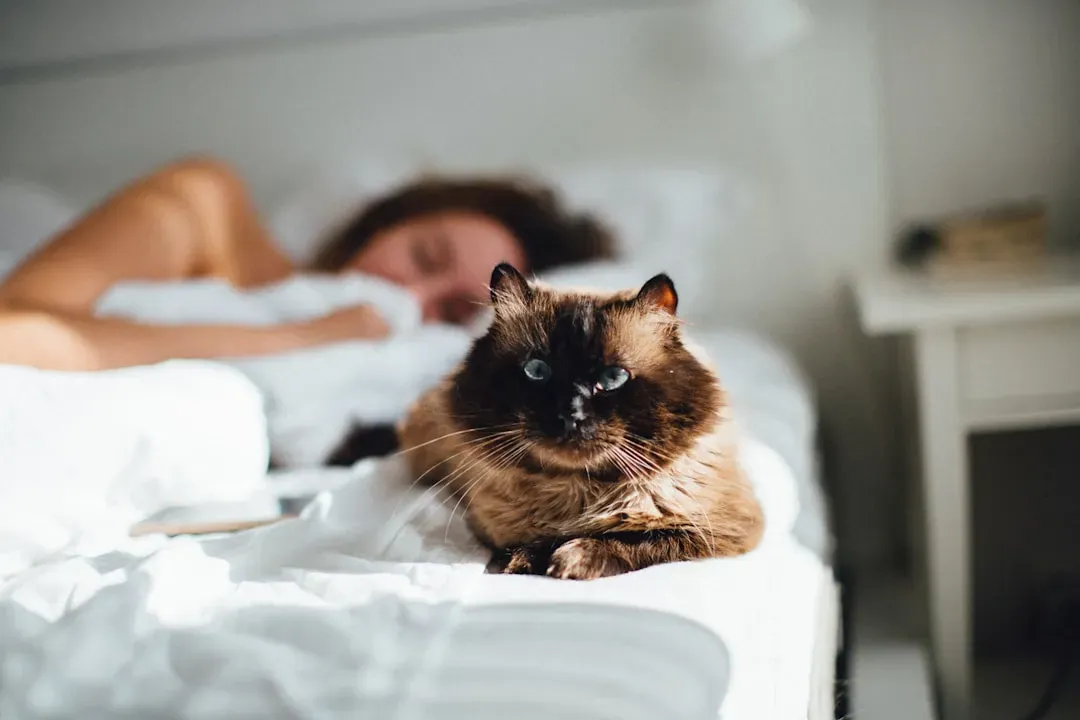
This one’s tough to hear, but it’s important. Some owners inadvertently reward nighttime behavior by giving the cat food, affection, or attention to try and calm them, and all of these responses teach the cat that disturbing you gets attention. Even scolding your cat counts as attention in their mind.
The cat has been richly rewarded for the behavior, and rewarded behaviors become fixed behaviors. I know it’s hard to ignore those persistent meows or that paw tapping your face at dawn. However, every time you cave and feed them or interact with them during these hours, you’re essentially teaching them that waking you up works. You have to totally ignore the behavior and never give in, because if you give in even once, you reset your cat’s expectations and they will work even longer to get that reward.
They’re Seeking Social Interaction and Play
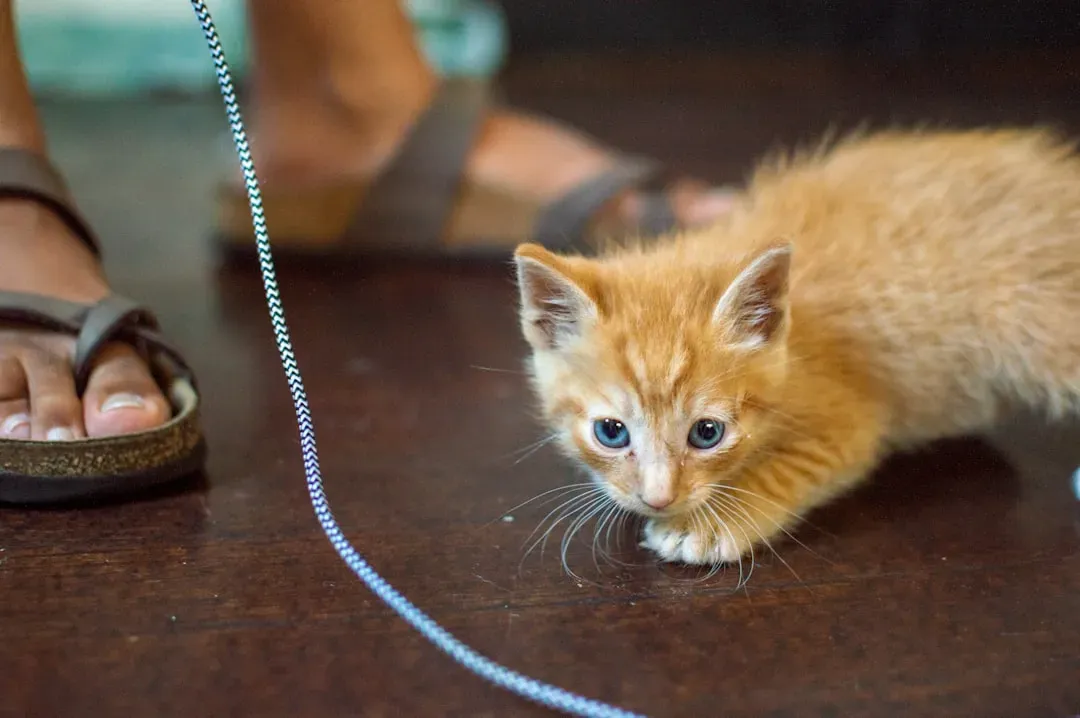
Nighttime activity may be a form of social play and attention seeking behavior, especially if the cat isn’t getting sufficient amounts of social interaction and social play during the daytime. Young cats and kittens, in particular, are bursting with energy and desire to engage. Single kittens and feline adolescents are the worst offenders when it comes to excessive nocturnal activity, as youngsters are bursting with energy and an abundant desire to engage in play.
Some cats may be more active at night because they’re not getting enough exercise and mental stimulation during the day, and their extra energy has to get out sometime. Think of it like a toddler who skipped naptime. That energy doesn’t just disappear; it has to come out eventually. If your cat doesn’t have opportunities to burn off energy during the day, nighttime becomes their outlet, whether you like it or not.
Their Feeding Schedule Doesn’t Match Their Natural Rhythm

Cats in the wild eat as many as 15 small meals a day, but living with humans, cats might only eat every eight to 12 hours, and rather than feeding larger meals, aim for more frequent but smaller meals throughout the day. Your cat’s stomach is actually quite small, and they’re designed to eat multiple small portions rather than one or two big meals.
Cats are opportunistic eaters, and if their feeding schedule doesn’t align with their natural activity patterns, they may seek food at night. Cats often fall asleep after eating. So feeding your cat a meal right before your bedtime, after a good play session, can actually help them settle down for the night. It mimics the natural hunt-eat-sleep cycle that wild cats follow.
Age and Health Can Play a Role Too

Kittens and young cats are naturally more energetic and may have more pronounced crepuscular behaviors, while as cats age, they tend to slow down and may become more sedentary. If you’ve noticed a sudden change in your cat’s activity patterns, it might not just be a behavioral quirk.
Excessive nighttime activity might stem from health conditions such as hyperthyroidism, cognitive dysfunction syndrome in older cats, or pain or discomfort. Senior cats may be restless at night for different reasons, including changes in their sleep cycles, hearing loss, anxiety, or the onset of cognitive dysfunction leading to vocalizing and increased wakefulness. If your cat’s nighttime behavior has changed dramatically or seems excessive, it’s worth checking in with your veterinarian to rule out any underlying health issues.
Conclusion: Embracing Your Cat’s Natural Rhythms
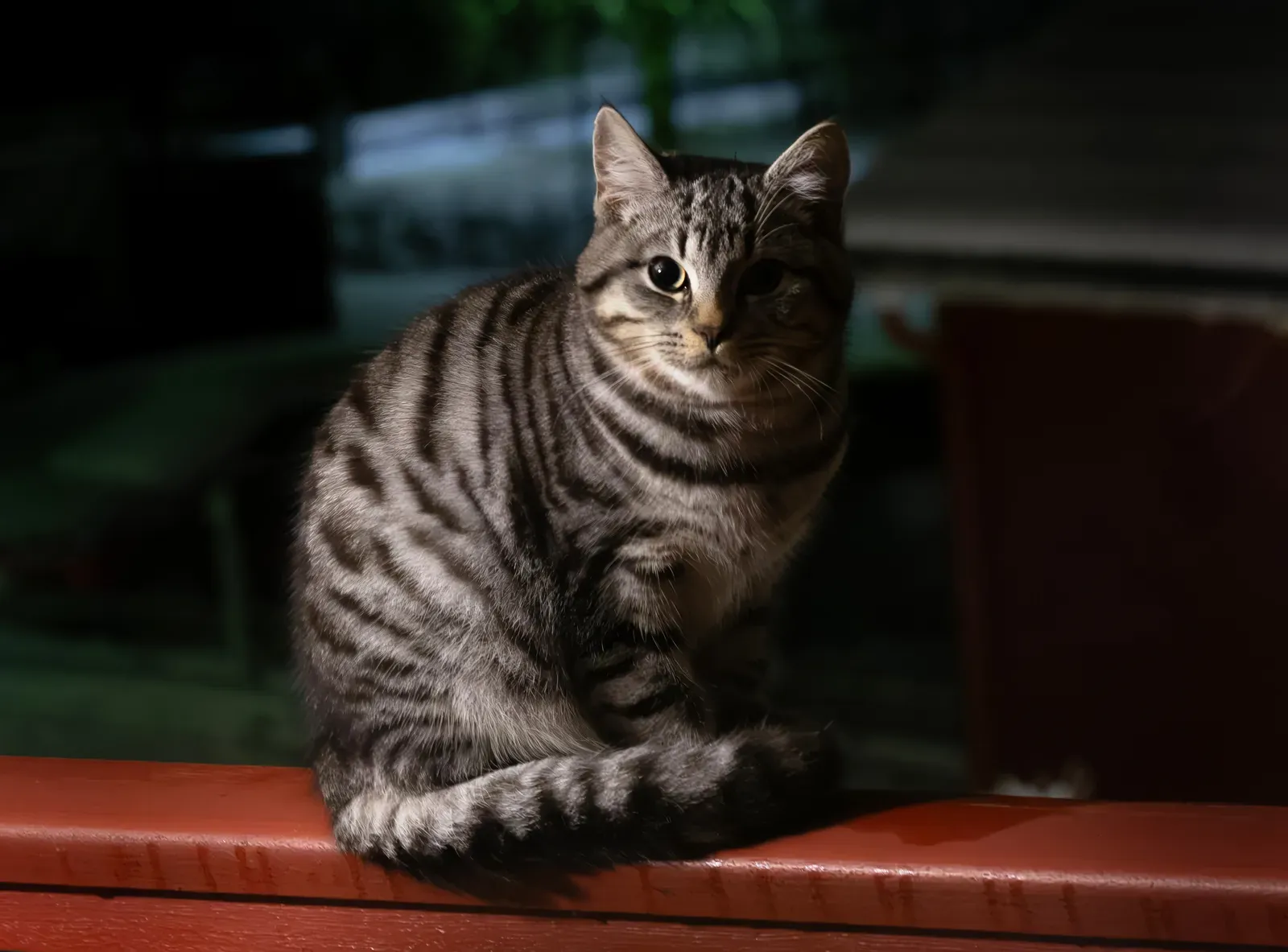
Understanding your cat’s nighttime behavior can transform frustration into appreciation. Your cat isn’t being difficult or plotting against your sleep schedule. They’re simply following instincts that have kept their species thriving for millennia. Night activity is natural for your cat, so avoid punishing them for this normal behavior as it may create more stress.
While you might not be able to completely eliminate those midnight zoomies, you can work with your cat’s natural rhythms rather than against them. Provide plenty of playtime during the evening, adjust feeding schedules, and offer enrichment activities during the day. Most importantly, remember that your cat’s nocturnal tendencies are a sign of their incredible evolutionary heritage. So what do you think? Has your perspective on your cat’s night owl behavior changed?