Your cat’s incessant scratching may have nothing to do with allergies or grooming habits. In fact, the culprit might be lurking much closer than you think. Hidden within the very air your yard exhales lies a startling truth: certain scents are silently summoning swarms of fleas directly to your outdoor spaces, and your feline companions are paying the price.
Standing water, shady and humid hiding spots and available food attract fleas to your yard, creating an invisible welcome mat for these persistent parasites. While you’re busy planting flowers and maintaining your garden, specific odors are working against you, transforming your backyard into a flea magnet. Let’s dive into the surprising scents that are secretly sabotaging your yard’s defense against these blood-thirsty pests.
Carbon Dioxide from Breathing Animals and Decomposing Organic Matter
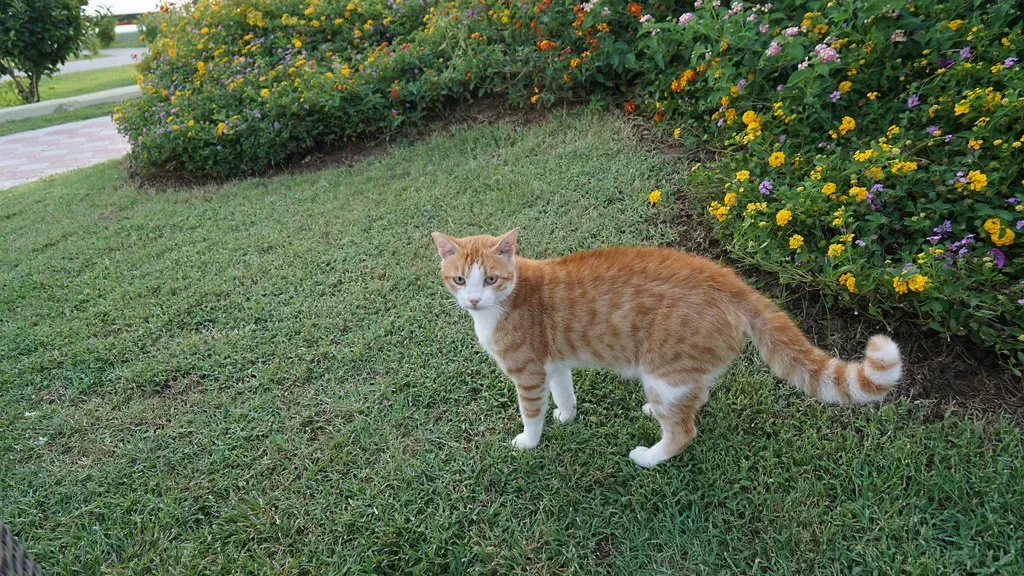
Here’s the thing: fleas have an incredible ability to detect carbon dioxide in the air. Scents such as decaying matter from food waste and perspiration can attract fleas, but carbon dioxide is the primary smell fleas are attracted to. Fleas have a strong sense of smell that can detect changes in carbon dioxide in the air, which often means there’s a host nearby. Every time you, your cat, or any warm-blooded creature exhales in your yard, you’re essentially sending out a dinner bell for fleas.
What makes this particularly troubling is that decomposing leaves, grass clippings, and compost piles also release carbon dioxide as they break down. Standing water, shady and humid hiding spots and available food are what attract fleas to your yard, and that organic debris creates the perfect storm. Your beautifully mulched garden beds and that compost pile you’ve been nurturing? They’re potentially broadcasting flea-attracting signals throughout your entire yard.
Sweet and Fruity Fragrances from Plants and Garden Products

Fleas are not attracted to sweet and fruity smells. Fleas primarily respond to carbon dioxide, body heat, and movement. Many floral and fruity scents, such as lavender, eucalyptus, and citrus, actually repel fleas.
Flowering plants with scents like lavender or eucalyptus can help repel fleas. Your cats love exploring gardens, and if those gardens smell like an all-you-can-eat buffet to fleas, you’re essentially creating a flea paradise where your pets spend their time. The irony is thick: you want your yard to smell pleasant, but those very fragrances could be endangering your feline friends.
The Smell of Sweat and Body Odor from Humans and Pets

Let’s be real: nobody wants to talk about body odor. Fleas are attracted to the smell of sweat and body odor for the same reasons they’re drawn to food-related scents. After your cat spends hours lounging on their favorite sunny spot in the yard, the scent of their natural oils and perspiration lingers on grass, dirt, and outdoor furniture.
Some scents, such as decaying matter from food waste and perspiration, can attract fleas, creating what essentially becomes a scent trail leading directly to your pets. Even you unknowingly contribute to this problem. That afternoon you spent gardening or the evening your kids played in the backyard? All those activities leave behind traces of human scent that fleas find absolutely irresistible. It’s a biological reality that makes outdoor spaces inherently risky for cats.
Warm, Humid Air Trapped in Shaded Yard Areas
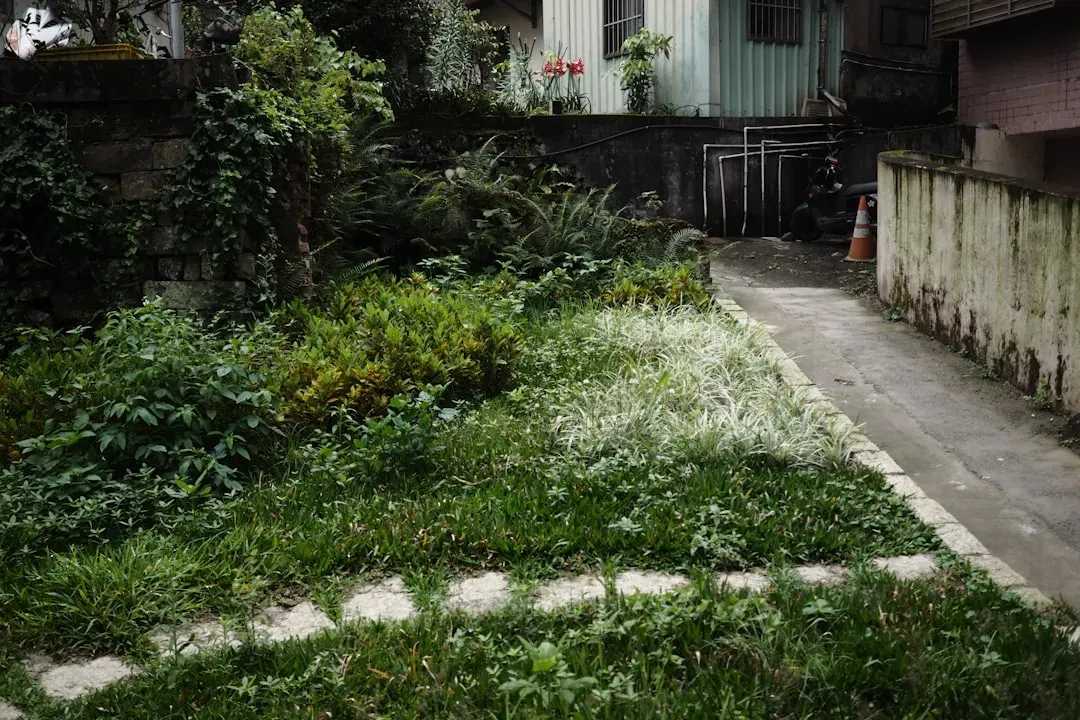
Humid environments provide fleas with the ideal conditions for them to survive, breed, and lay eggs. They need a certain level of humidity to live, and warmer temperatures can enhance flea activity and growth. This isn’t technically a “scent,” but the combination of warmth and moisture creates a microclimate ideal for flea survival.
Your yard’s shaded areas underneath decks, porches, and dense bushes trap humid air that practically screams “safe haven” to fleas. Fleas love places that are shaded, humid, and warm. These spots don’t just harbor fleas; they actively attract them from surrounding areas. Cats naturally gravitate toward these cool, shaded spots during hot days, unknowingly placing themselves in flea hotspots where infestations are most concentrated.
Decaying Food Waste and Garbage Odors
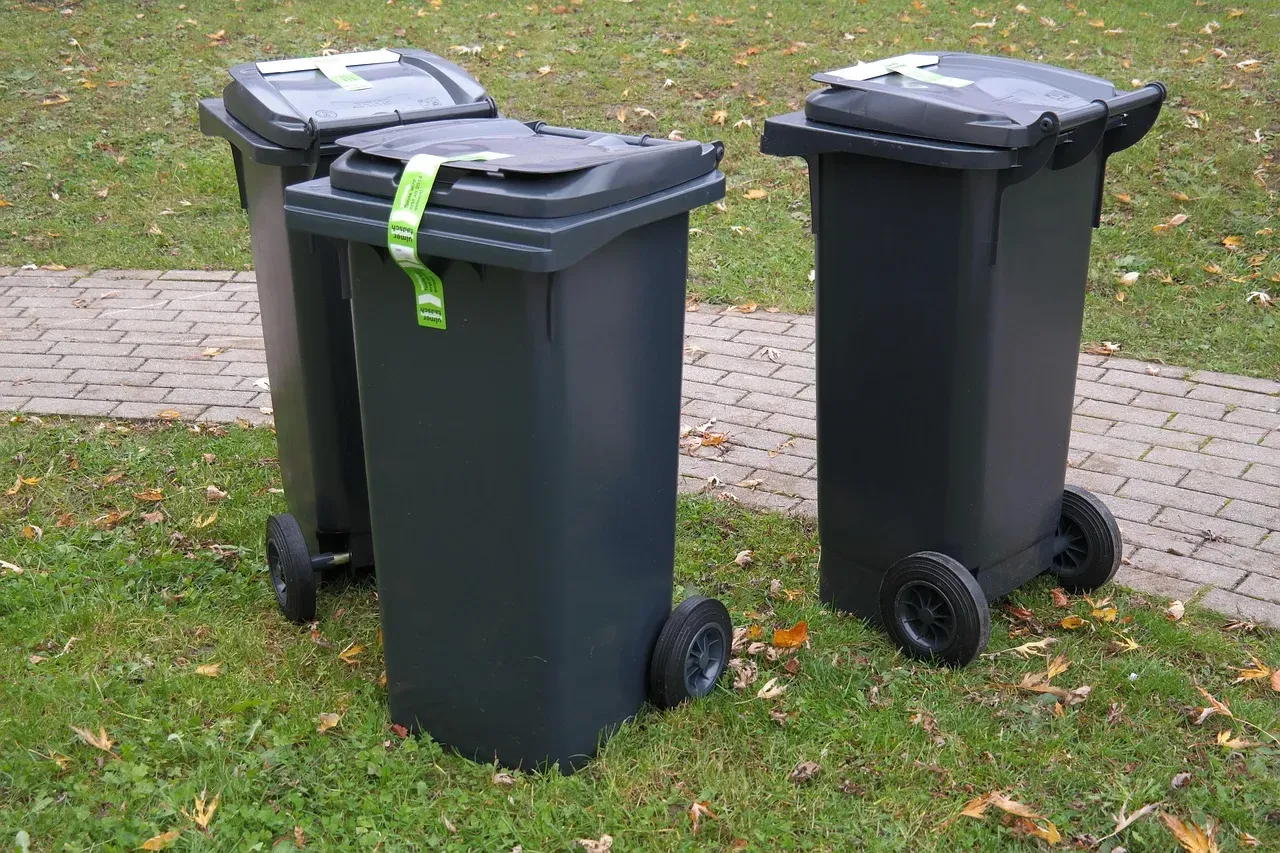
Garbage cans attract wild animals that often carry fleas. Fleas are also attracted to heat and a steaming pile of garbage is appealing to them. If you keep outdoor trash bins near your yard or have food waste in compost, you’re inadvertently creating a flea attraction zone.
The problem compounds when wild animals are drawn to these food sources. Raccoons, opossums, and stray cats rummaging through garbage often carry fleas, and they leave behind flea eggs and larvae that eventually mature in your yard. Raccoons, opossums, skunks, deer, coyotes, stray cats, and rodents often carry fleas, which can lead to a yard infestation. Your well-meaning bird feeders and outdoor pet food bowls become flea distribution centers, and your cat becomes collateral damage.
Scent Trails from Wildlife and Stray Animals
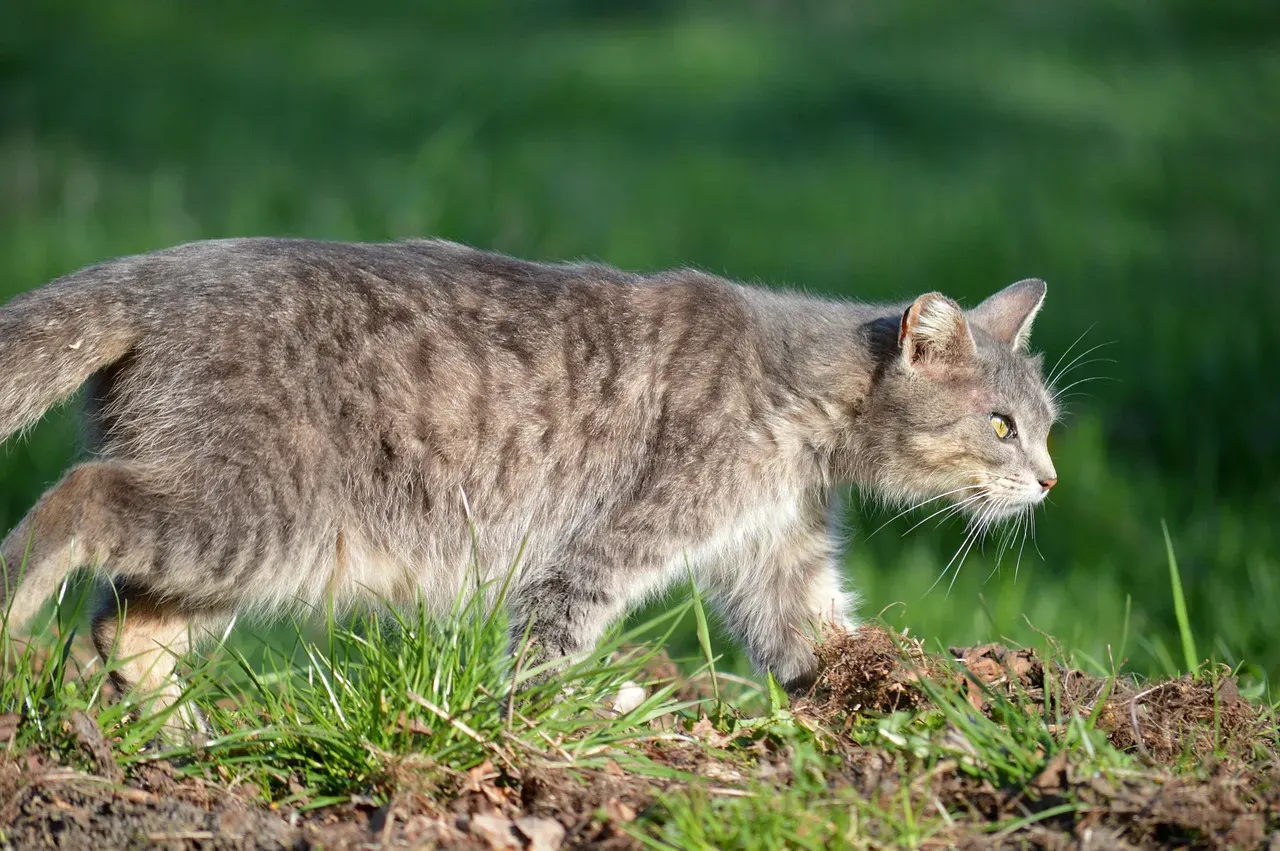
Wild animals are basically mobile flea delivery systems. Fleas don’t walk in your yard on their own, their eggs are brought in by wildlife and stray cats and dogs. Every time a deer, rabbit, or feral cat crosses your property, they’re potentially dropping flea eggs that will hatch and wait for your cat to pass by.
These animals leave behind scent markers that other animals, including your cat, find intriguing. Unfortunately, fleas also follow these scent trails, recognizing them as indicators of potential hosts. Stray and feral cats are also denizens of the outdoors. These frisky felines tend to roam around neighborhoods and can share fleas with your outdoor cat. It’s a vicious cycle where wildlife attracts more wildlife, which in turn attracts more fleas, all while your curious cat explores these very same pathways.
Pet Bedding and Resting Area Odors Left Outdoors
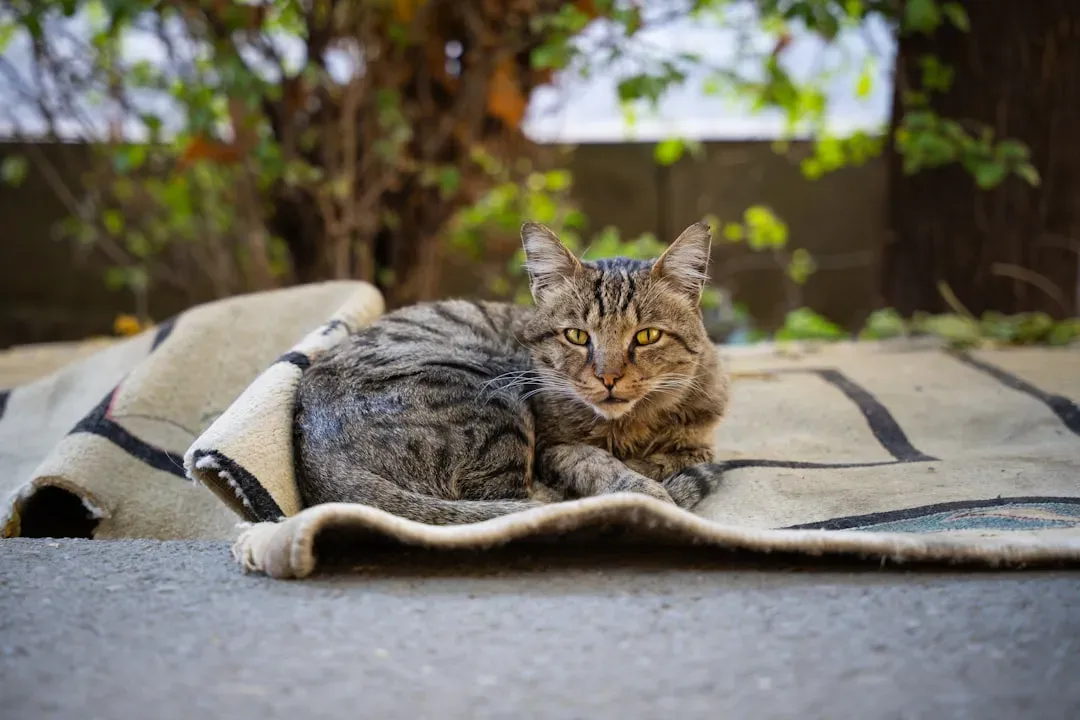
That cozy outdoor cat bed or the cushion on your patio furniture holds more than just memories of lazy afternoon naps. The highest numbers of flea eggs, larvae, and pupae are found in areas of the house where pets spend the most time, such as their beds and furniture. The same principle applies outdoors.
Your cat’s favorite lounging spots accumulate oils, dander, and scent over time, creating concentrated odor zones that fleas can detect from impressive distances. These droppings are highly available in animal nests and places in the yard where hosts, including your furry friends, spend a lot of time. Essentially, your cat is marking territory with their scent, but they’re also unintentionally advertising their location to every flea in the neighborhood. These areas become breeding grounds where flea populations explode, putting your cat at constant risk every time they settle into their favorite spot.
Overwatered Lawn and Standing Water Smells
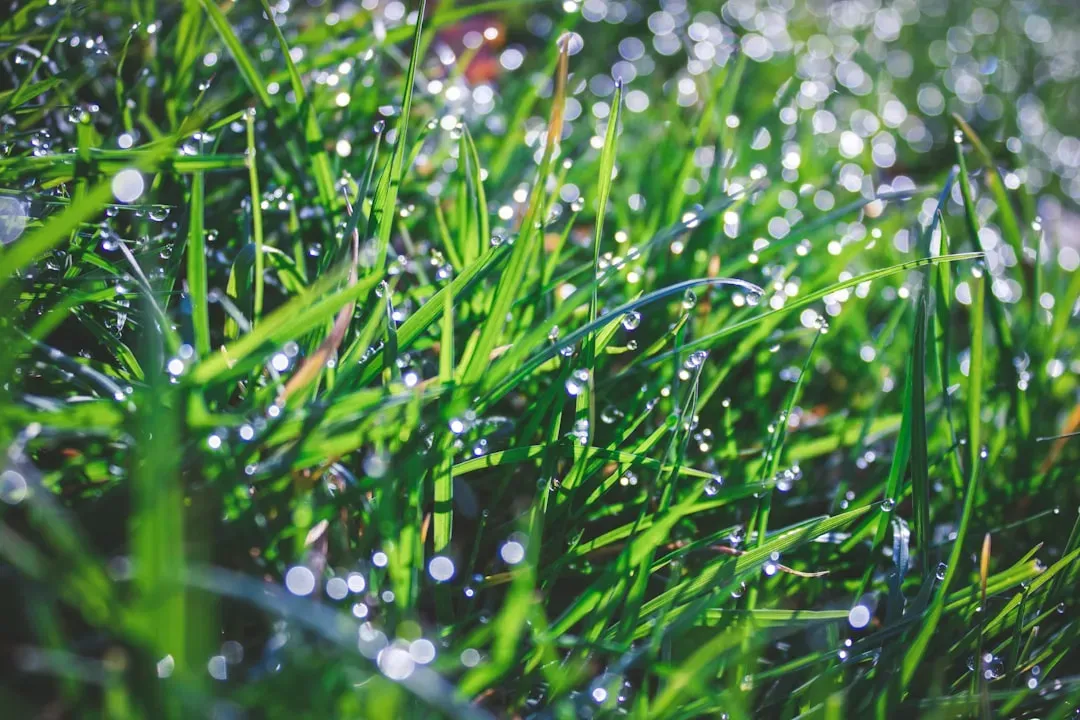
Fleas thrive in humid environments so keeping the yard dry makes it less inviting. That fresh, earthy smell after you water your lawn might be pleasant to you, but it signals ideal breeding conditions to fleas. Humid conditions present conditions where fleas may thrive. Overwatering the yard will attract fleas.
Standing water from clogged gutters, low spots in your lawn, or decorative water features creates humidity that fleas absolutely love. Standing water creates drinking areas for wildlife that might carry fleas, attracting them to your yard. The moisture from these areas creates humid conditions ideal for fleas. Cats often investigate these areas out of curiosity or to drink, putting themselves directly in harm’s way. The combination of moisture, shade, and the earthy scent of damp soil creates what fleas consider prime real estate, and your cat becomes the unfortunate tenant.
Conclusion
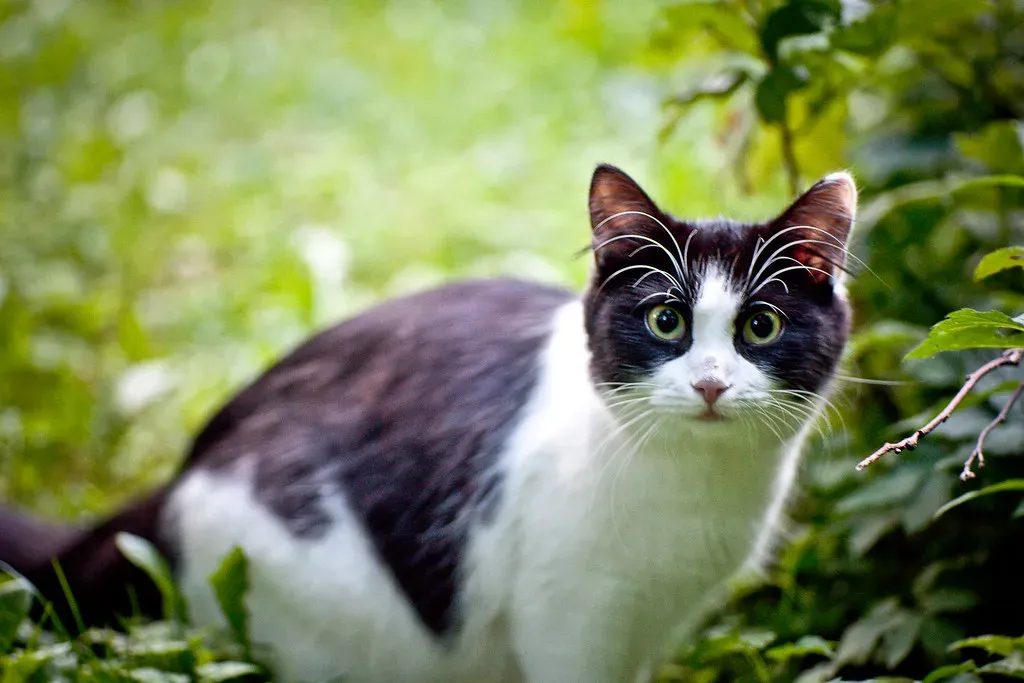
Your yard’s invisible scent landscape is constantly working either for or against your cat’s wellbeing. While you can’t eliminate every flea-attracting odor, awareness is your first line of defense. Focus on reducing organic debris, managing moisture, securing garbage, and discouraging wildlife visitors to minimize these scent-based flea attractants.
Regular yard maintenance combined with veterinary-approved flea prevention for your cats creates a protective barrier against these persistent parasites. Remember that fleas don’t discriminate between indoor and outdoor cats; even brief outdoor excursions can result in infestations. Your vigilance in managing yard odors directly translates to fewer scratching sessions and healthier, happier cats. What steps will you take today to make your yard less appealing to fleas?