There is something almost hypnotic about the low, rhythmic rumble of a cat’s purr. You curl up on the couch, your cat nestles against you, and that familiar hum begins. Instantly, something in your body settles. Your shoulders drop. Your breathing slows. Most people chalk it all up to happiness, a cat that’s warm, fed, and comfortable.
Here’s the thing though. That interpretation, while partly true, only scratches the surface of one of nature’s most remarkable biological phenomena. Your cat’s purr is layered with secrets, from healing vibrations that rival medical technology, to psychological manipulation so precise it could give any marketing expert pause. So buckle up, because what you’re about to discover may completely change the way you listen to your cat. Let’s dive in.
The Mechanics Behind the Sound Are More Complex Than You Think
Before you can appreciate what a purr means, you need to understand how it is physically produced. Scientists have demonstrated that cats produce the purr through intermittent signaling of the laryngeal and diaphragmatic muscles, purring during both inhalation and exhalation with a consistent pattern and frequency between 25 and 150 Hertz. That is not a passive sound, like wind through a window crack. It is a precisely controlled biological event happening continuously in both directions of breath.
Domestic cats possess “pads” embedded within their vocal cords, which add an extra layer of fatty tissue that allows them to vibrate at low frequencies. This is actually quite extraordinary when you think about it. Domestic cats are small, with most weighing about 4.5 kilograms, and researchers had puzzled over how these animals manage to generate the low-frequency vocalizations typically between 20 and 30 Hertz involved in purring, since such frequencies are usually only observed in much larger animals, such as elephants, which have far longer vocal cords. Nature, it turns out, found a clever shortcut.
Your Cat Purrs as a Self-Healing Mechanism
This is arguably the most jaw-dropping secret buried in your cat’s purr. The frequency range is not random. Every felid in one major study generated strong frequencies between 25 and 150 Hz, and purr frequencies correspond to vibrational and electrical frequencies used in treatment for bone growth and fractures, pain, edema, muscle growth and strain, joint flexibility, dyspnea, and wounds. Think about that for a moment. Your cat is essentially running a built-in physiotherapy session every time it purrs.
Because cats have adapted to conserve energy via long periods of rest and sleep, it is possible that purring is a low energy mechanism that stimulates muscles and bones without a lot of energy. This may also explain a popular veterinary observation. Broken felid bones take significantly less time to heal than broken dog bones, and low frequency vibrations in the range of cat purrs are used to heal complex fractures in humans. Honestly, nature designed something remarkable here, and we are still catching up to fully understanding it.
It Is a Sophisticated Form of Communication, Not Just a Feeling
Many pet parents might assume a cat’s purring is a sign of happiness, but purrs can actually be produced when a cat is either in a positive or a negative emotional state. Let’s be real, this surprises a lot of people. Cats use this vocal vibration to communicate with people and other cats. While a purring cat sitting on your lap is often a sign of affection, they may also be conveying other messages, including purring to solicit food or attention from their owner. In multi-cat households, purring can serve to communicate with other cats, such as indicating a desire to play or signaling non-aggression.
The ability to communicate through purring strengthens the human-animal bond and makes cats particularly engaging pets. Additionally, mother cats purr to calm their kittens, which suggests that the sound has an instinctual soothing effect. Humans may experience a similar response, feeling a sense of calm and reassurance when hearing a cat’s purr. It is, in other words, a multi-channel broadcast system that cats have been quietly perfecting for thousands of years.
Your Cat Uses a Hidden Cry to Manipulate You Into Action
This one borders on genuinely unsettling. Researchers at the University of Sussex have discovered that cats use a “soliciting purr” to overpower their owners and garner attention and food. Unlike regular purring, this sound incorporates a “cry”, with a similar frequency to a human baby’s. The team said cats have “tapped into” a human bias, producing a sound that humans find very difficult to ignore. Your brain, evolutionarily wired to respond to infant cries, simply cannot tune it out.
When the acoustic structures of different purrs were analyzed, the solicitation purrs were found to have an unusual high-frequency peak that doesn’t fit with the rest of the call. At a frequency of around 380 Hz, this extra sound stood out from the typical low frequencies of a purr and is more like a cry or a meow. The frequency is actually very similar to that of a crying infant, so small wonder that it tugs on the human heartstrings. The manipulative purrs seem to be most frequently used by cats who have the most one-on-one contact with their owners, rather than those who live in large households where purring might get drowned out by the general din. So the closer you are to your cat, the more expertly it has learned to work you.
Purring Is a Powerful Stress and Anxiety Signal in Disguise
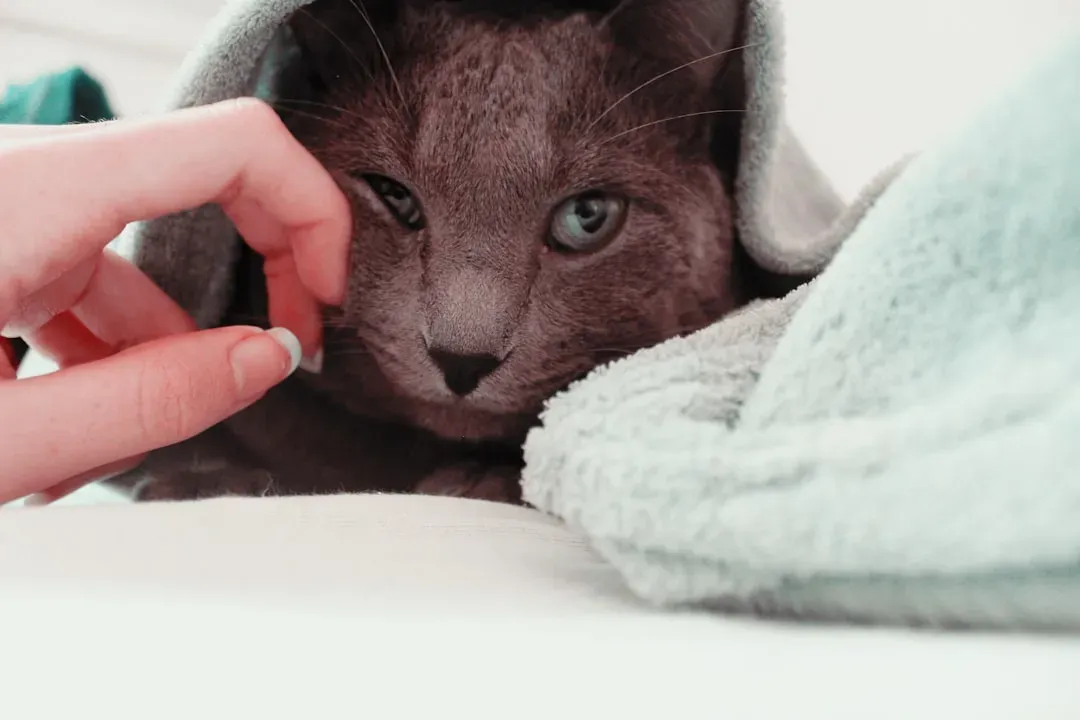
Some cats purr when they are anxious. They may walk around the house alternating between purring and meowing. This may be a coping mechanism to help reduce their anxiety. This is something many cat owners misread entirely. A purring cat is not always a relaxed cat. It can be the feline equivalent of someone nervously humming to themselves in a tense waiting room.
When purring happens along with tense muscles, crouched posture, or hiding, it may not signal contentment. A cat in pain or fear can still purr. In these cases, the purr is likely linked to self-soothing and internal regulation. The act of purring can be self-soothing for cats, much the way people feeling anxious hum or sing to themselves. This calming mechanism can help cats cope with stressful situations, such as new environments or the presence of unfamiliar animals. Reading the body language surrounding the purr matters just as much as the sound itself.
A Mother’s Purr Is a Lifeline for Newborn Kittens
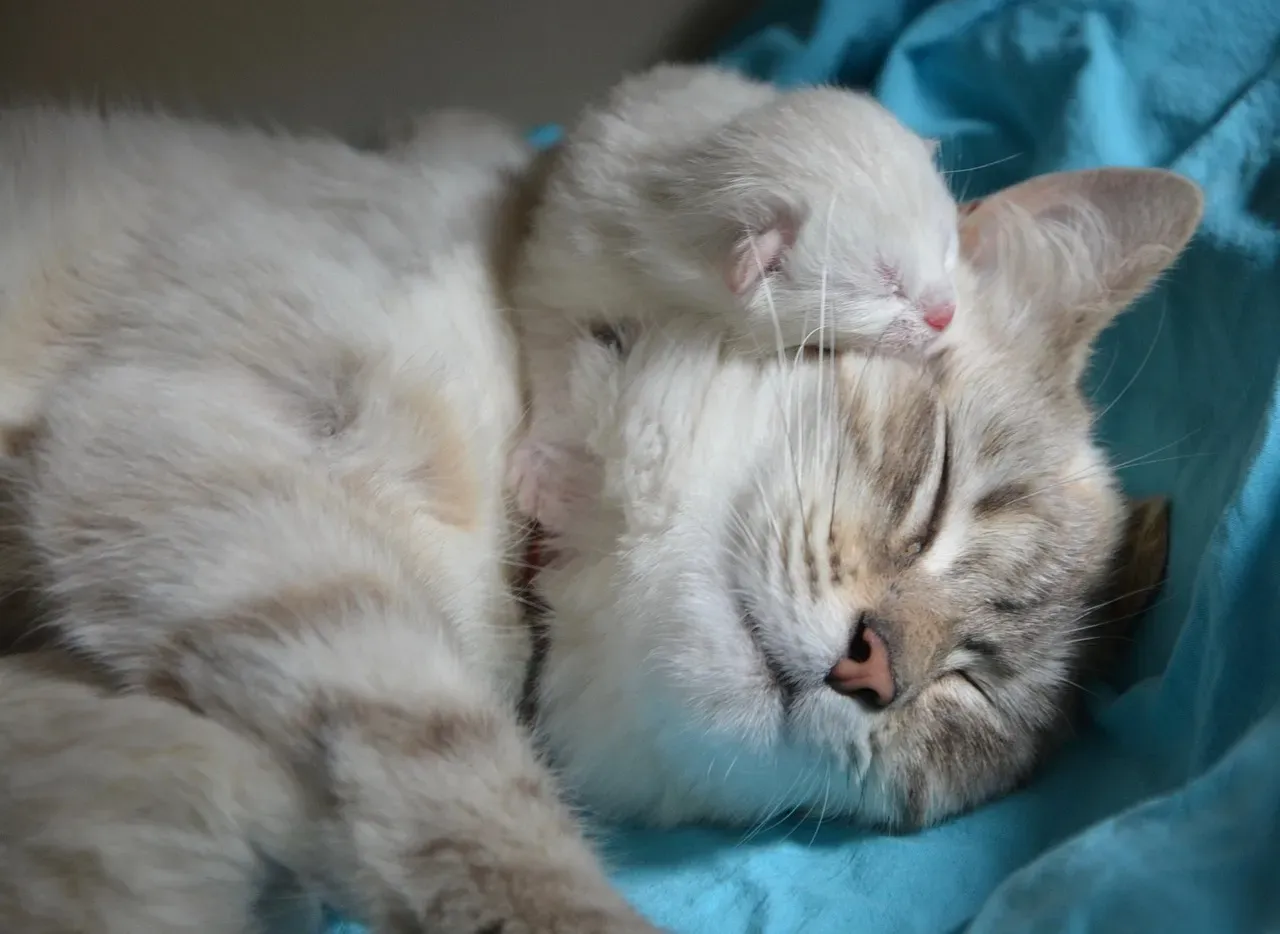
It’s hard not to find this deeply moving. Kittens can’t see or hear at birth, so they rely heavily on scent and vibration. Purring helps them signal to their mother that they are warm, safe, and nursing properly. The mother cat also purrs to comfort her young and create a sense of stability in the nest. This early form of communication strengthens the bond between kittens and their mother. It is essentially the first language of cats, spoken in pure vibration before eyes even open.
Kittens who cannot yet hear will follow the vibrations created by the purring of their mother, which means that purring can help strengthen the bond between kitten and mama cat. Kittens can purr as young as 2 days of age. They purr when they are nursing from their mother and only stop long enough to swallow. It’s a detail so tender it almost feels too simple, but that tiny two-day-old creature is already fluent in the language its species has used for millennia.
The Purr Has Measurable Benefits for Your Own Health
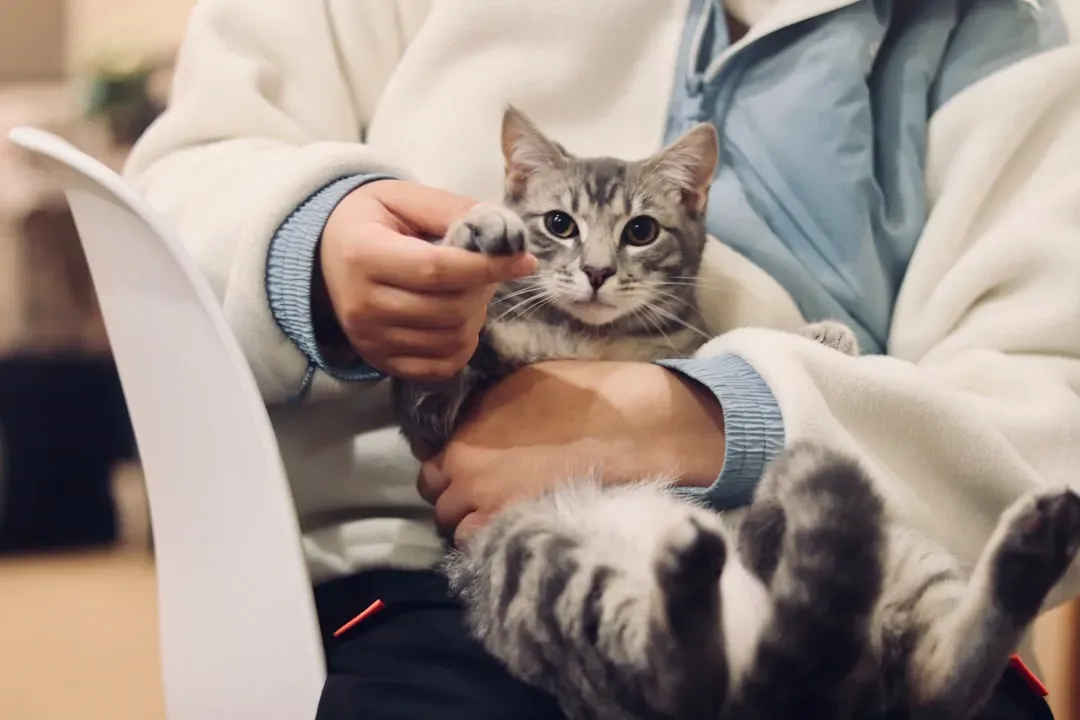
Here is where things get genuinely exciting for you as a cat owner. “The low-frequency vibrations of a cat’s purring are often used in sound therapy, a form of vibrational healing that applies specific frequencies to the body,” and these vibrations “can help reduce inflammation, improve circulation and stimulate the healing of damaged tissues.” They’ve also been shown to promote the regeneration of bone cells and increase bone density, making them valuable for treating bone fractures and joint issues.
Cat purring stimulates the production of endorphins, which are natural chemicals that promote feelings of happiness and well-being. When you interact with a purring cat, your body releases serotonin, a neurotransmitter associated with mood regulation. This physiological response can help lower cortisol levels, the primary hormone associated with stress. Studies have shown that cat owners are less likely to suffer from heart disease compared to those without cats. The soothing effects of purring help reduce blood pressure, which can lower the risk of heart attacks and strokes. Your cat, it turns out, is one of the most affordable health interventions available.
Cats Also Purr at the End of Their Lives
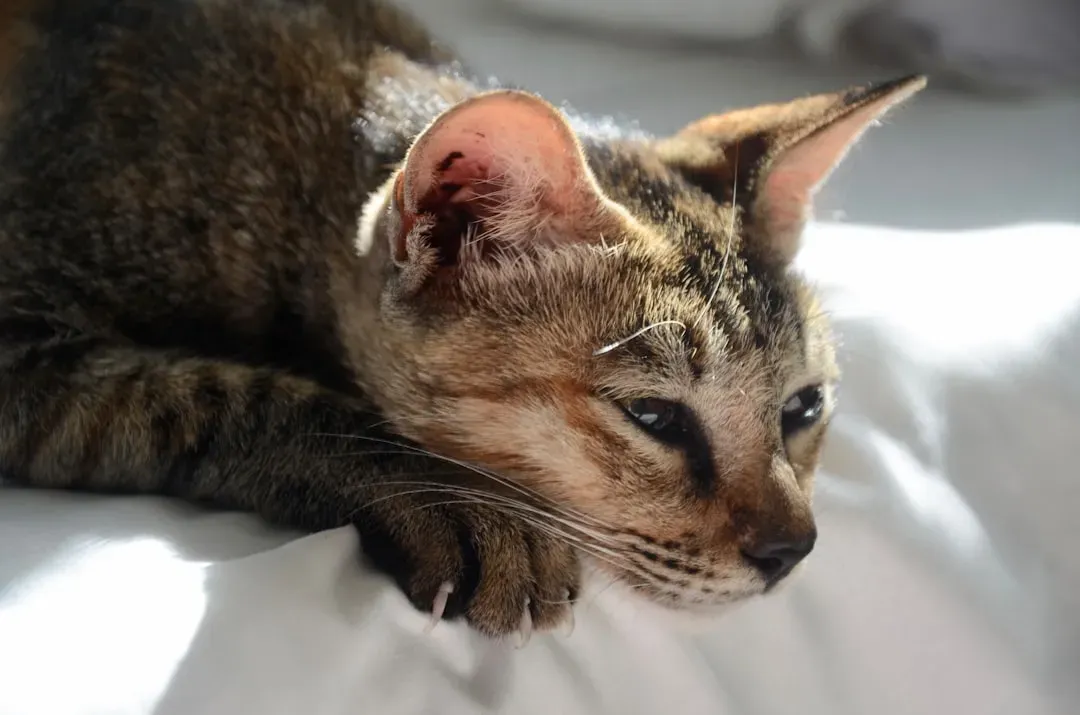
This is the secret that most people are least prepared for. Cats purr while giving birth, and at the end of their life when they are dying. It is one of the most profound uses of the purr, and one of the most quietly heartbreaking. Cats can purr when they are healthy and feeling good, but cats can also purr when they are sick or in pain. By purring, the cat may be asking for care. Some cats may even purr before they die; the purring sound may potentially be a comforting sound for them.
Each cat and circumstance is different, but it is normal for some cats to purr in their final minutes. It’s also not uncommon when cats are being put to sleep to hear them purring as the medicine takes effect. I think there is something deeply human in that, or perhaps something deeply feline that we have chosen to find familiar. The purr is not just a sign of joy. It is present at the very beginning and the very end of a cat’s life, a sound that accompanies the full arc of their existence with quiet, unwavering consistency.
Final Thoughts
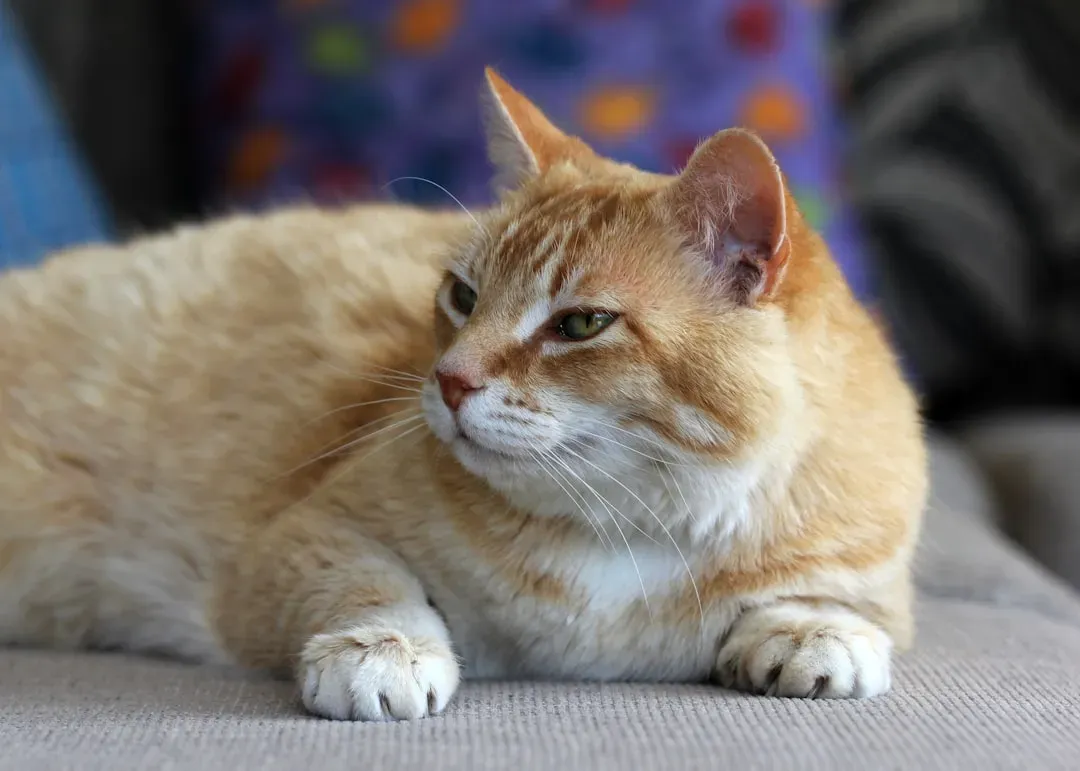
Your cat’s purr is not a simple on-off switch that lights up when they feel good. It is an ancient, complex, biologically engineered tool that serves healing, communication, emotional regulation, bonding, and even calculated manipulation across an entire lifetime. From the first vibrations of a two-day-old kitten against its mother, to the final moments of a beloved companion, that sound carries far more than we ever give it credit for.
Next time your cat settles next to you and begins that familiar low rumble, take a moment to appreciate the full weight of what you are hearing. You are not just listening to a happy animal. You are witnessing millions of years of evolutionary intelligence, compressed into a sound your nervous system responds to before your brain even has a chance to think about it.
Now that you know these eight secrets, does your cat’s purr sound a little different to you? We would love to know what you think – drop your thoughts in the comments below.