Cats are fascinating creatures. They can project total confidence one moment, then vanish under the bed the second you rearrange the furniture. If you’ve ever wondered why your cat suddenly seems on edge, jumpy, or withdrawn, the answer is almost always rooted in their environment. The good news? You have more power than you think when it comes to creating a space that makes your feline genuinely feel safe.
Cats as a species are both predators and prey, which means they can have a tendency to be hyper-aware of their surroundings and therefore can be really sensitive to everything that’s happening around them. That heightened sensitivity is not a flaw. It’s simply how they’re wired. Understanding that is the first step toward becoming the kind of pet owner your cat truly deserves. So let’s dive in.
Create a Dedicated Safe Space Just for Your Cat
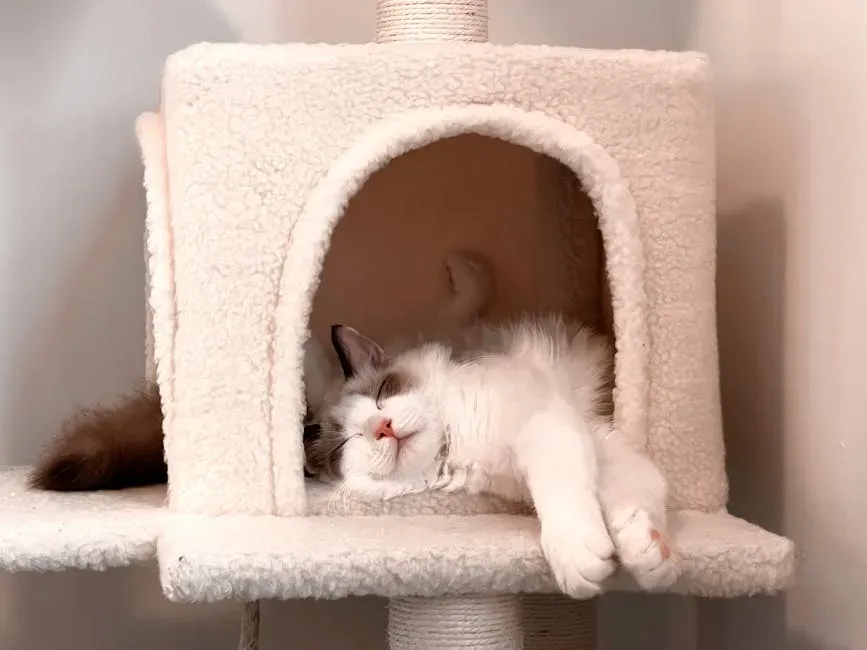
Here’s the thing most cat owners overlook. Your cat doesn’t just want comfort. They need a place that is unambiguously theirs. Think of it like having your own room after a chaotic day. A quiet area away from the noise and chaos of home, kitted out with a bed, blankets, and maybe a few toys, helps to reduce stress and anxiety in cats. It also gives your cat a sense of having their own territory, a feeling that makes them feel secure and settled away from loud noises.
A safe space can be a whole room, like a guest bedroom, or a designated nook, like a cozy corner with a tall cat tree and a hiding spot. The key is that your cat feels safe there, and that security often comes from choice, control, and predictability. Let your cat discover and claim the space on their own terms. Never push them into it or redirect them there as a form of discipline.
Stick to a Consistent Daily Routine

If cats could talk, honestly, they’d probably be the most routine-obsessed creatures you’ve ever met. Cats love a routine. They love things being familiar and predictable, for things to always happen in the same way at the same time. Feeding, grooming, and playtime can all be scheduled so that your cat always knows what is happening and what is coming next, which in turn helps them feel secure.
The most common reason for cat anxiety is a sudden change in their environment or routine. Events like adoption, the addition of a baby, a new cat or other pet, or a family moving to a new home can cause significant stress. Even small disruptions, like moving your work schedule around, can tip the balance. If you need to change something, do it slowly. For example, if you’re moving their food bowl, do it a little at a time to help them adjust.
Use Vertical Space to Give Your Cat a Vantage Point
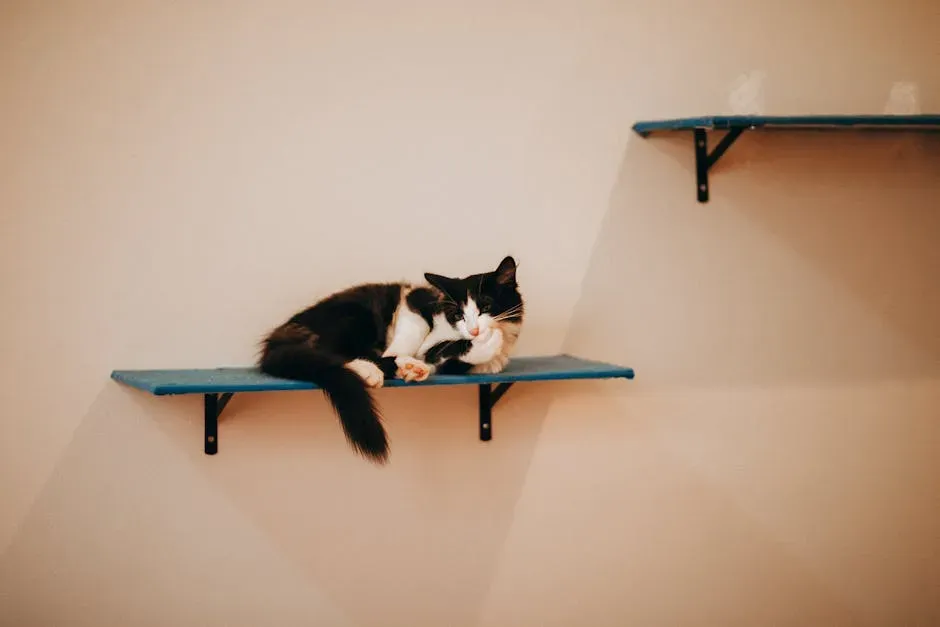
You’ve probably noticed your cat eyeing the top of the bookshelf with total seriousness. That’s not random. In nature, cats often take to the trees. This keeps them hidden from predators and allows a good vantage for surveying their territory and opportunistic hunting. Think of height as the feline equivalent of a watchtower. It gives them control, and control equals calm.
When observing from above, cats can feel more secure. You might want to set up vertical spaces like cat trees, shelves, or window perches. If you mount a shelf near a window, it might just become your feline’s favorite resting spot. The combination of height and an outside view? That’s basically a five-star suite in cat terms.
Harness the Power of Familiar Scents
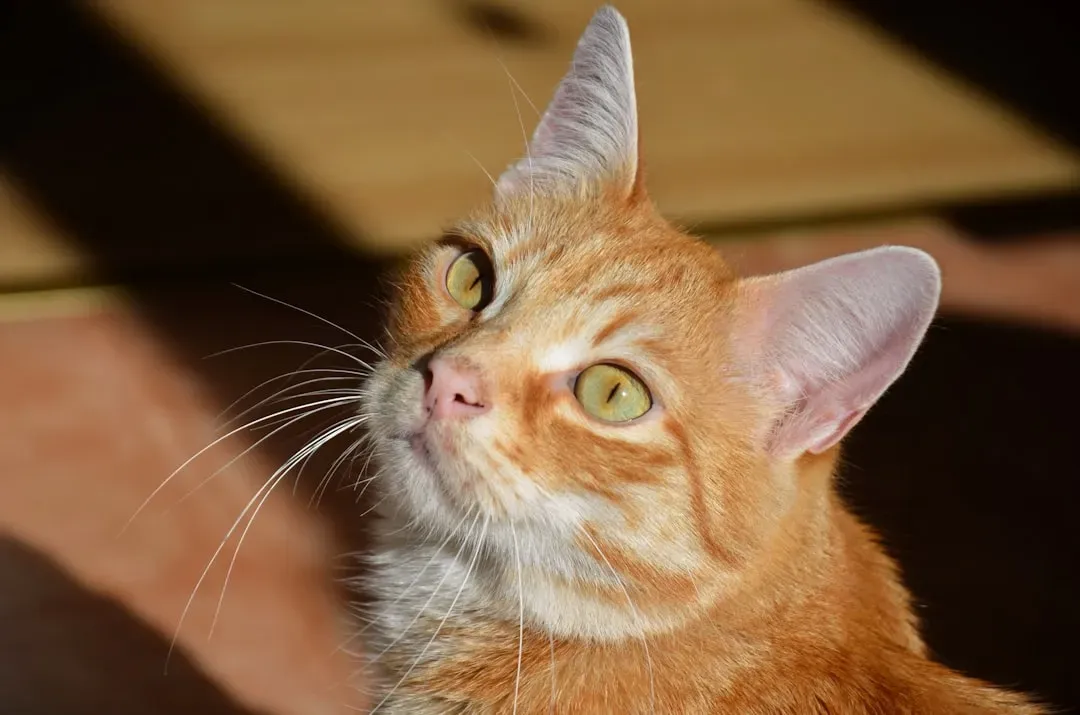
This is one of those tips that sounds almost too simple, but it genuinely works. Unlike humans, cats use their sense of smell to evaluate their surroundings. Cats mark their scent by rubbing their face and body, which leaves natural pheromones to establish boundaries within which they feel safe and secure.
Bringing items that carry familiar scents can help ease anxiety. You can also use pheromone sprays or diffusers to mimic calming natural cat pheromones. Placing a piece of your worn clothing near their safe space can further comfort them, as your scent provides reassurance. Familiar smells help create a sense of continuity, making the environment feel less intimidating. It’s worth being mindful of the flip side, too. Some smells can be threatening to cats, such as unfamiliar animals, scented products, or cleaners, which may lead to problematic behaviors like urinating outside of the litter box or scratching in undesirable areas.
Provide Plenty of Play and Mental Stimulation
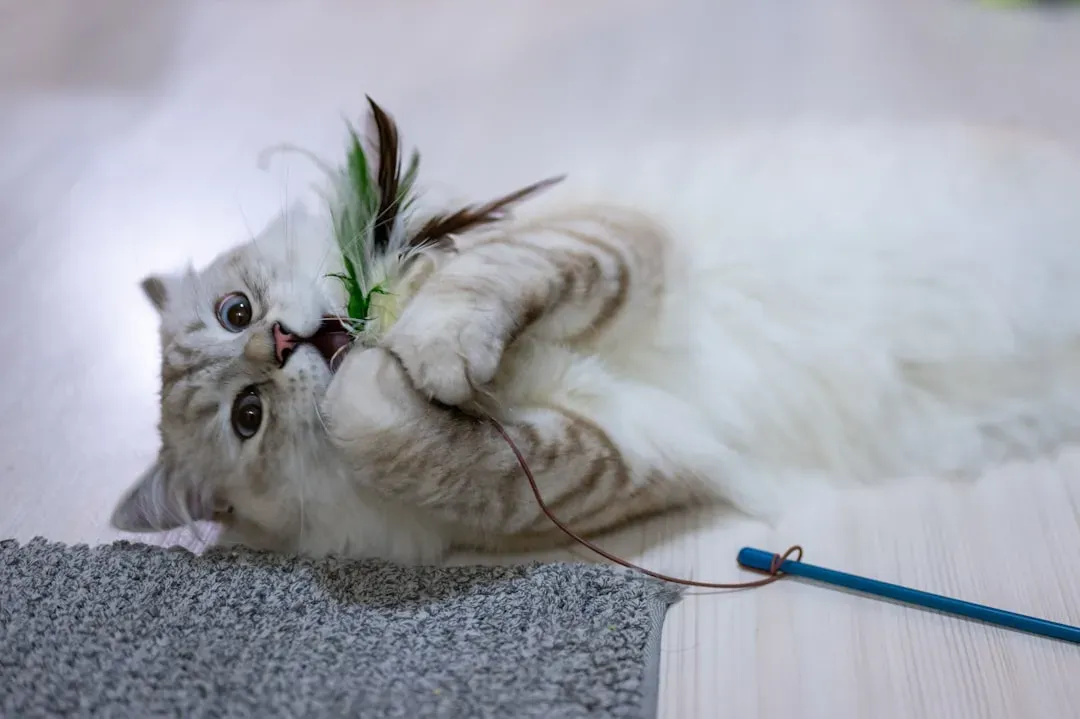
A bored cat is often an anxious cat. Think about it like this: when humans are restless and have nothing to focus on, anxiety tends to creep in. The same principle applies to your feline. Happy cats feel safe and loved. Regular play sessions have the double benefit of keeping stress levels down and fitness levels up. Sessions should be around ten to fifteen minutes long, with two a day enough to provide plenty of stimulation.
Play can be motivated with the use of interactive toys that mimic prey. Cats need to be able to capture the “prey”, at least occasionally, to prevent frustration. Using food puzzles or food balls can mimic the action of hunting for prey and provide more natural eating behavior. Indoor cats without stimulation may develop anxiety out of boredom or frustration. Keep things varied and rotating. Novelty matters.
Respect Your Cat’s Boundaries and Let Them Lead
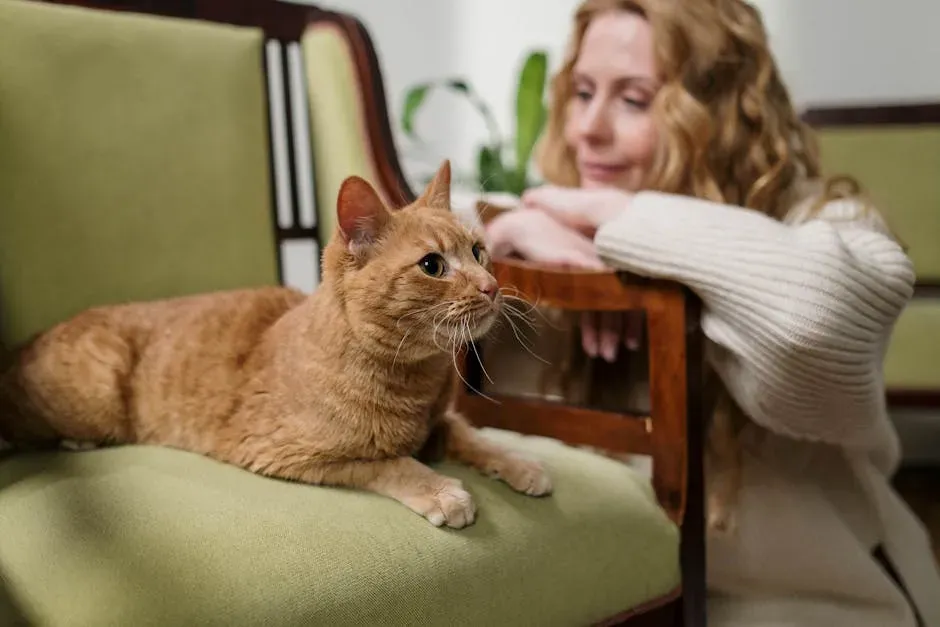
Let’s be real. One of the biggest mistakes cat owners make is trying to force affection. You want to cuddle, your cat wants space, and suddenly everyone is stressed. When working to help a shy cat feel comfortable, a gentle approach is best. Allowing the cat to initiate contact on their terms fosters a sense of security and control, which is vital for a timid feline. By letting her decide when she’s ready for cuddles or interaction, you’re building trust and making her feel more at ease.
When you handle your cat, be gentle and calm. Avoid sudden movements or loud noises that could startle them. Lift them carefully and let them come to you when they want. This builds trust and helps your cat feel safe around you, reducing their stress. Cats are not dogs. They don’t need constant reassurance from you, but they do need to know that you’ll never be the source of their fear. That reassurance? It runs in both directions.
Introduce Changes Slowly and Thoughtfully
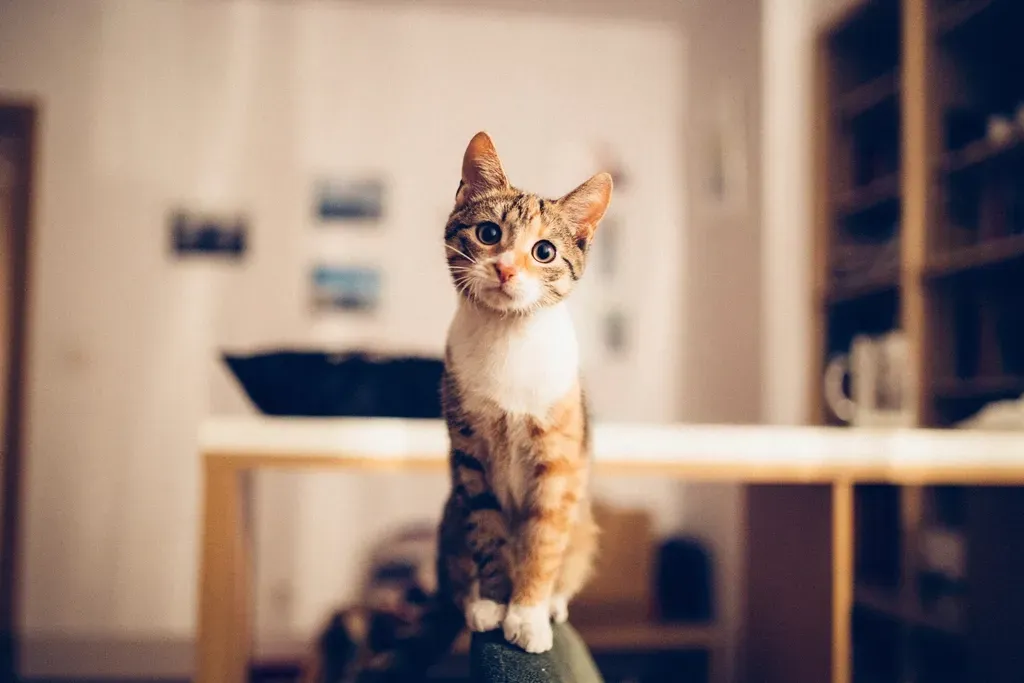
Imagine waking up tomorrow and all your furniture is in different positions, your schedule has changed, and there’s a stranger in your kitchen. Overwhelming, right? Changes in routine, unfamiliar guests, renovations, or even a new smell can be enough of a stressor to set them off kilter. Your cat lives this experience regularly if you make sudden changes to their environment.
If you need to make changes to your cat’s environment, plan it well. If you’re moving furniture or adding new items, do it gradually. Introduce new things one at a time and give your cat time to explore and get used to them. This helps your cat feel secure in their space. The same logic applies to new pets or people in the home. It’s really important to try and choose cats that will be compatible with each other. It’s also vital that you introduce the cats carefully and gradually and make sure the home environment is set up in a way that means they are more likely to get along.
Keep the Litter Box Clean, Private, and Well-Placed
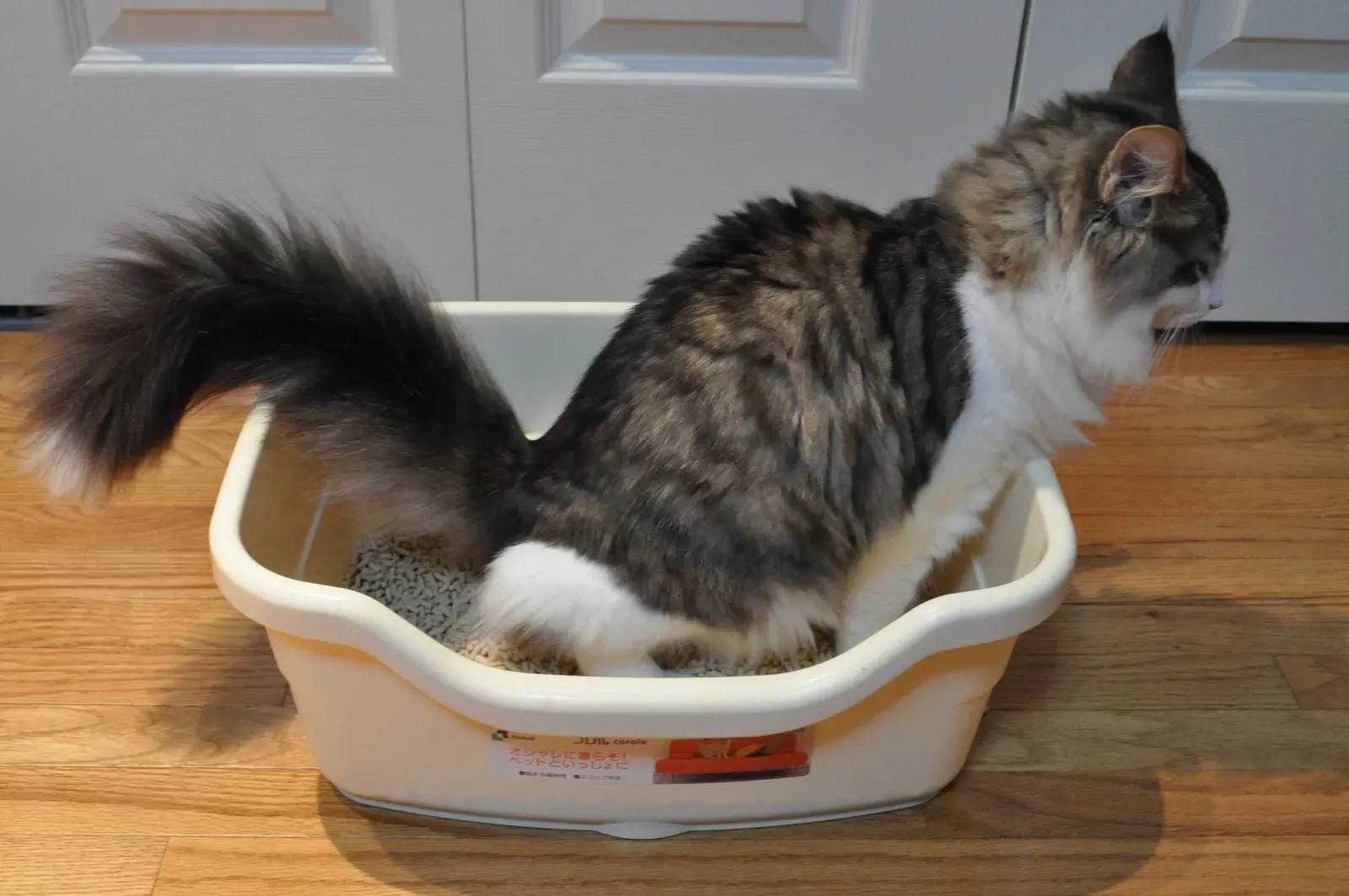
It sounds basic. But honestly, this one gets overlooked more often than you’d think. Cats require private spaces for their litter boxes primarily because of their natural instincts. As both predators and prey in the wild, cats seek secluded areas to conduct sensitive activities like eliminating, where they feel secure from potential threats. This instinct drives them to prefer quiet, undisturbed spots that provide a sense of safety.
Make sure your cat’s box is big enough, located in a convenient area, and refreshed often. If you have multiple cats, ensure you have enough litter boxes. One per cat, plus an additional box, is ideal. Placing litter boxes in a low-traffic area, free of excess noise, and with at least two ways your cat can enter or leave, allows your cat to flee or escape if they feel threatened or stressed. Skip the high-traffic hallway. Skip the corner next to the washing machine. Your cat will thank you in a language you’ll definitely understand.
Conclusion
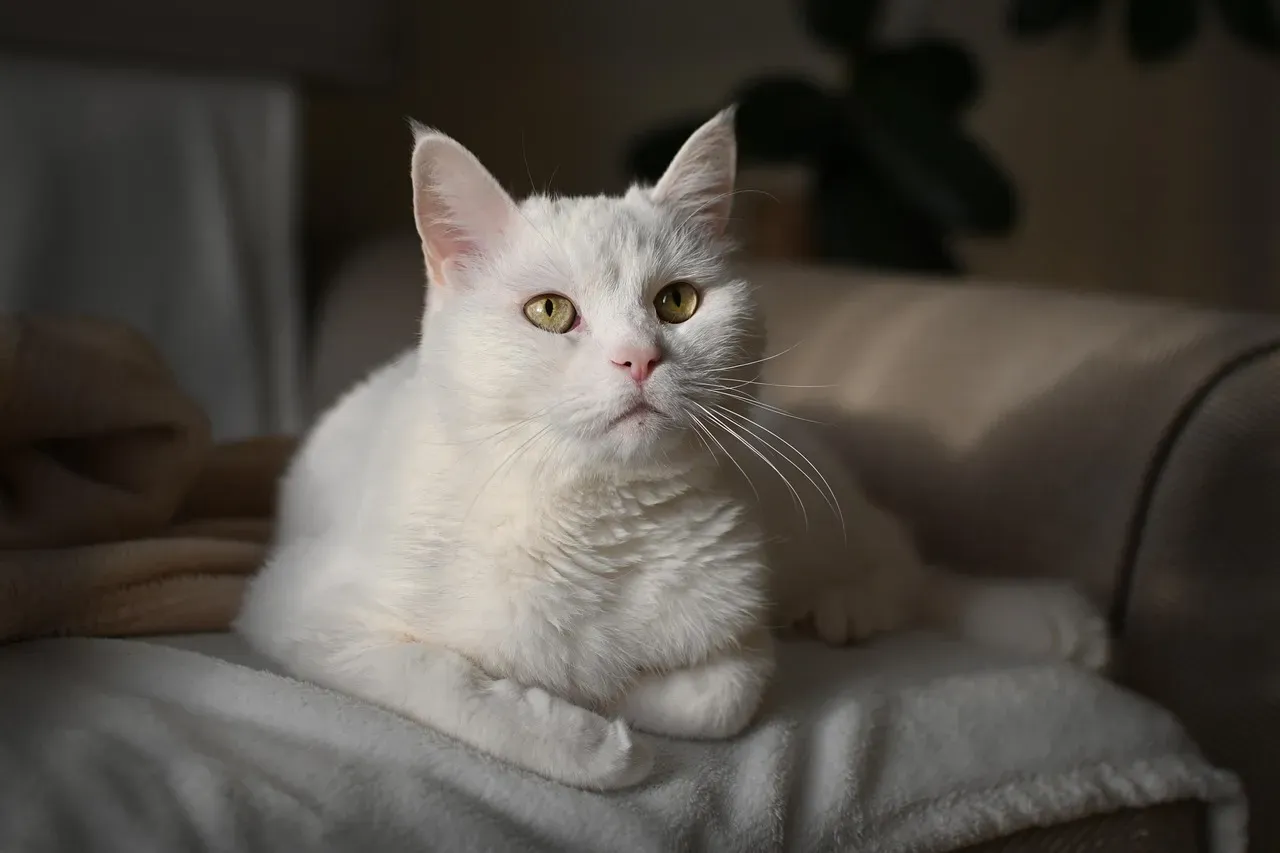
Your cat isn’t being dramatic. They’re not trying to test your patience when they hide, scratch, or avoid you after a stressful day. Cat anxiety is an emotional state triggered by fear, change, or uncertainty in a cat’s environment. It can be temporary, like during a vet visit, or chronic, affecting their overall behavior and well-being. Understanding this condition helps cat owners provide a calmer and more supportive environment.
The eight strategies above are not complicated. They’re rooted in one simple truth: your cat needs to feel in control of their world. Predictability, scent familiarity, vertical space, gentle handling, stimulation, privacy, and a dependable routine, these aren’t luxuries. They’re the foundation of a secure, content feline life.
Small changes really do add up. You don’t have to overhaul your entire home overnight. Start with one adjustment this week and observe how your cat responds. Successful treatment plans require consistency and commitment, as it may take several months for your cat to overcome their anxiety, or to reduce it to a manageable level. Even small changes in their behavior and symptoms will have a meaningful and cumulative impact on their wellbeing and quality of life.
So the question is: which of these simple changes will you try first for your cat? Share your experience in the comments below.