You share your home, your couch, and probably more of your bed than you’d like to admit with that mysterious creature who sometimes ignores your existence, yet somehow always knows when you’re about to open a can of tuna. Cats can be puzzling, can’t they? They operate on a wavelength entirely different from ours, communicating through gestures so subtle you might miss them while scrolling through your phone.
Here’s the thing though: your cat isn’t being aloof or indifferent. They’re speaking a language rich with meaning, one that celebrates the smallest moments as grand declarations. Those quirky behaviors you’ve witnessed aren’t random acts of feline chaos. They’re carefully crafted expressions of trust, affection, and contentment. Let’s decode what truly matters to your whiskered companion and discover the tiny gestures that transform your relationship from cohabitation into something genuinely magical.
The Slow Blink Kiss
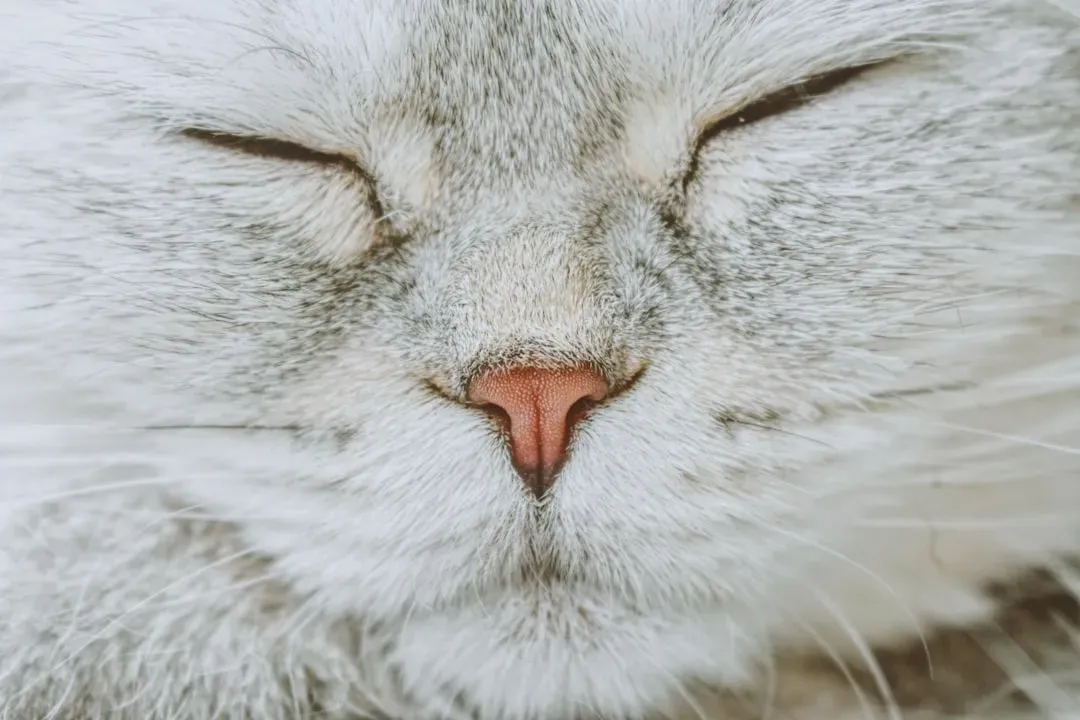
Cats blink slowly to show affection and relaxation, and if a cat blinks slowly at you, they trust you. Think of it as the feline equivalent of blowing a kiss across the room. When your cat gazes at you and gradually closes their eyes halfway before opening them again, they’re expressing something profound in their own quiet way.
You can return their gesture by blinking slowly back at them, creating what some call a blink conversation. This simple exchange builds trust between you and your cat, strengthening your bond without a single word spoken. The slow blink, often called a “cat kiss,” is a universal feline gesture that is a clear display of affection, a moment where your cat is essentially saying, “I trust you, and I love you”. It’s one of those magical interactions where time seems to pause, just for the two of you.
Your Scent On Their Body
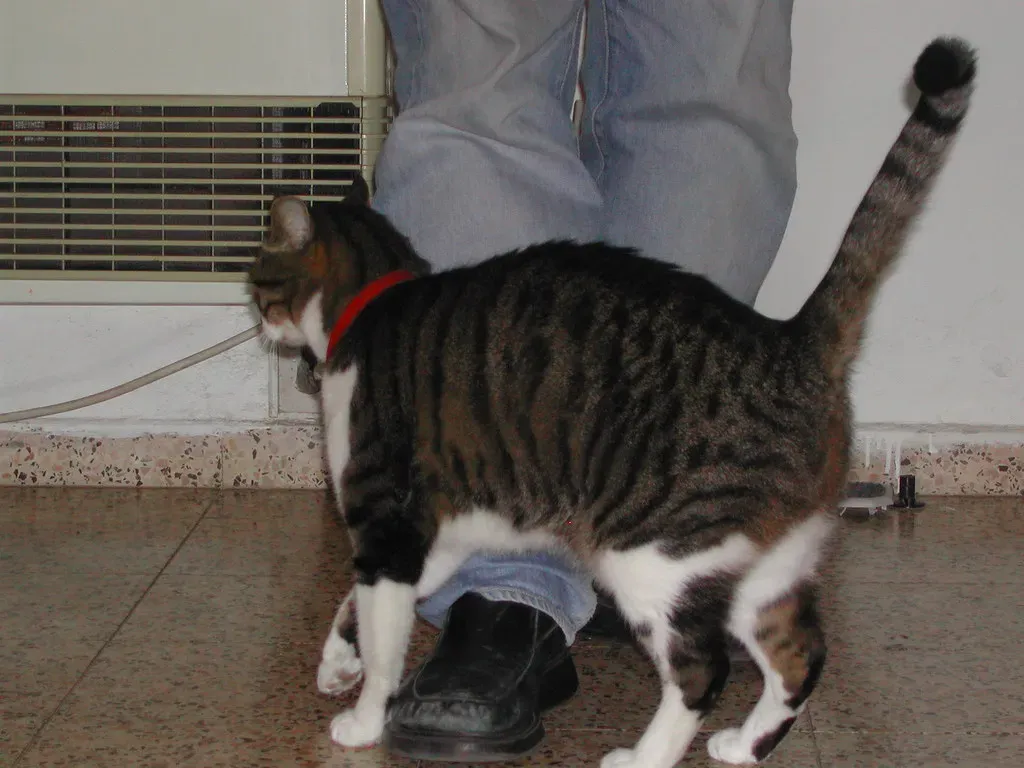
Ever notice how your cat seems obsessed with rubbing their face against your hands, legs, or even your phone? When your cat engages in bunting, they are marking you with scent glands located on their cheeks, effectively claiming you as their own. This behavior isn’t just adorable. It’s deeply meaningful in the cat world.
When a feline friend greets you with a head bump or rubs against your legs, it’s marking you as their own, which is not only a sign of ownership but also affection towards you. Your cat is essentially saying you belong to them, that you’re part of their inner circle. The mingling of scents creates a sense of family and security for your cat. Honestly, being claimed by a cat is one of life’s underrated honors.
A Clean Litter Box
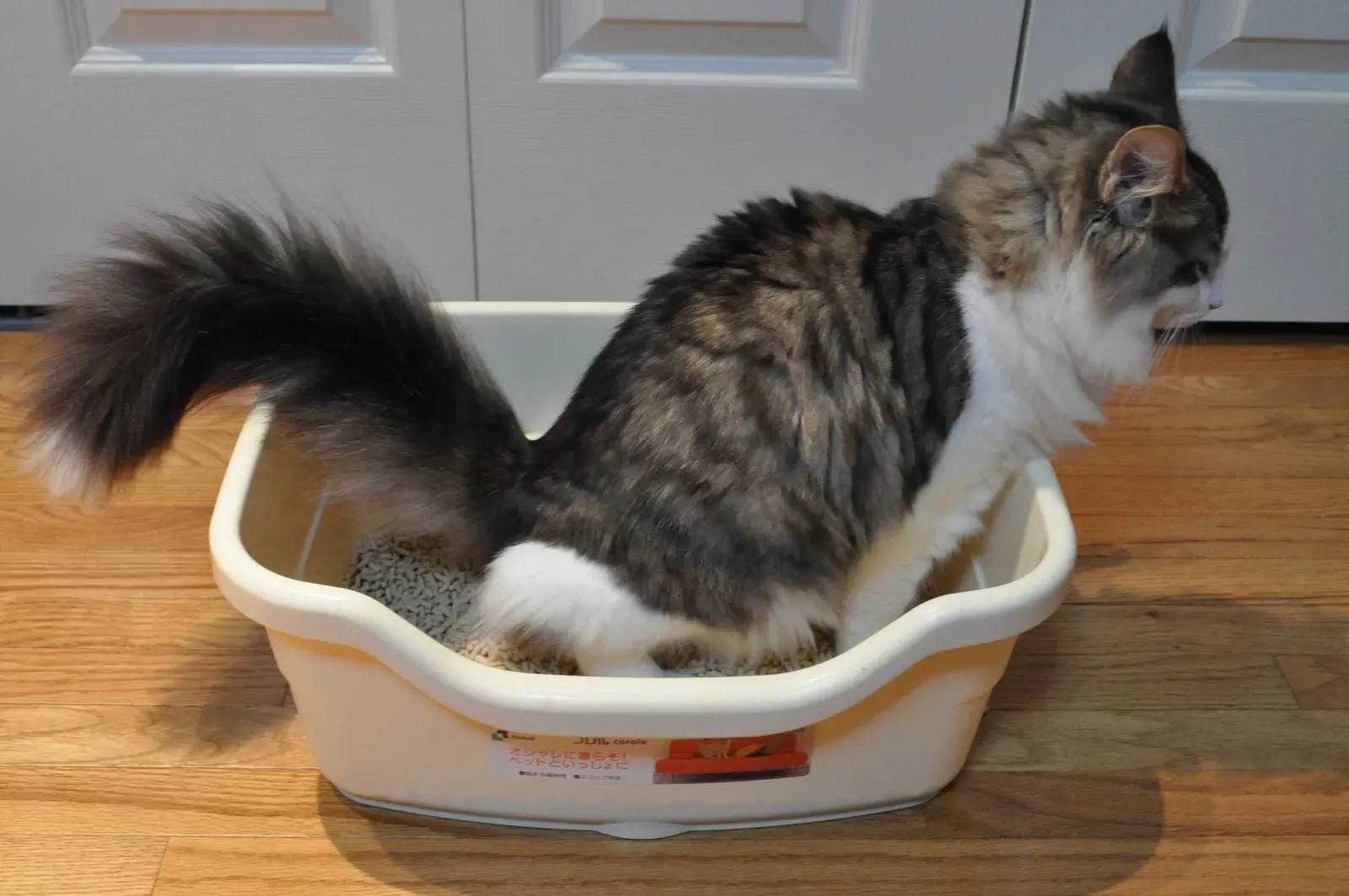
Let’s be real: nobody enjoys discussing litter boxes. Yet this mundane aspect of cat ownership matters more to your feline than you might realize. Many cats prefer an unscented clumping litter, and the cleanliness of their bathroom space directly affects their comfort and happiness.
Removing waste from the litter boxes at least once a day shows your cat respect for their natural instincts and hygiene preferences. Cats are fastidious creatures who spend hours grooming themselves daily. A dirty litter box creates stress and discomfort, potentially leading to behavioral issues. The general rule of thumb is to have one litter box per cat in the home, plus one more. This simple act of maintenance demonstrates care in a language your cat understands perfectly.
Vertical Territory To Claim
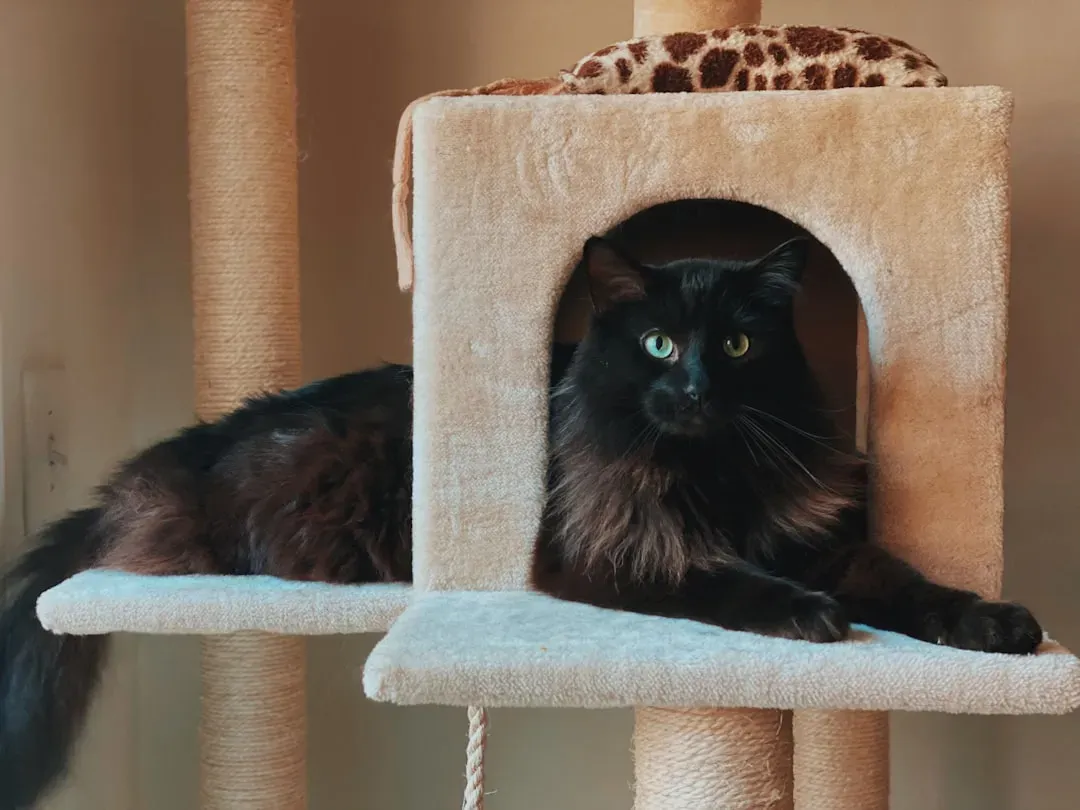
Cats love lounging on countertops, shelves and other second-story territories, and the higher the perch, the better. This isn’t your cat being difficult or trying to walk across your freshly cleaned counter. It’s instinct speaking.
Pet cats, though no longer wild, inherit the instinct to seek high ground, and finding the highest ground in your house offers a nifty lookout, far from dog-sniffing and kid-poking range. Providing cat trees, shelves, or designated high spots gives your cat security and control over their environment. From these elevated positions, they can survey their kingdom, feeling safe and confident. It’s hard to say for sure, but many cats seem genuinely happier when they have vertical spaces to explore and claim as their own.
Playtime That Mimics The Hunt
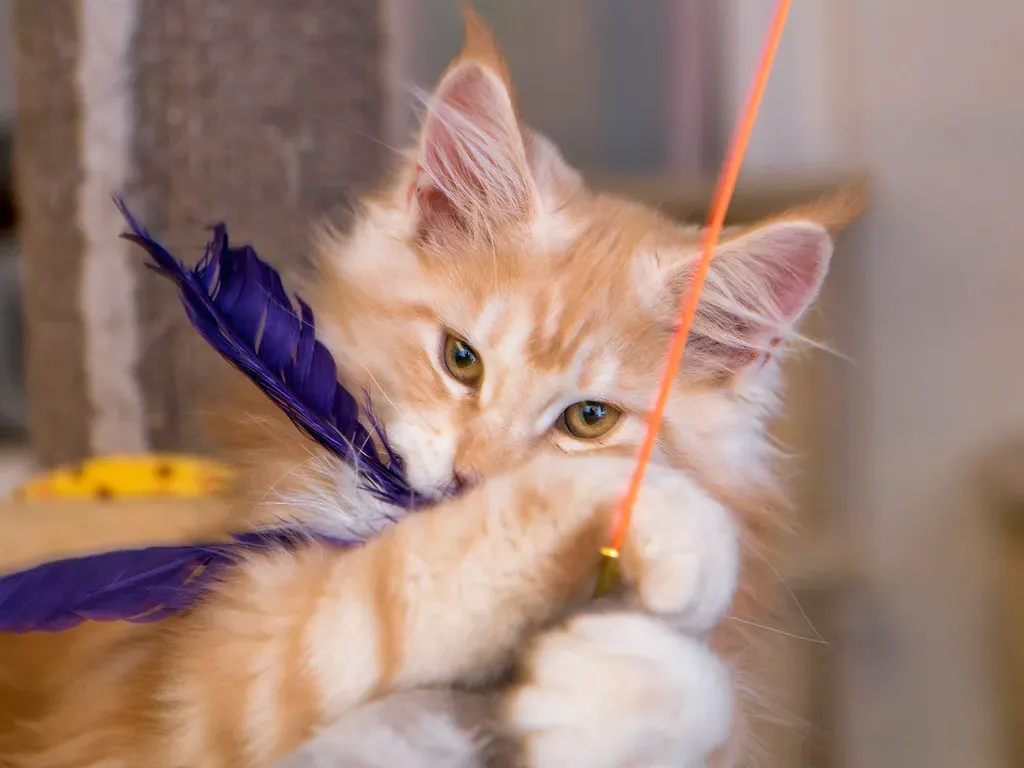
The best games to play with your cat are hunt and catch. Your cat isn’t just playing when they chase that feather toy across the living room. They’re engaging their deepest instincts, the ones that make them the skilled predators they are.
Interactive play with wand toys that flutter, skitter, or crawl like a real bird or bug, and when your cat’s worn out and has sufficiently “caught” their prey, you can reward them with a treat. This satisfies something primal in your cat’s nature. Regular play sessions release pent-up energy and prevent boredom, which can lead to destructive behaviors. The thrill of the hunt, even when it’s simulated, means the world to your feline hunter. Those brief moments of focused intensity? That’s your cat feeling truly alive.
Scratching Posts In The Right Places
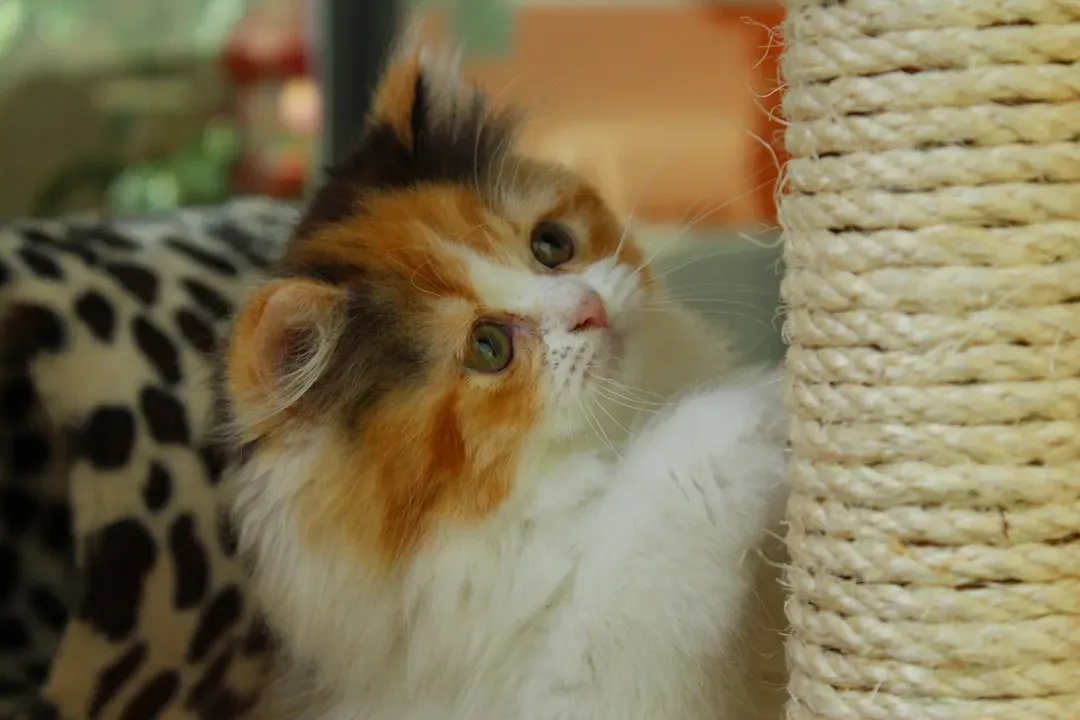
Scratching on rough and appealing objects is a natural and beneficial aspect of healthy cat life, and scratching serves multiple functions. Your furniture might disagree, yet scratching isn’t vandalism in your cat’s mind. It’s essential maintenance and communication.
Scratching keeps the nails healthy by removing the outer dead nail sheath to expose new growth, and there are scent glands in the paw pads so when cats reach up to scratch and press their paws against the object, they leave pheromones there as well. Providing tall, sturdy scratching posts covered in materials like sisal gives your cat an appropriate outlet for this natural behavior. Place them strategically near where your cat sleeps or in high-traffic areas. Scratching is also beneficial for stretching the back and shoulder muscles. This small accommodation speaks volumes to your cat about respecting their needs.
Uninterrupted Sleep In Safe Spaces
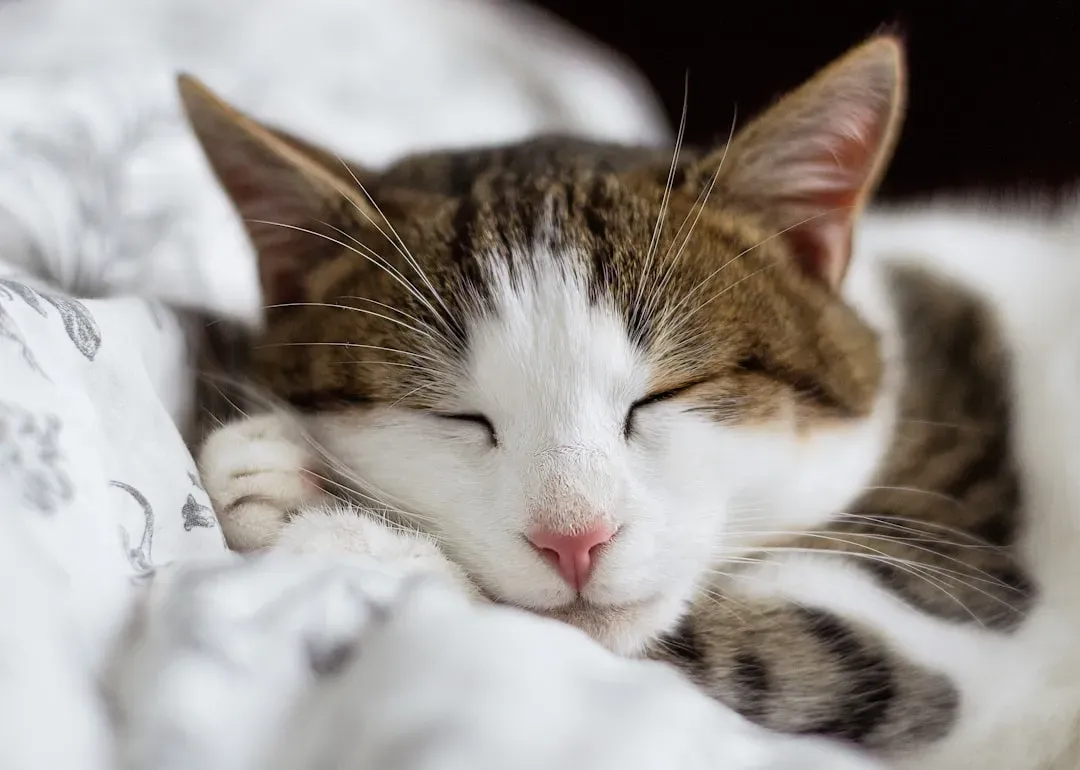
The average cat sleeps for 15 to 16 hours per day, and kittens and geriatric kitties may nap as much as 20 hours daily. Sleep isn’t just a pastime for cats. It’s a fundamental part of their existence.
Cats are most vulnerable while sleeping and choose places that are safe and secure, and there is no better compliment to you than a cat who chooses to fall asleep on you. Providing cozy beds, quiet corners, and respecting their rest time shows your cat you understand their needs. Some cats prefer warm spots near windows, while others seek out dark, enclosed spaces. When your cat chooses your lap for a cozy nap, it’s a clear sign of trust and affection. Creating an environment where your cat feels safe enough to truly relax demonstrates the kind of care that deepens your bond.
Gentle Touch On Their Terms
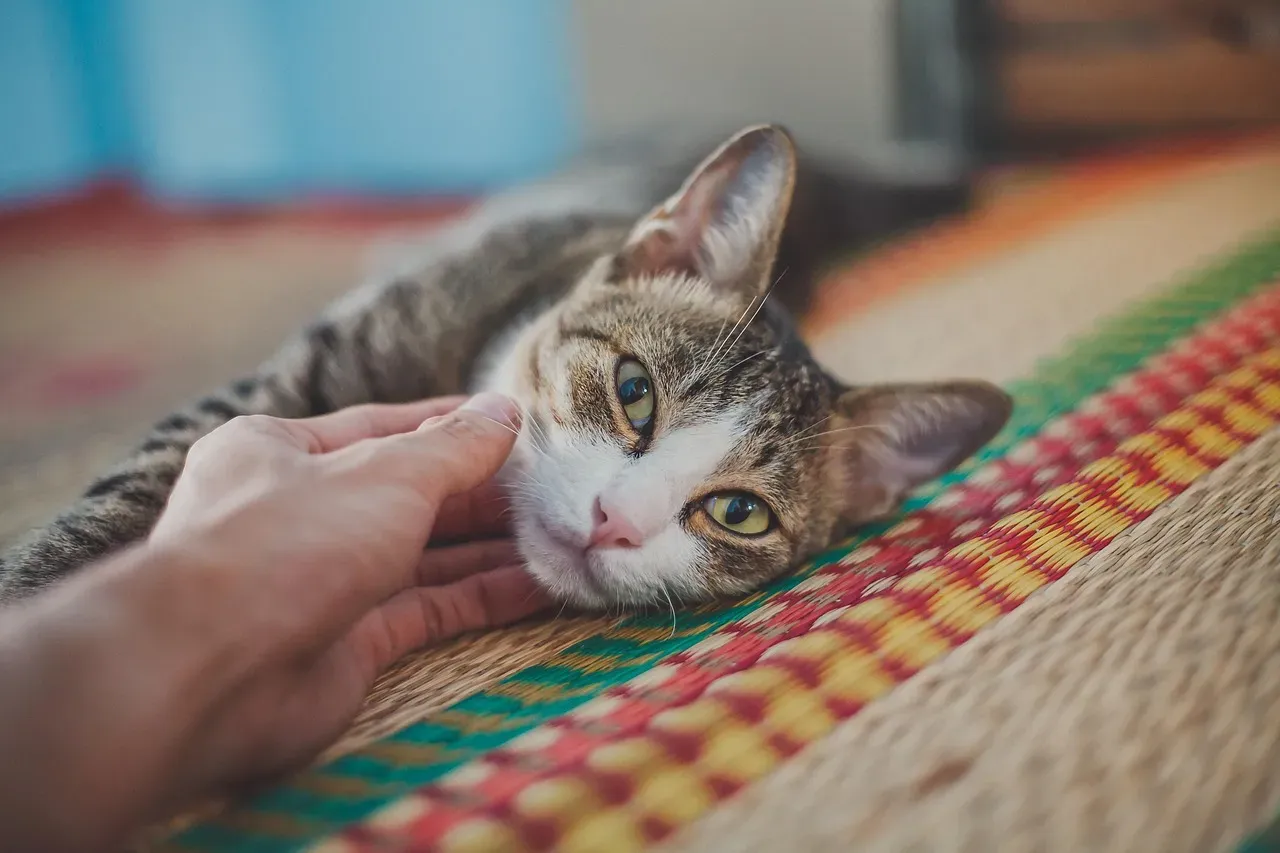
Begin with gentle strokes around the head, chin, and cheeks, as these are areas with scent glands and they tend to be the most loved areas to be scritched, scratched, and petted. Not all cats want belly rubs, and that’s perfectly okay. Understanding your cat’s preferences for physical affection shows respect for their boundaries.
Offer your hand and wait patiently for them to approach you. Take short breaks when petting your cat, which gives them the option to end the interaction or invite more pets. Some cats enjoy prolonged cuddle sessions, while others prefer brief moments of connection. Paying attention to body language like tail flicking or ear positioning helps you recognize when your cat has had enough. This awareness transforms simple petting into meaningful communication, showing your cat that their comfort matters more than your desire for snuggles.
Conclusion
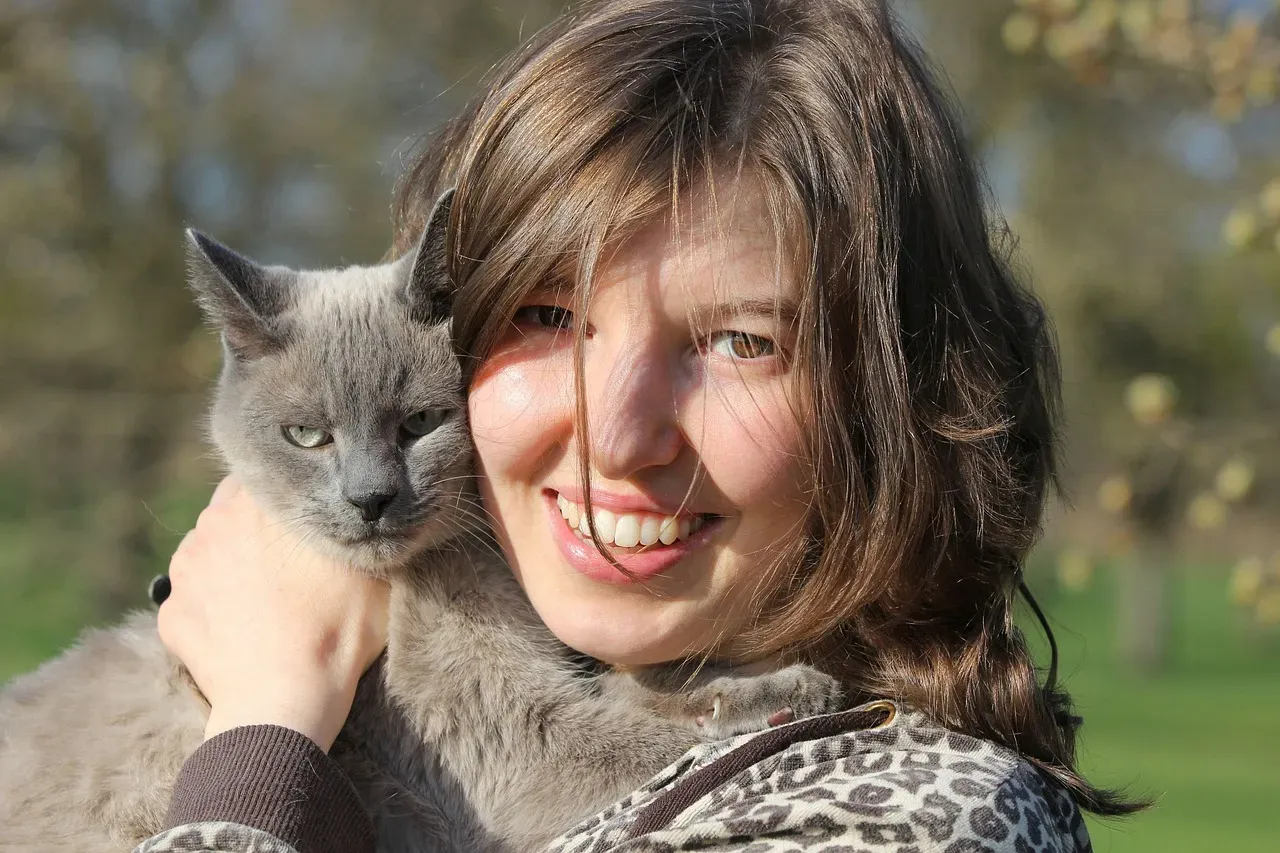
The beauty of loving a cat lies in appreciating the understated moments. Your cat doesn’t need grand gestures or expensive toys to feel cherished. They need you to notice the slow blink, to provide clean spaces and safe perches, to respect their boundaries while offering connection. These small things create a language of love that transcends species.
Each gentle head bump, every chosen nap spot, and all those hunting games add up to something remarkable: a bond built on mutual understanding and respect. Your cat may never wag their tail or follow commands, yet the affection they offer is no less profound. It’s simply quieter, subtler, and somehow more precious for its restraint. What small gesture from your cat has surprised you the most? The answer might just reveal how deeply you’ve already connected.