Every cat owner knows their feline companion has a unique personality, quirks, and habits. Yet cats are masters of disguise when it comes to illness. In the wild, the ancestors of today’s domestic cats are both predators and prey. If a wild cat shows weakness, it’s not long before that individual becomes dinner for a predator. The same holds true for community cats who reside outdoors, and though predators aren’t an issue for our pet cats – they inherit the same intrinsic need to hide weakness.
As a responsible pet owner, recognizing the subtle signs of illness can be crucial for early intervention and treatment. While some changes might seem minor, veterinarians know these seemingly small shifts could signal something serious brewing beneath the surface. Let’s dive into those telltale signs that experienced vets never overlook.
Changes in Eating and Drinking Habits
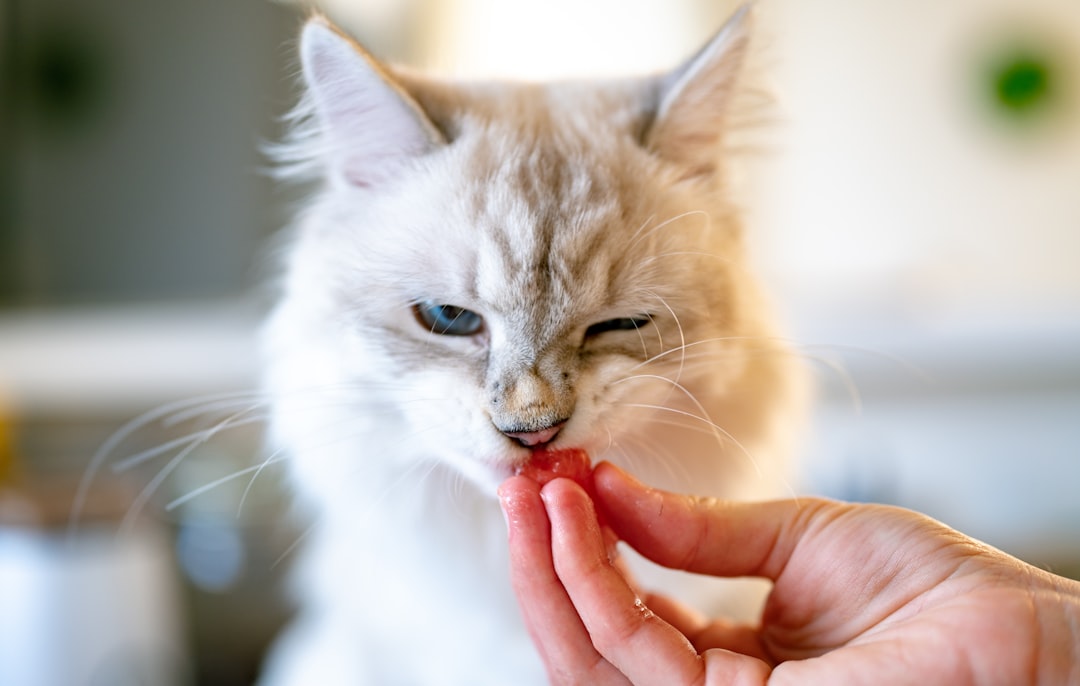
Look for changes, such as a decrease or an increase in consumption and how the cat chews its food. Decreased food intake can be a sign of a number of disorders, ranging from poor dental health to cancer or kidney disease. Increased food consumption can be caused by diabetes mellitus, hyperthyroidism, or other health problems.
A change in weight does not necessarily correlate with a change in appetite. Cats with hyperthyroidism or diabetes mellitus can lose weight despite good appetites. Many other diseases cause both appetite and weight loss. Think of it like this: if your usually food-obsessed kitty suddenly turns their nose up at their favorite treats, something’s definitely going on. Meanwhile, excessive drinking often points to kidney disease or diabetes, conditions that are surprisingly common but highly treatable when caught early.
Alterations in Litter Box Behavior
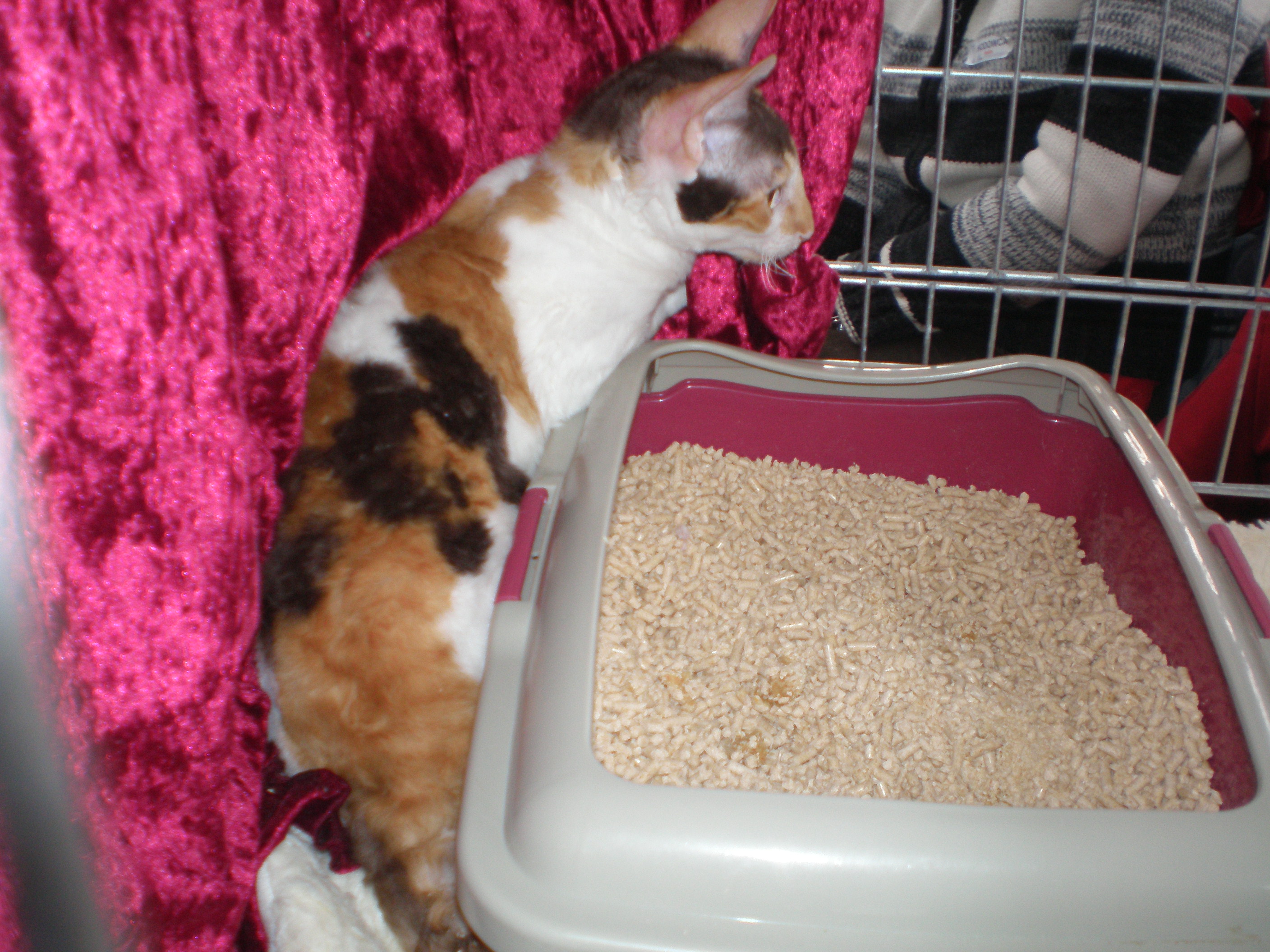
Inappropriate urination and defecation often accompany an underlying medical condition and do not occur “to get back at the owner.” A cat that is urinating inappropriately may have any number of conditions associated with the behavior, including lower urinary tract disease, kidney disease, urinary tract infection and diabetes mellitus. It can also be a sign of arthritis, which makes it difficult for the cat to get into the litter box.
Increased amounts of urine in the box indicate an inability to properly conserve water and may mean that your cat is developing kidney or liver problems, or diabetes mellitus. Decreased amounts of urine in the litter box indicates some sort of kidney or bladder problem, especially if the cat spends more time going in and out of the box or strains when in the box. Honestly, monitoring litter box habits might not be the most glamorous part of cat ownership, but it’s one of the most revealing.
Vocal Pattern Disruptions
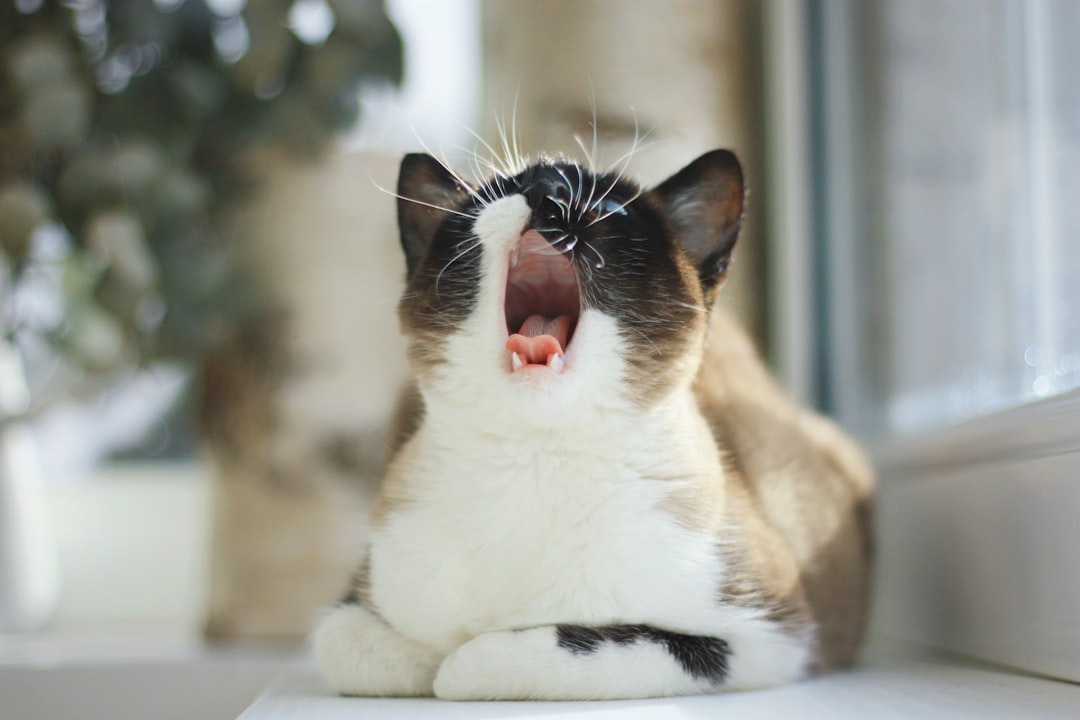
When a cat who is normally as quiet as a church mouse turns into a chatterbox, they could be trying to tell you that something is wrong. It is especially concerning if this behavioral change persists. Increased vocalization can signify many things. It could mean that your cat is in pain, has an upset stomach, or is even suffering from a neurological problem.
If a typically quiet cat becomes unusually vocal, it could signal pain or discomfort. Conversely, a normally talkative cat that becomes silent may also be experiencing a problem. Increased or decreased meowing, yowling, or hissing can be signs of underlying conditions such as injury, illness, or emotional stress. Sometimes cats literally try to tell us something’s wrong, we just need to listen.
Grooming Habit Modifications
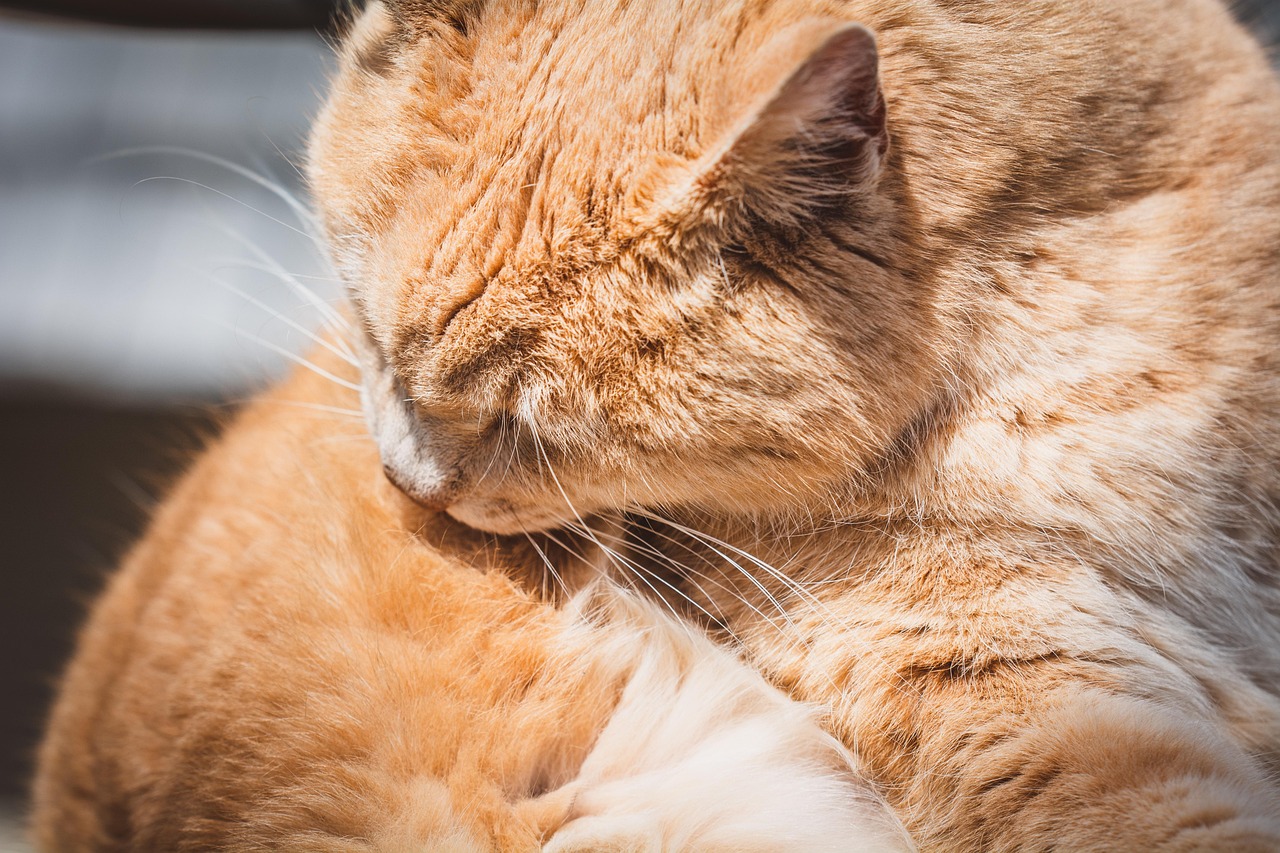
Cats that are not feeling well do not tend to groom themselves well. Therefore, you will usually see a messy or greasy coat, mats of fur, or clumps of loose hair. In some cases, you will see a difference in the coat’s shine or an increased amount of dandruff.
Typically, cats are fastidious groomers. Patches of hair loss or a greasy or matted appearance can signal an underlying disease. Also be aware if your cat has difficulty grooming. A decrease in grooming behavior can indicate a number of conditions, including fear, anxiety, obesity or other illnesses. What’s fascinating is that over-grooming can be just as concerning as under-grooming, often indicating skin problems or stress. Think of their grooming routine as a daily health report card.
Activity Level and Movement Shifts
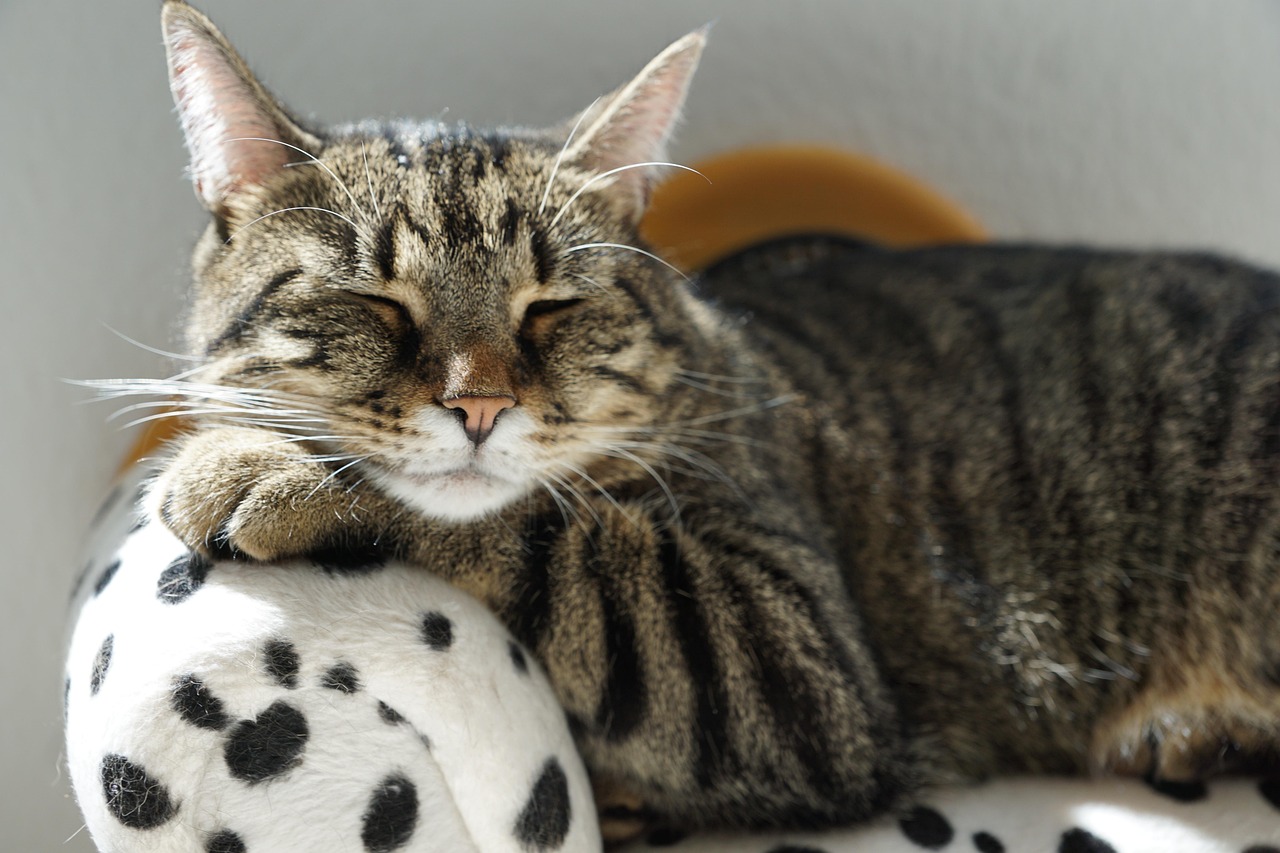
Generally, sick cats also have lower energy levels. The only thing you may notice is that your cat sleeps more, does not play as much, or is restless. With some diseases, especially hyperthyroidism, your cat’s energy level may seem to increase to the point of hyperactivity.
Cats with arthritis or other joint problems may have difficulty moving around and may no longer jump up on furniture or counters, or they may change how they jump onto higher surfaces. If your cat suddenly is unable to use its back legs, she should be seen by your veterinarian immediately. Imagine if your athletic friend suddenly stopped running marathons without explanation. That’s how significant these changes can be for our naturally agile feline friends.
Social Behavior and Interaction Changes
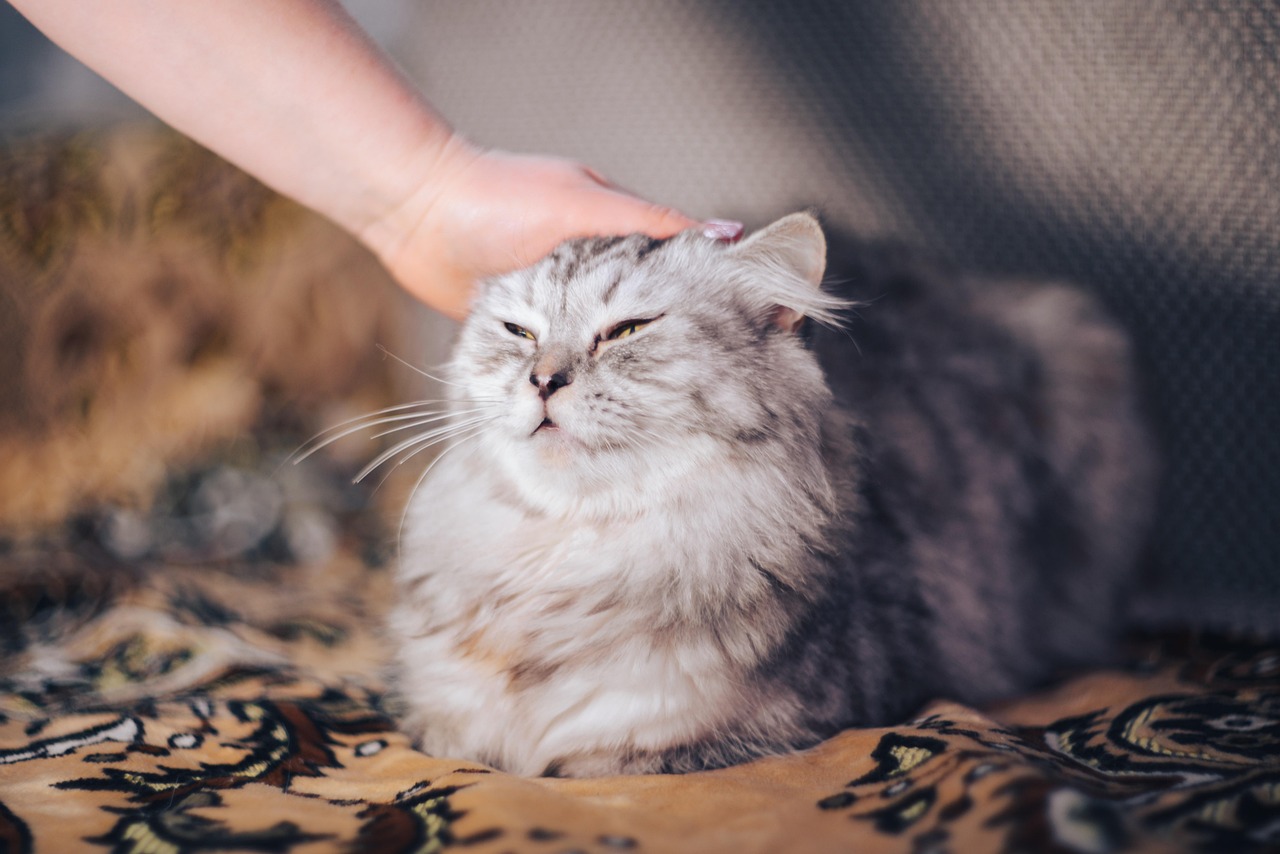
Changes in interactions: A previously clingy cat acting uncharacteristically aloof, or an independent cat transforming into a “Velcro kitty” are examples. Changes in activity: A decrease or increase in activity and change in the cat’s daily routine are red flags – of arthritis, for example, which is far more common in cats than previously thought.
Cats exhibiting illness often show distinct behavioral shifts. Normally playful and social cats might become withdrawn, showing a reluctance to interact or play, and may hide more frequently. Your previously social butterfly might suddenly prefer solitude, or your independent cat might become unusually needy. These personality flips aren’t just mood swings, they’re often the first clues that something’s amiss.
Physical Appearance Subtleties
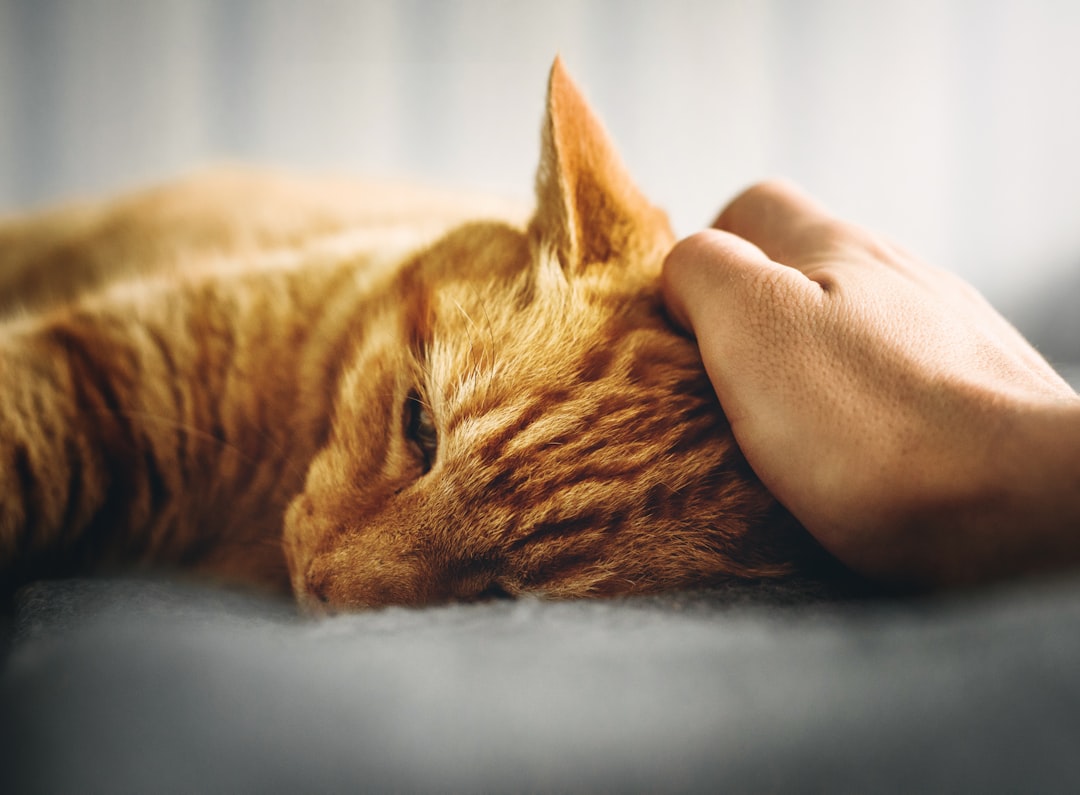
Cats that are not feeling well may just look a little “off.” The cat might sit in a hunched position, might not move as gracefully as before, might not lift its head properly, might have a head tilt, or might carry its tail differently. Sometimes, there isn’t any one thing that stands out, but a variety of subtle changes.
Gums, skin, or eyes that are pale may indicate anemia, while a yellow tint may indicate jaundice, and a bluish tint may indicate a lack of oxygen. These changes might be so subtle that visitors won’t notice, but you know your cat’s normal posture and demeanor. Trust that gut feeling when something just doesn’t look quite right.
Respiratory and Body Temperature Variations
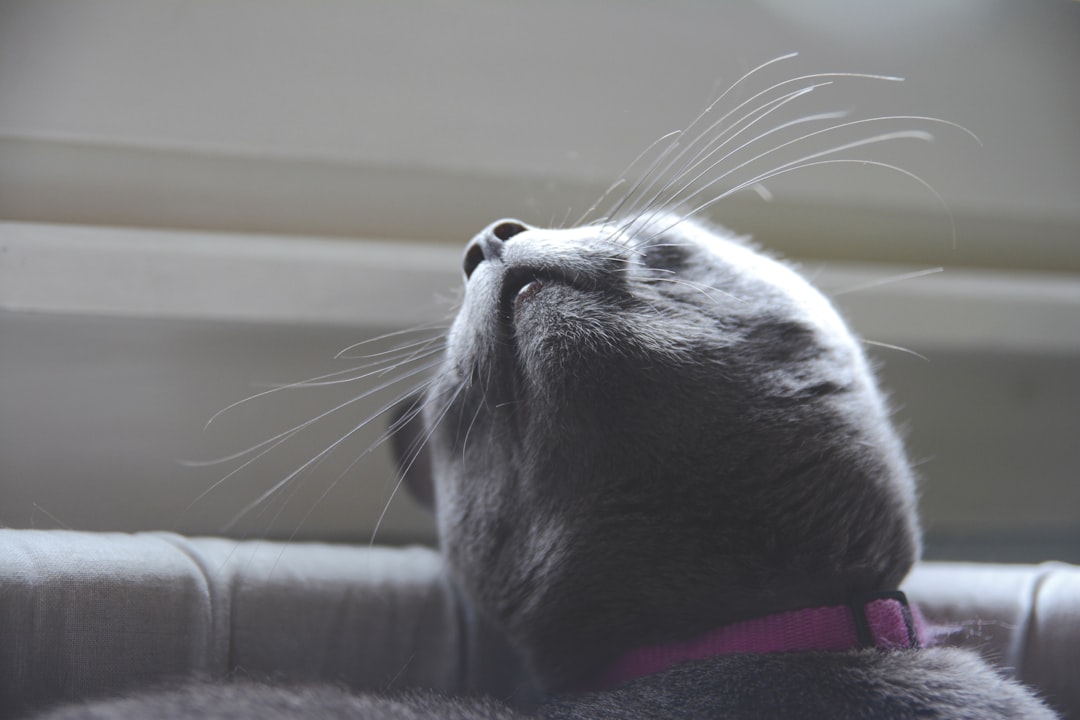
Breathing difficulties in cats are often subtle and can be easily missed. Apart from the more noticeable signs like panting and labored breathing, also be aware of more subtle changes such as increased respiratory rate, shallow breathing, or any sounds like wheezing or gurgling when breathing.
Changes in TPR such as increased or decreased temperature, pulse rate, or respiration rate could indicate illness in a cat. Changes in normal vital signs often tell us when something is wrong with our pets. While taking your cat’s temperature at home isn’t practical for most owners, noticing changes in breathing patterns or feeling that their body seems unusually warm or cool during cuddle sessions can provide valuable clues. Cats don’t pant like dogs, so any respiratory changes are particularly significant.
Conclusion
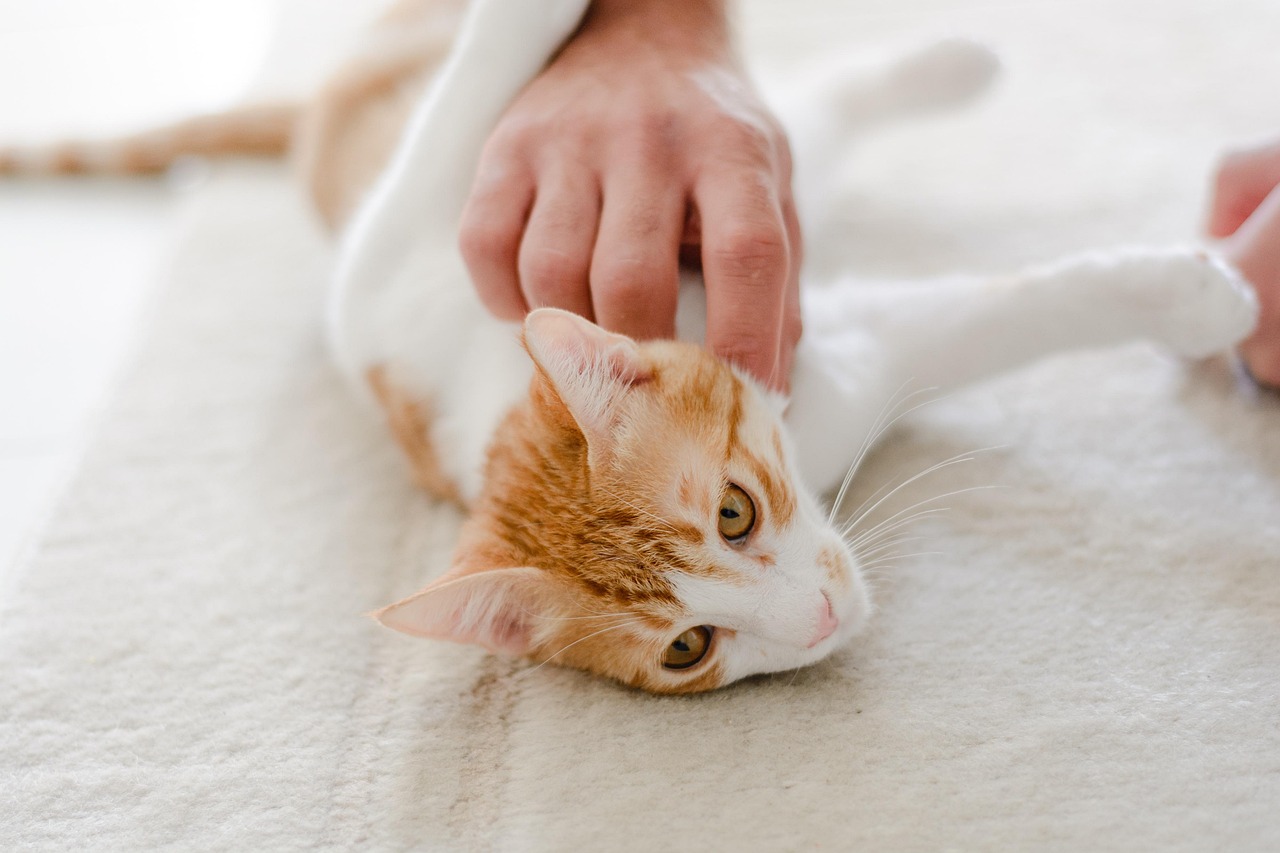
Because signs of illness can be very subtle, err on the side of caution and make an appointment for a veterinary examination as soon as possible if your cat does not seem right to you. These eight subtle changes might seem minor individually, but they’re the kind of details that catch a veterinarian’s trained eye immediately.
Early detection and intervention can significantly improve the outcome of many feline health issues. Your intimate knowledge of your cat’s normal behavior, combined with awareness of these warning signs, creates the perfect partnership for maintaining your feline friend’s health. Remember, you’re not being paranoid by noticing these changes, you’re being a great cat parent.
What subtle change have you noticed in your own cat that turned out to be significant? Trust your instincts, they’re usually right.