You’ve probably heard the myth that cats are aloof, completely self-sufficient creatures who don’t really need you. Honestly, that couldn’t be further from the truth. Cats are far more emotionally intelligent than most people give them credit for, and they have a fascinating, sometimes sneaky, sometimes heartbreaking collection of signals they use to ask for your time and presence.
The tricky part? Most of those signals are so subtle that you could easily miss them entirely. One moment your cat seems fine, and the next they’ve knocked your favorite mug off the counter. Coincidence? Probably not. Let’s dive in, because what your cat is trying to tell you might genuinely surprise you.
1. The Slow Blink That Says Everything
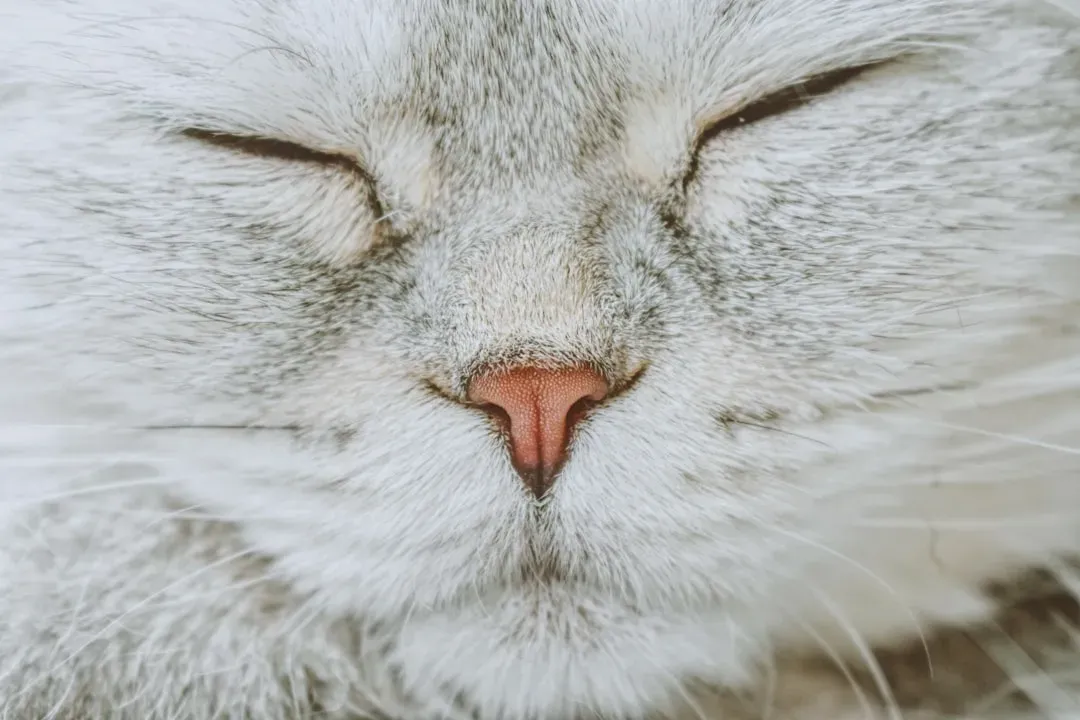
There’s something almost hypnotic about a cat who locks eyes with you from across the room and then slowly, deliberately, closes their eyes halfway. It looks lazy. It looks like nothing. In reality, it’s one of the most intimate signals your cat knows how to send you.
Cats have a way of getting your attention simply by staring at you, and they seem to have mastered the art of speaking with their “eyes,” observing their environment and assessing the humans in it. The slow blink version of this goes one step further. It’s a softening of that intense gaze, a deliberate invitation to connect. Think of it like your cat offering you a warm smile in the only language they have. If you slow-blink back, you’re essentially saying “I see you too,” and that matters more to them than you’d think.
Your cat’s longing gaze could also signal that they want to be fed, especially if they do it from their feeding area, though some cats will simply stare until you eventually give them attention, whether in the form of cuddles, a toy, or their favorite treat. Pay attention to the context. Where are they sitting? What time of day is it? The slow blink from the sofa is a love note. The intense stare from the food bowl is a very different conversation.
2. The Gentle Paw Tap
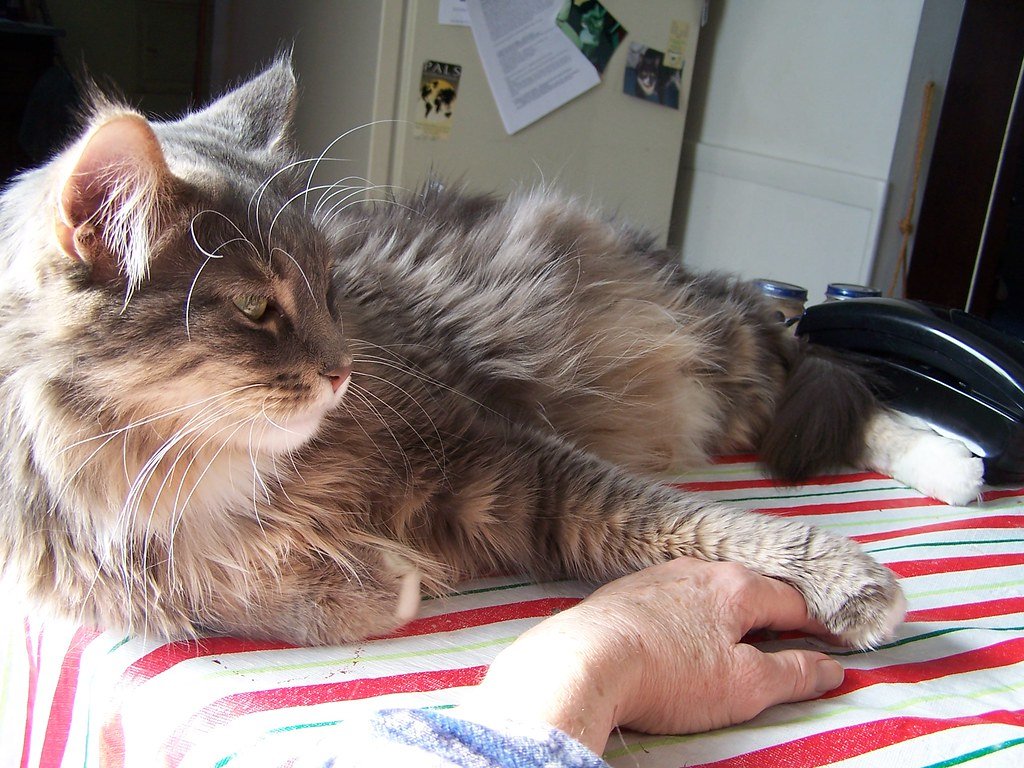
You’re sitting on the couch, scrolling through your phone, completely absorbed. Then you feel it. A tiny, almost feather-light tap on your arm or leg. No claws. No urgency. Just a soft, patient little reminder that someone in the room has needs too.
The most obvious sign that your cat wants your attention is when they paw at you, since cats generally do this because it draws your attention to them and makes you notice them quicker, with some doing it as a last resort while others do it first because it might work every time. It’s worth noting the difference between a gentle paw and an insistent one. The soft single tap is a polite request, the kind you’d get from a well-mannered friend nudging your elbow during a conversation.
If your cat gently taps you with their paw on your face or limbs, they may be trying to signal that they want you to engage with them. I think this is one of the most endearing things cats do. It’s so restrained, so almost human. They could scream, knock things over, or climb on your head. Instead, they choose a quiet, dignified tap. The least you can do is look up.
3. Shadowing Your Every Move
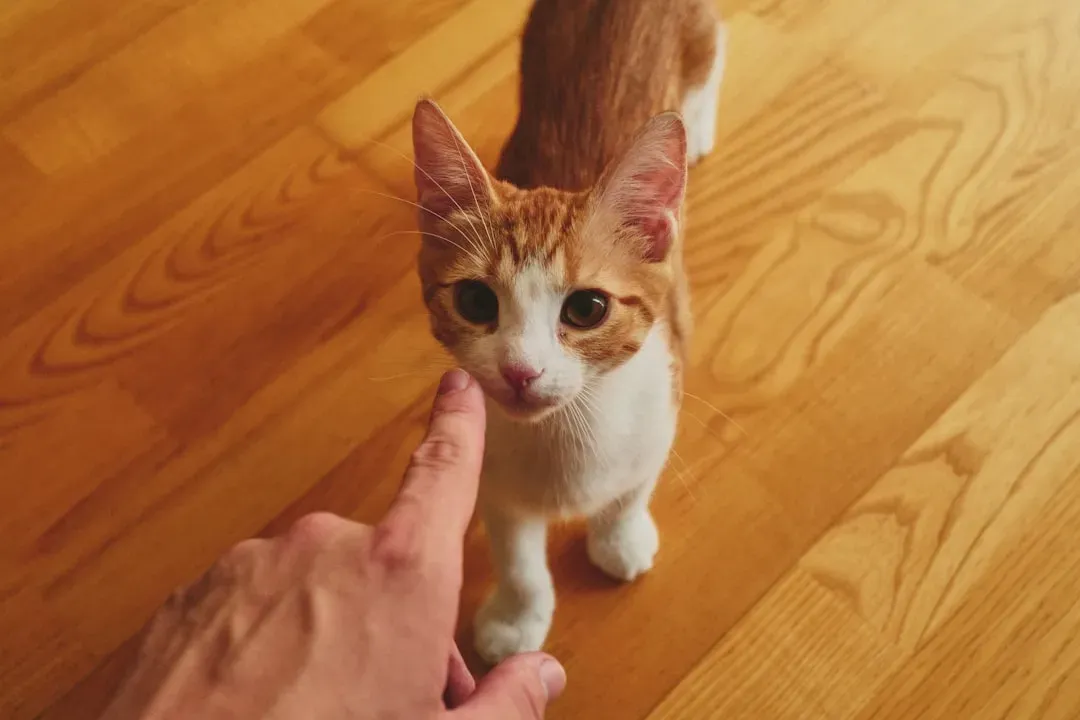
You get up to make coffee. Your cat appears in the kitchen. You head to the bathroom. Your cat is already waiting outside the door. You move to the living room. You guessed it, there’s a small furry shadow three steps behind you. It can feel slightly eerie, like having a tiny, silent detective on your tail at all times.
If your cat is following you around, it could be a sign that they want your attention, with many cats doing it around feeding time to signal they want to be fed, while others do it simply because they crave your company. Kittens may start following their owners around because they want to play, as it is what they would do with their littermates, while some cats are clingier than others and have learned that following you around gets your attention when you are moving around the house.
Shadowing you around the home, deliberately strolling in your path especially when they know you’re busy, is another form of attention-seeking, and this behavior signals that your cat notably needs or wants your focus. Here’s the thing though: context matters. A cat that occasionally shadows you is expressing affection. One that does it obsessively and shows signs of distress the moment you leave the room deserves a closer look, and possibly a vet visit.
4. Sitting on Whatever You’re Using
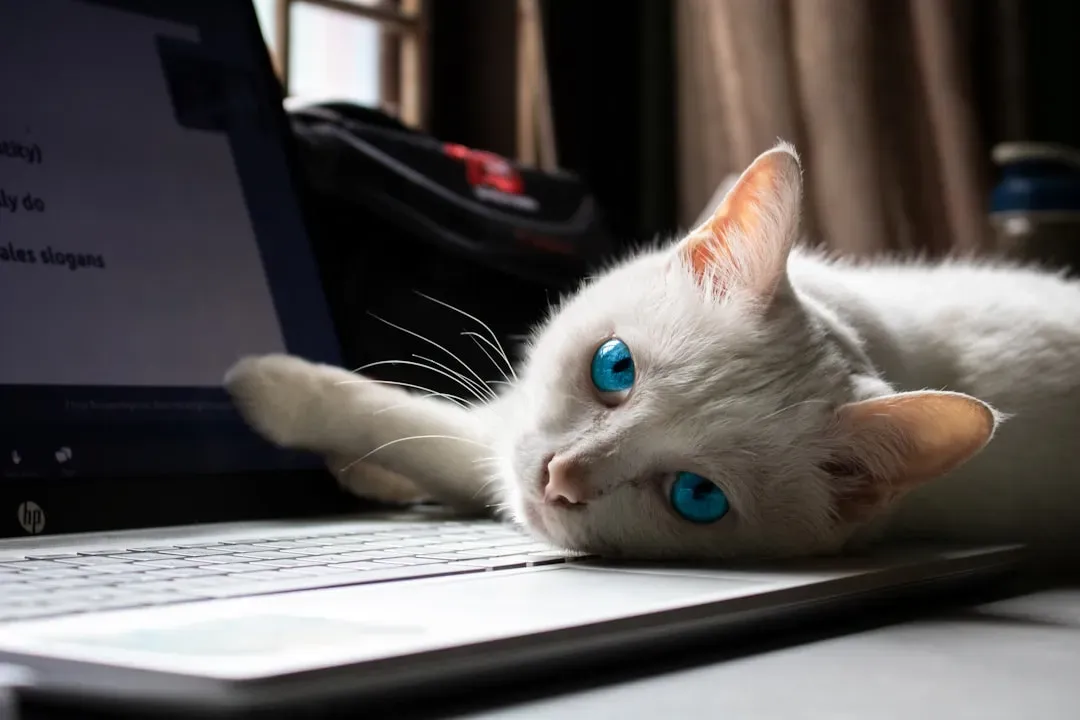
Laptop open? Your cat is on it. Reading a book? The book is now a cat bed. Eating dinner? Prepare to share your plate with someone who has absolutely no business being there. The audacity is breathtaking. The logic, however, is actually quite sound from a feline perspective.
Cats can become demanding about getting your attention to the point that they try to distract you from your current task. You could be working or reading a book and find your cat lying on top of it, and while cats can do it because the laptop or book is a comfy resting place, it could also be their way of redirecting your attention to them instead. They’ve essentially done the math. You look at the laptop. You look at the book. You never look at them while those objects exist. The obvious solution is to eliminate the competition.
It can be difficult to judge the motives of cats, and lying down on top of your hands while you’re typing on your laptop is often seen as an act of domination, since it clearly wants you to stop paying attention to work and focus on its adorable self. Honestly? Hard to argue with that logic. Your cat has decided that they are, objectively, more interesting than your spreadsheet. They may actually have a point.
5. The Slow Object Push
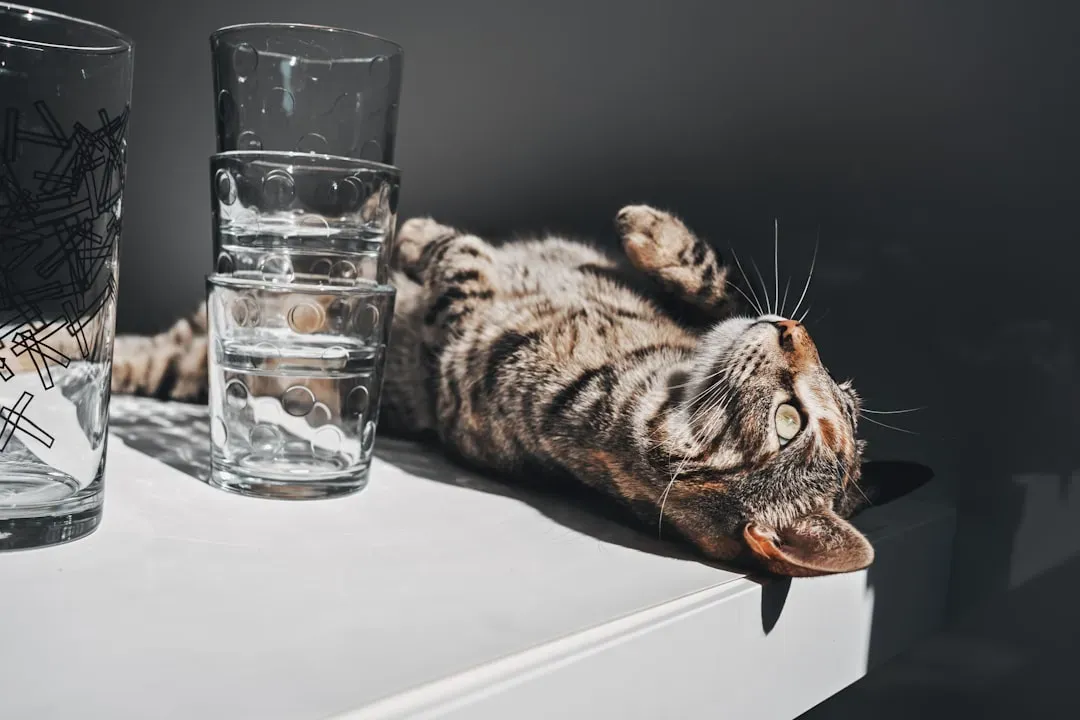
You’re watching television, completely relaxed. From the corner of your eye, you notice your cat sitting next to a glass on the side table. They make eye contact with you. Then, one deliberate paw extends and begins nudging the glass toward the edge. This is not clumsiness. This is a negotiation.
Clever cats will locate the item you most treasure and slowly but deliberately push it to the edge of the table, dresser, or shelf, giving you just enough time to run over and catch it before it falls, and if you’re engrossed enough in what you’re doing, they’ll send that item crashing to the floor, because either way, they’ve won your attention. It’s calculated, a little manipulative, and genuinely impressive. You have to admire the strategic thinking behind it, even as you scramble to rescue your grandmother’s teacup.
Some cats will deliberately knock items off tables or counters to gain your attention. Attention-seeking behaviors can develop because we unintentionally reinforce them through our reactions. For example, suppose your cat learns that knocking an item off a shelf gets a swift response from you. In that case, they’ll quickly learn that particular activity paid dividends and had the desired outcome. In other words, every time you jumped up in panic, you taught your cat that the trick works. Well done, both of you.
6. Kneading You Like Bread Dough
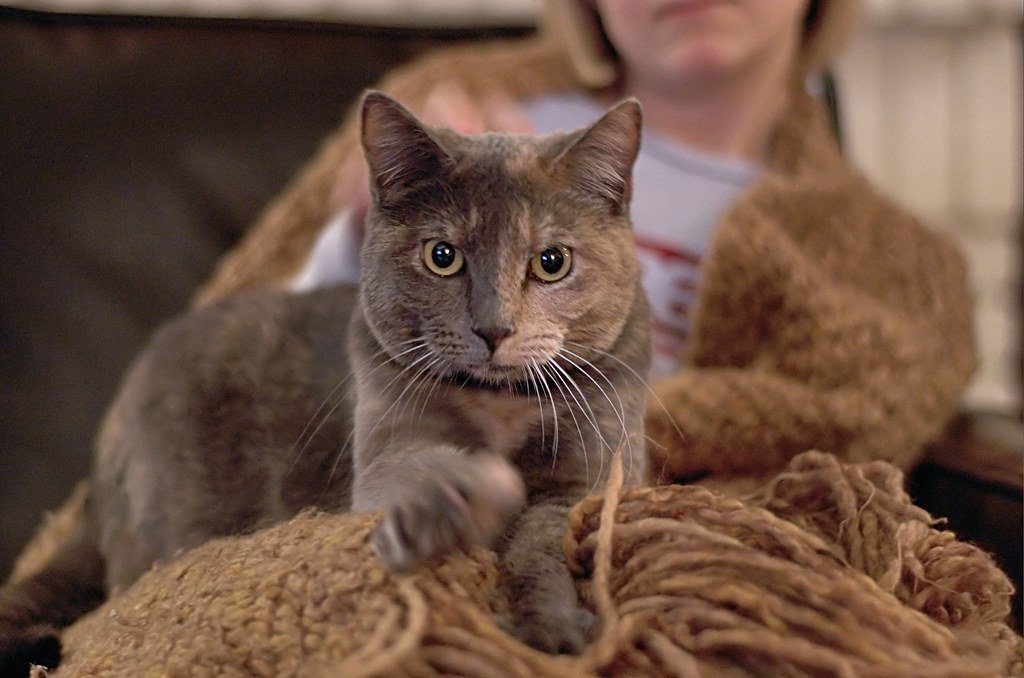
There’s something simultaneously bizarre and deeply comforting about having a cat settle into your lap and begin rhythmically pressing their paws into your legs, over and over, like a tiny baker working a particularly resistant dough. It looks odd. It actually means something beautiful.
If a cat kneads your arm or your leg, they are generally saying that they like you. As kittens, cats knead their mothers when nursing, and this behavior carries over into adulthood as their way of saying they’re comfortable and relaxed in your presence. It’s a throwback to the safest moment they ever knew. When your cat kneads you, they’re essentially telling you that you feel like home to them. Try not to let that make you emotional. I dare you.
Kneading, or “making biscuits,” on their favorite blanket, couch, cat bed, or human companion is another example of attention-seeking physical behavior. Cats may knead to self-soothe when feeling stressed or anxious, but they also knead when content, comfortable, and relaxed. So when your cat climbs into your lap and starts “making biscuits,” they’re not just seeking warmth. They’re seeking you, specifically. That distinction is worth sitting with.
7. Vocalizing Just Enough to Make You Curious
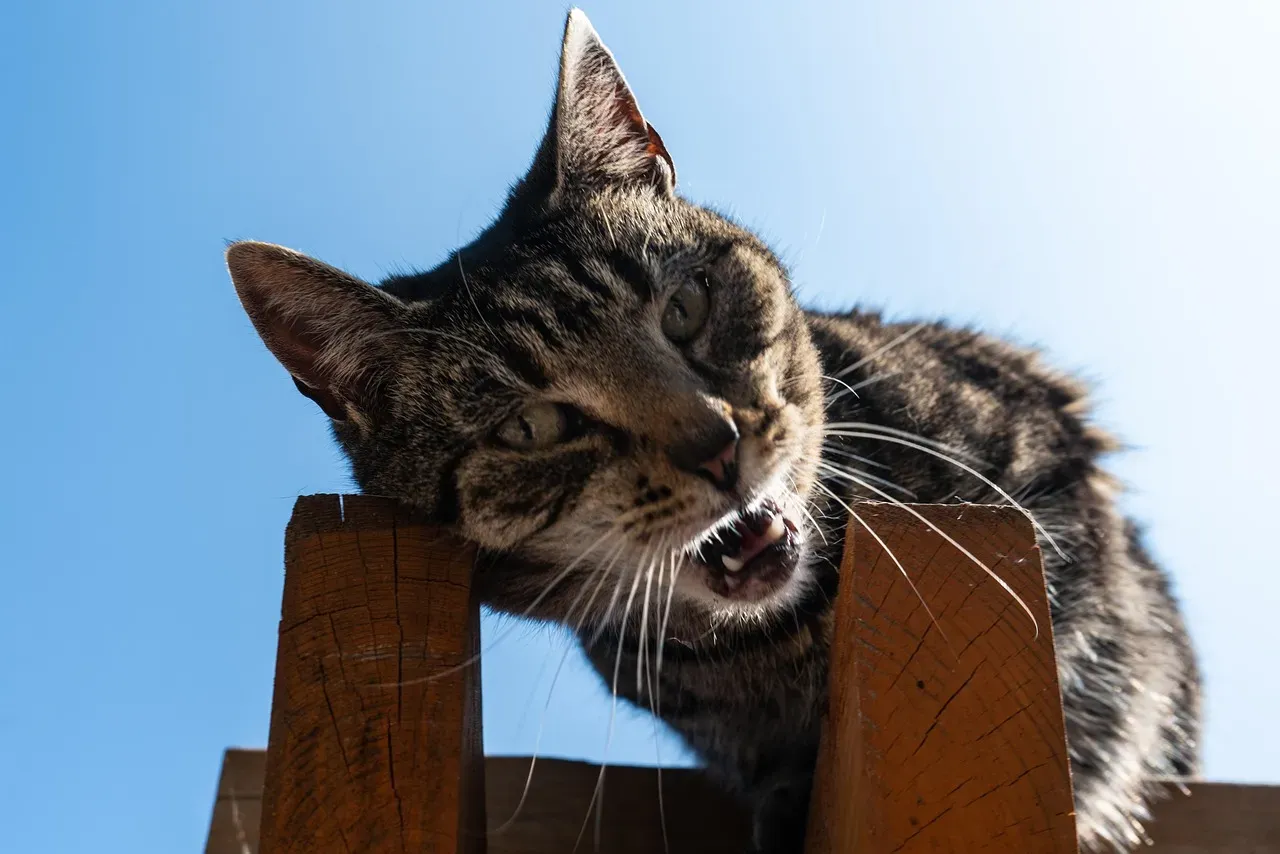
Not every cat is a screamer. Some cats prefer a more understated vocal approach. A single, soft chirp when you walk past. A quiet trill as they follow you down the hallway. A barely-there meow from the other room that makes you stop and think, “Was that my cat?” Yes. Yes, it was. And that was entirely the point.
Cats meow in order to communicate with people, and in fact, experts consider meowing a learned response they developed specifically to get human attention. The soft, restrained vocalization is a sophisticated tool. It’s just loud enough to register, just quiet enough to make you wonder if you imagined it. Before you know it, you’ve put down what you were doing and gone looking for your cat. Mission accomplished.
Some cats, especially the oriental breeds, are very vocal and use that as a main mode of communication, while other cats may meow more frequently and loudly when they want attention. On the other hand, a sudden change in behavior, like suddenly ceasing to vocalize or vice versa, could signal that your cat is in pain. This is the part that trips people up. A cat who suddenly goes very quiet after being vocal, or who escalates to yowling for no obvious reason, is waving a different kind of flag entirely. Always worth paying attention to the shift, not just the sound.
8. Bringing You a “Gift”
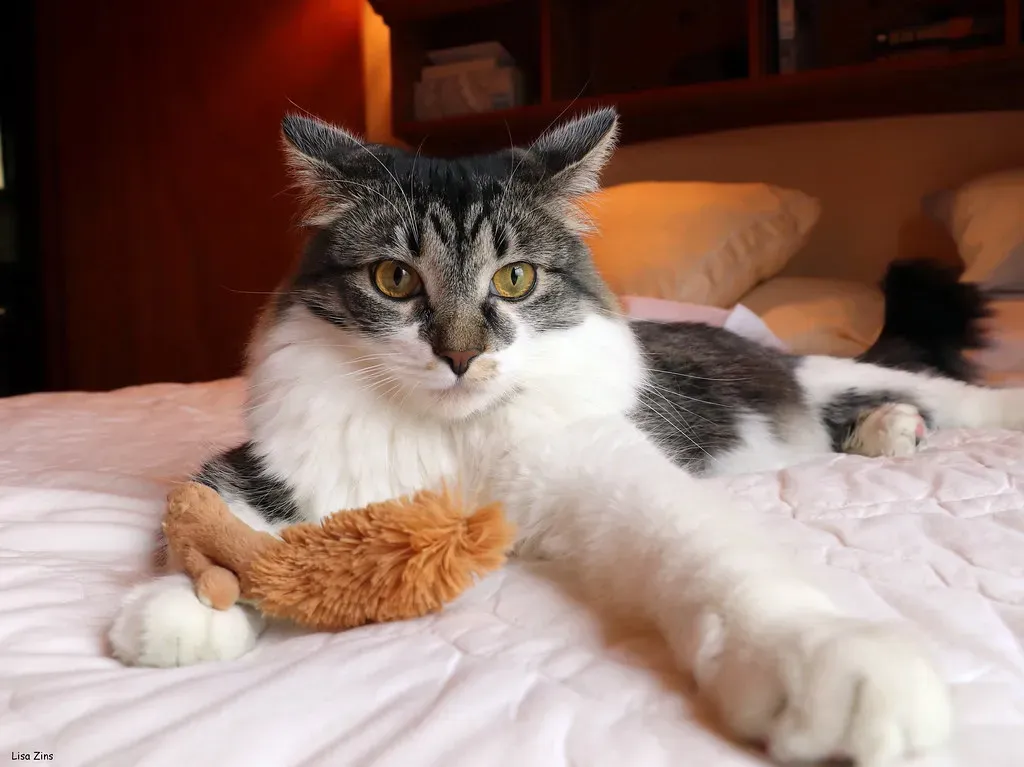
You’re sitting on the sofa when your cat trots in, head held high with great dignity, and deposits something at your feet. Maybe it’s their favorite toy mouse. Maybe it’s a crinkled ball of paper. Maybe, if you’re particularly unlucky and have an outdoor cat, it’s something that was recently alive. The gift-giving ceremony has begun.
Cats want to please their owners, and one of the ways they do so is by bringing gifts to them, which may include catnip mice, stuffed animals, or even shoes and slippers. The trick works especially well when a cat wants attention. Once they choose the item most likely to get you out of your chair and over to them, they’ll drop it at your feet and wait until they receive your praise. It’s their version of saying “Look what I did. Are you proud of me? Are you looking? Look.” It’s needy in the most endearing way imaginable.
Attention-seeking cats will often stare at you, scratch at a closed door, or follow you around, and some will also bring gifts and enjoy the attention this then brings. The gift is really just an excuse, a conversation starter, a reason for you to stop what you’re doing and engage. Think of it like a colleague who sends you a meme at work. They don’t just want you to see the meme. They want you to laugh together. Your cat wants the same thing, just with a toy mouse instead of a meme.
Conclusion: Your Cat Is Talking. Are You Listening?
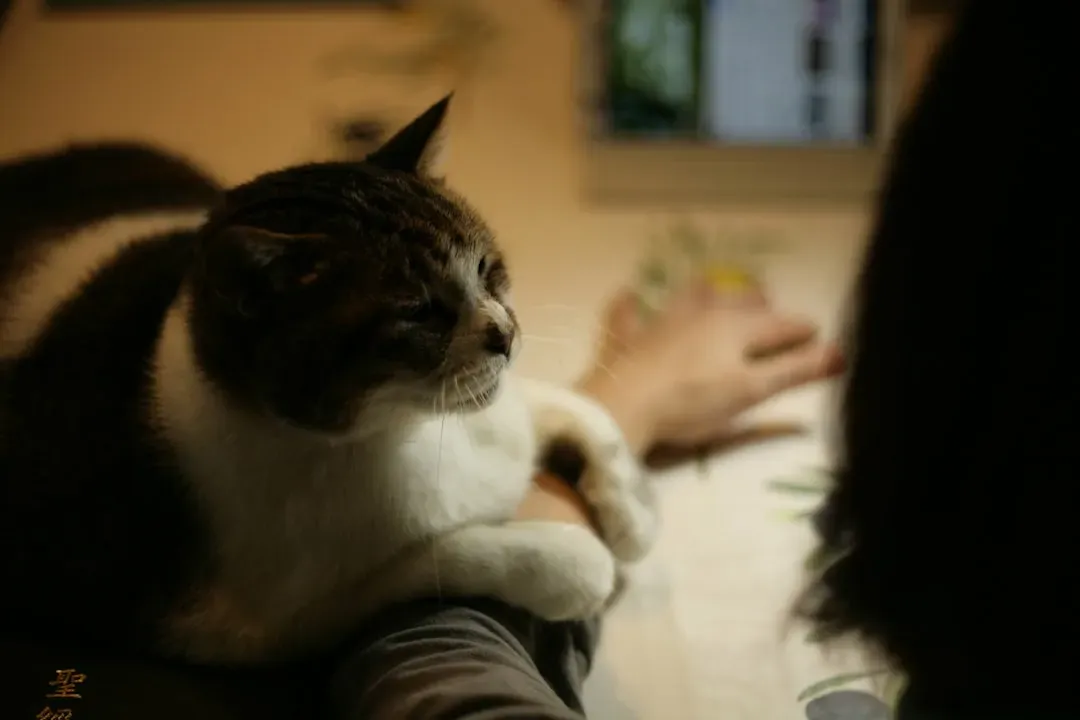
Here’s the thing about cats. Cats have many interesting ways of capturing your attention to get the affection they desperately want, with some methods being more calculated while others are blatantly obvious and even comical. Even the most independent feline can find creative ways to get your attention and look adorable while doing it, because many cats genuinely enjoy your company and, since they cannot speak to you in ways you understand, they show you other signs instead.
Every slow blink, gentle tap, and strategically placed toy is a sentence in a language most people never bother to learn. Cats can be quite social creatures, and many attachment behaviors are actually a normal aspect of their bond with humans. It’s perfectly natural for them to follow you around, seek interactions, and express happiness when you return home. The trick is learning to hear what they’re saying before they have to knock something breakable off the shelf to get your attention.
Once you start recognizing these signals, your relationship with your cat changes. You stop feeling pestered and start feeling trusted. Addressing these attention-seeking behaviors won’t just stop disruption. It can make your cat much happier, which can go a long way toward improving your bond. Now that you know what to look for, what signal from your cat have you been unknowingly ignoring all this time? Tell us in the comments.