You might think lions or tigers hold the title for most powerful big cat. Yet there’s a spotted predator in the Americas that packs more power relative to its size than any other feline on Earth. When you look beneath the surface, jaguars possess extraordinary abilities that truly set them apart from their larger cousins.
Let’s be real, these cats don’t get nearly enough credit. While they weigh less than African lions or Bengal tigers, their muscular build and specialized hunting techniques make them incredibly formidable. From bone-crushing bites to surprising swimming prowess, these apex predators have evolved to dominate one of the planet’s most challenging environments. So let’s dive in and discover what makes jaguars the true champions of strength in the big cat world.
Their Bite Force Exceeds All Other Big Cats Relative to Size
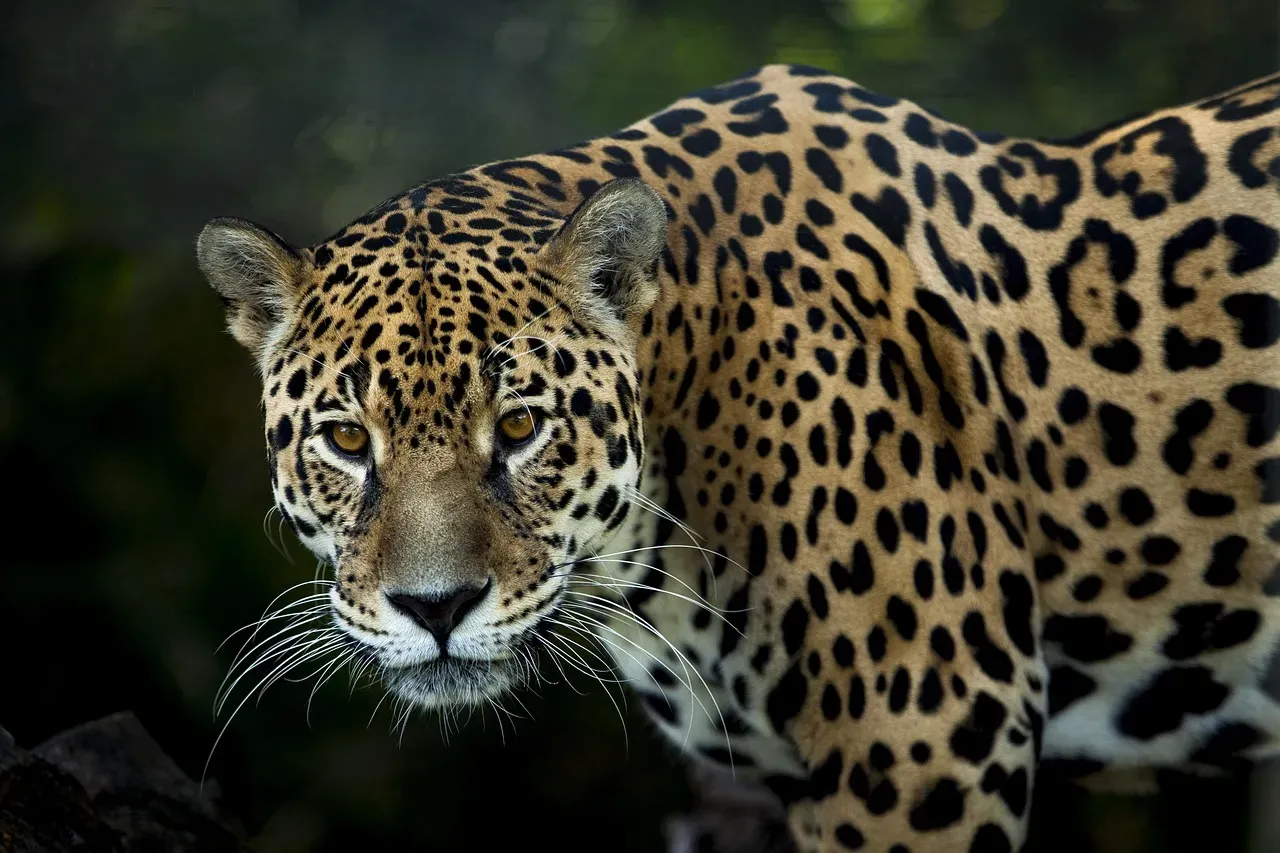
When you measure bite force proportionally, jaguars possess the strongest bite of all big cats, with a force of 1,500 pounds per square inch. Think about that for a moment. While tigers produce roughly three-quarters more absolute bite force, jaguars are much smaller animals, making their bite significantly stronger pound for pound.
The secret lies in the unique arrangement of their jaw muscles, which are slightly stronger relative to body weight than other cats, combined with shorter jaws that increase leverage for biting. It’s honestly impressive how evolution sculpted these cats into such efficient killers. A 100-kilogram jaguar can bite with a force exceeding 700 kilograms at its carnassial teeth, giving it enough power to tackle prey other cats wouldn’t dare approach.
They Employ A Unique Skull-Crushing Kill Method
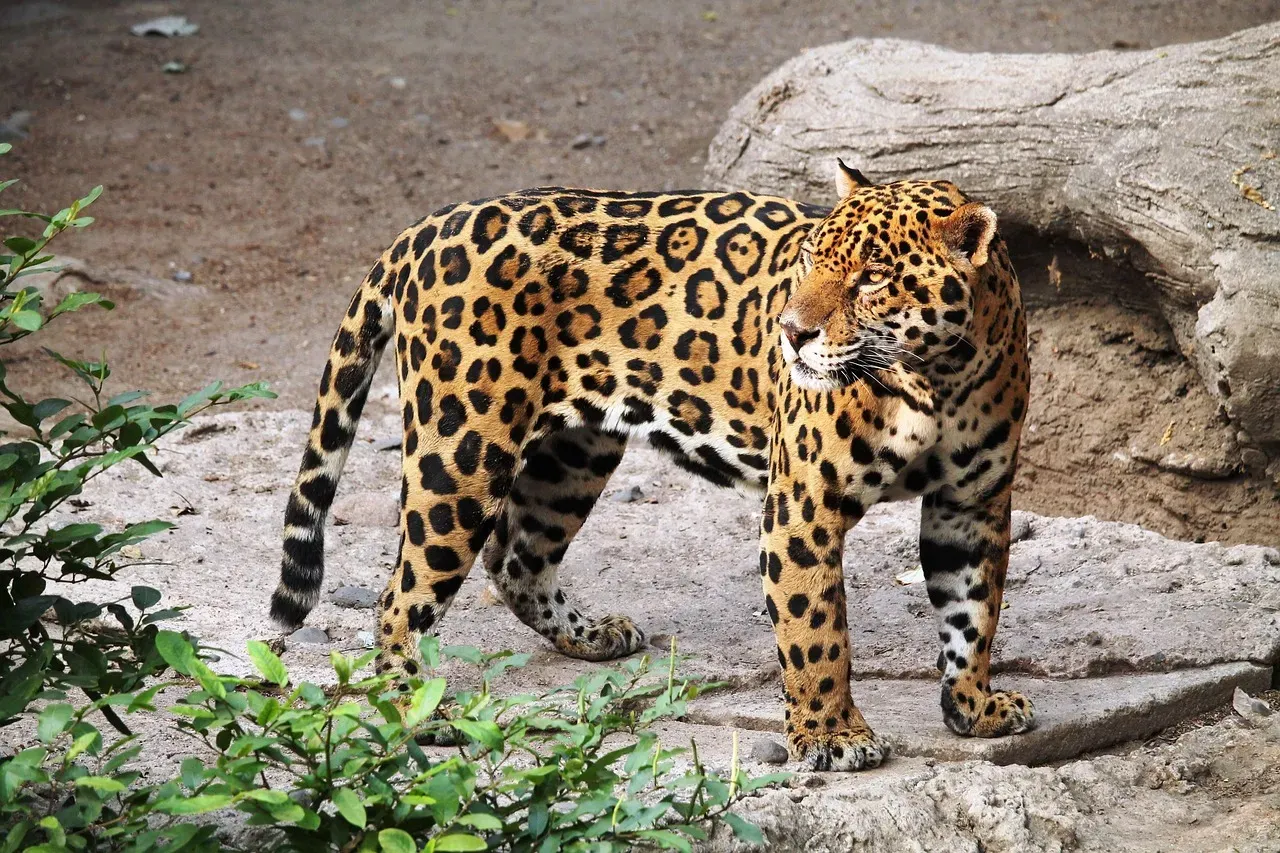
Jaguars employ an unusual killing method by biting mammalian prey directly through the skull between the ears to deliver a fatal bite to the brain. Most big cats go for the throat to suffocate their victims, yet jaguars take a completely different approach. Unlike lions and leopards that bite the throat, or tigers that crush the spine through the neck, jaguars bite directly through the skull with a single fatal bite reaching the brain.
This skull-biting behavior is driven by the type of prey jaguars commonly hunt, including animals with thick hides, shells, or bony armor such as caimans, turtles, and armadillos, where a throat bite would be ineffective. Their technique minimizes struggle time and reduces injury risk during hunts. By targeting the skull, jaguars quickly neutralize prey with a fatal blow to the brain, minimizing the risk of injury that could occur in a prolonged struggle.
They Can Lift And Drag Prey Exceeding 700 Pounds
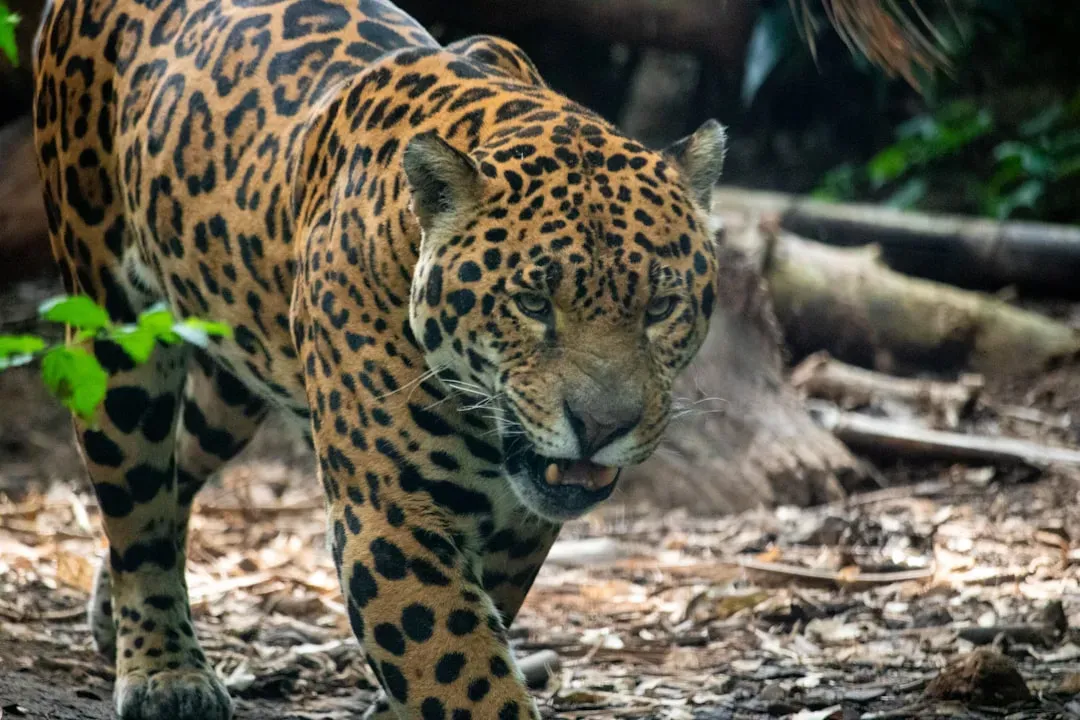
Jaguars exhibit remarkable lifting and striking power, enabling them to handle prey weighing over 700 pounds and lift weights of 700 pounds or more. Imagine the sheer muscle density required for such feats. These big cats possess strong muscles that allow them to lift 700 pounds or more, and deliver a powerful strike of almost 500 pounds of force.
Their strength is such that carcasses as large as a heifer can be hauled up a tree to avoid flood levels. Here’s the thing: this isn’t just about raw power. Jaguars can pull caimans weighing up to 60 kilograms out of the water with their teeth and carry the prey up a tree to protect it from other predators. That kind of versatility in hunting and food storage gives them a serious survival advantage in competitive ecosystems.
They’re Exceptional Swimmers Unlike Most Big Cats
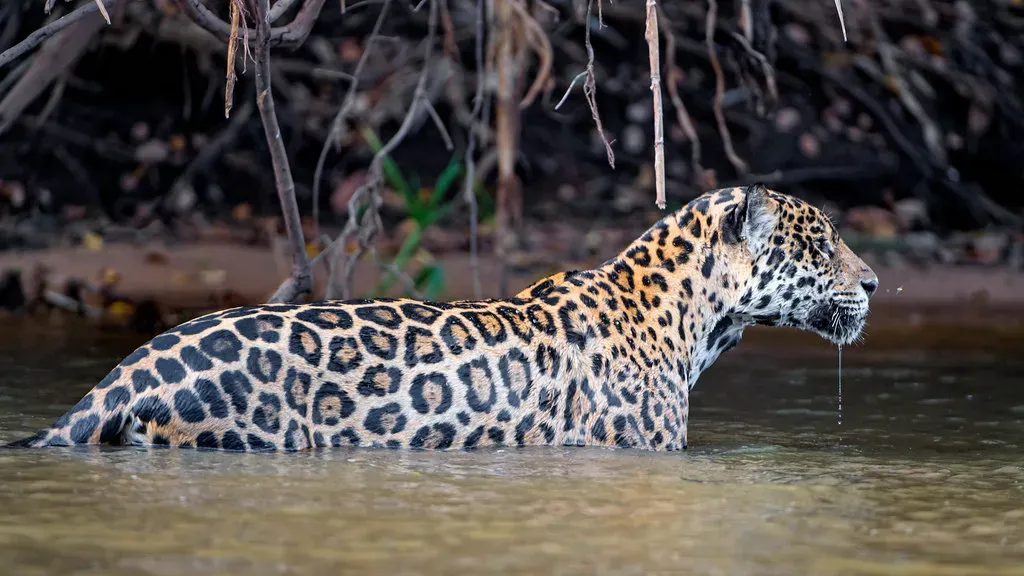
Jaguars are good swimmers and play and hunt in the water, possibly more than tigers, having been recorded moving between islands and the shore while swimming distances of at least 1.3 kilometers. While lions avoid water and leopards only tolerate it, jaguars genuinely thrive in aquatic environments. Unlike most domestic cats, jaguars are excellent swimmers and love the water, fully submerging and diving in pursuit of prey if needed.
Jaguars swim at speeds of up to 6 miles per hour, and their webbed paws enable efficient propulsion through water. Their muscular bodies and powerful limbs make them surprisingly agile in rivers and swamps. Some jaguars dive below the surface to catch fish or turtles, with their ability to hold their breath while underwater allowing them to hunt in ways other big cats cannot. This aquatic mastery expands their hunting territory dramatically beyond what land-based predators can access.
They Regularly Take Down Dangerous Armored Prey
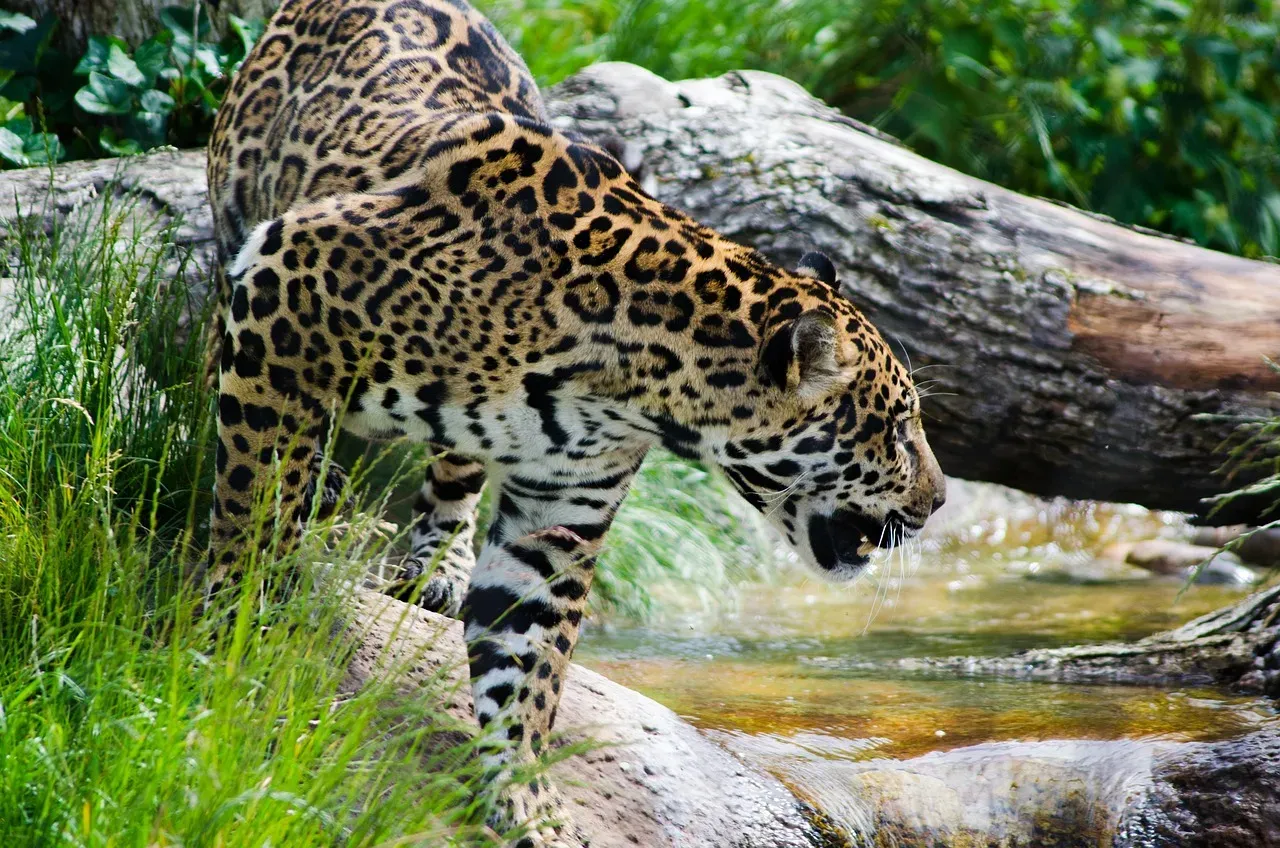
Jaguars are specifically adapted to hunt neotropical reptiles, including very large crocodilians such as the Orinoco crocodile, and also prey on turtles, tortoises, boa constrictors and anacondas. Let me tell you, hunting a caiman requires courage most predators simply don’t possess. A jaguar can bite straight through the skull of its prey and pierce the thick skin of a caiman with ease.
Jaguars have the most powerful bite out of all big cats, allowing them to take down prey three to four times their own weight like caimans and tapirs. In addition to caimans, they hunt larger crocodiles and show no mercy to turtles and even anacondas. The fact that they successfully hunt creatures capable of killing them demonstrates not just strength but remarkable tactical intelligence.
They’re Powerful Climbers Despite Their Stocky Build
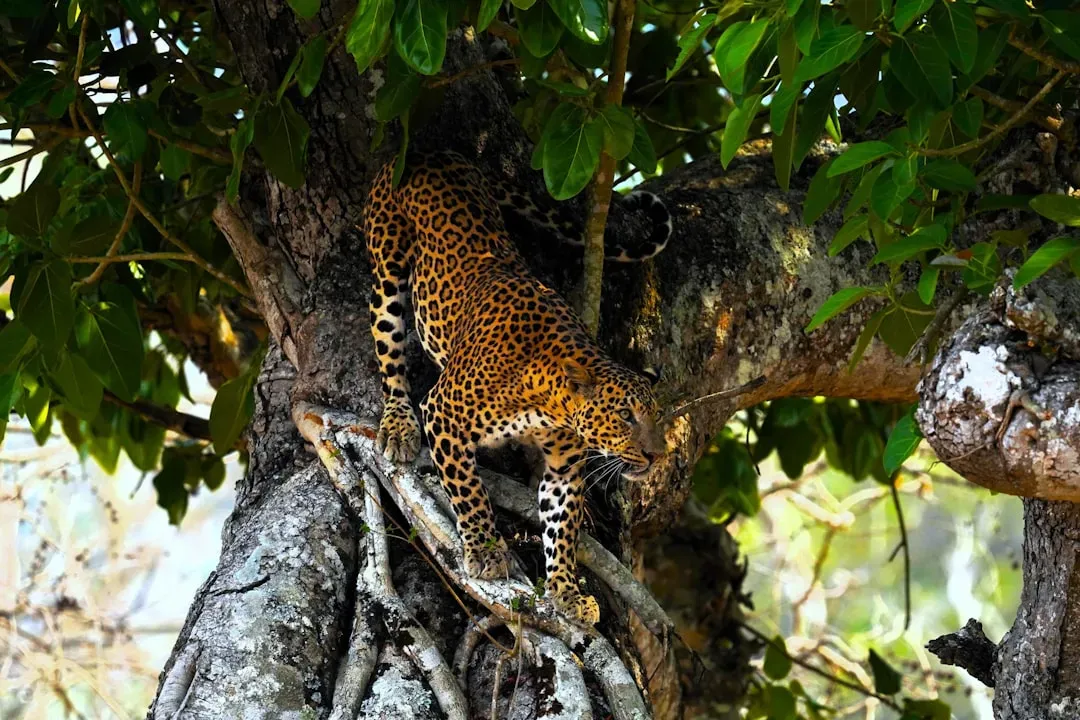
Jaguars can climb trees, and while not as specialized as arboreal cats like the margay or clouded leopard, they possess the physical attributes and inherent behaviors enabling them to ascend trees with surprising agility. It’s kind of amazing when you consider their muscular, compact bodies. Jaguars are powerful climbers capable of scaling trees to rest or ambush prey from above.
Jaguars possess exceptionally strong muscles particularly in their shoulders, back, and limbs, which provide the necessary strength for hoisting themselves up trees, along with sharp retractable claws that provide excellent grip on tree bark. While typically associated with the ground, jaguars are actually excellent climbers and have been known to climb trees in search of food or shelter, a unique ability among big cats that allows them to access a wider range of habitats and prey. This vertical dimension to their hunting strategy gives them options that most similarly-sized predators lack.
They Have A More Compact Jaw Structure For Maximum Leverage
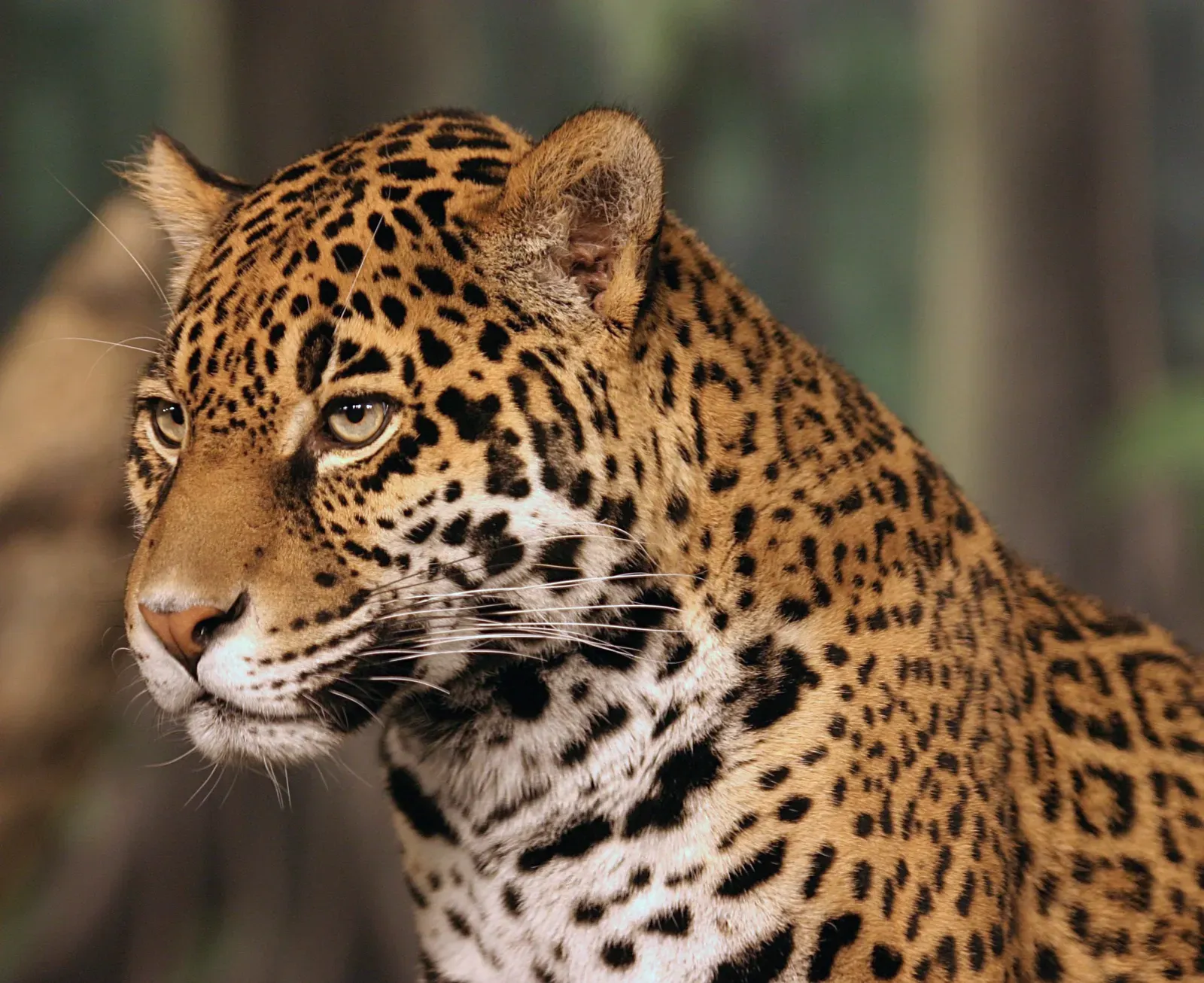
Jaguars’ jaws are slightly shorter, which grants them more leverage than other big cats, and their jaw muscles are a bit different in shape. The engineering behind this is genuinely fascinating. Jaguars have slightly shorter jaws compared to other big cats, giving them more leverage for biting, and their jaw muscles are also different, making them stronger relative to their size.
The strength of the jaguar’s bite is due to the arrangement of its jaw muscles which, relative to weight, are slightly stronger than those of other cats, and jaws that are slightly shorter, increasing the leverage for biting. Proportionally, jaguars have the strongest jaws of any big cat and unique teeth, with proportionally larger skulls which allow for more muscles and a more powerful bite. This anatomical specialization represents millions of years of adaptation to a specific ecological niche.
They Control Ecosystems As Keystone Predators
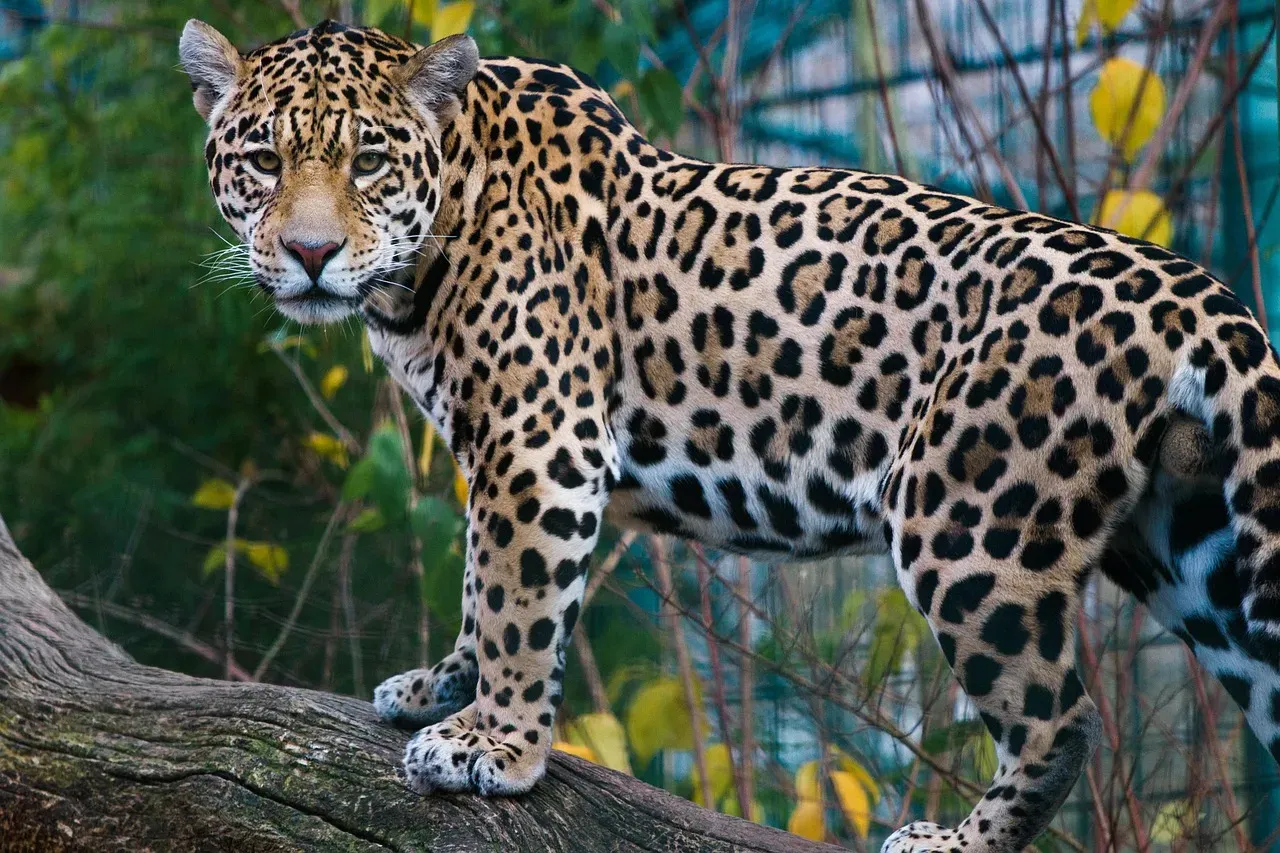
The adult jaguar is an apex predator at the top of the food chain and not preyed upon in the wild, and has been termed a keystone species as it controls population levels of prey and maintains the structural integrity of forest systems. Their ecological importance cannot be overstated. As an apex predator, the jaguar occupies an ecological niche at the top of the food chain with a predatory role considered a keystone function, and by regulating populations of medium-sized herbivores, jaguars indirectly influence vegetation health and biodiversity.
The jaguar’s diet consists of more than 85 recorded species, with prey items ranging from large mammals like capybara, tapirs, and deer to smaller creatures like armadillos and rodents. Their dietary flexibility allows them to adapt to changing environments. The jaguars’ hunting of caimans significantly impacts the balance of ecosystems they inhabit, and by fulfilling their role as apex predators, jaguars directly and indirectly support ecosystem regulation. Without these powerful cats, the entire structure of South American ecosystems would fundamentally change.
These remarkable cats represent the pinnacle of evolutionary adaptation for their environment. Honestly, when you stack up all the evidence, it’s difficult to argue against jaguars holding the title of strongest big cat pound for pound. Their combination of bite force, unique hunting methods, swimming ability, climbing prowess, and ecological dominance creates a package that no other feline can match relative to body size. What do you think about these incredible predators? Did any of these facts surprise you?