You’ve probably sat next to your cat on a quiet evening, noticed them making some odd little noise, and thought, “What on earth was that?” Cats are, honestly, some of the most vocally complex creatures on the planet. They hiss, they yowl, they chatter, and they purr. Yet the sounds they make when they are genuinely happy and at peace? Those are often the most surprising, the most subtle, and the most beautiful.
Like humans, cats have a vast vocabulary. Up to 21 different feline vocalizations have been described in scientific research, and their vocal repertoire probably contains even more. Cats can even use these vocalizations to create complex combinations, sort of like sentences created by people. So if you’ve been thinking your cat is just making random noise, think again. Let’s dive into the 8 most surprising sounds your cat makes when they are truly, deeply content.
1. The Classic Purr: More Than Just a Happy Hum
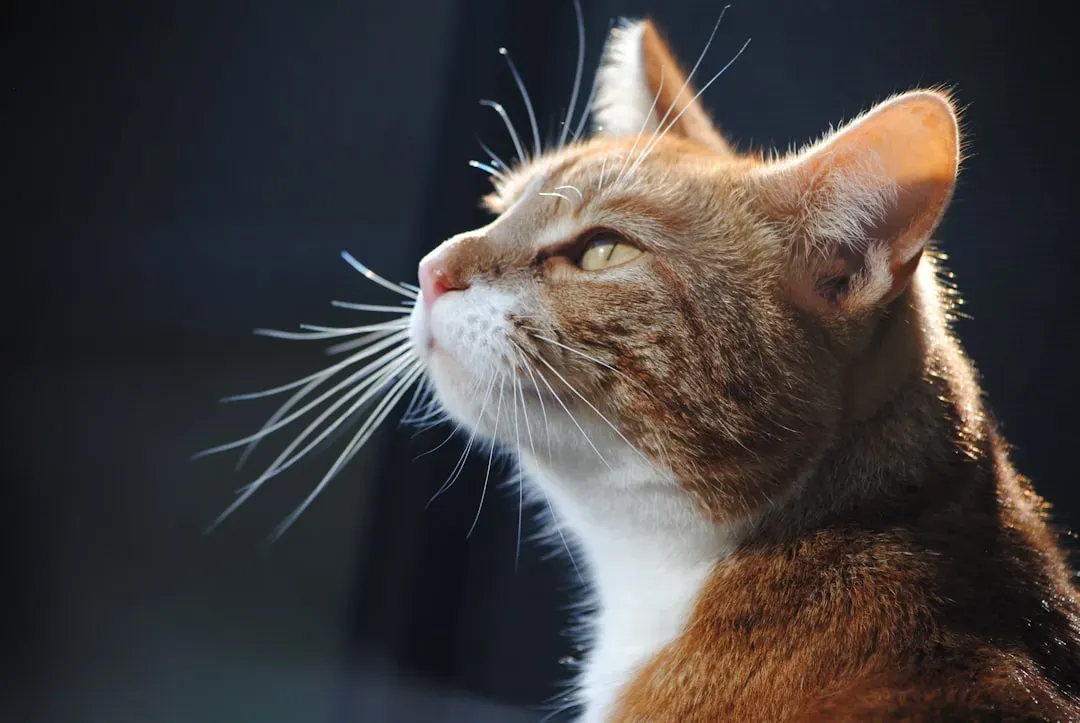
Let’s be real, the purr is the sound most people think of first. You feel it before you even properly hear it, that low, rhythmic vibration rolling through your cat’s chest like a tiny motor has switched on. Purring is a soft, low rumbling sound that almost all cats make. Depending on the feline, the sound may be a very quiet murmur or so loud you can hear it across the room. You can often feel the vibration when they purr.
Here’s where things get genuinely fascinating. The frequency of a cat’s purr typically falls between 20 Hz and 150 Hz, with the range of 25 to 50 Hz known to stimulate bone growth and fracture healing. Think about that for a second. Your cat, curled up on your lap on a Sunday afternoon, is essentially running a low-level vibration therapy session on both of you. The soothing sound and vibrations of a purring cat can help lower stress levels in humans, leading to decreased blood pressure and improved overall mental well-being.
2. The Trill: Your Cat’s Musical Greeting
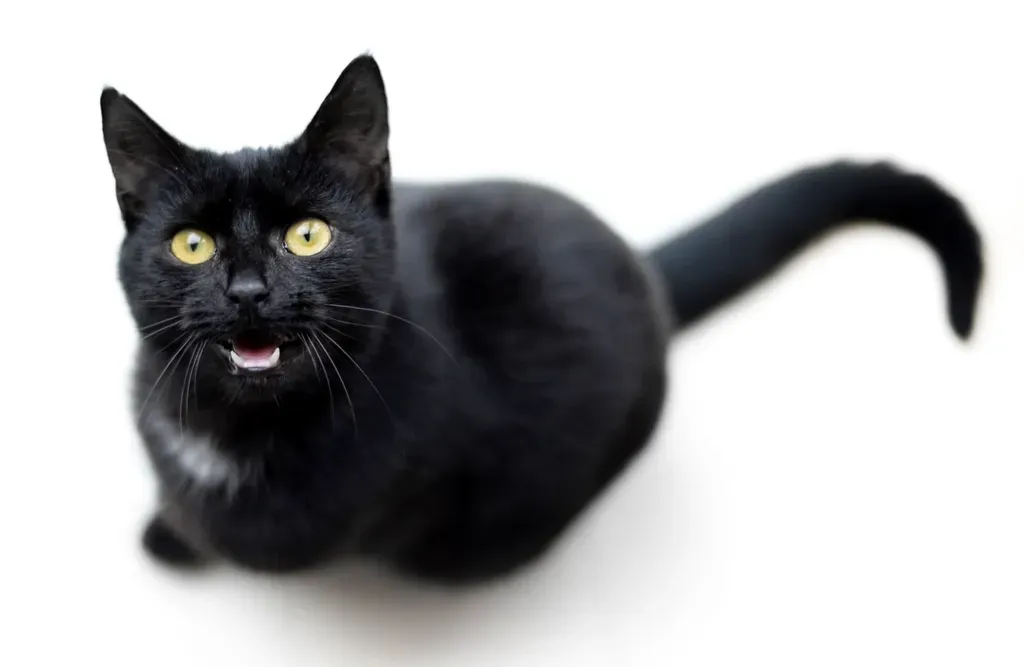
A trill is produced with a soft voice and sounds like a purr but with a higher pitch. It’s one of those sounds that you either immediately recognize or have been unknowingly dismissing as a brief throat sound. I think most cat owners have heard it without realizing it had a name or a very specific meaning attached to it.
A mix between a meow and a purr, the trill is often described as a friendly “mrrp” sound. High-pitched and repetitive, it comes out in short bursts. Cats make this sweet sound as a greeting to other cats or to people. It can also be used as a thank-you if their human has given them a treat or a head scratch. It is one of the most amicable cat vocalizations and gives off positive vibes. So the next time your cat trills at you from across the room, know that you’ve just received a compliment.
3. The Chirp: A Little Bird Sound From a Little Predator
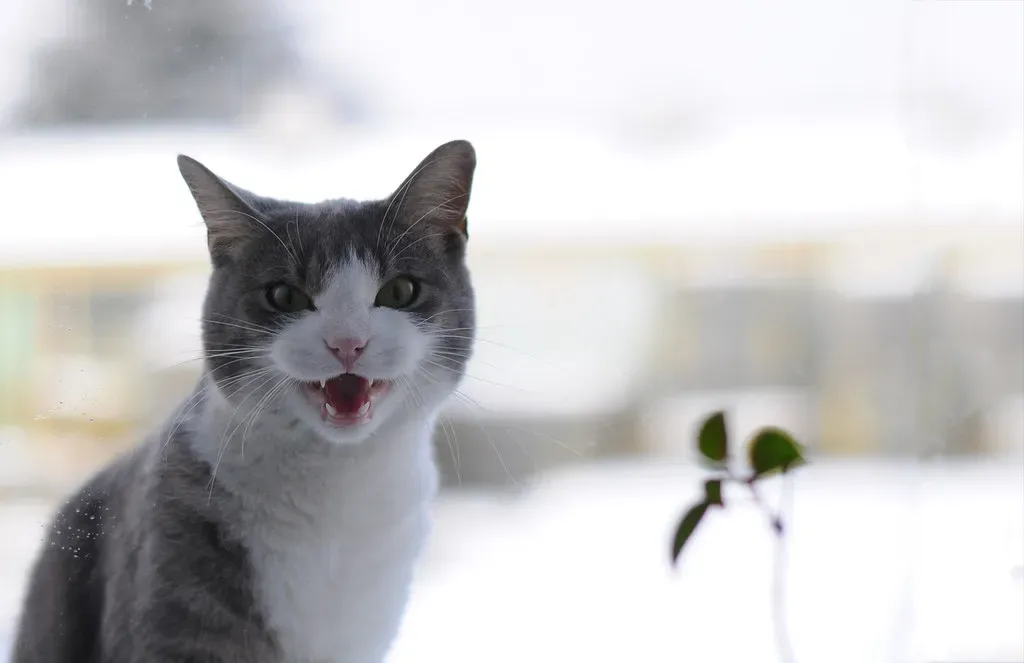
A chirp is a short, high-pitched call that sounds similar to a bird. A sequence of chirps is called chirrups. The chirp is initially uttered by the mother cat as a contact call to her kittens, but adult cats may chirp to get your attention and inform others of their location. It’s a surprisingly delicate sound coming from an animal that is also perfectly capable of taking down a bird twice its size.
Cats may chirp at their owners when they come home after being away for the day or when they’re excited about dinner time. Others may let out a little chirp whenever they see you in the house and you call them over. Learned in kittenhood, these birdlike utterances are slightly more declarative than a meow. Originally used by mothers to tell kittens to pay attention and follow her, your cat may chirp in an effort to get your attention, or as a way to show you something it deems important. Chirrups and squeaky little trills can also happen when a cat is excited and happy.
4. The Solicitation Purr: The Clever Purr Hidden Inside a Purr
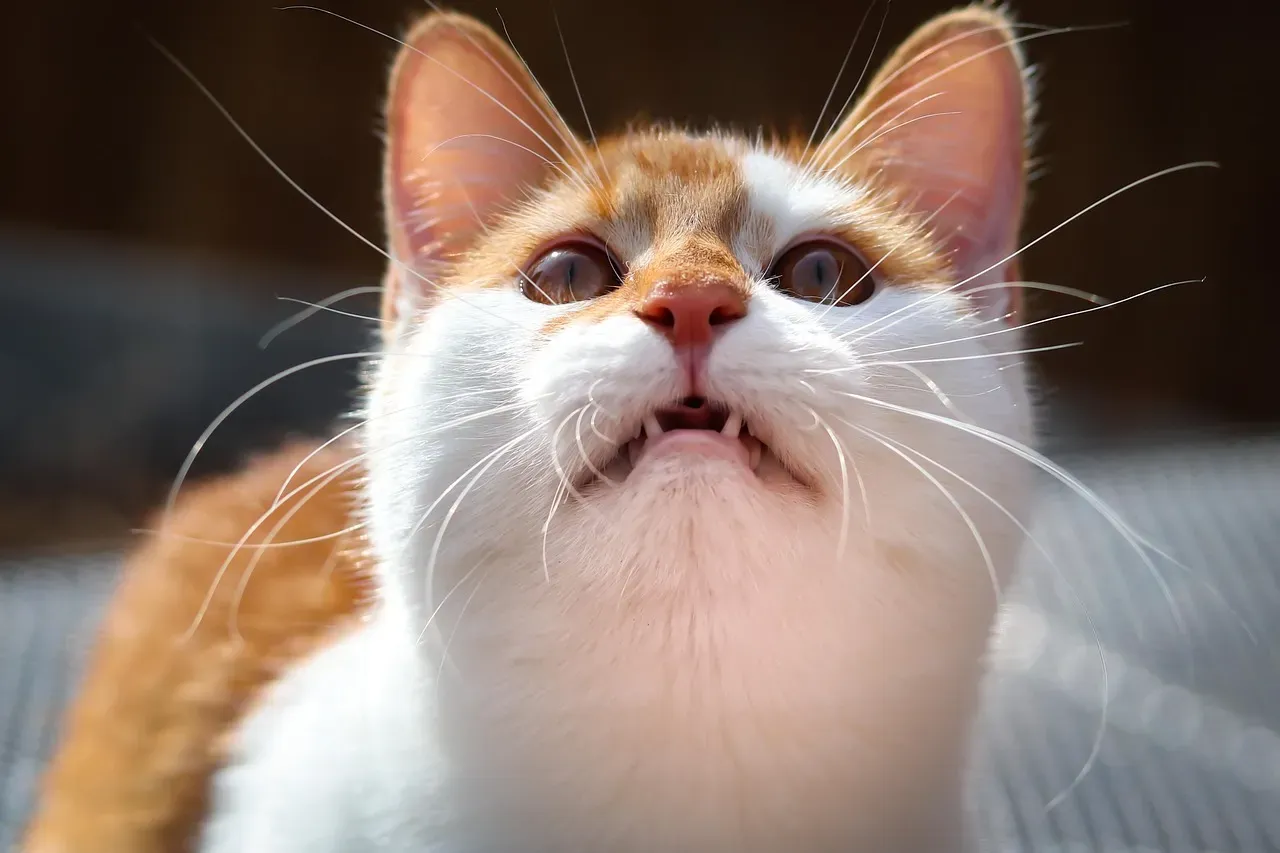
Now this one is genuinely mind-blowing. Honest. You think you’re hearing one sound, but your cat is actually layering a second, more urgent signal inside of it. Embedded within the low-frequency purr is a high-frequency cry, somewhat similar in range to a human infant’s cry. This “solicitation purr” is more urgent and less pleasant, making it difficult for humans to ignore. It appears to be a learned behavior, a clever way for cats to tap into our innate nurturing instincts to get what they want.
These “food soliciting” purrs include high-frequency voiced components similar to those produced by human infants when crying. With these solicitation purrs, domestic cats are effectively tapping into our own nurturing instincts to give them attention. Their cries of “feed me” are hidden in what may sound like a pleasant purr. It’s manipulation, honestly. Adorable, genius-level manipulation. Your cat figured out how to hide an urgent baby cry inside a cozy sound. And it works every single time.
5. The Chirrup or “Chirr”: The Mother’s Secret Language
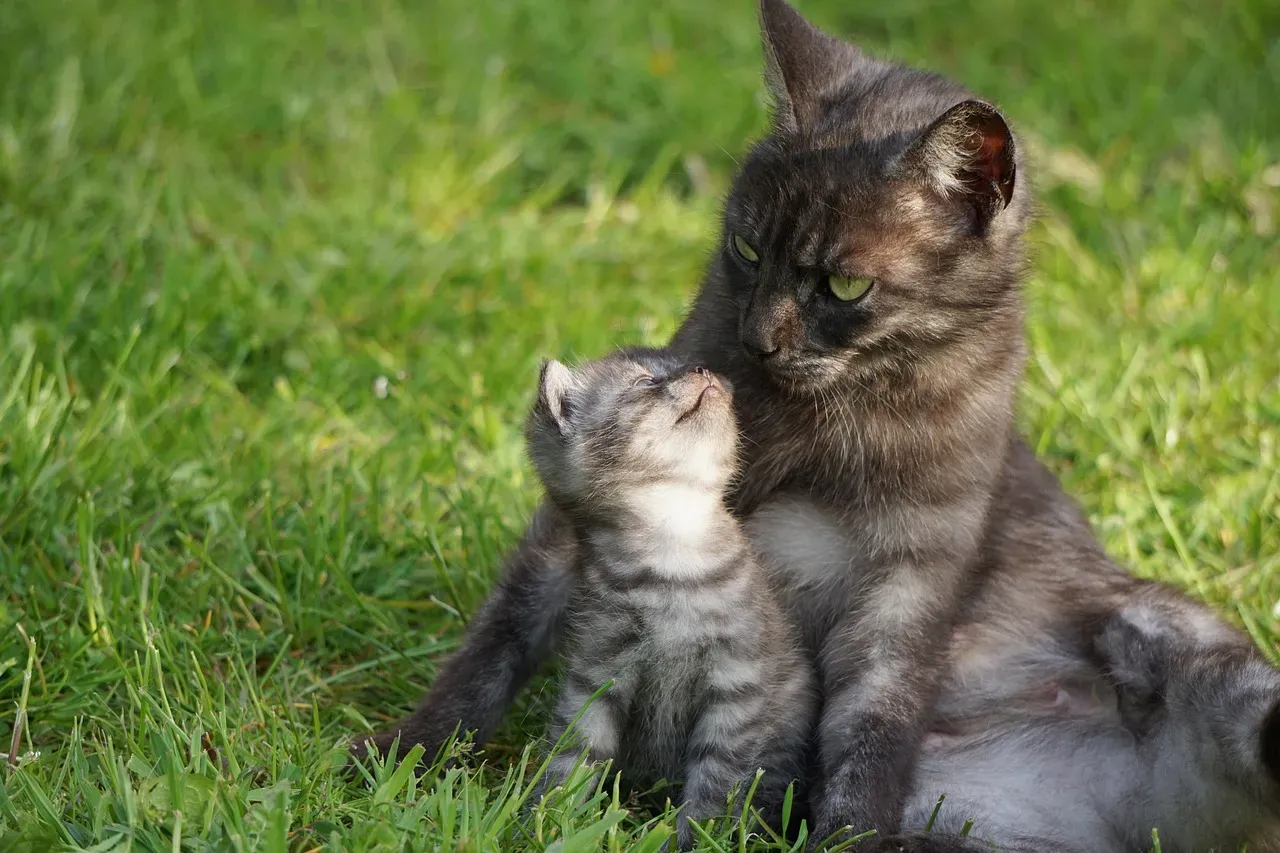
The chirr or chirrup sounds like a meow rolled on the tongue. It is commonly used by mother cats to call their kittens inside the nest. Kittens recognize their own mother’s chirp, but they do not respond to the chirps of other mothers. It is also used in a friendly manner by cats when they are greeted by another cat or a human.
Acoustic analysis supports that the mother’s chirps are distinctive and stable enough to be used as a vocal signature, allowing the mother to reassure the kitten of her arrival at the nest. Later, when the kittens grow older, it would be used by the mother to call them out of the nest and to follow her. When your adult cat makes this rolling, soft chirr at you, it’s essentially treating you like a beloved kitten. Chirps and trills are how a mother cat tells her kittens to follow her. When aimed at you, it probably means your cat wants you to follow them. That’s incredibly sweet, if you think about it.
6. The Happy Meow: Short, High, and Full of Joy
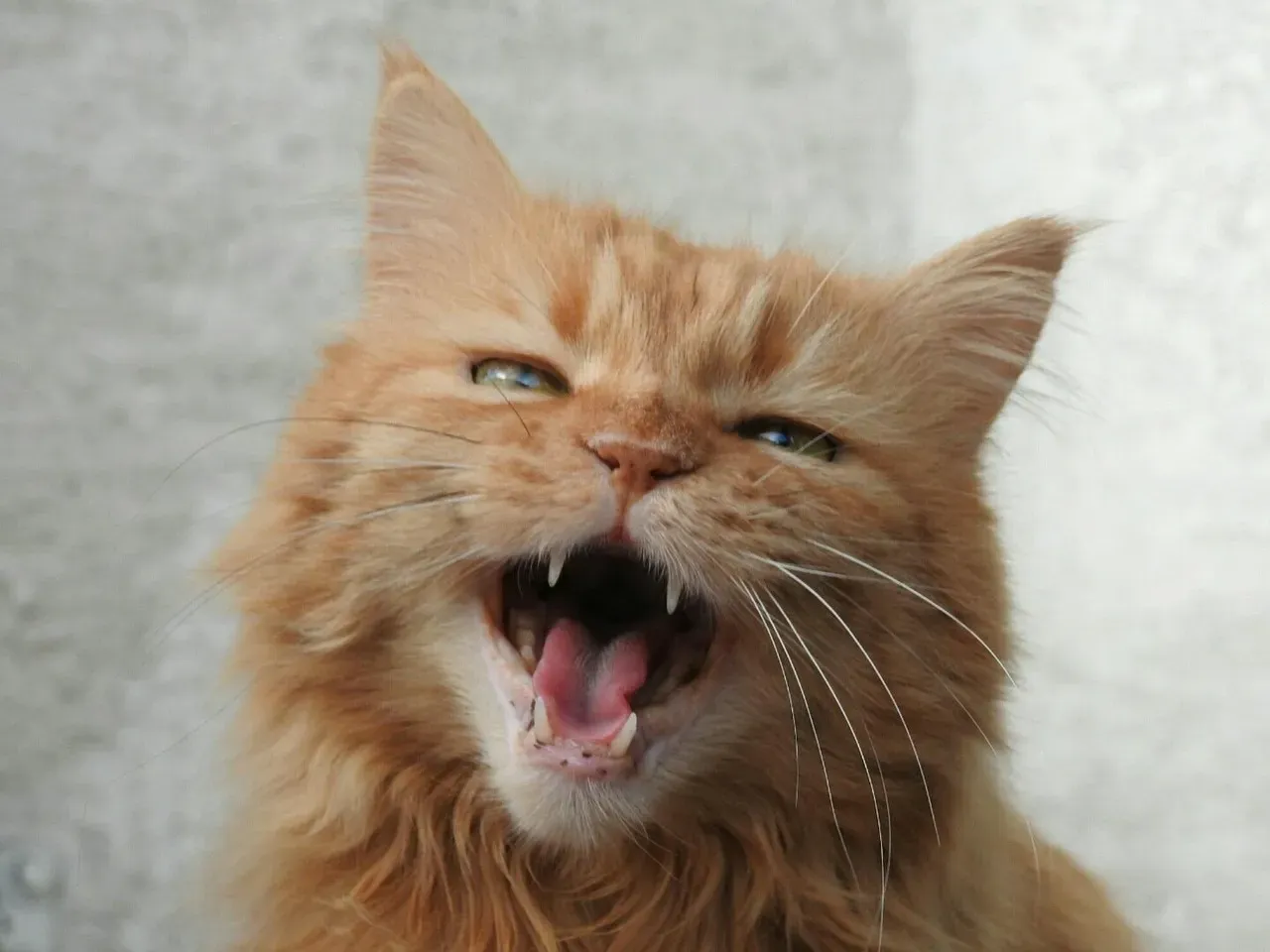
Not all meows are created equal, and this is a point worth hammering home. When cats feel comfortable, such as when they are being fed or are looking for physical contact with their owner, their meows are shorter, more high-pitched, and have a rising intonation. It’s a completely different sound from the long, guttural meow of an upset or anxious cat. Once you hear both back to back, you’ll never confuse the two again.
A short, high-pitched meow is your cat’s way of saying hello to you. Several of these meows strung together could mean “I’m so happy to see you!” or even “Hey, let’s play!” Some cat breeds are naturally more vocal and expressive than others. Siamese and Bengal cats, for example, are highly vocal and expressive, often using a wide range of sounds to communicate emotions and requests. So if your Siamese is basically holding a full conversation with you, that’s not unusual. That’s just love, at full volume.
7. The Chattering or Twittering: Excitement on Full Display
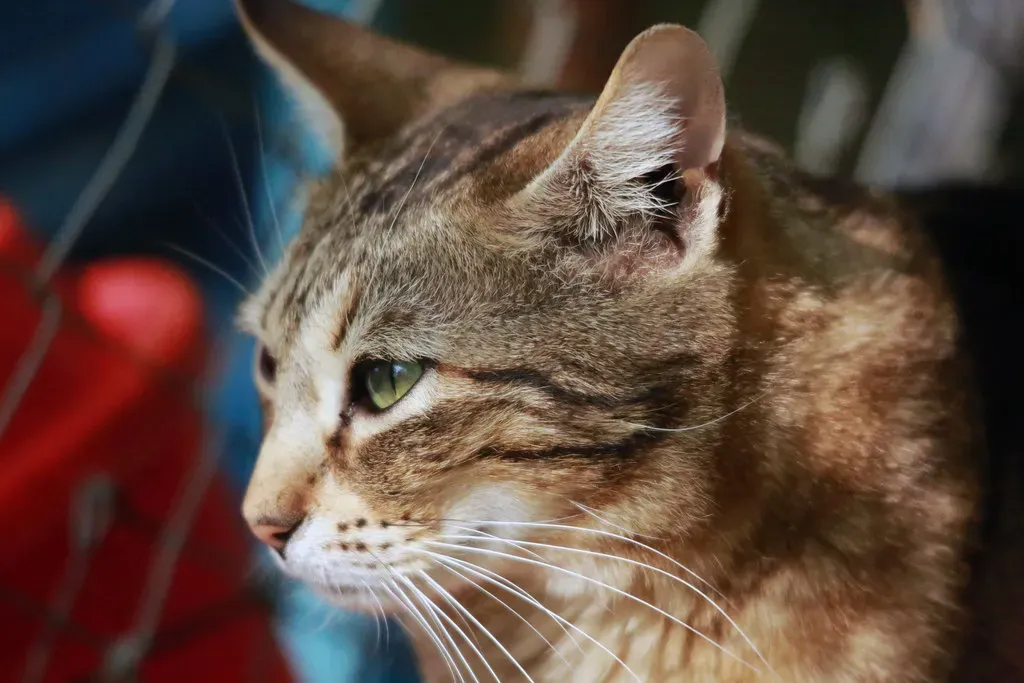
Chattering, also called twittering, is a low smacking sound produced by a rhythmic clashing of the jaws. It is usually voiceless, produced without using the vocal cords. Along with chirping, chattering may occur when a cat spots prey that’s out of their reach. You’ve probably seen this one. Your cat perches at the window, eyes locked on a pigeon strutting across the ledge outside, and then produces that bizarre machine-gun jaw-click sound. It looks almost involuntary, and it kind of is.
Cat “chatter” is a quiet, fast-paced clicking sound that cats make when they see birds or other animals outside. We don’t fully understand this behavior fully, but because it seems to almost exclusively happen when cats see prey they can’t access, we think it might be frustration or excitement. Some scientists have observed that some predators make sounds mimicking their prey as a way to sneak up on them, so it may be the cat’s attempt to “tweet” like a bird. It’s a weirdly endearing blend of deep-rooted instinct and total helplessness, and there’s something almost hilarious about watching a fully comfortable house cat go into full hunter mode over a squirrel it will never reach.
8. The Soft Gurgle: The Rarest Sound of Deep Contentment
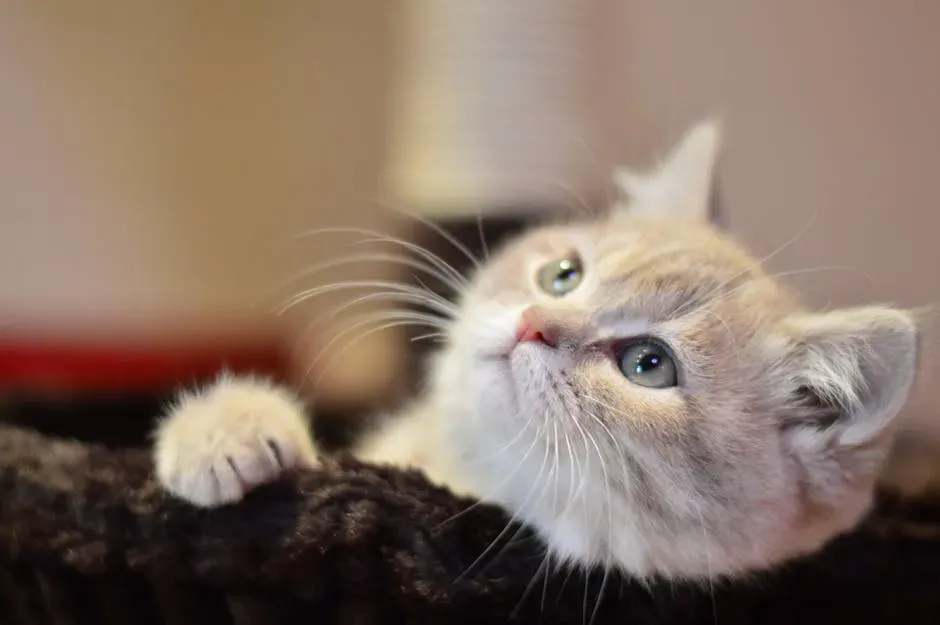
This one flies completely under the radar for most cat owners, and yet it might be the most intimate sound on this entire list. Female cats may gurgle with their kittens, or the sound might be used to say hello to their owners or express happiness. However, some of these cat sounds are anecdotal and may be difficult to properly describe and characterize. It’s the kind of sound you hear once, stop what you’re doing, and think, “Did my cat just… bubble?”
Regardless of breed, individual personality plays a major role. Outgoing cats may chirp and meow frequently, while shy ones may communicate more through non-verbal cues. The soft gurgle tends to be reserved for moments of absolute safety, usually when your cat is draped across you or deeply settled in a favorite spot. It’s essential to interpret cat sounds in context. A purring cat curled in your lap is likely happy, but a purring cat hiding under furniture may be self-soothing. Context is everything with cats, as always.
Conclusion: Your Cat Is Always Talking. You Just Need to Listen.
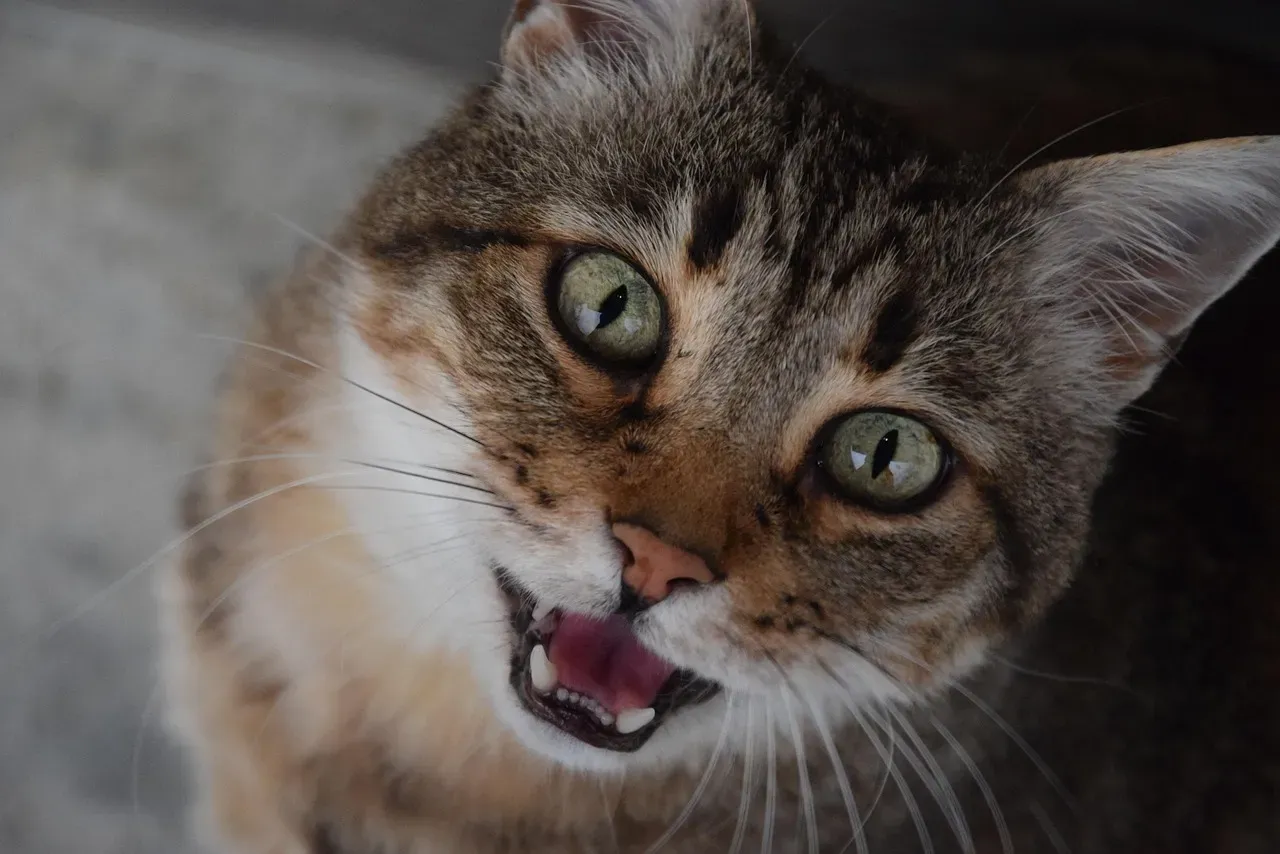
Cats are endlessly layered creatures, and their vocal world reflects that beautifully. From the science-backed healing hum of a purr to the cheeky camouflage of a solicitation purr, each sound carries a specific meaning and a specific emotional signature. Cats are great communicators, and if you pay close attention to their vocalizations, body language, and facial expressions, you’ll realize they’re trying to converse with you and convey vital information about their overall health and wellbeing.
You can better understand your furry friend by paying attention to their vocalizations, body postures, and daily routines. In time, you may become so attuned to your cat’s personality and habits that you’re able to detect subtle changes in their mood and even recognize health problems before physical signs of illness appear. That’s an extraordinary bond, built on the willingness to simply pay attention.
The next time your cat makes a strange little sound in the middle of a quiet afternoon, don’t dismiss it. It might just be the closest thing to “I love you” that your cat knows how to say. What sounds does your cat make most often? Drop it in the comments. We’d love to know what your feline friend has been trying to tell you.