You share your home with a creature that watches your every move, clocks your schedule down to the minute, and silently forms opinions about nearly everything you do. Sound a little intense? Welcome to life with a cat. Honestly, it’s one of the most fascinating, humbling, and hilarious dynamics in the animal kingdom. Your cat isn’t just lounging around indifferently – your cat is paying attention, reading your energy, and yes, forming some very strong opinions about you.
The beautiful twist? Even if a cat looks at you like you are being silly or weird, they still cuddle up in your lap at the end of the day. They don’t actually think bad things about you – and you can be fully yourself without worrying about losing their affection. So buckle up, cat parent. Here are eight surprisingly specific things your cat is judging you for, entirely out of love.
1. Your Feeding Schedule (Or Lack Thereof)
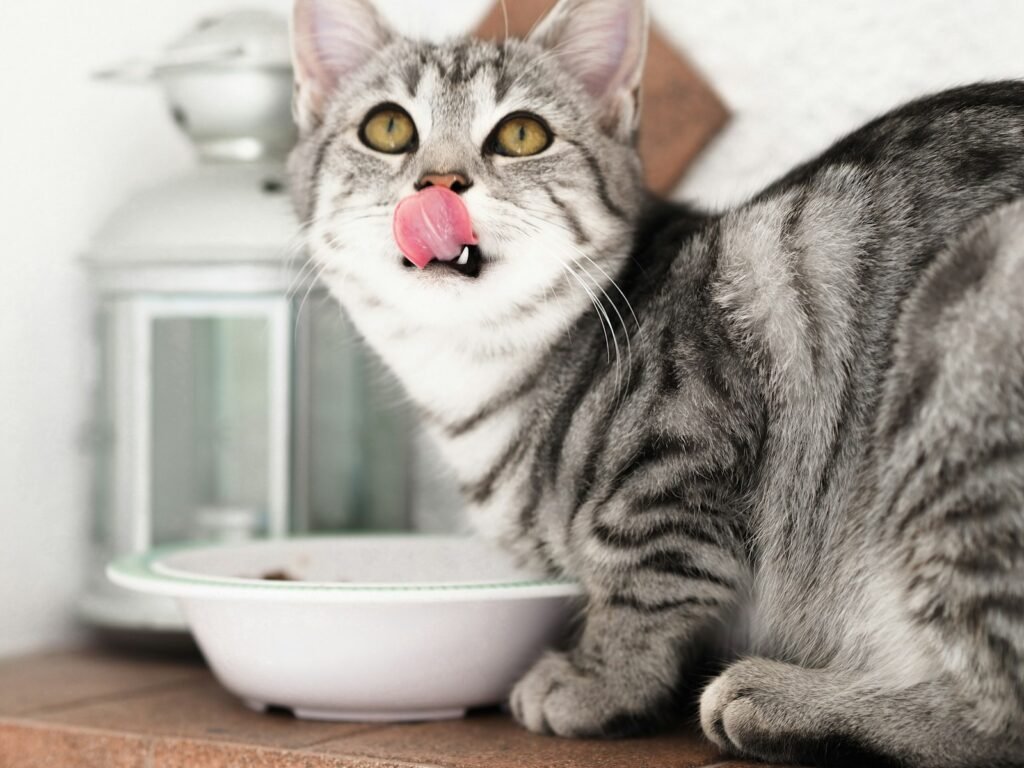
Here’s the thing – your cat is not passive about mealtime. Not even a little. Cats are incredibly adept at learning your routines. If you consistently feed them at the same times each day, they will learn to anticipate these times, not just based on their internal clock, but by observing your behavior. They notice when you get up, when you prepare food, and when you return home – which is why a cat might seem to know you’re late for dinner.
Cats on a strict feeding schedule show a significant decrease in stress-related behaviors and maintain a healthier weight compared to cats with irregular feeding times. A consistent feeding schedule also reduces anxiety in cats – they thrive on routine, and knowing when to expect their next meal can lower stress levels, contributing to a happier and more contented pet. So if you’ve been winging it at mealtime, your cat has most definitely noticed, and the judging stare from the kitchen counter is the proof.
2. How You Make Eye Contact With Them
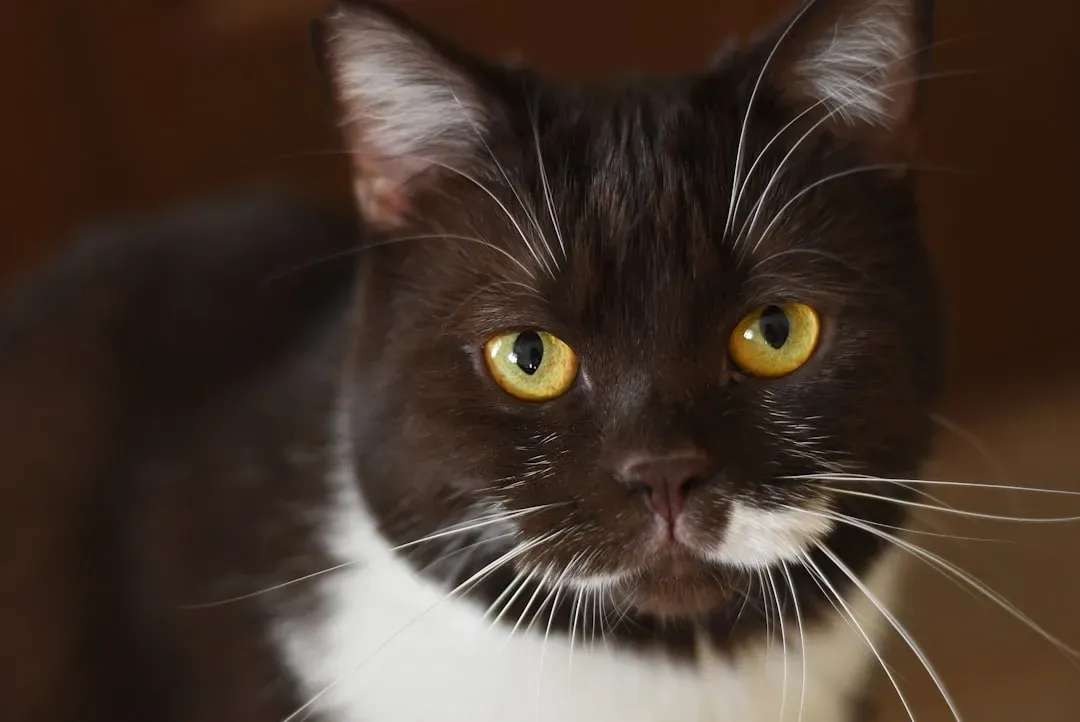
I know it sounds crazy, but the way you look at your cat carries enormous weight in your relationship. One common trend among cats is their tendency to make eye contact with their owners. This behavior is often interpreted as a sign of trust and affection, but some experts believe that cats use eye contact to assess their owners’ mood and intentions. Think of it less like a stare-down and more like a conversation happening entirely through your eyelids.
Instead of the human way of smiling by baring your teeth, you can “smile” the cat way by narrowing your eyes and blinking slowly. By observing cat-human interactions, scientists were able to confirm that this expression makes cats – both familiar and strange – approach and be receptive to humans. Slow blinking from your cat is a positive signal, often called a “kitty kiss.” It indicates trust, affection, and comfort in your presence – and it’s a form of non-verbal communication that you can reciprocate to strengthen your bond. If you’ve been staring blankly without blinking back, your cat has noticed your conversational shortcomings.
3. Your Emotional State and Daily Mood
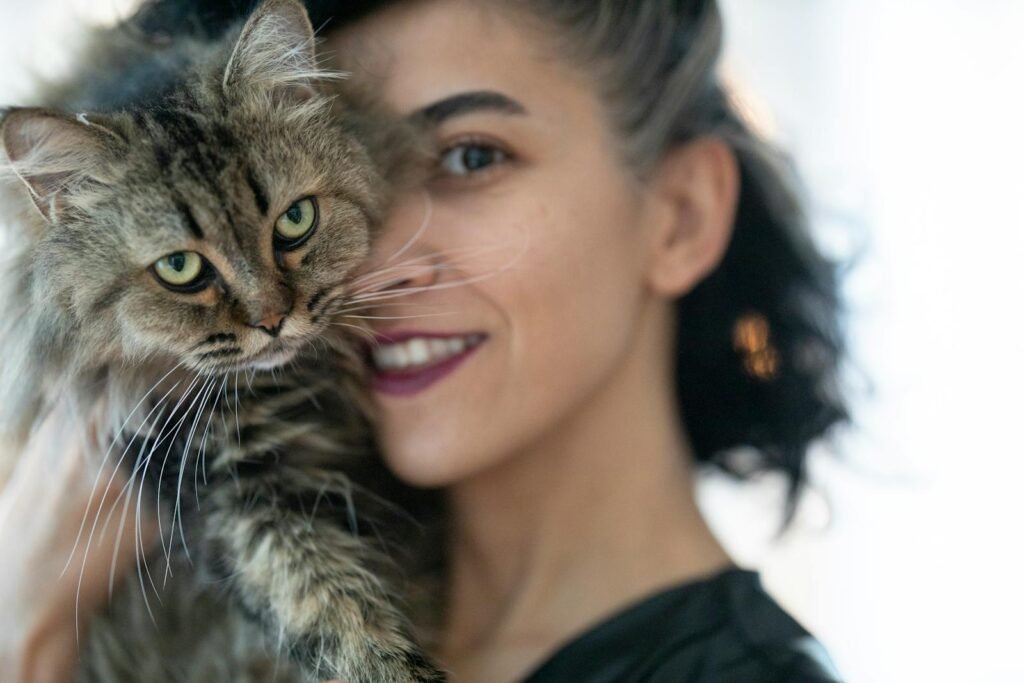
Your cat is not emotionally oblivious. Far from it. Cats notice your moods. They often gravitate toward calm, predictable humans, even curling up with people who are sad – not because they’re feline empaths, but because sadness usually comes with stillness, quiet voices, and fewer sudden movements, all highly rated features in the cat world. You are essentially being rated on your energy levels.
Cats – merely their presence but of course their behavior – can affect human moods, and human mood differences have been shown to affect the behavior of the cats. When it comes to social cues, cats can read some of yours. Cats will look when you point at something, and like domestic dogs and horses, domestic cats are able to recognize human emotions. So the next time you come home anxious, frazzled, and talking loudly on your phone, don’t be surprised if your cat retreats to their favorite corner. That’s the feline equivalent of side-eyeing you.
4. Whether You Respect Their Personal Space
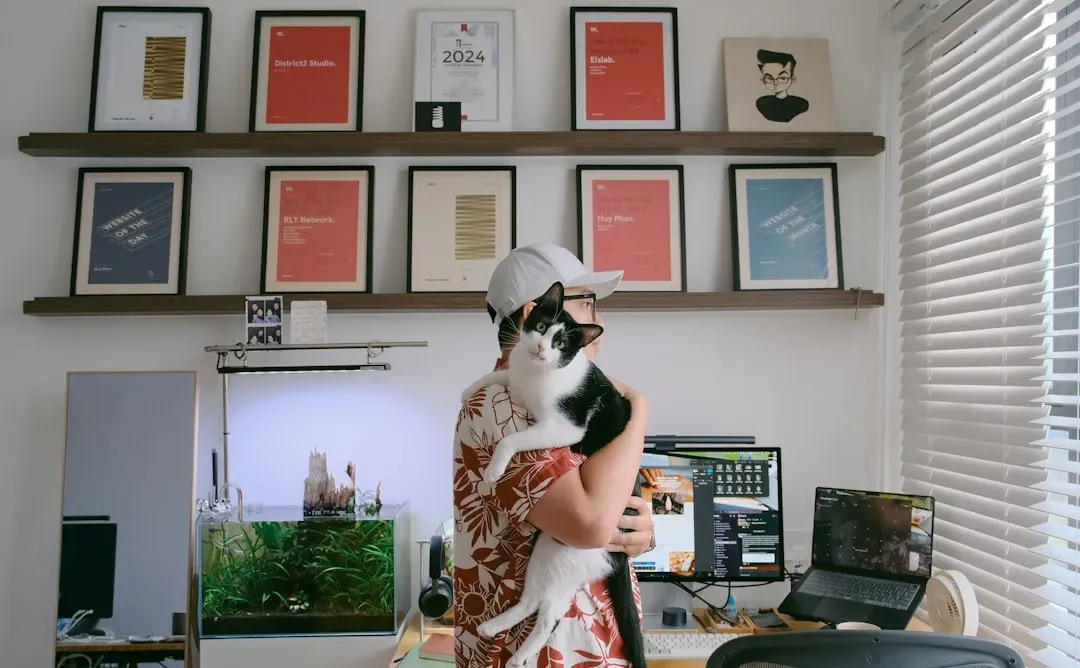
Let’s be real – most of us have done it. You see the soft, irresistible belly, and your hand moves before your brain catches up. Cats like to have a choice and see an escape route. So if you pick up a cat without warning, it might end up jumping from your arms and running away. Your cat is not being dramatic. Your cat is asserting a completely reasonable boundary.
The initiation, and the initiator of social interactions between cats and humans have been shown to influence both the duration of the interaction bout and total interaction time in the relationship. Compliance with the interactional wishes of the partner is positively correlated between the cats and the humans over all human-cat dyads examined. In plain terms? If you let your cat call the shots on when cuddle time begins, you’ll get far more of it. Your cat is absolutely judging you for forced hugs, but they’ll forgive you if you learn the lesson.
5. Your Voice and the Sounds You Make
Here’s something most people never think about: your cat has basically memorized your voice, including all the strange noises you make on the phone, while watching TV, or when you stub your toe at 2 AM. Cats learn specifically how their owners react when they make particular noises. If the cat thinks it wants to get its owner from the other room, it works to vocalize. They use straightforward learning. Your cat is essentially studying your communication patterns like a tiny, fur-covered linguist.
Scientists have identified more than a dozen different meows that cats make, each with its own meaning. In general, kittens use meows to communicate with their moms, but grown cats employ them solely to communicate with humans. So your cat has actually developed a bespoke vocabulary just to talk to you. The least you can do is talk back gently. Cats who hear calm, soft voices feel safer and more bonded – so yes, your cat is judging you for that time you yelled at the football game.
6. How Predictable (or Unpredictable) Your Routine Is

Cats tend to follow fairly strict routines, and if you have an irregular lifestyle, this can create a stressful and unpredictable routine for your cat. Think of your cat like a small, highly opinionated project manager who has already planned the entire week and does not appreciate last-minute changes to the agenda. Irregular comings and goings, chaotic schedules, random loud visitors – all of it registers.
Feeding an adult cat at regular times provides the security and predictability of a routine. Meals become a cornerstone event of the day around which other activities are added. A feeding routine even helps your cat cope when there are changes in the household, like a child moving away, a new baby arriving, or a house-sitter visiting while you’re on vacation. This structure also plays a vital role in building trust between you and your cat. When you consistently meet their needs at expected times, you become a reliable and benevolent figure in their eyes – and this trust is the foundation of a strong, lasting relationship.
7. How You Interact With Other People and Pets

Your cat is watching how you treat everyone else too. It might sound absurd, but there’s real science behind this. Cats may observe how their owners interact with others and may form opinions based on these interactions. If you display kindness and respect toward others, a cat is likely to view you in a positive light. Your furry little roommate is quietly running social evaluations on your entire life.
Cats have incredible sensory abilities. Their fight-or-flight instincts are decided in a nanosecond. They are most fluent in body language, with a near-mystical ability to read energy and emotion. It may be hard to believe, but cats pay more attention to their owners than we think. Felines are notoriously independent and often full of character, yet their personality traits could be a reflection of their owners, according to animal behaviorists. The way you carry yourself around others tells your cat a great deal about who you are. You’ve been observed. The jury is watching.
8. Whether You Actually Play With Them

Cats are playful creatures, and they enjoy engaging in interactive play with their owners. Some experts believe that cats judge their owners based on how they engage in play and whether they provide opportunities for mental and physical stimulation. Skipping playtime is not some minor oversight your cat will shrug off. It registers as a form of neglect in the feline mindset, even if your intentions are good.
Those toys aren’t going to pounce on themselves. Your cat’s playful antics are deeply rooted in its primal instinct to hunt, and play keeps them agile and mentally entertained. Traits like destructiveness aren’t always due to your personality – in fact, both behaviors suggest there isn’t enough mental stimulation for your pet. So if your cat is knocking things off shelves and shredding the couch at midnight, consider it a formal complaint. An engaged cat is a happy cat, and a happy cat judges you far less harshly.
Conclusion: The Verdict Is In
Here’s what all of this really comes down to: your cat is not actually judging you out of contempt. It’s watching you, reading you, and adjusting its world around you – because you are its world. Cats can recognize familiar humans, read emotional cues, and remember which people are worth approaching. That instinctive assessment is their love language. It looks like judgment, but it’s really attention.
We still have a lot to learn about the human-cat relationship, but we have done enough research to say that cats are not oblivious and aloof, and they do care about you, just like you undoubtedly care about them. Your cat’s “look” from across the room isn’t contempt. It’s curiosity wrapped in loyalty, delivered with perfect deadpan expression.
So the next time your cat stares you down as you pour cereal for dinner instead of something nutritious, or side-eyes you for forgetting playtime, just remember – it’s all coming from a place of love. The real question is: now that you know exactly what your cat is watching for, what are you going to do about it? Tell us in the comments!