You’ve probably seen them online, haven’t you? Those majestic, almost mythical creatures called Maine Coons. Maybe you scrolled past photos showing cats larger than small dogs, or watched videos of these so-called gentle giants doing things cats just aren’t supposed to do. I know I did. For months, I was completely mesmerized by them.
Then reality kicked in. I began reading, researching, diving into forums where owners shared their actual experiences. What I found wasn’t always what the beautiful Instagram photos showed. Some things made me hesitate. Some even made me rethink the whole idea entirely. Let me walk you through what really made me pause, the aspects that aren’t always discussed openly when people talk about adopting a Maine Coon.
Their Sheer Size Can Be Overwhelming
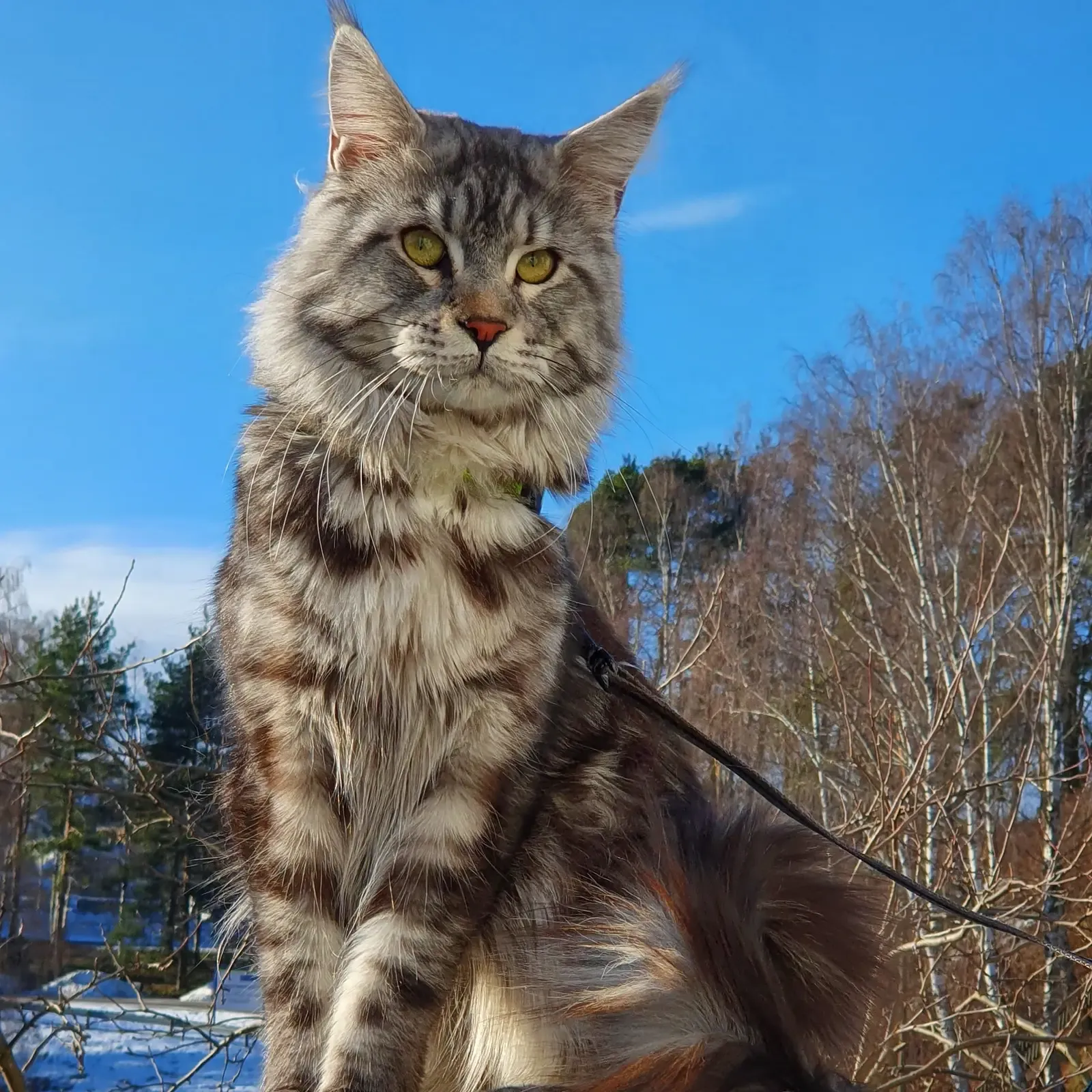
Let’s be real, these cats aren’t normal sized. Males weigh from 18 to 22 pounds, with females weighing from 12 to 15 pounds, which honestly sounds more like a medium dog than a cat. I started thinking about everything that needs to scale up with a cat that massive. The litter box can’t just be any standard model you pick up at the store.
You need bigger furniture, stronger scratching posts, and honestly, everything in your home gets tested by a small furry bulldozer. Being a larger and heavier cat, she can knock things over without meaning to do so. Imagine coming home to discover your favorite vase didn’t survive an enthusiastic tail swish. That’s when I realized this wasn’t just about having a big cuddly friend. It was about completely rethinking how my living space functioned.
The Grooming Commitment Is No Joke
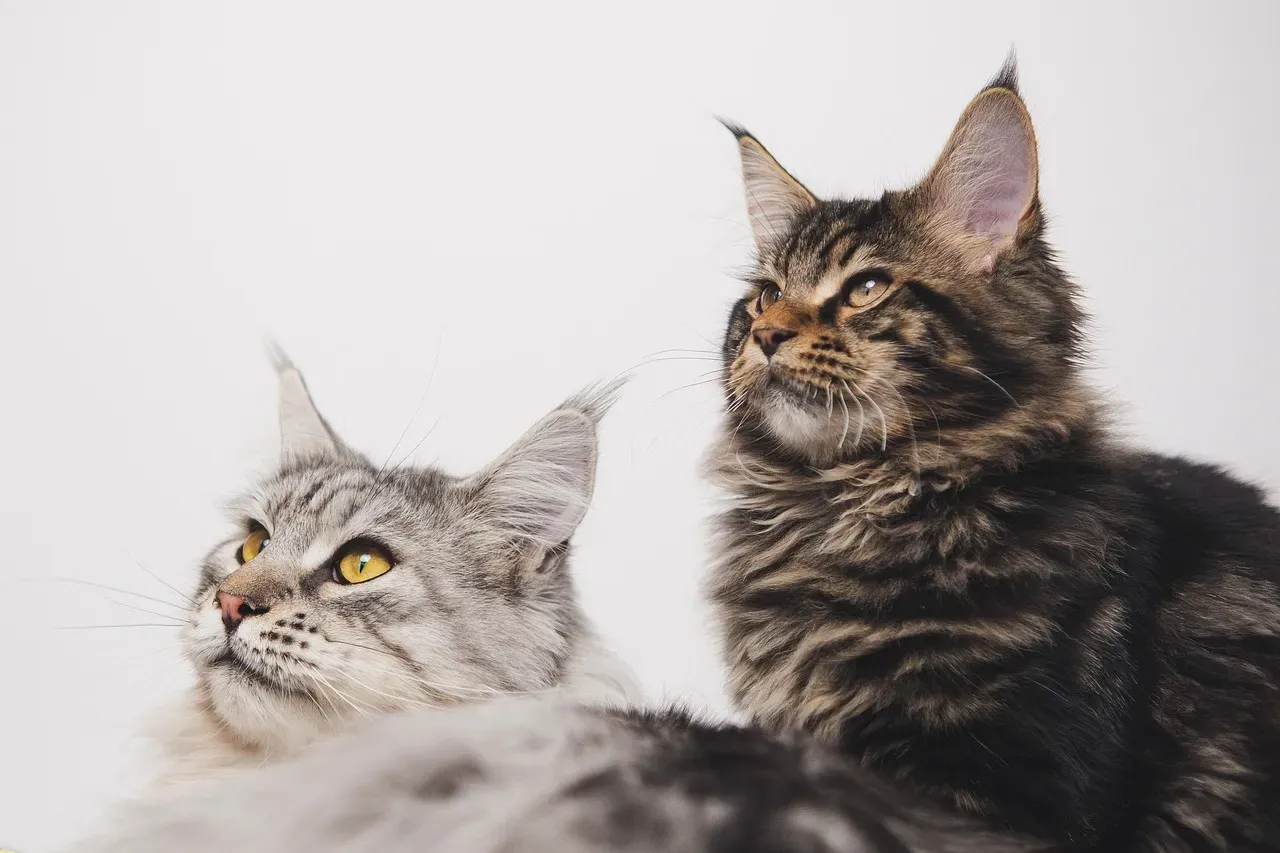
Maine Coon cats shed significantly more than other cat breeds, largely due to their thick double coat. When I learned that, I pictured fur tumbleweeds rolling across my floors like some kind of Western movie. Daily brushing isn’t a suggestion with these cats.
The Maine Coon’s coat needs daily attention. She should be brushed to make certain that her fur does not tangle, and she should be combed to smooth her coat. If you skip even a week, you’re dealing with mats and tangles that are incredibly difficult to remove. I’m talking professional groomer visits or wrestling with scissors, neither of which sounded appealing. Between work, social life, and everything else, could I honestly commit to brushing a cat every single day? That question sat heavy with me.
They Take Forever to Fully Mature
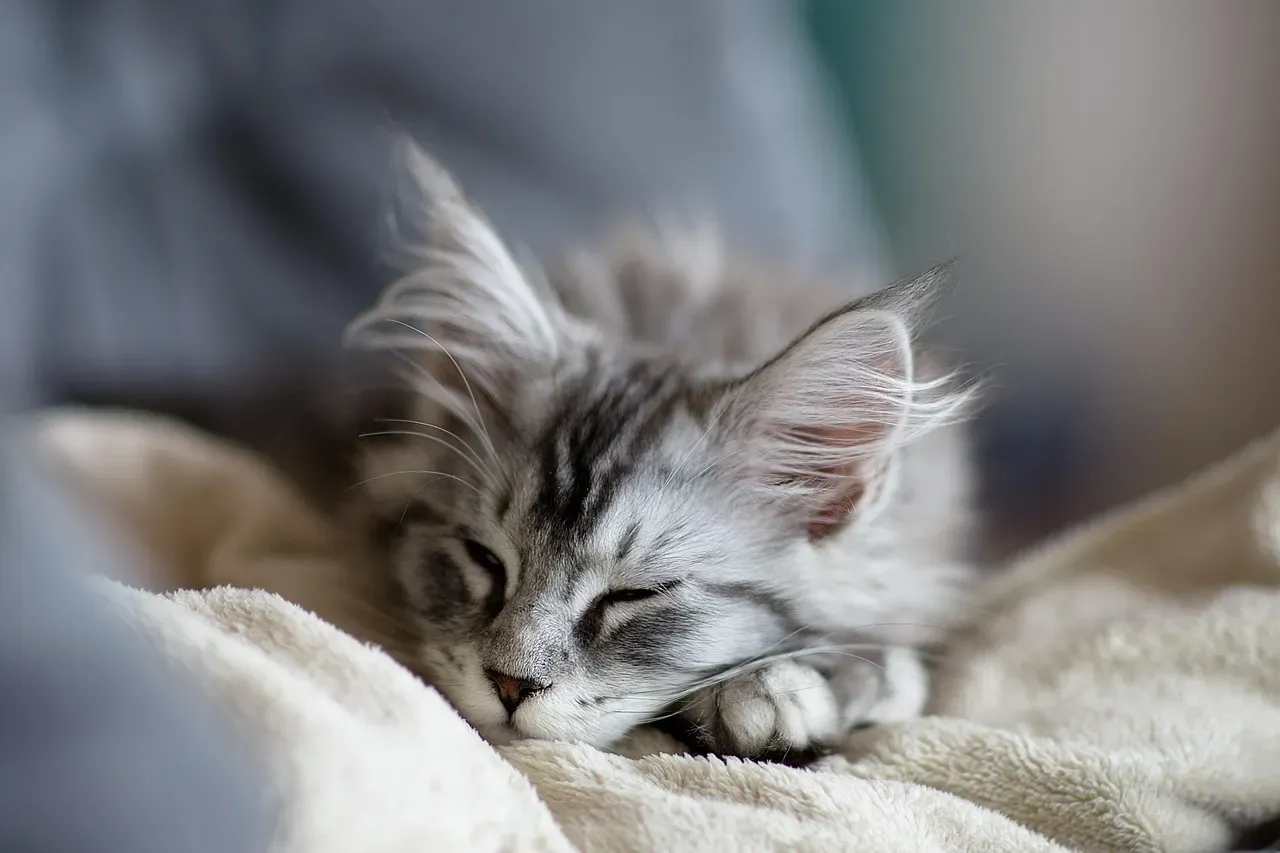
Here’s something that genuinely surprised me. Maine Coons possess a rectangular body shape and are slow to physically mature; their full size is normally not reached until they are three to five years old. Three to five years! Most cats reach full size around one year, maybe eighteen months at most.
This extended kittenhood means you’re dealing with rambunctious, energetic, occasionally destructive kitten behavior for way longer than you’d expect. Sure, it sounds adorable in theory. In practice? I imagined years of coming home to shredded curtains and knocked-over plants. This breed is slow to mature, so they keep that kitten behavior for years. That kind of long-term chaos management made me seriously question my patience levels.
They’re Surprisingly Needy for Cats
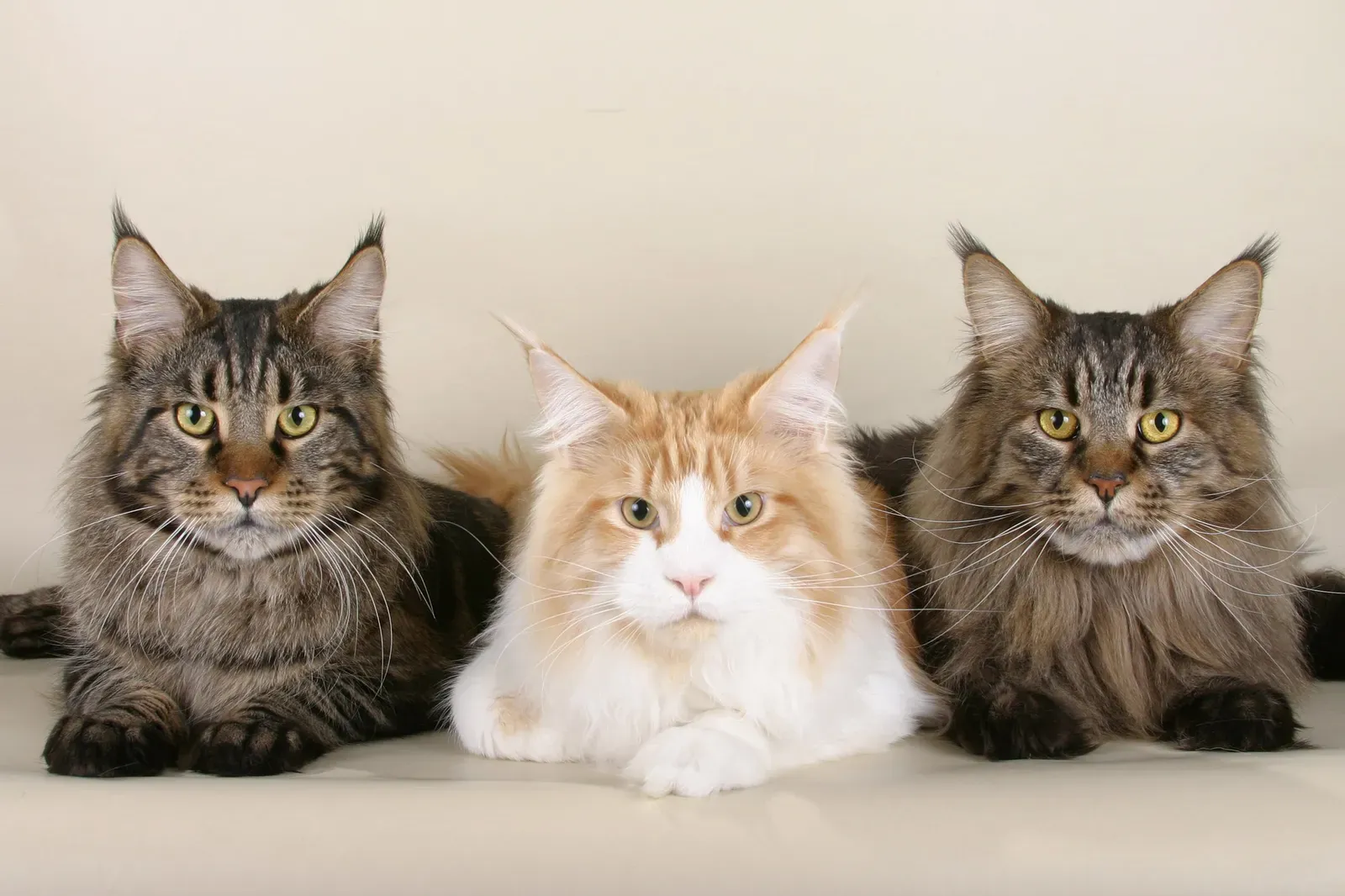
One thing that really caught me off guard was how dependent these cats can be. Maine Coons are highly attached to their human companions, to the extent of being slightly co-dependent. While this is undeniably an endearing trait, it does mean you can’t leave a Maine Coon alone for too long. If you’re gone more than eight hours regularly, you might come home to a frustrated, unhappy cat.
I thought cats were supposed to be independent! That’s part of their appeal, right? These guys follow you everywhere, want to be involved in everything you do, and basically act like dogs trapped in cat bodies. If you’re someone who travels frequently or works long hours, this neediness becomes a real problem. I loved the idea of a loyal companion, don’t get me wrong. The reality of never having alone time? That was another story.
The Health Issues Are More Common Than Expected
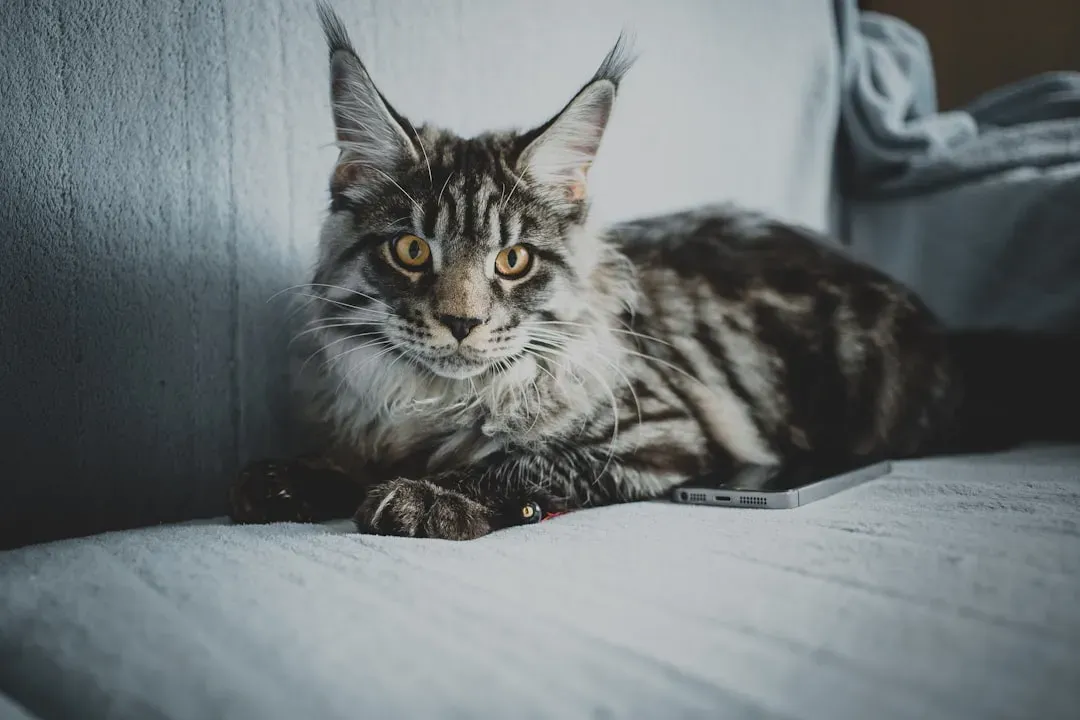
Hypertrophic cardiomyopathy is the most common form of heart disease in cats. Many cats don’t show symptoms in the early stages of the disease. As it progresses, cats may go into heart failure and show symptoms including shortness of breath, coughing, and lethargy. Learning this felt like a punch to the gut. Heart disease isn’t something minor you can just brush off.
Then there’s hip dysplasia, which you’d expect in large dog breeds, not cats. Studies have found that almost one-quarter of some Maine Coon cats studied had hip dysplasia. That’s a huge percentage! The combination of potential heart problems and joint issues meant I was looking at not just higher vet bills, but the emotional toll of watching a beloved pet struggle with chronic conditions. Because they’re prone to inheriting certain diseases from their parents, Savageau recommends purchasing health insurance when you bring home a Maine Coon kitten. Pet insurance suddenly wasn’t optional, it was mandatory.
Their Food Intake Rivals a Small Horse
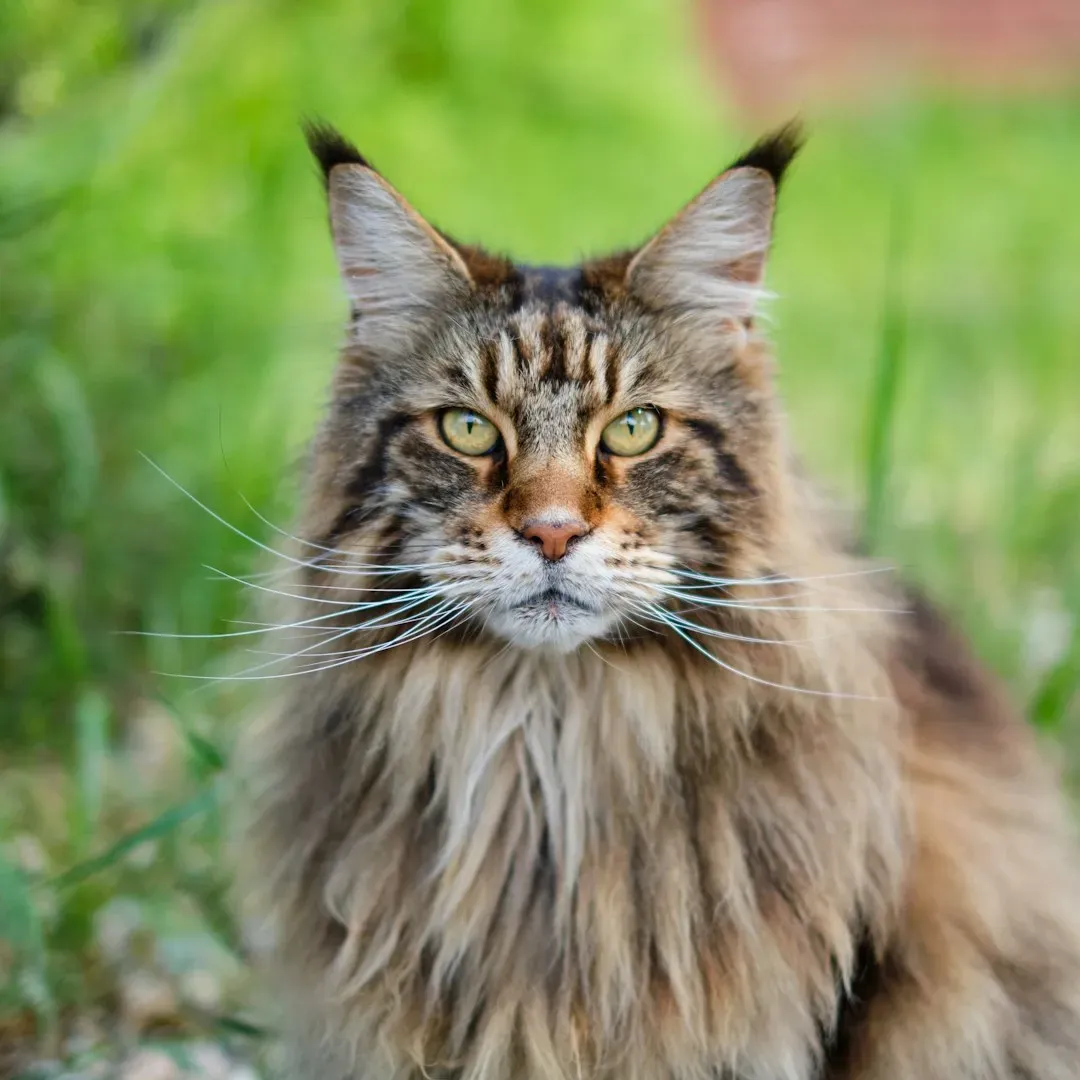
Big cats eat big meals, obviously. What I didn’t fully grasp was just how much more food these cats consume. Due to their size, Maine Coon cats tend to eat a lot more than most normal house cats. Adult Maine Coon cats typically eat 250-400 grams of wet food per day. That’s not accounting for dry food or treats either.
I started doing mental math on monthly food costs and nearly choked. We’re talking significantly more than a standard cat, potentially double or triple depending on the food quality. The Maine Coon’s nutrition should be carefully controlled. This breed has a tendency to become soft or overweight if not carefully monitored. So not only are you spending more, you’re also constantly monitoring portions to prevent obesity. The financial commitment alone made me seriously reconsider whether this was practical.
Their Hunting Instincts Are Intense
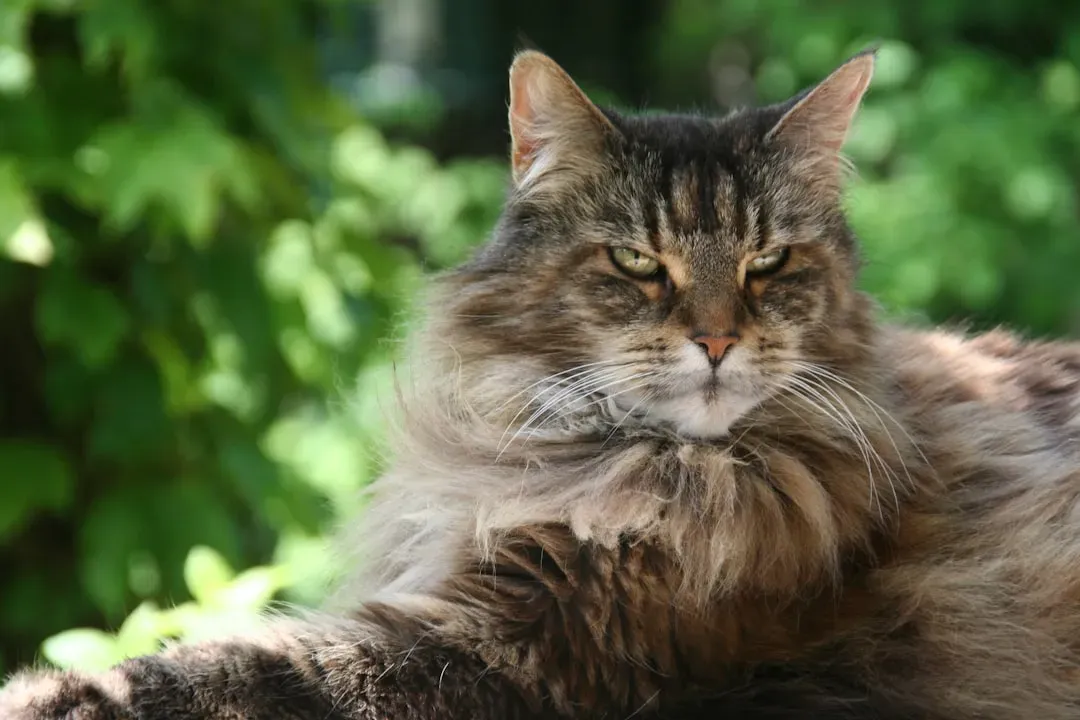
I thought all cats had hunting instincts, sure. Maine Coons have a particularly strong hunting instinct and will happily stalk and catch birds, mice and other rodents, insects, snails, slugs, and even frogs in your garden. If you let them outside, expect regular “presents” deposited on your doorstep or kitchen floor. Dead mice as love tokens weren’t exactly my idea of morning surprises.
Even indoor Maine Coons display these instincts aggressively. They need serious mental stimulation and hunting-style play sessions daily. Without proper outlets, they can become destructive or develop behavioral issues. I realized owning one meant committing to interactive play multiple times a day, every single day. Missing a few days because you’re busy or tired? That’s when your furniture starts paying the price. It felt less like having a pet and more like managing a tiny apex predator.
They’re Slow to Warm Up to Strangers
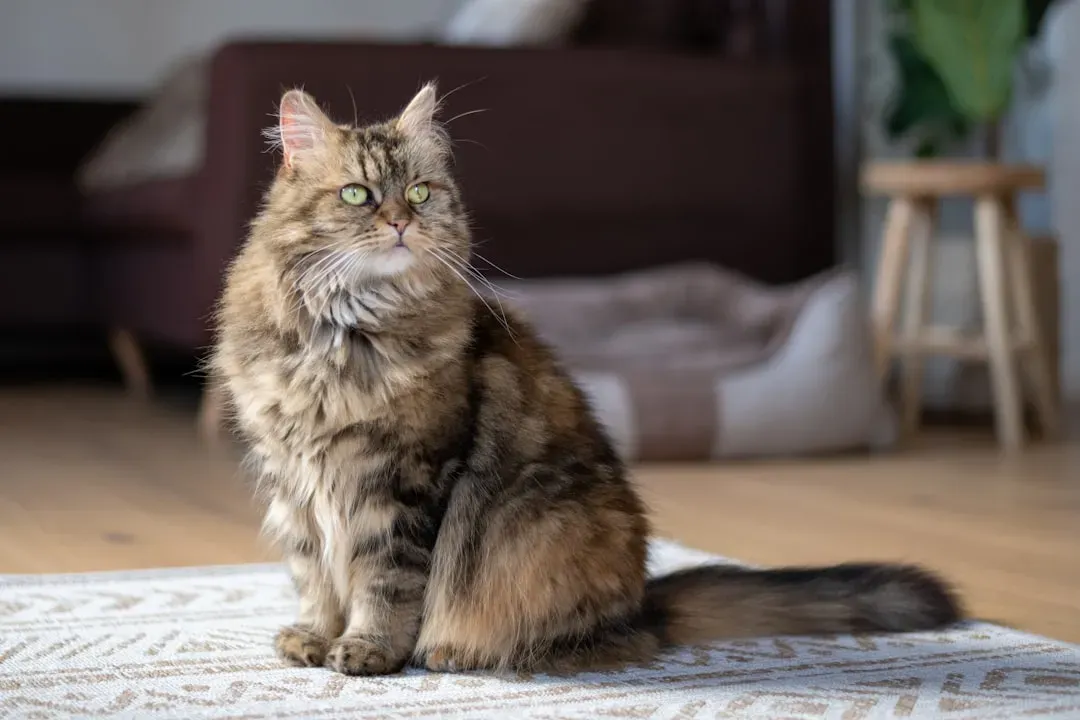
Despite their friendly reputation, Maine Coons take a while to warm up to humans, but once they do their extroverted nature shows itself. This surprised me because everyone talks about how social and friendly they are. Turns out that friendliness is selective. Maine Coons can have a long memory so that they will hold on to any negative experiences with other pets or people. They can be slow to warm up to strangers, which may take time and patience.
If you have friends who visit regularly or family gatherings at your place, your Maine Coon might hide or act skittish for months. I imagined hosting dinner parties while my expensive, supposedly social cat cowered under the bed. That wasn’t the companion experience I’d envisioned. The idea that it could take considerable time and patience for them to accept new people made me wonder if I had that kind of consistency to offer.
Conclusion: Love Them, But Know What You’re Getting Into
So did I end up getting a Maine Coon? Honestly, I’m still on the fence. These eight realities hit differently than the cute videos and photos. They’re incredible cats with personalities that seem almost too good to be true. The thing is, they demand a level of commitment that goes way beyond what most people expect from a cat.
If you have the time, space, financial resources, and patience, a Maine Coon can be an absolutely wonderful companion. They’re loyal, intelligent, playful, and genuinely fascinating creatures. Just don’t go into it thinking they’re like any other cat. They’re not. They’re bigger, needier, more expensive, and require way more attention than your average feline.
What about you? Would these realities make you think twice, or are you still sold on these magnificent gentle giants?