Every cat owner knows their feline companions can be mysterious creatures. One moment they’re purring contentedly in your lap, the next they’re exhibiting puzzling behaviors that leave you wondering what’s wrong. Stress affects our cats more than we might realize, and unlike humans who can verbalize their concerns, our furry friends communicate their anxiety through subtle changes in behavior.
Understanding these stress signals is crucial for maintaining your cat’s well-being. Cats are natural masters at hiding discomfort – an evolutionary trait that helped their wild ancestors avoid becoming vulnerable to predators. This means that by the time you notice something’s amiss, your cat may have been struggling with stress for quite some time. Let’s explore the eight most common ways cats express their emotional distress.
Excessive Grooming and Overgrooming
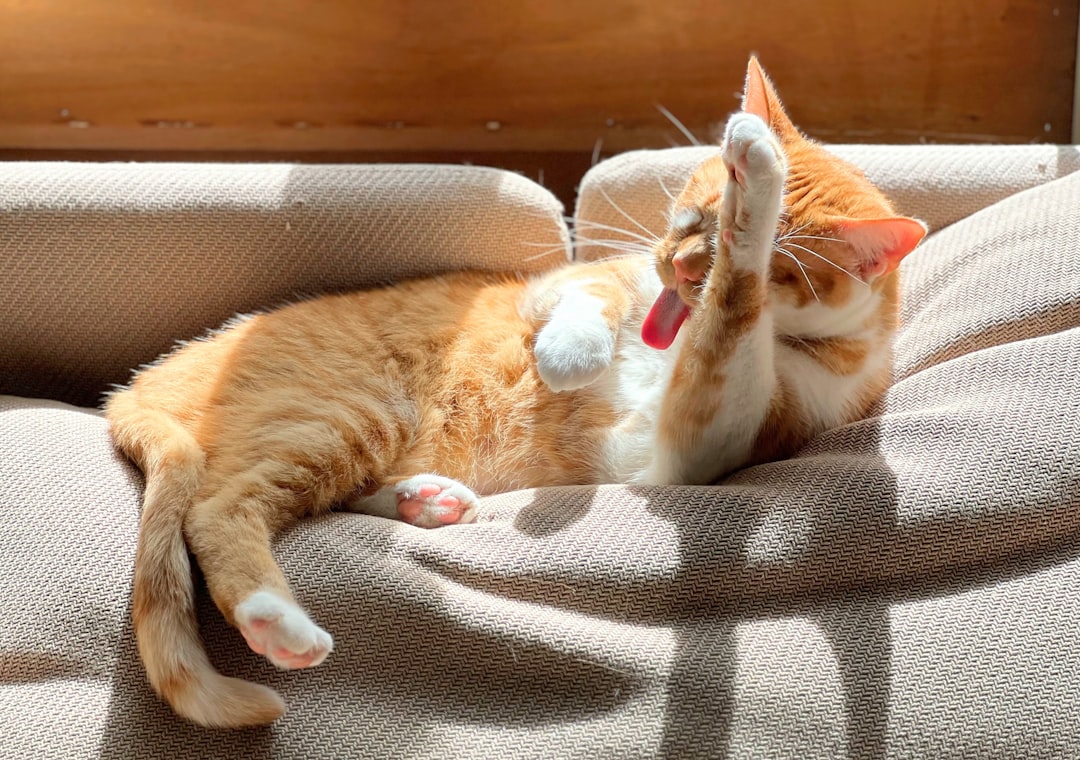
Some cats use overgrooming to cope with stress or boredom. It’s thought that licking releases endorphins that help relieve anxiety, so when a stressed cat finds relief through licking, it can turn into a habit. This behavior becomes problematic when your cat starts creating noticeable bald patches or irritated skin areas.
If your cat is excessively grooming, you will notice a stripe or line that resembles a cat buzzcut on your cat’s body. However, these overgrooming marks are most often found on a cat’s belly, at the base of their tail, on the foreleg, and inner thigh. The affected areas often appear symmetrical on both sides of the body, making the pattern quite distinctive.
Inappropriate Elimination Outside the Litter Box
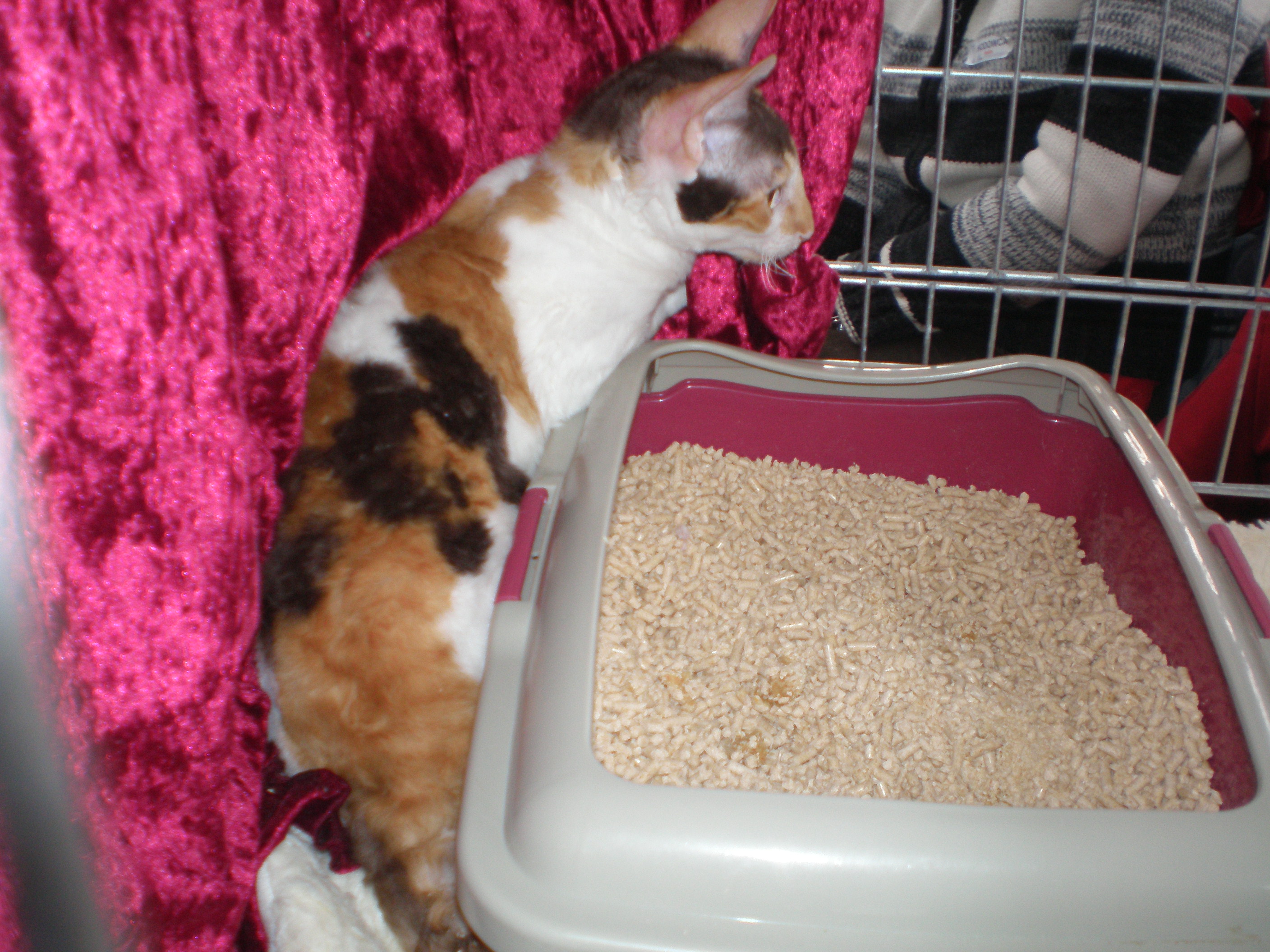
One of the most common signs of stress in cats is urinating outside the litter box. Cats may do this due to stress-related litter box aversion or as a form of territorial marking to communicate anxiety. This behavior serves as both a stress-relief mechanism and a way to mark familiar territory with their own scent.
However, it’s essential to rule out medical causes first. Urinating outside of the litter box can also have medical causes, such as urinary tract infections, stones or crystals in the urinary tract, or underlying kidney issues. So if your cat begins peeing outside the litter box, talk to your veterinarian to address any potential health concerns before focusing on stress-reduction measures.
Increased Vocalization and Crying
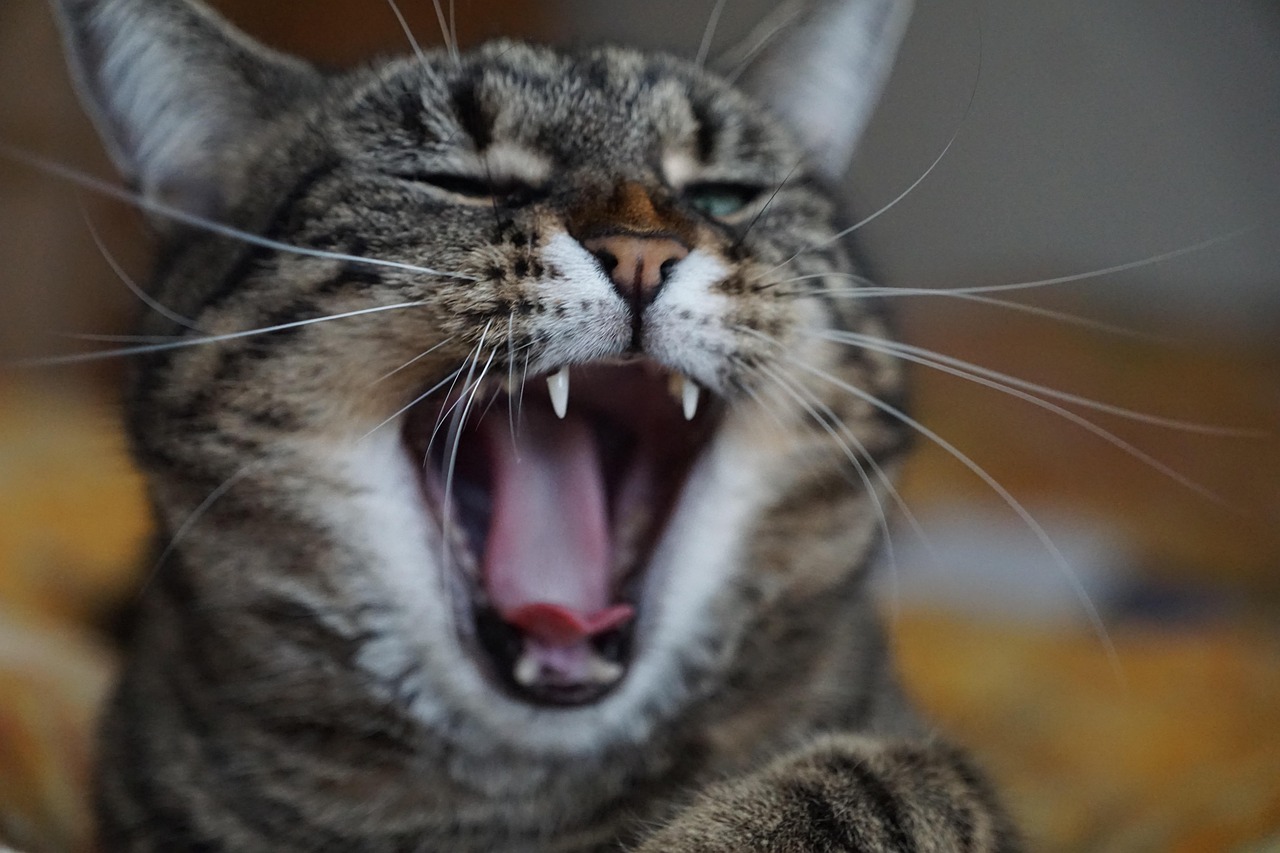
When cats are experiencing stress, they tend to be more vocal. Your normally quiet cat might suddenly become chatty, or an already talkative feline might escalate to excessive meowing, yowling, or crying throughout the day and night.
Excessive vocalization, whether meowing or yowling, can occur during stressful times. Your cat may be more chatty than normal because they are attempting to communicate their anxiety. This increased vocal communication represents their attempt to express distress when they cannot find other ways to cope with their situation.
Hiding and Withdrawal from Social Interaction
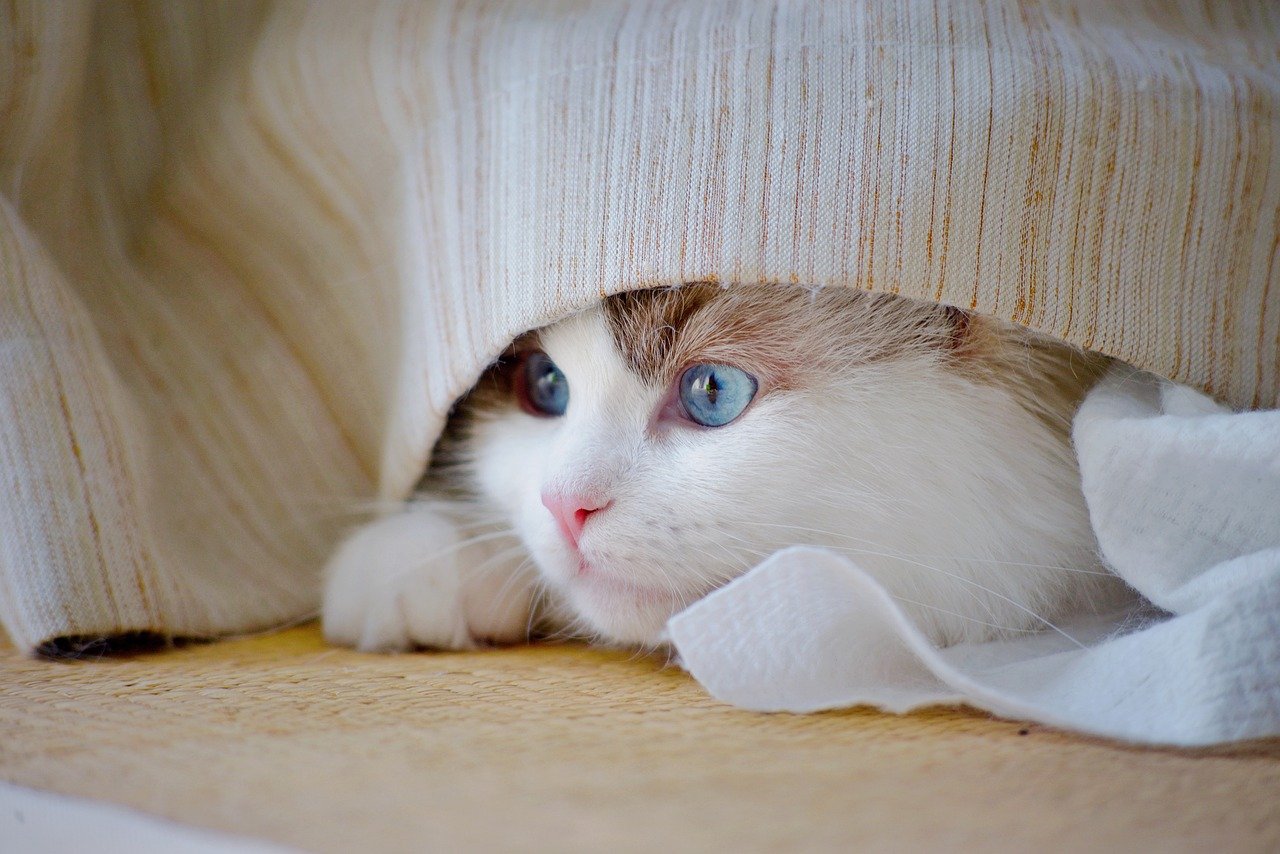
Stressed cats may withdraw from interaction with other household pets, or their owners. If your cat suddenly disappears, and you find them hiding under the bed, behind furniture, or in small spaces, they may be stressed. This withdrawal is a natural instinct to seek safety when feeling overwhelmed.
“Hiding, or avoiding human contact, is a big sign of problems and stress,” says certified cat behavior expert Rita Reimers, CEO and co-founder of Cat Behavior Alliance in Charlotte, North Carolina. Many cats find a hiding place that feels safe when they become stressed, feel threatened or get sick, adds Yody Blass, M.A., a certified animal behaviorist by the National Association of Animal Behaviorists and owner and director of Companion Animal Behavior in Leesburg, Virginia.
Aggressive Behavior Toward People or Other Pets
When a cat is in a stressful situation, she may lash out to protect herself when she feels her safety is at risk. This defensive aggression can manifest as hissing, swatting, or even biting when approached, even by familiar family members.
If the addition of a new pet stresses your cat, they may act aggressively toward the new cat or dog. A change in the household dynamics can also cause your cat to react aggressively toward other pets, even those who are long-time housemates. This redirected aggression often catches owners off guard when previously friendly cats suddenly turn hostile.
Changes in Appetite and Eating Patterns
Like people, stress can cause lack of appetite in a cat. Conversely, When a cat is overly stressed, they may stop eating normally, Blass says. Conversely, some stressed cats want to overeat. These dramatic shifts in eating habits can lead to weight loss or gain if left unaddressed.
The stress response can affect your cat’s digestive system in various ways. Some cats lose interest in their favorite treats, while others may seek comfort through food. Monitoring your cat’s eating patterns provides valuable insight into their emotional state and overall well-being.
Territorial Spraying and Marking Behavior
Any time an indoor cat feels threatened or distressed, he may leave a mark to affirm the location of a safe territory. A change in household routine, the addition of a person or pet, or even a remodeling project can trigger anxiety and marking. This behavior helps cats feel more secure by establishing familiar scent boundaries.
One of the ways cats deal with this stress is by marking their territory. They might do it to preempt a problem by leaving a message that this place is theirs, or they might do it to comfort themselves with their own familiar scent. Even neutered cats may engage in this behavior when their stress levels become overwhelming.
Destructive Scratching and Other Compulsive Behaviors
Cats can become stressed because they lack environmental enrichment and physical and mental stimulation, so they entertain themselves by scratching in inappropriate areas. The presence of a strange (e.g., stray) cat around your home can stress your cat, who will claw the frames around whatever windows or doors that the stray cat marked.
Pica refers to the abnormal desire to consume non-edible materials, such as wool, rubber, leather, plastic, or cardboard. Cats with pica tend to be particularly susceptible to stress, and such chewing seems to release chemicals that produce intense pleasure. These compulsive behaviors often develop as coping mechanisms when cats feel unable to control their environment.
Conclusion
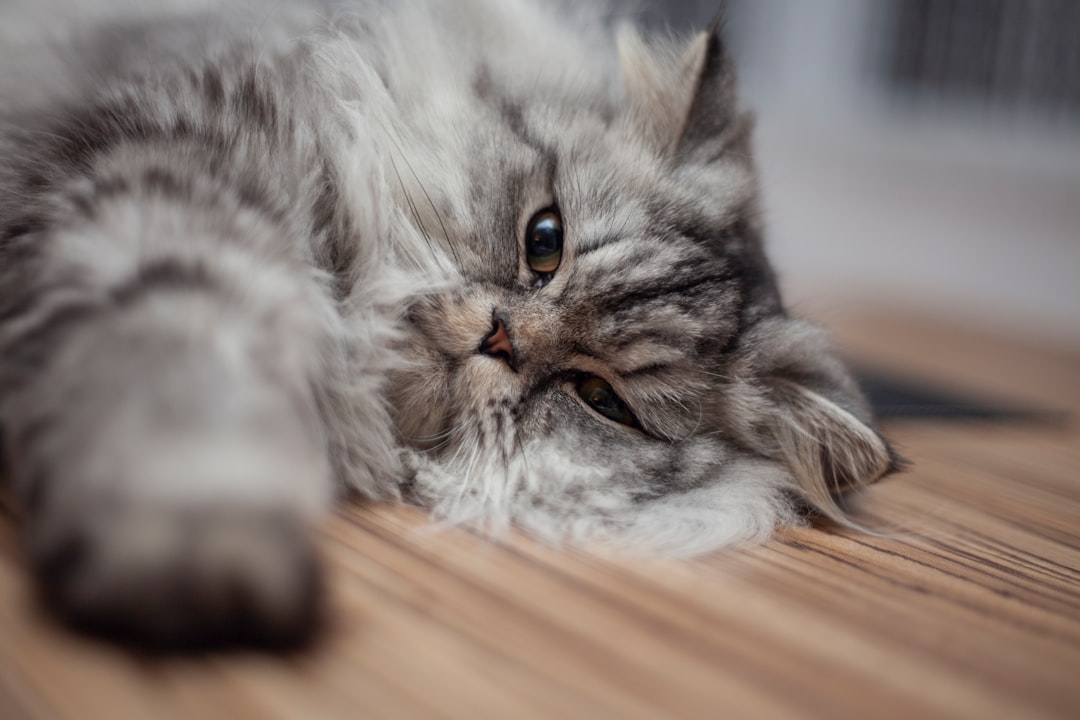
Recognizing these eight stress signals in your cat is the first step toward helping them feel more secure and comfortable. Remember that stress in cats is often manageable with patience, environmental modifications, and sometimes veterinary intervention. If your cat is stressed, they can become emotionally and physically unwell, resulting in problem behaviours and a worrying time for both cat and owner. Like humans, there are many reasons cats get stressed.
The key is addressing the underlying causes rather than just treating the symptoms. Whether it’s providing more hiding spots, maintaining consistent routines, or consulting with your veterinarian about anxiety-reducing options, there are many ways to help your stressed feline companion return to their happy, healthy self.
What warning signs have you noticed in your own cat’s behavior? Share your experiences in the comments below.