You probably think you’re giving your cat everything they need. Food, water, a cozy bed, maybe even a fancy scratching post. That’s enough, right? Well, here’s the thing: your feline friend has a whole wish list of activities and experiences that most cat owners completely overlook. These aren’t extravagant demands or complicated routines. They’re simple, everyday things that tap into your cat’s natural instincts and make their indoor life infinitely richer.
Let’s be real, cats can seem mysterious. One minute they’re purring on your lap, the next they’re knocking your coffee mug off the table for no apparent reason. Yet beneath that enigmatic exterior lies a creature with very specific needs and preferences. When those needs go unmet, you might notice behavioral issues, boredom, or even health problems. The good news? Once you understand what your cat truly craves, you can transform their daily routine from mundane to magnificent. So let’s dive in.
Playing Interactive Games That Mimic Hunting
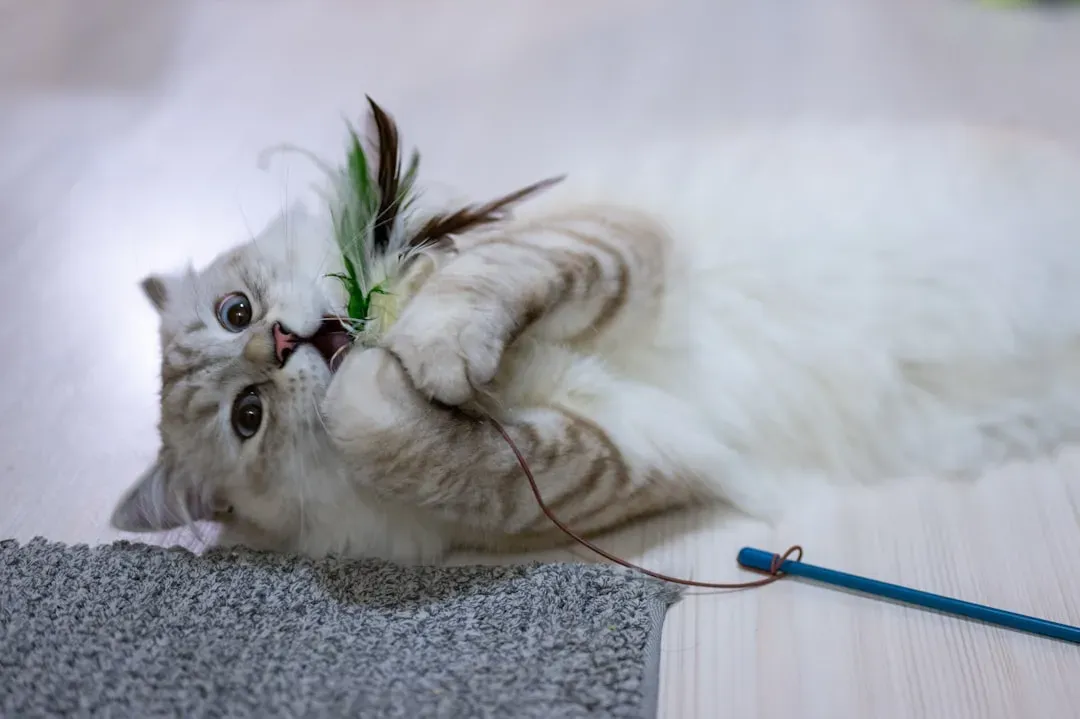
Interactive play is vital for your cat’s mental and physical health, especially when toys like feather wands or laser pointers mimic prey and stimulate their natural hunting instincts. Your cat isn’t just lounging around being lazy. Deep down, they’re hardwired predators with an intense need to stalk, chase, and pounce. When you dedicate even fifteen minutes a day to wand toys or similar activities, you’re giving them an outlet for that primal energy.
Think about it from their perspective. Cats are natural hunters, and they thrive on the thrill of the chase, making interactive playtime crucial for their mental and physical health. Without regular hunting games, your indoor cat misses out on one of their most fundamental joys. You might notice restlessness or even aggression if they don’t get this kind of stimulation. Honestly, it’s one of the easiest ways to deepen your bond while keeping your cat fit and happy.
Providing Access to High Perches and Vertical Spaces
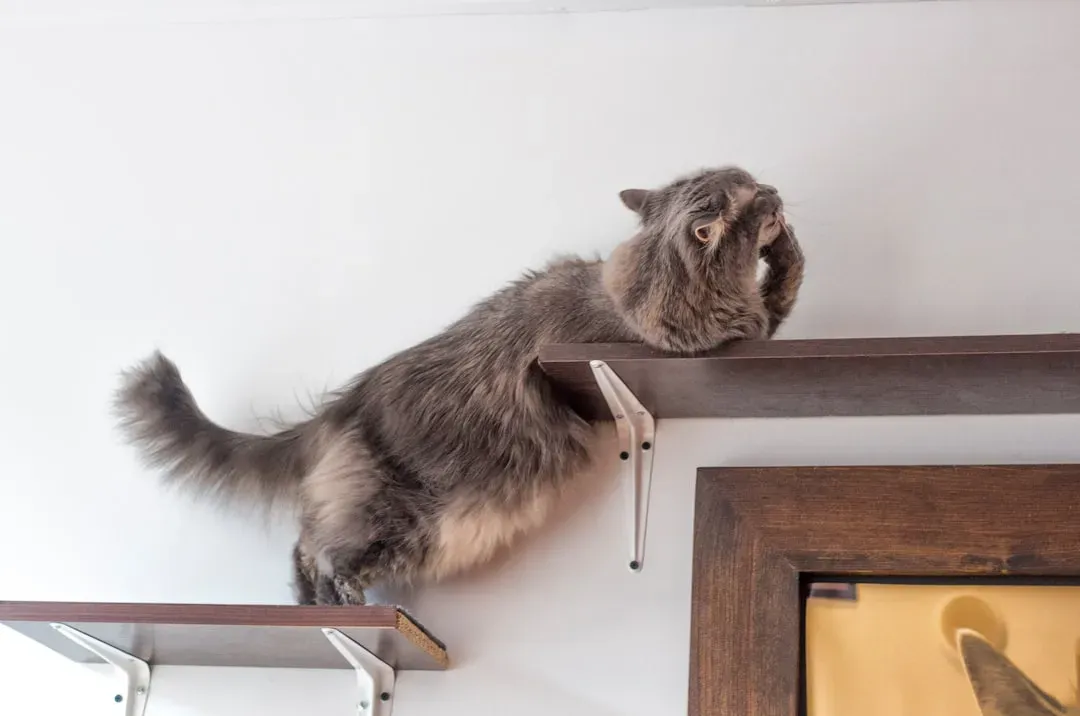
As natural climbers, cats adore exploring vertical spaces, and installing wall shelves, cat trees, or towers provides altitude and allows them to observe their surroundings from above. Your cat doesn’t just want to be on the ground with everyone else. They crave that bird’s eye view, that sense of control and safety that comes from surveying their kingdom from on high. It’s in their DNA.
Cats are natural climbers and enjoy surveying their domain from above, with high perches such as cat trees or shelves offering them the vantage point they instinctively crave and a sense of security. When you fail to provide these elevated spots, you’re denying your cat a fundamental aspect of their nature. Even simple floating shelves or a tall bookshelf they can access makes a massive difference. Your cat will feel more confident, less stressed, and genuinely happier when they have their own high territory to claim.
Setting Up a Window Perch for Bird Watching
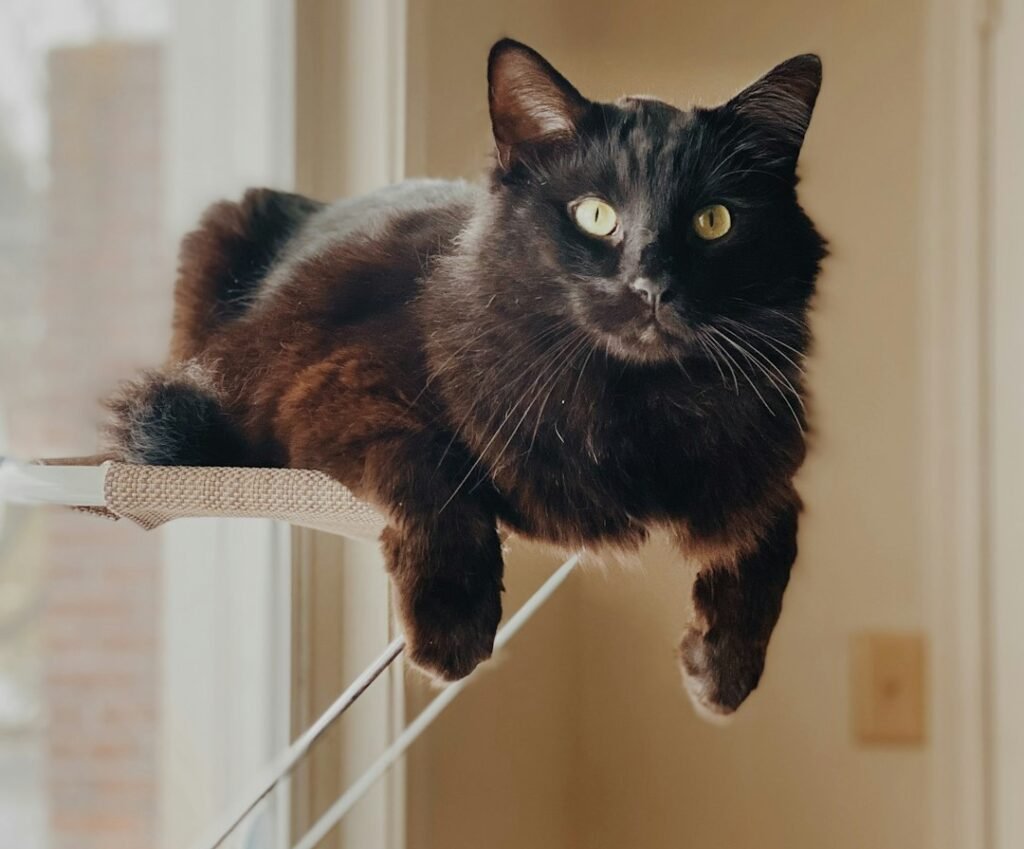
Your cat spends hours staring out the window, and there’s a reason for that. Cats are natural observers and enjoy watching the world pass by from a safe vantage point, with a comfortable window perch allowing them to sit, survey, and chatter at birds for hours of stimulating entertainment. It’s not just idle gazing. This activity engages their hunting instincts and provides endless mental stimulation without any of the risks of outdoor life.
The world outside is a source of endless fascination for cats, with birds, cars, and passersby providing entertainment and mental stimulation. Many owners underestimate just how much joy a simple window perch can bring. Set one up in a sunny spot where there’s plenty of outdoor activity, and you’ll see your cat spending quality time there every single day. It’s basically free television designed specifically for felines.
Offering Multiple Scratching Surfaces in Different Textures
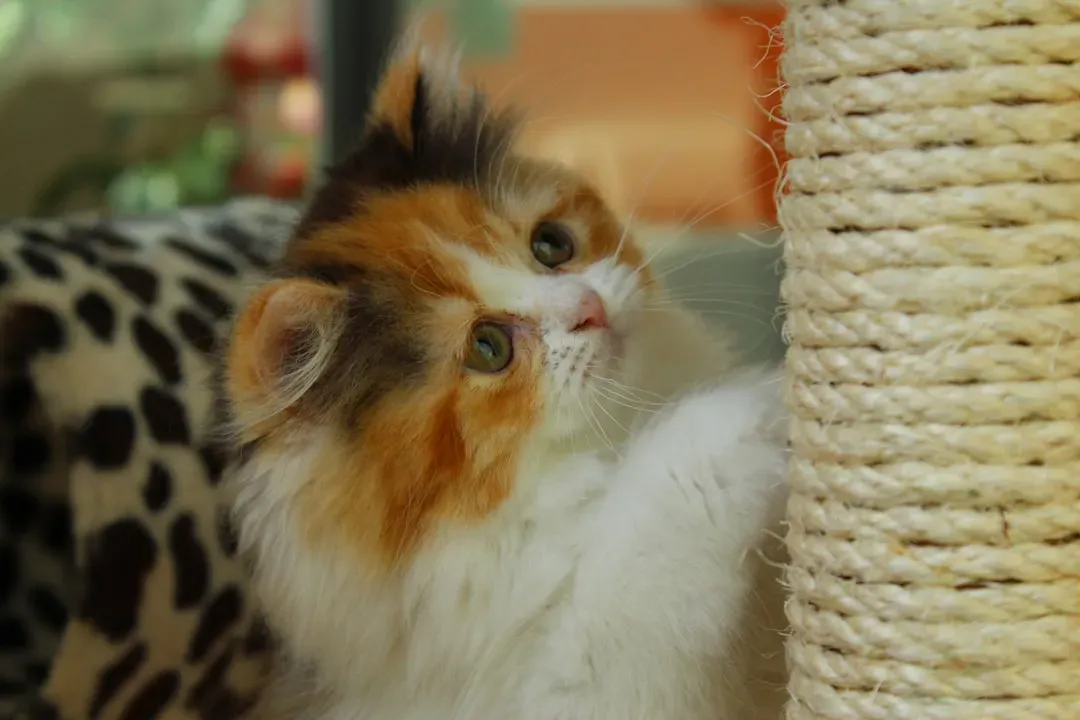
Scratching is essential for cats as it helps them sharpen their claws, stretch their bodies, and mark their territory, with providing several scratching stations across your home in different textures like sisal, carpet, and cardboard satisfying their need to scratch. You might think one scratching post is sufficient, but your cat likely disagrees. They have preferences, and what feels good on their claws in the morning might not be what they want in the evening.
Here’s what you need to know: cats aren’t being destructive when they scratch your furniture. They’re simply doing what nature programmed them to do. Scratching is an inherent behavior in cats used to mark territory, stretch muscles, and maintain healthy claws, and providing ample scratching posts not only protects your furniture but also respects your cat’s natural inclinations. Offering variety in both texture and orientation means your cat can satisfy this need properly. Place them in different locations around your home, and you’ll likely save your couch in the process.
Regularly Rotating Toys to Keep Things Fresh
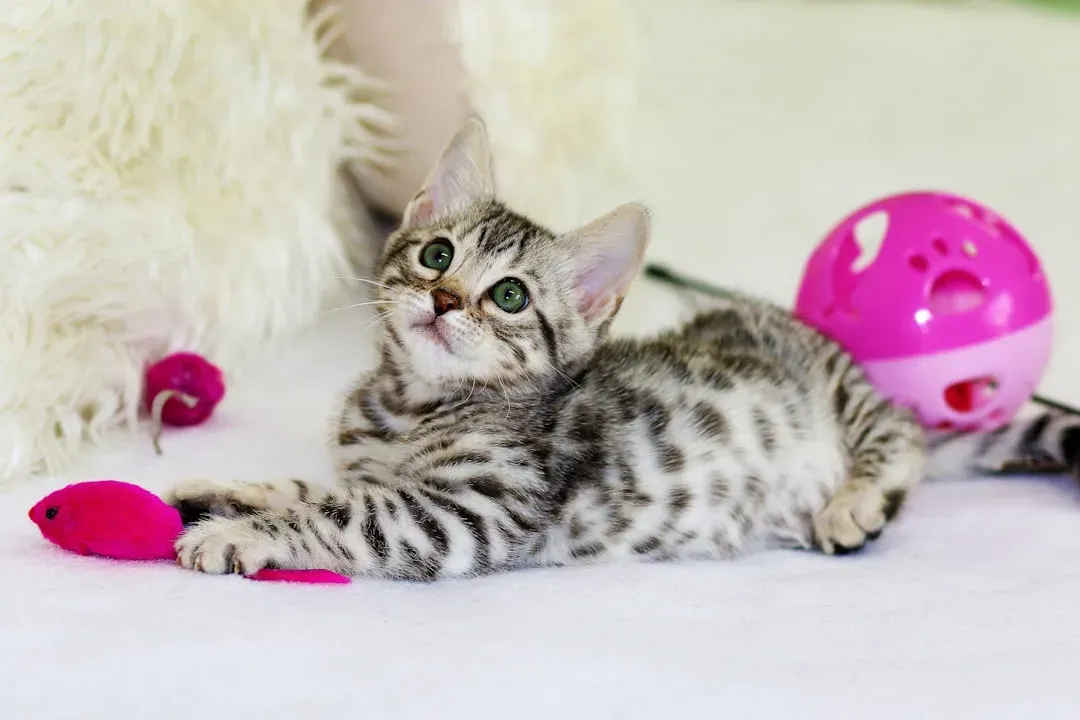
Like humans, cats can quickly tire of the same old toys, and rotating toys every few days and introducing new ones keeps playtime exciting and fresh, encouraging your cat to stay active and engaged. It’s hard to say for sure, but cats might have shorter attention spans than we give them credit for. What was thrilling last week becomes invisible today. Sound familiar?
Think about how you’d feel watching the same movie every single day. That’s essentially what you’re asking of your cat when you leave the same three toys scattered around for months. When toys are always out, cats often get bored quickly, and rotating toys by putting some away for a few weeks before reintroducing them keeps playtime exciting. Store some toys away for a few weeks, then swap them back in. Your cat will react like they’re brand new, and you haven’t spent a single extra dollar.
Establishing Consistent Daily Routines
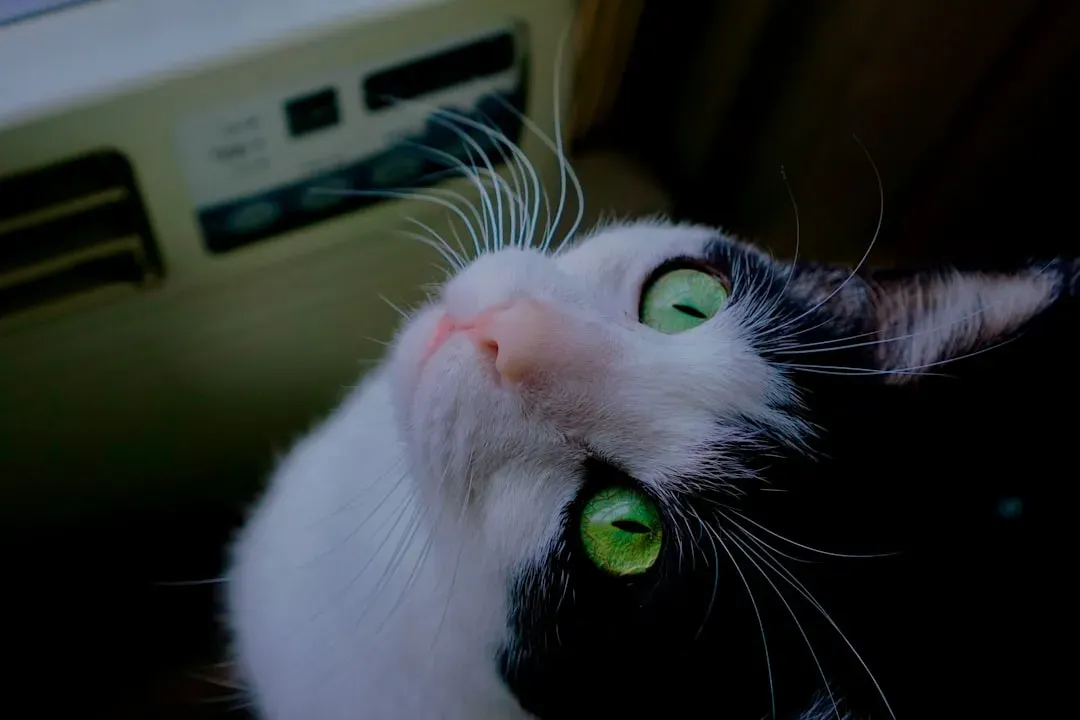
Cats are creatures of habit who thrive on predictable schedules, and maintaining regular feeding times, play sessions, and bedtime routines can make cats feel secure and reduce anxiety-based behaviors. Your cat isn’t demanding. They just want to know what to expect and when. Predictability isn’t boring to cats; it’s comforting. It creates a sense of safety in their world.
When you feed at random times or play whenever the mood strikes, you’re actually creating low-level stress for your cat. Cats thrive on routine, finding comfort in predictability whether it’s meal times, play sessions, or bedtime rituals, with sudden changes leading to stress and anxiety. Establish a schedule and stick to it as much as possible. Morning play session, evening feeding, bedtime cuddles. These rhythms make your cat feel like their environment is stable and secure, which translates directly to better behavior and overall wellbeing.
Dedicating Quality Time for Gentle Grooming
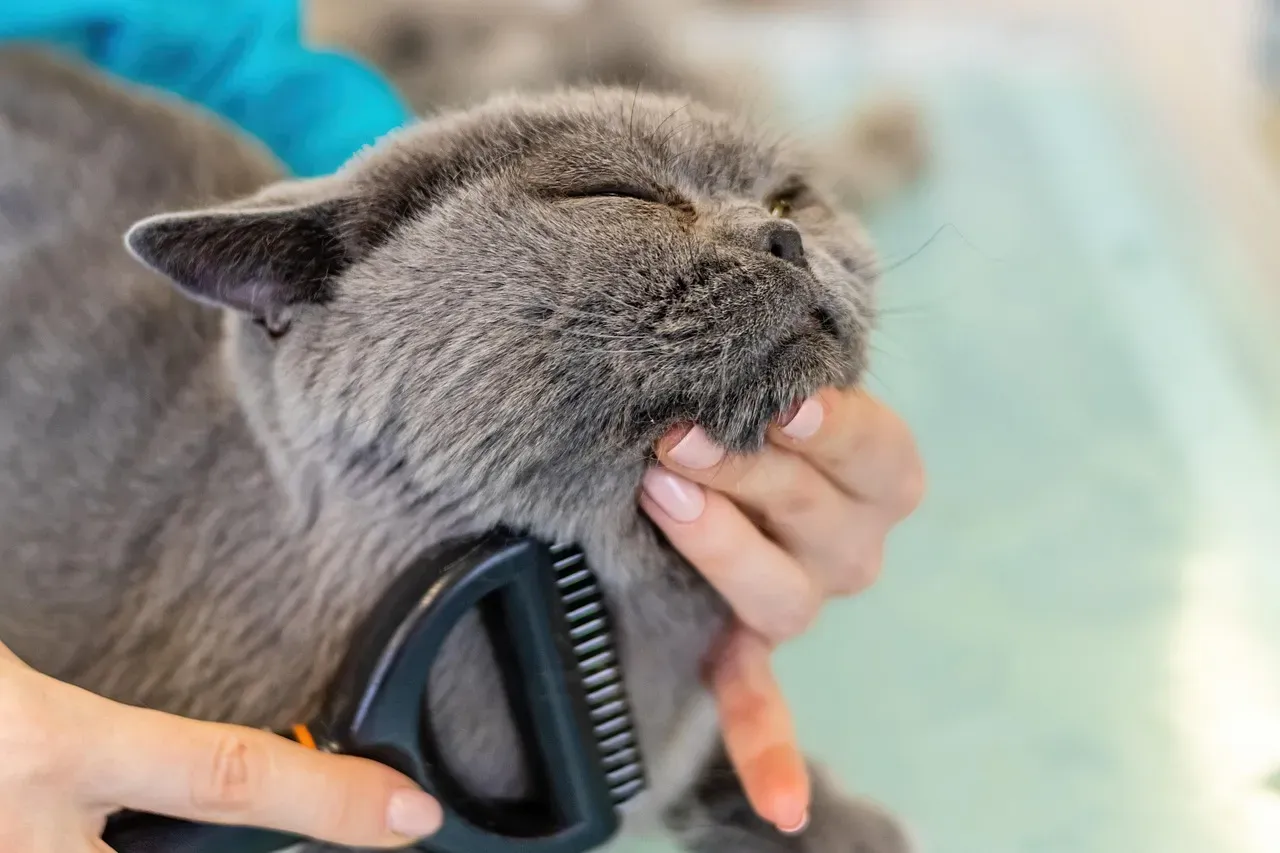
While cats are adept at self-grooming, regular brushing from their human can be a bonding experience, helping reduce shedding and hairballs while offering your cat the sensation of being pampered. Sure, your cat spends hours grooming themselves daily. That doesn’t mean they don’t appreciate a little help from you. In fact, grooming sessions can become one of their favorite rituals.
Brushing isn’t just practical. It’s profoundly social. Brushing your cats is a wonderful social enrichment for your cat while strengthening the bond you two share. Cats in colonies groom each other as a sign of affection and trust, so when you brush your cat, you’re speaking their language. Find the right brush for their coat type, learn which areas they enjoy having groomed, and make it a regular part of your routine. Your cat will reward you with purrs and headbutts.
Engaging in One-on-One Attention and Cuddle Sessions
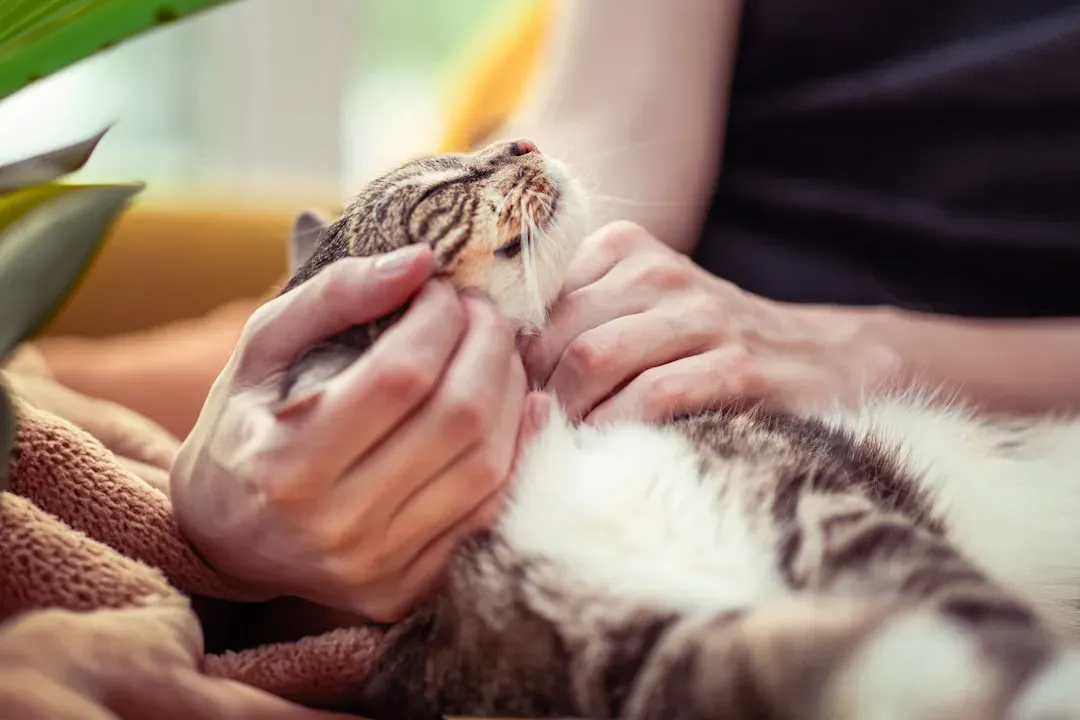
Though cats are known for their independence, many cherish gentle petting sessions and quality time with their owners, with learning where your cat enjoys being touched leading to rewarding cuddle sessions. Here’s something people get wrong all the time: assuming cats are aloof and don’t need human interaction. Research actually shows otherwise. A study done at Oregon State University showed a majority of cats prefer social interaction with people over food, with the majority of pet cats and shelter cats preferring to interact with people more than anything else.
Your cat might not demand attention the way a dog does, but that doesn’t mean they don’t crave it. Despite their independent nature, cats often crave affection from their human companions, with engaging in cuddle sessions deepening your connection and providing emotional comfort for both you and your cat. Pay attention to their signals. Some cats want lap time, others prefer sitting next to you, and some just want you in the same room. The key is being present and responsive. Those quiet moments together matter more than you might think.
Conclusion
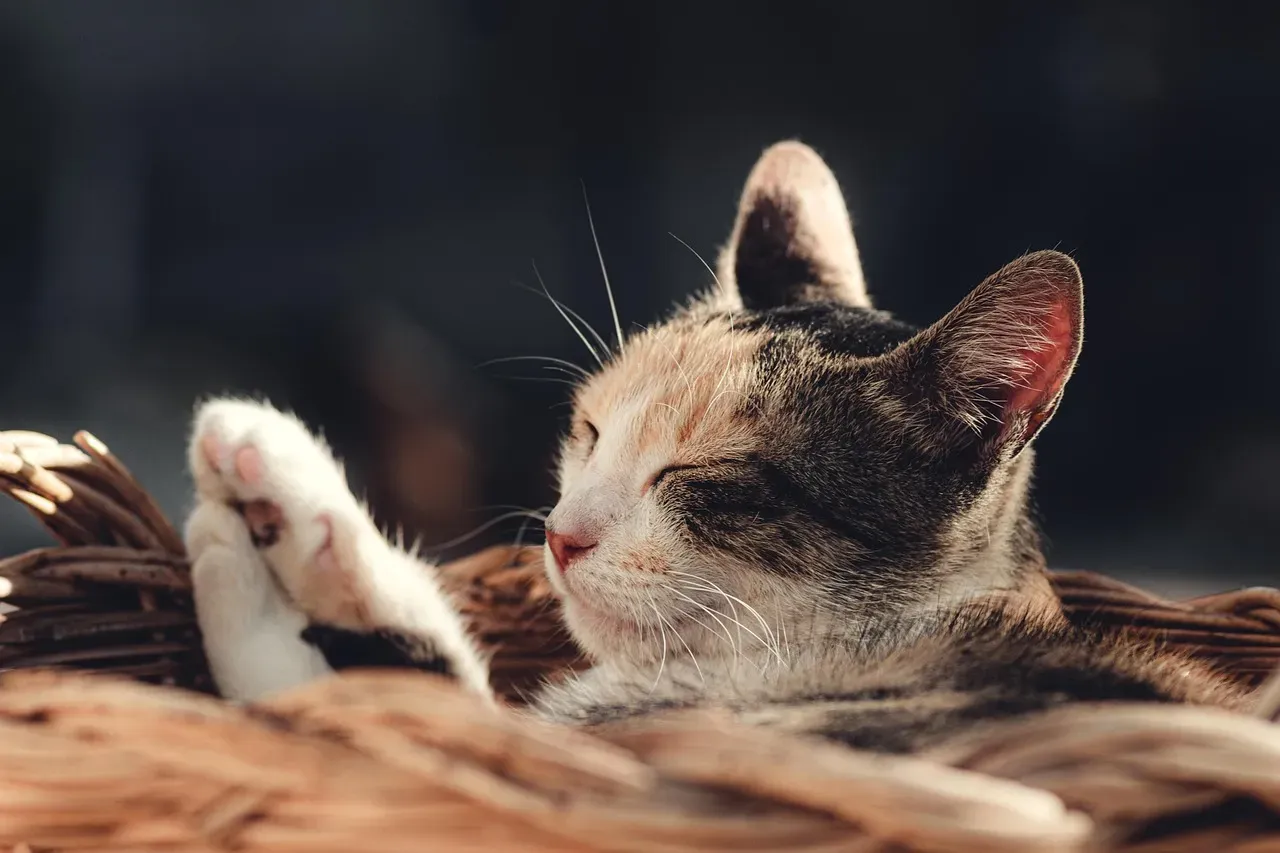
Your cat’s happiness doesn’t require expensive gadgets or complicated training programs. It comes down to understanding what makes them tick and making small, consistent efforts to meet those needs. From interactive play sessions that satisfy their hunting instincts to simple window perches that bring the outside world into view, these eight activities transform your cat’s daily experience. Many felines seek activities and interactions beyond basic care, craving stimulation and connection, and when these needs are met, cats tend to show more affection and contentment, while ignoring these preferences may lead to frustration or boredom.
The beauty of it all? You’ll benefit just as much as your cat. Stronger bonds, fewer behavioral issues, and the joy of watching your feline friend truly thrive. What small change will you make today to enrich your cat’s life?