Your cat curls up on your laptop the moment you try to work. They knock your coffee mug off the table and stare at you without a hint of remorse. They sprint across the house at three in the morning like they’re being chased by invisible demons. These quirky behaviors might seem random, even chaotic, but there’s actually a fascinating logic behind them. Understanding what your cat truly can transform your relationship and deepen the bond you share.
Let’s be real, cats can be enigmatic creatures. One moment they’re purring on your lap, the next they’re ignoring you completely. However, beneath that aloof exterior lies a world of preferences, desires, and instincts that drive their behavior. From the cozy spots they choose for napping to the way they communicate affection, every action tells a story. So let’s dive in and explore eight things your cat genuinely adores.
The Comfort of High Places
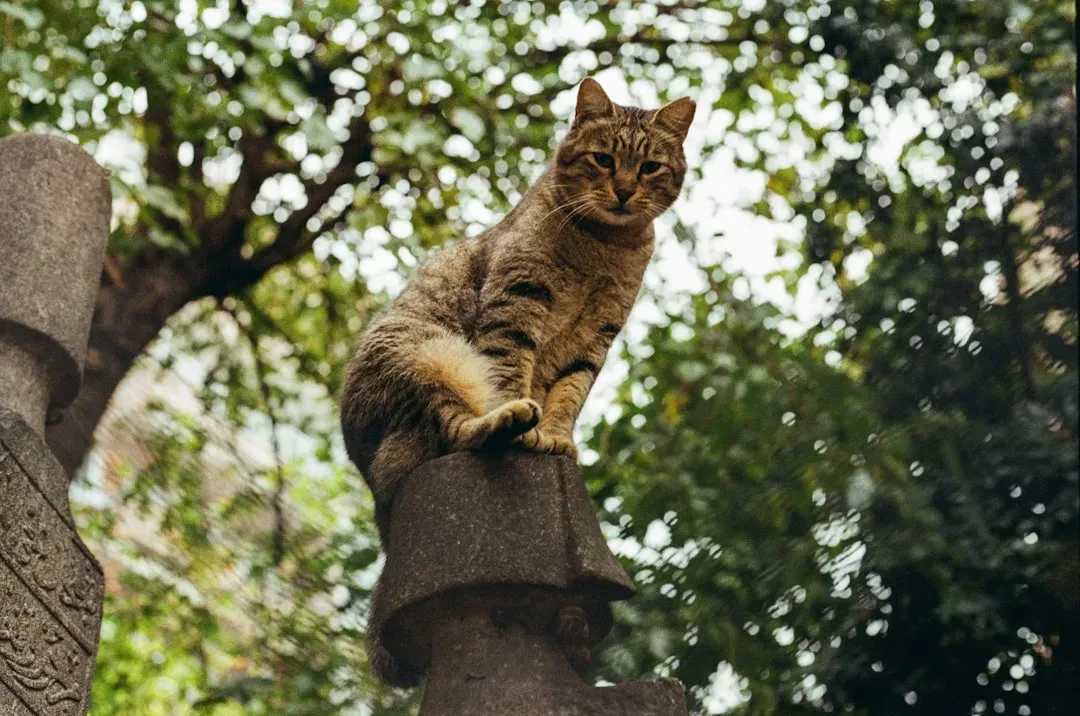
Your cat’s obsession with climbing isn’t just playful antics. Like their wild ancestors, your feline friend seeks out high places to survey their territory and escape from perceived threats. Think about it: that bookshelf or kitchen counter offers them a perfect vantage point to observe everything happening in their domain. It’s hard to say for sure, but this behavior likely stems from their evolutionary need to stay safe from predators while hunting prey.
You can satisfy your cat’s love of high places by providing approved climbing spots with various surfaces and comfortable platforms. Cat trees, wall-mounted shelves, or even clearing a space on top of a wardrobe can become their favorite retreat. When your cat perches up high, they’re not being difficult or trying to annoy you by walking on the counters. They’re simply expressing a deeply ingrained instinct that makes them feel secure and in control.
Long, Luxurious Naps
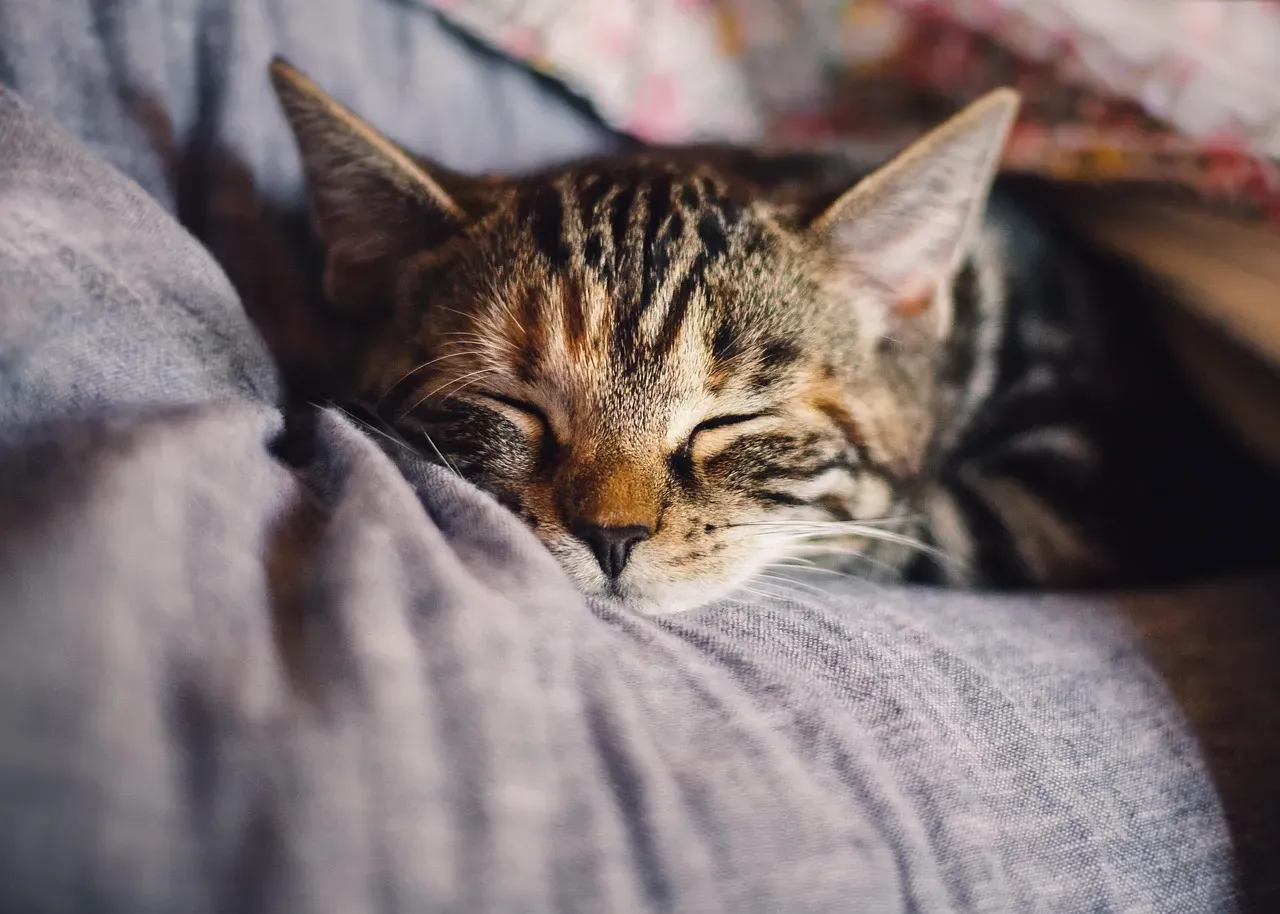
To the casual observer, sleeping might seem like all cats ever do, but their sleep pattern is actually efficient and practical since cats are ambush hunters who expend bursts of energy to capture prey. Your cat isn’t lazy when they spend most of the day snoozing in that sunny spot by the window. They’re recharging for their next burst of activity, whether that’s chasing a toy mouse or sprinting through the hallway at midnight.
The frequent napping that cats do helps their bodies recharge and be ready for any immediate opportunity to hunt again. Even though your pampered pet doesn’t need to hunt for survival, that biological programming remains intact. Honestly, there’s something rather adorable about watching your cat cycle through their various sleeping positions throughout the day. Those marathon nap sessions are essential for their physical and mental well-being.
Interactive Playtime with You
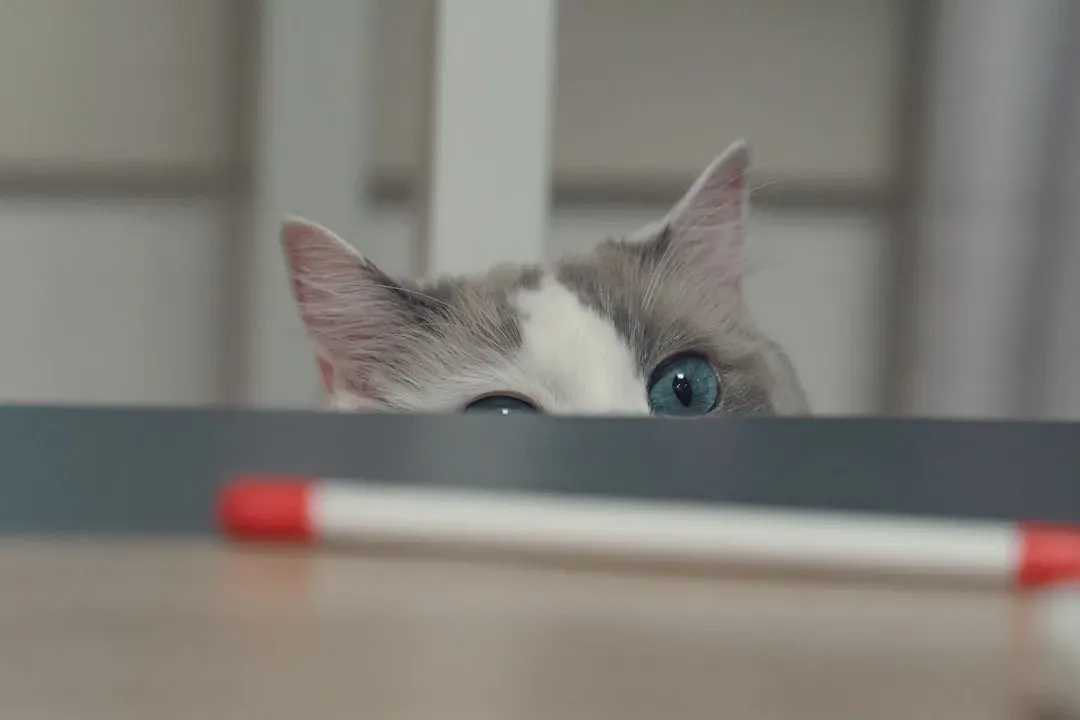
Most cats actually choose interaction with humans over other options like food, toys, or scent. This might surprise you if your cat seems standoffish at times, but research reveals that your feline companion genuinely values spending time with you. Play isn’t just entertainment for cats; it taps into their predatory instincts in a safe, satisfying way.
Play behaviors in cats are closely related to the natural predatory sequence of stalking, chasing, pouncing, and biting, and cats also enjoy playing with items they can pick up, toss in the air, and pounce on. When you dangle a feather wand or roll a ball across the floor, you’re not just keeping them busy. You’re engaging their hunter brain and strengthening your bond simultaneously. The key is consistency. Setting aside even ten minutes daily for interactive play can dramatically improve your cat’s happiness and deepen the connection between you.
Warm, Cozy Spots
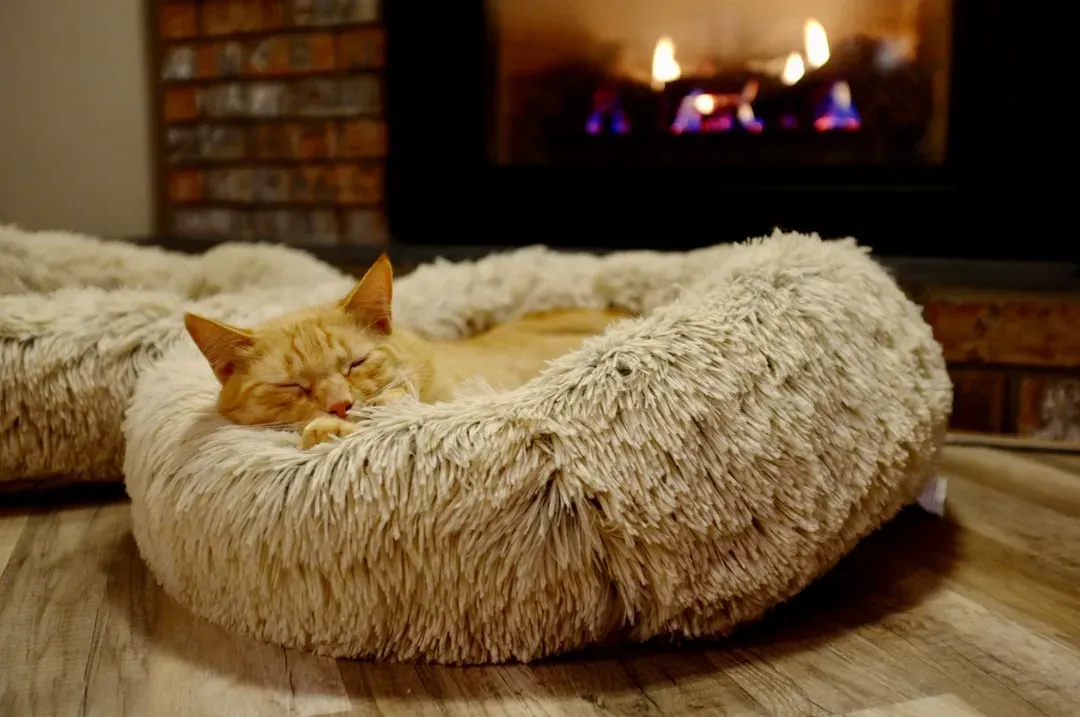
The domesticated cat is a descendant of wild desert cats from Egypt, where desert temperatures are high during the day and very cold at night. This ancestral heritage explains why your cat gravitates toward the warmest spots in your home. Whether it’s a sunbeam streaming through the window, a heating vent, or your laptop keyboard, warmth equals comfort and security for felines.
Cats love sunshine so much that it can seem like all they want is to follow the beam of sunlight as it moves across the floor. You’ve probably noticed your cat relocating throughout the day to chase those warm patches of light. Your cat could simply be used to sitting in a warm spot, and cats tend to stick to their schedules and habits. Creating cozy retreats with soft blankets in sunny locations or near radiators shows your cat you understand their needs.
Scratching Everything in Sight
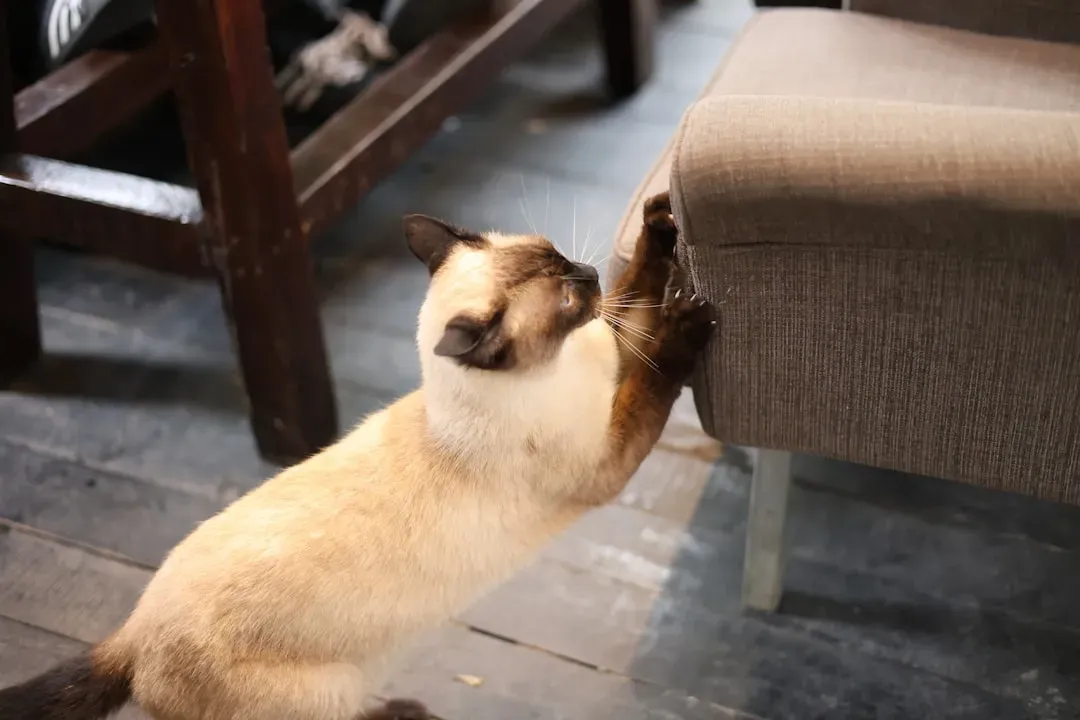
One of cats’ natural, normal, and necessary behaviors is to scratch inanimate objects, and cats don’t scratch furniture to be spiteful – they’re behaving like cats. I know it sounds crazy, but that shredded couch arm isn’t an act of revenge. Your cat is simply maintaining their claws, marking their territory, and stretching their muscles all at once.
Cats have scent glands on their paws, and releasing the odor allows them to mark objects as their own, and scratching is also done because it’s fun and feels good. Rather than fighting this natural instinct, provide appropriate outlets like scratching posts, cardboard scratchers, or sisal mats placed strategically around your home. When you offer appealing alternatives and praise your cat for using them, you redirect the behavior without suppressing something they genuinely love and need to do.
Being Groomed and Staying Clean
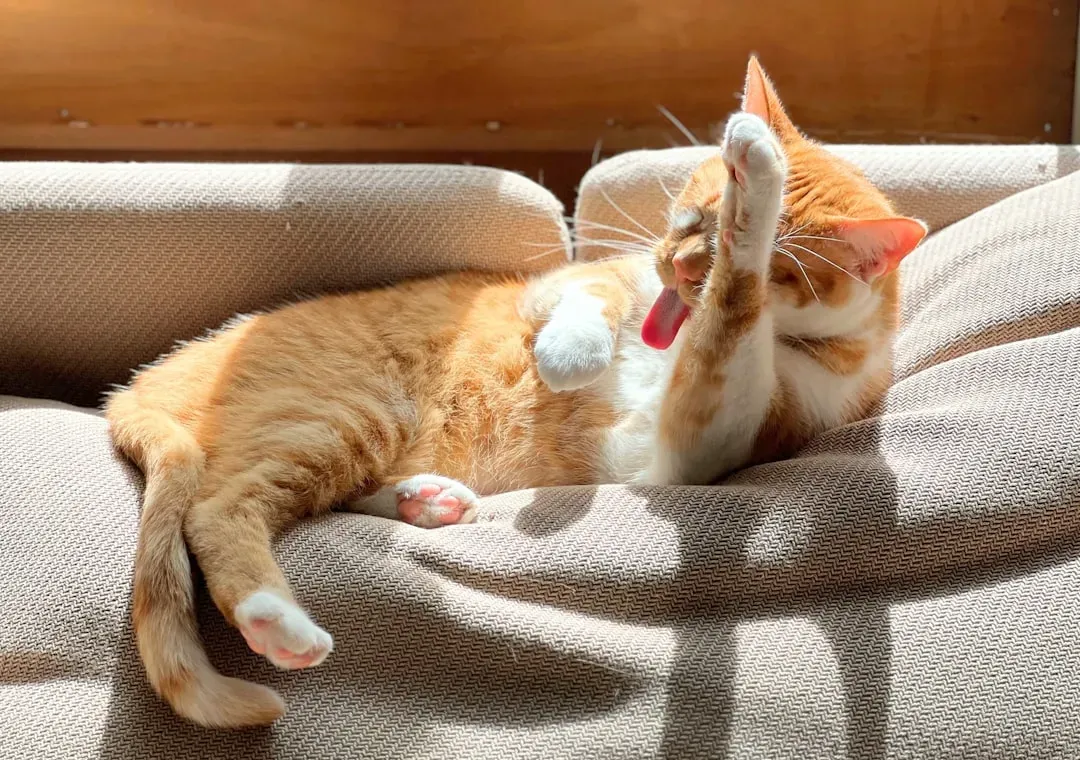
Cats spend anywhere from two to six hours a day cleaning and conditioning their coat and claws, and whether they’re grooming themselves, another cat, or even their human, cats love to be as clean as possible. Your cat’s meticulous grooming routine isn’t vanity. It’s an essential behavior that regulates body temperature, removes dirt, and distributes natural oils throughout their coat.
Just as mother cats groom their young, cats who are bonded with each other often groom one another, showing comfort and familial acceptance, so if your kitty licks you repetitively, they see you as a close family member. When your cat grooms you, consider it a compliment of the highest order. They’re incorporating you into their family unit. You can reciprocate this affection by gently brushing them if they enjoy it, creating a bonding ritual that mimics their natural social behavior.
Routine and Predictability
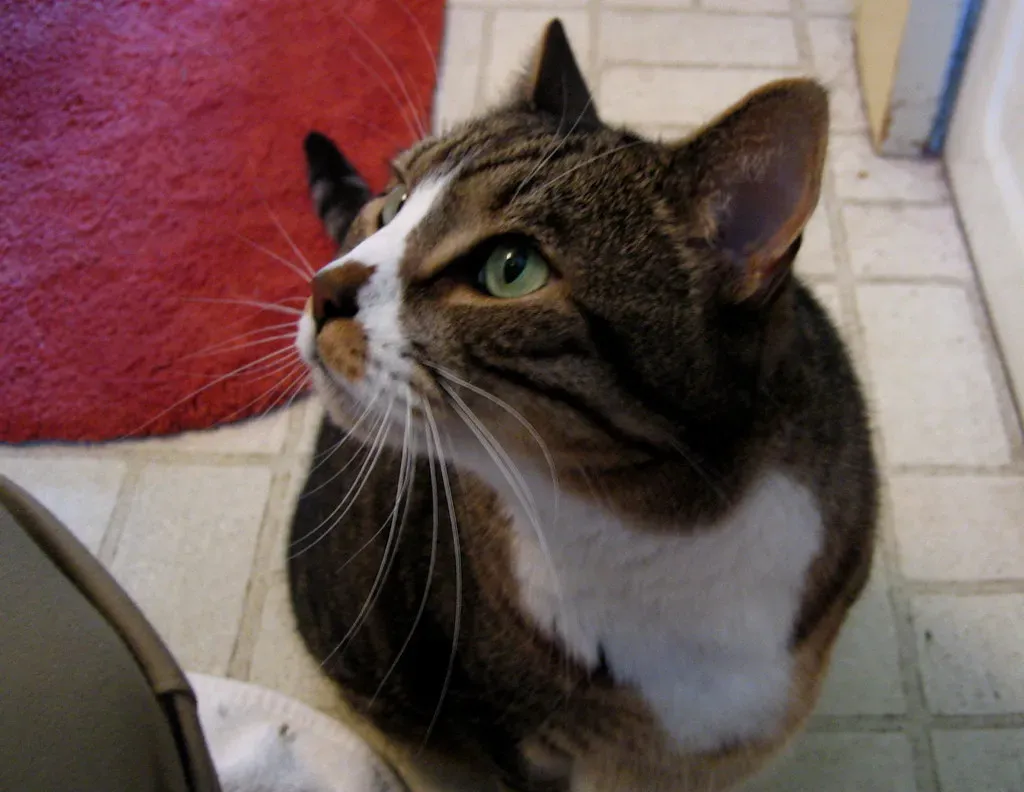
Cats don’t want or need a wide variety of food, bedding, or daily activities, as they thrive in a stable environment with consistent food, water, shelter, and enriching toys. If your cat seems upset when you rearrange furniture or change their feeding schedule, it’s because predictability makes them feel safe. Cats are creatures of habit, and that consistency helps reduce stress and anxiety.
Cats like things to stay the same, so try to keep meals, playtime, and cuddle sessions at the same time each day. This doesn’t mean your home needs to become a rigid, unchanging environment. Still, maintaining regular routines for the important stuff like feeding times, play sessions, and bedtime rituals demonstrates reliability. Your cat learns to trust you as the constant in their life, which strengthens your bond considerably.
Affectionate Attention on Their Terms
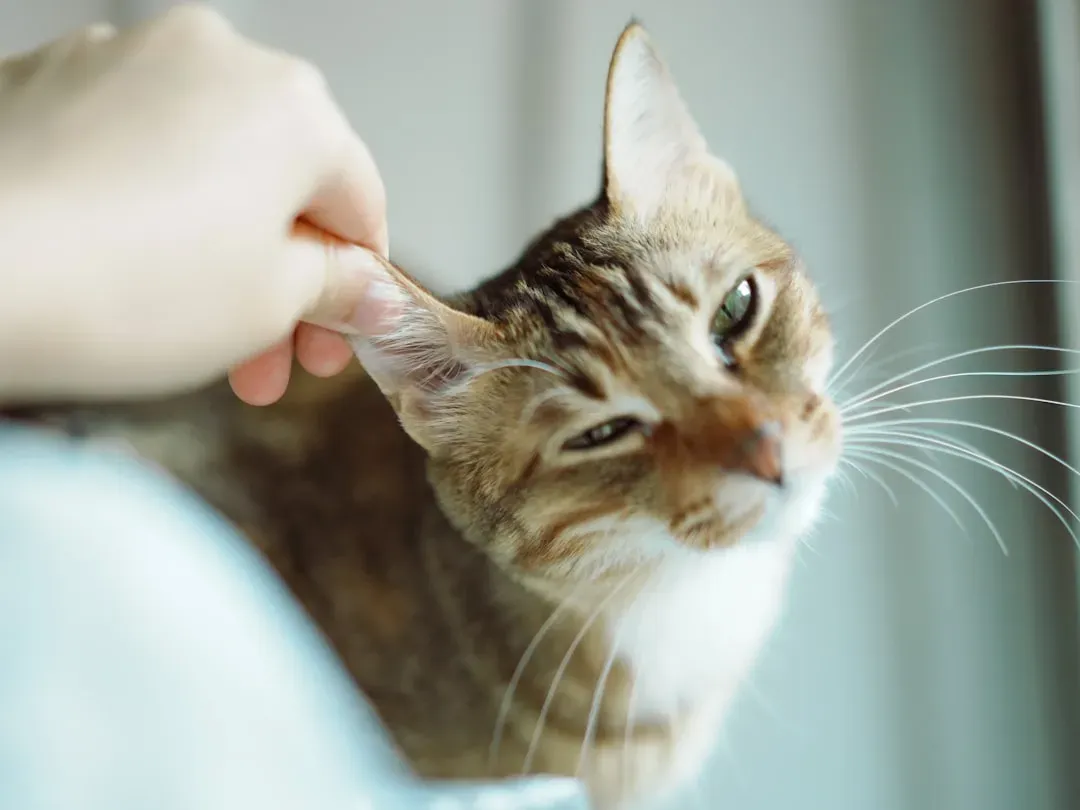
Cats have been observed to respond well to being given choice and control within human-cat interactions, and allowing cats to have choice is an important behavior to encourage. affection, but here’s the thing: they want it when they want it, not necessarily when you do. This isn’t rejection or aloofness. It’s their way of maintaining autonomy and feeling secure in the relationship.
Spend time each day petting, snuggling with, and playing with your cat, but pay attention to your cat’s cues, and if they want space, give it to them because your bond will grow if you respect their cues. When you honor their boundaries, you’re actually strengthening trust rather than weakening it. Watch for slow blinks, purring, and tail positions to gauge their mood. Letting your cat initiate contact often results in longer, more meaningful interactions than forcing affection when they’re not receptive.
Conclusion

Understanding what your cat truly loves transforms everyday interactions into opportunities for connection and joy. From their need for high perches and warm napping spots to their desire for predictable routines and respectful affection, every preference reflects millions of years of evolutionary programming combined with individual personality. These aren’t just quirky behaviors to tolerate. They’re windows into your cat’s inner world.
The beauty of cats lies in their complexity. They’re simultaneously independent and affectionate, playful and contemplative, mysterious and surprisingly transparent once you learn their language. By honoring what they love, whether that’s respecting their need for space or engaging in daily play sessions, you create an environment where your cat can truly thrive. What’s your cat’s favorite thing from this list? You might be surprised by what you discover when you start paying closer attention.