Ever wonder why your feline friend purrs contentedly on your lap one moment, then races around the house the next? Cats aren’t the mysterious creatures many people believe them to be. They have specific preferences and behaviors that, once you understand them, reveal a world of fascinating instincts and desires.
has needs beyond food and water, though they might not always communicate them in obvious ways. From their love of elevated perches to their obsession with cardboard boxes, these preferences stem from deeply rooted survival instincts passed down from their wild ancestors. Let’s explore what truly makes happy and how you can create an environment that satisfies their natural behaviors.
Long, Luxurious Naps Throughout the Day
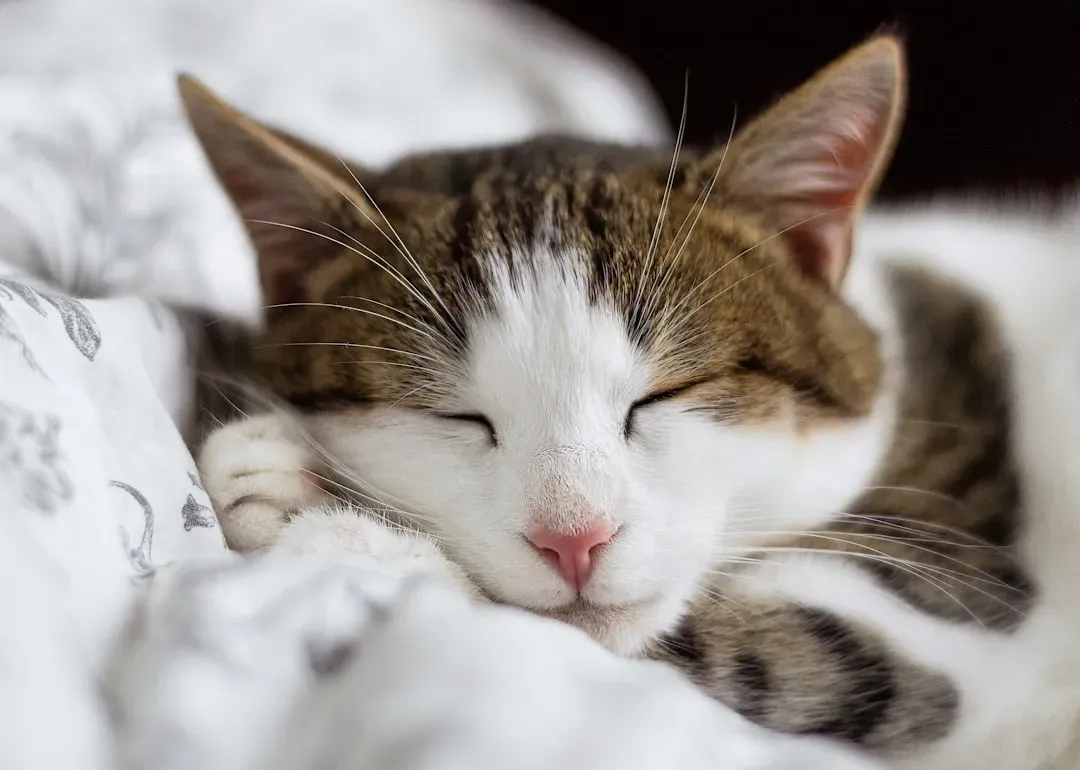
Your cat spends between 15 and 16 hours per day sleeping, on average, which is more time than they spend doing anything else. This isn’t laziness. It’s pure biology at work.
The frequent napping that cats do helps their bodies recharge and be ready for any immediate opportunity to hunt again. Even though your indoor cat doesn’t need to hunt for survival, their bodies still operate on this ancient cycle. They’re conserving energy for those sudden bursts of activity you see when they chase a toy or sprint down the hallway at midnight. Provide your cat with multiple comfortable sleeping spots around your home, from cozy cat beds to sunny windowsills where they can drift off peacefully.
High Perches and Elevated Spaces
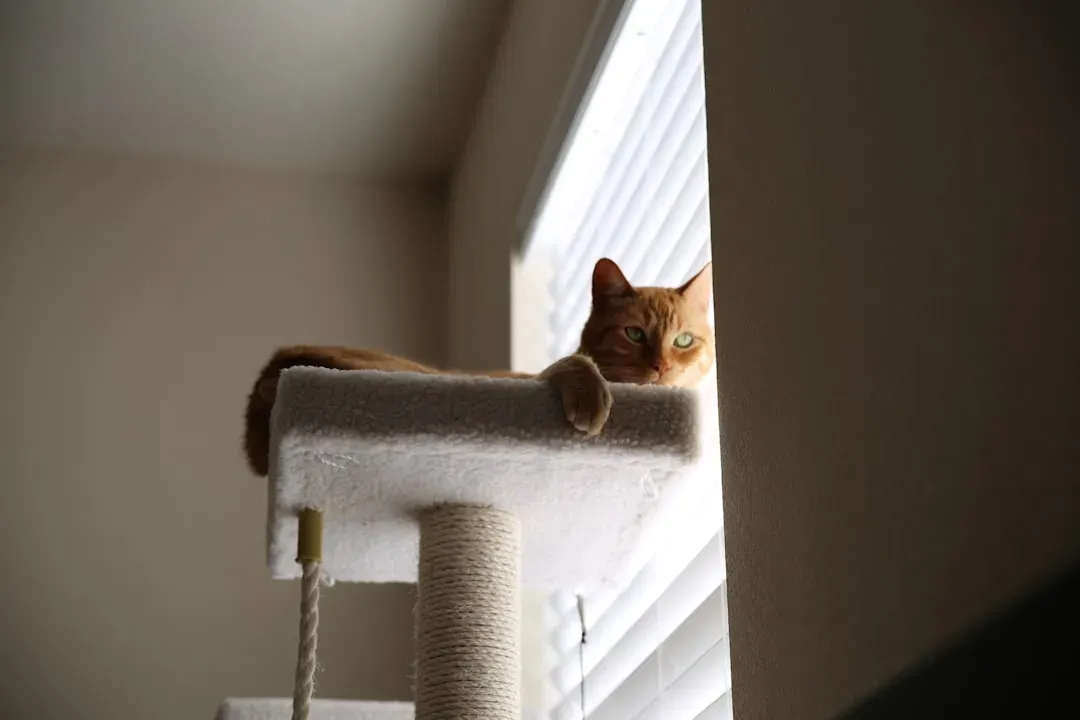
Jumping and climbing to high places continues to be a normal behavior for domesticated cats, and like their ancestors, your feline friends seek out high places to survey their home territory and to escape from another pet in the home, a young child or something that scares them. Being up high makes your cat feel secure and in control.
Being up high helps cats feel more secure, and a carpeted cat tree or condo creates a safe zone from small children, dogs, or other cats. Position these elevated spaces near windows if possible, so your cat can watch birds, squirrels, and passing cars. They’ll spend hours entertained by this natural television. Think of it as giving them their own personal observation deck where they can monitor everything happening in their kingdom.
Interactive Play That Mimics Hunting
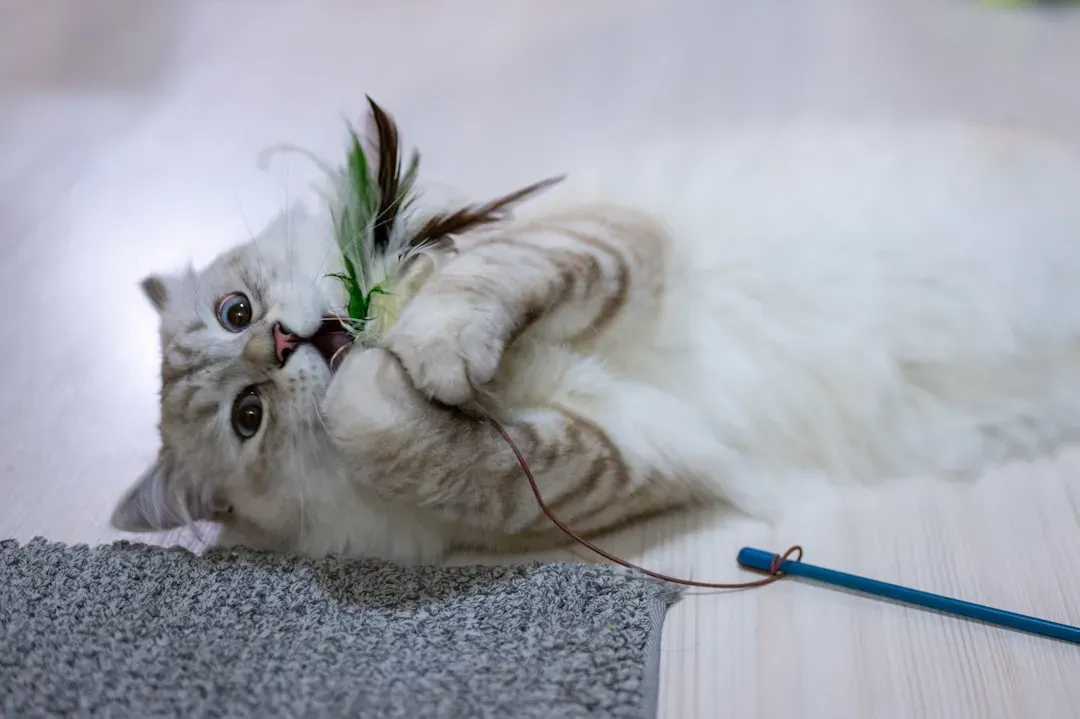
Cats love playtime – especially interactive play with their favorite humans, and wand toys, feather teasers, and laser pointers are top favorites because play mimics hunting, satisfying their natural instincts and keeping them entertained. Your cat needs this outlet for their predatory behavior.
However, here’s something important to consider: It’s important to provide toys that your cat can catch, while something like a laser pointer is not a good choice because your cat can’t catch anything and finish the hunt – leading to frustration that can elicit negative behaviors. Choose feather wands or small toy mice that allow your cat to complete the hunting sequence by catching their prey. This gives them the satisfaction their instincts crave and prevents the frustration of an endless, unwinnable chase.
Scratching Posts and Textured Surfaces
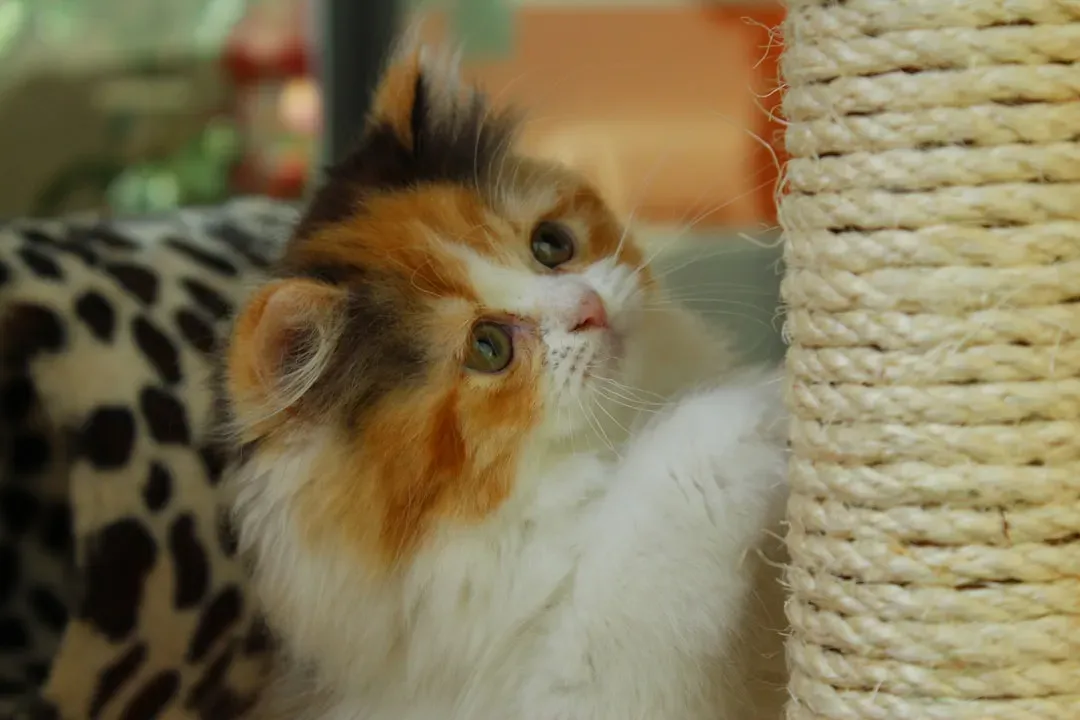
Scratching on rough and appealing objects is a natural and beneficial aspect of healthy cat life, and scratching serves multiple functions. Your cat isn’t destroying your furniture out of spite. They’re engaging in completely normal feline behavior.
Scratching keeps the nails healthy by removing the outer dead nail sheath to expose the new growth, and it’s both an olfactory and visual way of marking because there are scent glands in the paw pads. When your cat scratches, they’re essentially leaving their personal signature. Provide tall, sturdy scratching posts covered in rough materials like sisal, and place them in areas where your cat naturally wants to mark their territory, such as near their favorite sleeping spots or by doorways.
Attention and Affection on Their Terms
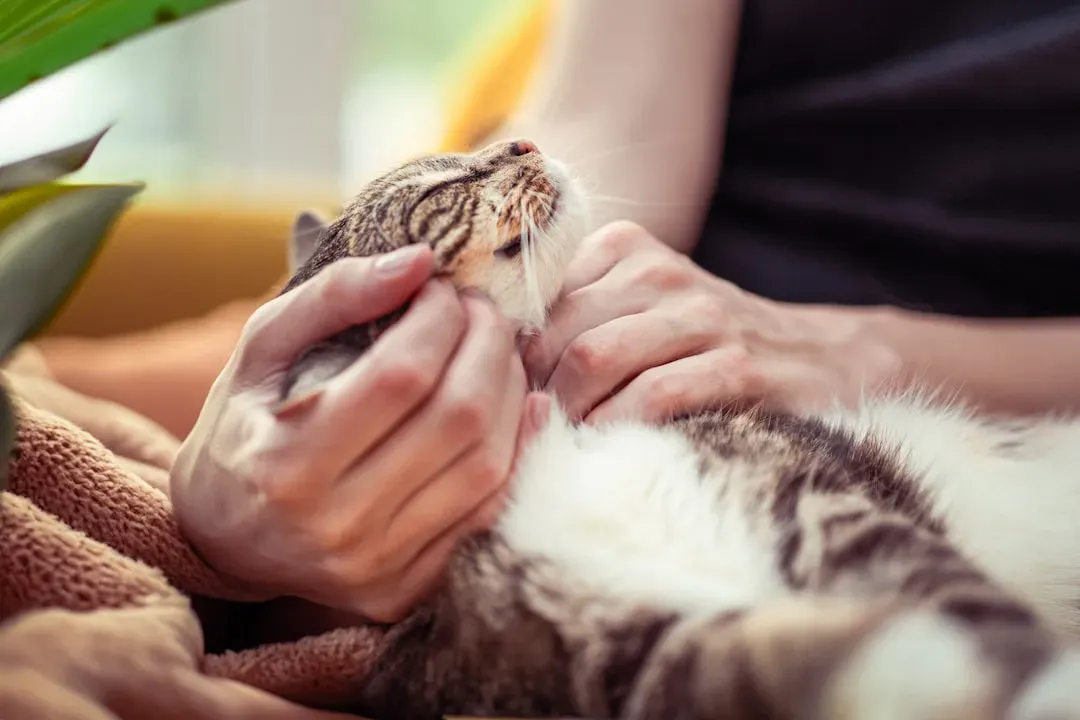
A study done at Oregon State University showed a majority of cats prefer social interaction with people over food, which came in second, and while researchers noted variation among cats, the majority of pet cats and shelter cats preferred to interact with people more than anything else. This might surprise you if you’ve always thought of cats as aloof and independent.
The key phrase here is “on their terms.” Most cats really do not enjoy being held and carried, at least not for long, so instead, allow your cat to sit on your lap or rub against your body, which allows you to pet them in their favorite spots while still giving them the freedom to leave when they’re done. Let your cat approach you when they want attention rather than forcing cuddles. You’ll notice they’ll seek you out more often when they know you respect their boundaries.
Tasty Treats and Fresh Food
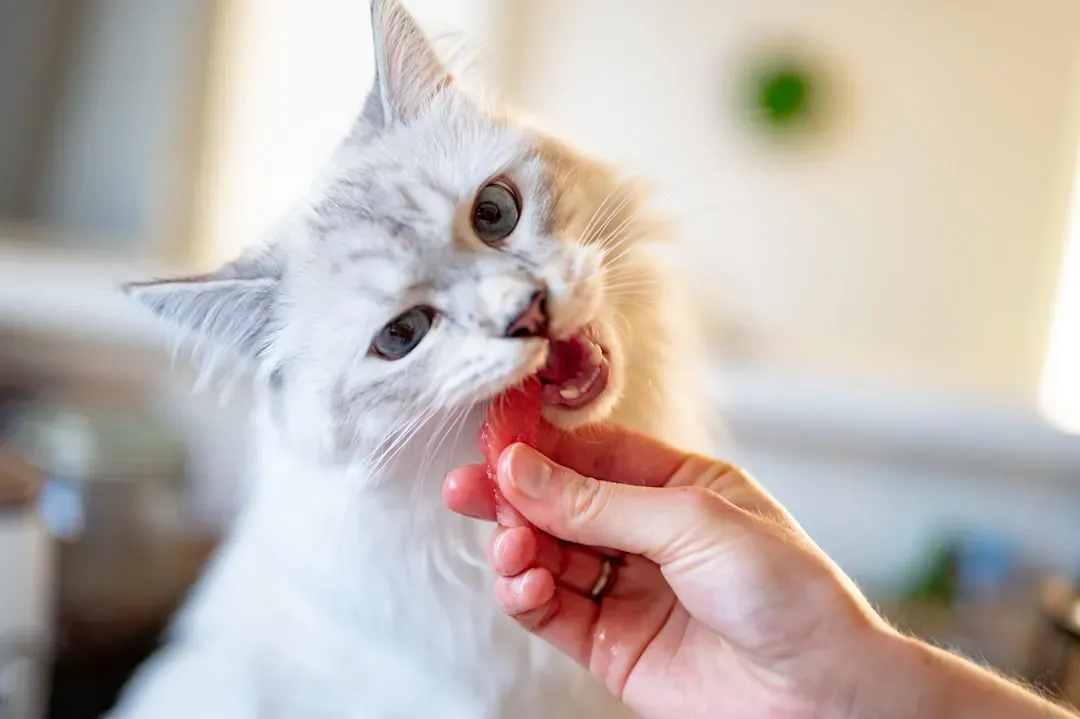
Food is another thing cats love, and while a balanced diet is essential to their overall wellbeing, occasional treats can be a wonderful way to reinforce positive behavior and strengthen your bond. Your cat’s food preferences might seem finicky, but they’re actually quite intelligent about what they eat.
Most cats go crazy for high-protein snacks, cooked chicken, or specially formulated cat treats, and catnip is another irresistible delight, triggering euphoric behavior in many felines. Try using small pieces of cooked chicken or salmon as special rewards, but introduce new foods slowly and in moderation to avoid digestive upset. You can even turn mealtime into an enrichment activity by using puzzle feeders that make your cat work a bit for their food, which taps into their natural hunting instincts.
Warm Spots and Sunny Window Perches
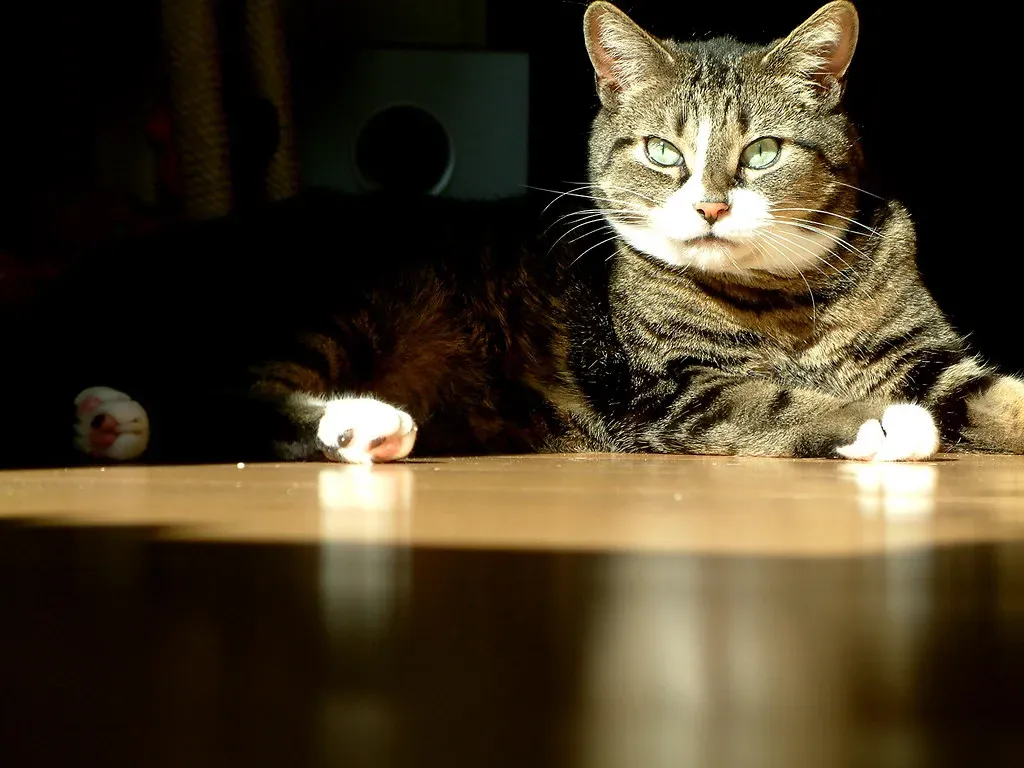
Cats are drawn to warmth, which is why they love sitting near heaters, snuggling in blankets, or basking in a sunny spot. You’ve probably noticed your cat follows the sunbeams across the floor throughout the day like they’re chasing liquid gold.
Our furry friends love sunshine so much that it can seem like all cats want is to follow the beam of sunlight as it moves across the floor. Create cozy spots near windows where your cat can soak up the sun while watching the world outside. Just be mindful of prolonged sun exposure, especially for light-colored cats who might be more susceptible to sunburn. A comfortable cat bed positioned in a sunny window creates the perfect lounging spot that combines warmth, comfort, and entertainment all in one place.
Cardboard Boxes and Enclosed Hiding Spots
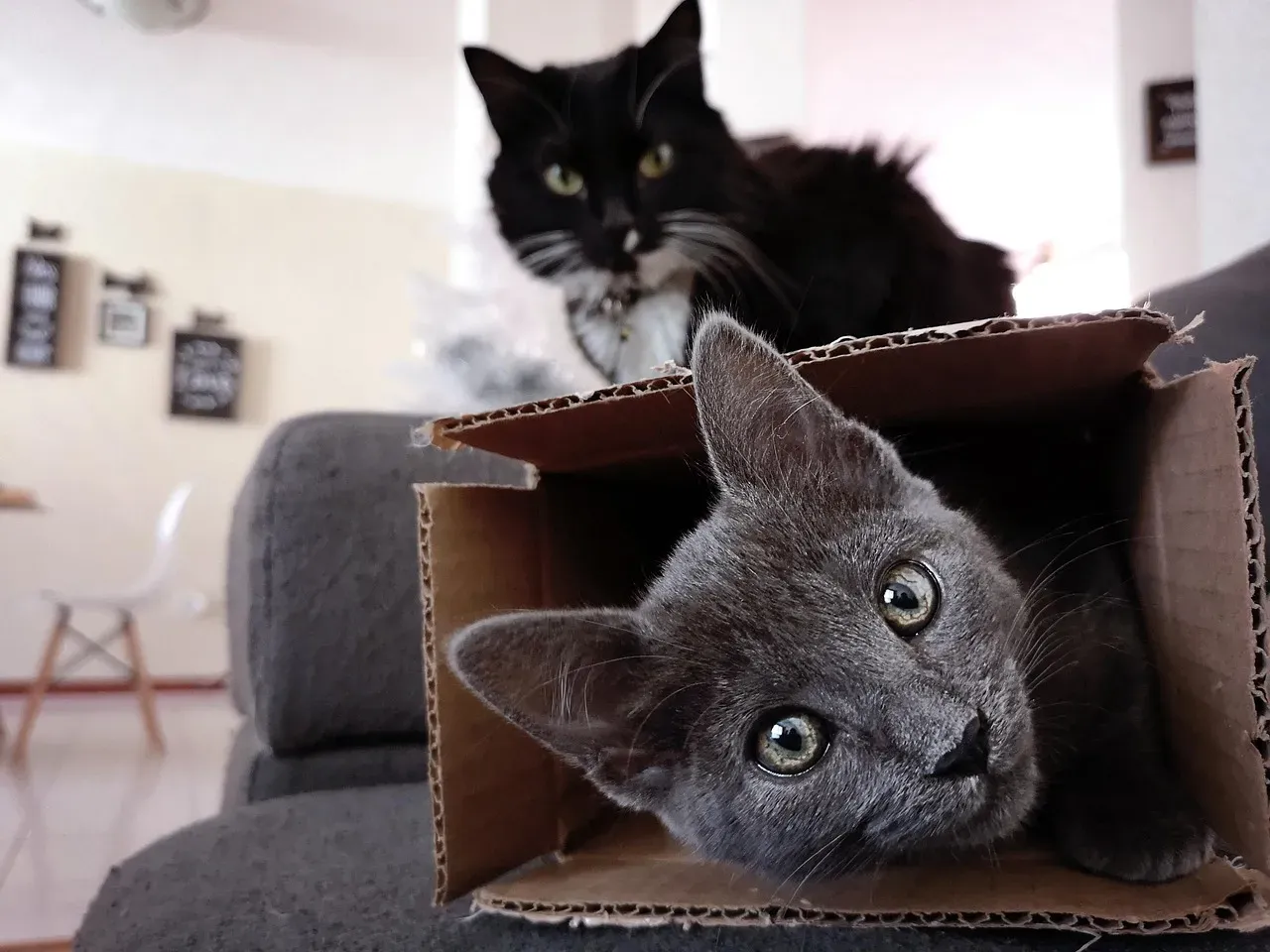
Cats love boxes – even if those boxes sometimes seem too small for them to fit in, and boxes give them a place to hide, play, and even scratch and bite. There’s something universally appealing about a simple cardboard box to a cat, regardless of its size or shape.
Calming activities are just as much a part of cat enrichment as stimulating activities, and every animal needs a “comfort zone” where they can go to feel safe and relax, with closets, open crates, high shelves, cat trees, the space under beds, and rooms sectioned off with baby gates being great places to put a comfy cat bed or blanket to create a safe place. Your cat needs these retreat spaces where they can escape and feel secure. Don’t throw away those Amazon boxes just yet. Set one down empty and watch your cat immediately claim it as their new favorite spot. It’s one of the simplest and cheapest ways to make your cat happy.
Understanding what your cat truly helps you create a home environment where they can thrive. These aren’t just preferences but essential needs rooted in their biology and natural instincts. When you provide opportunities for your cat to climb, scratch, hunt, rest, and interact on their terms, you’re not spoiling them. You’re helping them live their most fulfilled life possible. What does your cat love most? Pay attention to their behavior, and you might discover even more unique preferences specific to your feline friend.