You’ve brought home this adorable little ball of fluff, maybe tucked it into the perfect cage with all the recommended supplies. Yet there you are, watching your hamster dart into its hideout every time you walk by. Makes you wonder if you’re doing something wrong, right? Here’s the thing about hamsters that many first-time owners don’t realize: these tiny creatures are prey animals at their core, wired to be cautious about everything.
Creating a sense of safety isn’t about grand gestures or expensive equipment. It’s rooted in the small, consistent habits you build into your daily routine. Think of it as learning a new language, one where actions speak louder than words, and patience becomes your most valuable tool. Ready to transform your relationship with your furry companion? Let’s explore the subtle yet powerful ways you can help your hamster feel genuinely secure and cherished.
Give Them Time to Settle Without Interference

When you first bring your hamster home, resist the urge to immediately interact with them, allowing them to explore their new habitat peacefully without sudden movements or loud noises for at least a couple of days. Leaving some of their old nesting materials in the cage provides a source of comfort, as it’s the only smell they recognize, and you should give them at least a day to settle in before approaching. I know how tempting it is to pick up your new pet right away, but this restraint pays off enormously.
Everything is new to your hamster when they arrive home, so giving them the headspace to get to know their habitat without distractions by placing a light cloth over their space can help. This initial adjustment period sets the foundation for all future interactions. Your hamster needs to understand that their cage is a safe zone, not a place where unexpected hands will swoop in and startle them.
Speak Softly and Let Your Voice Become Familiar

Spending time around your hamster’s cage and quietly talking to them gets them used to your voice, and you can even try reading a book out loud or singing softly. Your hamster can’t understand your words, but they will absolutely recognize the tone and rhythm of your speech. Begin by spending time near the cage, talking softly, and allowing them to become familiar with your presence and voice.
This simple habit creates an association between your voice and safety. Over time, the sound of you approaching won’t trigger panic but instead curiosity or even excitement. You don’t need to deliver eloquent speeches – honestly, you could recite your grocery list or describe your day. The consistency matters more than the content.
Place Your Scent in Their Environment
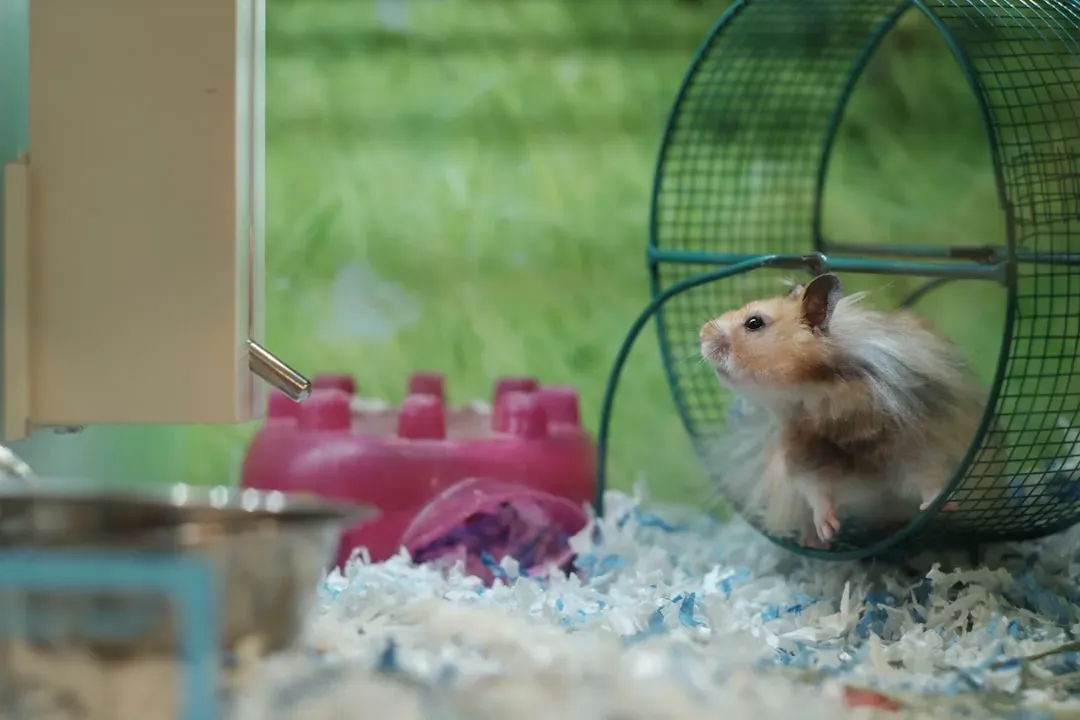
Hamsters have a strong sense of smell and will remember your scent, so placing an unwashed piece of clothing near the cage helps them get used to you. You can take toilet paper or non-scented tissue paper and rub it on yourself, then place it in their habitat where they can use it to build their nest and interact with your scent safely. This method allows your hamster to investigate you on their own terms without feeling threatened.
Hamsters rely heavily on smell, so you can place a small piece of fabric or tissue in your hand or clothing to transfer your scent, then place the scented fabric in the cage so they become accustomed to it. Think of it as leaving little calling cards that say, “Hey, I’m part of your world now.” This technique works particularly well because it doesn’t involve any direct contact that might stress them out.
Offer Treats from Your Hand Gradually

Offering favorite treats like sunflower seeds, mealworms, or dried fruits by hand helps build trust. Start by hand-feeding small treats, and when they seem comfortable taking treats, pick them up by scooping them into your hand. If your hamster seems hesitant at first, don’t take it personally. Simply place the treat in front of them and wait for them to take it, keeping this up until they’re comfortable with you before moving on to handling.
Eventually, place the treat on your open hand inside the cage so your hamster has to reach onto your hand to get it, letting them come to you rather than forcing the issue. This progression from offering treats at a distance to having them climb onto your hand creates positive associations. Your hamster starts to think, “Oh, good things happen when this person shows up.”
Keep Their Cage in a Quiet, Stable Location

Ensure their cage is in a quiet part of the house, away from other pets and without much footfall. If the cage is placed somewhere loud with a lot of traffic in the home, it causes stress because hamsters need peace to relax, otherwise movement represents a potential threat. Let’s be real, you wouldn’t want to sleep in the middle of a busy hallway either, right?
Keep the habitat away from any vents or drafty windows to ensure they’re in a safe temperature-controlled environment. Put your hamster’s home near the sounds of your family but not right in the thick of things – they’ll be comforted by your day-to-day sounds but stressed by loud noises and hubbub right outside their space. Finding that sweet spot takes a bit of trial and error, but once you do, your hamster’s stress levels will noticeably drop.
Maintain a Consistent Daily Routine

Feeding at a consistent time establishes a routine to help your hamster feel secure. Hamsters thrive on routine and consistency, so establishing a regular schedule for feeding, cleaning, and interaction helps them feel secure and builds trust over time. Animals, like people, find comfort in predictability. When your hamster knows what to expect and when to expect it, anxiety decreases significantly.
Pay attention and you’ll notice they all have their own routine – they usually wake up around the same time, groom themselves first, then get food and water, then start to explore their cage and run the wheel, though not every hamster does it in this exact order. Learning your individual hamster’s patterns and working with them, rather than against them, shows respect for their natural rhythms. It’s hard to say for sure, but I think this mutual understanding forms the bedrock of trust.
Provide Multiple Hiding Spots and Enrichment

Hamsters are prey animals and like to have places to hide and feel safe, so providing multiple hides in the enclosure is recommended, including multi-chamber hides, cork logs, and ceramic options. Hamsters feel more comfortable and safe in an area where they can easily hide, and it’s better to avoid see-through or translucent hides and houses. Your hamster needs to know they have escape routes and safe spaces where they can retreat if they feel overwhelmed.
Hamsters that don’t have an enriched environment have a greater tendency to accumulate stress, and sedentary lifestyles and lack of mental stimulation are among the main causes of stress in hamsters who need toys and activities to keep them healthy. Honestly, a bored hamster is often a stressed hamster. Adding different textures, tunnels, chew toys, and wheels transforms their cage from a basic enclosure into an engaging home where they can express natural behaviors.
Handle Them Gently and Respect Their Boundaries

Make sure you don’t smell of chemicals or perfume, keep your movements slow, and hold them close to the ground to reduce stress and help comfortable hamsters remain calm. Once your hamster is used to your hand, gently touch its back with your finger, moving slowly and never grabbing them suddenly, letting them climb onto your hand voluntarily. Place your hand around their abdomen and scoop them out gently if they don’t step up onto your hand, never picking them up by the tail which can be painful – if you’re causing pain, they won’t bond.
Don’t wake your pets up to handle them because you wouldn’t like it and neither will they, and unlike you, they may bite out of fear. Respect your hamster’s boundaries and preferences, and don’t force them to do anything they’re uncomfortable with – by respecting their space, you’ll build trust and create a more positive relationship. Some hamsters are naturally more social than others, and that’s perfectly okay. Meet them where they are.
Conclusion: Small Changes, Big Impact

Building trust with your hamster doesn’t require fancy equipment or complicated techniques. These eight tiny habits – giving them adjustment time, speaking softly, introducing your scent, offering treats, choosing a quiet location, maintaining routines, providing enrichment, and handling gently – create a cumulative effect that transforms your hamster’s experience. Remember that every hamster has their own personality and timeline for bonding.
The journey from a skittish newcomer to a confident companion who eagerly greets you might take weeks or even months. That’s completely normal. What matters most is your consistency and willingness to communicate in ways your hamster understands. When you prioritize their sense of security, you’re not just keeping a pet – you’re building a genuine relationship built on mutual respect and trust.
Did you notice any of these habits missing from your routine? Sometimes the smallest adjustments create the biggest breakthroughs. What’s been your experience bonding with your hamster? The road might have its bumps, but watching that tiny creature choose to trust you makes every patient moment worthwhile.